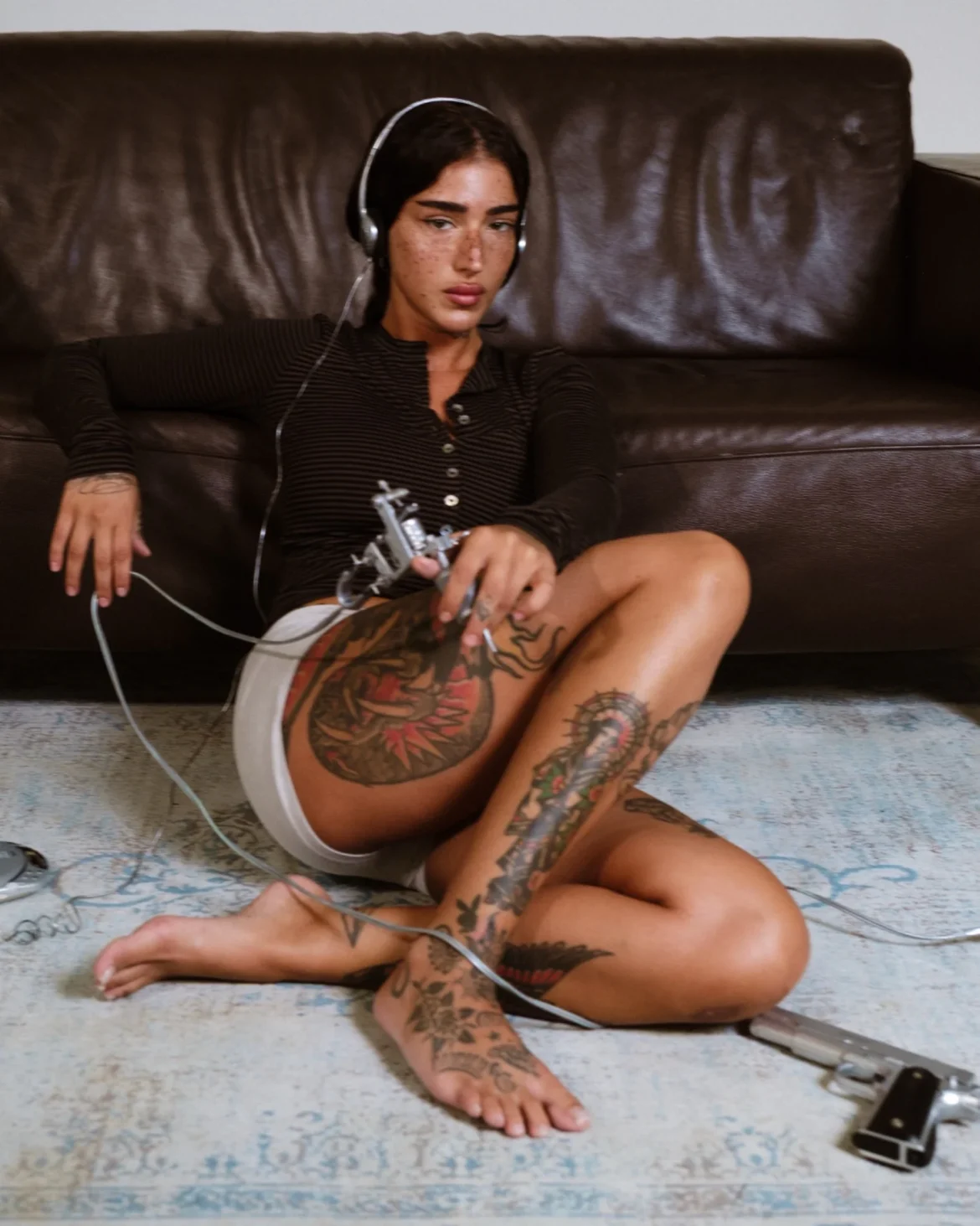
Celeste Di Nero is a multidisciplinary artist whose practice spans tattooing, directing, photography, graphic and set design. Without a fixed studio, she moves between cities, projects, and collaborations, allowing each place and encounter to inform her work. At the core of her practice is tattooing: an intimate dialogue between artist and client, where words, lettering, memories, and personal symbols become permanent expressions on the skin. Across image, film, and space, Di Nero explores themes of identity, personal expression, memory, and human connection, creating work that reflects the intimacy, vulnerability, and strength found in the stories we carry.
Profile picture by Yomi Rabiu
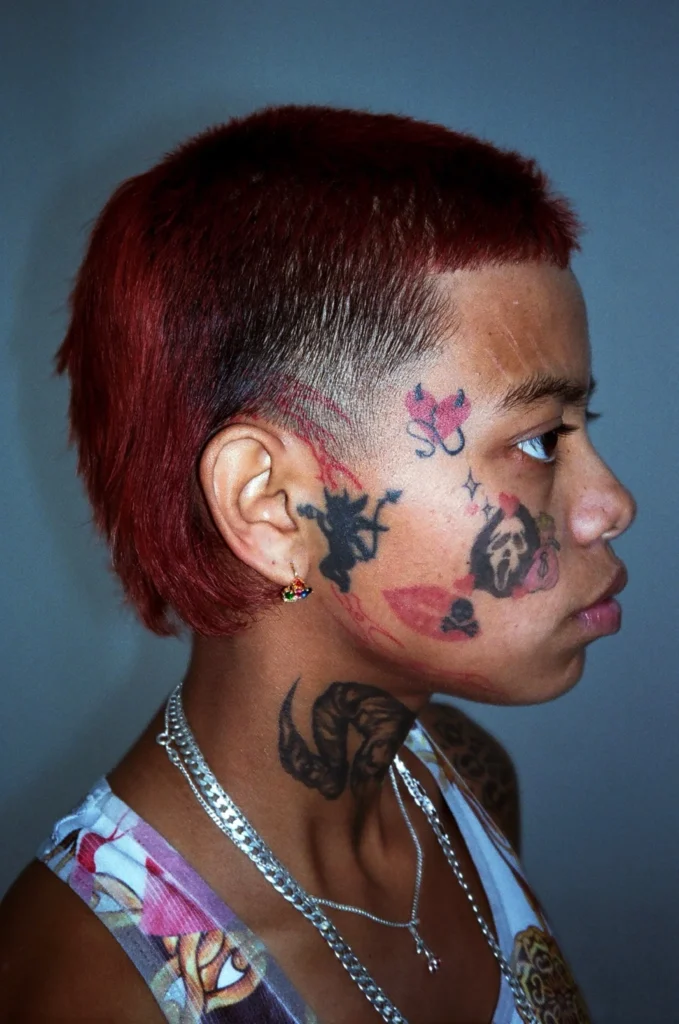
Hi Celeste! It’s a pleasure to sit down wot you! First question that I always ask, and I know that you travel a lot… so how does a regular day look like for you, where you are in the world right now?
Celeste: The pleasure it’s mine! I’m actually answering these questions on my flight to Paris, with a kid next to me peeking at my screen right now… hope he enjoys the interview.
I like to start my mornings slow: emails, to-do list, and, when I can, a workout before heading to the studio. It’s a hard habit to keep while travelling, but it’s non-negotiable this year. I usually get to the studio early to get everything ready before my appointments. When I’m not tattooing, I work on other projects: films, graphic design, or sometimes spending the whole day on set, either as a set designer or a model. Then I go home, cook, pack if I’m flying the next day, and pass out.
I’m curious, growing up Buenos Aires, what kind of kid were you? What did you enjoy doing, and how did you spend your time?
Celeste: I was a very lively and curious kid. My mami often tells me that even as a baby, I was always trying to explore everything around me. I would just crawl off everywhere and drive her crazy. I was very social with other kids, but I also loved being on my own, playing in imaginary worlds surrounded by nature. And I have to admit, I was pretty stubborn too.
Do you remember approximately at what age your creative side started to show? And when did you realize that you could make a living out of that creativity?
Celeste: It started when I was a child. My mom is very crafty and a talented painter. I remember we always used to spend time together with my sister playing with crayons, building toys with paper or customising clothes. If it wouldn’t be for her, I don’t know how my life would look right now. Te quiero Mamá.
Growing up I went to art school, I got into graffiti and photography and after my graduation I started tattoing. At first I didn’t think I could make a living out of it. I had many side hustles during these years but at some point I finally trusted myself enough to focus entirely on creative jobs. Initially it was scary but after a while it started working out for me. I’m happy I never gave up and followed my intuition.
So how did you get introduced to photography? And how did you first start out practicing with your camera?
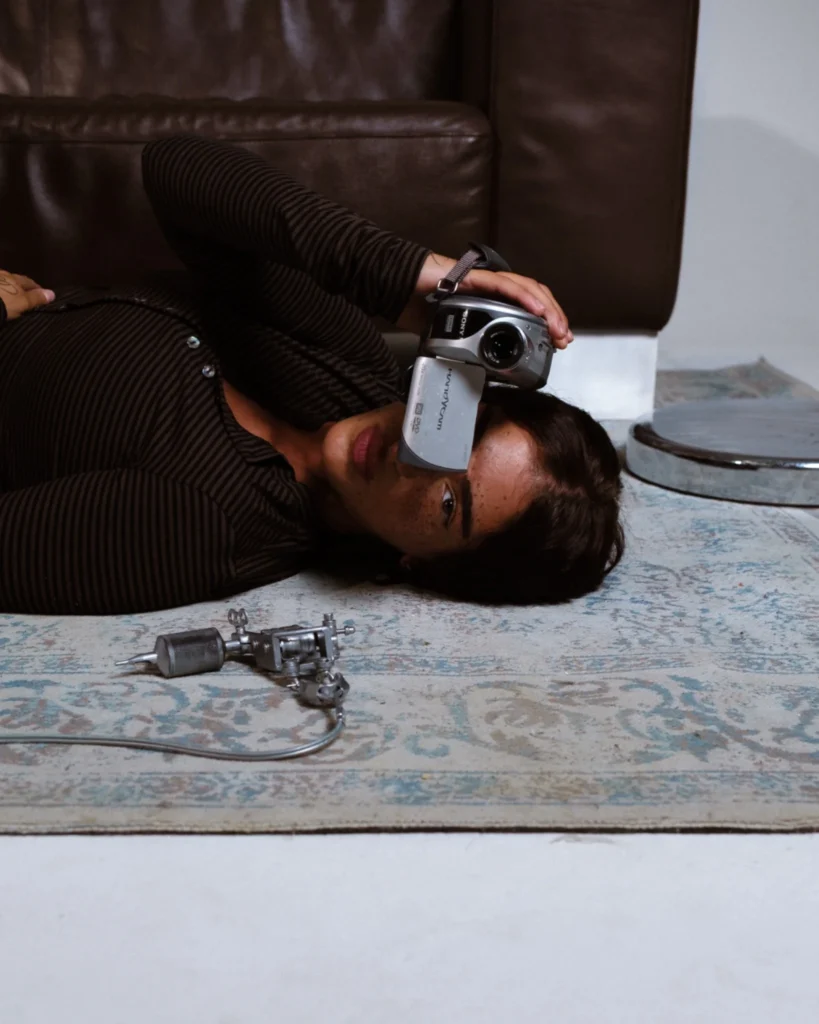
Celeste: During high school I had a boyfriend who was very passionate about photography. Analog photography especially. He had drawers filled with cameras. Some rare, some broken, some funny shaped. He used to shoot and help me with any ideas I had in mind. I was directing, he was shooting. He gave me my first Olympus and since then I always carry a point and shoot with me. I started shooting BTS for music videos, documenting the graffiti scene I was growing up in, the parties i was going to, and my friends of course. I love taking pictures of my friends.
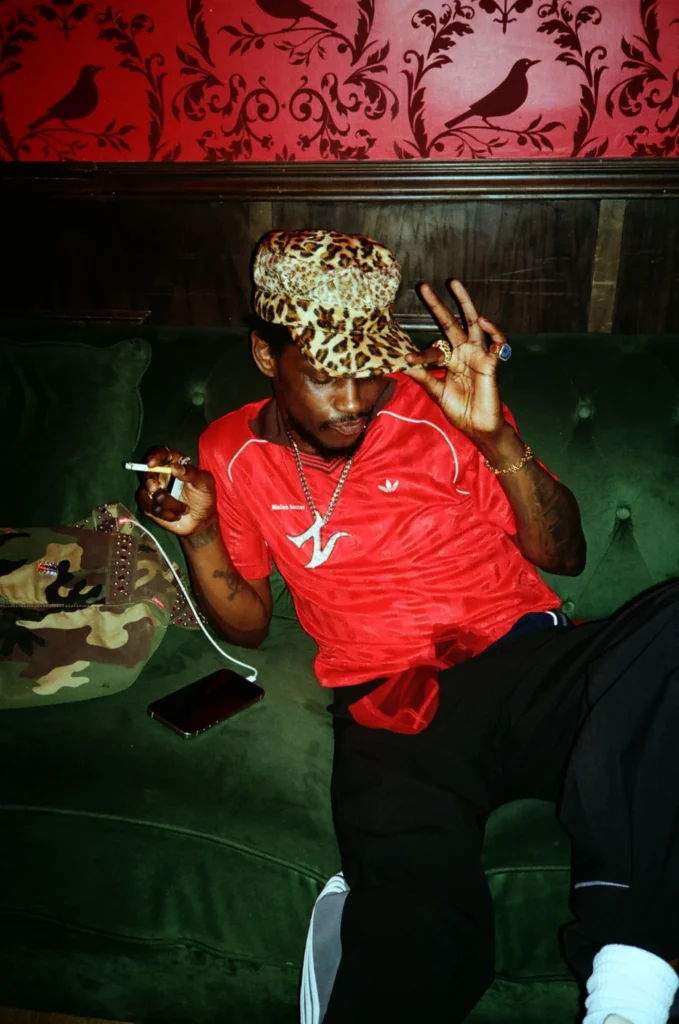
Same thing with tattooing…. I know you’re self taught, but how did you get introduced to it? And how did you first start out practicing?
Celeste: I always loved tattoos. I got my first one at 16. During high school I was hanging out with a lot of older creative people from different scenes. Music, graffiti, skate and tattooing. I remember we were at some friend’s place and a tattoo artist friend of mine had his machine with him. He let me do my first tattoo on my boyfriend at the time. We all used to be part of the same crew: “Saint 33” our lucky number. I gave him the number 33 in an Old London font style. It came out… ok. Shortly after another tattoo artist gifted me an old tattoo machine he wasn’t using. So I started drawing flashes and I built a little studio at home. I was tattooing all my friends for free. Most of them were already pretty tatted up. They didn’t seem to care too much about the quality of the tattoo hahah. I owe them everything for real.
With that in mind, tattooing seems to sit at the centre of everything you do. What can tattooing express that photography, film or design cannot?
Celeste: I think what makes tattooing different is that it becomes part of you. Photography, film and design can tell stories and capture moments, but a tattoo actually lives on your body. It becomes a permanent record of who you were, what you felt, or what you wanted to remember at a certain moment in your life. There’s something very intimate about that. You’re not just creating an image, you’re giving someone a way to carry their story with them. It also changes with the person over time, becoming part of their physical presence and personal history. That sense of permanence, and the trust involved in creating something so close to someone’s identity, is what makes tattooing feel uniquely powerful.
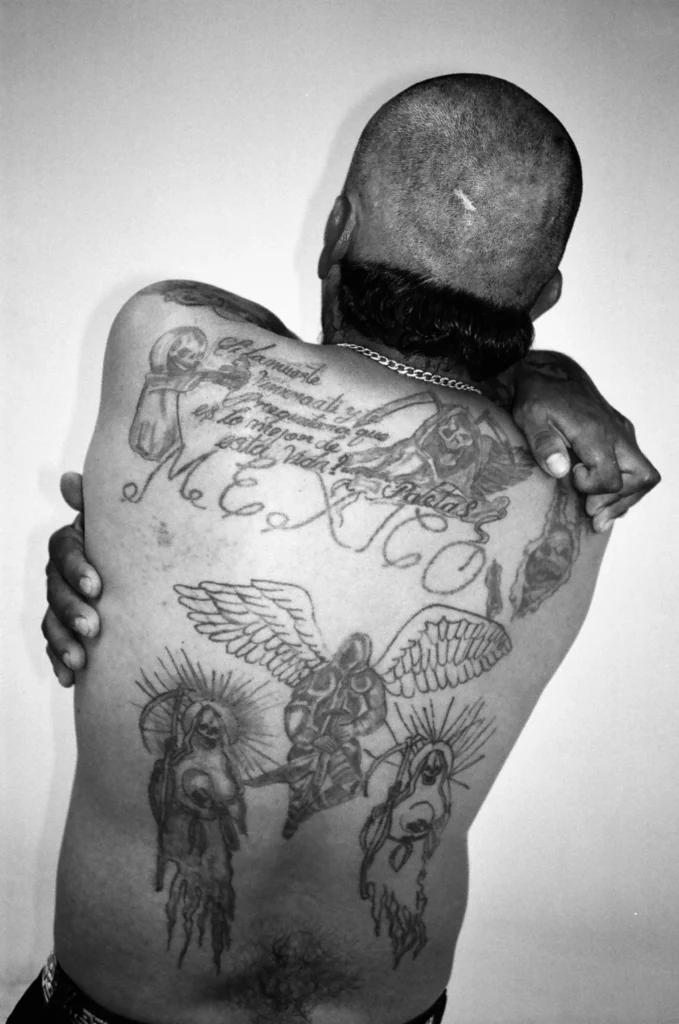
A tattoo has to live with someone long after you have finished making it. Does that permanence change the way you think about responsibility as an artist?
Celeste: Absolutely. I think it makes you much more conscious of what you’re putting into someone’s life. A tattoo isn’t just an image you make and move on from: you have to live with the person’s trust and with the decision they’ve made. That makes me approach every tattoo with a lot of respect. I try to really understand the person and what they want to carry with them, because in the end, you’re not just making a piece of art. You’re becoming part of someone’s story.
Your work often begins with somebody else’s words, memories or personal symbols. How do you translate something deeply private into an image without taking ownership of their story?
Celeste: For me, it starts with really understanding the person and what the story means to them. When someone shares something so personal with me, I want to translate it visually without changing its meaning or making it about myself. I try to understand what the feeling behind it is, what they want to remember, and what feels meaningful to them. Then my role is to translate that into an image while leaving enough space for it to still belong to them. In a way, I’m just helping them give a visual language to something that was already theirs.
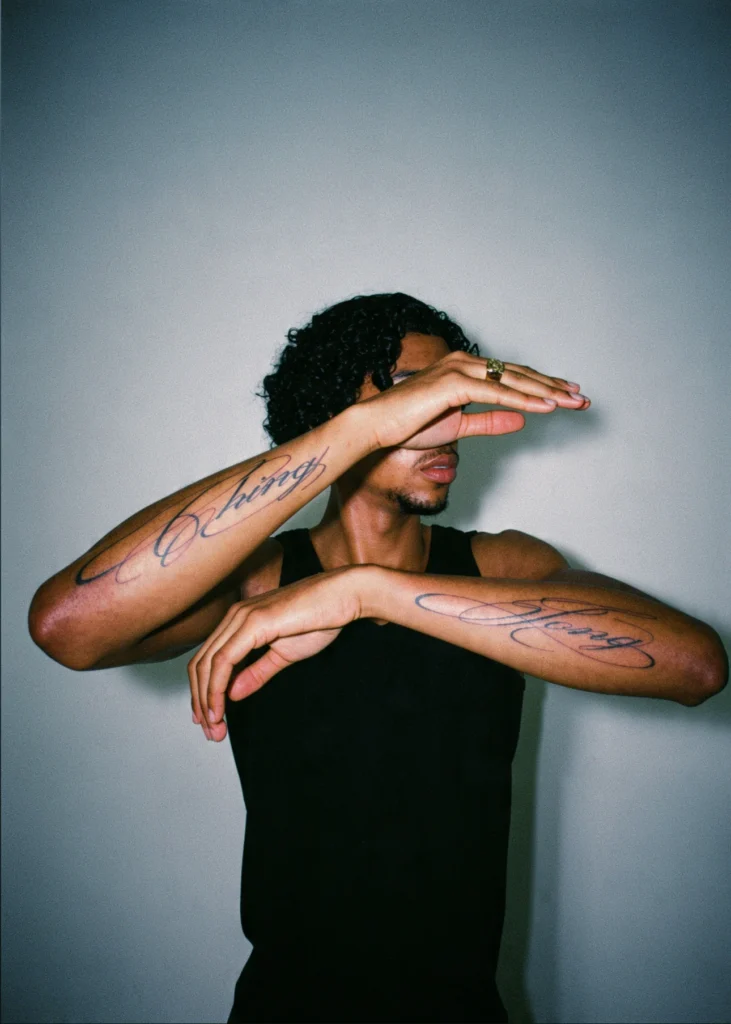
There is something unusually intimate about tattooing: someone gives you access to their body and, often, to a very personal part of themselves. What happens in that space between you and the person you are tattooing?
Celeste: I think there’s a lot of trust in that moment. Someone is literally sitting in front of you, giving you access to their body and sharing something that means a lot to them. There’s also something very meditative about the space you create together. Once the machine starts, everything slows down. You become very present. Focused on the movement of your hand, their breathing, the sound of the machine. For the person being tattooed, it can almost become a moment to disconnect from everything outside that room, and for me, it’s the same. We’re both completely immersed in the same moment, almost in a world of our own. You talk, sometimes you don’t, and you spend a few hours together in this very focused, quiet space. I think that’s one of the things I love most about tattooing. You get to connect with people in a very honest way, and for a moment, you’re sharing something that will stay with them long after you’ve said goodbye.
Do people ever tell you things while you are tattooing them that they might not otherwise tell a stranger?
Celeste: Yes, definitely. I think there’s something about being in that space for a few hours, with nothing really expected from you, that makes people open up. Sometimes they tell me things I’m pretty sure they wouldn’t tell someone they just met in any other situation. There’s no pressure to keep a conversation going, so it can feel very natural. And I think the fact that I’m working on their body, while they’re sitting still and in this very focused state, creates a strange kind of trust. Sometimes it’s just small stories, sometimes it’s something much more personal. I always feel very grateful when someone feels comfortable enough to share those things with me.
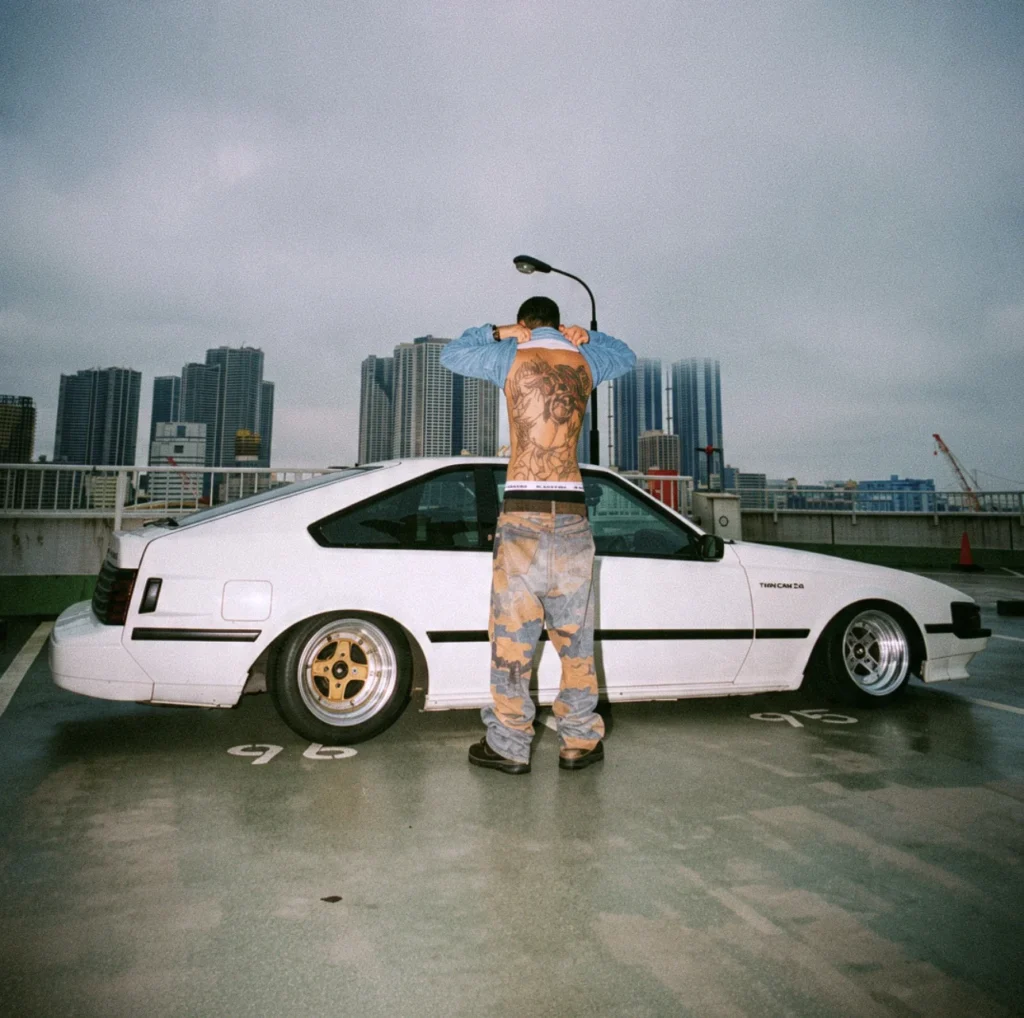
Lettering appears to be an important part of your tattoo practice. What fascinates you about turning language into something visual, and eventually physical?
Celeste: I’ve always been fascinated by the fact that the same word can feel completely different depending on how you write it. With lettering, the shape of the letters becomes part of the meaning. The weight, the movement, the imperfections, even the way the ink sits on the skin.
I also really enjoy the design process behind it. I usually start by looking closely at the words themselves. Their rhythm, their length, the sounds and emotions they carry, and then I begin experimenting with different forms. I draw, redraw, stretch and compress the letters, play with spacing and proportions, until the typography starts to have its own character. There’s a lot of instinct involved, but also a lot of editing. I’m looking for the point where the design feels natural on the body, rather than simply looking good on paper.
Words normally disappear after they are spoken, while tattoos make them permanent. What draws you to that contradiction?
Celeste: I think that’s exactly what fascinates me about it. Words are naturally temporary: you say something, and it disappears into the air. But when you put those same words on someone’s skin, they suddenly have a completely different weight. They become something you can see, touch and carry with you. I like that tension between something so fleeting and something so permanent. It also makes me think differently about the words I’m designing. I’m not just choosing a typeface or making something look beautiful; I’m helping give a physical form to a thought, a feeling or a moment that someone has decided is worth keeping.
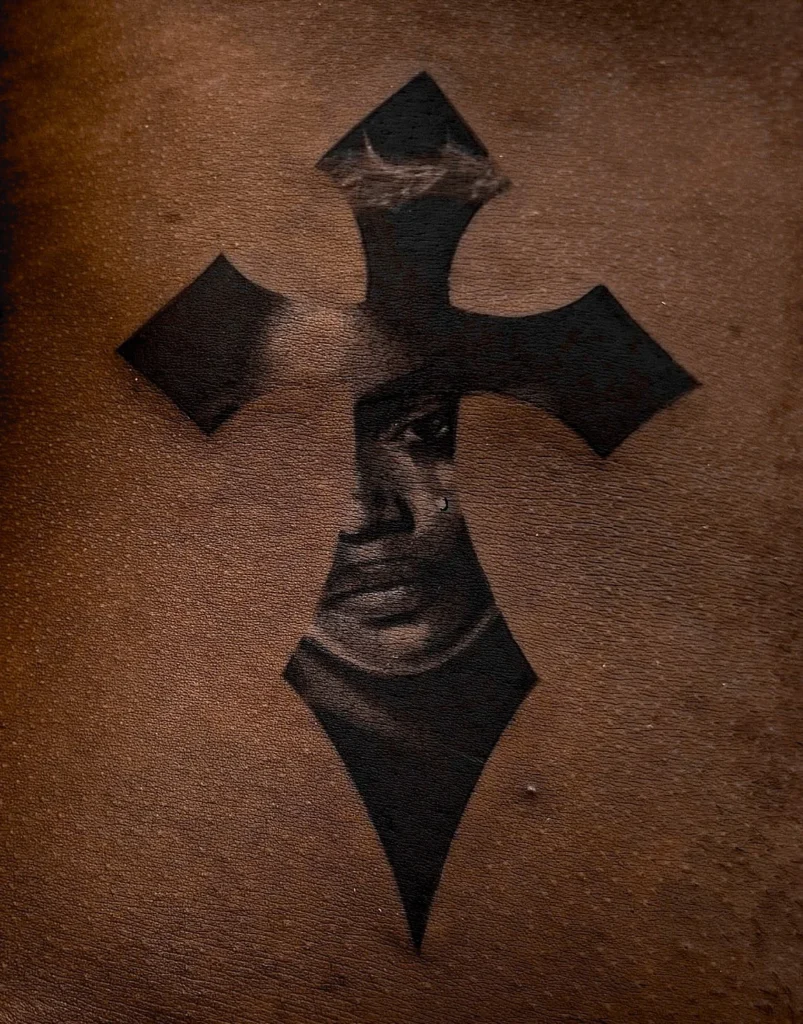
Your work moves between tattooing, photography, directing, graphic design and set design. Do these feel like separate disciplines to you, or different ways of pursuing the same idea?
Celeste: For me, they don’t really feel like separate disciplines. They’re different tools, but I’m always interested in the same thing: creating a world and finding a visual language to express an idea or a feeling. Sometimes that starts with a person and their story, and it becomes a tattoo. Sometimes it’s an image, a film, a set, or a piece of graphic design. I think the way I work is very instinctive — I’m constantly collecting references, textures, objects, images and ideas, and then trying to find the right medium for them. So I don’t really see myself as moving between different worlds. They all feed into each other, and that’s what keeps the process exciting for me.
You work without a fixed studio and move between cities and collaborations. Has not having a permanent creative home become part of your artistic identity?
Celeste: I think it has, even if it wasn’t something I planned. I’ve never really felt the need to have one fixed place that defines where I work. Moving between cities, meeting different people and collaborating with different creatives constantly changes the way I see things. Every place brings a different energy, different references, and different conversations.
In a way, the work itself has become my creative home. I can arrive somewhere with just my tools and a few ideas and build something around the people and the environment. I like that sense of movement and not knowing exactly what the next project or place will look like. It keeps me curious and prevents me from getting too comfortable.
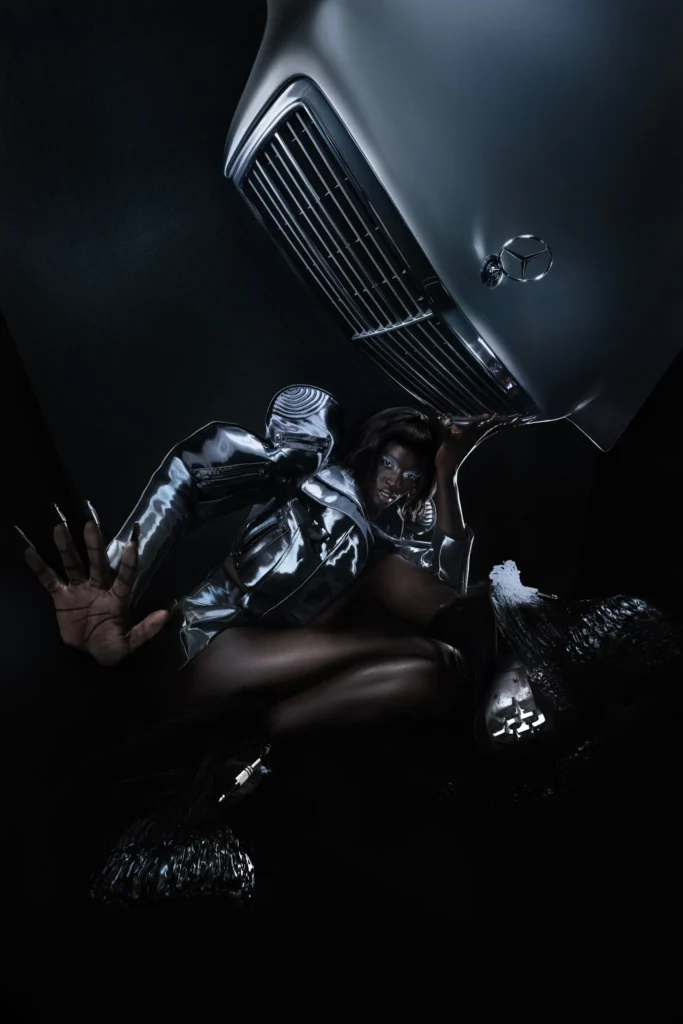
When you arrive somewhere new, what do you notice first — the people, typography, architecture, clothes, nightlife, something else?
Celeste: I think I notice the atmosphere of a place first: how people dress, the colours, the streets, the little details that make it unique. Music is a huge part of that for me. Whenever I arrive somewhere new, I start listening to local music. It helps me understand the energy of a place and often becomes part of my creative process. Food is important too. I like discovering what people actually eat, especially small, everyday places. Food, like music, can tell you so much about a culture and the way people live. I’m basically collecting all these details: sounds, flavours, images, people. And they often come back into my work later.
So much contemporary visual culture exists temporarily on screens. Does working with something irreversible like tattooing feel almost radical in comparison?
Celeste: Yeah, I think there’s something radical about it. We live in a world where everything is constantly changing, disappearing and being replaced, especially on screens. A tattoo is the complete opposite: it asks you to slow down and commit to something. I like that permanence. It gives the image a different kind of weight. You can’t just scroll past it or delete it; it becomes part of your body and your story. I think there’s something powerful about creating an image that has to exist in the real world, with you, rather than just on a screen.
Have you ever refused to tattoo an idea because you felt it was wrong for the person, even though they wanted it?
Celeste: Yes, definitely. Because it’s permanent, I think part of my responsibility is also knowing when to say no. Sometimes someone comes with an idea that I don’t feel is right for them, or maybe they’re making a decision too quickly. I’d rather have an honest conversation and try to understand what’s behind the idea than simply tattoo something because they asked for it. At the end of the day, it’s their body and their decision, but I think my role is to be honest and guide them when I feel something could be reconsidered. Sometimes saying no is part of taking care of the person.
Does your own body function as an archive in the same way you describe other people’s bodies? What do your tattoos tell you about earlier versions of yourself?
Celeste: Definitely. I think my own body is probably the most personal archive I have. Every tattoo belongs to a different moment, even the ones I might not choose today. When I look at them, I remember where I was, who I was with, what I was feeling, or what was happening in my life at that time. I actually like that they don’t all represent who I am now. They’re like little traces of different versions of myself. I don’t think I would ever want to erase that; even the parts that feel distant from who I’ve become, because they’re still part of my story.
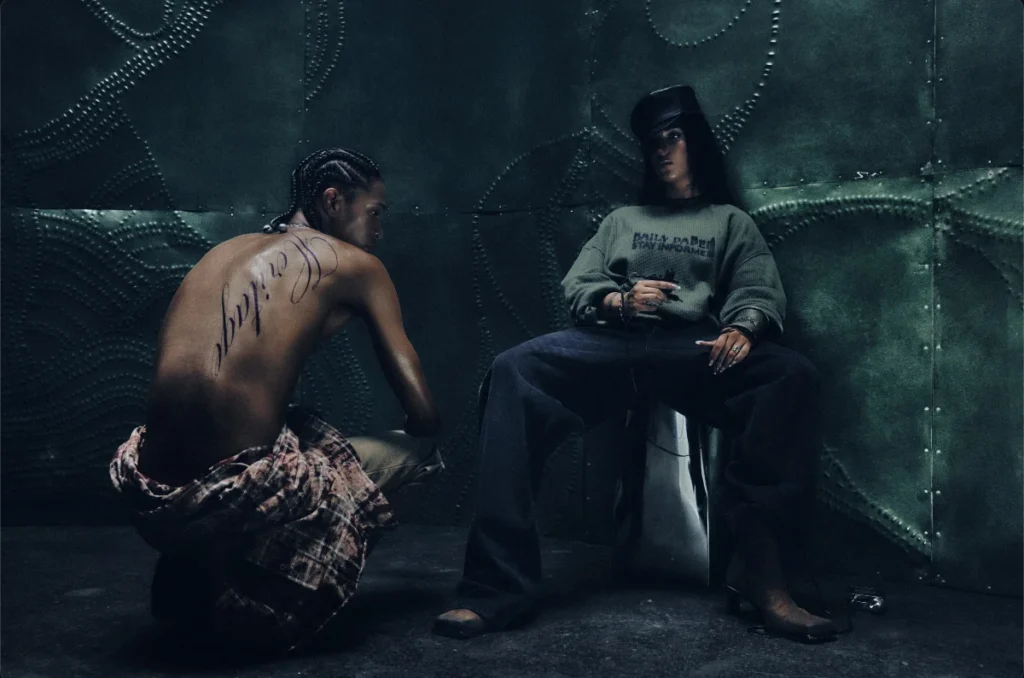
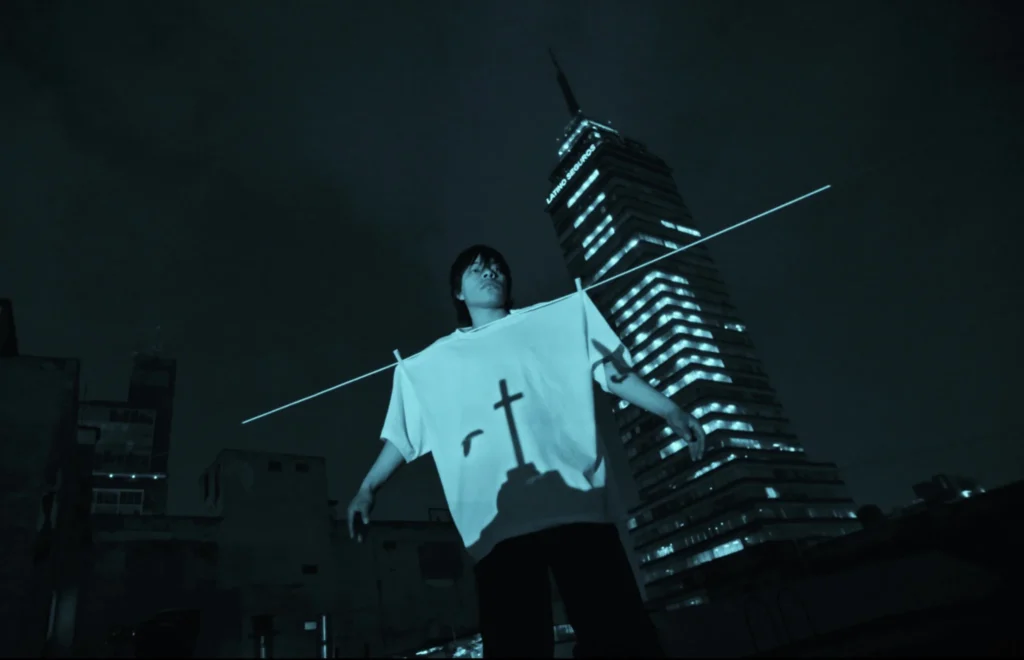
When you collaborate with photographers, designers, musicians or other artists, what makes you want to enter someone else’s visual world, what do you look for?
Celeste: I think I’m drawn to people who have a very strong point of view, but who are still open to exchange. I like when someone has built their own visual world and you can feel that there’s a story behind it. But beyond aesthetics, I really value curiosity, character and the way someone thinks.
I’m interested in people who have something to say, who are generous with their ideas, and who are willing to experiment rather than just trying to make something look good. For me, collaboration is about bringing two different perspectives together and seeing what happens in the space between them. I’m not interested in simply fitting into someone else’s aesthetic. I want there to be a conversation, where I can bring something of my own while also being surprised by the way the other person sees things. Usually, it starts with curiosity: if someone makes me look at something differently, I’m interested.
Ok Celeste, now to something totally different. In a parallel universe who would you be? and what would you be doing?
Celeste: Hahaha, in a parallel universe I’d definitely be a farmer somewhere in the middle of nature. I’d have a little ranch with goats, grow my own veggies, and live a very simple country life. And obviously, I’d be dancing bachata somewhere every evening. Honestly, I can’t wait to quantum leap into that universe once I retire. That’s definitely the plan.
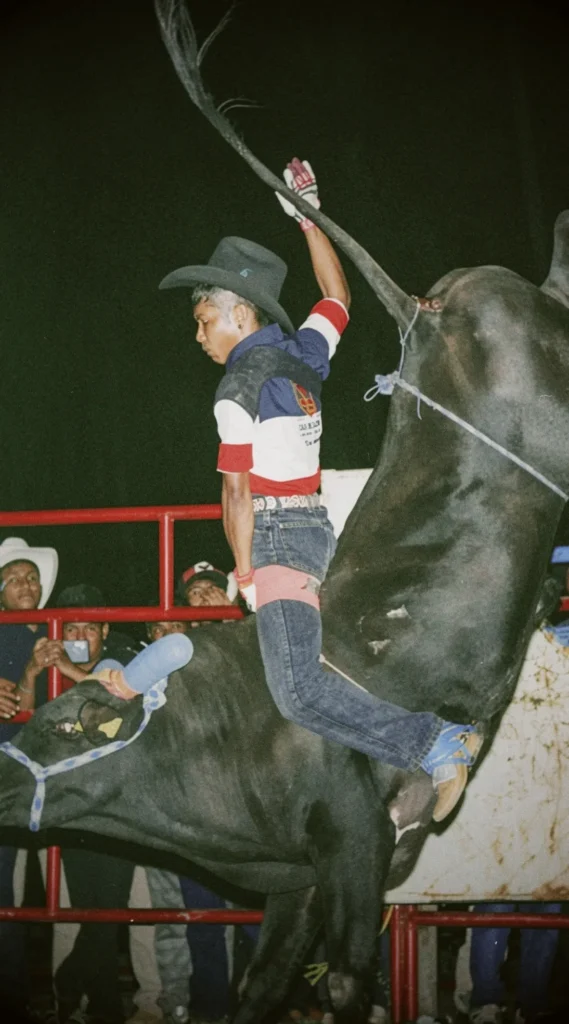
Outside of tattooing and photography, what’s something you’re obsessed with right now, maybe a hobby, a show, or even a food, that keeps you grounded or inspired?
Celeste: Probably breathwork. I’ve recently started practicing it and discovering how powerful it can be. It gives me a moment to slow down, reconnect with myself, and clear my head. And goats. I literally have a folder dedicated to goats content.
Can you tell me a story about a time when a connection with someone had a big impact on you?
Celeste: I really believe every connection happens for a reason. Life is full of these unexpected encounters, and somehow one thing always leads to another. When I look back, I can see how certain people came into my life at exactly the right time and pushed me in a new direction. So I honestly couldn’t pick just one connection. I think every person I’ve met has left something with me, even if it was just a small lesson or a new perspective, and all of those little things have shaped where I am today.
What qualities do you find most important in the people you choose to spend time with?
Celeste: I really value people who are genuine, emotionally aware and humble. For me, it’s important that a relationship feels balanced; that there’s a natural exchange of energy, support and curiosity.
Anybody you look up to?
Celeste: I have so much admiration for people living through war and genocide who still find a way to hope, love, create, or simply keep going. That kind of strength feels very human to me, and it reminds me not to take my own life for granted.
What motivates you?
Celeste: My ranch won’t build itself.
How would you describe a perfect day?
Celeste: Waking up with a million dollars in my bank account, knowing my family is healthy, then spending a sunny day at the beach, sipping coconut water, cracking open the coconut and eating the jelly inside. Honestly, that sounds pretty perfect to me.
Alright Celeste, I always ask these two questions at the end of an interview. The first is. What’s your favorite movie(s) and why?
Celeste: Apocalypto by Mel Gibson It reminds me of a time when people were much more connected to the land and to each other. Most of the cast were Indigenous people who weren’t professional actors, which gives the performances a very natural quality. The costumes, makeup and attention to detail make the whole world feel incredibly authentic.
The second is. What song(s) are you currently listening to the most right now?
Celeste: Depends on my mood but my top 3 this week is:
Por Mi Timidez – Anthony Santos
Hagoromo – Susumu Yokota
Believe – Cheef Keef