
Share this
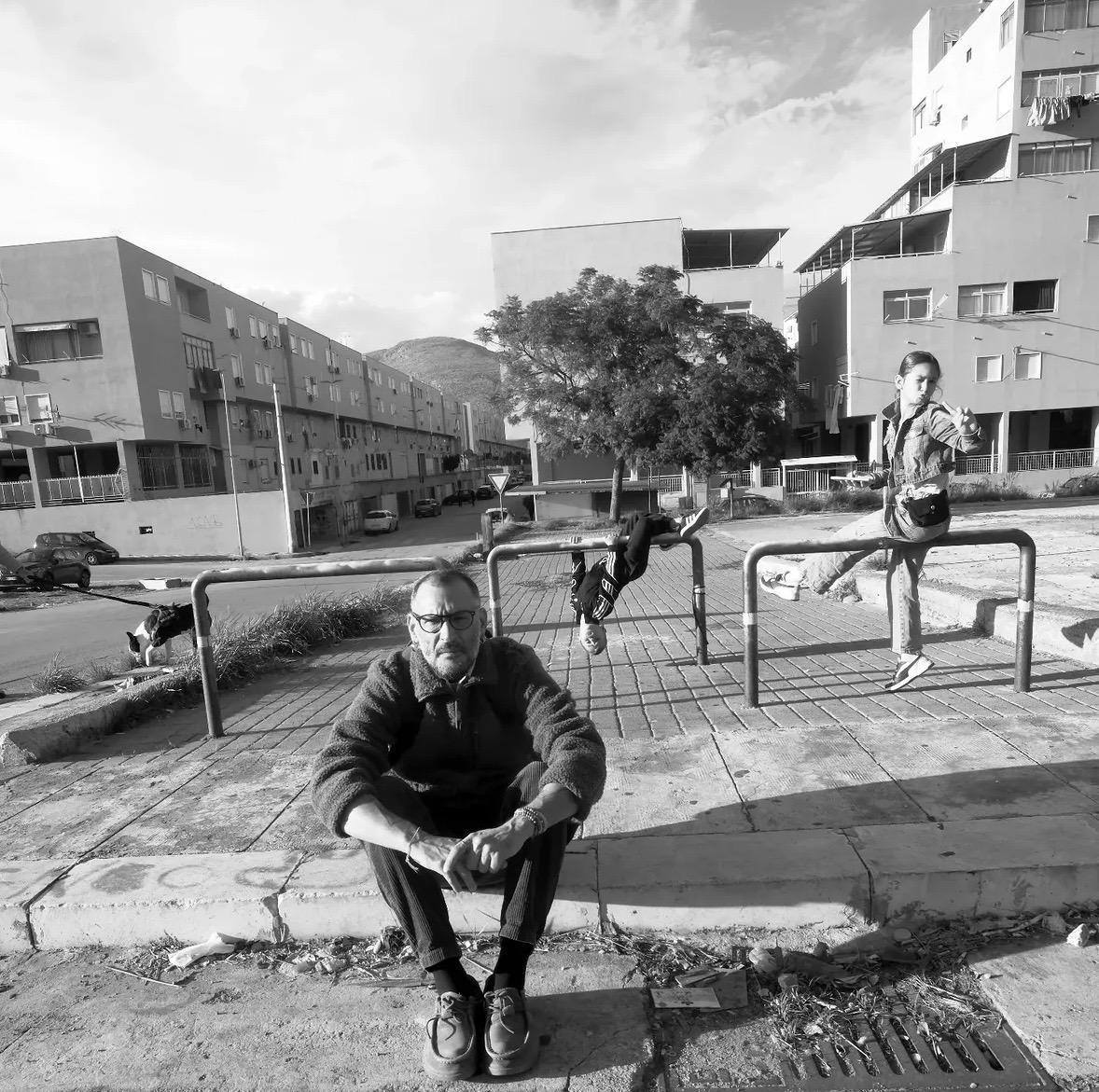
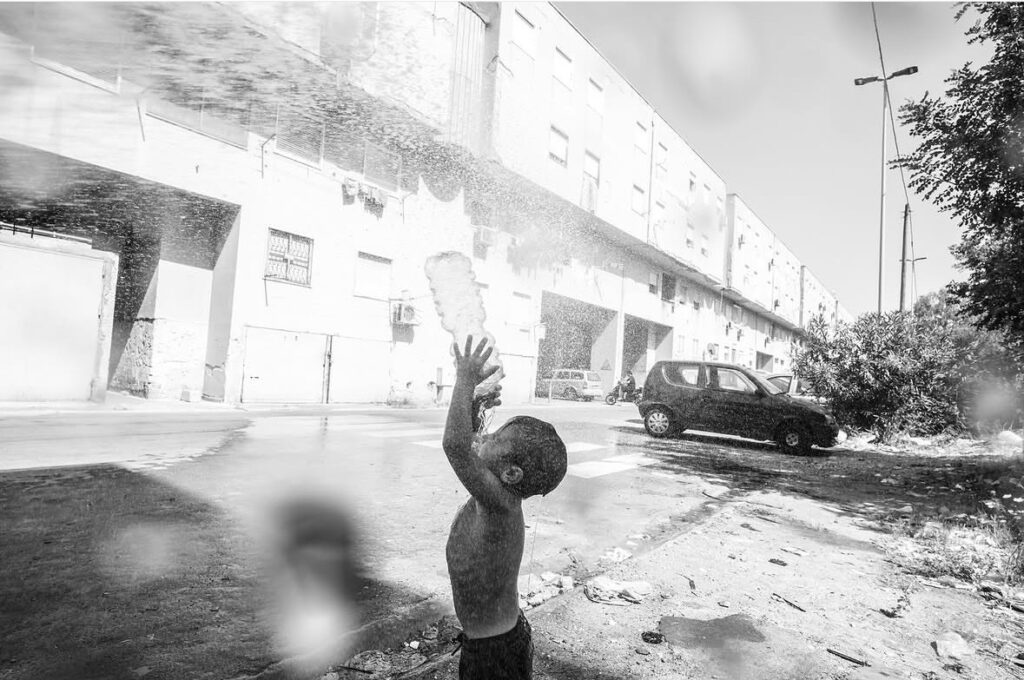
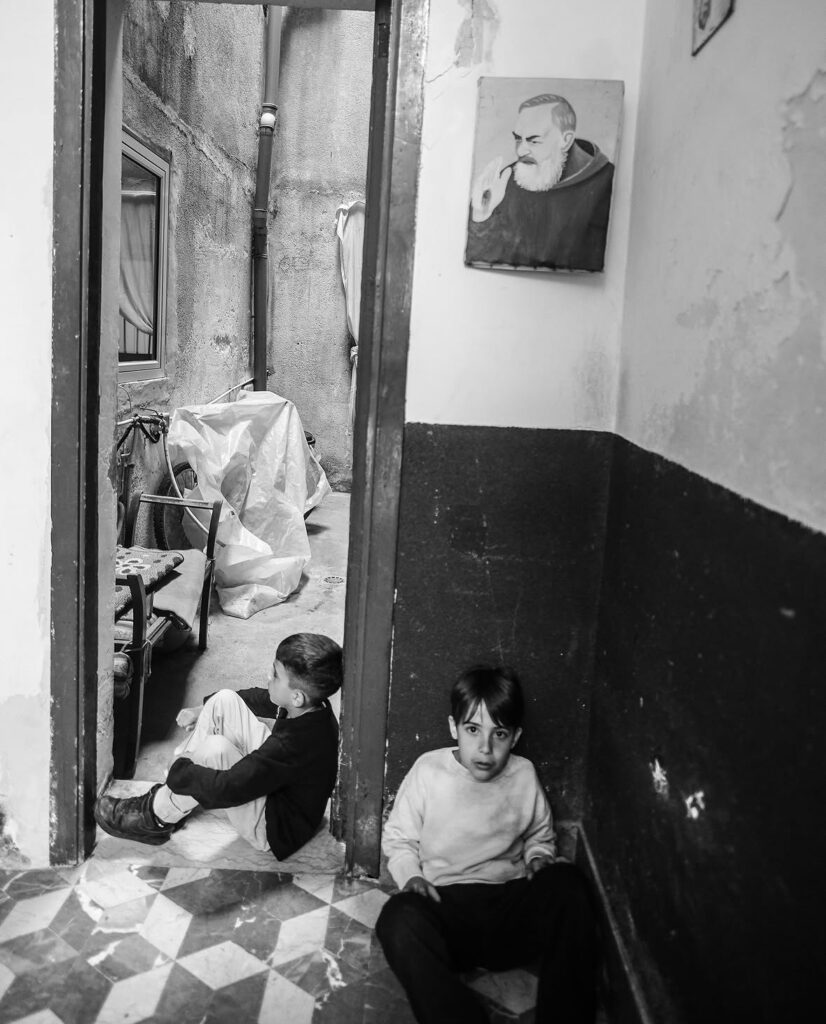
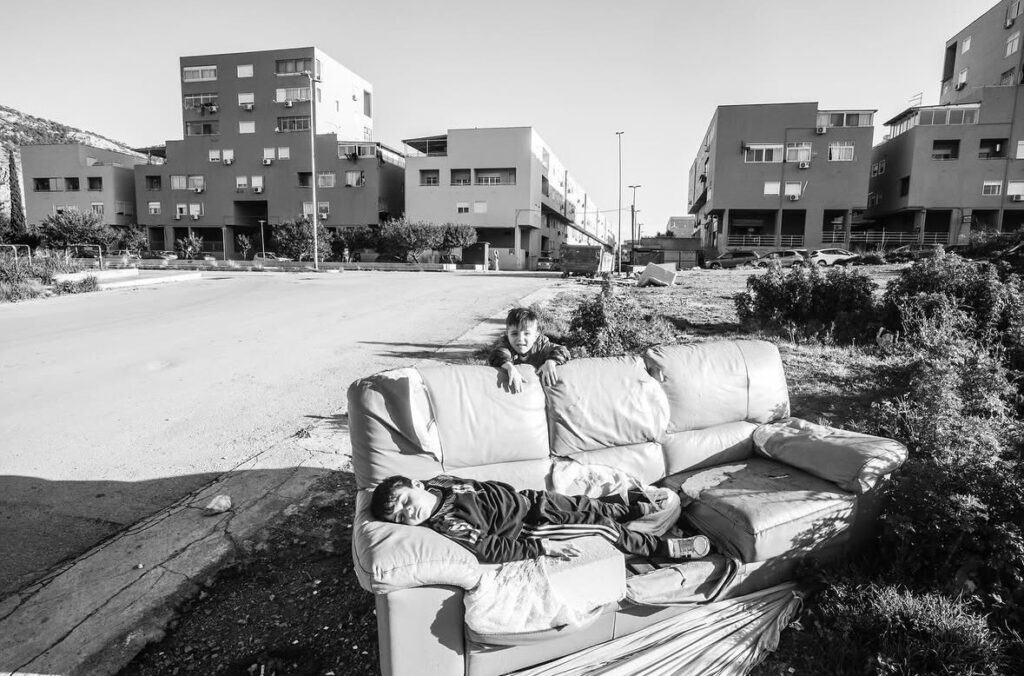
Francesco Faraci is a Palermo-born photographer, filmmaker and writer whose work is deeply rooted in Sicily and its social realities. Working across documentary photography and social reportage, he focuses on the contradictions of his homeland — beauty and violence, joy and hardship, belonging and marginalisation — with particular attention to children, young people and communities growing up on Palermo’s outskirts.
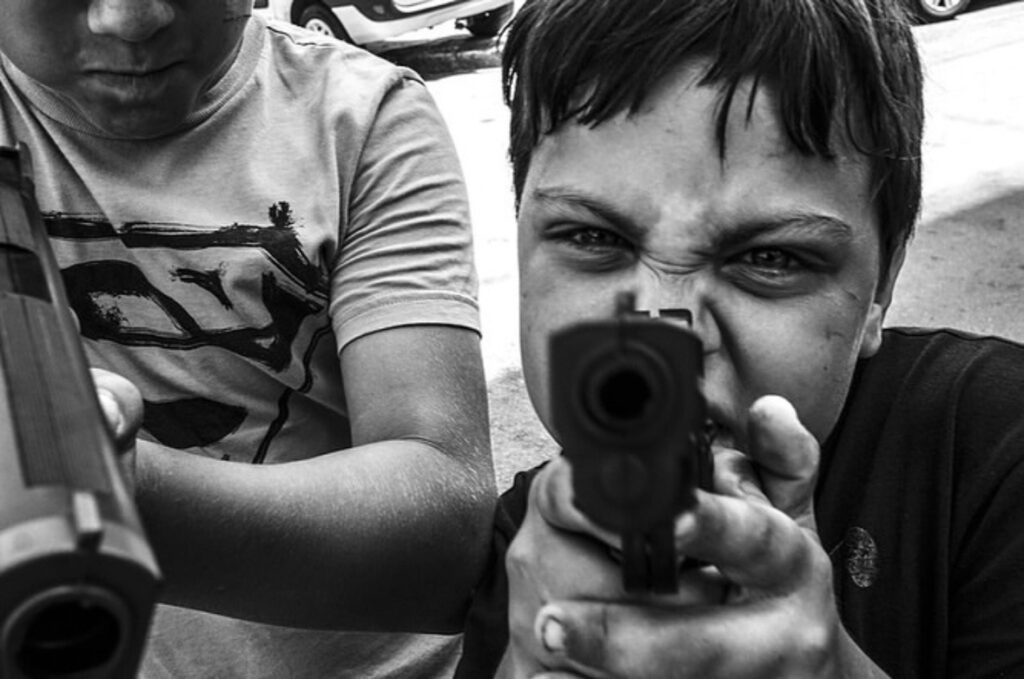
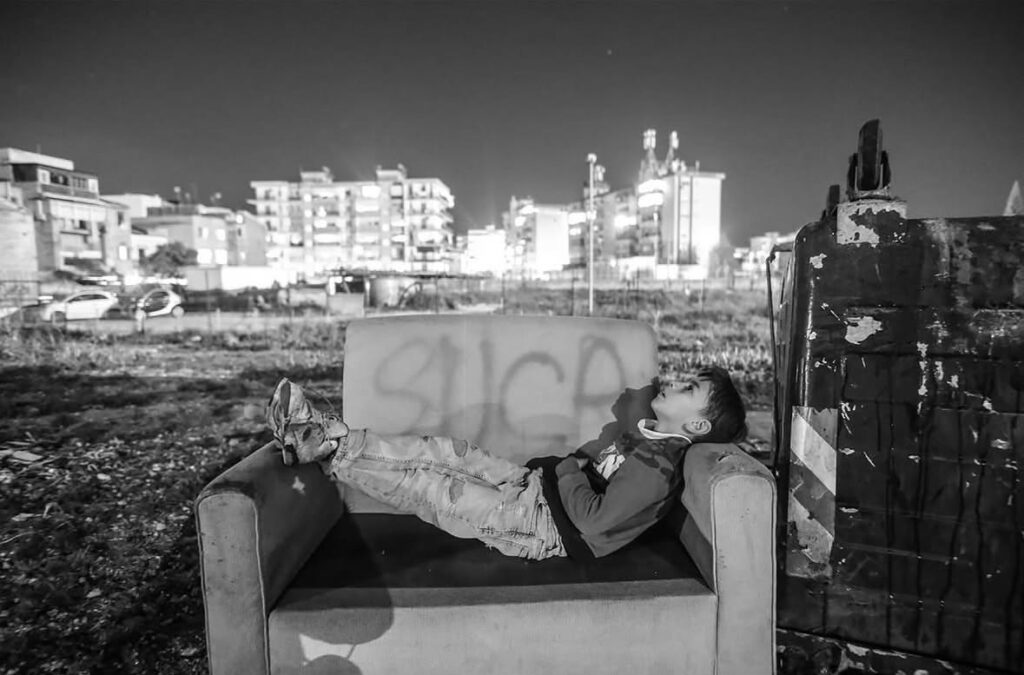
Since turning to photography in 2013, Faraci has developed a deeply personal visual language built through proximity, trust and long-term engagement. His first photobook, Malacarne (2016), emerged from three years spent photographing children in Palermo’s marginalised neighbourhoods and brought his work international recognition.
His photography has appeared in Time, The Guardian, VICE, Rolling Stone and La Repubblica. In 2026, he received the Peppino Impastato Prize, while his life and work became the subject of Stefano Zito’s documentary Outskirts.
Hi Francesco! It’s a pleasure to sit down with you! First question that I always ask. How does a regular day look like for you in Palermo?
Francesco: Hi Rubén, the pleasure is all mine. Well… my typical day follows a pretty precise routine: I wake up early and spend at least a couple of hours writing, answering emails, reading about what’s happening in the world, and then I turn to the thousand little things that demand attention throughout the day.
In the afternoon, I go out, make my way to the place I’m trying to tell the story of, and stay there with “my” people. And every now and then, in the meantime, I even manage to take a few good photographs. I go to bed early, but never without a book. That’s the typical day — though, as you know, no two days are ever really the same.
I’m curious, growing up, what kind of kid were you? What did you enjoy doing, and how did you spend your time?
Francesco: That’s a beautiful question. I was quite a solitary child. I loved daydreaming and imagining worlds beyond my bedroom window. I became a reader at an early age: I read the first book of my life when I was eight. It was a gift from my aunt — Jonathan Livingston Seagull.
Once I discovered how wonderful reading was, how it could open doors onto the world and all its infinite possibilities, I became a rebellious kid. I discovered the streets. At the time, I lived in a difficult neighborhood and started hanging around with what people would call the “wrong crowd”: fights, petty theft, things like that. Looking back, though, I think I had a good childhood overall. I have some very beautiful memories, full of light, that I still carry with me, as vivid today as they were then.
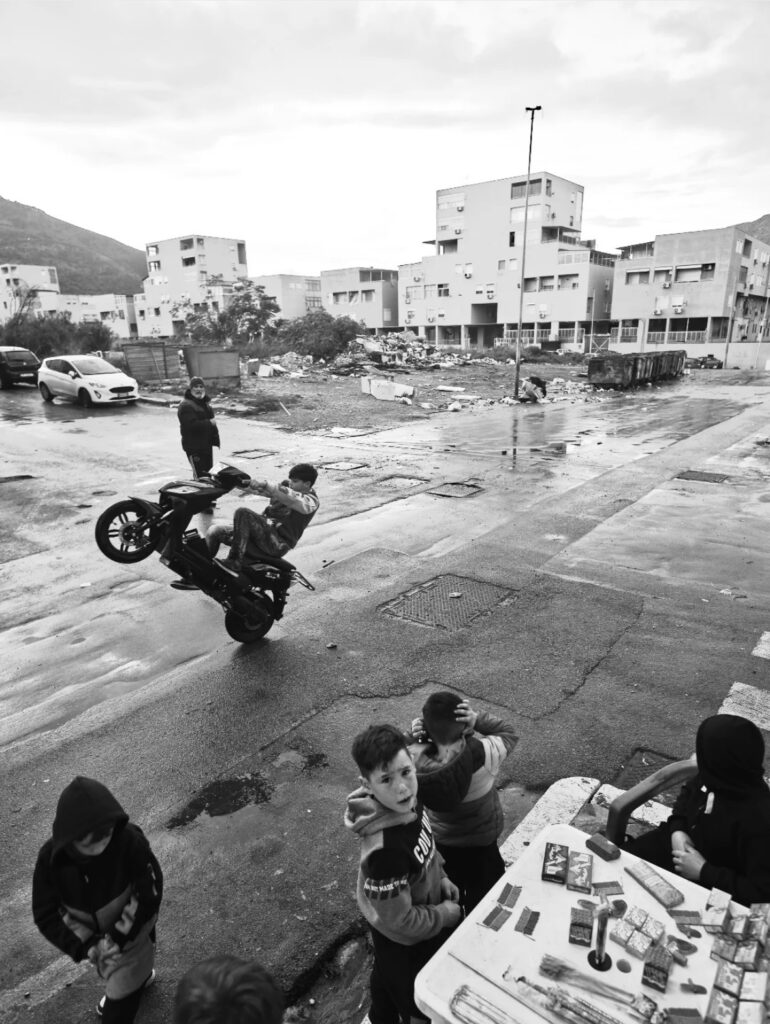
You began photography relatively late, in 2013, after studying anthropology and sociology. So how did you get introduced to photography?
Francesco: Yes, it was 2013, and up until then I had never taken a single photograph in my entire life. To tell you the truth, I wasn’t even interested in photography.
But life follows paths that are completely unknown to us, and so one day, a friend of mine who ran a photography shop with his father put a camera in my hands. It was a slow kind of love, a gradual process of becoming aware. It wasn’t like it was with words; it took me a while to understand that with a camera I could tell stories and, at the same time, tell something about myself.
I realized that Palermo was beginning to appear to me in a different light, so I started photographing it, without any particular ambition. The simple act of taking photographs made me feel good. I understood that I had found my path when photography became something I could no longer do without.
It was a weapon — certainly a nonviolent one — but an incredibly powerful tool for giving back what I was seeing. I hardly ever look back, but on those very rare occasions when I do, and I become aware of the things I’ve done, I can barely believe it. Photography and words have given me the gift of perseverance.
Do you think not having been formed primarily inside photography gave you a different way of seeing?
Francesco: I don’t know if mine is a “different” way of seeing — I wouldn’t want to sound presumptuous. But perhaps it is. I have no formal training in photography, and I think that allowed me to be free, to be completely myself. And probably that freedom helped me develop a language, a way of saying things, that was entirely my own.
My background is literary. It was books that opened the world up to me — writers, and some in particular. I read Kerouac, Ginsberg, that American literature of wide-open spaces, journeys and frontiers — Cormac McCarthy, for instance. Then Pier Paolo Pasolini came along, and his work challenged me deeply. It stayed with me because what he was looking at — the world of the Roman outskirts — was the same world I had right in front of my eyes.
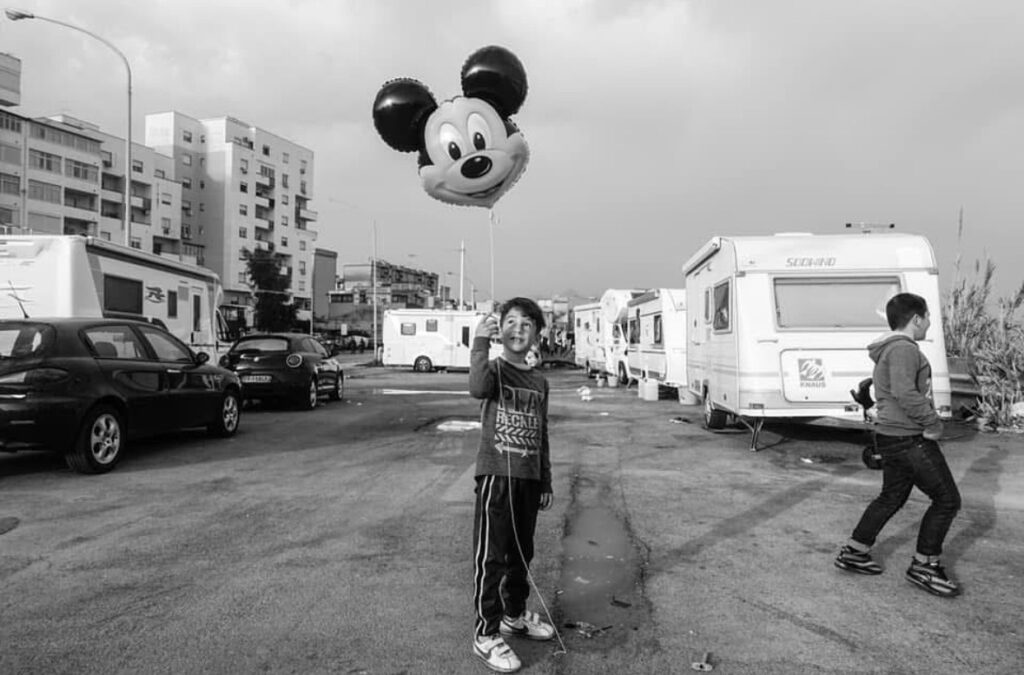
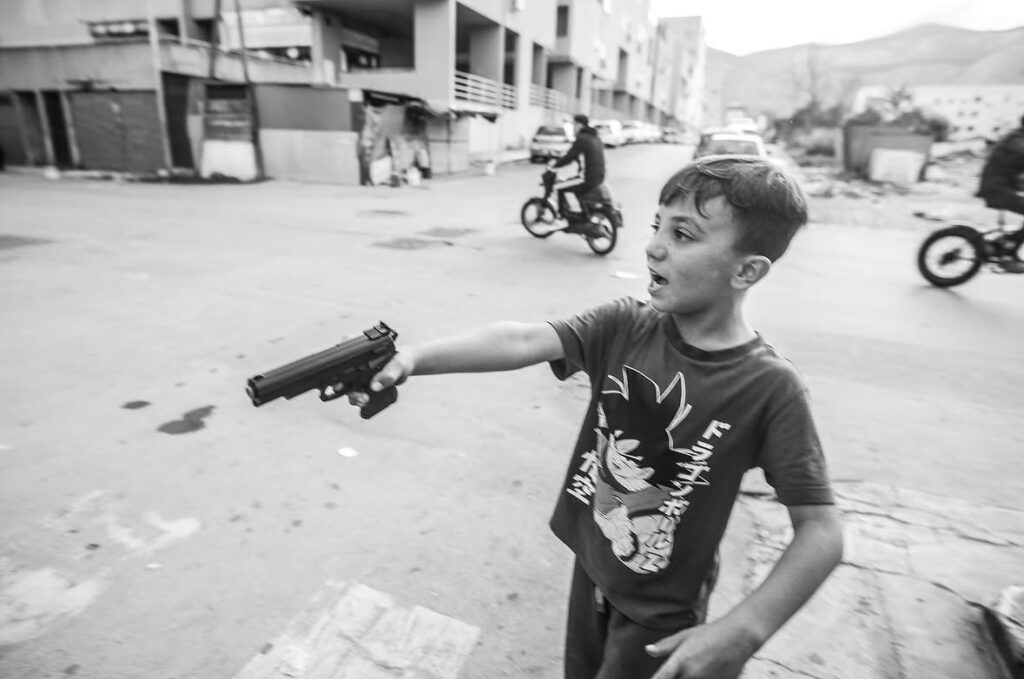
Alright, so what made you want to start documenting the marginalized outskirts and the people growing up within them?
Francesco: The outskirts were, and still are, a world I belong to. I was born and raised there, and they stayed inside me, even though for several years, as a teenager, they were something I was ashamed of, something I wanted to erase from myself. As I was saying, reading and studying Pier Paolo Pasolini’s work made me realize that those words were also speaking about me. So telling the story of the “existential peripheries,” as Pope Francis called them, came naturally. I met young people who lived in those neighborhoods, I listened to their stories, and I saw myself in them.
With that in mind, what do you look for when you’re out looking for your next motif to capture?
Francesco: When I’m out photographing and fully immersed in a place, I don’t think too much. I let myself be carried by the flow, by whatever is happening around me. I just need to be there, with my body and mind completely devoted to the here and now.
I look for a moment of rupture, a suspension of time. I look for what emerges from the shadows, for that very thing that, in an instant, becomes light. Instinct guides me. I know the right moment will come; I just need to be patient, to know how to wait. And then, for me, taking photographs isn’t essential. I can also take none at all. I can spend an entire day among the people in the neighborhoods and forget the camera in my bag. I’m there because, before anything else, I’m hungry for life.
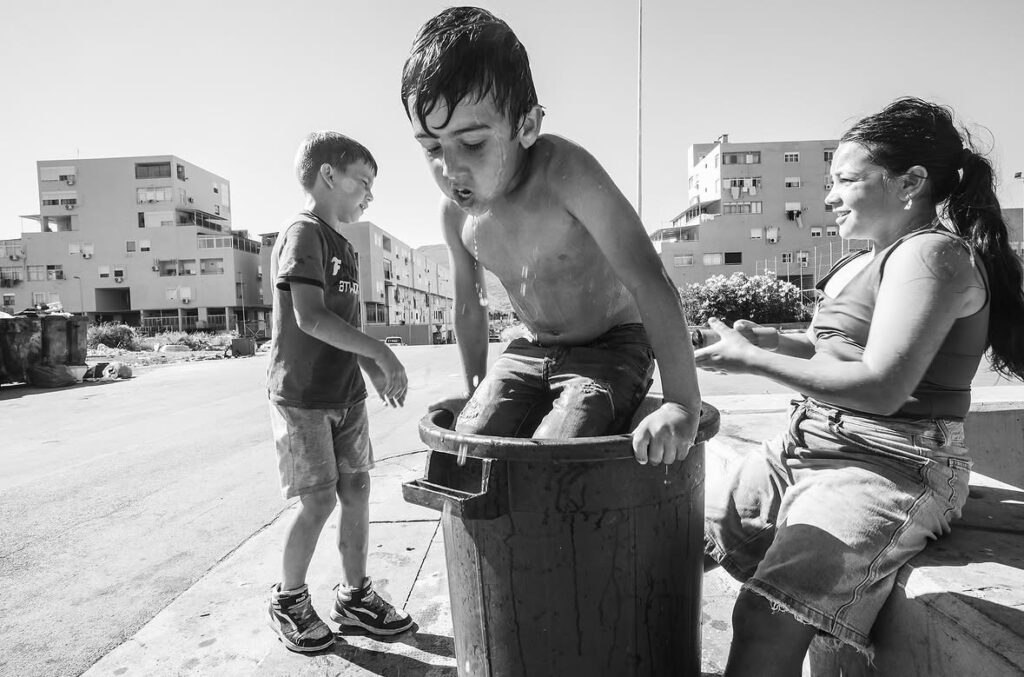
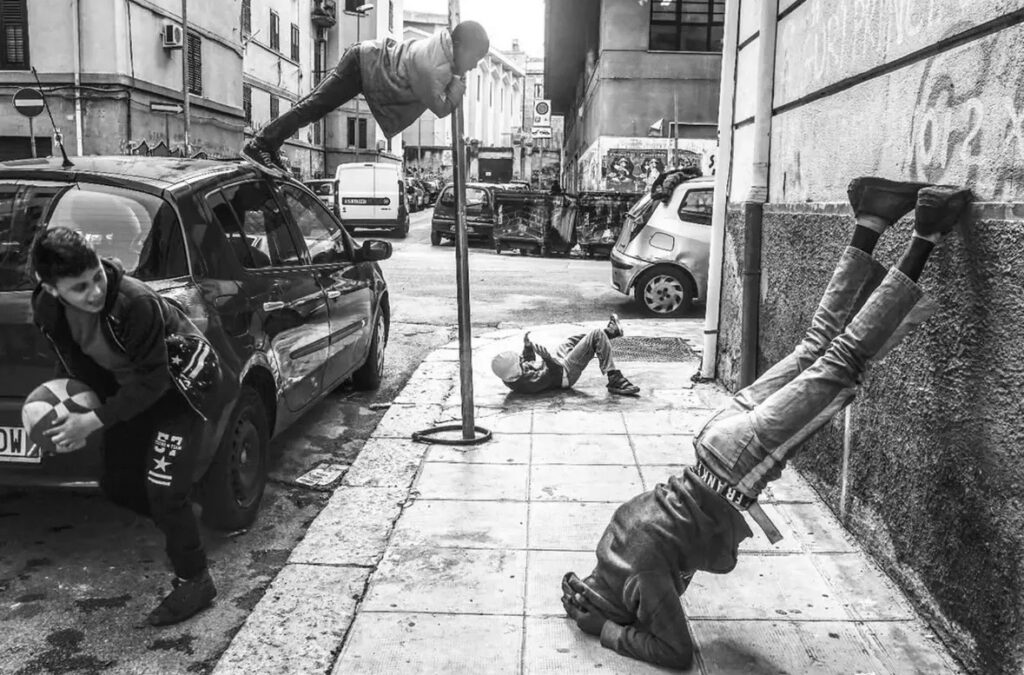
How important is authenticity in your work? And can a picture still be good, if it doesn’t have any?
Francesco: Authenticity is fundamental to me, both in my work and in my life, which, for me, are exactly the same thing. I’m very demanding in that sense, because first of all I demand a lot from myself. I’m no saint, and I have no desire to be one, but I keep my feet on the ground. I don’t want to be something I’m not, and I don’t want to do things that don’t belong to me or that I don’t truly feel are mine. And I need the person in front of me to be authentic too, for better or worse.
You can feel authenticity in photography as well. And often, good photographs — the ones that have a soul — are something you can sense; somehow, you recognize them. They exist where there is thought, a journey, a lived experience. It is in these things that you can feel whether a photographer is sincere or not.
What makes photography and video your preferred medium of expressing yourself?
Francesco: That’s a good question. They are two immediate forms of expression, capable of creating empathy with the people and places you are telling stories about. They create connection.
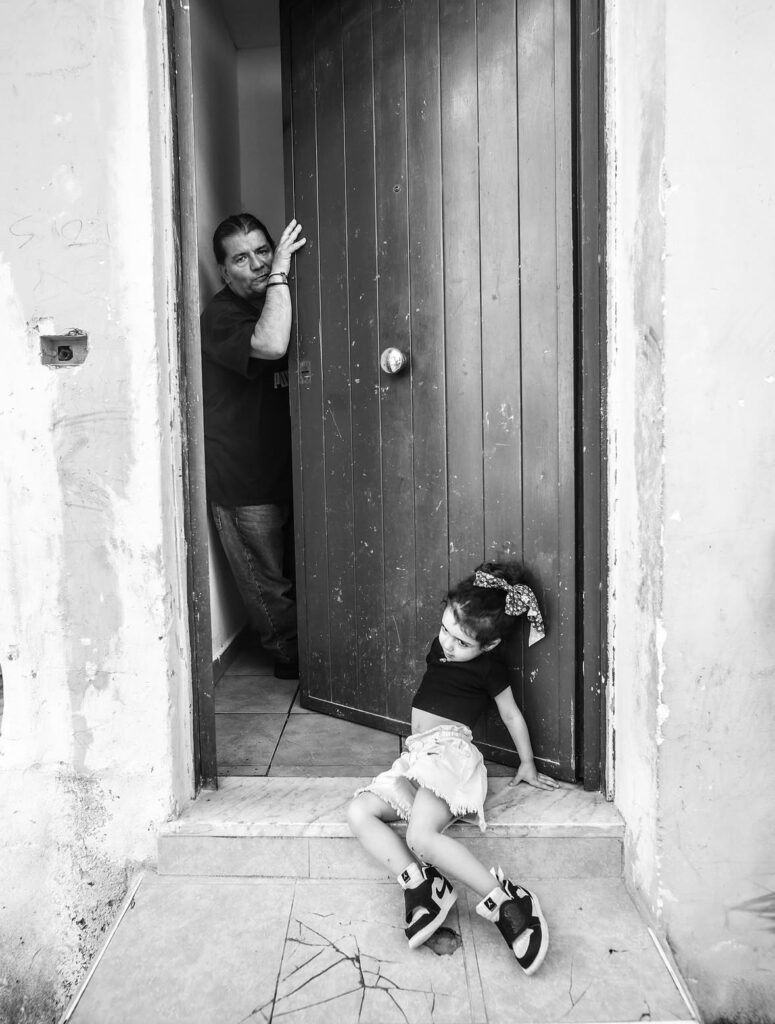
You have described Palermo as both ferocious and deeply human. What is it about those two qualities existing together that keeps pulling you back?
Francesco: The ferocity I’m talking about is the ferocity of emotions, not just of actions. In those places, everything — every expression of human life — is experienced at an incredibly high intensity. What keeps bringing me back is the authenticity of things and of people. There is no glitter there. These places are unfashionable and often seem to exist outside of time itself. They follow a rhythm of their own, as if modernity had managed to break through only up to a certain point, while something essential had remained untouched. That feeling of still being able to recognize a certain truth — for better or worse — in a world and in a time that feel devastating in so many ways, somehow still gives me hope.
You’ve said that Palermo is increasingly becoming almost like a “Disneyland” because of tourism. What disappears from a city when it begins performing itself for outsiders?
Francesco: It loses its essence. It no longer recognizes itself, and it loses confidence in what it is. There is no sense in building a city around tourists while ignoring its problems. Those problems do not disappear; they are simply hidden, because “if you can’t see them, they don’t exist.”
I stand by what I said: Palermo has become a kind of Disneyland. When a city feels it has to put on its Sunday best in order to be seen, it is a sign that something has gone wrong. And you do not have to go very far to notice it. You do not even need any in-depth sociological study. You just have to turn a corner to realize that the problems are still there — and that they concern all of us.
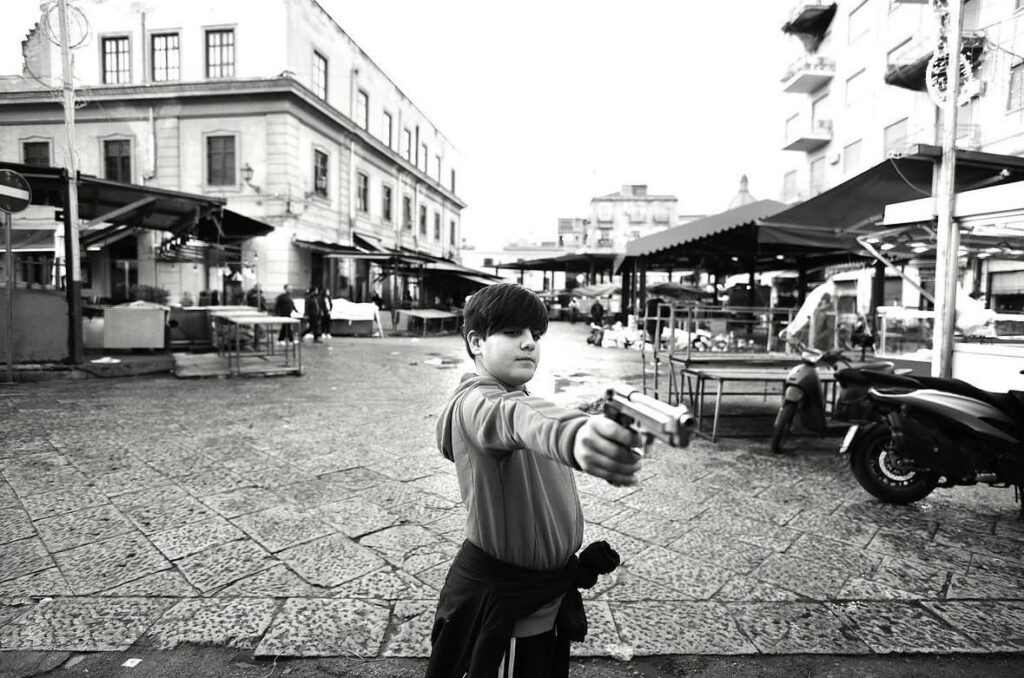
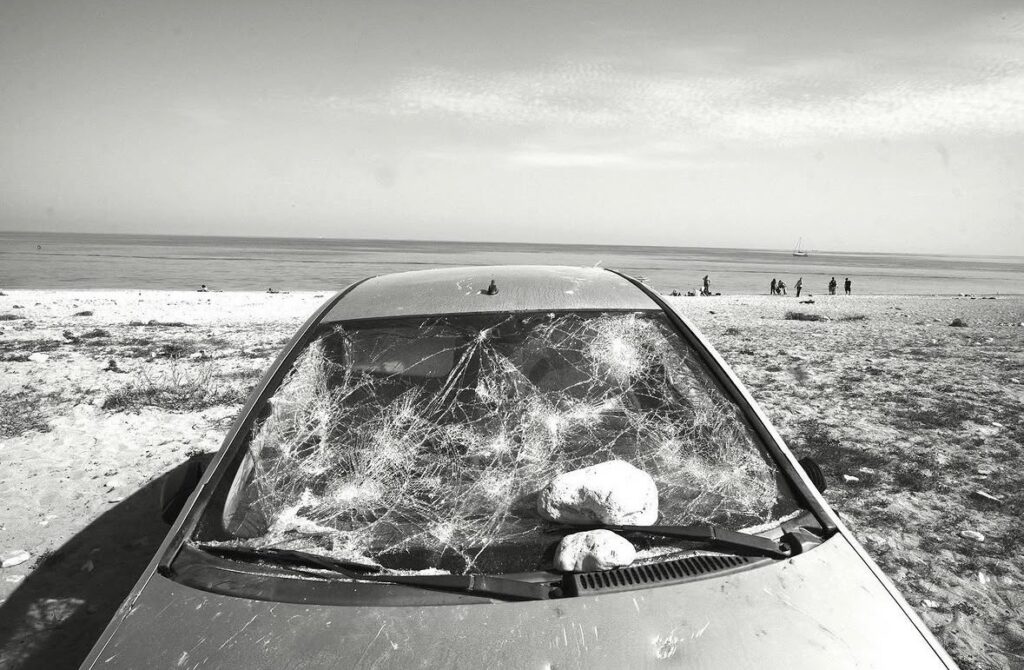
Your photographs often focus on places that exist outside the version of Palermo presented to tourists. Do you feel there are several different Palermos within the same city?
Francesco: Palermo is a city that contains another city within it, one that has very little voice, and that carries a stigma with it. These two cities do not communicate. They are separated by a very high wall, one you can almost feel simply by walking through the streets. The city I photograph has very little to do not only with tourists, but even with the rest of Palermo’s inhabitants.
After photographing Sicily for so many years, what do you think it is that keeps you coming back?
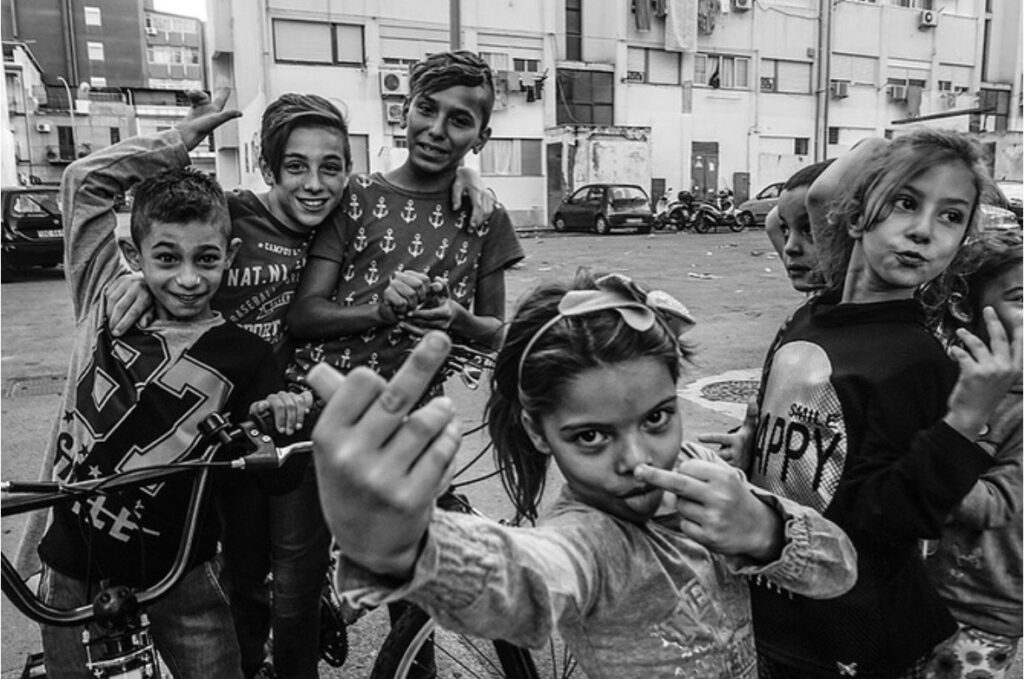
Francesco: The fact is that the places I photograph are constantly changing, day by day, so there is never a moment when I feel I have finished telling their story. I like watching the girls and boys grow up. I like documenting that growth, wondering where they will go, what they will do. It feels as though I am writing one single, vast novel. And then there are the bonds that have formed over the years — bonds that come close to one of the thousand meanings of love.
You’ve said that when you photograph children in Palermo you sometimes recognize your younger self in them. What exactly are you recognizing?
Francesco: Yes, it’s true. Even today, I still see myself in them. I see the boy I once was — someone who, by a very narrow margin, managed to find his way out. I recognize my own restlessness, my anxieties, but also those sudden bursts of humanity. You know, so much of my work is about listening. Recognizing yourself in someone else allows you to receive their confidences, to understand them more deeply, and to see all the different sides of who they are.
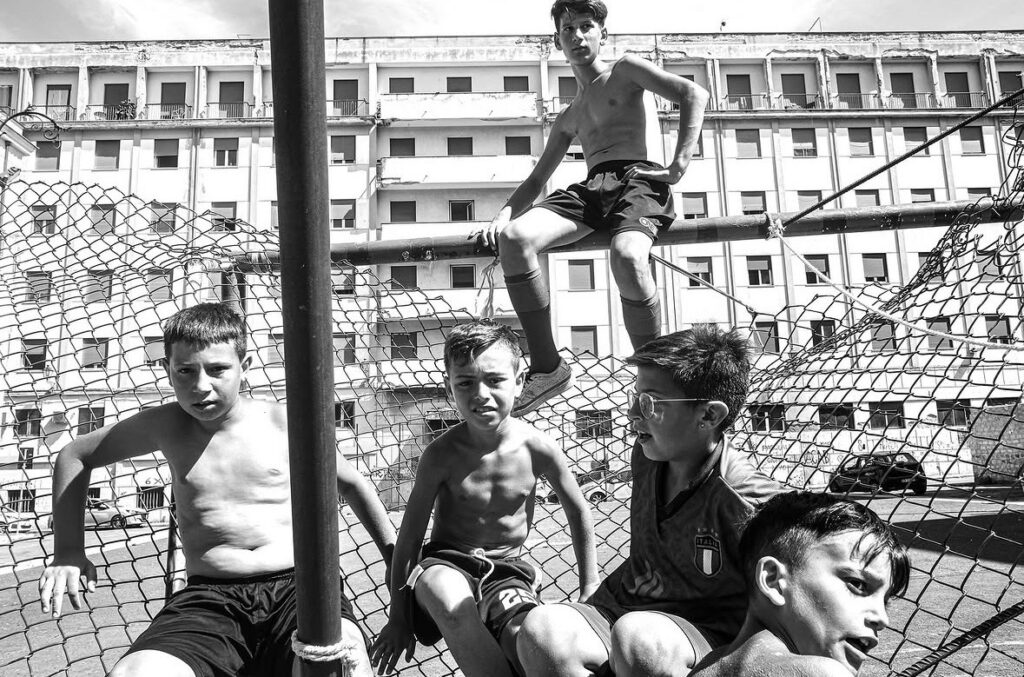
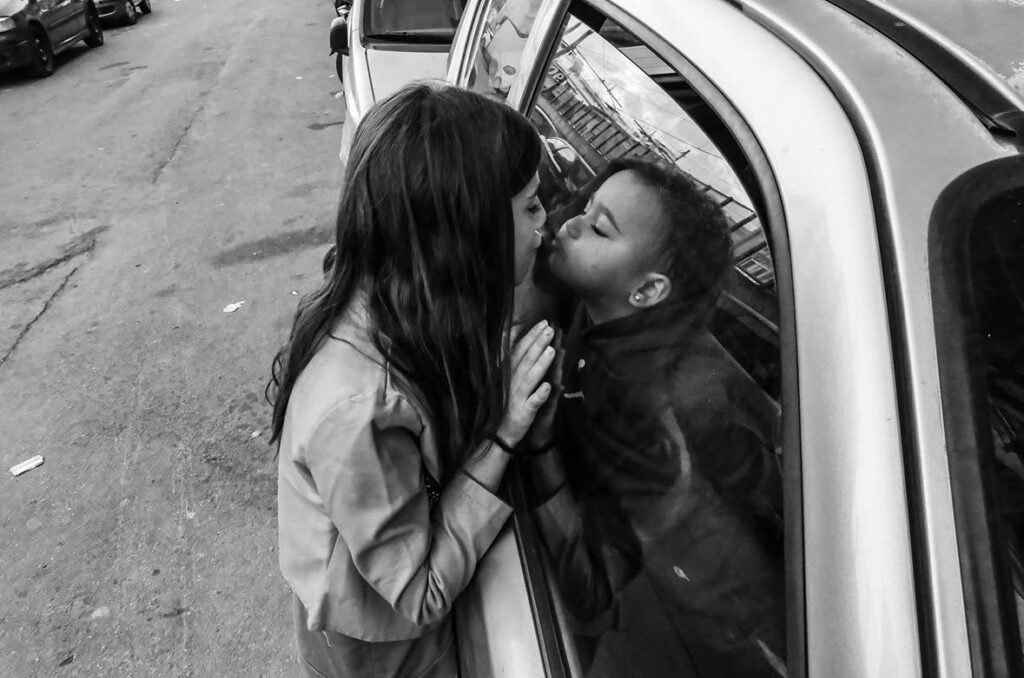
With Malacarne, you spent three years photographing children growing up in marginalized neighborhoods. What did those children teach you that adults could not?
Francesco: Those three years were a real school of life. In some ways, Malacarne was a project born out of recklessness, out of the desire to throw myself into something completely. It was a kind of bet with myself. Those kids left me with a sense of mercy. They taught me not to judge, to act, to understand my work as something more than just “photography.” They taught me to put my body into it, to show my face, to take responsibility. They taught me to roll up my sleeves, too — to turn thought into action.
We often talk about disadvantaged children in terms of what they lack. What do people misunderstand about the richness, freedom or imagination that can also exist in those communities?
Francesco: In fact, I refuse to talk only about what they lack. Because they possess something that we are slowly losing ourselves. I’ve mentioned it several times during this interview: authenticity. The absence of filters, of superstructures, of hidden agendas. They have a humanity, an attentiveness to others, that we are gradually losing. There is a tremendous desire for the future in those places — a desire to fulfill dreams, and great expectations too. The point is that there is no “us” and “them.” We are human beings, and every one of us should have the possibility to pursue our dreams. It should almost be a right enshrined in the Constitution.
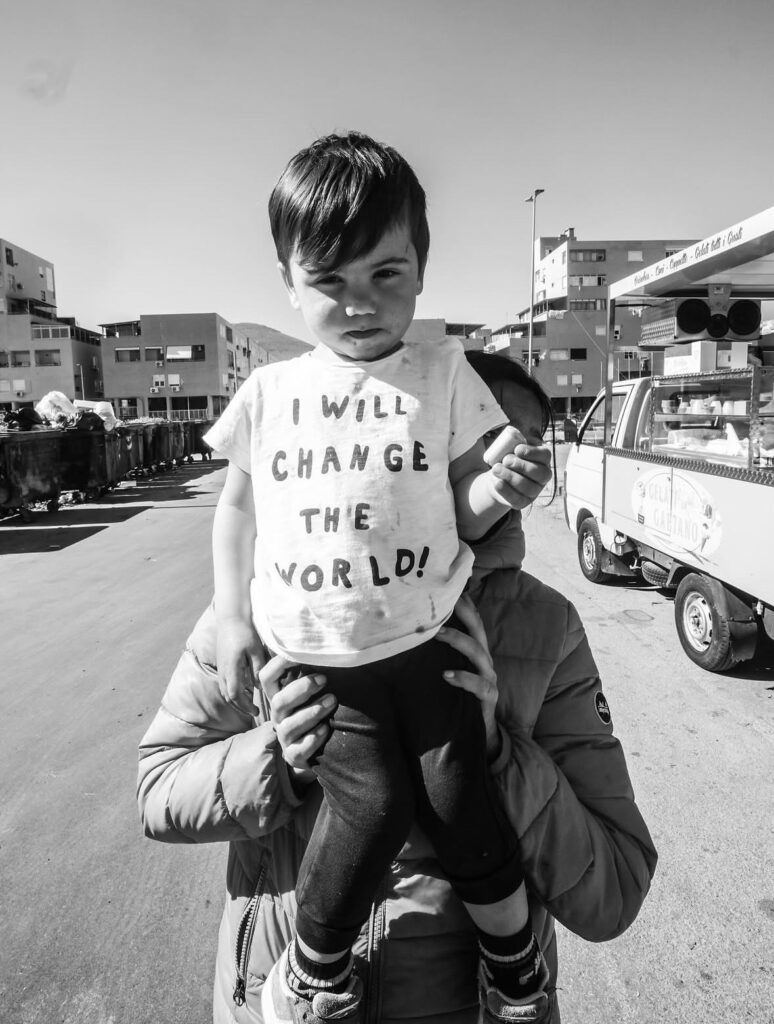
When you returned to those neighborhoods as an adult with a camera, did you ever feel that photography allowed you to revisit or reinterpret your own childhood?
Francesco: At a certain point, photography puts you face to face with yourself, with your flaws and your virtues. It forces you to come to terms with who you were, with who you have become, and it pushes you to imagine who you might still become. In that sense, photography can be therapeutic. Coming up against pain, encountering borderline situations, entering certain homes — all of this raises questions. Questions that almost scream for an answer, questions you feel compelled to pursue even though you know there is never just one answer, and perhaps no final answer at all. Those experiences stay with you. They change you. They make you look back at your own life and notice what does not work, through a constant process of comparison.
You repeatedly photograph people who are described by society as being “on the margins”. Do you actually believe in the idea of the margin, or is it something the centre invents in order to define itself?
Francesco: I believe margins exist mostly in our minds. They are created by those who consider themselves to be on the “right side,” as a way of separating and ghettoizing other people. So yes, creating the idea of the “margin” serves to hide what we do not want to see, to cleanse our consciences of indifference. Or sometimes we create the idea of the margin so that we can rush in and play the champion of justice at the weekend. People who live in certain places do not really know the idea of the “margin” in the way we understand it. They simply feel abandoned — or exploited, depending on the situation.
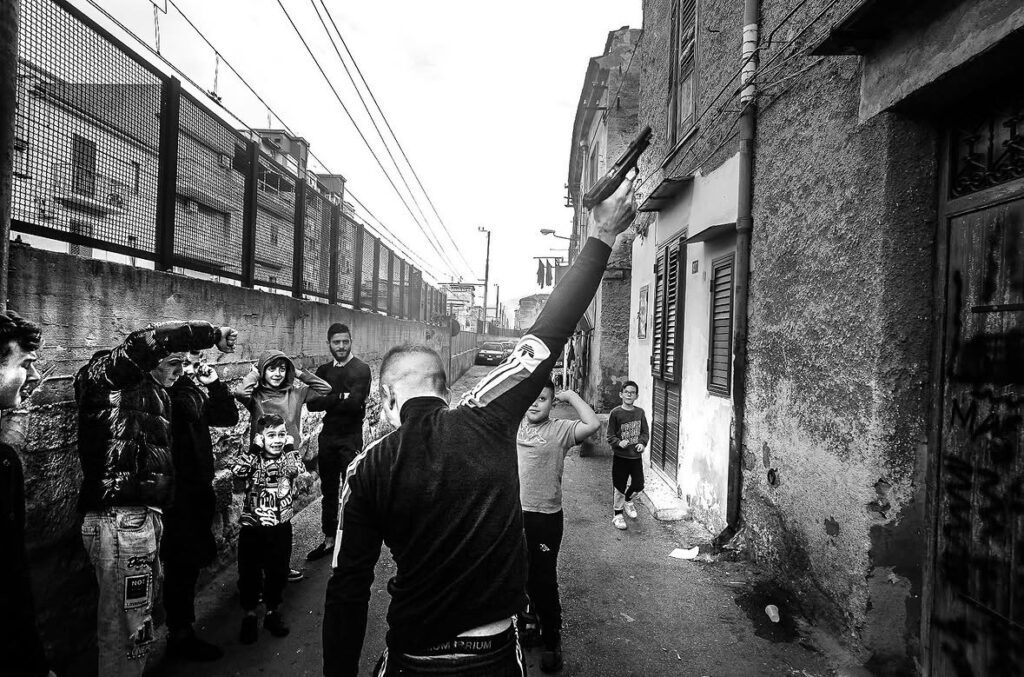
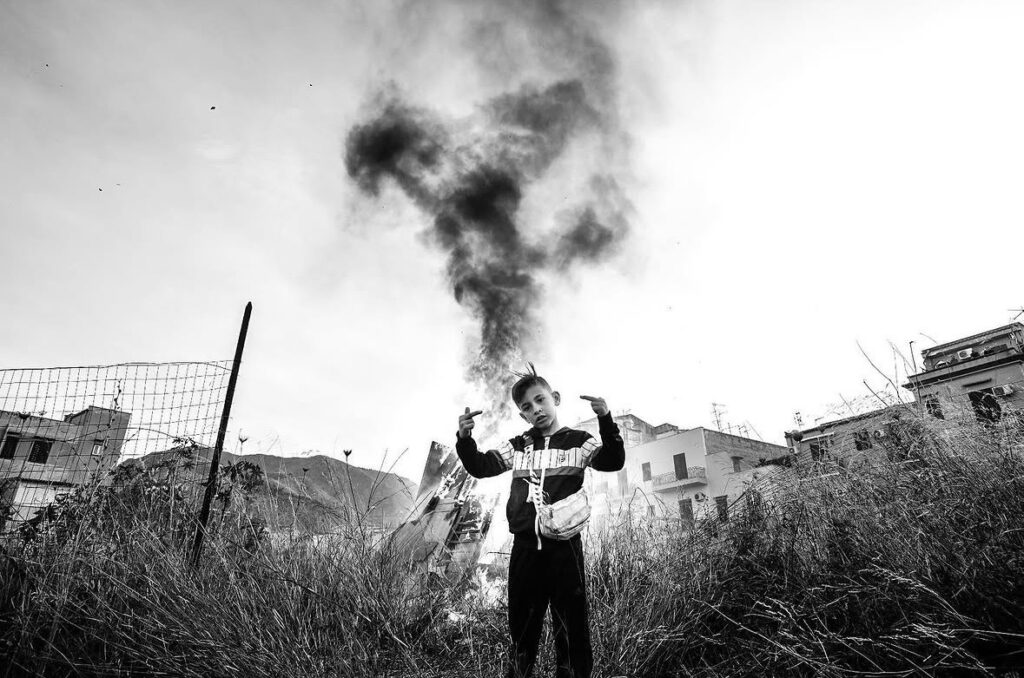
There is always a danger that photographs of poverty or marginalization turn someone else’s reality into an aesthetic object. How do you negotiate that line?
Francesco: Yes, I’m very aware that this risk exists. But I think it comes down to responsibility, and to what it is you actually want to tell. For me, for example, I’m not interested in photographing poverty or marginalization in themselves. What interests me is the glimmer of light that appears behind all of that. And, as I said before, it is important to take responsibility for the photographs you make, to accept their discomfort too, to carry the people I photograph with me, almost on my shoulders, and to take responsibility for their voices. I don’t simply photograph those places. I live them with my body and with my whole soul. I am part of them; I am not an outsider.
Who has the right to photograph a community? Is coming from that place enough, or does that right have to be earned through time?
Francesco: Well, potentially anyone could photograph those communities. No one has some kind of exclusive right to do so. That’s not really the point. To earn people’s trust takes months, sometimes years. Getting in is relatively easy; the difficult part is staying. You have to understand the “language” of the place, its dynamics. You can remain on the surface, of course, but that would make very little sense — you would only risk creating a kind of zoo effect.
Instead, it is essential to approach those communities with a genuine desire to know them, which means going deeper, and sometimes getting your hands dirty. It means “being there” consistently, not only when you want to take photographs. So it is not really a matter of having the right to photograph someone. It is a privilege, because in the end it is the people themselves who, over time, allow you to tell their story.
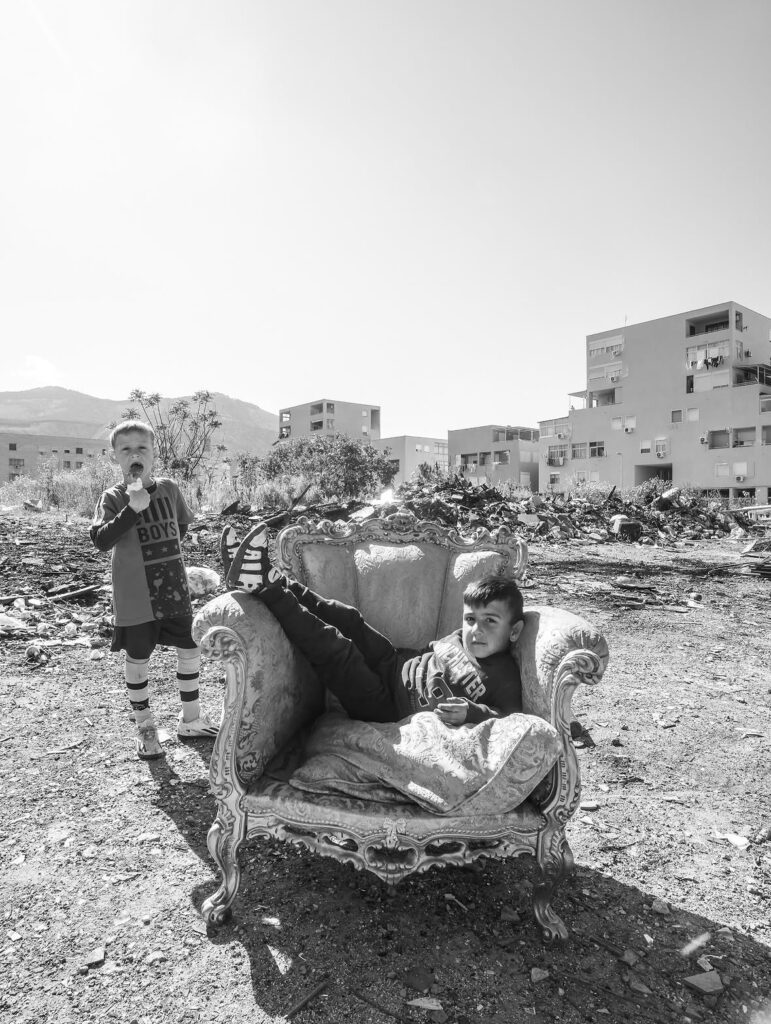
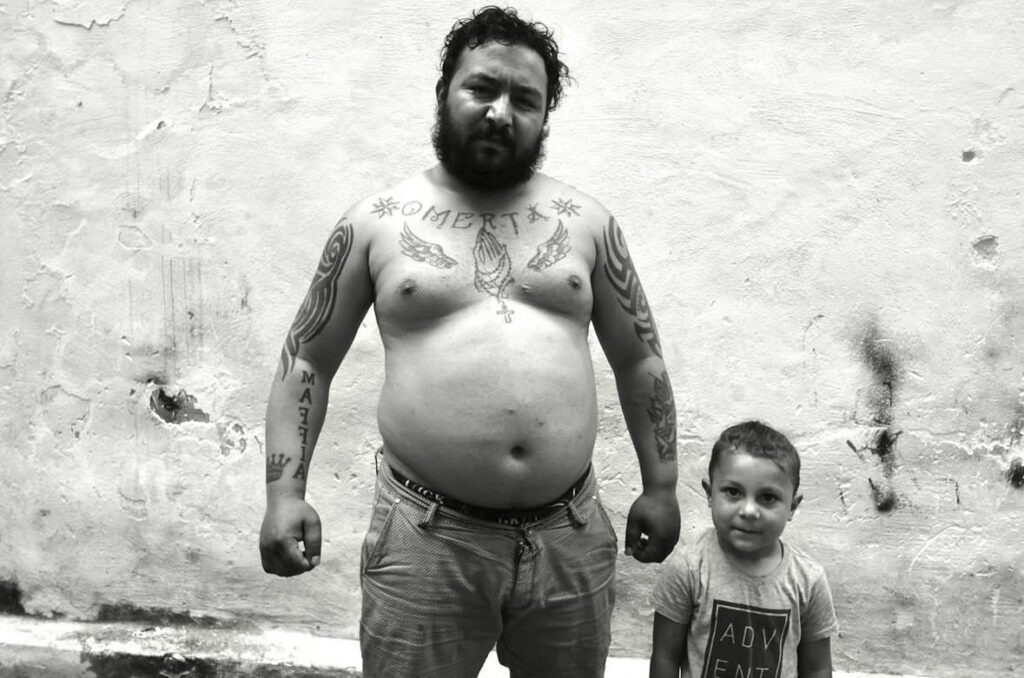
Crime and the Mafia inevitably shape outsiders’ perceptions of certain Palermo neighborhoods. How do you photograph those places without reinforcing the stereotypes you are trying to complicate?
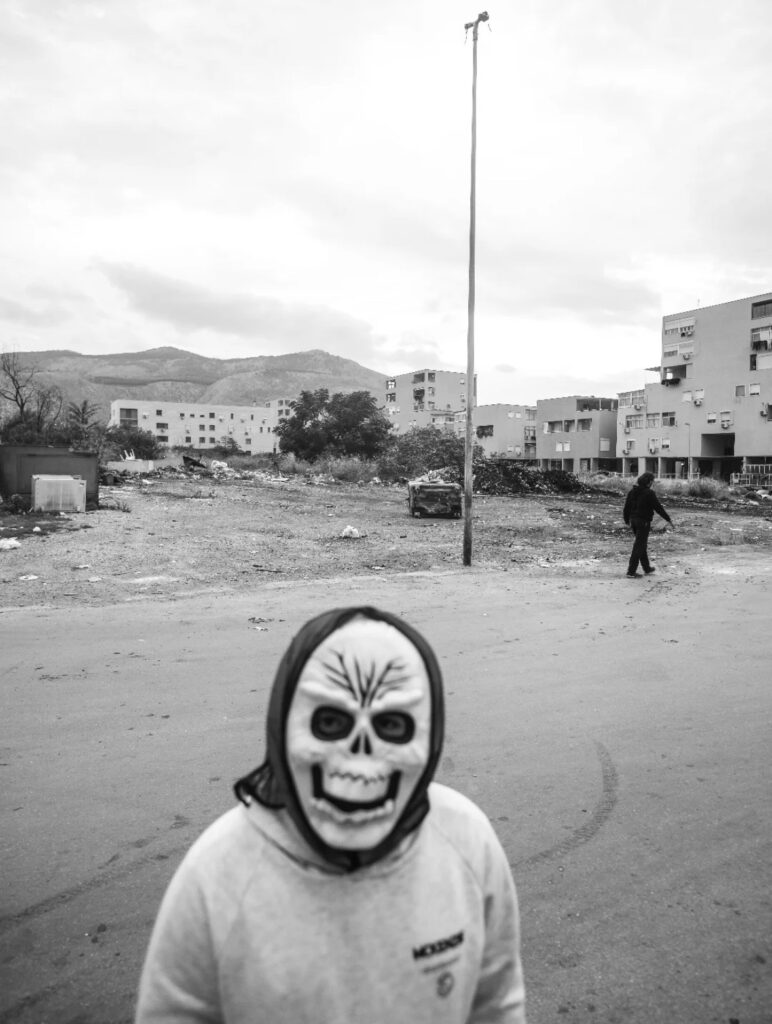
Francesco: Especially when it comes to the Mafia, in those contexts you come up against it every day, but that is not what interests me. If I were to tell people that the Mafia exists in Palermo, it would almost be ridiculous, because everyone already knows that. What interests me is precisely the complexity of those communities, what remains unseen. I am not interested in stereotypes, trends, or comforting narratives. I want to know each person’s story, not to judge but to understand. For many people, those neighborhoods are nothing more than Mafia and crime, when in reality they are much, much more than that. And it is that “more” that I want to tell.
Your work often feels extremely intimate. How do you know when you have crossed the line from witnessing someone’s vulnerability into intruding on it?
Francesco: With almost everyone I have photographed, there is a bond — and in many cases, that bond still exists today. Over time, you learn to understand when you can push a little further and when, instead, it is better to put the camera away, because not everything needs to be photographed. There is a time for listening and a time for action. A time to observe and try to understand, and a time to introduce an uncomfortable question into a conversation. I think it is a matter of sensitivity. There are no fixed rules. In the end, it is your conscience that tells you where that line is.
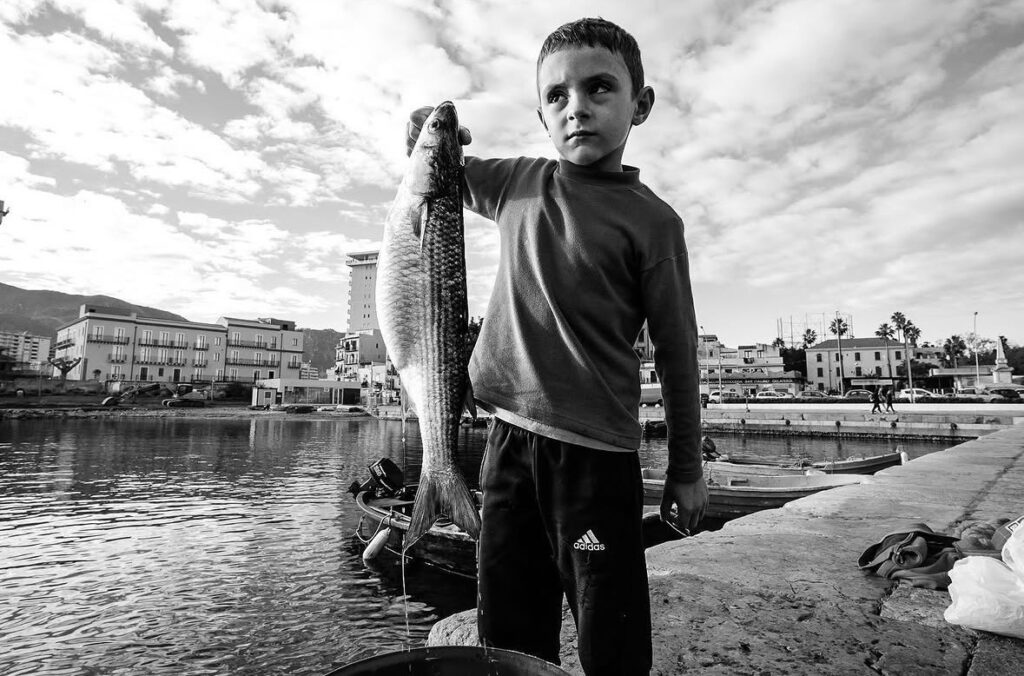
When you look at photographs you took ten years ago, are you looking at the people in them, or at the person you were when you photographed them?
Francesco: Photography is also a form of autobiography, because choosing to photograph one moment rather than another is already a choice. So through my photographs, I am also telling something about myself — undoubtedly. In that sense, photography is a kind of lie detector. It reveals a great deal about you. It is very difficult to lie through it.
You have spoken about photography as a way of trying to stop time. Do you think photography is more concerned with preserving memory or with creating it?
Francesco: Probably both. Twenty years from now, who knows, we may look back at photographs as evidence of a time that once existed and no longer does. And then, I have always thought that one of the photographer’s tasks is to create an imaginary — a visual world through which a place, a time, or a generation can be remembered and understood.
Your work has moved between children on Palermo’s outskirts, Ukrainian refugees, musicians, Netflix productions and ethnographic projects. What makes you recognise that something deserves to become a story?
Francesco: There is something that clicks inside you, something that makes you fall in love with a project. I think what moves me is the possibility of telling a story. I can’t really explain that feeling I get when I sense that something deserves to be told. It belongs to instinct, and I have always trusted mine.
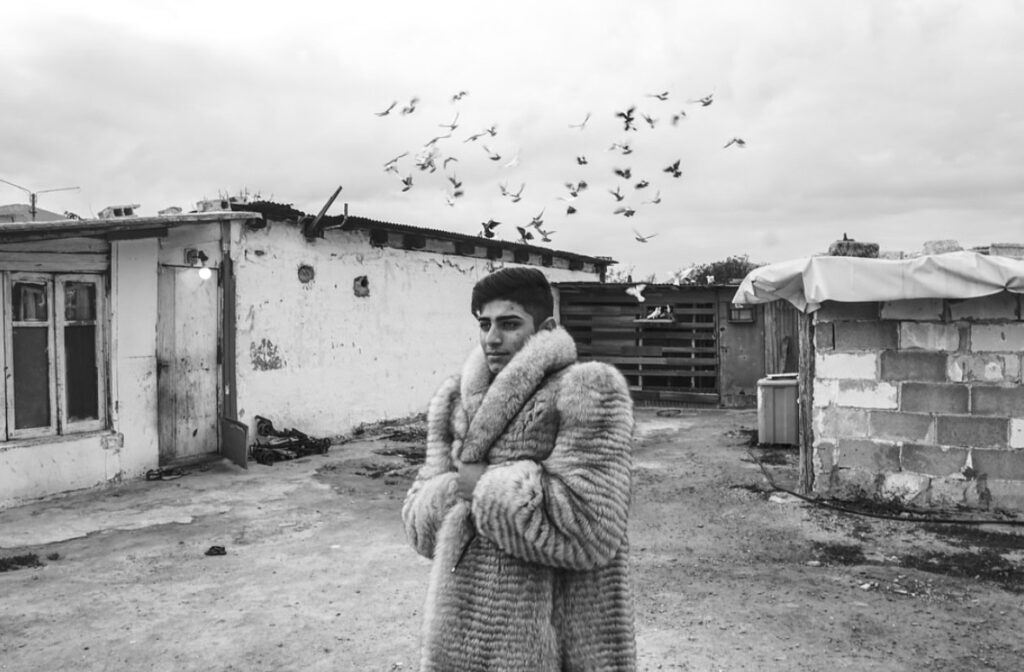
Much of your work is about people outside centres of power, while your own career has increasingly brought you inside cultural institutions. Has success changed the position from which you photograph?
Francesco: No, it hasn’t changed my point of view. Success hasn’t changed me in any way. I know that my work is recognized and appreciated, but I don’t really think about it. I’ve never been someone who lets that go to his head. I’m very self-aware, and I didn’t start telling the stories I tell in order to become successful or to enter some kind of pantheon. For me, it was — and still is — a necessity, not a form of social climbing.
With that in mind. Can a photographer remain an outsider once institutions begin celebrating their work?
Francesco: Absolutely. I know I am an outsider, and as I said before, I am also aware that my work is recognized at an institutional level. But I remain who I am — myself. A photographer can remain an outsider. In fact, I believe they should. But I also know that this does not always happen. Of course I’m happy about the recognition, but I’m much more interested in what still remains to be done. I don’t have time to rest on my laurels.
Do you ever worry that the art world can turn marginality into cultural currency?
Francesco: I’ve never really thought about it, to be honest. I don’t think it can happen, but if it ever does, I would hope it wouldn’t become a form of colonialism. I would hope it could somehow elevate that idea, use it constructively, rather than turn it into something that generates pity or easy approval. So, thinking about it now, I almost hope it never happens, because today it would probably end up being a form of colonization for its own sake.
Can you tell me about some of your favorite memories from being on shooting in the field?
Francesco: There are so many, and they all have to do with the bonds I’ve built with people. This interview wouldn’t be long enough to tell you all of them, but I can tell you one thing: I feel loved in the same way that I love.
Other than the camera and lens. Are there any essential items that you always bring with you when shooting?
Francesco: Open eyes and an open heart. Those are the truly essential things for me.
So what do you hope that we, the observers, take with us after viewing some of your photos?
Francesco: You know, I hope that people who look at my photographs walk away with a few questions. I hope I can be a bridge toward a possible encounter. I always hope the photographs provoke some kind of reaction — and it doesn’t necessarily have to be a positive one, of course. But yes, I hope they make people stop and reflect.
Ok Francesco, now to something totally different. In a parallel universe who would you be? and what would you be doing?
Francesco: Honestly, in a parallel universe I’d probably like to be a cat. I’d spend my time lying in the sun, completely at ease, just contemplating life.
Outside of photography, what’s something you’re obsessed with right now, maybe a hobby, a show, or even a food, that keeps you grounded or inspired?
Francesco: I normally read a lot, and I read just about anything. At the moment, for example, I’m reading a great many books on theology, a subject that fascinates me. I’m always looking for answers, as usual, and because I’m very curious, I tend to be drawn in by whatever is happening around me. I always feel the need to dig deeper.
Can you tell me a story about a time when a connection with someone had a big impact on you?
Francesco: I became very close friends with a priest in Brancaccio, a neighborhood in Palermo. Through him, I discovered faith. When we met, he was already very ill; cancer was consuming him day by day. One day, after he came out of a medical appointment, I asked him very openly what it felt like to know that he didn’t have much time left. His answer stayed with me. He said: “At the end of life, only one thing matters: whether we have loved, and whether we have been loved.” That sentence had an incredible impact on me. I think about it every day, almost like a prayer. Thanks to him, I understood that my work is not just a job, but a kind of vocation.
What qualities do you find most important in the people you choose to spend time with?
Francesco: Authenticity. I’m interested in people who are real. Honesty, too. I’m not interested in “good people” simply because they are considered good, or because they say they are. What interests me are those sudden human impulses — whether someone is capable of them or not.
Anybody you look up to?
Francesco: Yes — people who followed thought with action. People who allowed themselves to be carried by utopias and dreams, believing they could actually become possible. Those who fight for freedom, who refuse to bend or give in. Those who believe that another world is possible and those who do something for others, above all, and not only for themselves.
What motivates you?
Francesco: In one word: love.
How would you describe a perfect day?
Francesco: Hmm, I don’t know. Every day is perfect in its own way, and imperfect at the same time. You never really know how you’re going to wake up in the morning. But life is always worth living, no matter what.
Alright Francesco, I always ask these two questions at the end of an interview. The first is. What’s your favorite movie(s) and why?
Francesco: One of my favorite films, for example, is “Balla coi lupi”. I like films where you can feel something sacred within them. I don’t know if I’m explaining it well. I also love Scorsese’s films, Tarantino’s… it would be a very long list. I’ve also really loved Nolan’s The Odyssey recently.
The second is. What song(s) are you currently listening to the most right now?
Francesco: A myriad, as always. Music has always been a very important part of my life. At the moment, I’m listening to a lot of Nick Cave.