Share this
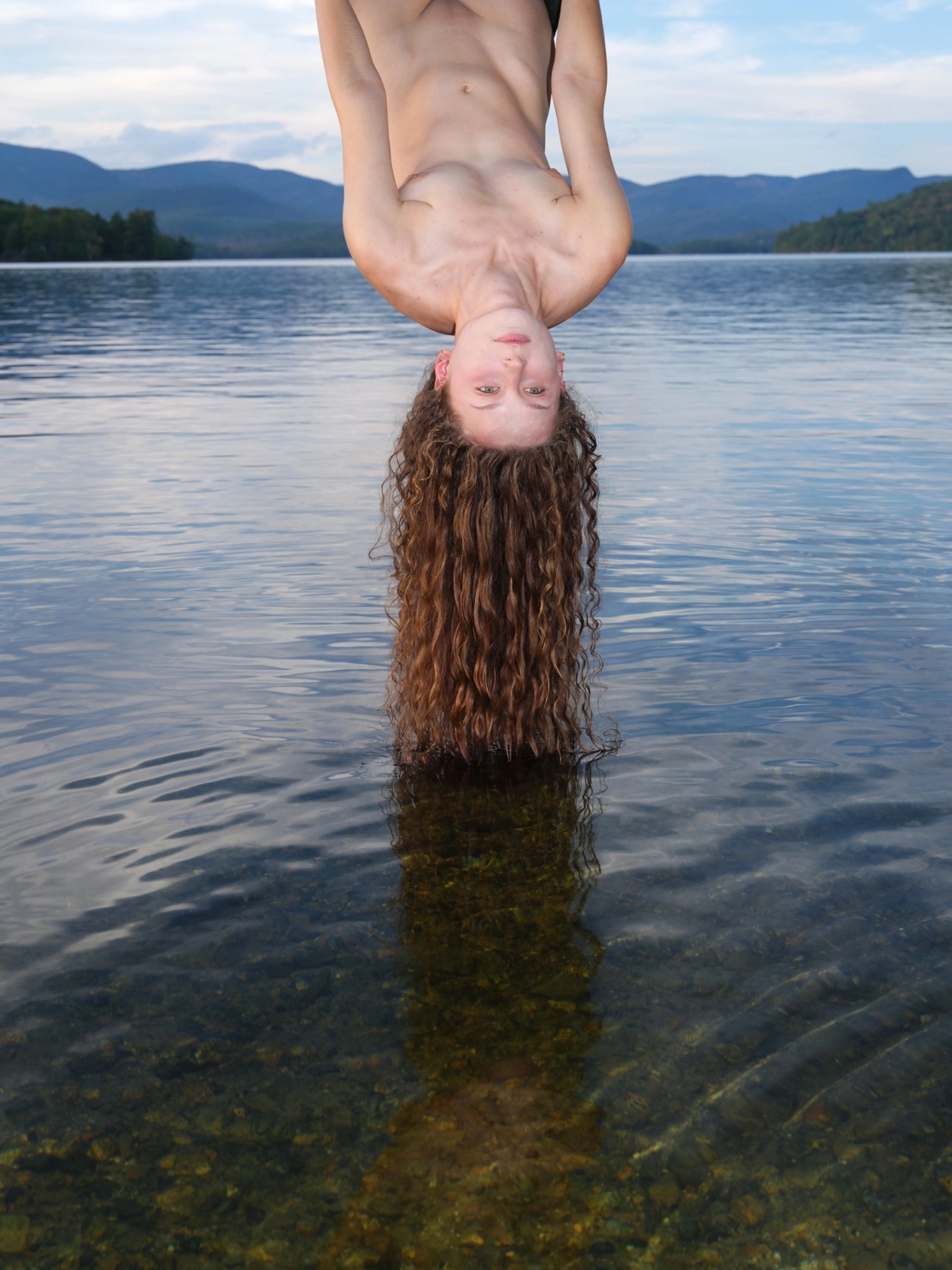
For nearly four decades, American photographer Jocelyn Lee has explored the complexities of inhabiting a human body. Through her intimate, painterly photographs, she examines sexuality, vulnerability, ageing and mortality, challenging conventional notions of beauty and desirability.
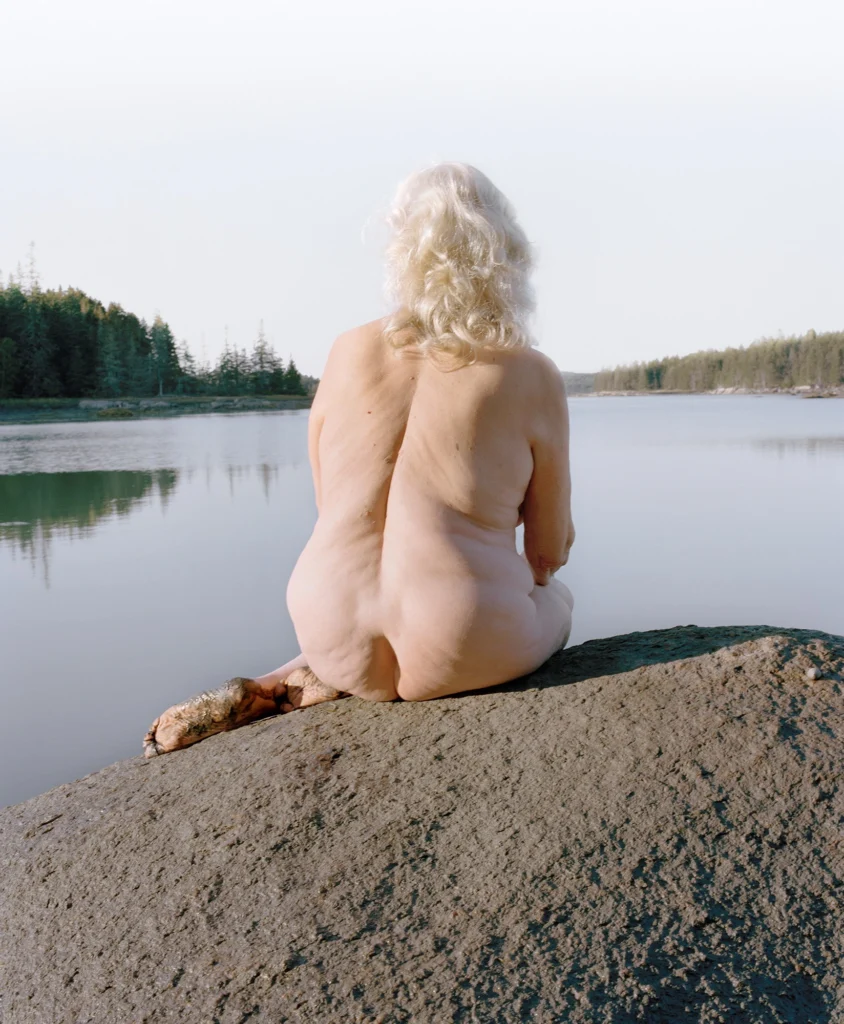
Often photographing her subjects nude and immersed in nature, Lee blurs the boundaries between flesh and landscape. In her acclaimed monograph Sovereign, she celebrates the ageing female body, confronting a culture that too often renders older women invisible.
Rather than resisting the passage of time, Lee embraces it, finding beauty in the very things we are taught to conceal.
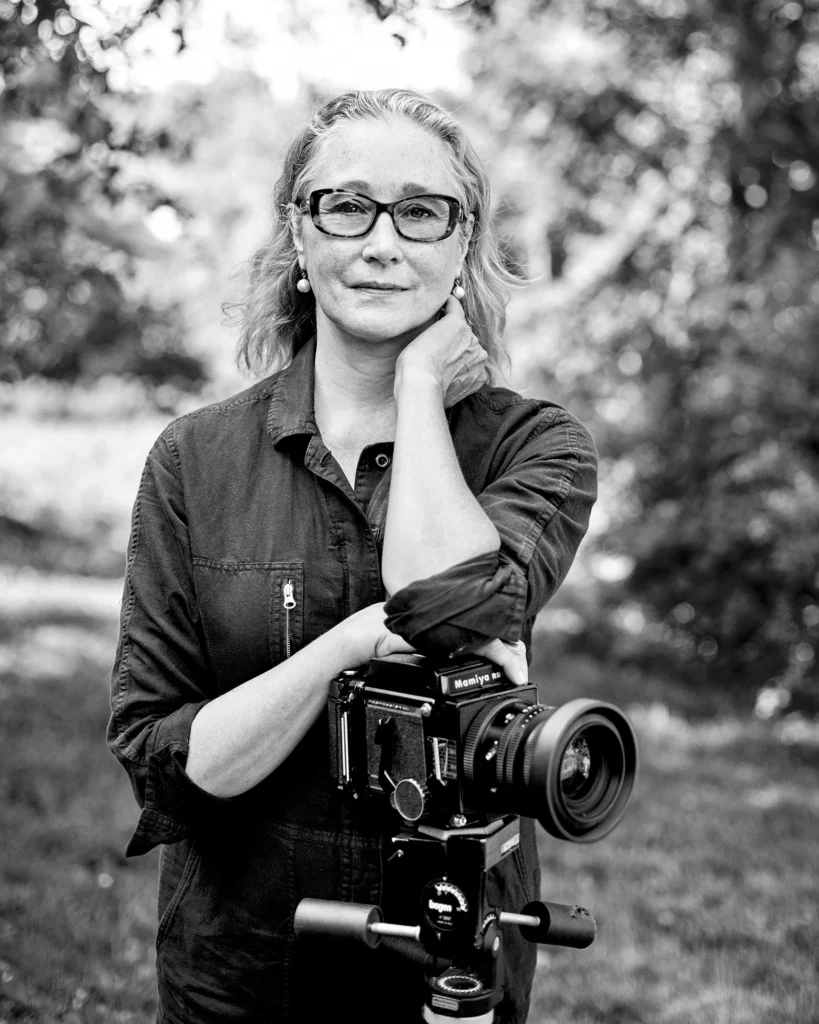
I caught up with Jocelyn Lee to talk about her life, artistic journey and photographic practice.
I’m curious, growing up in Naples, what kind of kid were you? What did you enjoy doing, and how did you spend your time?
Jocelyn: I lived in Naples for the first year of my life. My family was there because it was my father’s first job out of graduate school. I came back to Brooklyn as an infant and lived with my grandparents, and then we all moved to the suburbs of New York City.
So how did you get introduced to photography? And how did you first start out practicing with your camera?
Jocelyn: I took a class when I was in high school and I was immediately obsessed. I photographed everything: my family, friends, boyfriend, dolls, weird horror movie set ups and self portraits. I couldn’t get enough of it. I always loved watching movies and being able to make images myself was the most exciting thing I could imagine. I also loved being in the dark room— the quiet of it. Photography is both engaged with the world and very private and contemplative. It was the perfect match for me. I’ve never looked back.
Alright, so what made you want to start documenting people?
Jocelyn: I think I have always been a voyeur or watcher. I’ve always been the person who strains to listen to other people’s conversations in a restaurant. People fascinate me. But when I was younger I used photography as a way to make sense the world. I didn’t grow up in an easy home—though I’m sure people thought we were on the surface—and I was always trying to manage the disconnect between what others saw and what was true for me. Photography became my tool to study people, relationships, and intimacy—the whole gamut of human behavior.
My father was a challenging person and he was both scary and intimidating to me and to others. I couldn’t really look at him without feeling this charge of adrenaline, but if I asked him pose for me I could look at him, through the lens of the camera. It was safer and he would sit still, which he almost never did unless he was eating. The camera allowed me to study him. Amazingly he agreed, very occasionally, to pose for me. I photographed him all the way through his death. It was the most generous thing he could give me.
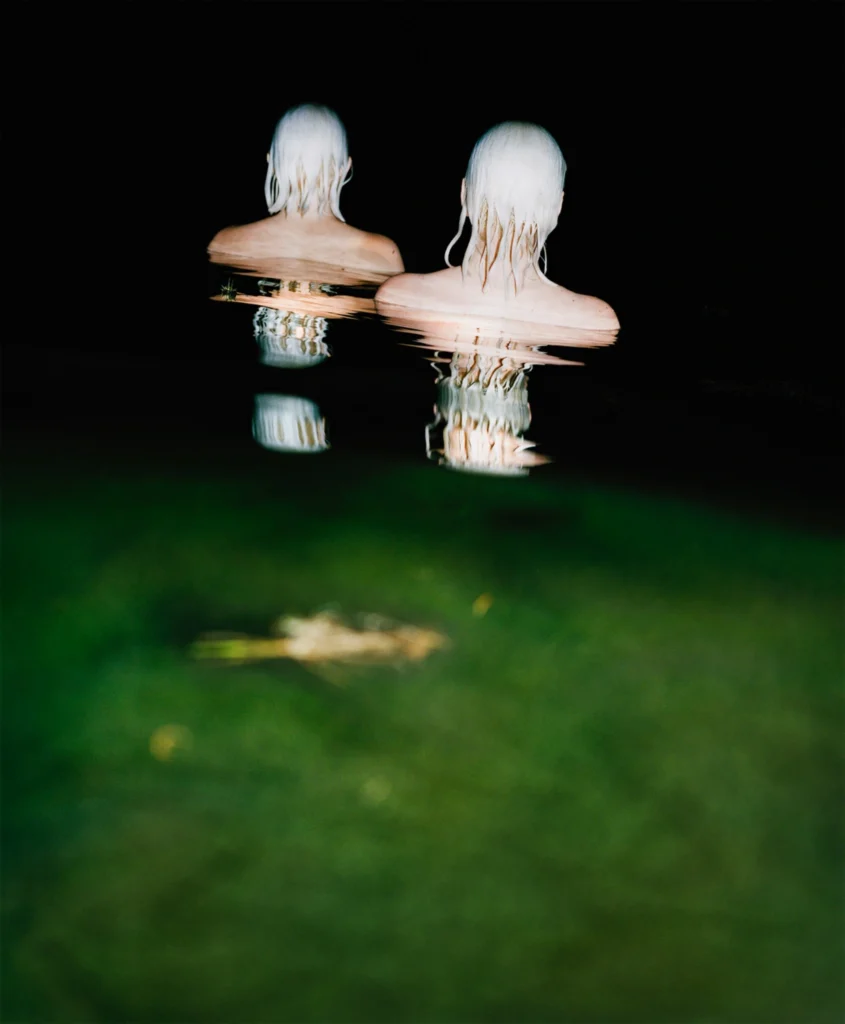
With that in mind, what do you look for when you’re out looking for your next motif to capture?
Jocelyn: Honestly I work very intuitively. I don’t know what I am going to do next, until it arrives in my mind, and then I follow that curiosity pretty doggedly until Im done. But I will say almost all my work involves intimacy—and no more than 6 feet distance between myself and my subject. I think all my work is about looking closely and quietly at the ordinary. Another persons face and body for example.
I’m also interested in studying life stages I am about to enter, or that I’m curious about: when I was in my twenties I photographed pregnancy because I had never been pregnant; when my parents were dying I photographed them obsessively because I didn’t understand death or what it will feel like to lose them; now I’m focused on the aging body because I’m aging.
I’m also really interested in our shifting cultural ideas around what beauty is. It is so pliable and changing now. It’s disorienting. People are not aging naturally anymore because they have access to so many interventions and I’m fascinated about that.
How important is authenticity in your work? And can a picture still be good, if it does’t have any?
Jocelyn: Authenticity, like beauty, is a slippery concept but so important to think about. I know and appreciate that I am the editor of the work. I hold the camera and I have more power than my subjects do. However, I am not interested in a photograph unless it has what I think of as “authenticity” in the sense that the subject is offering us something vulnerable and true. Again, I appreciate this is very hard to quantify. I take an enormously long time to edit my work, often many years— which is probably self destructive in some ways—but what I’m doing during this time is asking myself that question: is this picture authentic? Is it alive for me? Does it make me feel something outside my original intention and the pose of the subject (who has their own intention when posing)? Am I learning something from it?
All of this takes a long time. The last thing I want to make is an “easy picture”. We have enough superficiality in our lives already, especially in terms of imagery—we are drowning in images—so I set a high bar. If it’s not interesting to me it’s not going to be interesting to anyone else, and that means over long time. Editing for authenticity and meaning is the hardest part. Taking the photographs is the easy part.
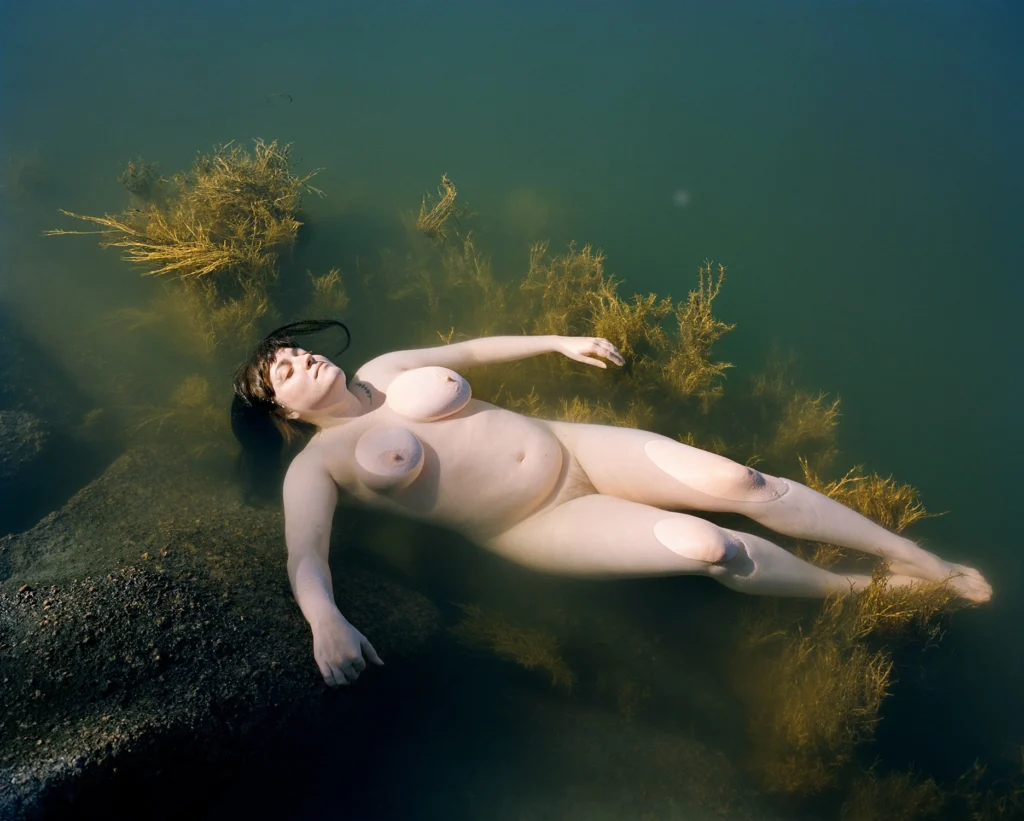
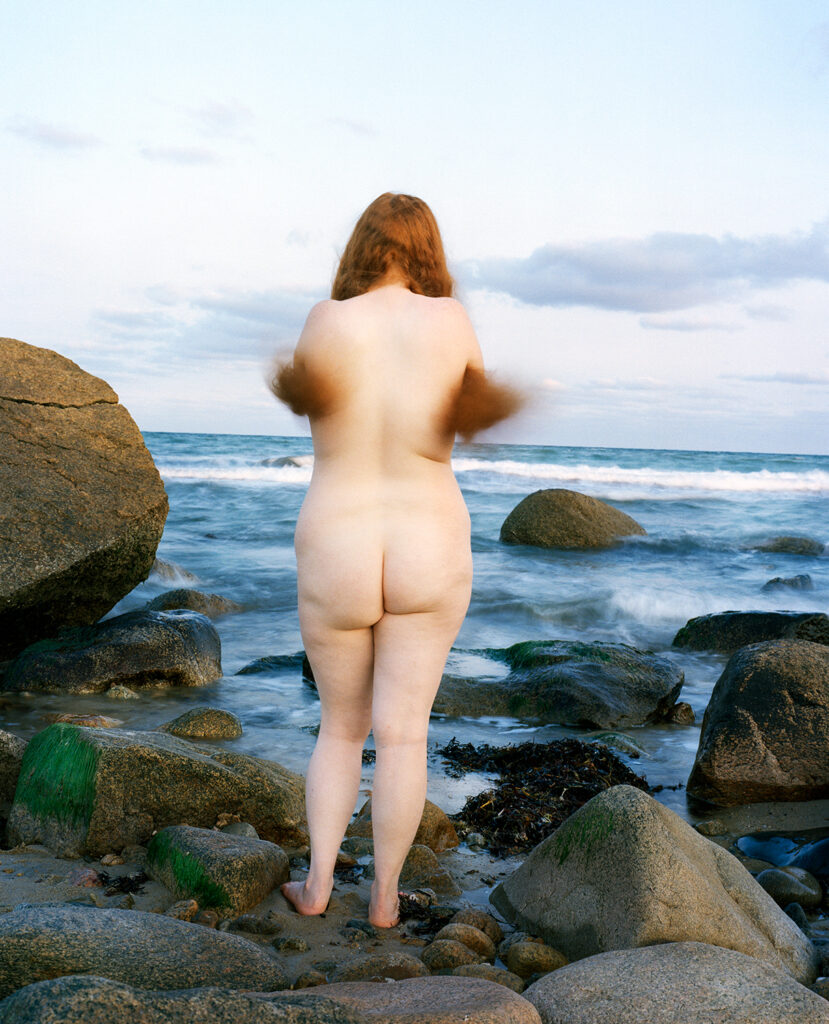
What makes photography your preferred medium of expressing yourself?
Jocelyn: The way I make pictures comes out of the documentary tradition (Walker Evans, Robert Frank, August Sander, Diane Arbus, Emmet Gowin, Larry Sultan) in that I am not altering my pictures post production. I do not significantly alter anything in photoshop.
Ninety percent of the time I am using film with a medium format camera. I don’t crop and I try to record what is happening in front of me with relative accuracy, given the limitations of the materials I’m using—film, a camera with a certain lens, shutter speed, F-stop, my physical position in space, and the available light. Of course given these materials, any number of strange things can happen, but that is also something I enjoy playing with, including blur and distortions. But again it is always lens and film based. I guess it’s becoming a vintage process now because so many people are shooting digital and changing things in photoshop.
Given this approach, photography for me is about meeting the actual physical world directly and with curiosity. I want to get closer to my subjects in real space I want to understand them better; to see them better. To both honor them and to unveil them. I am not making a painting of them. They are in reality standing in front of me in time and space, breathing.
I love Roland Barthes concept of the “punctum”, which is a quality or detail in a photograph that “pricks” the viewer and expands. It is the thing that makes you keep looking. It inspires awe and curiosity. On some level that is what I am looking for, both when I identify a subject that is interesting to me, and when I try to make a picture of them.
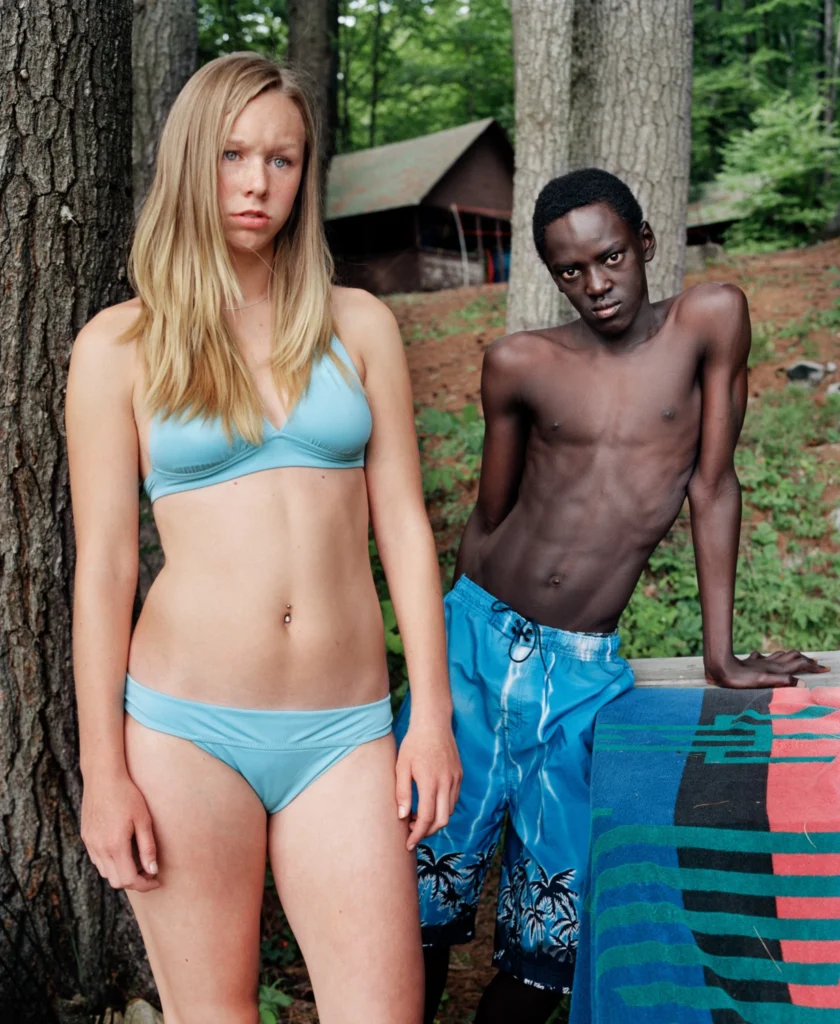
You’ve said that your photographs “begin with intimacy.” What has to happen between you and another person before that intimacy becomes possible?
Jocelyn: This is very hard to quantify. I can tell you a story which describes this tension a little bit. I have a friend who is an actress and she has a really wonderful face. I thought I wanted to make her portrait but every time I tried I felt like I was looking at the two dimensional surface of her face, like a sculpture, with no emotional depth. It was very confusing to me so I thought “I need to shake this up,” so I asked her to go in the ocean, into really big waves that I thought would make her take her guard down. I thought the energy of the waves, which my subject couldn’t control, would open up something surprising for the photograph, but it never did. She had the same beautiful but two dimensional expression on her face that didn’t feel meaningful to me. In retrospect I believe because she is an actress she is trained to know what her face looks like when it is being seen, or recorded, and that just broke the whole mystery of what we were trying to do together. Without offering her a character to inhabit (as one would to an actress) she remained unknowable and a blank slate. I learned a lot from that.
So the people I photograph are very rarely professional models or actors. In fact I screen out models and actors. They are too well trained at masking. I need to work with average people who want to explore this process together. And from my side, if I’m anxious or uncomfortable for any reason, that too will break the space between us. I know how strange this all sounds but it is none-the-less true. I do not want my pictures to feel coerced in any way. There is a trust and an intensity that must occur between us or the picture will be flat, two-dimensional.
Honestly I think sometimes the truth of my curiosity about my subjects may put people at ease. I am really genuinely interested in them. Sometimes my subjects become so comfortable they fall asleep.
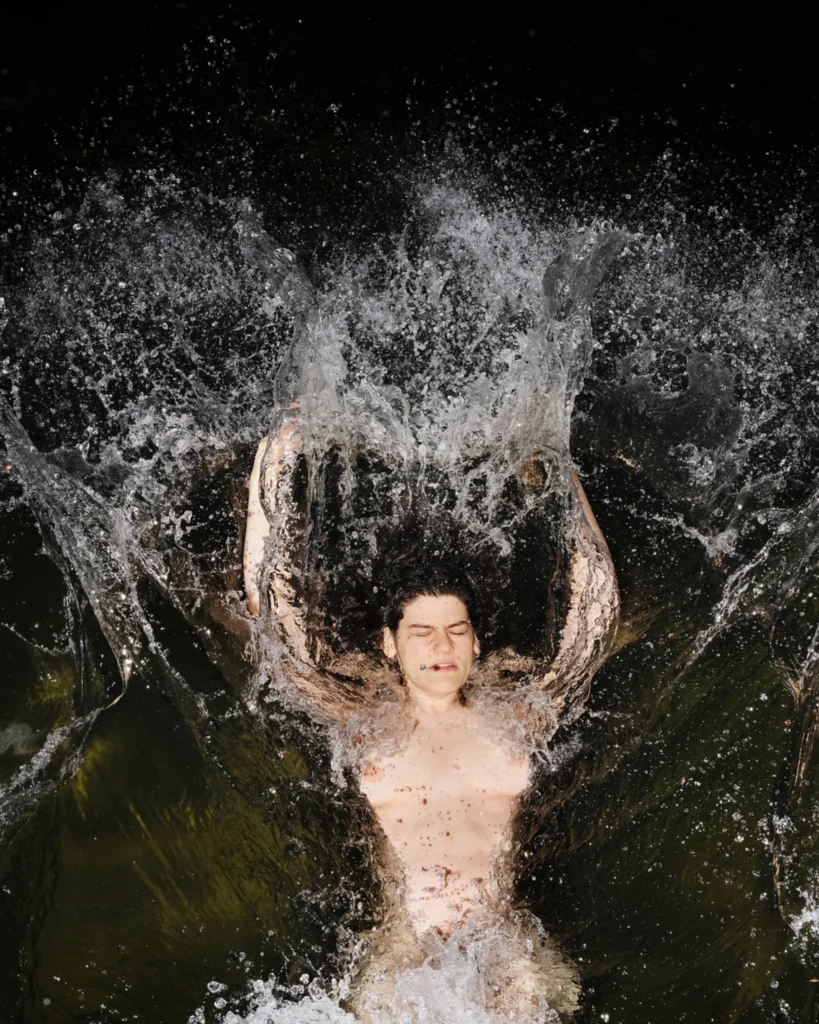
You often photograph people naked and from only a few feet away. What does physical proximity allow you to see that distance does not?
Jocelyn: At their heart, my photographs are psychologically driven. The closeness between my body and that of my subjects is a big part of the photograph. It cannot be ignored. Imagine taking one of my pictures with a zoom lens from a distance of 30 feet? It would make no sense. My subjects and I are making these pictures together, looking at one another, often with them naked, and any intensity that develops in the photograph is a direct result of our proximity. It’s a unique space. I often ask them to look at me, or to look into the lens, as though they are looking into a mirror. Studying the connection between self and other is the core of the work.
Your work returns repeatedly to transitional states – pregnancy, adolescence, illness, aging, death. What draws you to people when they are between one version of themselves and another?
Jocelyn: My work is driven by existential themes. Whether that is clear to people who view my work, I have no idea, but it is where I start. Why do we look the way we do? Are we comfortable in our bodies? How do we hold ourselves when we feel vulnerable? How do we age? What happens when we die? Who do we love and why? Can we ever really know another human being?
I don’t think I can make meaningful pictures of human beings without studying these transitional stages. It’s the morphing time. Adolescence is so complicated. Suddenly our young child-body gets flooded with hormones and then we start to think about sex, gender identification, love and coupling. We grow hair in places that didn’t exist before, etc etc. Same goes for aging. We lose all these things in different measure. Our bodies sag, our focus changes. It’s just fascinating to me and this says nothing about women’s capacity to grow another human inside their bodies.
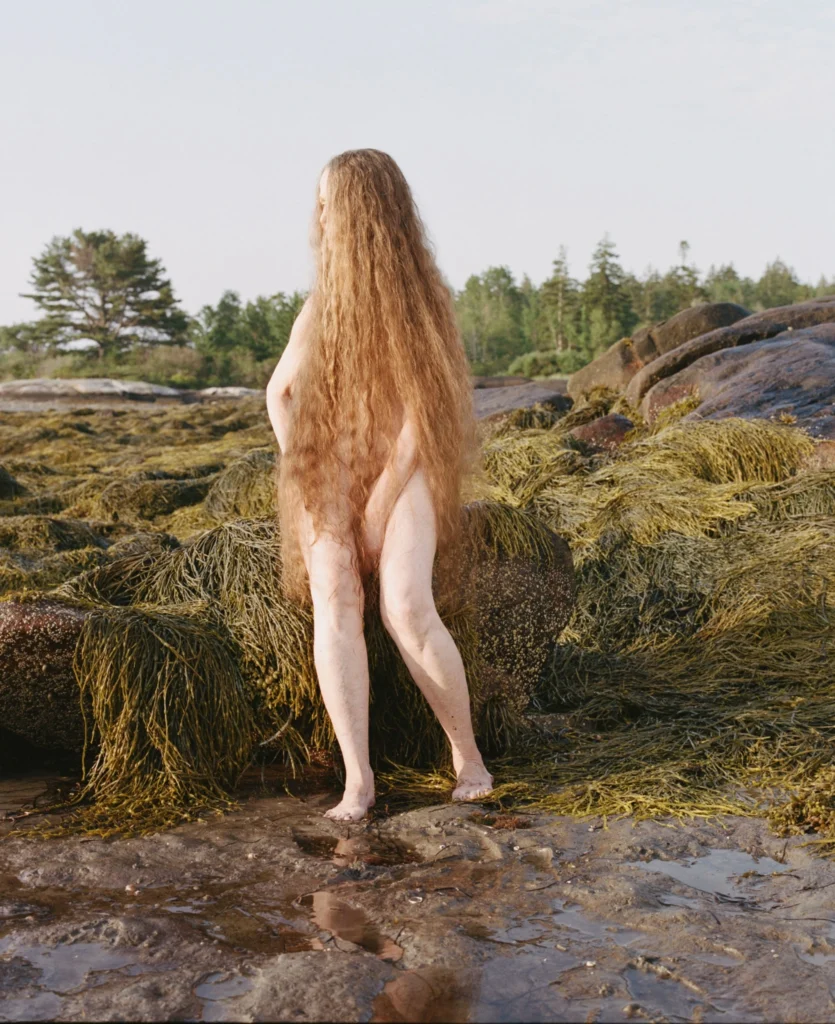
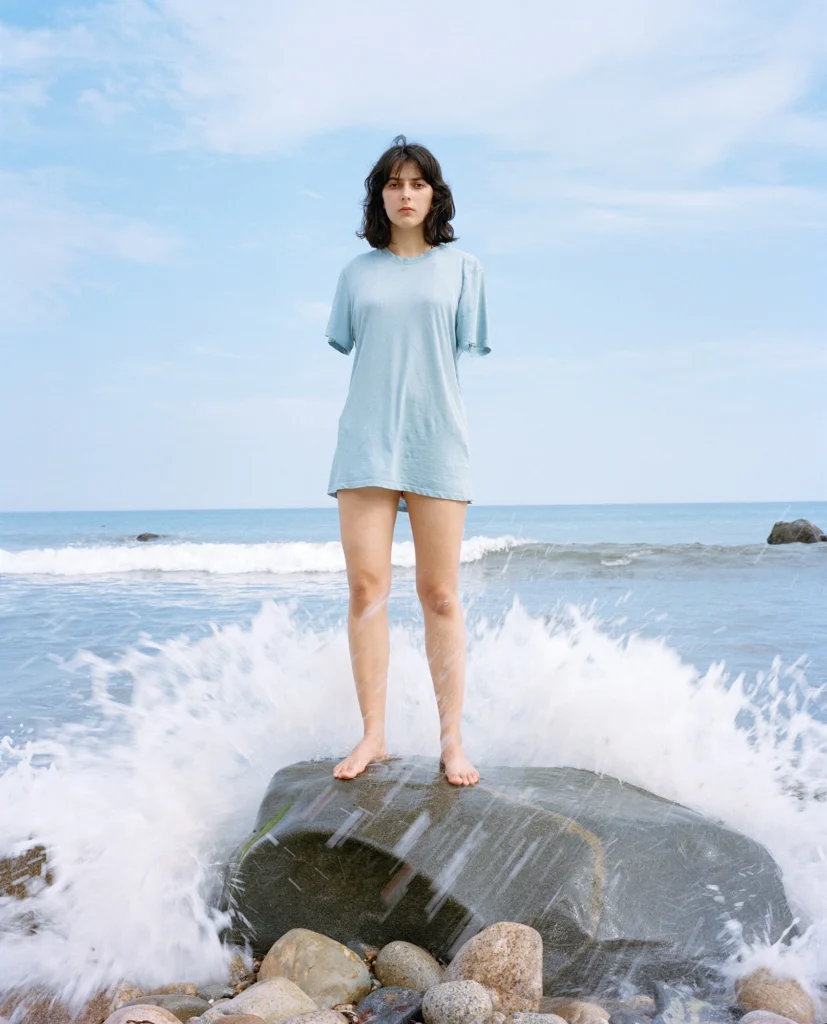
Do you think the body tells us things about a person that the face, or language, can conceal?
Jocelyn: I do. Our bodies offer a different kind of “face”. The body records different experiences and always has a more honest relationship to gravity. We can adjust or hold our faces more easily but it is very hard to adjust the entire body. We’ve all had the experience of noticing the face of a person with a ton of plastic surgery that bears no resemblance to the look of their hands. It’s a disconnect on an animal level and we feel it. This kind of thing is happening more and more.
Or why does one person hunch their shoulders? Or cover their belly with their hands in social situations? What does this say about their feelings of vulnerability? I think there is so much to “read” in our bodies. Again, I think this kind of noticing is akin to the “punctum” that Barthes’ talked about. It is often the thing we cannot hide that reveals the most. The thing that we don’t even know we do.
Nudity can signify vulnerability, sexuality, freedom, exposure or power. When you photograph a naked body, how conscious are you of those competing meanings?
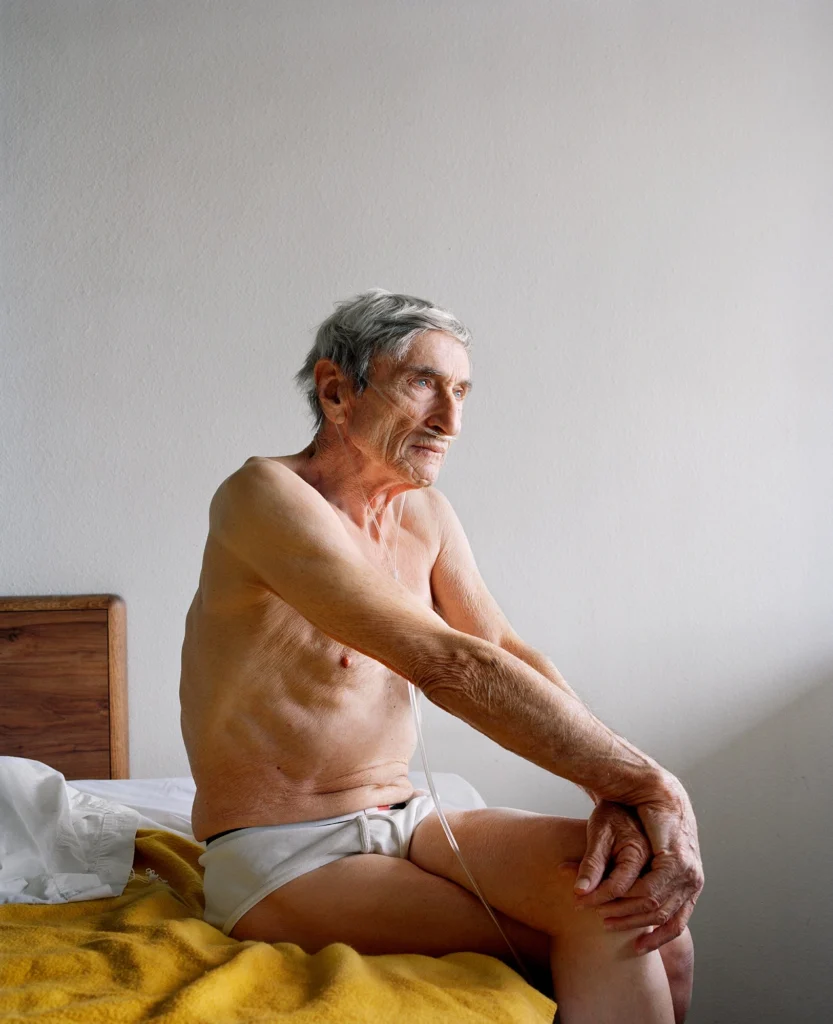
Jocelyn: I’d like to say I try to be very conscious, but at the same time subjects bring their own intentions to a shoot. When I was younger and I was photographing men I did not know in motel rooms, the energy of the room was sometimes charged. It was natural. They were naked, or semi-naked, and I was in my thirties, sort of “in control” behind a large camera, looking at them. I’d be naive to think this wasn’t erotic. So that definitely infused the pictures. I also think some people want their pictures taken because they want to be looked at and appreciated. People long to be SEEN. This is a really meaningful connection of a different sort. I once schedule strangers to meet me at a motel room in Albuquerque, New Mexico. One man came who was dying. He brought his oxygen tank with him. He took his clothes off down to his underwear and just sat there breathing through this tube while I photographed him. It was very moving to me. I think he just wanted to be acknowledged.
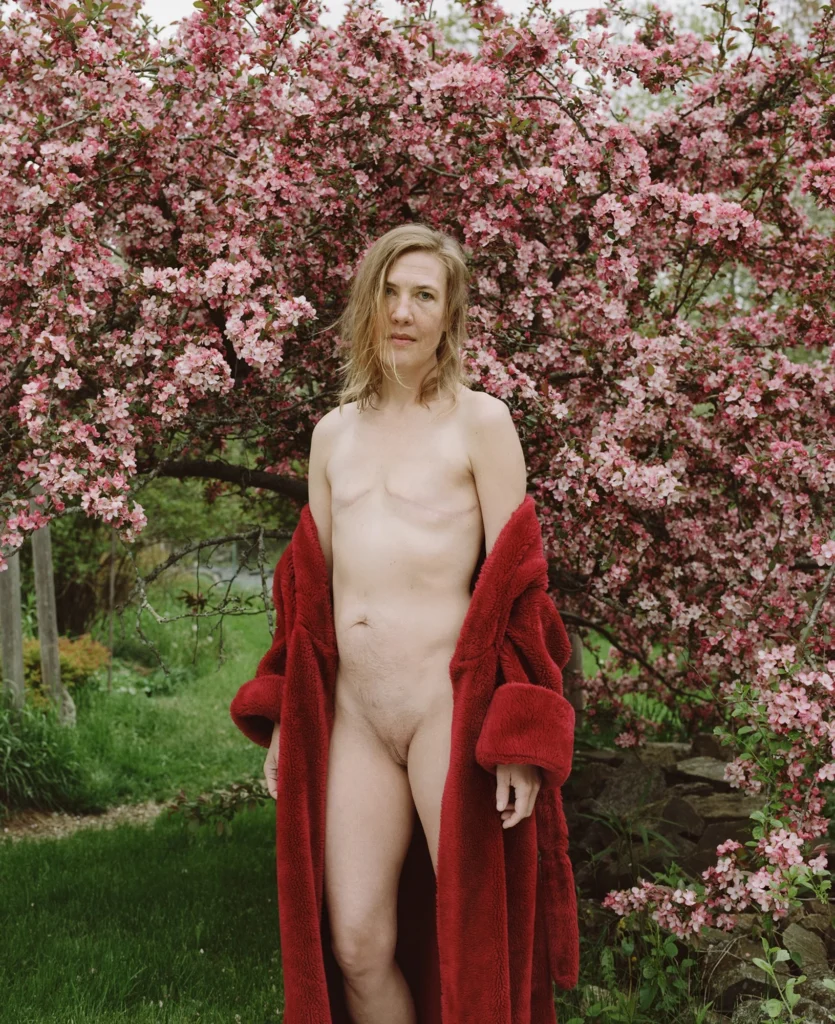
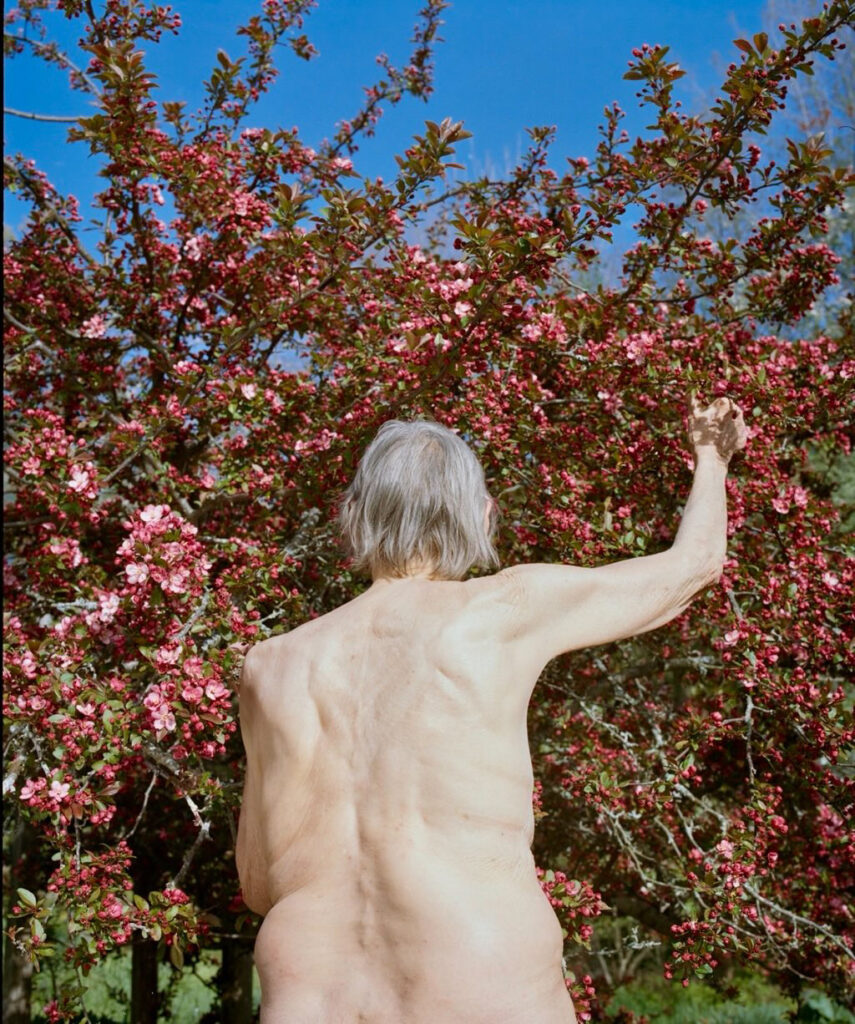
Much of photography has historically idealized certain bodies while making others almost invisible. Do you see your work as challenging that visual hierarchy?
Jocelyn: This is definitely one of my goals. I detest vanity culture and the fakeness it perpetuates. I believe the assault of social media day and night has deeply damaged the self worth of many people, both young and old. I have two kids in their early 20’s. They grew up alongside social media and I think they are 100% the worse for it. We talk about what is “true” all the time, and how these feeds, streams and images are a filtered fantasies designed to make people feel less than. It’s a stream of dishonesty in my view. I understand the pleasure of looking at stuff, because I love to look too, looking is my food, but honesty matters as well. I would like to believe my work is a kind of antidote to vanity culture.
You photograph aging bodies with the same attention traditionally reserved for youth. Has photographing older people changed your own understanding of aging?
Jocelyn: Yes, this train is headed in the same direction for all of us.We will all age and die. Photographing people who are older than me is comforting to me. Especially people of all ages who feel sensual and powerful and ready to celebrate their lives and their bodies just as they are.
Is there a difference between making someone feel beautiful and making a photograph in which you believe they are beautiful?
Jocelyn: That’s a great question and there is a lot to unpack here. I often make photographs of people and I think they look very beautiful, but they disagree. It becomes a conversation. That is a part of the process too. I understand how brave my subjects are and we often talk about where they are willing to have their portraits shown (in an exhibition or a book versus IG or other more public platforms), because they do feel vulnerable and they are in the process of accepting their bodies as well. It’s not like my subjects come to me and say, “wow aren’t I gorgeous and perfect? Please show the world how perfect I am!” No, they are usually trying to be at peace with the place they currently find themselves in, in their lives. They are genuinely brave. They have complex relationships to their bodies, as most of us do, and therefore it’s a process.
If someone really can’t abide having their picture published, then I completely respect that. I once had a women who was a model for years, very beautiful in every traditional sense, but she posed for me at 70 and like all humans, our bodies age. The photographs were to my eye tender and true and she was actually still very beautiful in every traditional sense, but her skin was older. It did not look like she was 35. In the end it was too hard for her to accept the pictures. I understand that. We are all on some version of this journey.
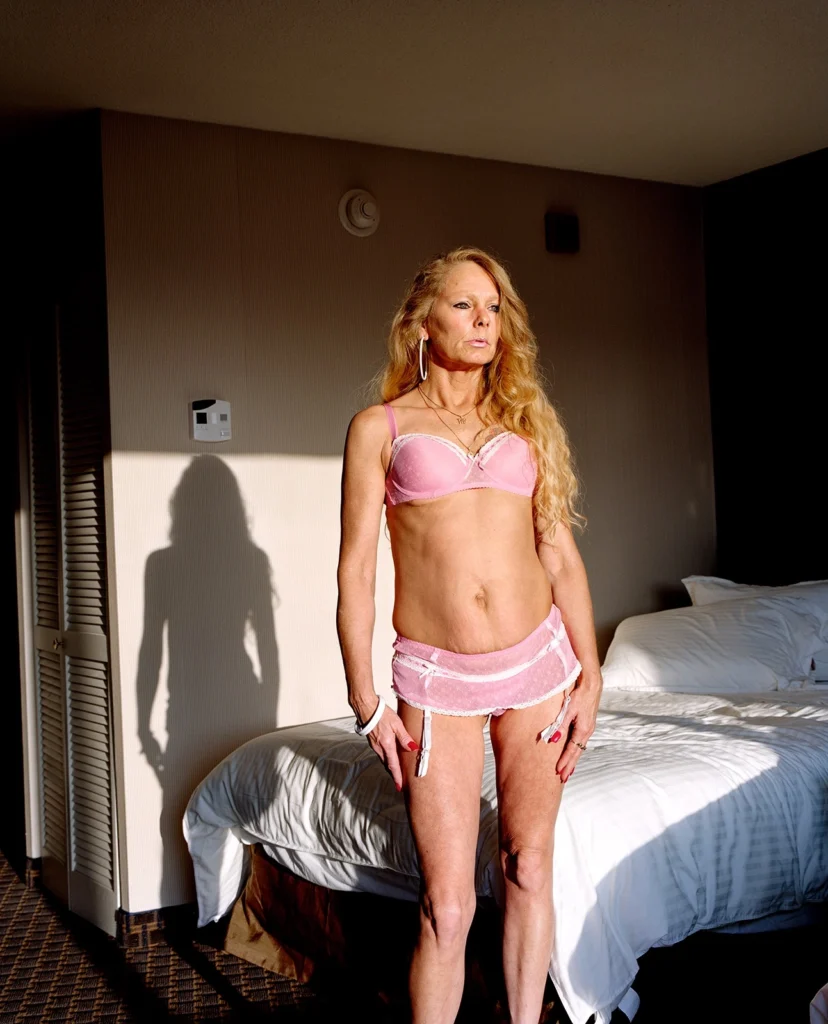
With that in mind… Beauty seems central to your work, but not necessarily in the conventional sense. What does the word beautiful mean to you now?
Jocelyn: Again the concept of beauty is such a slippery term. I use it to refer to things that impact me and touch me, in art, film, writing, music, and people. But my definition of what is beautiful includes things that are painful, vulnerable, unconventional and challenging. There is a conjoining of what is fragile and true, with what is resilient and strong. I seek out complicated truths because they are more accurate and comforting to me.
Ideally I want my photographs to reflect the Japanese concept of Wabi Sabi where imperfection, transience and the broken edges of things are embraced as in inherent part of the form. I love the concept of an exquisitely made pice of China that broke, and then is mended with care to highlight the seams. To SEE the seams. That is the perfect analogy for what I want to see.
We are living in a moment when bodies are increasingly filtered, corrected and digitally perfected. Has that changed the significance of photographing real bodies as they actually are?
Jocelyn: I think so. We live in a time where we often don’t know what is true anymore. The medium I committed to 40 years ago with so much dedication and passion has changed significantly. It’s not the same discipline anymore. Now everyone has a camera and and has access to AI. We can literally make anything according to our fantasies. This is also happening in the bio-medical world. Our faces and bodies are more pliable than they have ever been before. I fear we might lose any sense of what natural aging looks like.
It can be disorienting to watch films now. There are actors whose faces are so changed by Botox their emotional responses are off and you feel it somatically, intuitively. I was watching a movie recently and the lead actress had such an immovable forehead that I had to stop watching the film. Her expressions made no sense in the context of the film. It was deeply disturbing because I felt like I was watching a robot play the character—or a cartoon. Instead of frowning when a really disturbing event occurred, her forehead remained flat and her nose crinkled. On an animal level it was like noticing a zombie in a crowd of people and having the hairs on the back of your head stand up. It felt so off.
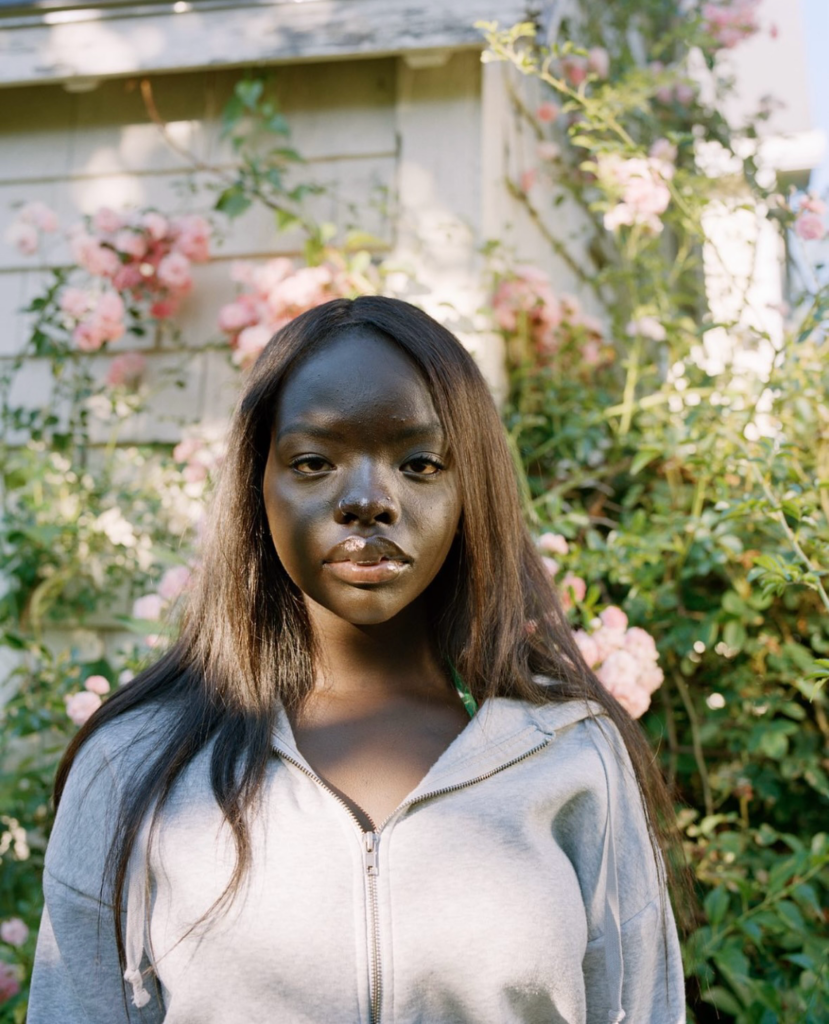
In November, you are taking a Sprinter Van across the United States for In Search of Beauty. Where did the idea for the journey come from?
Jocelyn: From the same place all my work comes from. I’m aging, and I’m watching our culture change in real time. I’m watching what my kids and their friends are exposed to regarding social media. I feel like women of a certain age become culturally invisible, or they all start to look a like because they are doing these similar plastic surgery procedures. I recently heard that freshman girls in Alabama are taking Ozempic in order to rush competitive sororities. Dr’s are actually prescribing weight loss drugs to suppress the appetite of healthy 18 year old girls in order to meet a thinness threshold so they can get into certain sororities. Something is happening right now because of the affordability and accessibility of things like plastic surgery and weight loss drugs coinciding with the tidal wave of social media. So I genuinely want to know, who do YOU find beautiful. I have no idea what I will get, but we are setting off on November 1st to find out.
Rather than simply asking people to sit for you, you are asking strangers who they find beautiful. Why was that distinction important?
Jocelyn: I already know what and who I find beautiful, but this is a text and image documentary about our culture. It’s not about me or my preferences. I want to know who other people find beautiful in 2026 and why. The US is also in the midst of a very divisive cultural moment: MAHA, MAGA, liberal wokeness etc are all trigger points and filters through which people see themselves and others. I am traveling across the US to make portraits but all my subjects will come to me by nomination via Craigslist, word of mouth and social media. People can nominate themselves or someone else, but they must all tell me why they find themselves (or their nominee) beautiful. This isn’t a short response. It needs to have some real thought and consideration. Not “oh beauty is in the eye of the beholder” etc. Or “my wife is beautiful to me etc”. It needs to have depth otherwise the nomination won’t be meaningful. Beauty is a big word, and it usually inspires a great deal of care and attention. I think it will be an interesting lens through which to see one another now. I hope it will shed some like on what Americans value now.
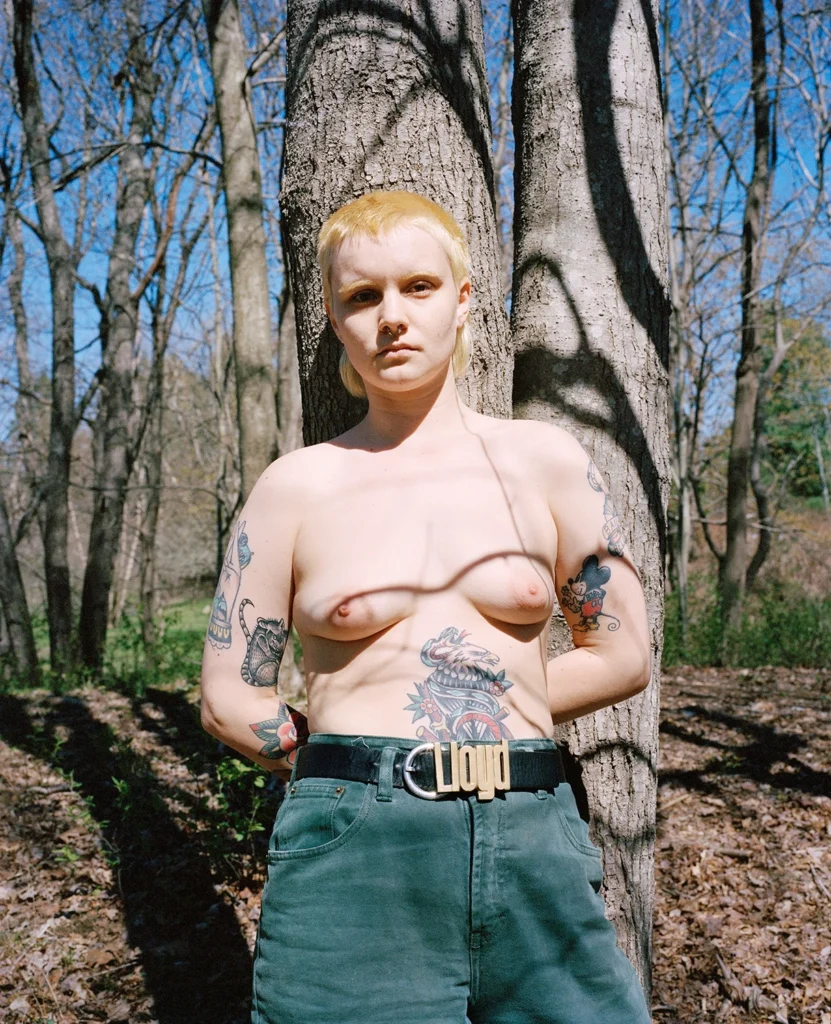
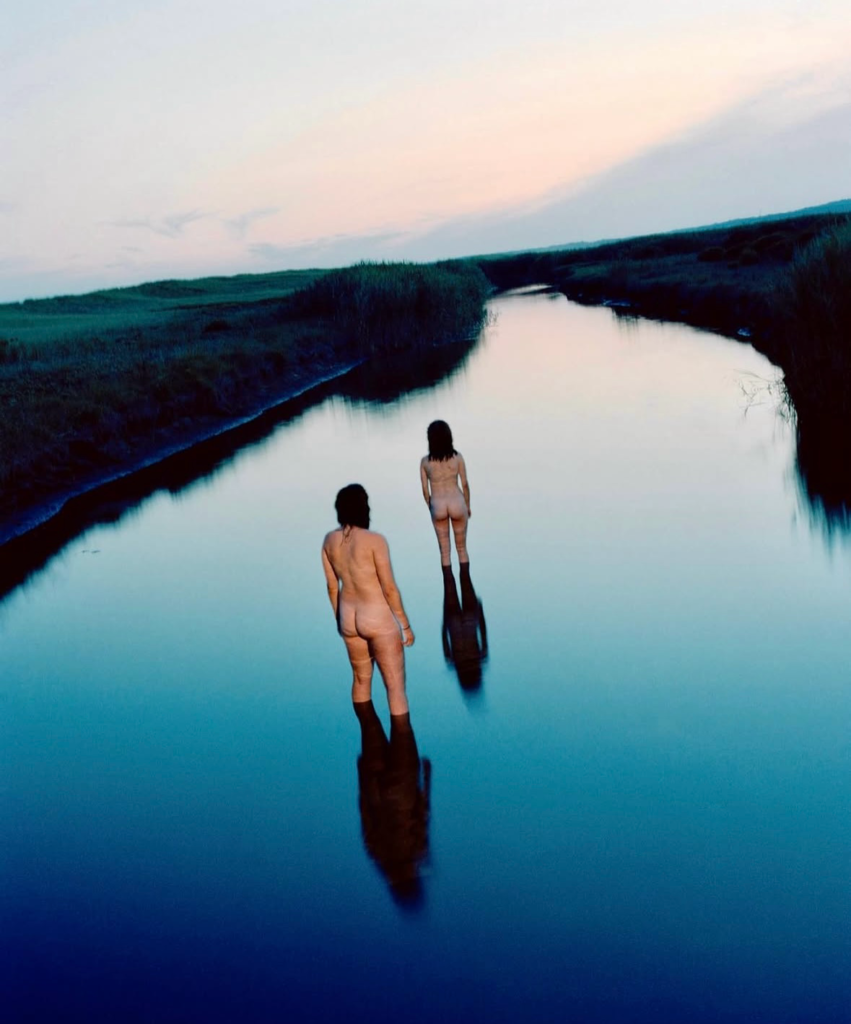
What interests you about using Craigslist and Instagram to find participants, spaces where completely different ideas of beauty, desire and identity coexist?
Jocelyn: I am trying to throw a wide net. I don’t have the resources to put ads in all these local papers but I do plan to post signs up when I arrive in different cities. I already have a good number of people lined up for the Southern US but I’m also looking for nominations to continue throughout the year. It’s going to be a longer process and I’m sure I’ll expand my outreach as the project continues.
Someone answering an advertisement and telling you whom they find beautiful is revealing something quite personal about themselves. Do you feel that the project is partly a portrait of the person doing the choosing, even when someone else is in front of your camera?
Jocelyn: 100%. That’s the idea. I want to deepen our understanding of the two dimensional nature of the portrait. What else lies behind this portrait? Why is this person loved? Adored? Admired? What about them deserved the nomination in the eyes of the nominator?
You will be traveling through very different parts of the United States. Are you interested in whether ideas of beauty change according to geography, class, age, politics or community?
Jocelyn: Yes absolutely. If I don’t get a wide range of subjects I’m not sure the project will be that meaningful. I am approaching it like a traditional documentary. I have no idea what I will get and I have no idea how long I will do it, but I’m just beginning.
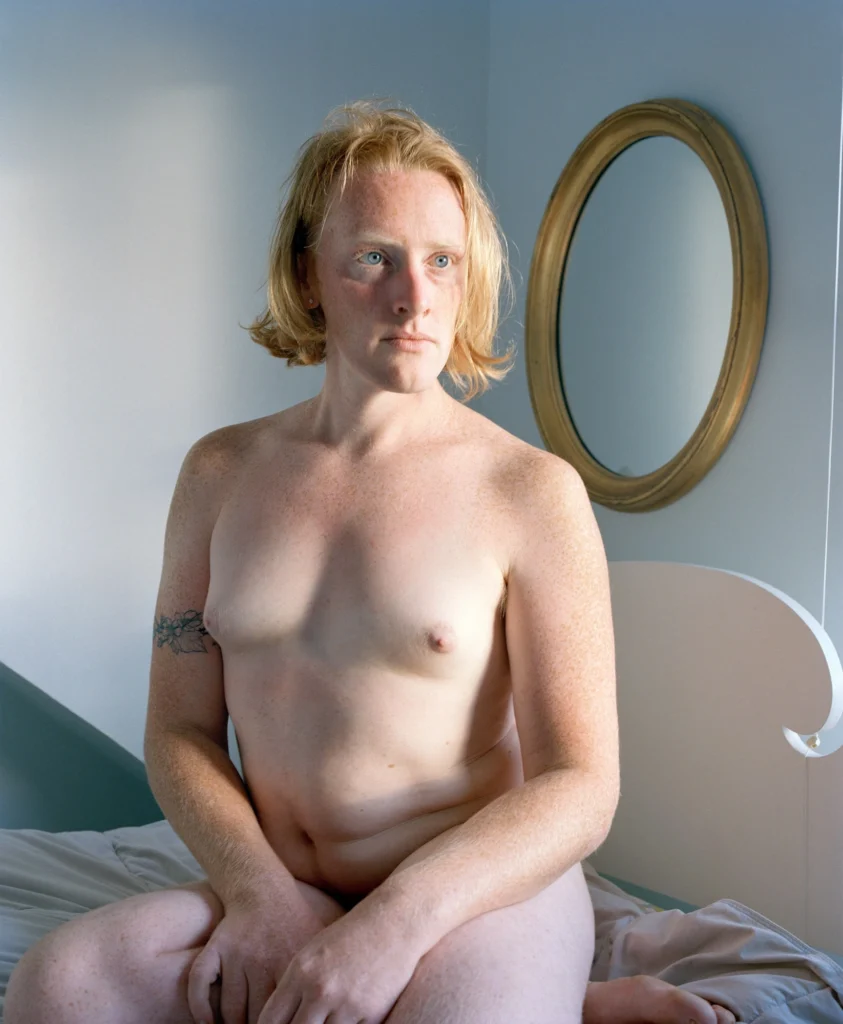
Have you ever decided not to make or publish a photograph because the intimacy someone gave you felt too private to use?
Jocelyn: Yes. There are pictures that feel too vulnerable, for lack of a better word, for me to use. I try very hard not to publish photographs that might harm or hurt people who have trusted me to make their portraits. This can get very complicated and challenging because it does also require bravery to allow your image out into the world. But the short answer is yes. I have definitely edited out images that feel compromising to my subjects.
Your subjects give you access to extremely vulnerable versions of themselves. What do you give them in return?
Jocelyn: That is an excellent question, and one that I think they would have to answer. I often give them a photograph, but I think you are asking about something more meaningful than that. I honestly hope that I give them what I tell them I will at the outset: that we will spend 2 hours together during which time I will attempt to make a photograph that is respectful, honest and collaborative. I tell them repeatedly to please tell me if something feels uncomfortable to them. For the images where people are naked, this obviously takes a lot of courage. I understand that, so my greatest hope is that they feel I was honest with them about the process and the goal. Why they come to have their portrait made is something else entirely and I’m sure will be answered differently by each subject. But this is a self selecting group. All the people who pose for me know what we are intending to do, so they have agreed to challenge inherent in it.
You studied philosophy alongside visual art at Yale. Do you think philosophy still shapes the questions you ask through photography?
Jocelyn: 100%. I think everything I do comes from my early interest in existential philosophy and psychology. I think about it all the time and I’m actually really surprised photographers don’t talk about their work this way. It is such an essential motivation for me—the desire to make better sense of why we are on this planet and how we make meaning here.
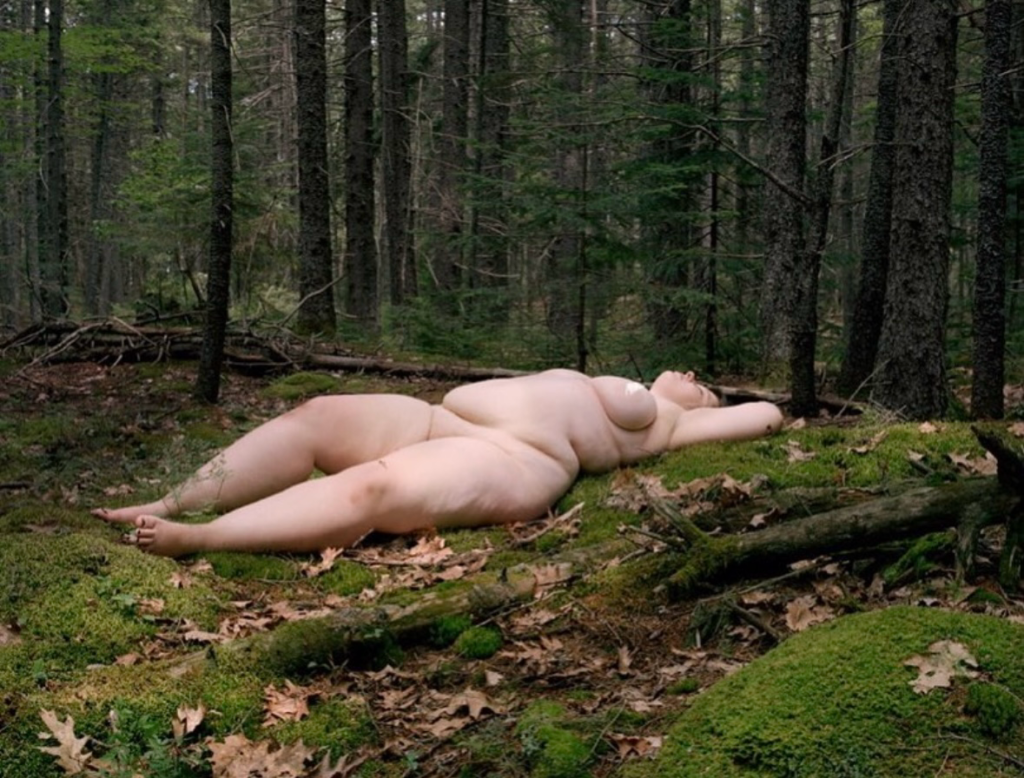
You have been photographing people across different stages of life for decades. What have all those bodies taught you about being human?
Jocelyn: Everyone is sexy and sensual. Often people look better naked. They certainly look more gentle and kind.
Has your relationship with your own body changed as a consequence of spending so much time looking closely at other people’s bodies?
Jocelyn: I think so. I hope so. My mother was really comfortable with her body as she aged and I think that also helped me a lot. She let me photograph her naked since the time I started photographing. It actually caused a huge rift in our family. My grandfather, her father, wouldn’t talk to me for a year. But as I age I do feel a kind of curiosity about it most of the time. Wow, look at what my body looks like now! That cellulite is new. Saggy arms! My neck! I think when I can bring fascination and not negativity I am much better off.
You also have books forthcoming with TBW Books and Dust Collective in 2027 and 2028. What will those books allow you to say that an exhibition cannot?
Jocelyn: I love books now. They feel so much more complete. And they last longer in the world. The best books create an echo and a reach that an exhibition cannot. They also feel like a more complete story. You can sequence the images in a way that makes sense. A story unfolds. I also really trust the two people running TBW and Dust, Paul Schiek and Emily Sheffer respectively. My weakness is editing (as I said I will take a decade or longer to make final choices) and Paul and Emily are brilliant editors and designers. I really feel they will make the work more meaningful with their editorial eyes on it. I feel very grateful to be working with both of them.
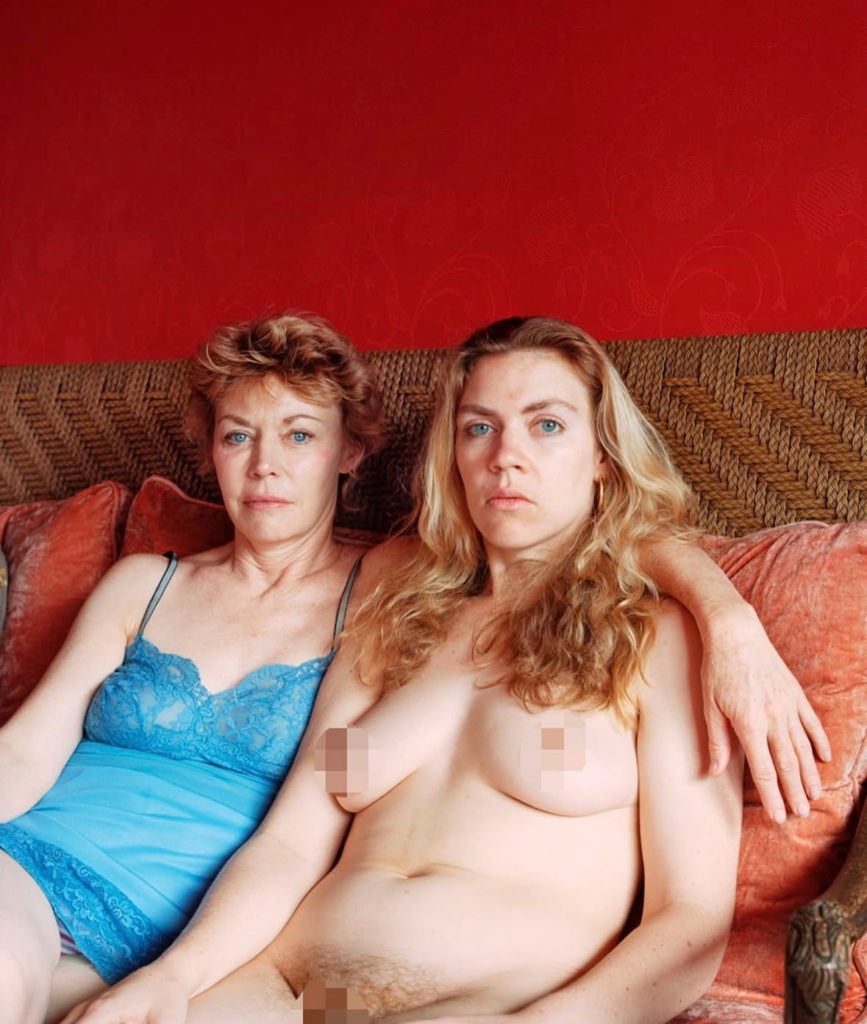
When In Search of Beauty is over, do you hope to have arrived at a clearer idea of what beauty is — or a more complicated one?
Jocelyn: I’m sure it will be more complicated but I do hope it reflects a good variety of the perspectives held by Americans today.
Ok Jocelyn, now to something totally different. In a parallel universe who would you be? and what would you be doing?
Jocelyn: I think I would have been a psychologist. I love almost all aspects of psychology—research, theory, practice. It is definitely a field I would have explored had I not dedicated myself to photography. I’m taking a few intensive psychology classes now at the Gestalt Center for Psychotherapy in NYC and I’m really drinking it in. The theory is so interesting. I hope it will deepen my portrait work in some way but one never knows.
Outside of photography, what’s something you’re obsessed with right now, maybe a hobby, a show, or even a food, that keeps you grounded or inspired?
Jocelyn: Ceramics. I am a total beginner. I don’t want to know anything about what the right way or the wrong way to do anything is. I’m an obstinate and annoyingly committed beginner. I make really ugly, messy, strange vessels out of porcelain and they thrill me. My husband and I are also obsessed with swimming in the cold water of Maine. We are trying to go at least 4 times a week and will continue as much we can past November and start again in March.
What qualities do you find most important in the people you choose to spend time with?
Jocelyn: Sincerity, kindness and vulnerability. I also love people who are funny. I have a lot of funny and irreverent friends. I am less and less interested in small talk. That is one of the great pleasures of getting old. You can walk away from what doesn’t interest you so much more easily.
Anybody you look up to?
Jocelyn: I’m trying not to look up or down on anyone right now. I’m practicing the opposite—recognizing a democracy of merit and open curiosity. I think I need that when I go on this trip to photograph in the US. Everyone is deserving of attention.
What motivates you?
Jocelyn: Being close to my kids. Finishing a few books that I really want to make before I leave this planet.
How would you describe a perfect day?
Jocelyn: Right now my favorite day involves waking up to no obligations, having a super long and luxurious day in my studio, digging deeper into whatever project I’m developing—which most often now is planning book projects—and then when I need to take a break, to go for a long walk or a chilly swim near our home. Then a home cooked dinner and a movie with my husband at home, a phone call to my kids, and finally to bed with our cats, 3 dogs and my husband.
Alright Jocelyn, I always ask these two questions at the end of an interview. The first is. What’s your favorite movie(s) and why?
Jocelyn: So many movies. I love Jane Campion,everything she’s done. She is so sensitive and smart and perceptive about human behavior. She never disappoints. I love smart horror movies so Jordon Peele is high on my list. Also early influences were Igmar Bergman, of course, and I loved Picnic at Hanging Rock by Peter Weir. I’m also dying to see the documentary by Nathan Fielding on Elizabeth Holmes. Honestly I will gobble up most films except romcoms. They are like food to me.
The second is. What song(s) are you currently listening to the most right now?
Jocelyn: Right now I’m listening to Laurie Anderson. There’s an inspiration.