
Share this
Painted in Auvers-sur-Oise in May 1890 after decades out of public view, the canvas clears a last-minute restitution deal before selling at Sotheby’s in New York.
When a canvas painted in the final months of Vincent van Gogh’s life emerges from decades behind closed doors and clears $190.4 million in New York, fine art stops looking like quiet heritage and starts looking like high-stakes cultural warfare. Blossoming Chestnut Trees (Châtaigniers en fleurs) smashed Van Gogh’s personal auction ceiling at Sotheby’son November 18, 2026, landing as the fourth highest auction sale ever recorded.
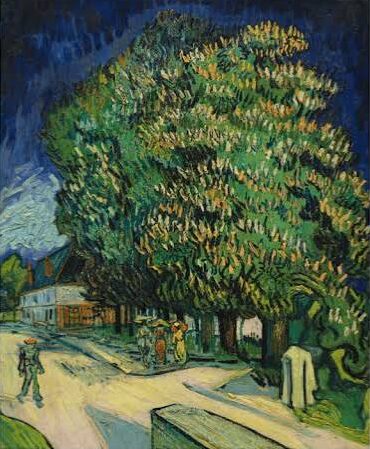
Executed around May 1890 in Auvers-sur-Oise—roughly two months before Van Gogh’s death—the work comes out of the Blaquier-Arrieta collection after a last-minute deal resolved disputes tied to Nazi-era provenance right before the hammer fell. Alongside Paul Cézanne’s Arlequin hitting $111 million in the same sale, the auction underscores how hyper-concentrated billionaire capital treats rare modern masters as both trophy objects and contested history.