

For years, AI art has been treated like a problem before it has even entered the room. Is it theft? Is it spectacle? Is it technology pretending to have a soul? With DATALAND, opening in Los Angeles, those questions are no longer theoretical. They are being given walls, sound, light, scent, tickets, and a museum of their own.
Co-founded by Refik Anadol and Efsun Erkılıç, DATALAND opens on June 20, 2026, inside The Grand LA, the Frank Gehry-designed complex in downtown Los Angeles. Billed as the world’s first Museum of AI Arts, the space arrives as a new kind of cultural institution: not simply a gallery for digital images, but a five-gallery ecosystem where data, machine intelligence, human perception, and immersive architecture are designed to interact in real time.
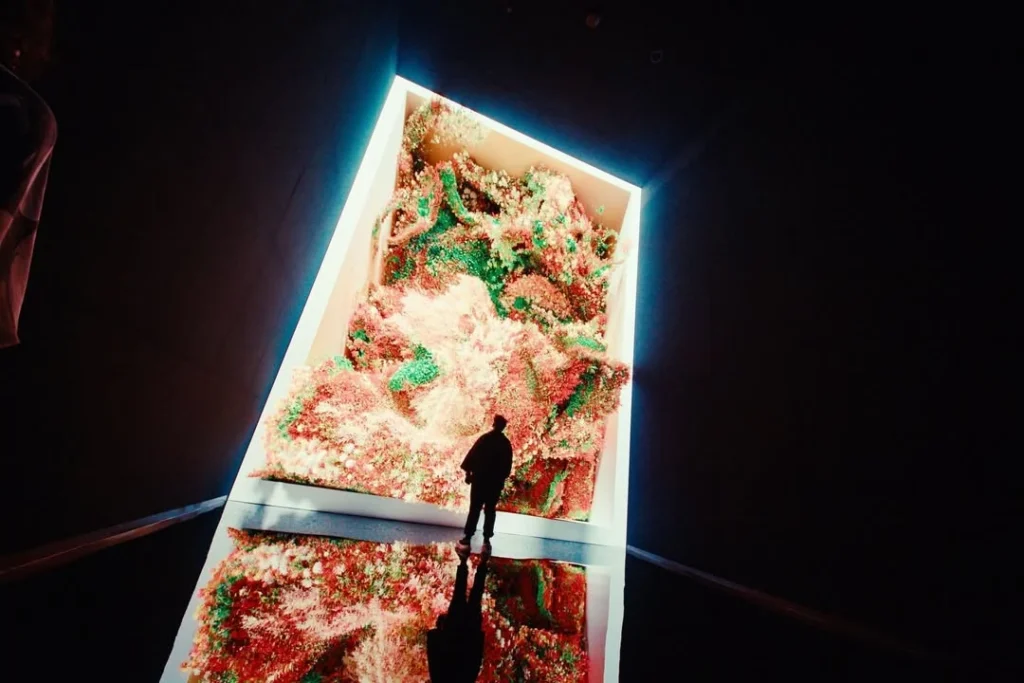
The inaugural exhibition, Machine Dreams: Rainforest, turns the museum toward the natural world. Created by Refik Anadol Studio, the project draws on vast permission-based datasets of nature and is powered by the studio’s Large Nature Model, a foundational AI trained on images and information connected to flora, fauna, and fungi. Instead of using AI to escape the planet, DATALAND uses it to return to Earth through another nervous system.
That is the strange promise of the project. The rainforest does not appear here as a documentary subject or a clean ecological message. It becomes a machine-generated environment of light, sound, temperature, scent, and moving image. The building itself is asked to dream ecosystems it cannot physically contain. Nature becomes data, data becomes atmosphere, and the visitor becomes part of the feedback loop.
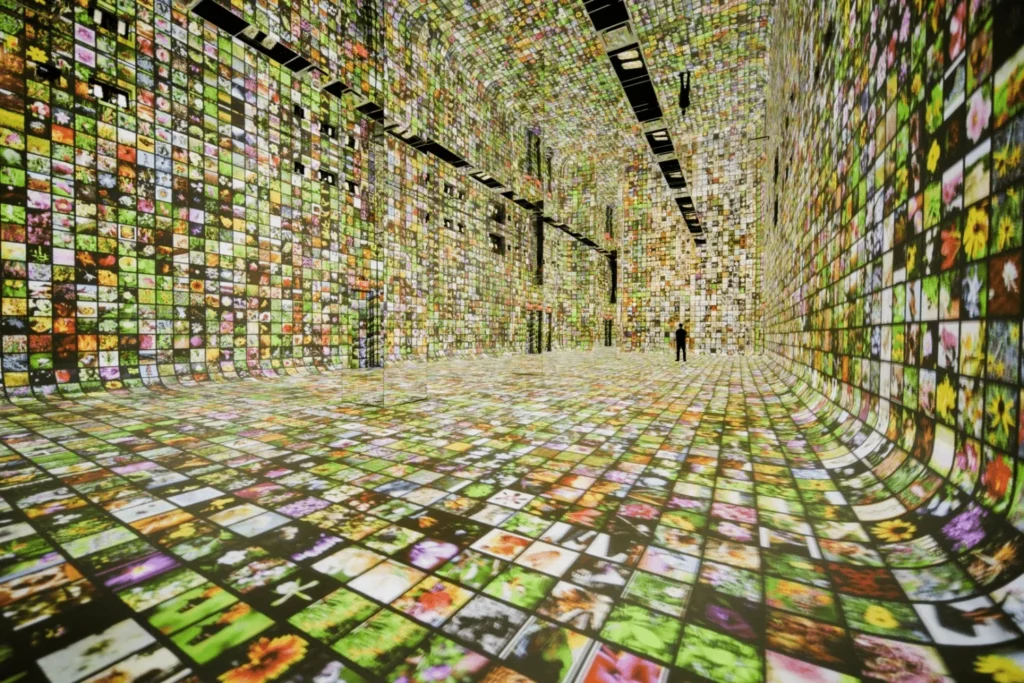

The scale is deliberately ambitious. Reports describe DATALAND as spanning around 25,000 square feet across five galleries, with engineering and design collaborators helping translate generative artworks into a fully coordinated multi-sensory environment. The museum was developed with partners including Gensler, Arup, NVIDIA, Google Cloud, L’Oréal Luxe, Epson, L-Acoustics, and others.
Of course, DATALAND also opens inside a cultural battlefield. AI remains one of the most charged subjects in contemporary creativity, especially around authorship, datasets, labour, ethics, and sustainability. Anadol’s answer is to frame AI not as a replacement for artists, but as a medium artists must learn to shape, question, and build with. The museum’s emphasis on permission-based data is clearly part of that argument.
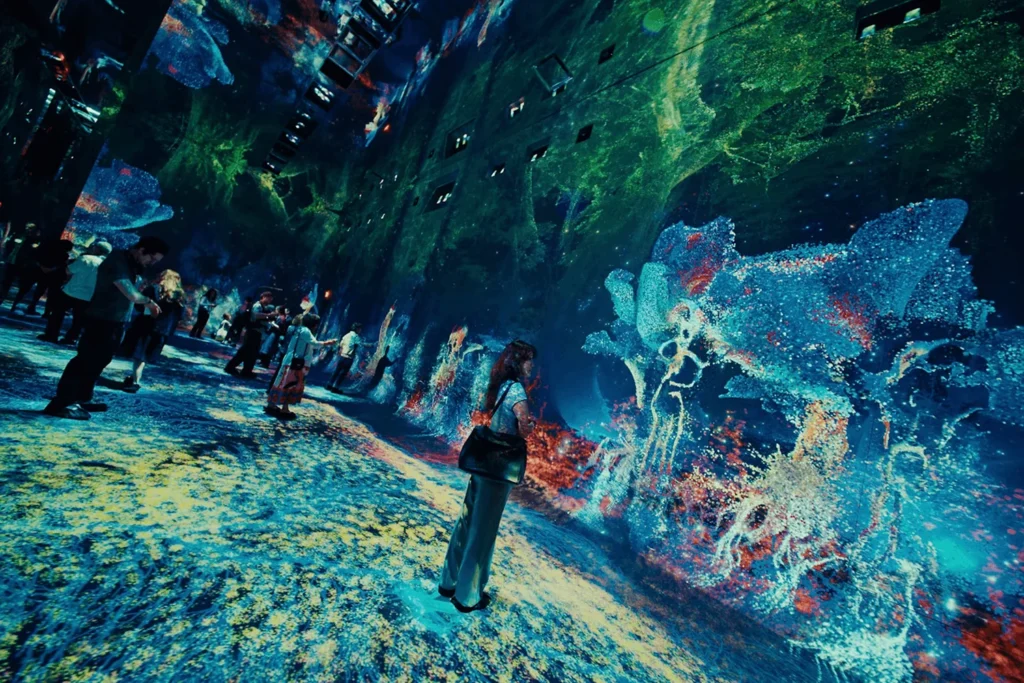
What makes DATALAND interesting is not whether it resolves the debate. It cannot. The questions around AI and art are too large, too unstable, and too alive. What it can do is make those questions physical. It turns them into rooms people can enter, argue with, be seduced by, and perhaps distrust more intelligently.
In Los Angeles, a city already built on images, simulation, entertainment, technology, and impossible futures, DATALAND feels almost inevitable. A museum where machines dream of rainforests. A building where data behaves like pigment. A place where art asks whether the future will feel artificial, ecological, human, or something much harder to name.