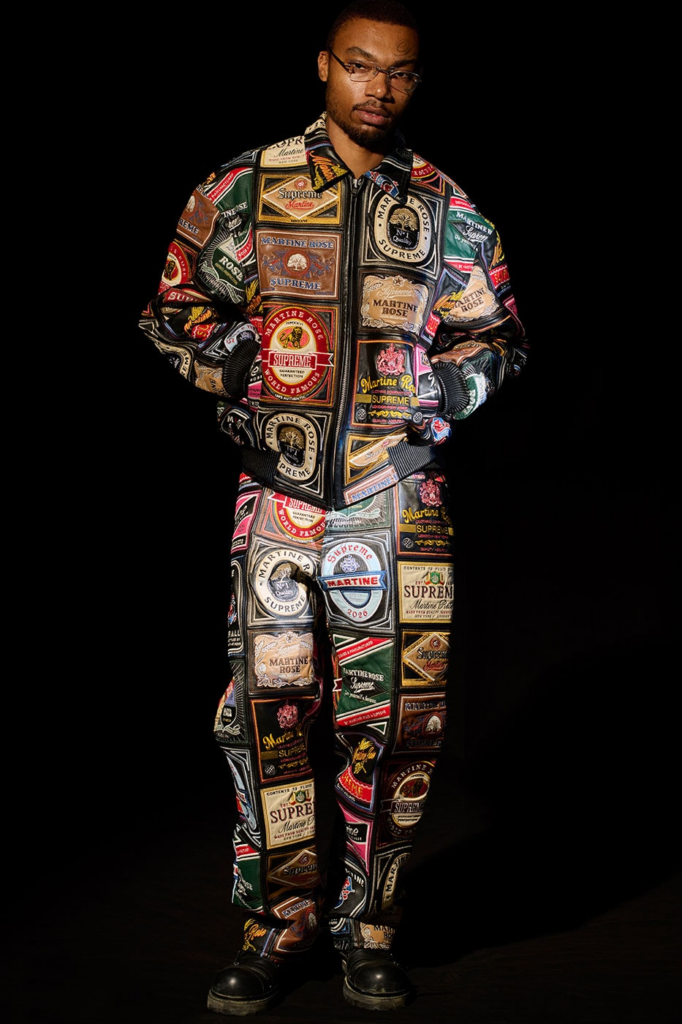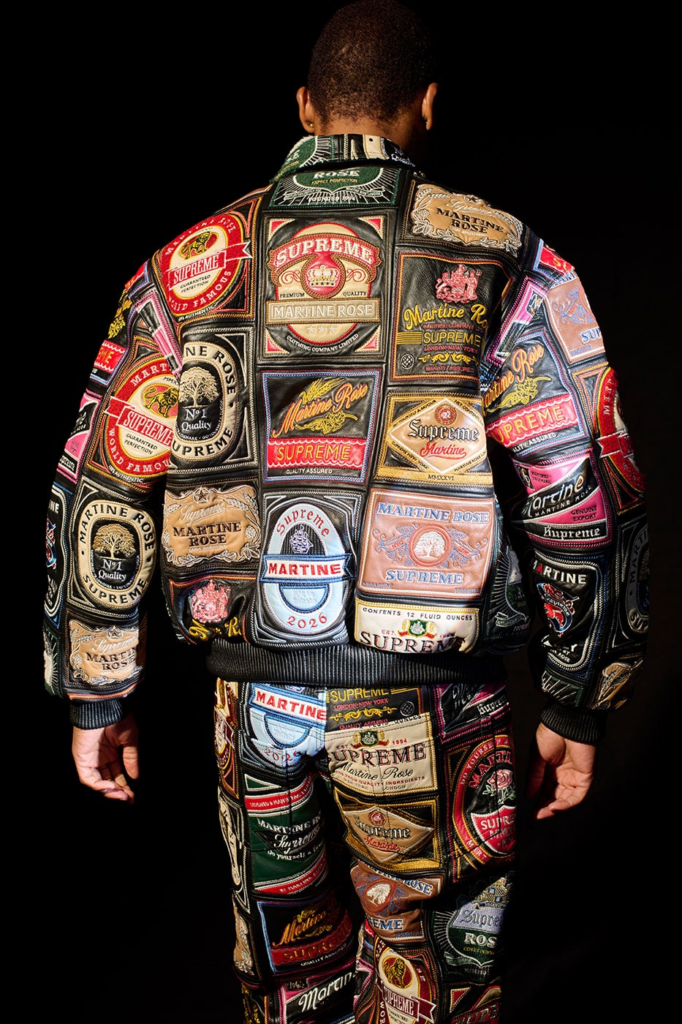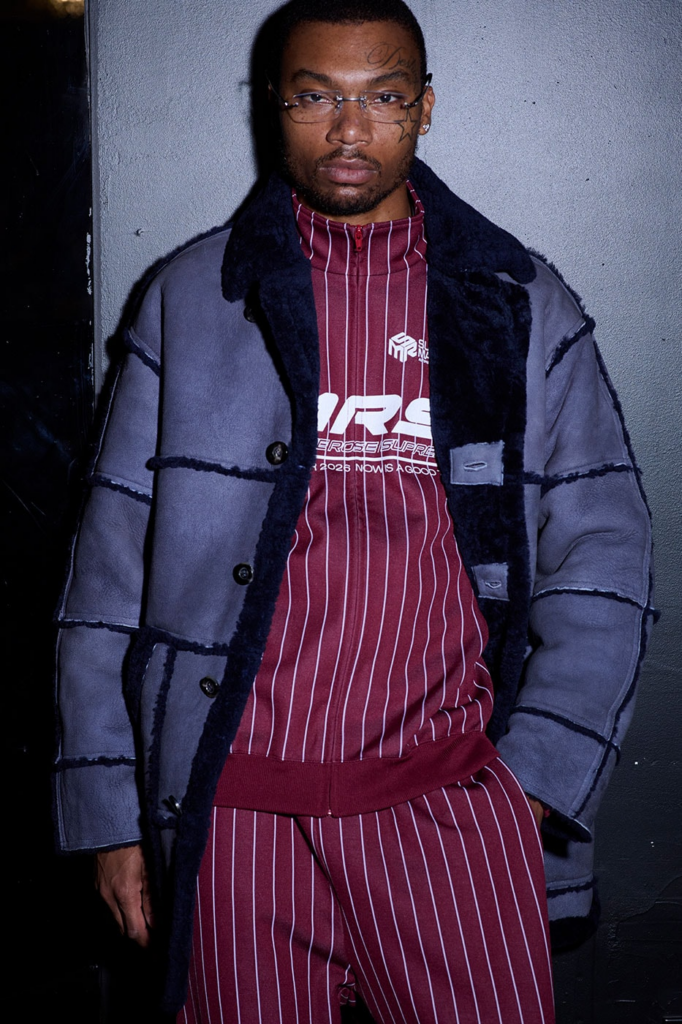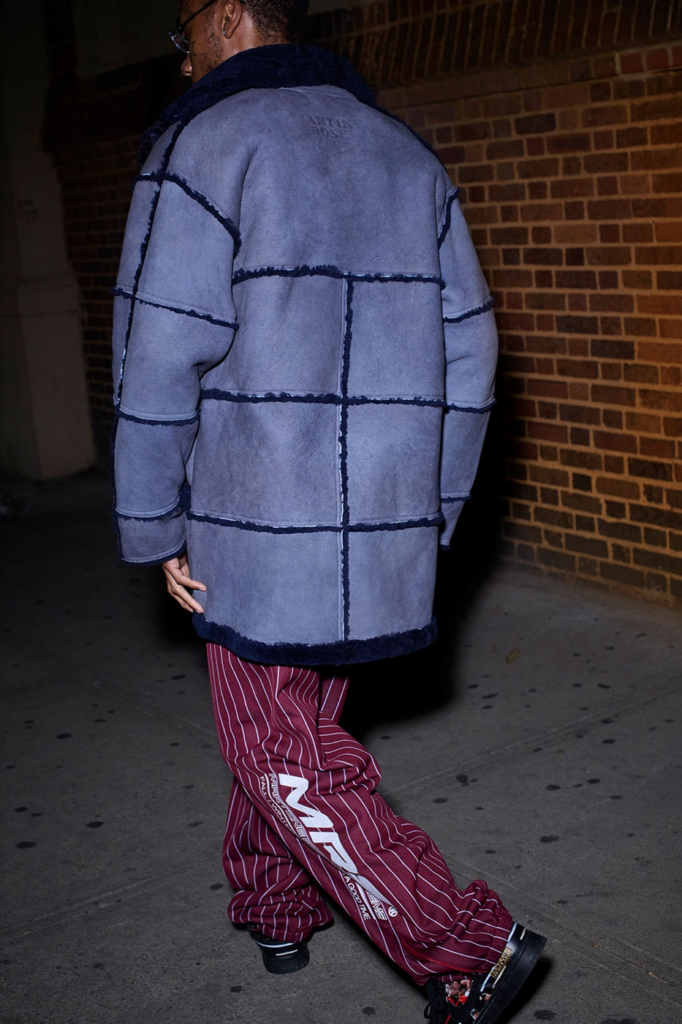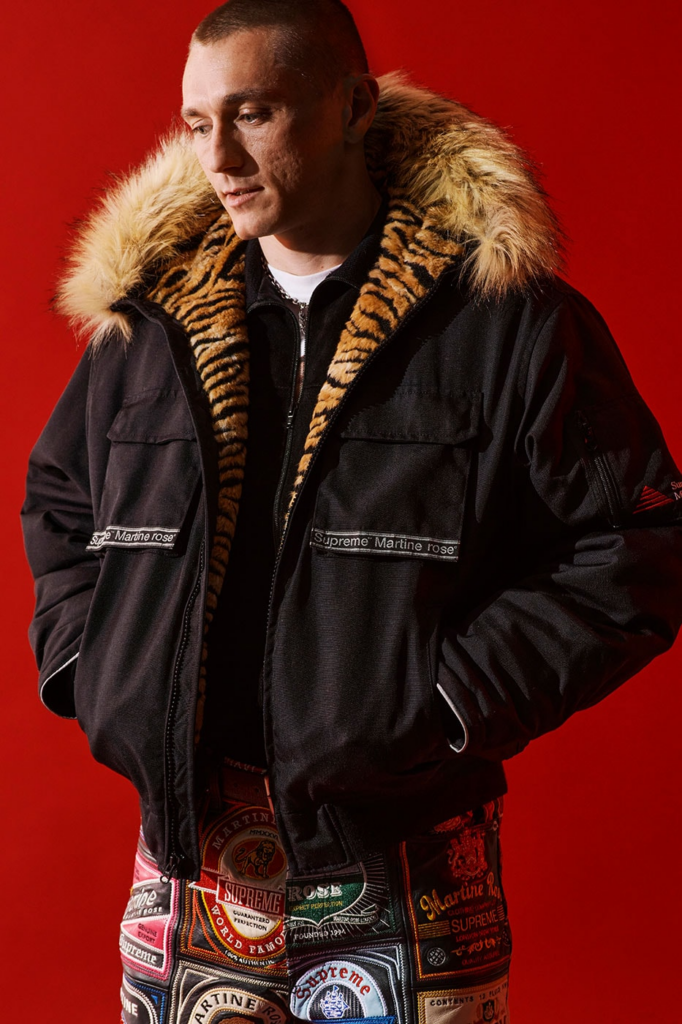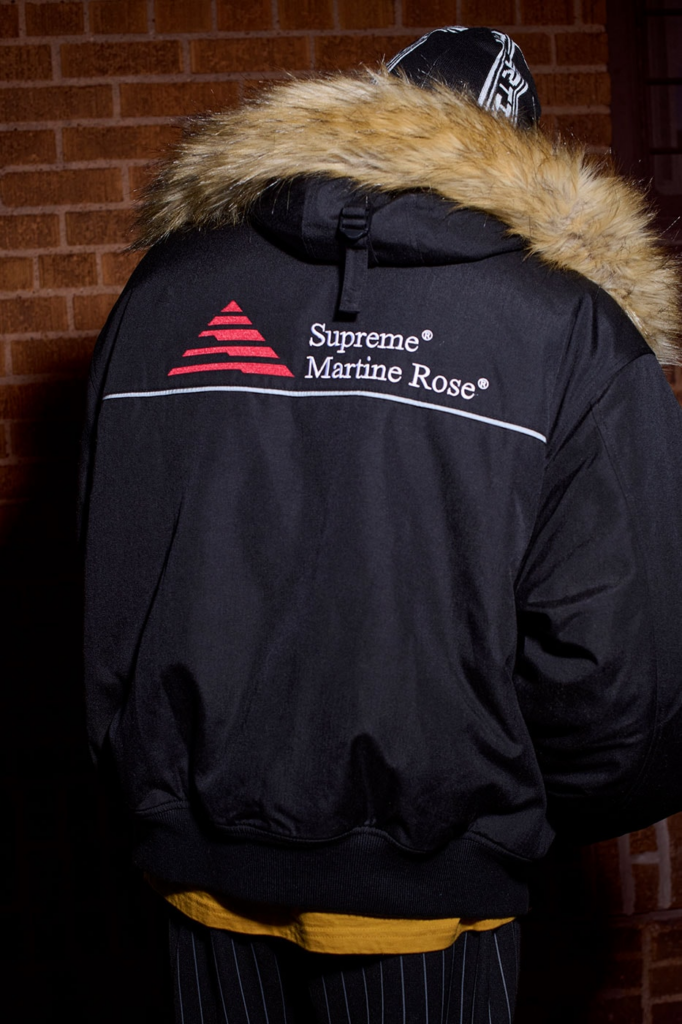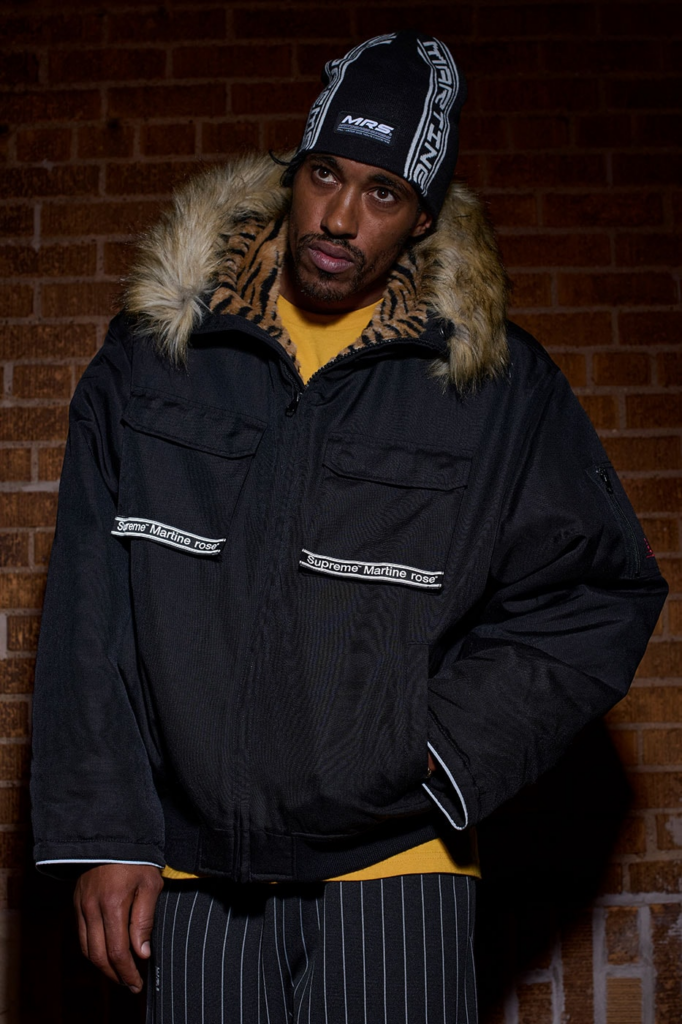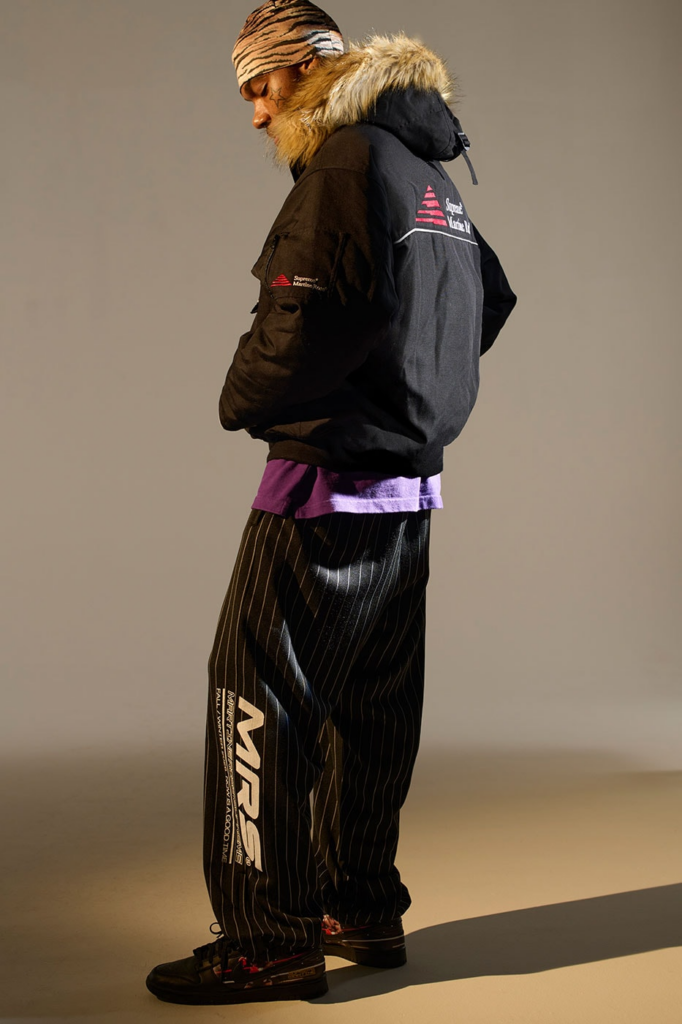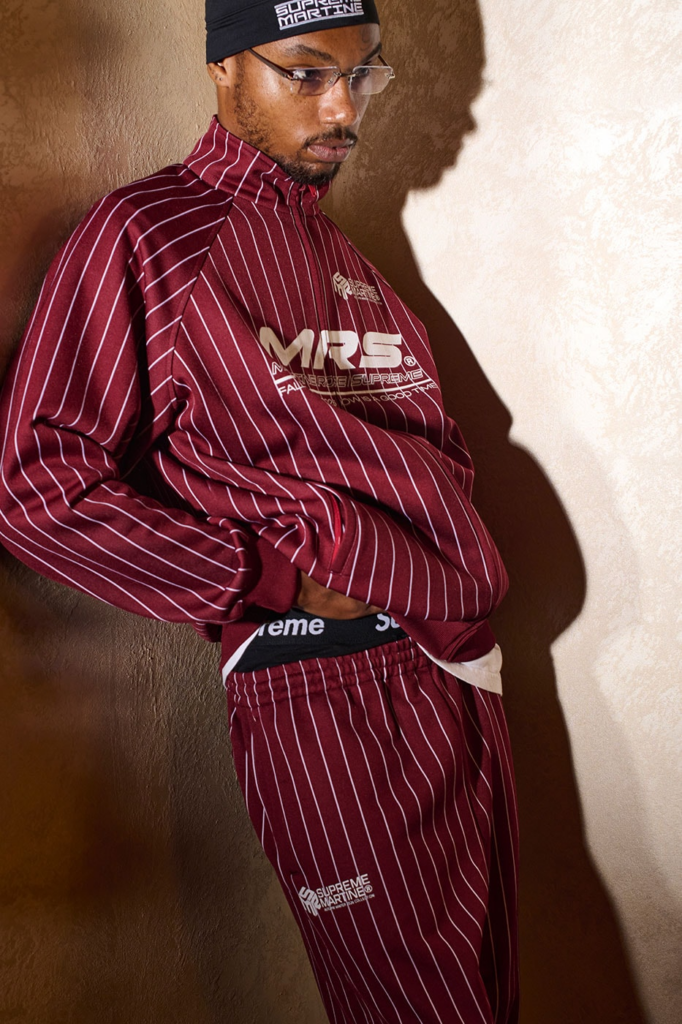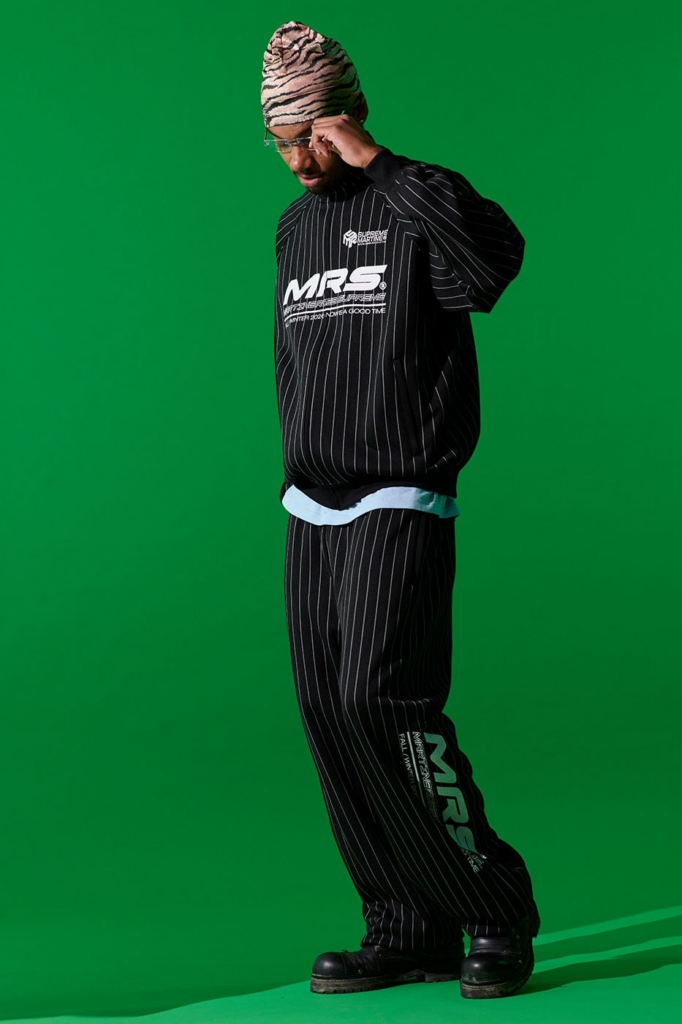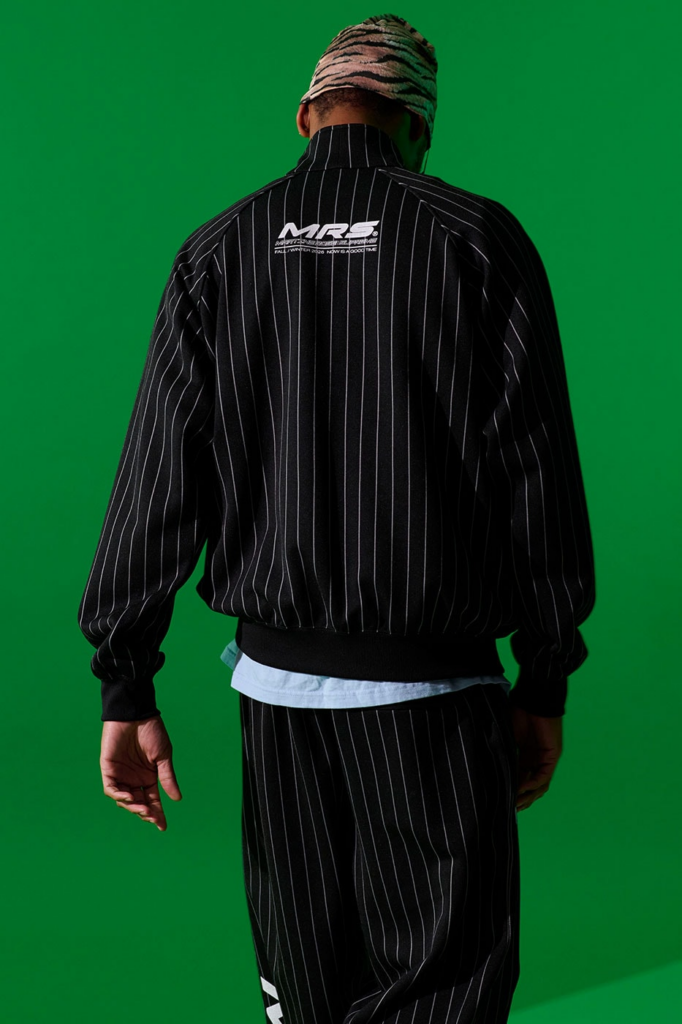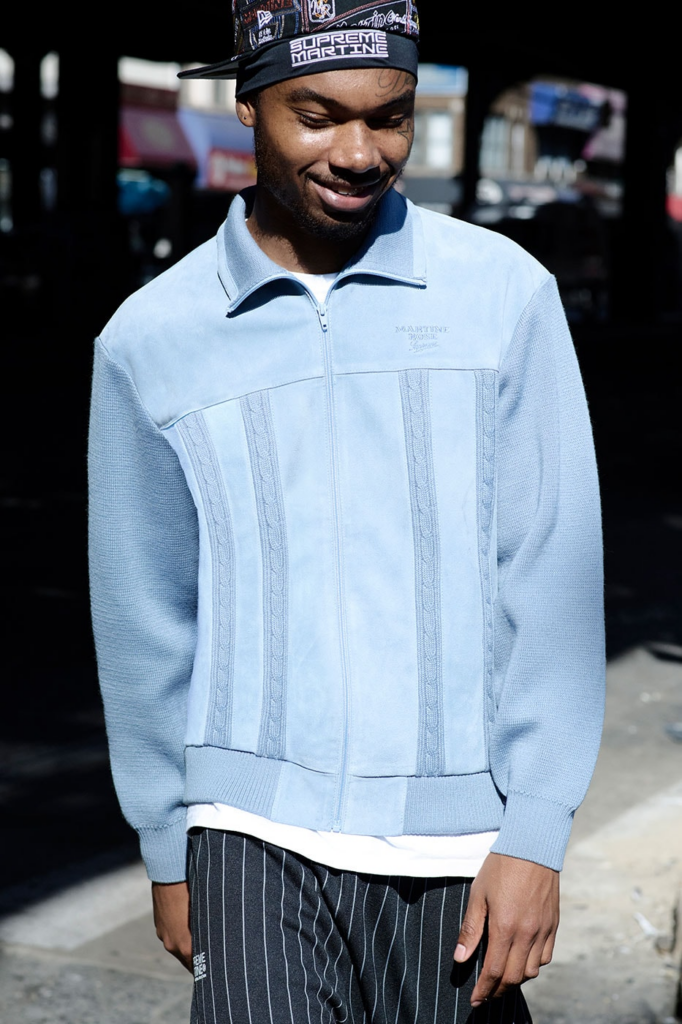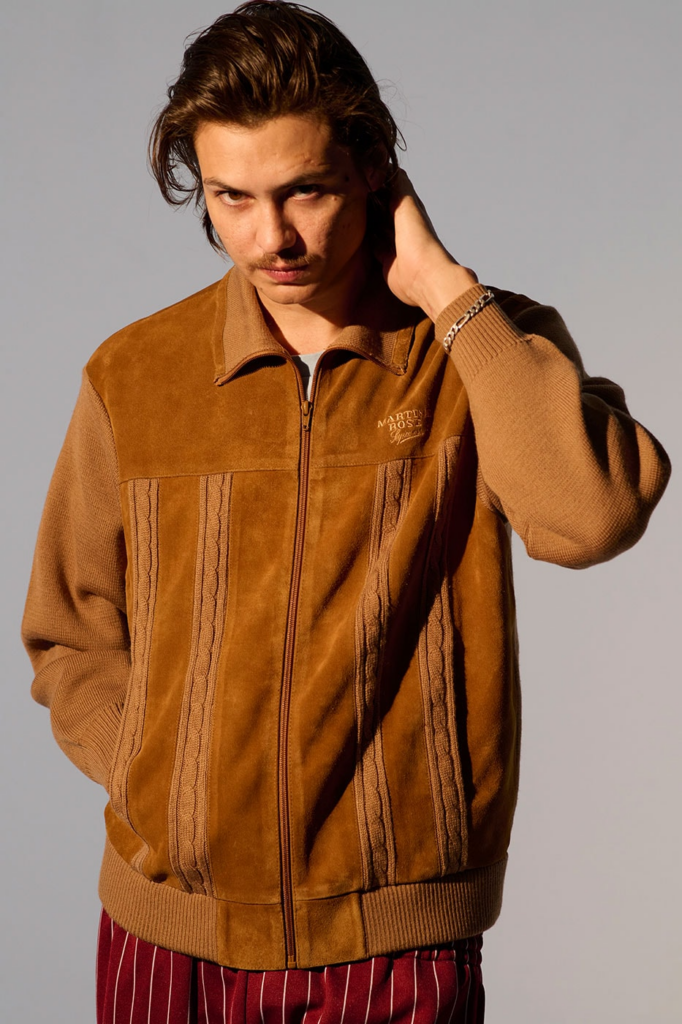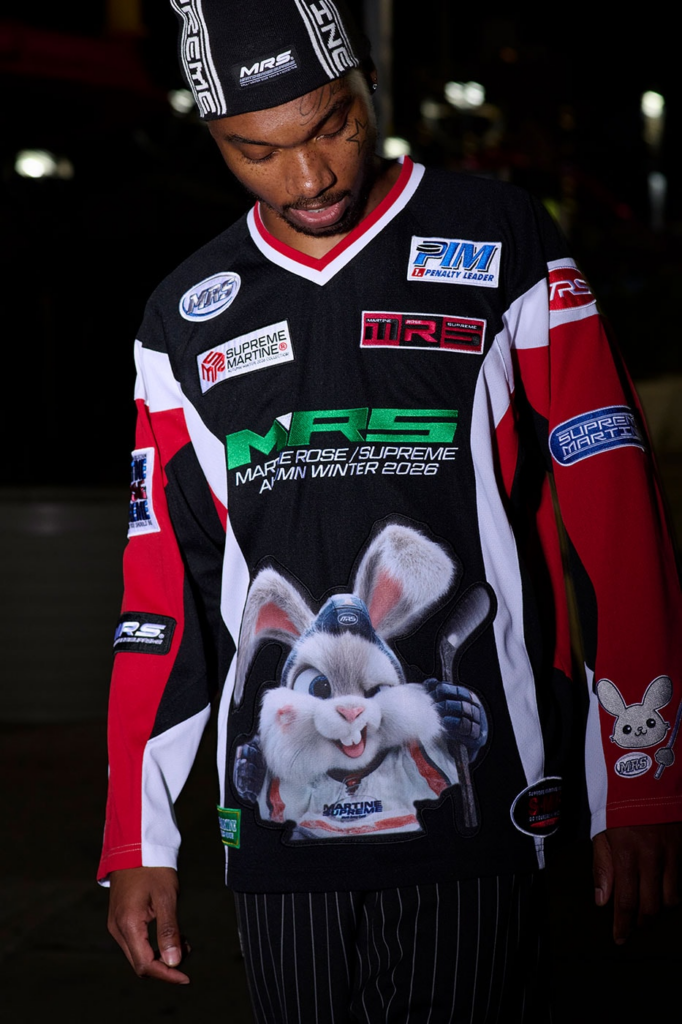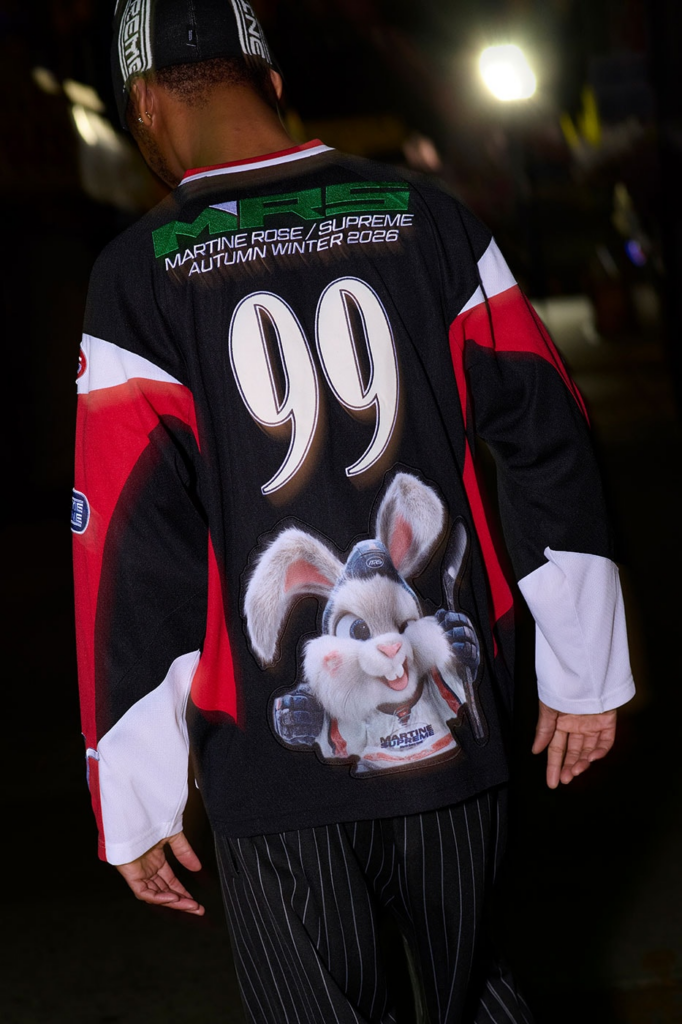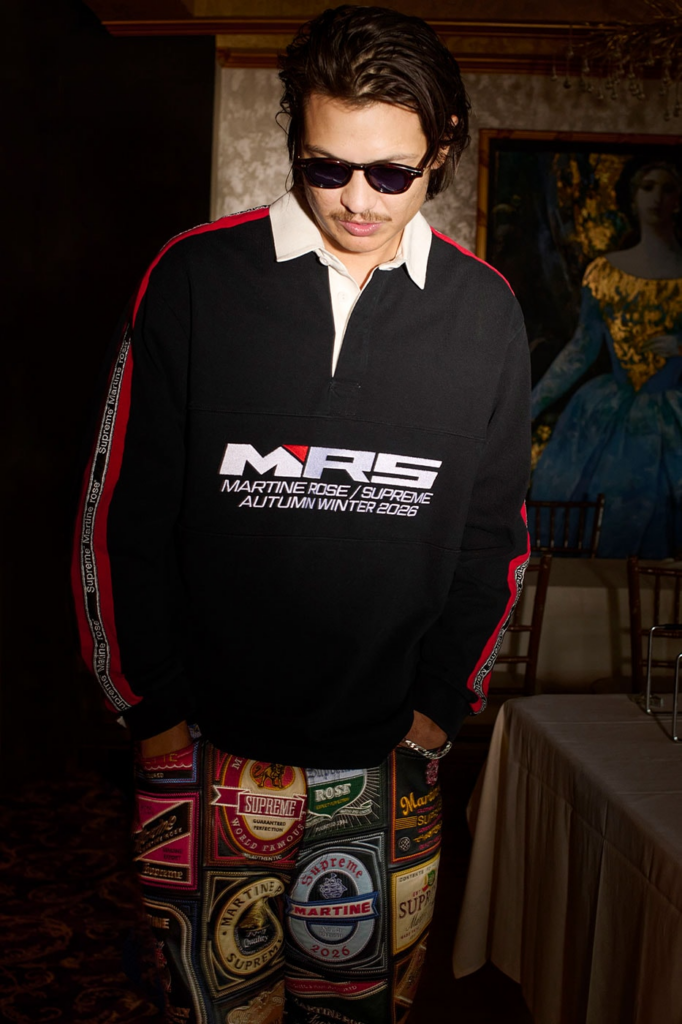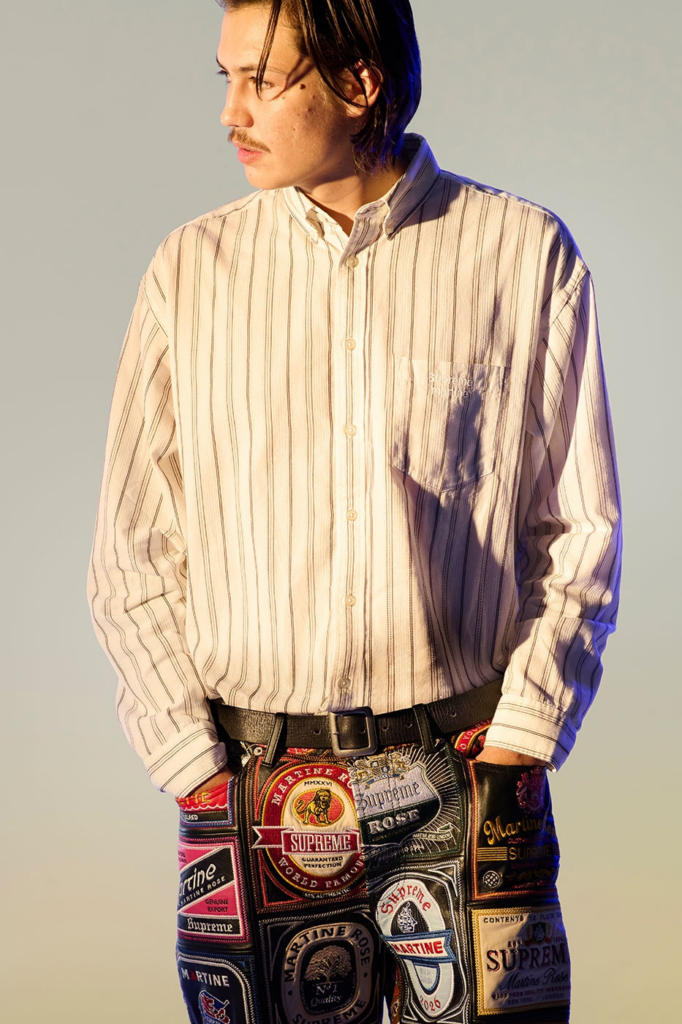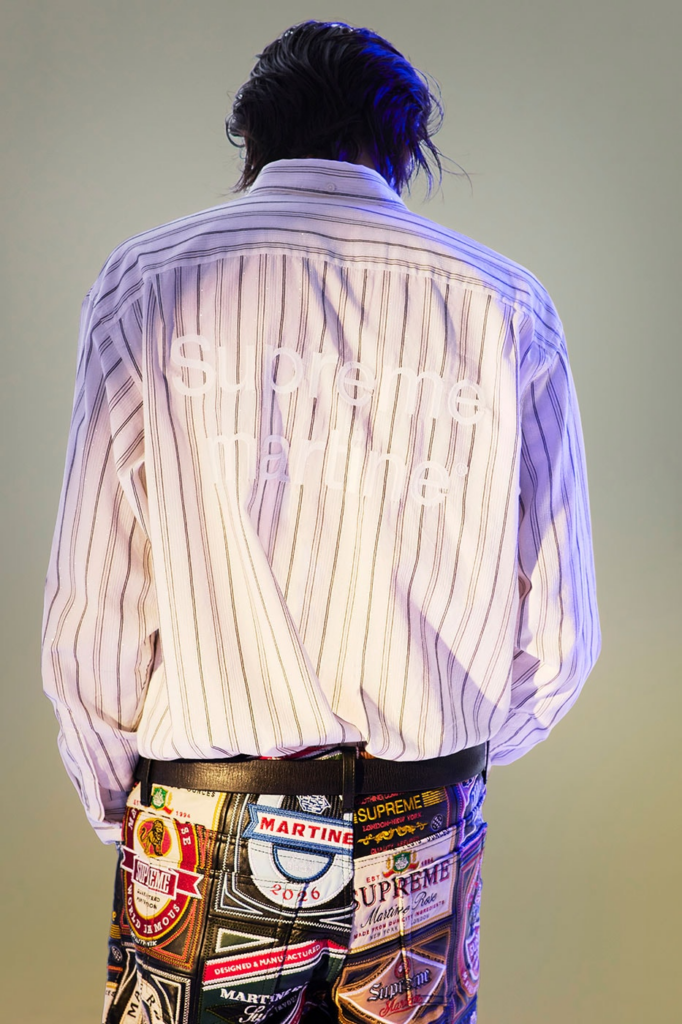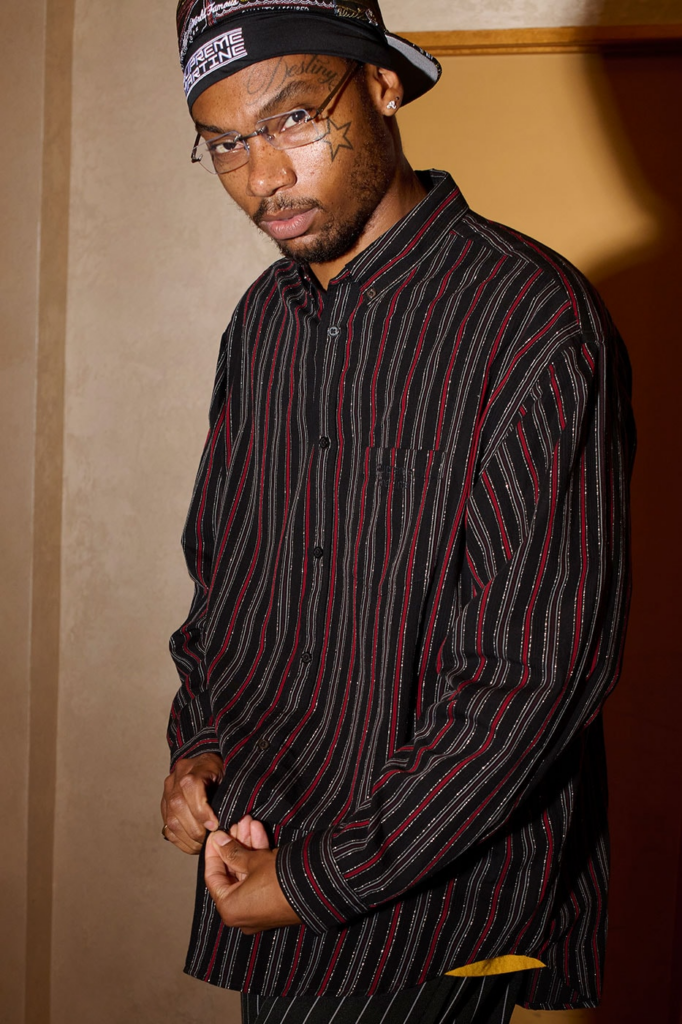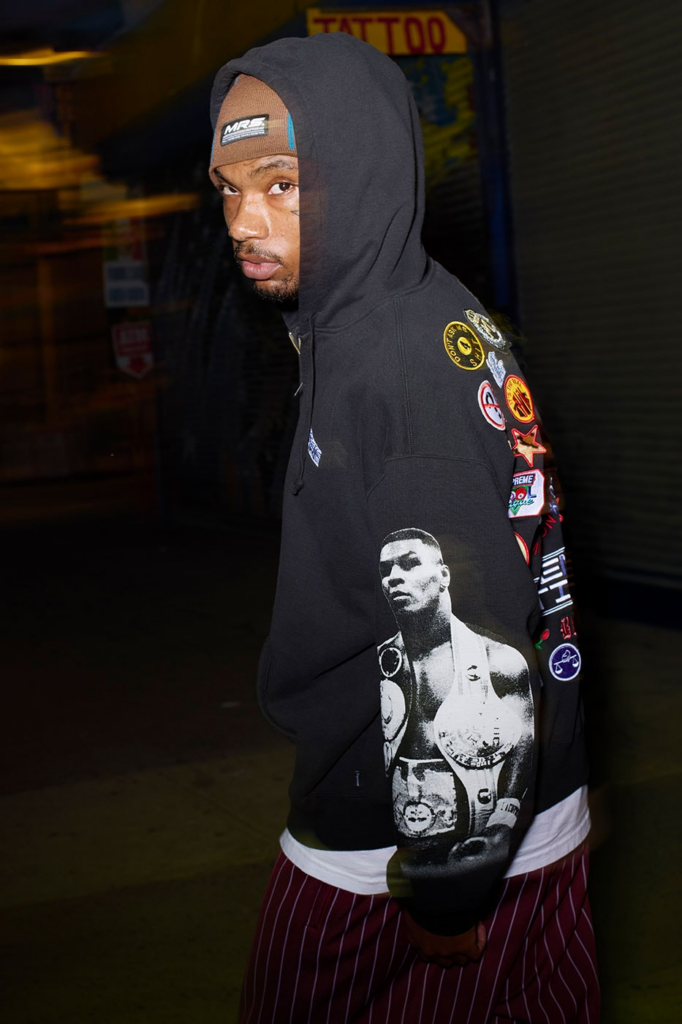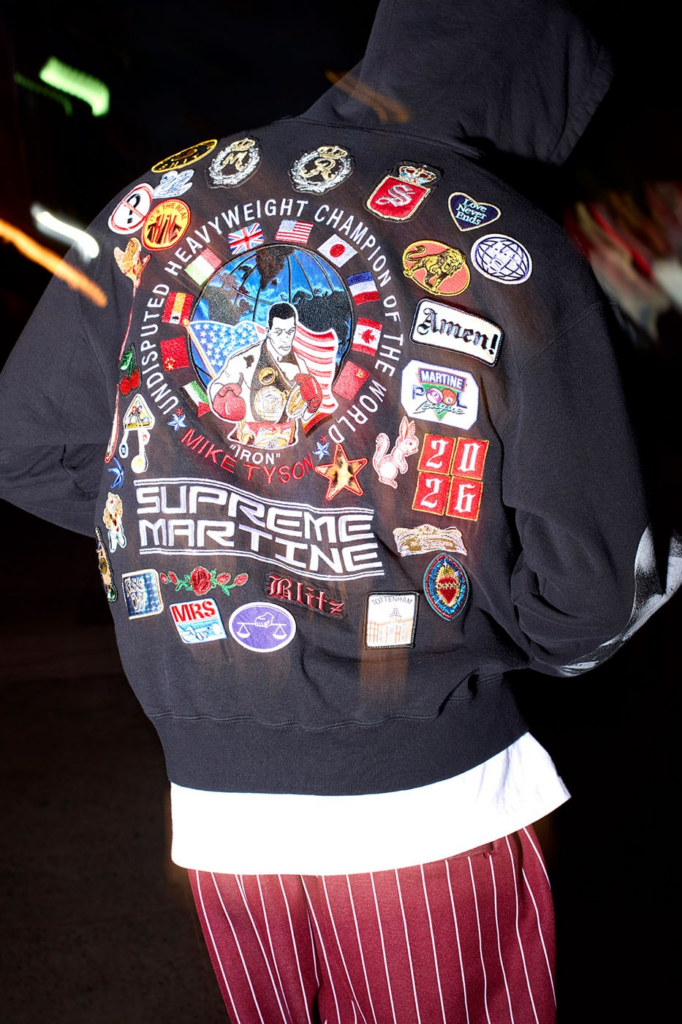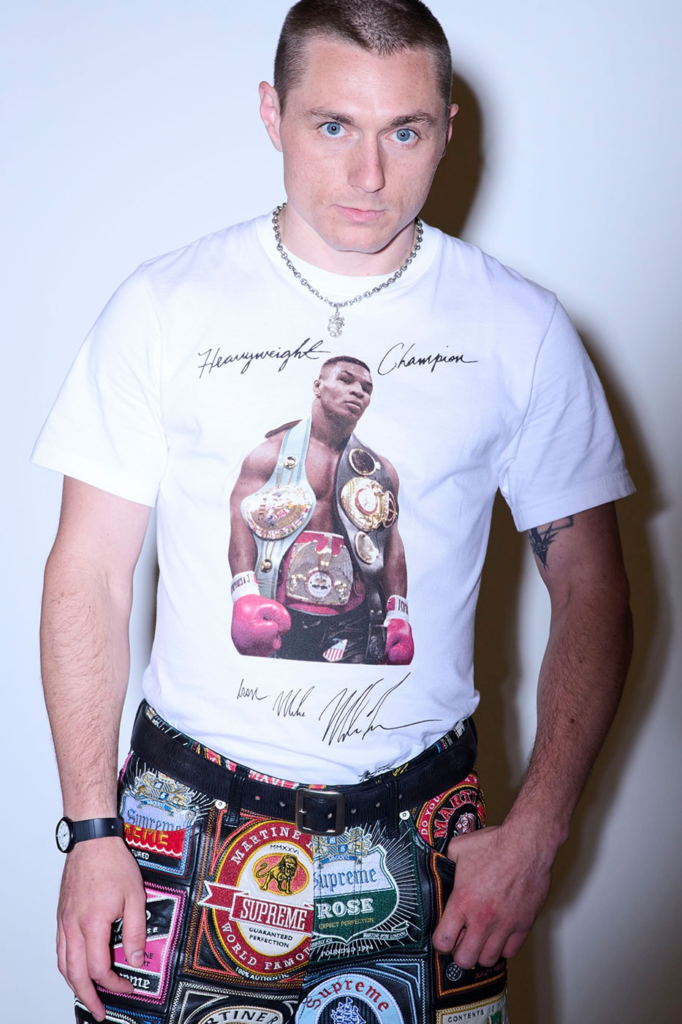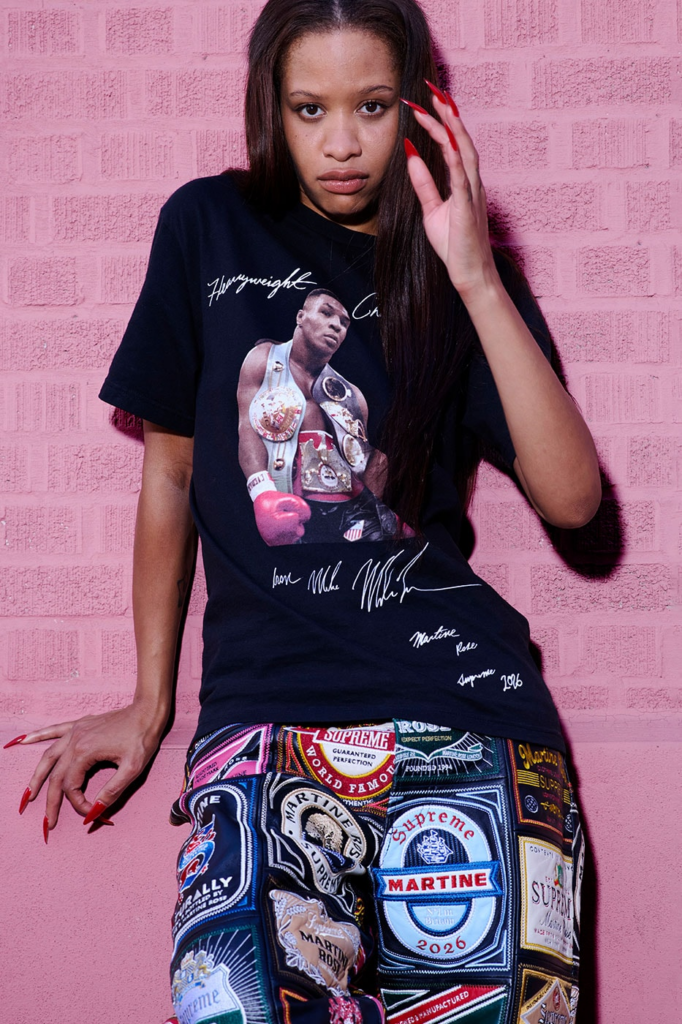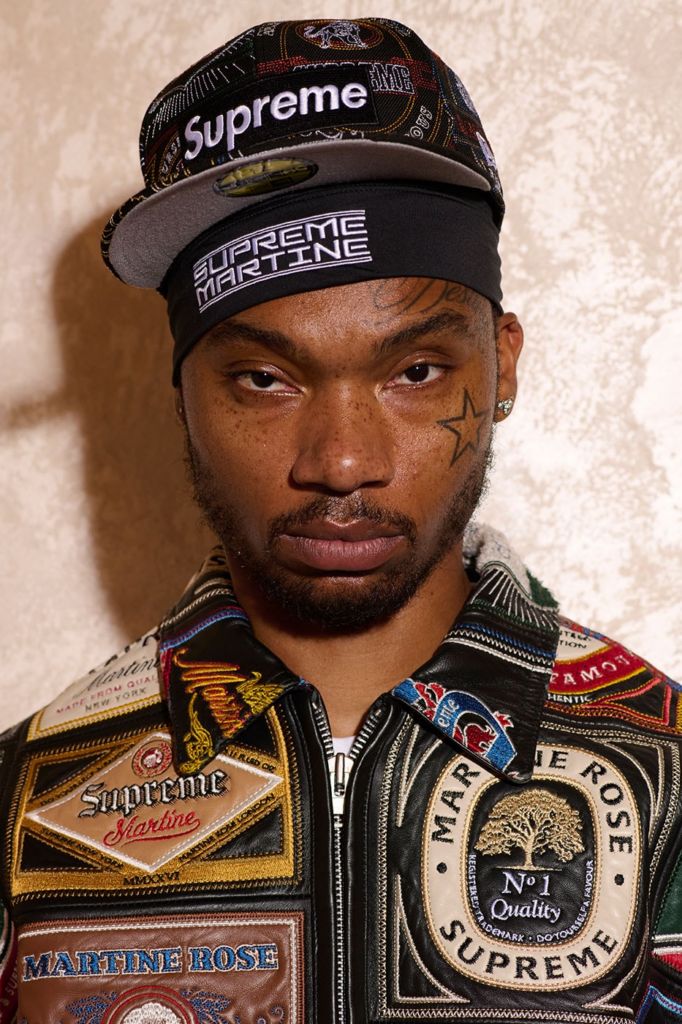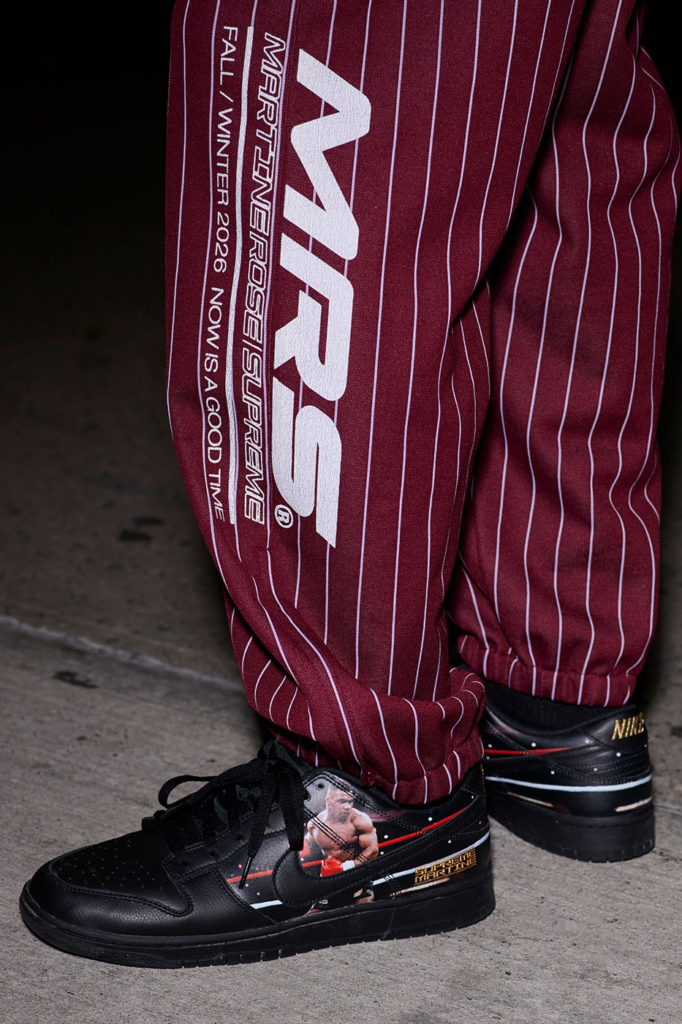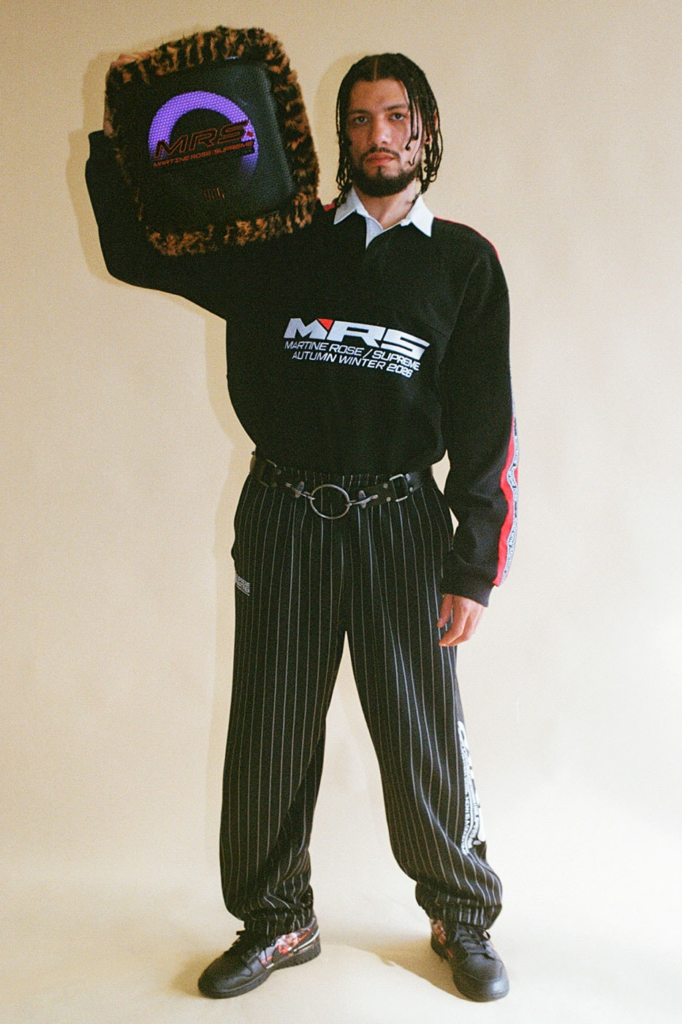
Fusing London subcultural subversion with New York skate heritage, the powerhouse duo drops a sprawling capsule headlined by custom Jeff Hamilton jackets and a historic Nike Dunk Low.
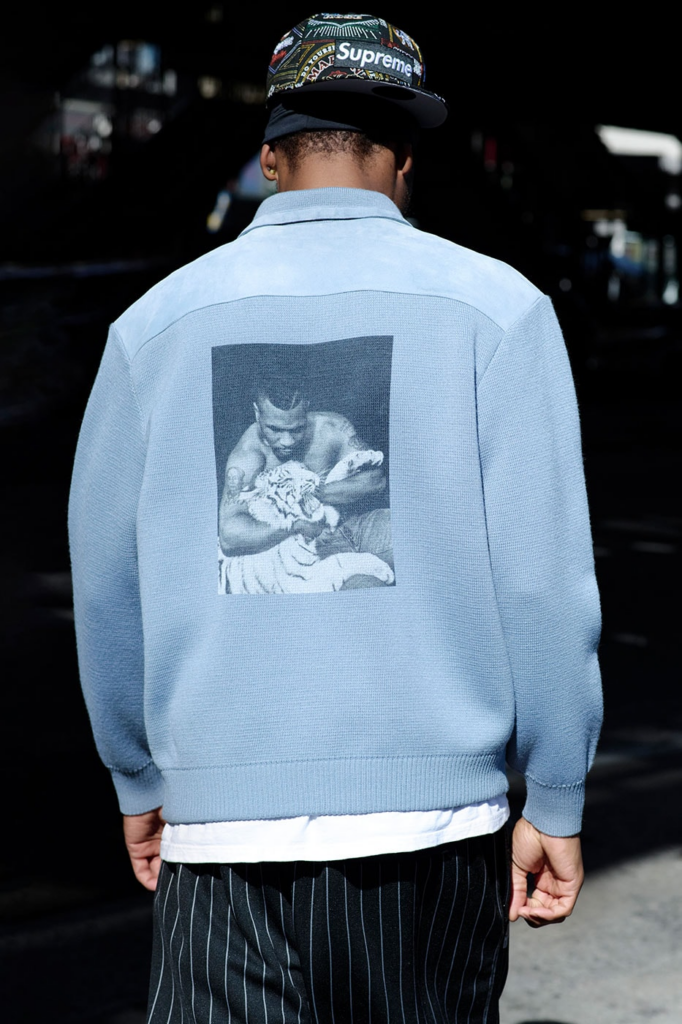
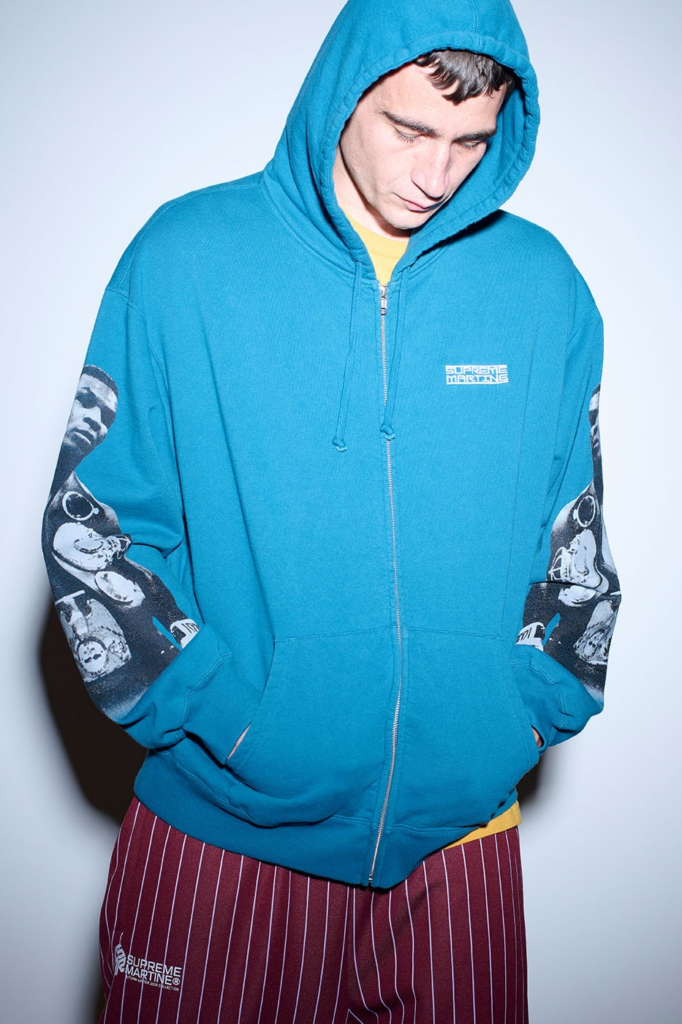
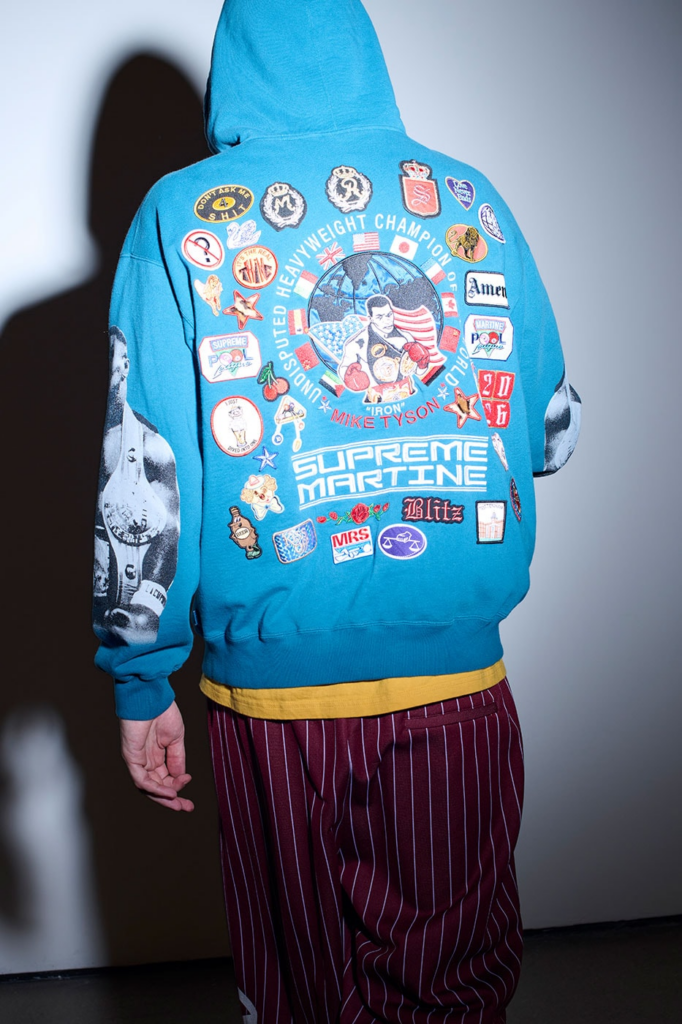
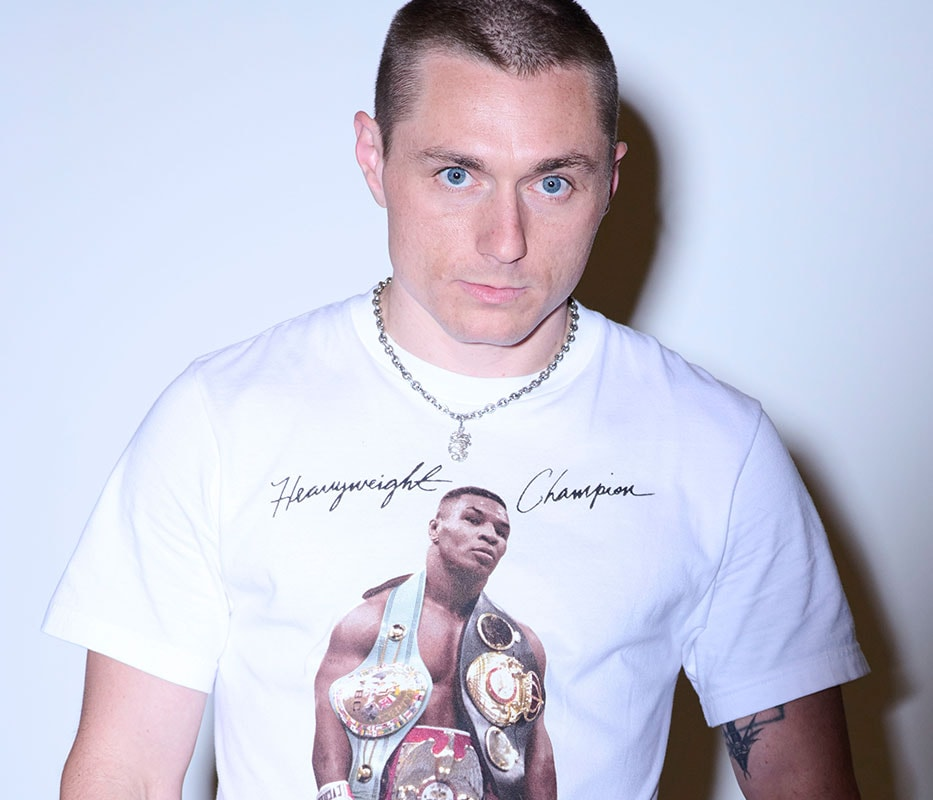
Following their inaugural team-up in 2024, Supreme and Martine Rose are back to lock horns once again for one of the most anticipated collaborative crossovers of the season. This time around, the partnership dives deep into sports iconography, counterculture nostalgia, and raw pop-culture history to pay homage to a true fighting legend: Mike Tyson. Nearly two decades after Supreme’s iconic original Photo Tee, Tyson returns to the brand’s universe through the uncompromised, eccentric lens of London designer Martine Rose.
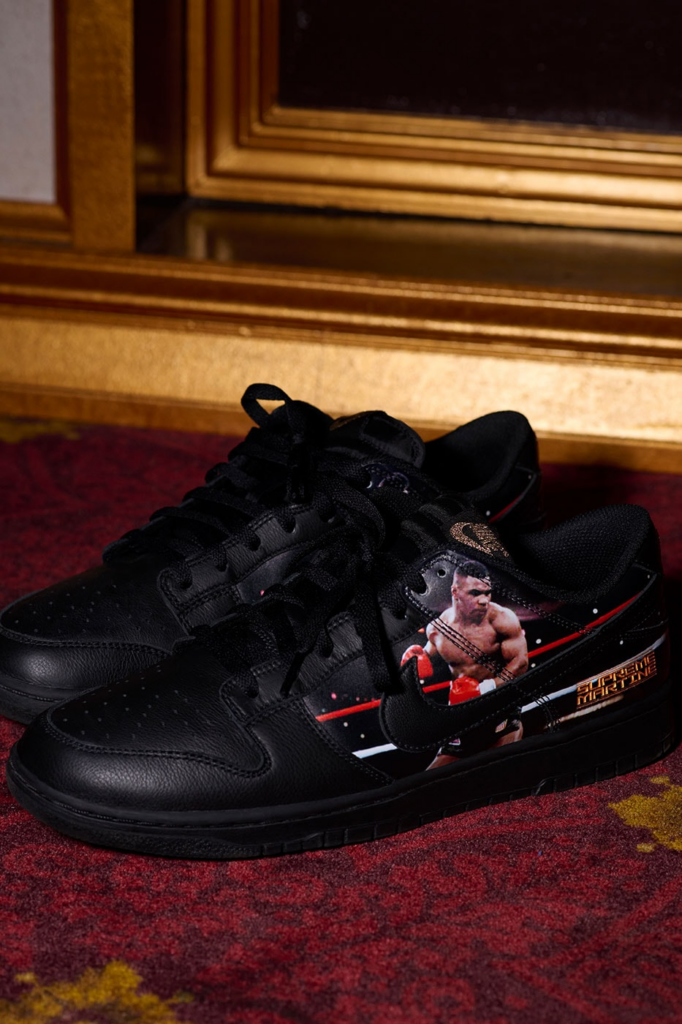
At the center of the capsule sits an unexpected crown jewel: a collaborative Nike Dunk Low dedicated to Tyson, immortalizing his historic 1986 bout against Trevor Berbick where a 20-year-old Tyson became the youngest heavyweight champion in history.
“It’s a brutal collision of New York skate heritage and London underground tailoring—reimagining Iron Mike not as a poster child, but as living, breathing subcultural folklore.”
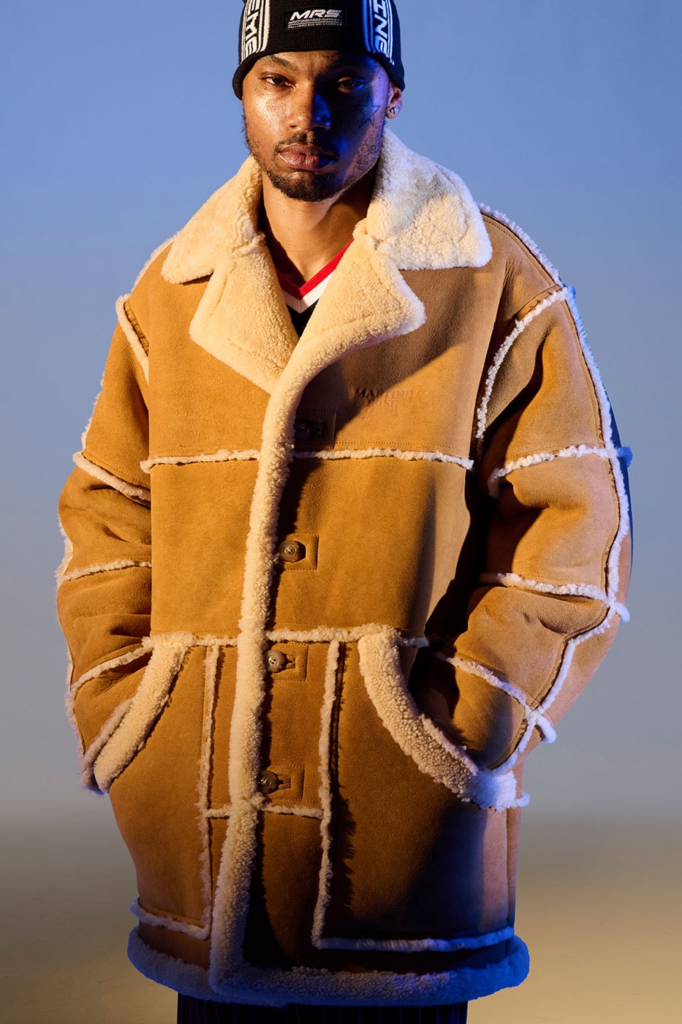
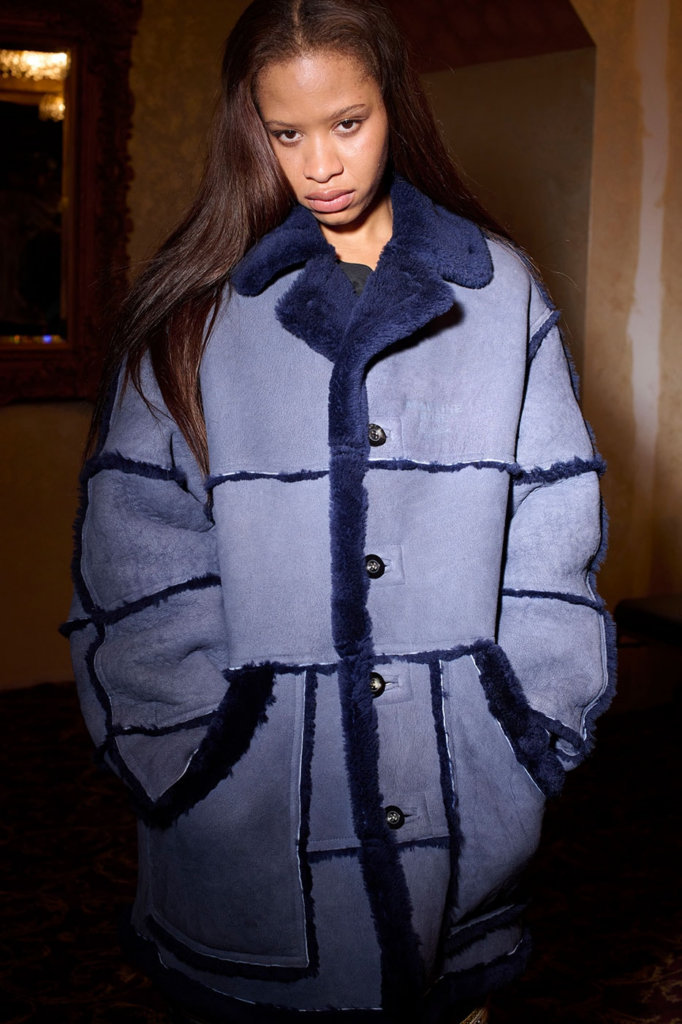
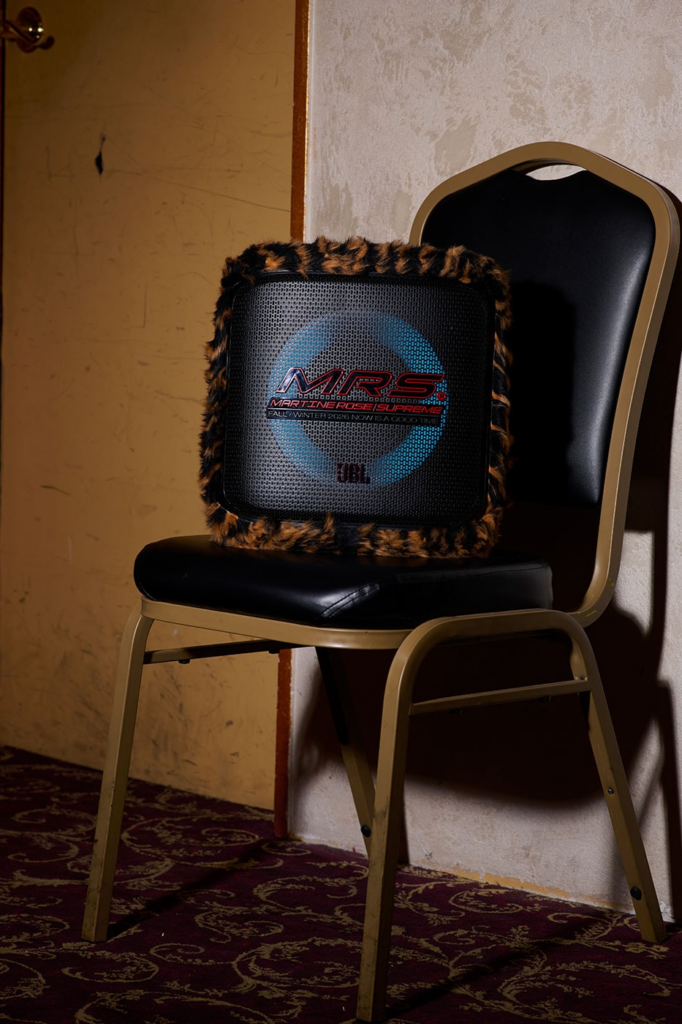
Beyond the sneakers, the extensive collection spans heavy-hitting outerwear—including custom leather jackets crafted alongside legendary sports tailor Jeff Hamilton—alongside hoodies, graphic shirts, caps, and even a custom-branded JBL speaker. By injecting Rose’s distinct architectural proportions and irreverent British perspective into Supreme’s streetwear blueprint, the collaboration bridges eras of combat sports and youth style.
Dropping on October 15 across Supreme’s flagship stores and online platforms, the collection proves that some legends only get sharper with time.