
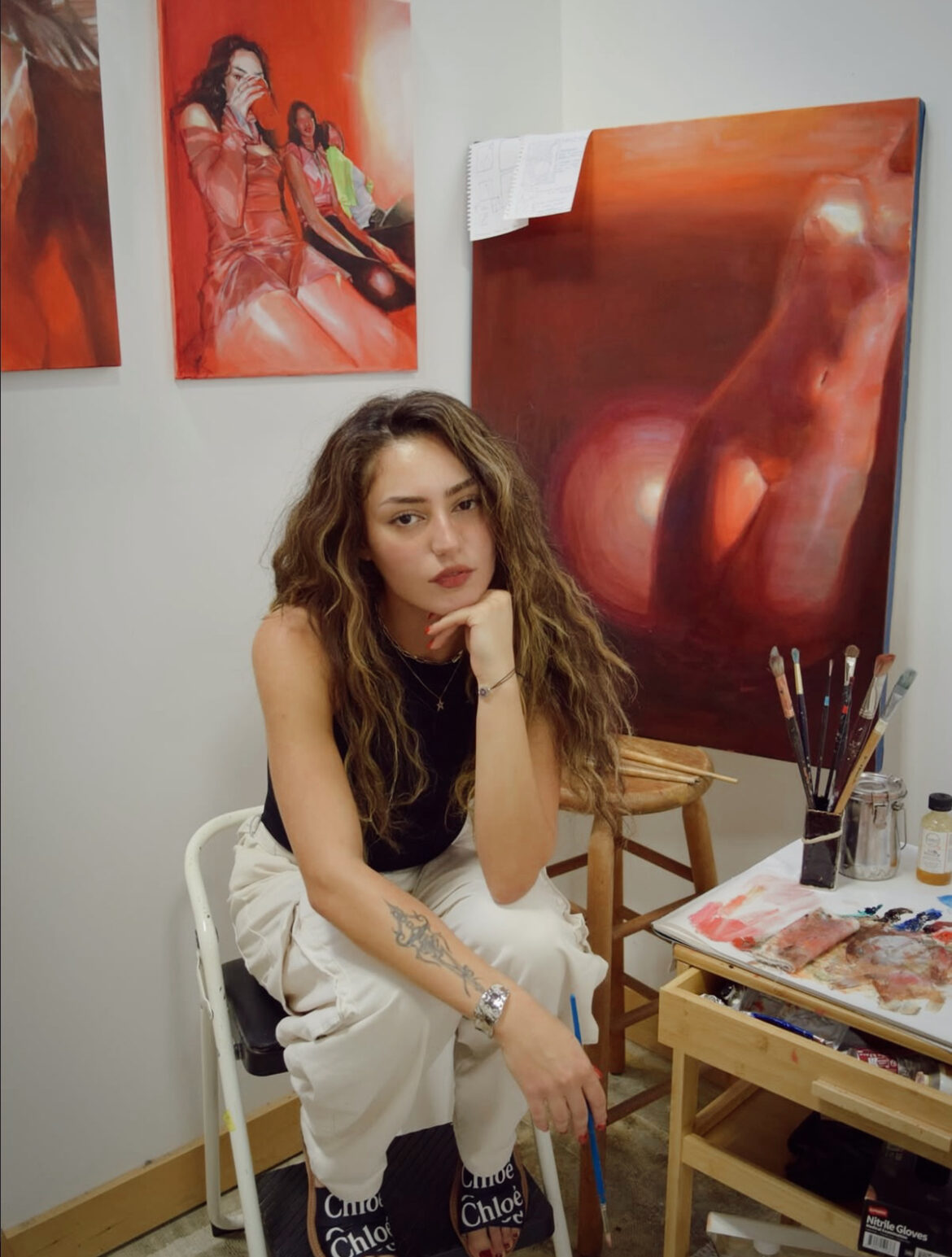
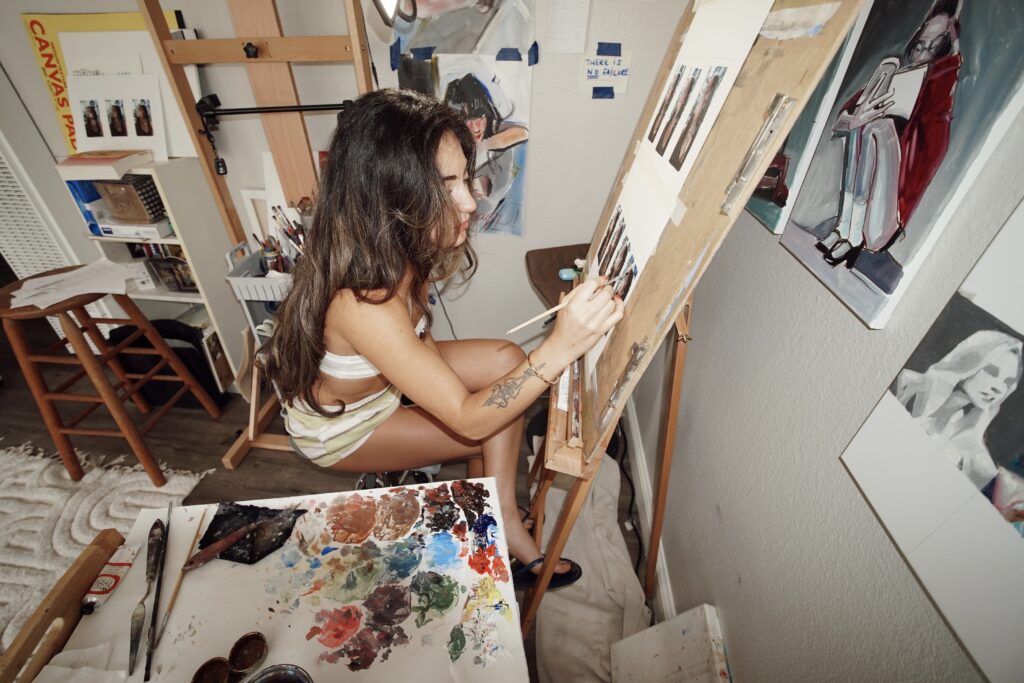
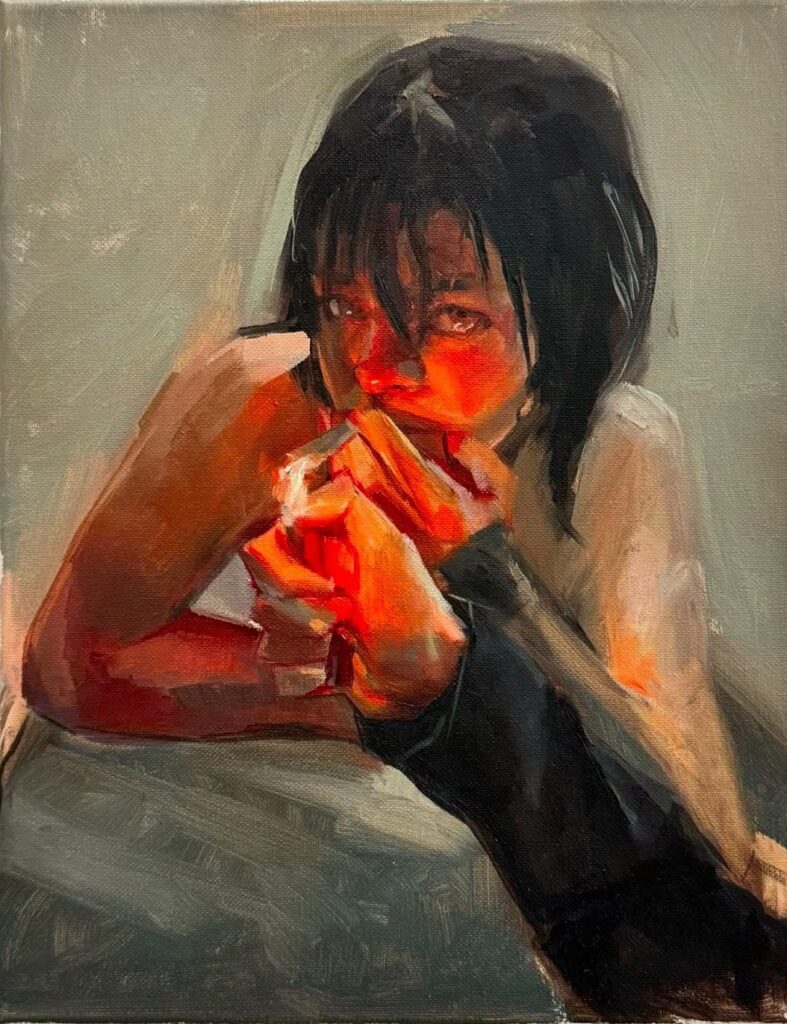
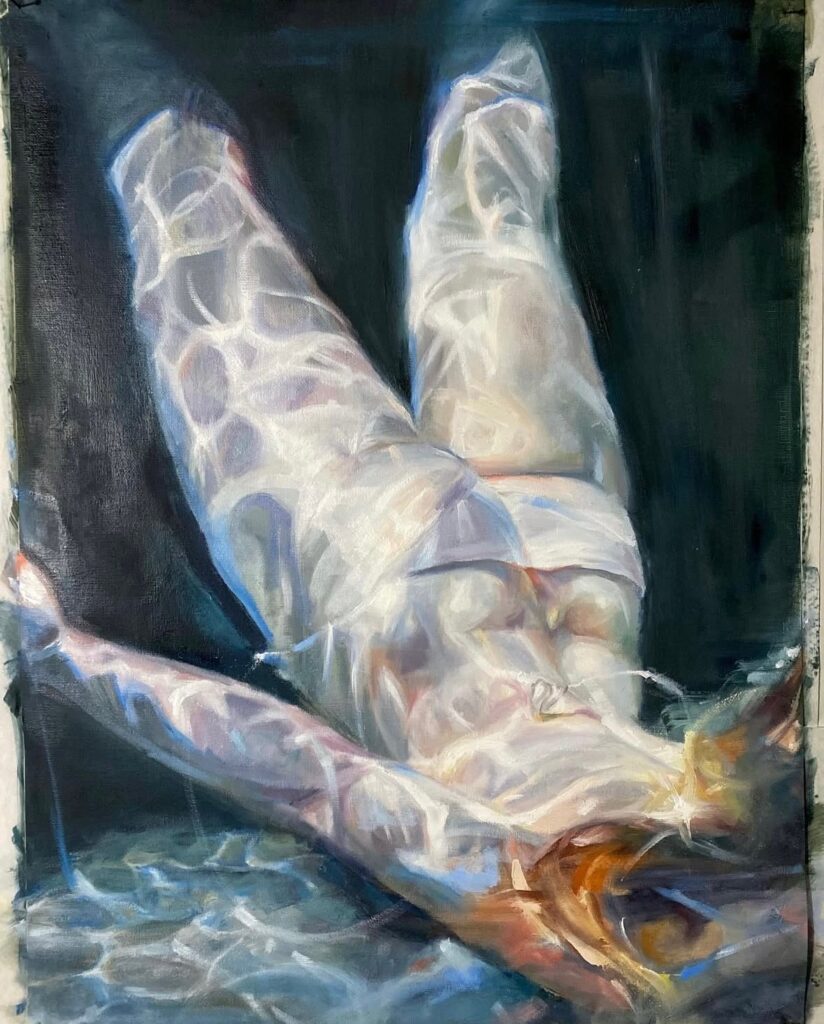
Deniz Kaptan (b. 2000) is an Istanbul-born, San Francisco-based fine artist whose oil paintings are known for their moody atmosphere and charged use of light, often portraying figures caught in motion or reverie.
Having moved from Istanbul to California at eighteen, she carries a sense of distance and transformation into her practice, creating paintings that find a tether between the personal narrative and the simply human.
Exhibited internationally, Kaptan has primarily built her career independently, reaching a wide audience through her online presence as Twinsmoon, where she has placed her work in private collections in more than 10 countries around the world, blending fine art with modern visual culture.
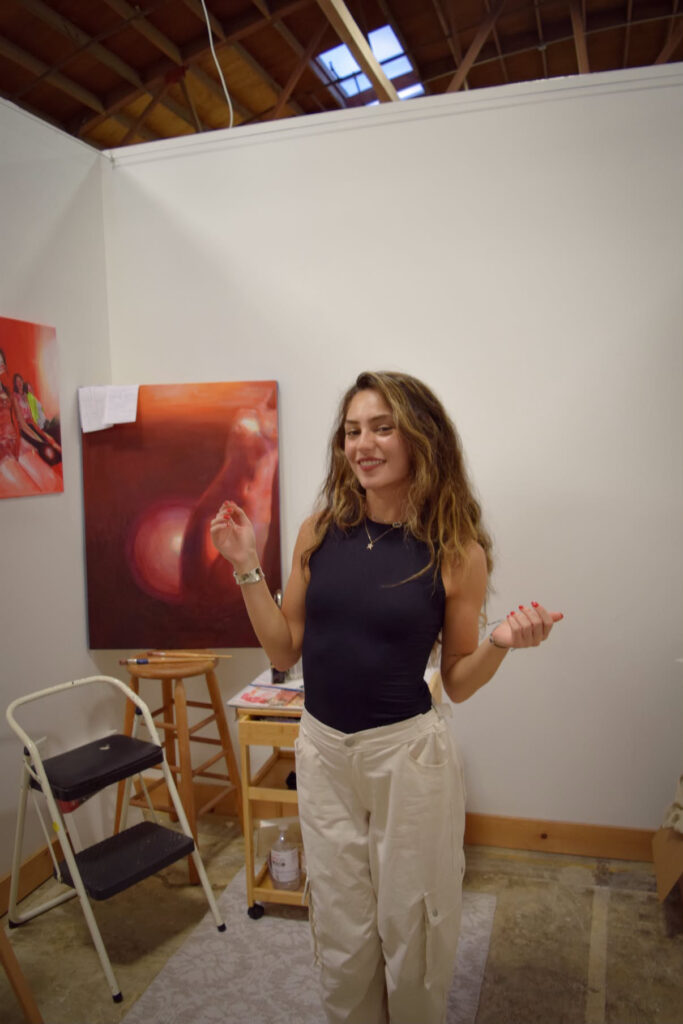
Hi Deniz! It’s a pleasure to sit down with you! First question that I always ask. How does a regular day look like for you in San Francisco?
Deniz: My days alone have become very clockwork and boring, to be honest, but I’m so content. I wake up, grab coffee, lift weights, and paint. Then I get ready very eagerly to see my partner.
Growing up in Istanbul, what was life like there? And what kind of kid were you? What did you enjoy doing?
Deniz: In Istanbul, I was lucky to have a very social and active late teens. We were a group of almost twenty people. Lots of parties, 2010’s techno, and good friendships. But as a kid, I was comically introverted. I remember deliberately sh*tting my pants in kindergarten during a quiet coloring session because I was too shy to break the silence.
You moved from Istanbul to California when you were eighteen. What was the reason behind the move?
Deniz: It was to study. I ended up dropping out because it became too expensive.
You’re self taught. Do you remember approximately at what age your creative side started to show? And when did you start taking being an artist seriously?
Deniz: For as long as I can remember, I’ve been fond of doing things with my hands. But at around the age of 14, I realized I could do this for life. And more importantly, that I didn’t want to do anything else.
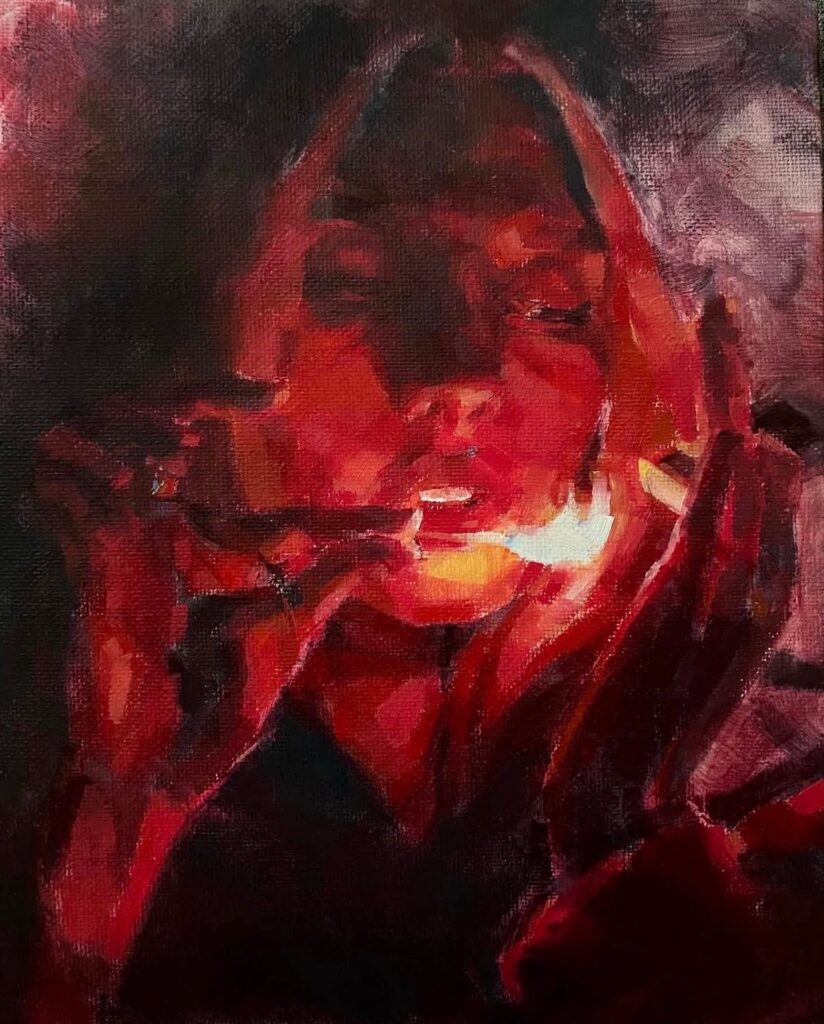
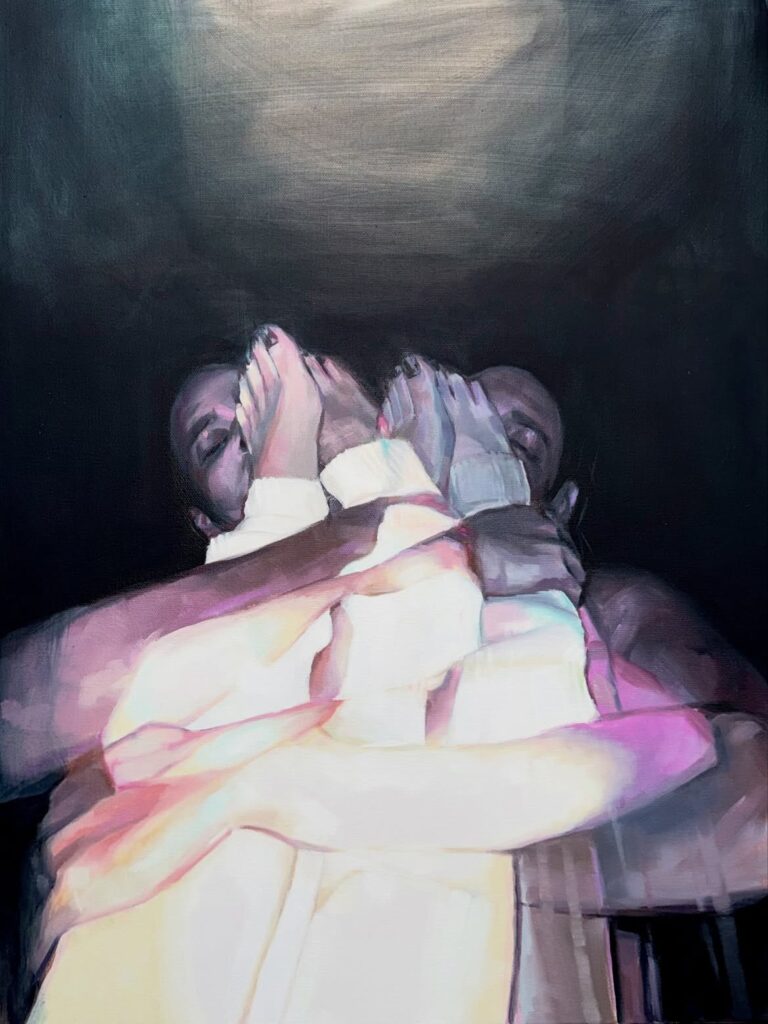
There is often something psychologically unresolved about the people in your paintings. They seem caught in the middle of an action, a thought or a feeling rather than presenting themselves to us. What draws you to those in-between moments?
Deniz: I think it stems from my hesitation to depict a fully developed story, ’cause it doesn’t feel honest just yet. But when you catch the figure in motion, in those transitional states, that in itself suggests a narrative. The human form becomes a vessel. It is my cheat code.
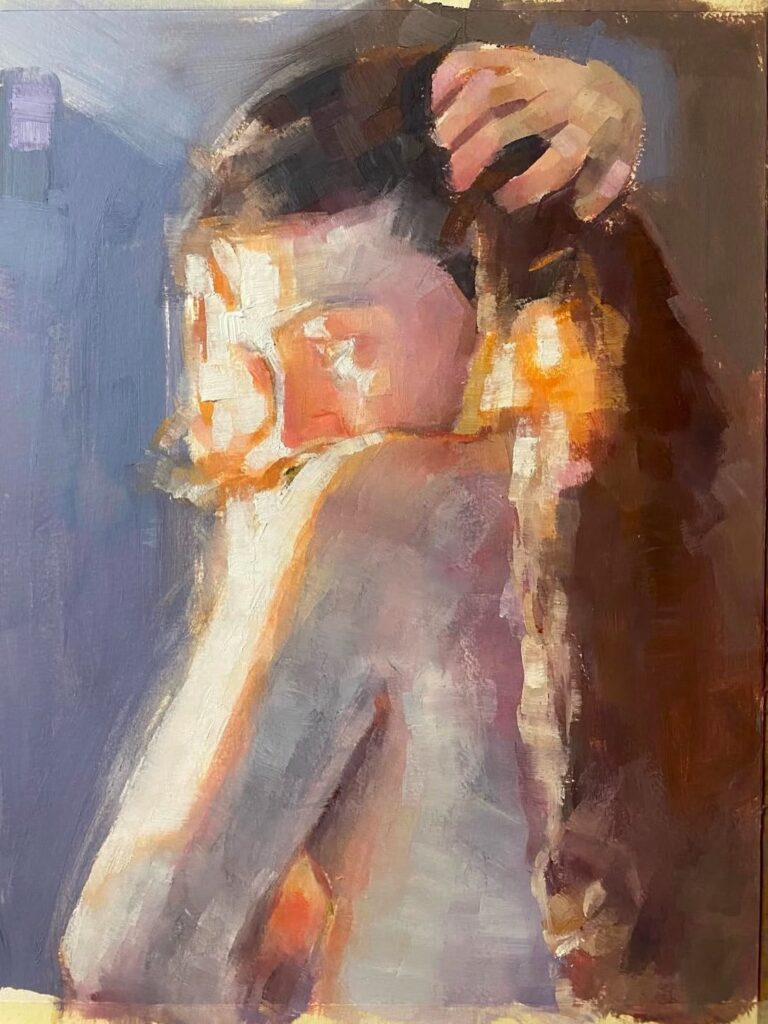
Light feels almost like another character in your paintings. Sometimes it exposes the figure, sometimes it seems to protect or transform them. What does light allow you to say that the figure itself cannot?
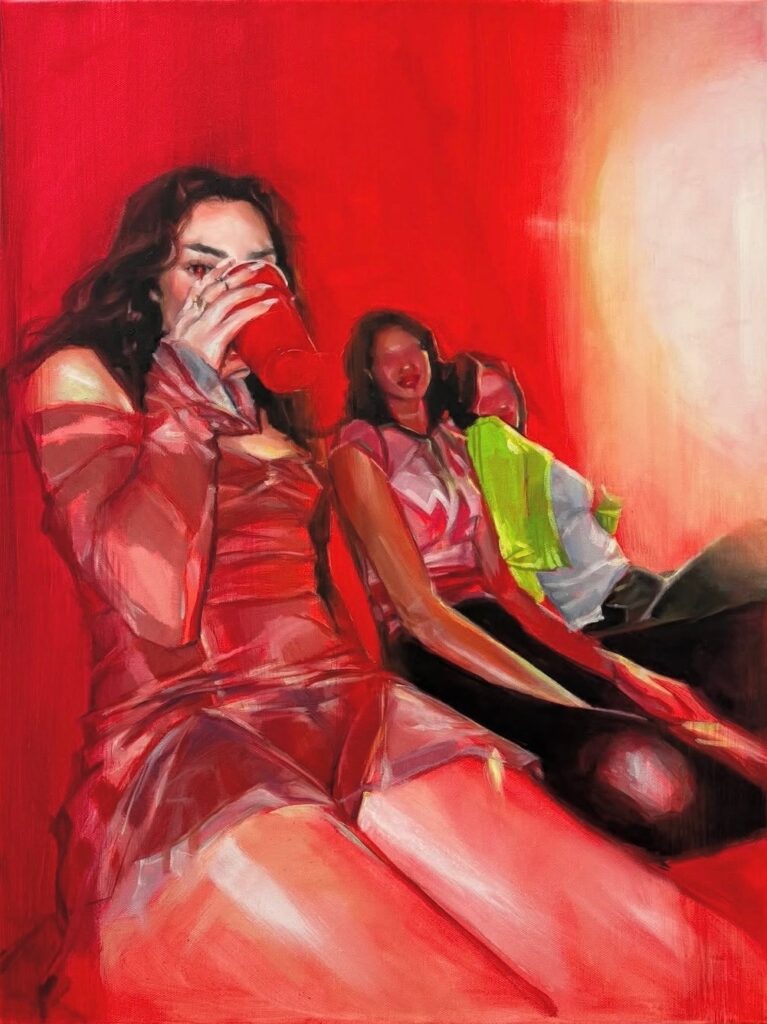
Deniz: I often find myself wanting to depict something godly, heroic, almost religious. But I remain addicted to the natural human form. Light helps me do that: to paint a star without the stage, a prophet without the sea splitting in half.
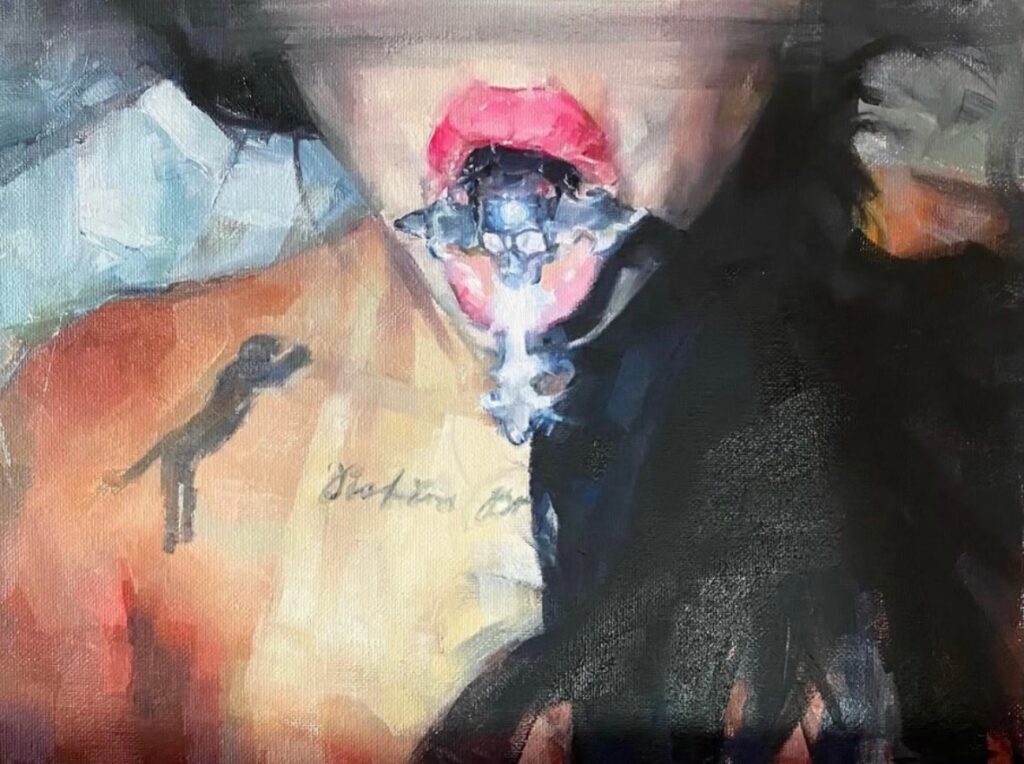
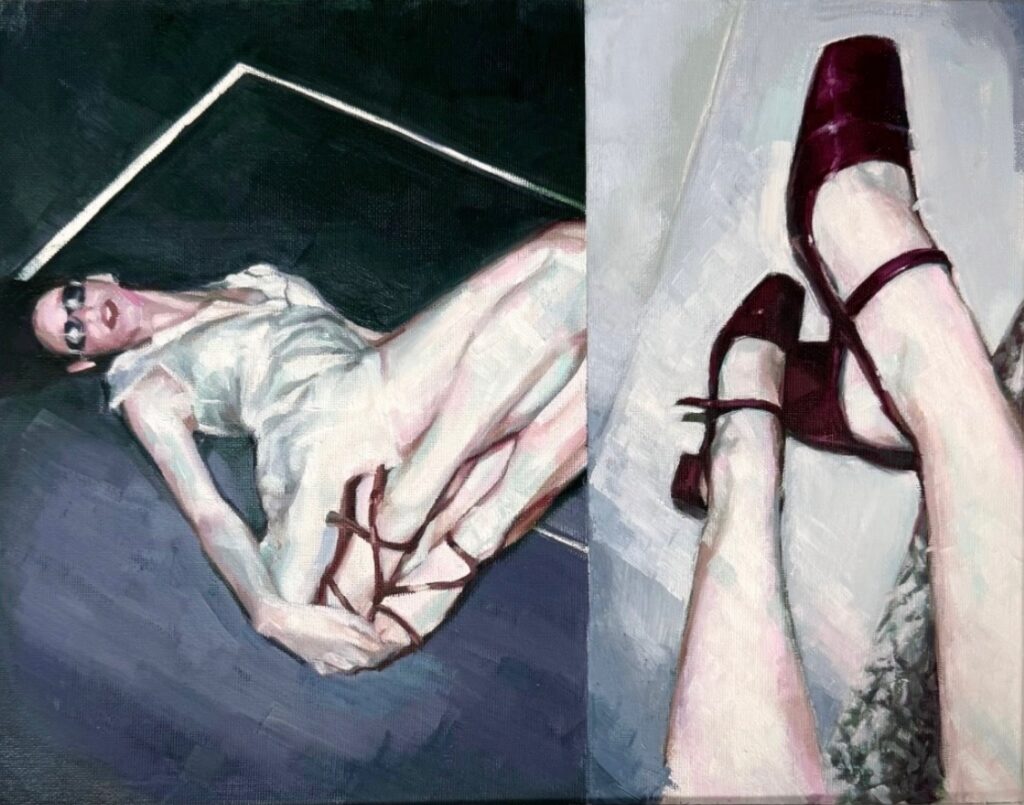
You have described Chameleon in terms of immigration, freedom, indulgence and a “fight against invisibility”. What did invisibility mean to you when you first arrived in America?
Deniz: I feel it’s something most immigrants can relate to. Your social cues are different, your jokes won’t even translate, and you can’t work off your natural charm. For a long time, you are a category: the foreign friend. We all have the foreign friend. Over time, you earn your place as a friend. It is a humbling, hard, but deeply rewarding and fun experience.
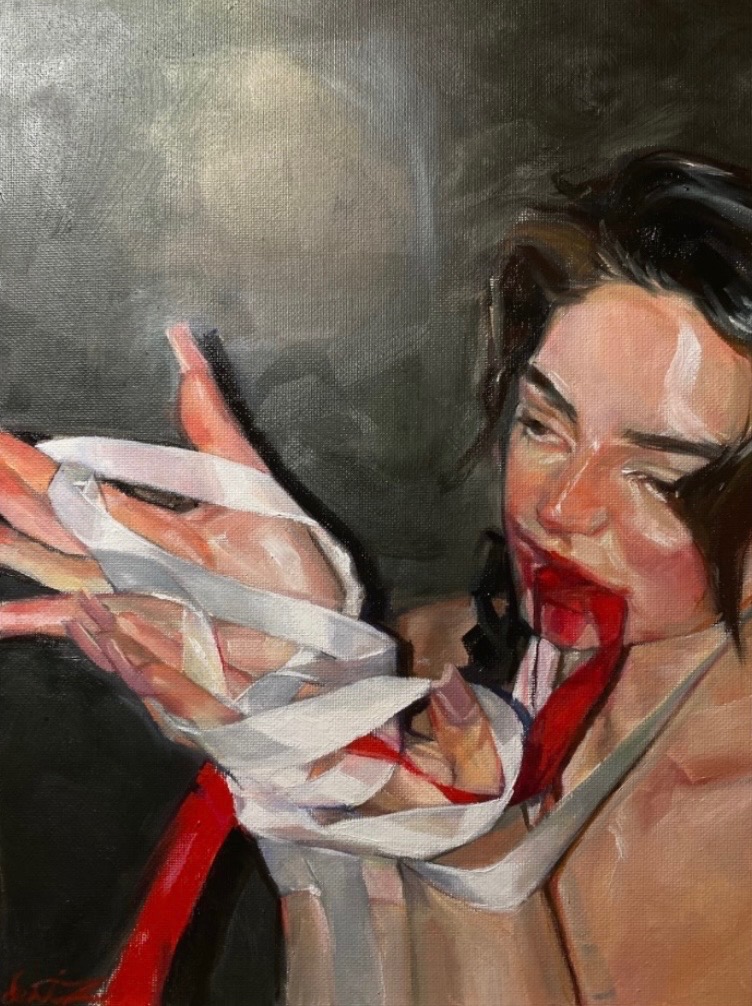
Some of your recent titles, A Study of Devotion, A Study of Exposure, Residual, sound less like descriptions of images and more like emotional conditions. Are you becoming more interested in painting states of being rather than particular people?
Deniz: I am so glad you asked this. Yes. It has become a natural transition. When I was painting A Study of Exposure, she initially had a beautifully painted, beautiful face, but it bored me. I got the ick. It was a hard decision to wipe it off. But really, the face was irrelevant in every sense.
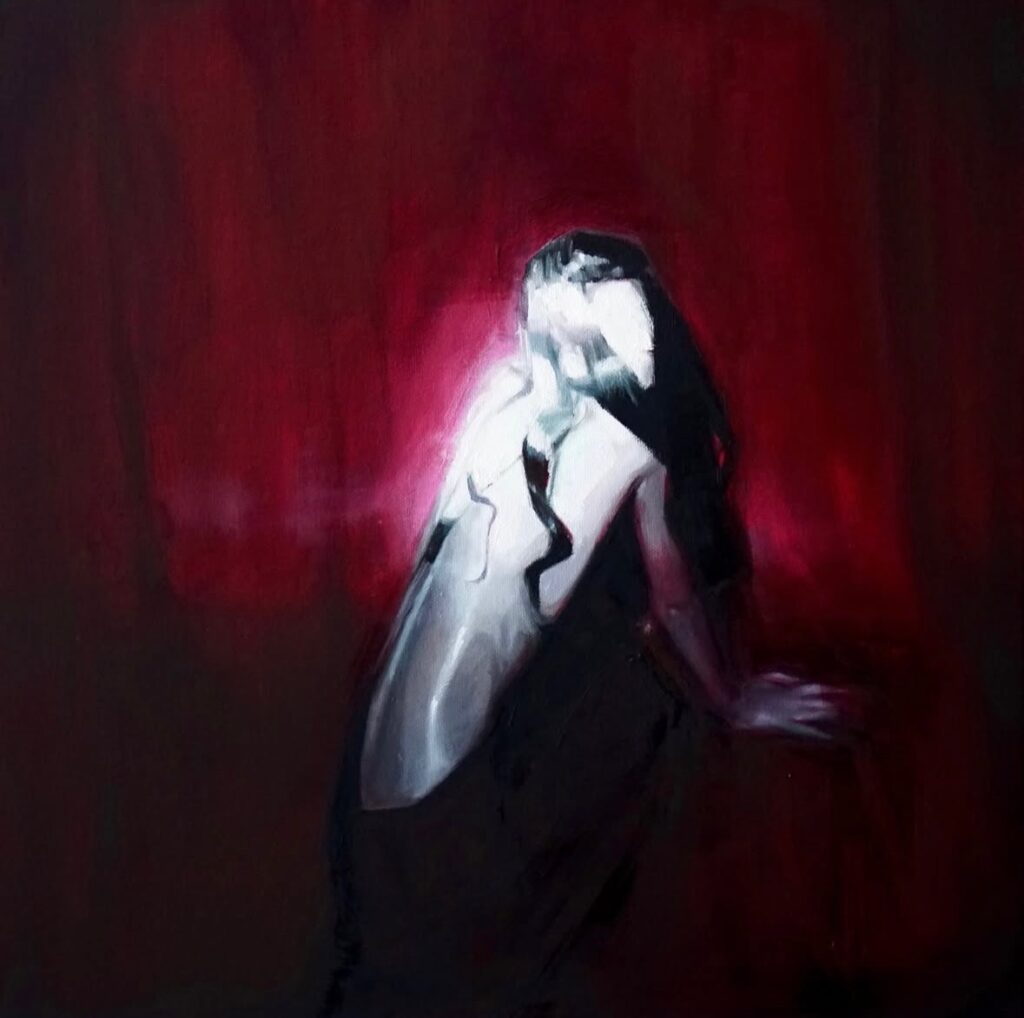
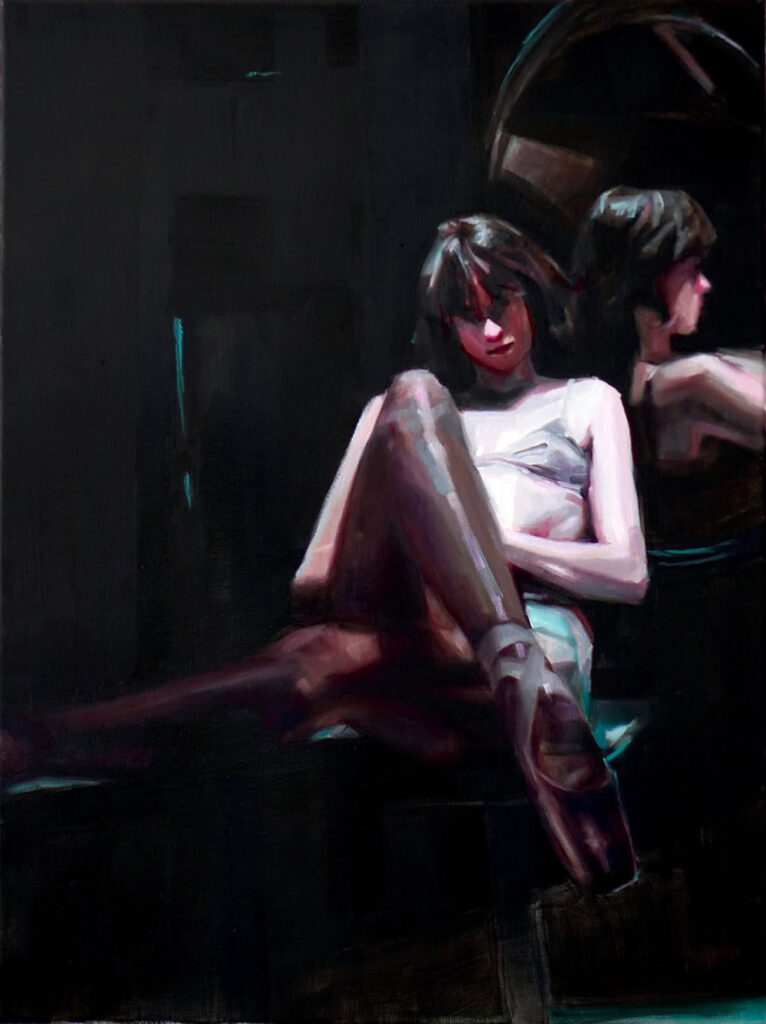
What does “devotion” mean to you at this point in your life?
Deniz: Devotion is a high risk, high reward thing. Unapologetically loving at the risk of being hurt, and unapologetically staying true to myself at the risk of looking stupid. Those are two things I am devoted to.
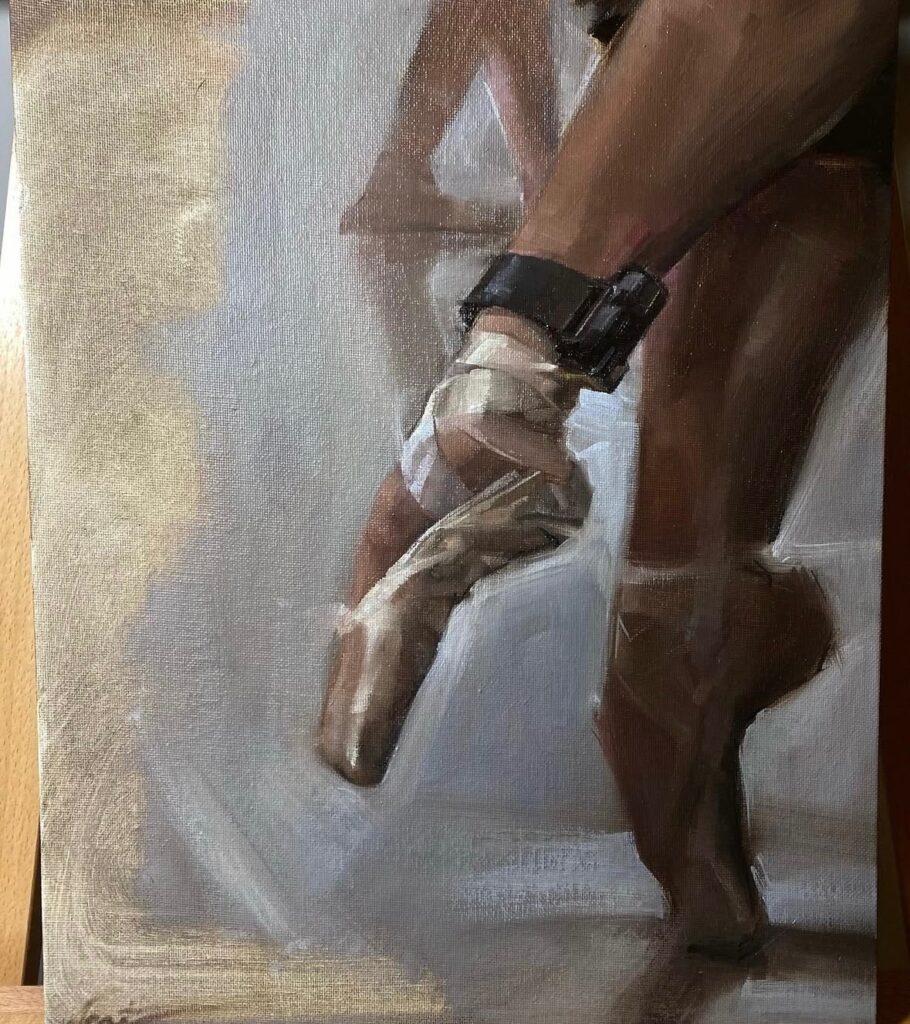
Your work frequently depicts women, including yourself. How interested are you in the difference between a woman looking at another woman, a woman looking at herself, and the historical tradition of women being looked at in painting?
Deniz: It’s hard to draw a line between “another woman” and myself when I’m painting. It just feels easier to speak through that and find resonance in it; it’s almost a comfort thing. I am in awe of male anatomy, though, and I think it’s underrepresented in painting. Sometimes that’s a deliberate choice I make.
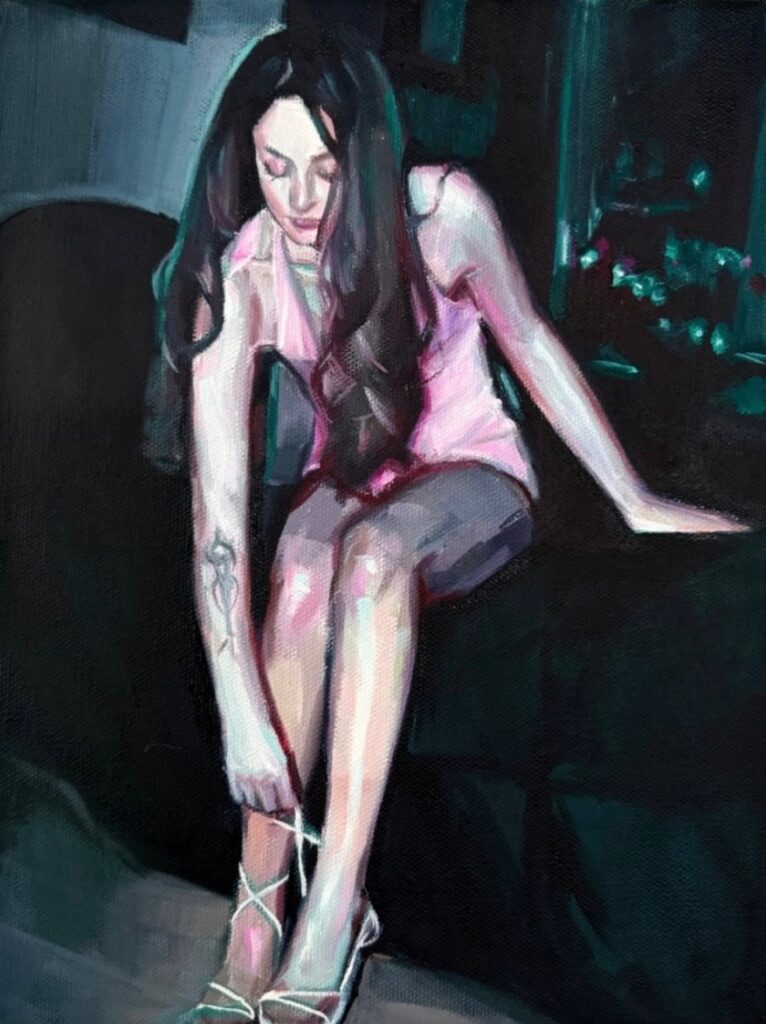
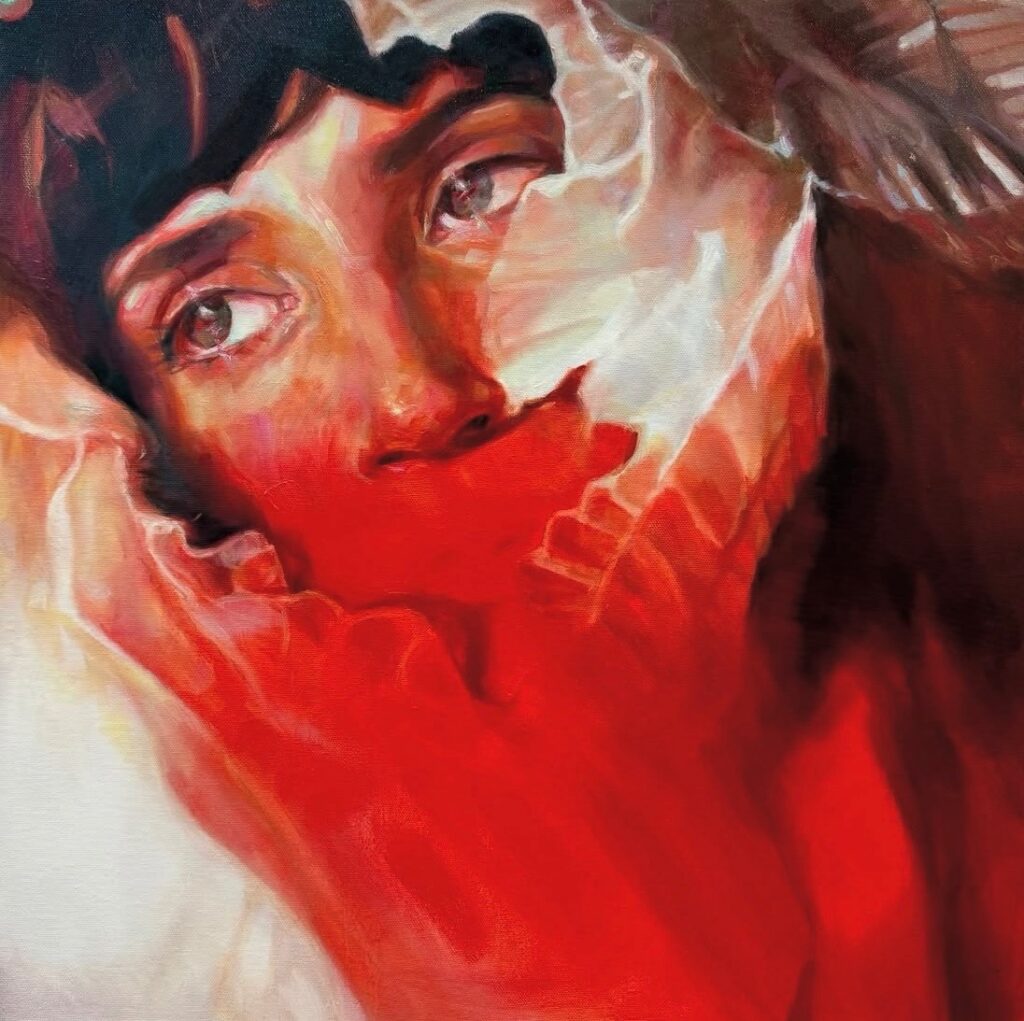
You’ve mentioned combining the emotional depth of classical painting with the “synthetic imagery of contemporary life”. What does synthetic imagery mean to you?
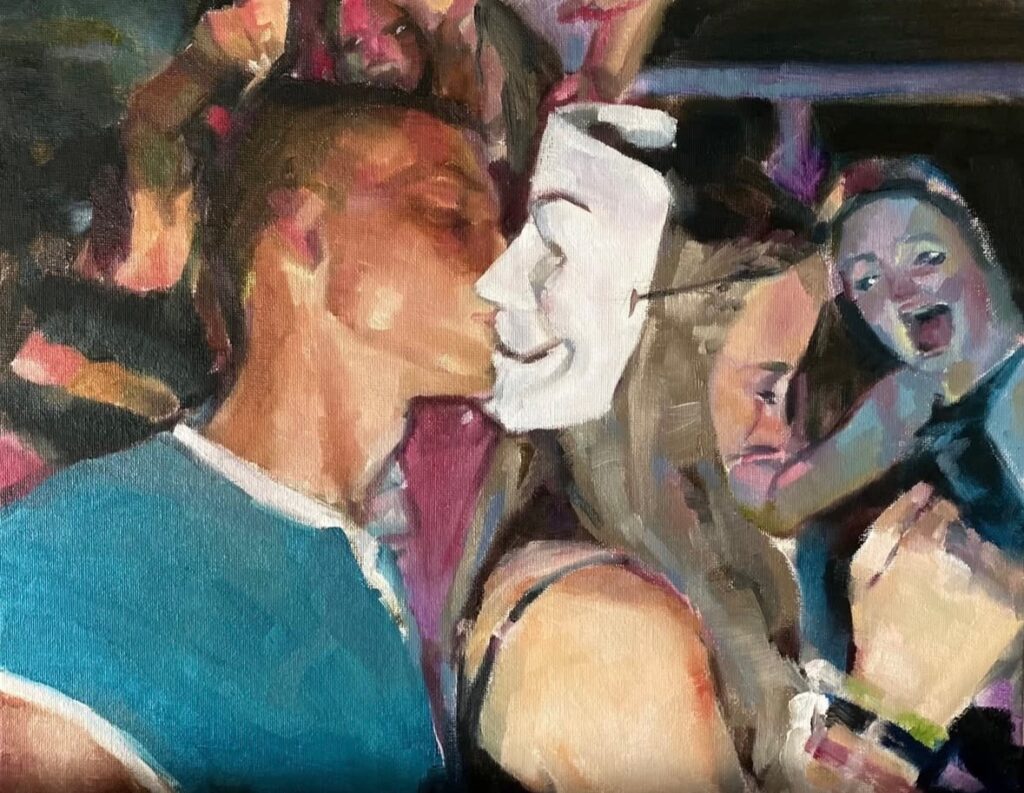
Deniz: Flash photography. Mirror selfies. Memes. Circulating references with lost authors that are painted by multiple painters. Deep-fried screenshots. I love these things. Things that are now, carried through an ancient medium. Painting from references, we often overlook the fact that there is a huge element of “now” that is constantly evolving alongside technology. It will be fun to look back at these works in the future.
You built a substantial audience as Twinsmoon before following the conventional gallery route, and your work has reached private collections across more than ten countries. Has the internet fundamentally changed who gets to decide when an artist has a career?
Deniz: 100%. I didn’t go to art school, I wasn’t born into an art-forward geography, and for the longest time, I didn’t know a single person who could even point me in a direction. My art wouldn’t allow me to eat if it weren’t for the internet.
Do you distinguish between “Deniz Kaptan” the painter and “Twinsmoon” the online artist, or have those identities completely merged?
Deniz: They are one and the same.
What’s the story behind the name Twinsmoon?
Deniz: I grew my art account anonymously on Twitter at first. I couldn’t come up with anything, so the name is a play on being a Gemini moon. I love astrology.
You have built much of your career independently rather than waiting for institutional permission. Has that changed your relationship with galleries now that those institutions are increasingly entering your career?
Deniz: I don’t see the way I make paintings changing. I’ll keep making them the way I enjoy them. A while ago, I realized my work may not fit into that world immediately, so I stopped chasing it. Since then, I’ve been very grateful for the opportunities I get because they feel more aligned.
Can you tell me about your new project “Pulse”?
Deniz: Pulse is a patent-pending app I’m building. Music has its platforms, writing has its platforms, but visual art never got a real home for the people who are independently making it. That’s what Pulse is. Collectors can claim and authenticate a piece directly from the living artist who made it and publicly showcase what they own, while anyone can curate and discover the artists behind the work. (Waitlist @ joinpulse.art)
In a parallel universe, who would you be? And what would you be doing?
Deniz: I would love to be a professional athlete.
Outside of art, what’s something you’re obsessed with right now that keeps you grounded or inspired?
Deniz: I am obsessed with weightlifting. Maybe because it’s one of the very few things in life that gives you parallel results, equal to the effort you put in. In everything else, there happens to be an annoying luck factor.
How would you describe a perfect day?
Deniz: Sunny, somewhere by the shore. You wake up a bit later than everyone else. Still in bed, you hear giggles and loud cutlery sounds. Everyone has already started breakfast and is at the best part of the conversation. You walk in with a sleepy head. They’re happy to have you in but you can hardly catch up. You just take it all in while eating, and then you’re rushed into whatever the post-breakfast plan is. You put on pretty clothes.
What’s your favorite movie(s) and why?
Deniz: I keep coming back to Uncut Gems. It’s deeply entertaining in a messed-up, genius way: watching someone go all in on the wrong thing.
What song(s) are you listening to the most right now?
Deniz: I Like You – FIL BO RIVA
FEEL LOVE – PARTYOF2, Jadagrace, SWIM