
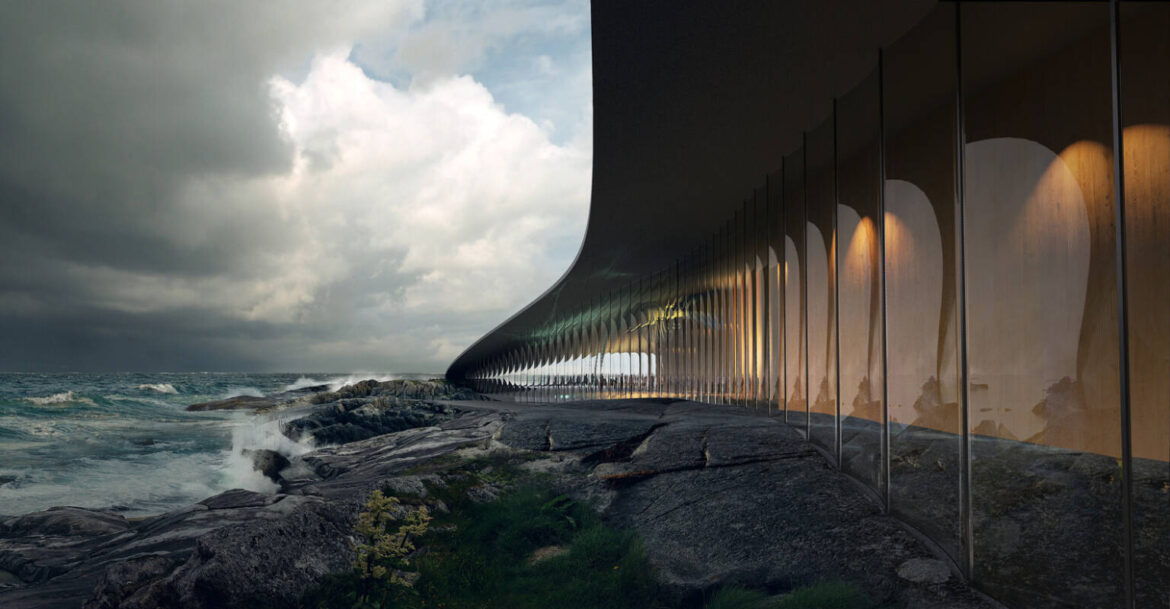
A museum about whales should probably not feel like an object dropped onto the land. It should feel slower than that. Older. Closer to weather, rock, migration, salt, and the deep intelligence of the sea.
That is the promise of The Whale, the new museum and experience centre designed by Danish architect Dorte Mandrup for Andenes, in northern Norway. Opening to the public on June 4, 2027, the project will bring together architecture, science, art, and marine storytelling in one of the world’s most powerful whale-watching locations.
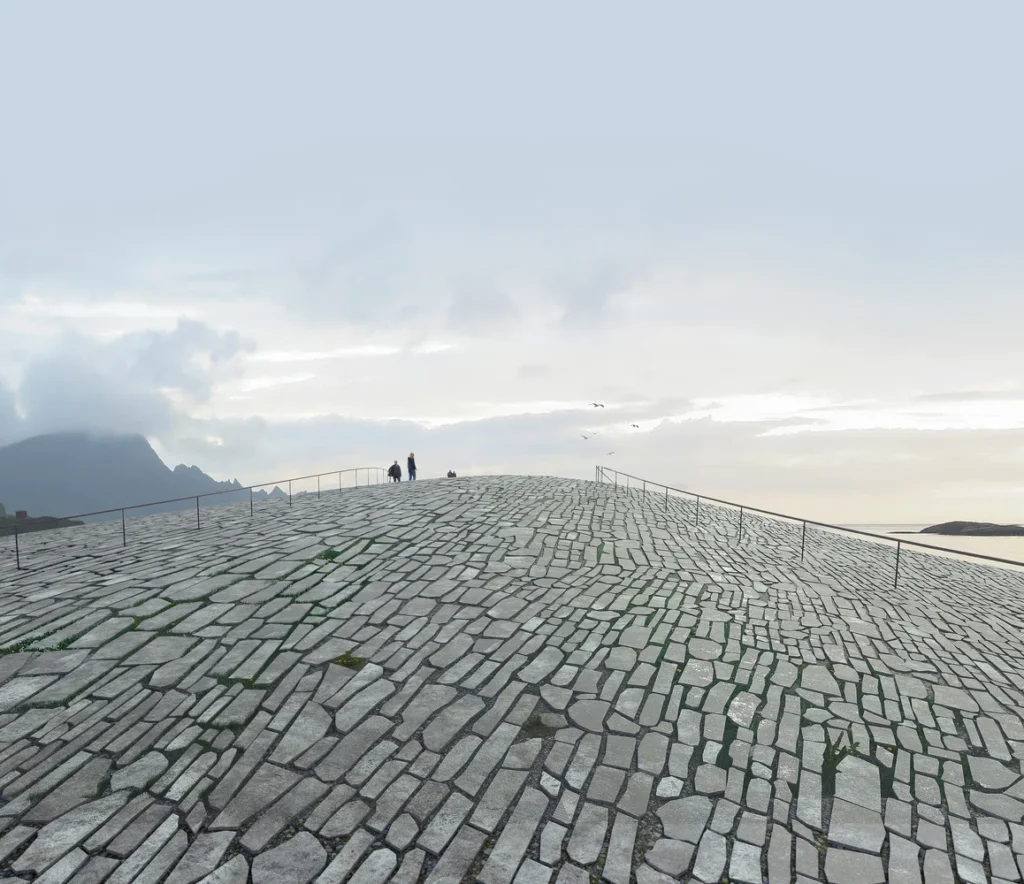
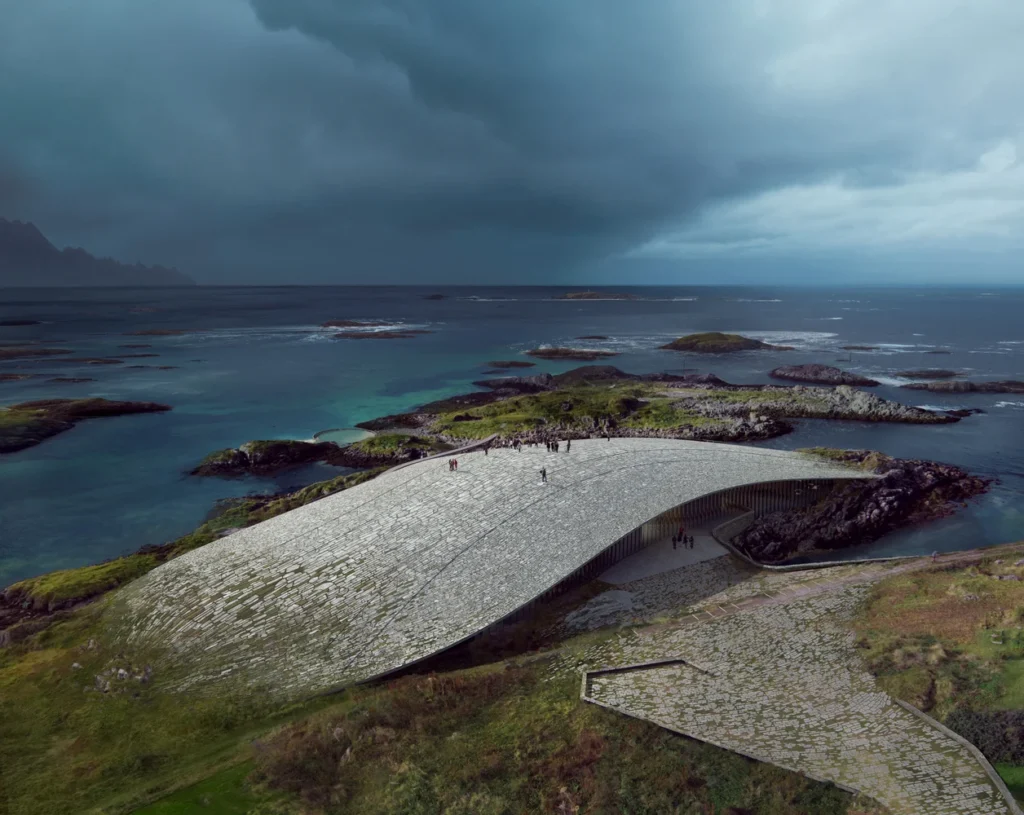
Located on Andøya, around 300 kilometres north of the Arctic Circle, the building will rise from the rocky coastline of Andenes, close to the historic Andenes Lighthouse. The site is not accidental. Just offshore lies Bleiksdjupet, a deep underwater canyon that brings whales unusually close to land, helping make Andenes one of the most important places in Europe to encounter them year-round.
Mandrup’s design treats the museum less as a monument than as a continuation of the terrain. Its curved form lifts gently from the ground, with a parabolic roof that recalls the movement of a whale diving beneath the surface. Locally sourced, unworked stone will help the structure merge with the Arctic landscape, as if the building had been carved out by wind, sea, and time rather than placed there by human ambition.
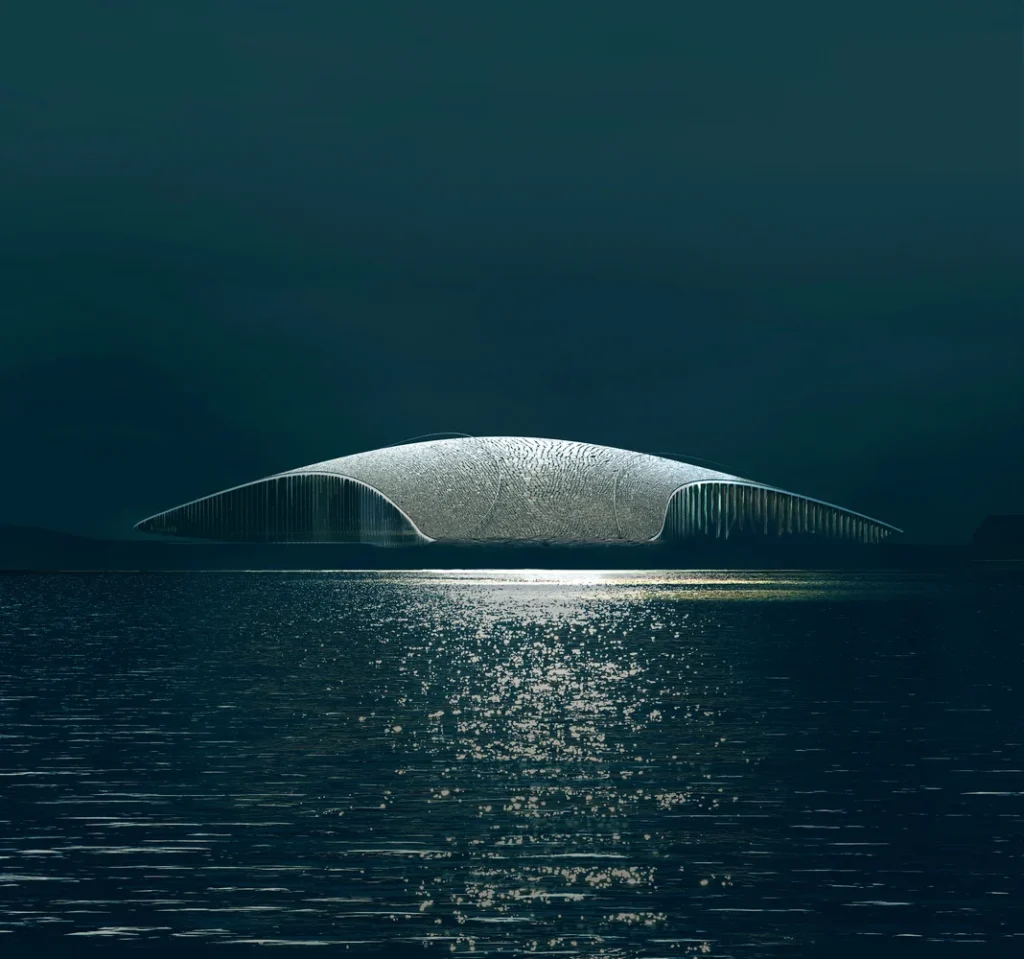
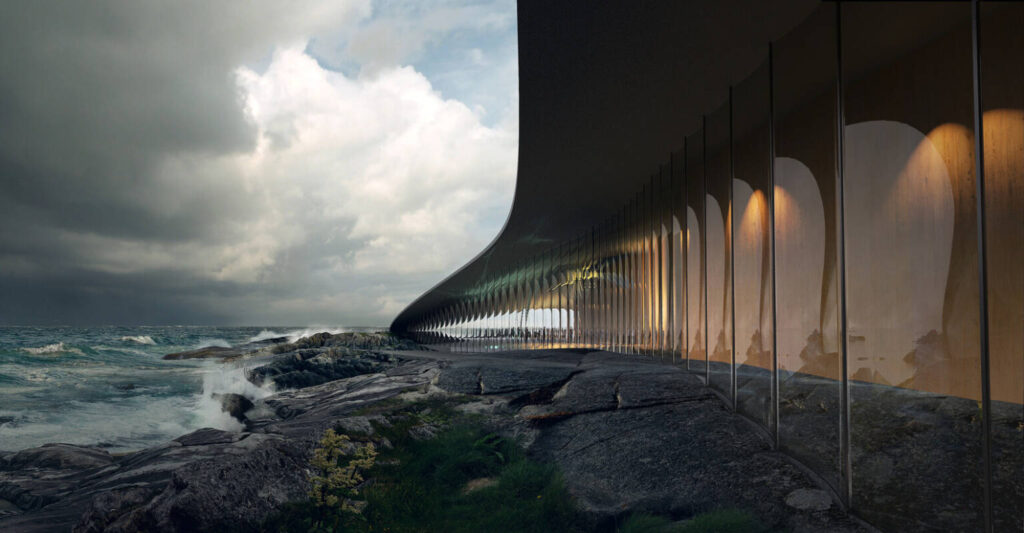
That approach matters because The Whale is not only about looking at whales. It is about changing the relationship between visitor, animal, landscape, and knowledge. The project moves between realms: above and below water, human and non-human, culture and nature, science and emotion. It asks the visitor to understand whales not simply as spectacular creatures, but as beings with movement, memory, habitat, vulnerability, and scale.
The surrounding landscape will become part of the experience. Paths, platforms, viewpoints, a tide pool, campfire, and stepping stones will pull visitors toward the coastline, making the Arctic terrain itself feel like an extension of the museum. Instead of separating exhibition from environment, the design lets the outside keep speaking.
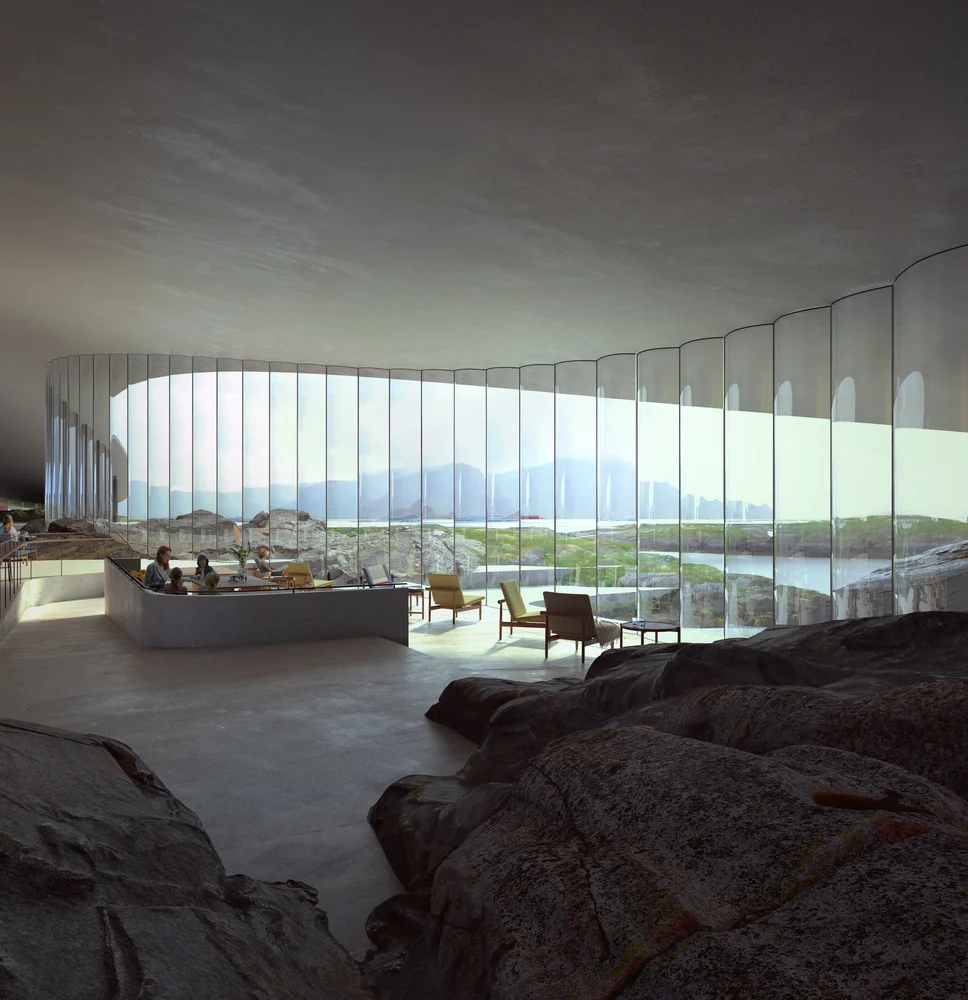
Inside, The Whale will operate as something between a natural history museum, an art museum, and a nature centre, creating a more immersive way of learning about marine life, whale behaviour, ecology, evolution, and the fragile state of the oceans.