SCANNER
New Balance Plants a Garden Inside the Mythology of Made in UK
Ferzan Özpetek Will Turn Giorgio Armani’s Life Into a Study of Cinema, Style, and Control
Karl Lagerfeld Opens Café in Amsterdam
Casablanca Turns Egypt Into a Dreamscape for Pre-Fall 2026
Converse and NOAH Turn Louie Lopez’s Skate Shoe Into a Quiet Summer Classic
Alice Neel’s Beautifully Imperfect Brings Her Radical Humanity to Serralves Museum
Elton John and David Furnish Bring Fragile Beauty to Jeu de Paume
Jacques Marie Mage Brings Its Icons Back Like Objects From a Private Mythology
Stone Island Casts Brianna Stewart in Its Ongoing Study of Community
Ant Hamlyn on the Optimism of the Y2K Future
OVERSTANDARD – Culture & Creativity
  • FASHION
  • ART & DESIGN
  • INNERVIEWS
  • ARTICLES
  • PHOTOGRAPHY
Tag:

Lars von Trier

    ART & DESIGN

    Lars von Trier Turns Willumsens Museum Into a Map of His Cinematic Obsessions

    by OS Staff July 15, 2026
    written by OS Staff
    Exhibition film by AGNES TRIER, 2026 The film is included in the exhibition Descendant–curated by LARS VON TRIER
    © ISAAC PRODUCTION Photography by EMIL AAGAARD

    Before Lars von Trier became one of cinema’s most divisive and magnetic directors, he was a young man looking at paintings. Silent rooms, anxious faces, sick children, haunted landscapes, bodies bent by fear or longing. Images that did not explain themselves, but stayed.

    With Descendant, on view at Willumsens Museum in Frederikssund, Denmark, von Trier turns curator, gathering the Nordic artists whose work has shaped the visual and emotional language of his films. Running from June 6 to September 20, 2026, before travelling to Thiel Gallery in Stockholm from October 10, 2026 to January 24, 2027, the exhibition offers a rare look not at von Trier’s cinema directly, but at the image-world behind it.
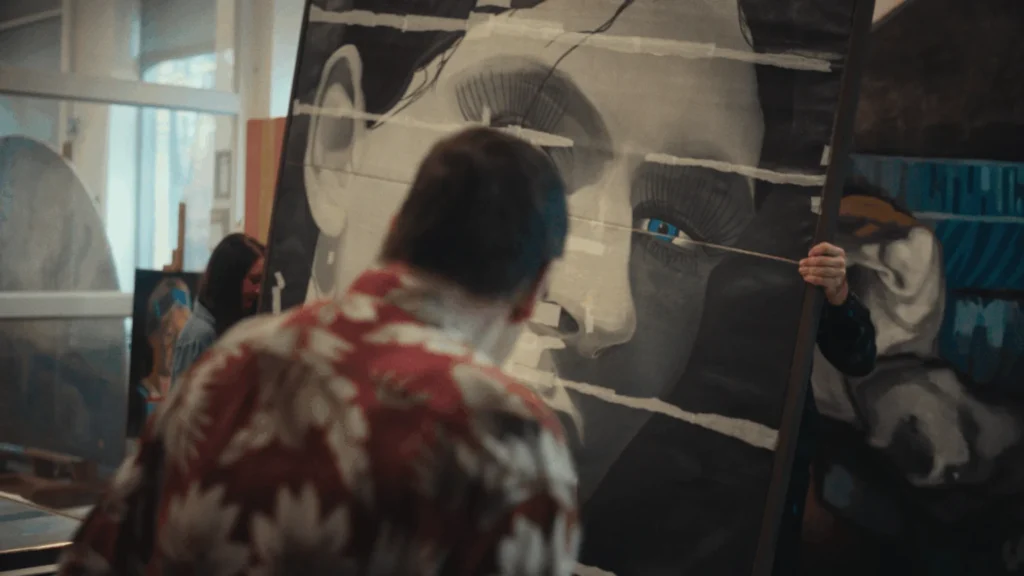
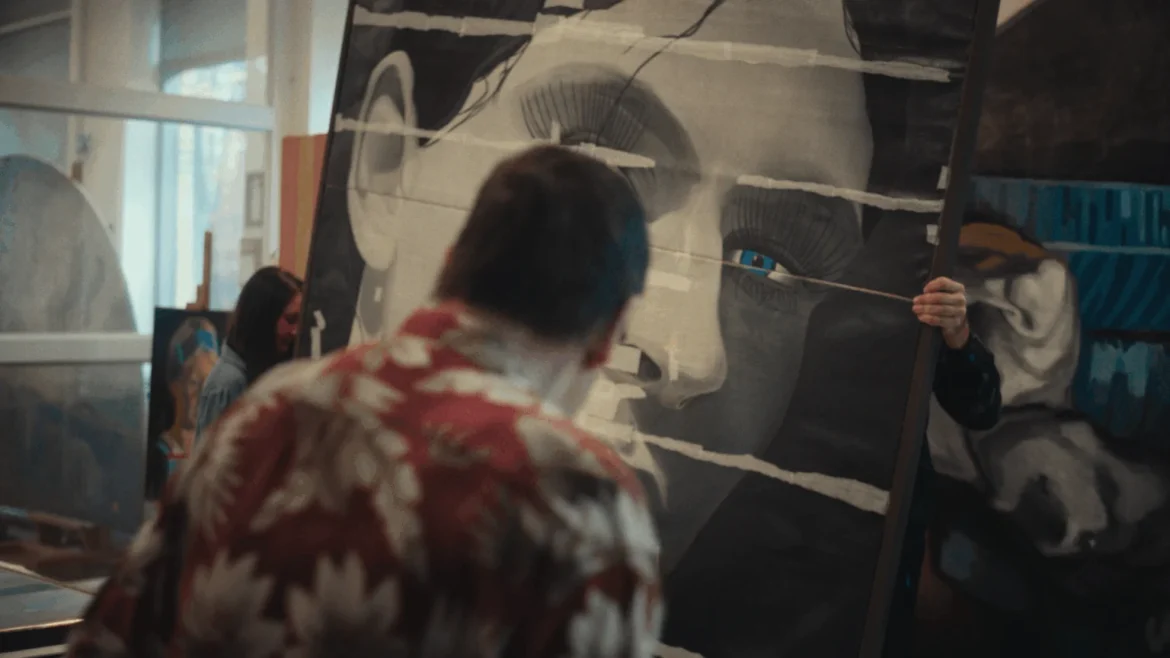
    LARS VON TRIER during preparations for the exhibition On Whose Shoulders Photography by EMIL AAGARD, 2025

    The show brings together works by artists including Vilhelm Hammershøi, Edvard Munch, August Strindberg, Carl Fredrik Hill, Per Kirkeby, J. F. Willumsen, Ejnar Nielsen, Rudolph Tegner, Gustav Vigeland, and Paul Gauguin. Von Trier has described them as a kind of artistic “family”: figures he has returned to since adolescence, building what feels less like an influence list than a private visual ancestry.

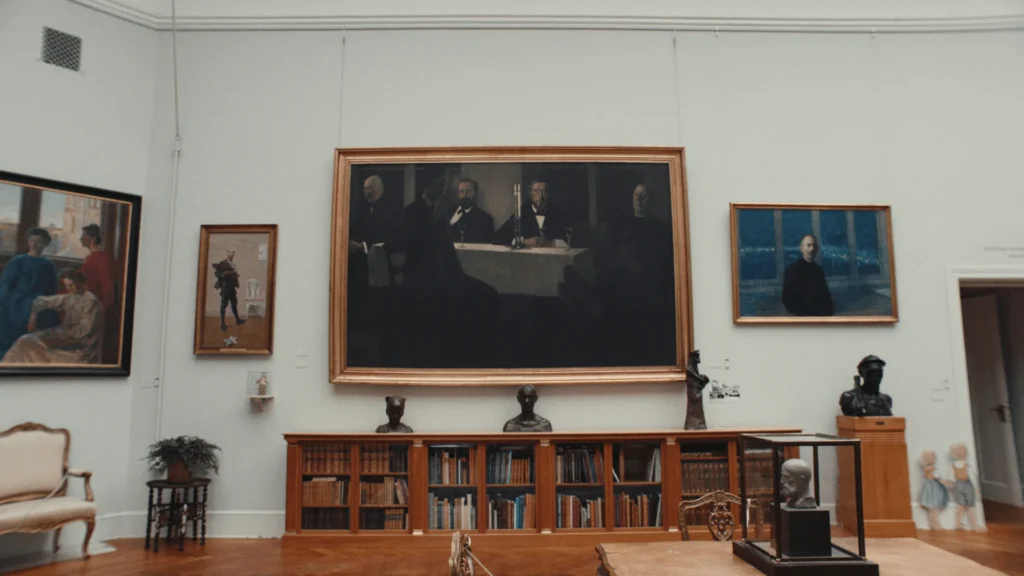
    At the centre of the exhibition is Hammershøi’s Five Portraits from 1902, a painting that reportedly pushed von Trier to travel to Stockholm at just 19. It is easy to understand the charge. Hammershøi’s silence, restraint, and psychological stillness seem to echo through von Trier’s own cinema, where rooms often feel like moral traps and faces hold more tension than action ever could.
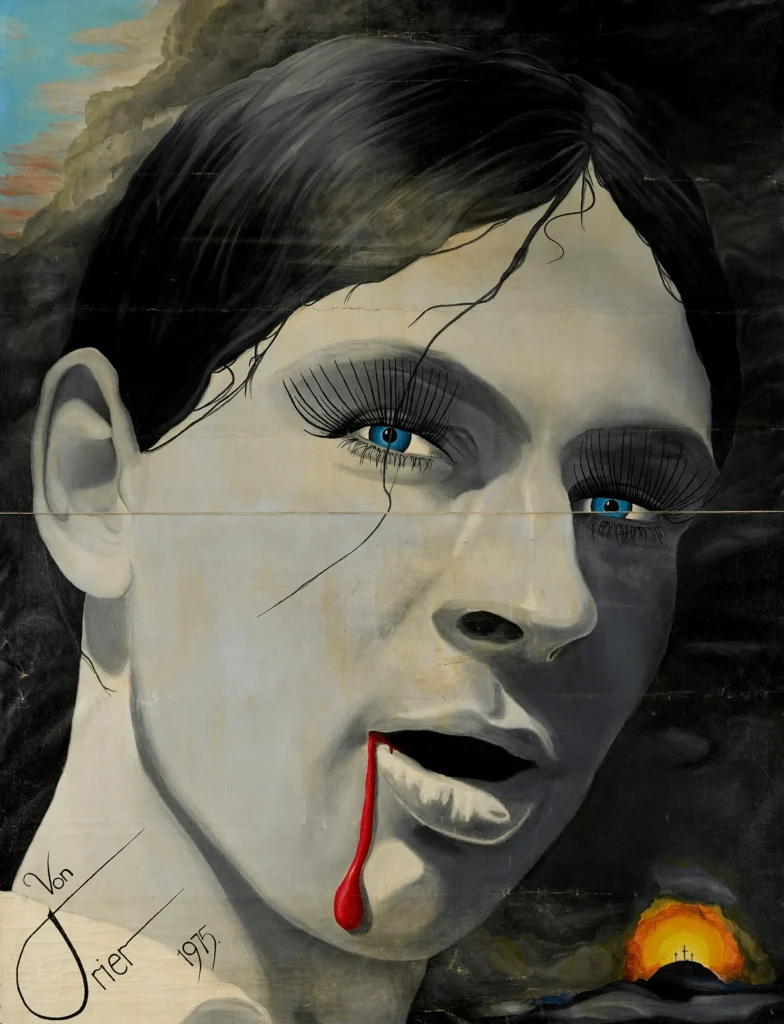
    LARS VON TRIER On the Way to Zarathustra, 1975 Courtesy of FREDERIKSBORG CASTLE
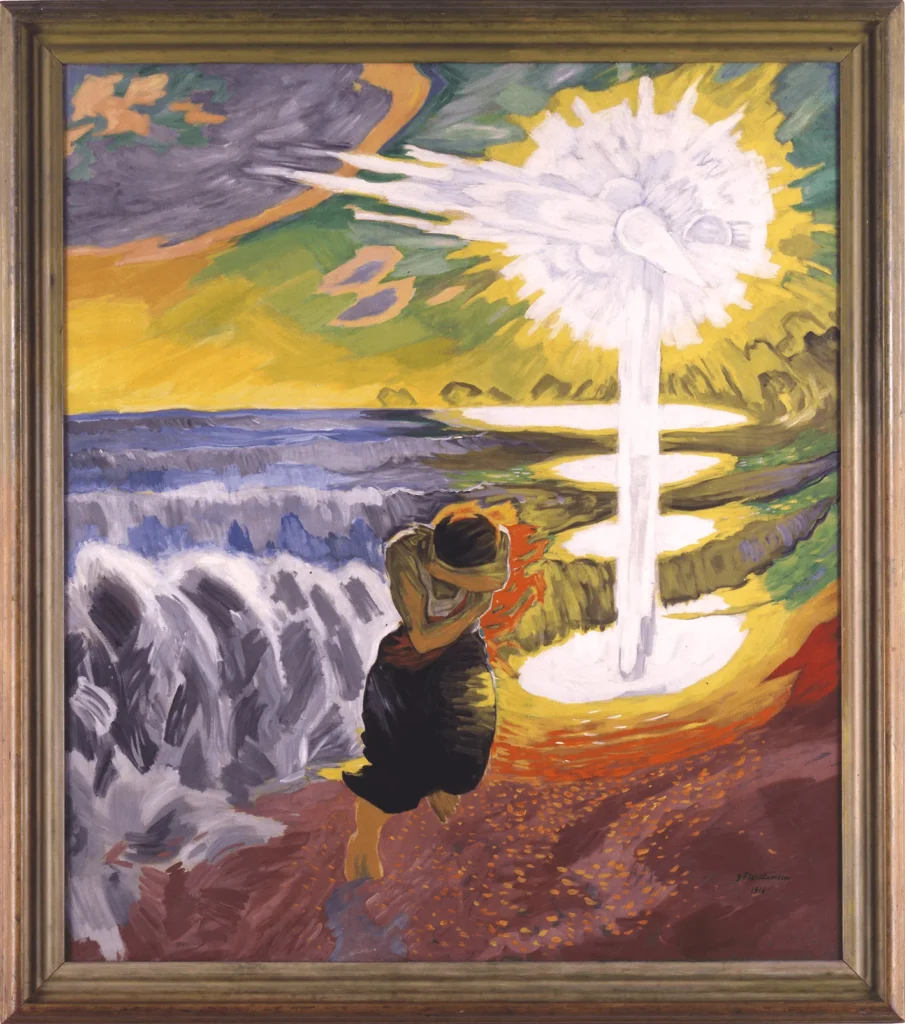
    J. F. WILLUMSEN Naturskraek, 1916 Courtesy of WILLUMSENS MUSEUM

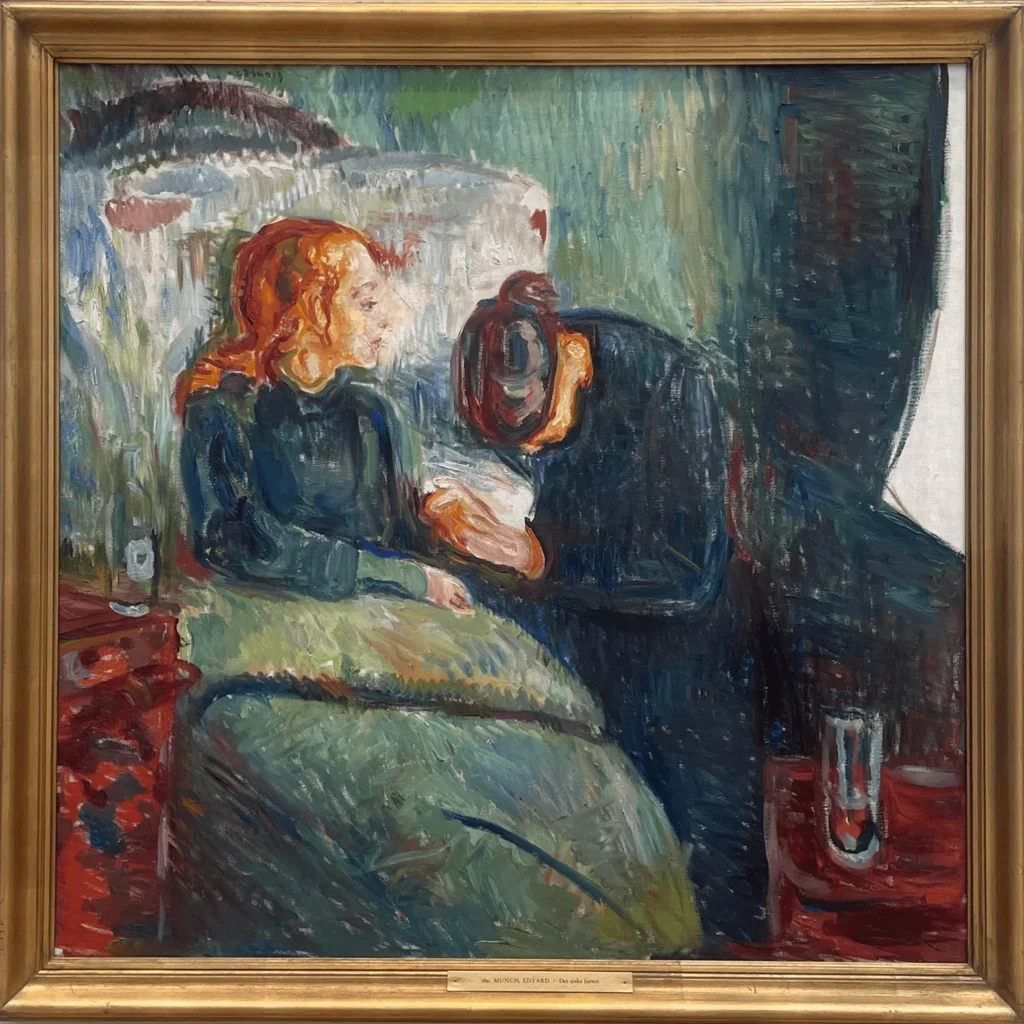
    But Descendant is not only about visual references. It is about inheritance. Munch’s psychological intensity, Hill’s dream logic, Strindberg’s expressive turbulence, and Willumsen’s dramatic bodies all seem to point toward the emotional weather of films like Breaking the Waves, Dancer in the Dark, Dogville, Melancholia, and Nymphomaniac. Von Trier’s cinema has always felt painted as much as filmed: theatrical, feverish, cruel, intimate, and full of images that behave like wounds.
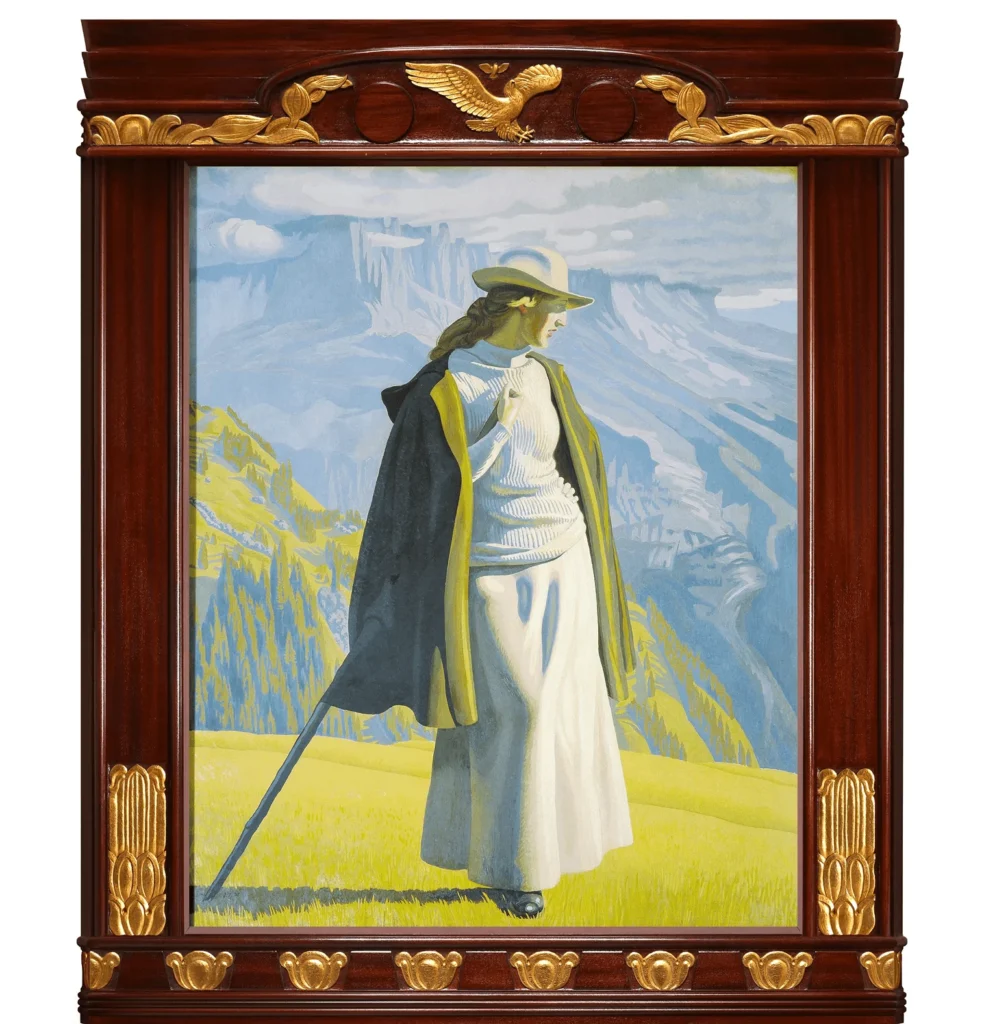
    J. F. WILLUMSEN A Female Mountaineer, 1904, Courtesy of HAGEMANN’S COLLEGE
    EDVARD MUNCH The sick child, 1907 Courtesy of THIELSKA GALLERIET
    LARS VON TRIER during preparations for the exhibition On Whose Shoulders; photography by EMIL AAGARD, 2025

    There is something revealing about seeing a filmmaker known for control, provocation, and formal games step into the role of curator. Here, he is not explaining himself through interviews or defending a filmography. He is arranging the ghosts around him. The exhibition becomes a self-portrait without the artist at the centre: a map of the images that looked back at him before he learned how to make his own.

    The accompanying publication includes texts by Karl Ove Knausgård, Lilian Munk Rösing, Erik Steffensen, Annette Rosenvold Hvidt, Anne Gregersen, and von Trier himself, extending the exhibition into a broader reflection on the deep affinities between his cinematic universe and Nordic art.

    Share this:

    • Tweet
    • Telegram
    • WhatsApp
    • More
    • Print
    • Reddit
    July 15, 2026 0 comment
    0 FacebookTwitterEmail

SIGN UP FOR OUR NEWSLETTER

Categories

  • ART & DESIGN
  • ARTICLES
  • CINE
  • CULTURE
  • FASHION
  • GAMING
  • INNERVIEWS
  • LIFESTYLE
  • MUSIC
  • NFTs
  • PHOTOGRAPHY
  • SPORTS
  • TECH
  • TOYS

Categories

  • ART & DESIGN (849)
  • ARTICLES (28)
  • CINE (181)
  • CULTURE (234)
  • FASHION (2,119)
  • GAMING (57)
  • INNERVIEWS (441)
  • LIFESTYLE (108)
  • MUSIC (92)
  • NFTs (102)
  • PHOTOGRAPHY (73)
  • SPORTS (35)
  • TECH (111)
  • TOYS (118)

Recent Posts

  • New Balance Plants a Garden Inside the Mythology of Made in UK
  • Ferzan Özpetek Will Turn Giorgio Armani’s Life Into a Study of Cinema, Style, and Control
  • Karl Lagerfeld Opens Café in Amsterdam
  • Casablanca Turns Egypt Into a Dreamscape for Pre-Fall 2026
  • Converse and NOAH Turn Louie Lopez’s Skate Shoe Into a Quiet Summer Classic

© OVERSTANDARD

OVERSTANDARD – Culture & Creativity
  • FASHION
  • ART & DESIGN
  • INNERVIEWS
  • ARTICLES
  • PHOTOGRAPHY