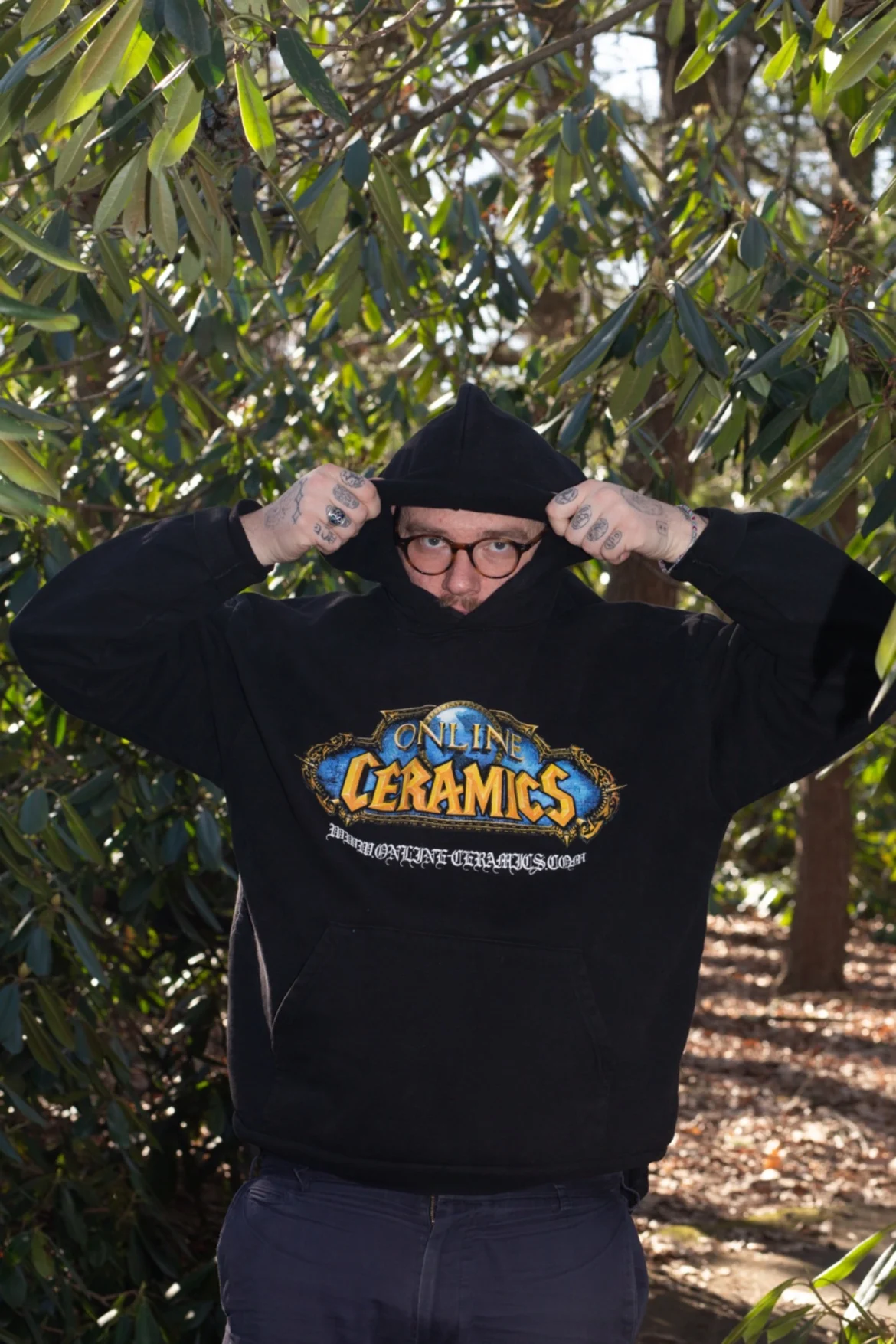
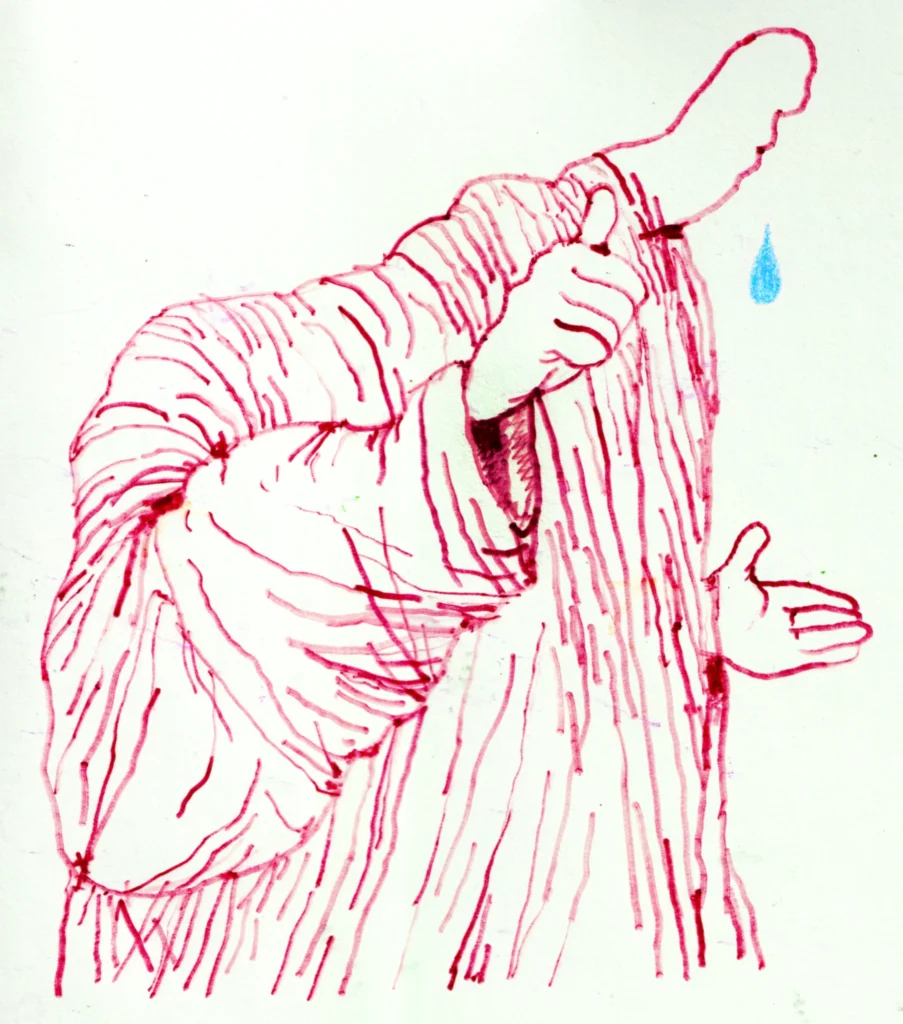
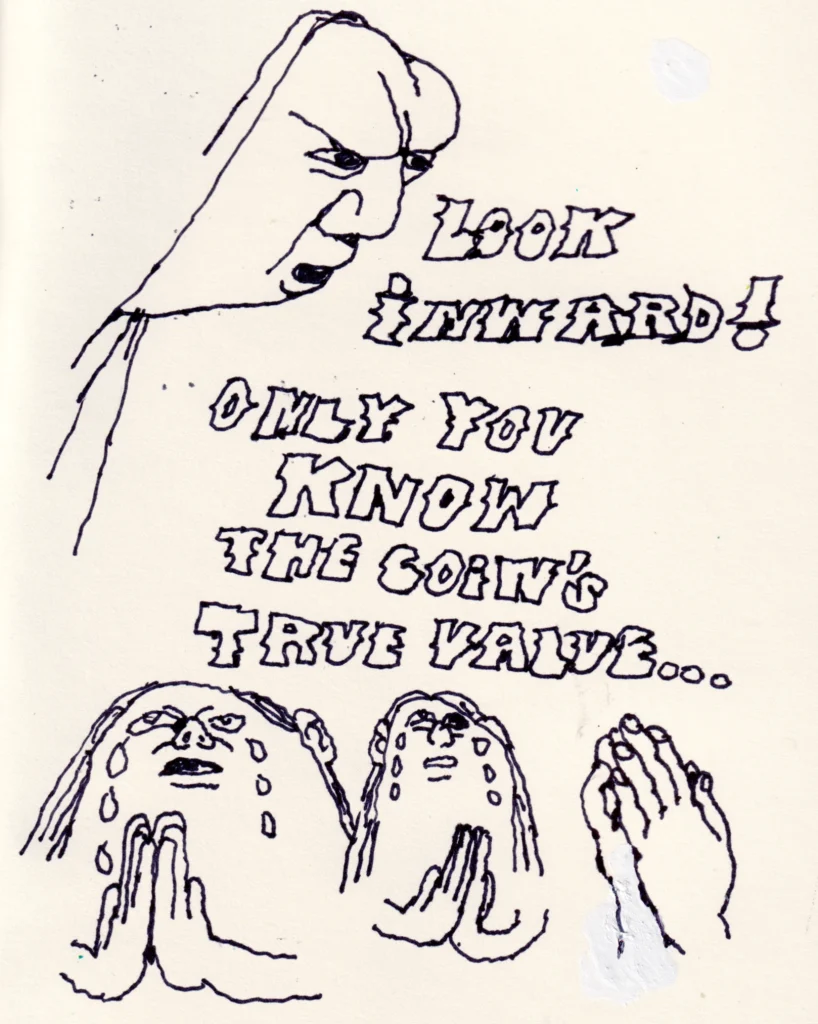
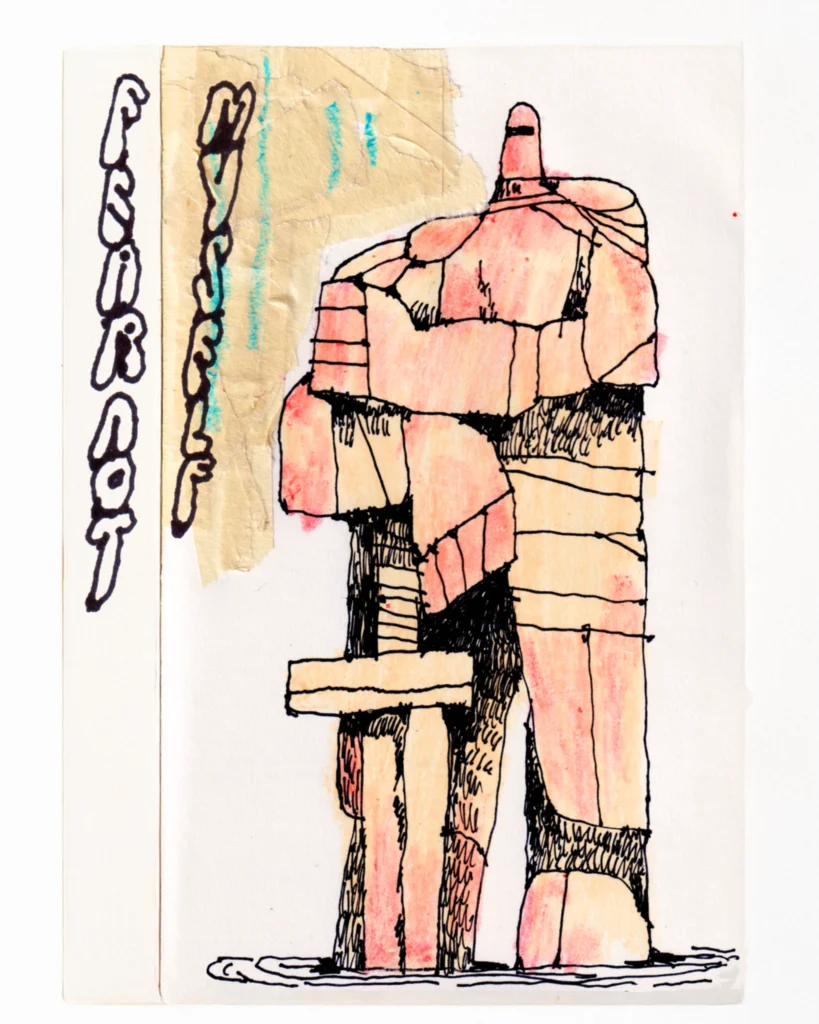
Matthew Bonneau’s drawings sit at the strange, revealing intersection of boyhood, internet culture, and the visual codes of masculinity. Based in western Massachusetts, the artist pulls from the imagery that shaped him, from sports and labour to medieval warfare, video games, memes, and the aggressive language of male-oriented branding, reworking it into something both absurd and sharply self-aware. In his hands, a castle, a slogan, or a piece of sportswear becomes more than a reference point: it becomes a way of examining the cultural logic that surrounds domination, strength, and performance.
There is humour in Bonneau’s work, but also a deeper reckoning with the environments that formed him. Drawing functions less like a polished routine than a compulsive release, something he returns to daily in order to feel balanced, even functional. His practice is instinctive, intense, and often private until the moment something finally feels right. That tension between urgency, reflection, and digital-era self-expression is part of what gives the work its charge. What began in the spirit of a kid online hoping for views has evolved into an artistic language that resonates far beyond nostalgia, turning the chaos of growing up male on the internet into something vivid, critical, and unexpectedly tender.
Hi Matthew! It’s a pleasure to sit down with you! First question that I always ask. How does a regular day look like for you in Massachusetts?
Matthew: Honestly, nothing too remarkable. I wake up, check my phone, have breakfast, do some work, drawing.. Take it as it comes. I like to check to see if there’s any sports on later… I feel like I shape my whole day around that – it’s important to me to have something to look forward to. I like gaming a lot too. Me and Bones Gilmore (b0nezone on ig) started a Discord server for other gamer artists we know through Instagram. There’s some heavy hitters in there. It’s been a really special place for meta art discussion and community and I’m in there pretty much every day. Shoutout the Roundtable.
I’m curious, growing up, what was life like there? And what kind of kid were you? What did you enjoy doing?
Matthew: Growing up in Massachusetts was sick. I love it here. I’ve left for little glimpses in my life but have always felt like this is home forever. I have a ton of positive associations with this place and thinking about it all makes me emotional. I was a very passionate, energetic kid. There were a lot of things I loved doing and I think that holds true now for me in adulthood. Drawing, sports, video games, goofing off… Those things have always been central to me. Especially goofing off. I went to catholic school until 9th grade, and I would get in a lot of trouble for disrupting class. I’m glad I’m not in a position anymore where I have to worry about that.
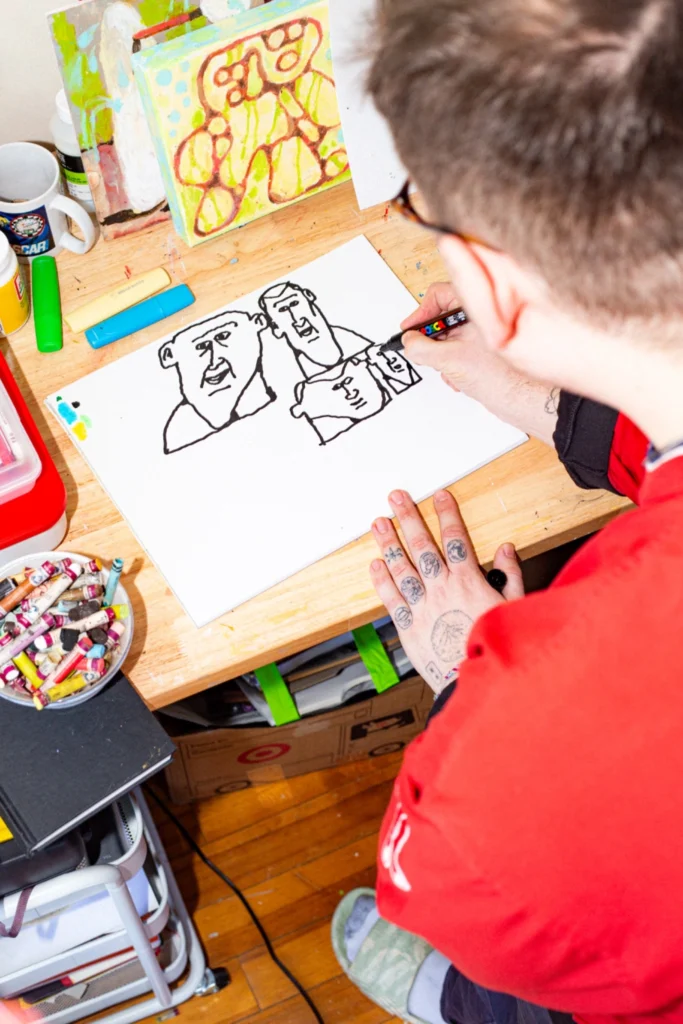
You’ve described drawing as something you need to get out of your system. When did drawing first become less of a hobby and more of a necessity for you?
Matthew: I’ve always been drawing, but for most of my life it was this occasional thing that I would do. In the past 2 or 3 years though I really started taking this seriously and realized that this is a space where I can truly be myself entirely. I love the tech of drawing and I want to be better at it every day.
It’s honestly a form of journaling for me at this point, and it feels really special to look back on a chunk of time and remember all the thoughts and feelings that allowed for a certain drawing to be made.
With that in mind. Do you remember approximately at what age your creative side started to show? And when did you start taking being an artist seriously?
Matthew: Probably as soon as I could pick up a pencil. I used to want to work for Pixar… It was like my entire personality for a good portion of my childhood. I had Pixar hoodies and shit… I think creatively though I started to make stuff just for fun through video games. I made Call of Duty montages when I was 12 or so, and those videos needed graphics, so I had to learn that. And that woke up some deep need in me to create and share.
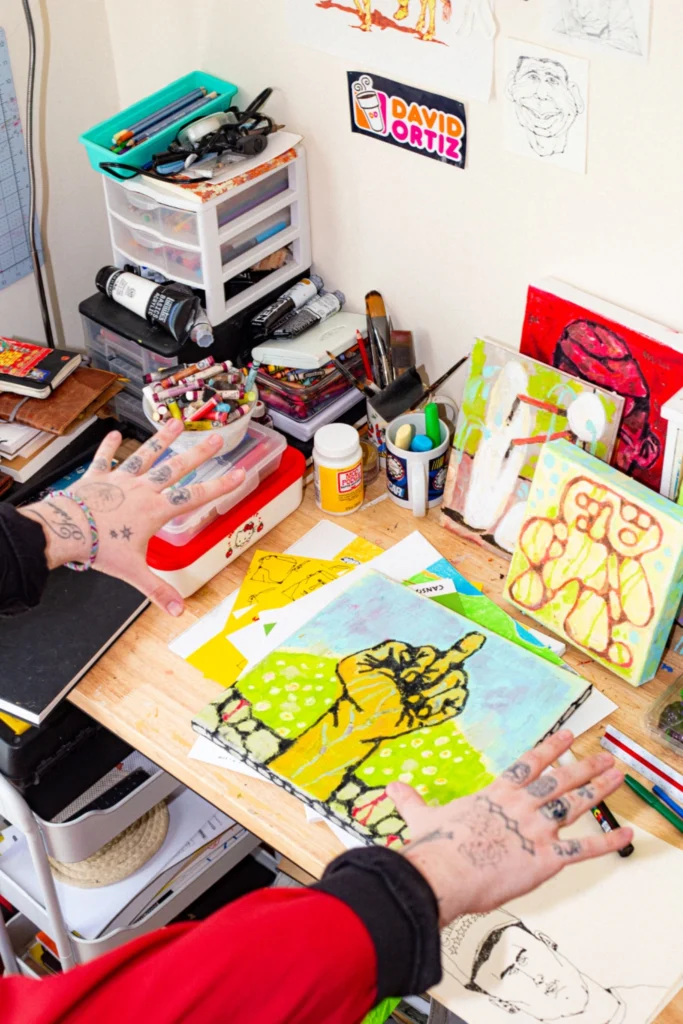
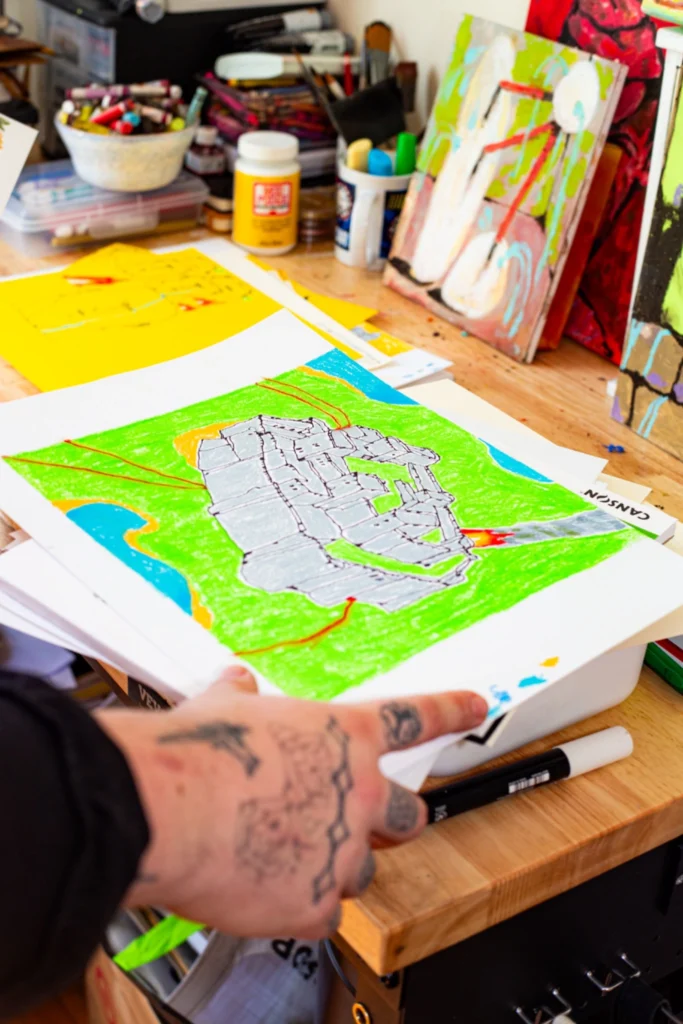
Ok Matthew, with these next series of questions, I will try to delve into your work as best as possible. Your work feels deeply tied to what you call your “content diet” — sports, labor, memes, war imagery, video games, masculine branding. At what point did you realize those influences weren’t just things you consumed, but things that were actually shaping your artistic language?
Matthew: It goes back to my earlier comment about my drawings feeling like a form of journaling. I exist amongst the themes you mentioned heavily, and am presented with them daily, so my art is naturally a reflection of that. I work from home, and am pretty introverted, so I think my art practice has become pretty focused on whatever is swirling around my subconscious. It’s insane to me how accessible some content is. I can go on my phone right now and it will show me POV body-cam footage immediately next to highlights of Jayson Tatum dropping 32 on the Hornets. But like, there’s poetry in that – so I’m trying my best to recontextualize that stuff.
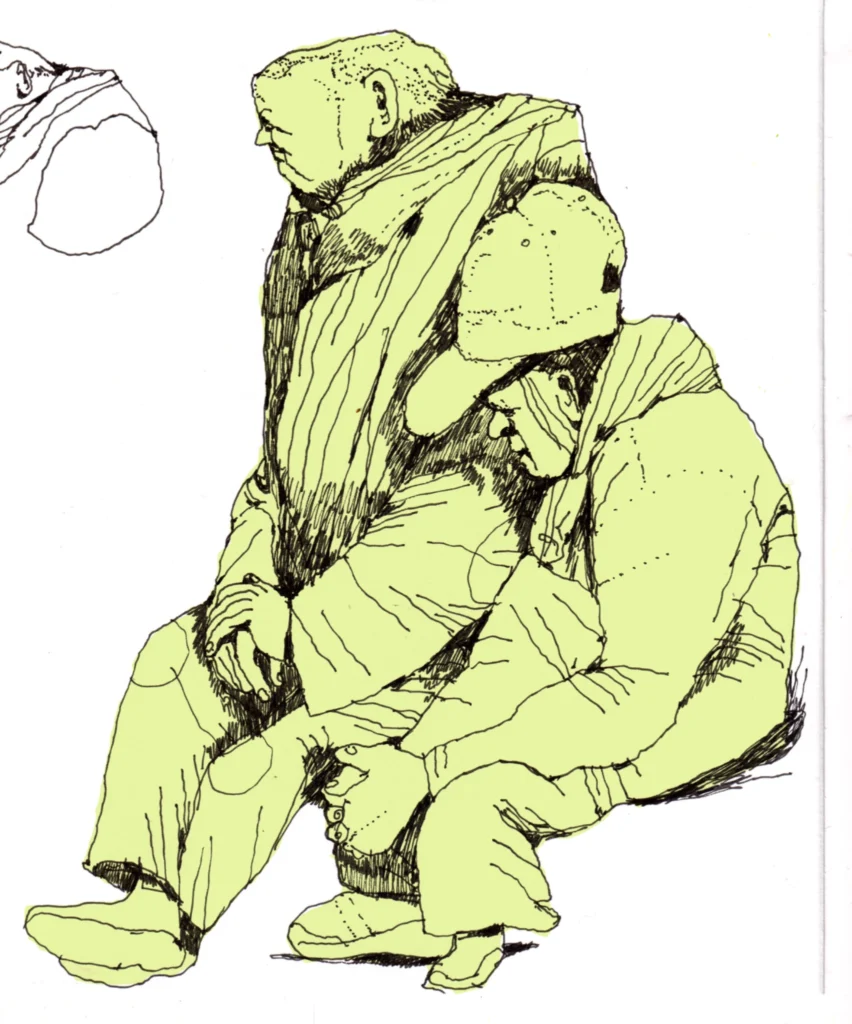
You’ve spoken about liking to put things together that don’t quite belong — like a castle next to an Under Armour slogan, and seeing what happens. What kind of tension or truth are you looking for when you make those “strange” collisions?
Matthew: Those weird juxtapositions happen all the time, we just don’t always notice them. I think I’m just making an effort to pay attention and find truth in things.
There’s a lot of humor and absurdity in your work, but also something darker underneath it. Do you think humor helps you process these subjects, or is it more of a way of disarming the viewer before something heavier sets in?
Matthew: Humor is so important to me. Probably the most important thing. Even when I’m trying to be serious about something, I can’t help but seem sarcastic or find something funny in it. As a device in my work, it’s a similar feeling. I am trying to communicate some nuanced, vulnerable stuff – and humor + absurdity feels like a universal stepping stone to invite people in.
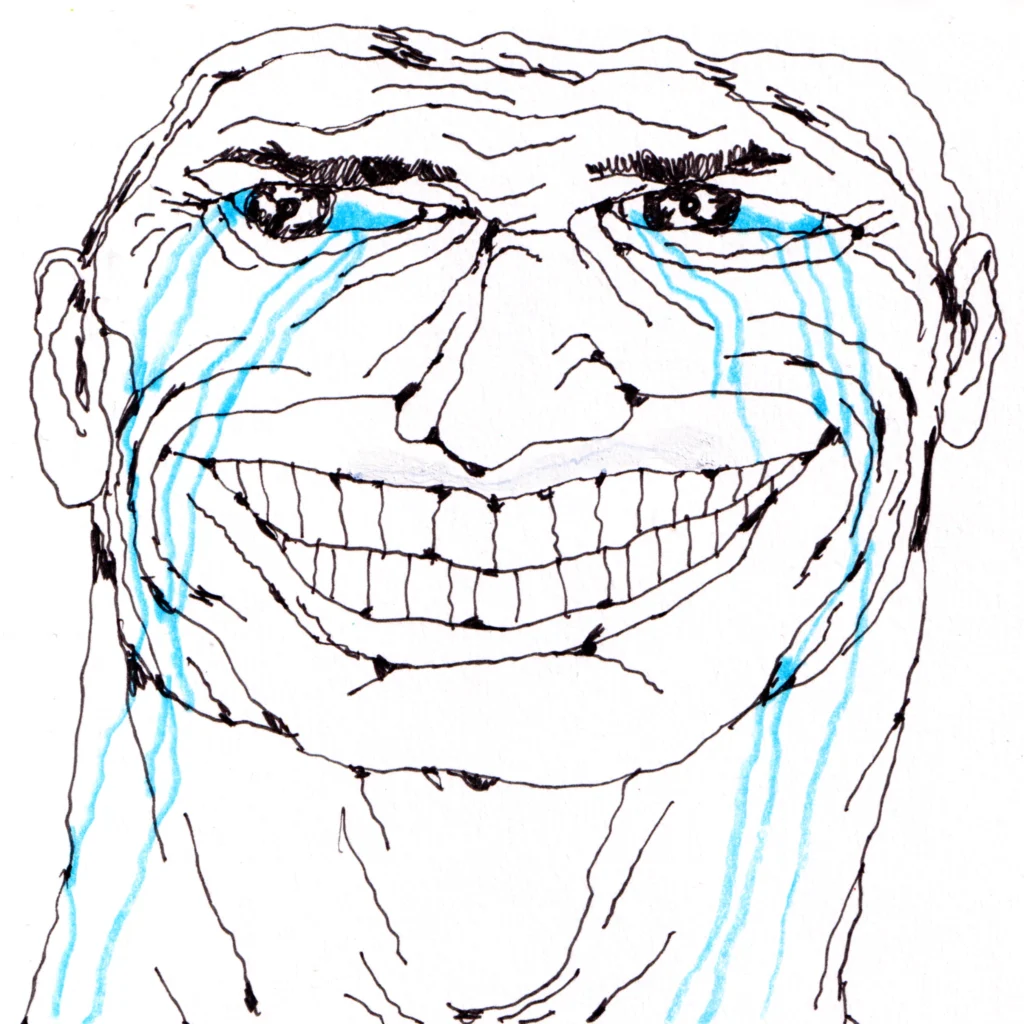
Your work seems to hold a mirror up to boyhood and masculine culture without fully condemning or fully celebrating it. Do you think you’re documenting that world, critiquing it, grieving it, or all of those things at once?
Matthew: My goal is to observe, journal, and repurpose – so I guess my interpretation of boyhood and masculinity has a documentative lens. Ultimately, I hope for every piece I make to have some vulnerability and stillness to it so that people feel invited in, and can spend some time reaching their own emotional conclusions.
You mention how insane the language of boys’ marketing can be — all that dominating, winning, strength, power. When did you first start noticing that messaging for what it really was?
Matthew: I don’t think I had something like a Matrix… “waking up to the truth” experience with those themes. It’s just like… true, and ever-present. And I think those things gradually have bled into my work.
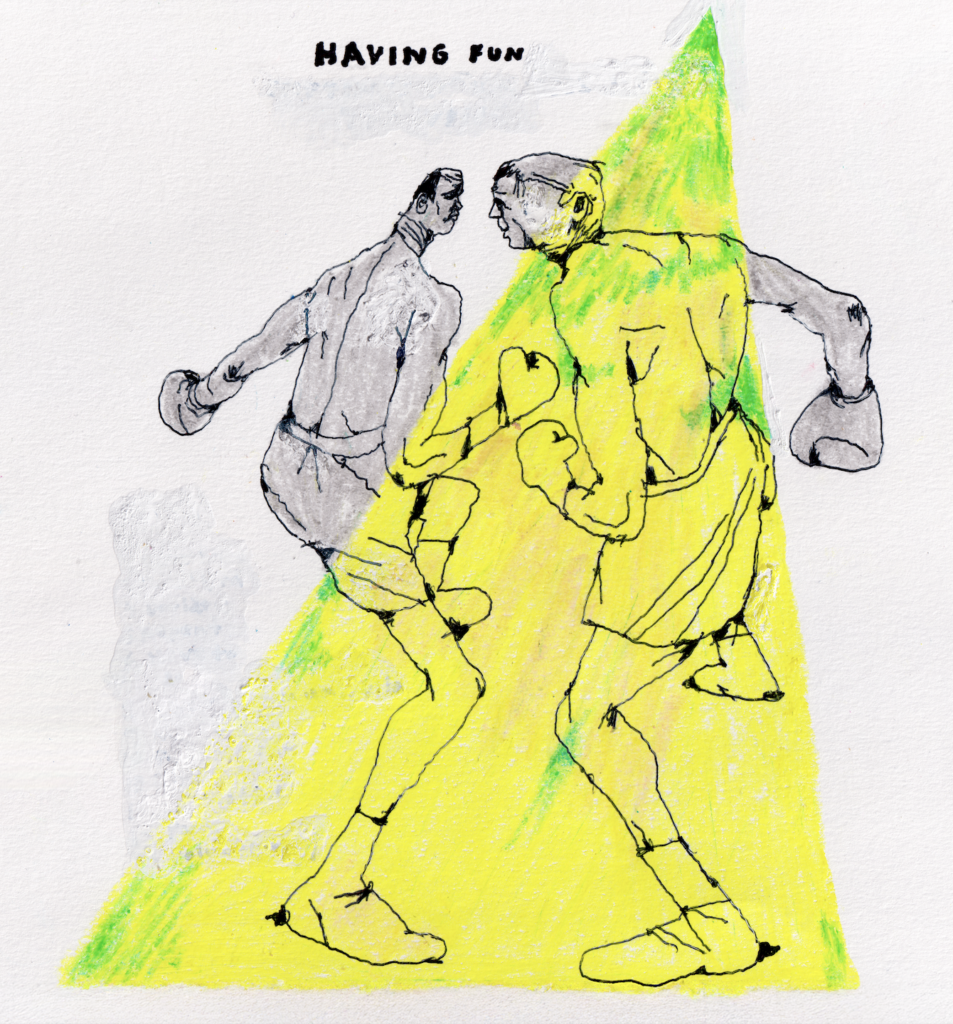
Do you feel like growing up around that kind of language shaped your sense of self in ways you’re still unpacking now?
Matthew: I don’t think I’m unpacking these things as much as observing them. But like, yeah, when I get upset because the Celtics lose a game… I try to be curious about that feeling. Like why is this so important to me right now? But then Payton Pritchard hits a half court buzzer beater and it all makes sense. There’s an inherent competitiveness that feels like programmed in me. But I don’t dislike that, or judge it, it’s just True™.
The internet is obviously central to your world, not just aesthetically but emotionally. What did being online as a kid give you that real life maybe didn’t?
Matthew: The internet gave me this ability to be understood based on what I have to say rather than being evaluated for my physical self. I have like… a second personality to tap into that feels more confident and bold. I have a much different relationship to people I know in real life versus those that follow me on Instagram – that’s pretty cool to me. To be able to have this space to just try things out without the burden of being a body, or a person. I think a lot of our generation yearns for this digital-escapism, and I like to meet people there with my drawings.
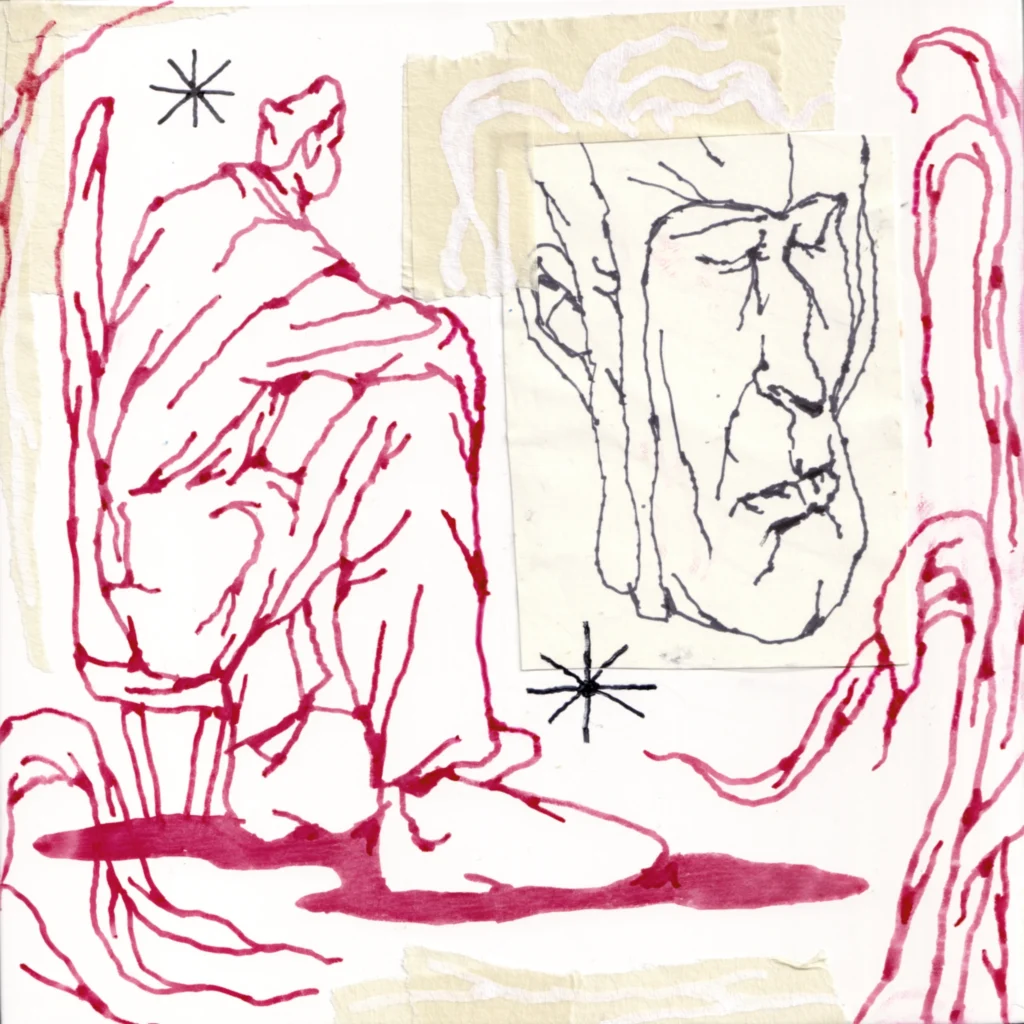
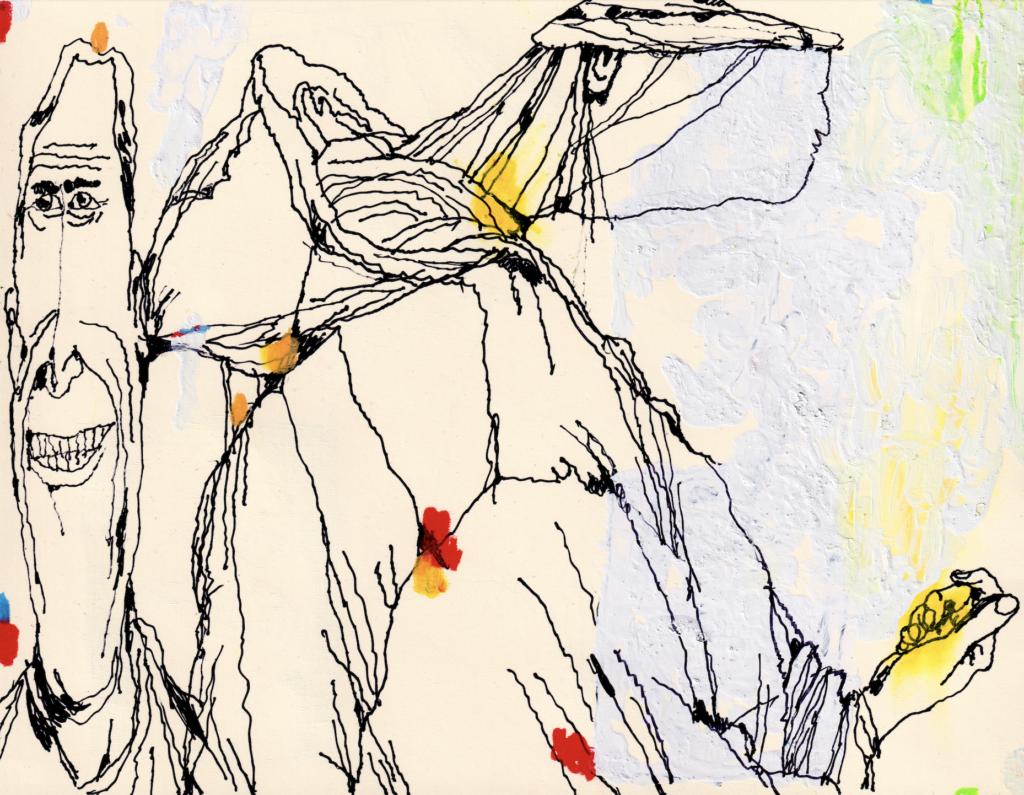
You mention making Call of Duty videos as a kid and now sharing drawings online as an adult. Do you feel like there’s a through-line there — the same desire to be seen, maybe, just expressed differently?
Matthew: Absolutely. Those videos were the most important thing to me at the time. And now that’s how I feel about drawing.
I’m curious about tenderness in your work, because even when the imagery feels aggressive or ironic, there’s still something vulnerable in it.
Matthew: Yeah there’s something beautiful to me about the individual’s internal struggle. It’s something we all have in common, but are so guarded about. I hope my drawings feel that way – an outer layer and an inner layer.
Your practice sounds intense and almost compulsive in the best sense. What happens to you mentally or emotionally when you go too long without drawing?
Matthew: If I go too long without drawing it all feels like a dream. Like I’ve never made anything good in my life. Looking back on the past few years, the times when there’s been a small creative gap felt pretty emotionally empty, and it was a huge relief to get back to it each time. I think that’s the big takeaway for me… Too much time away from my practice creates this unneeded pressure on the next piece. It’s not loose, and it’s too focused. So I try not to go too long without drawing these days. It’s usually a daily thing.
When you disappear into making work and don’t come back until you have something you love, what’s happening in that period? Does it feel obsessive, comforting, isolating, clarifying?
Matthew: It’s super obsessive. I’m like pacing around my studio making weird faces and not breathing correctly. But it’s my way of staying very locked in on a piece until I feel ready to be done.
Are there things you can admit in a drawing that you’d have a much harder time admitting in conversation?
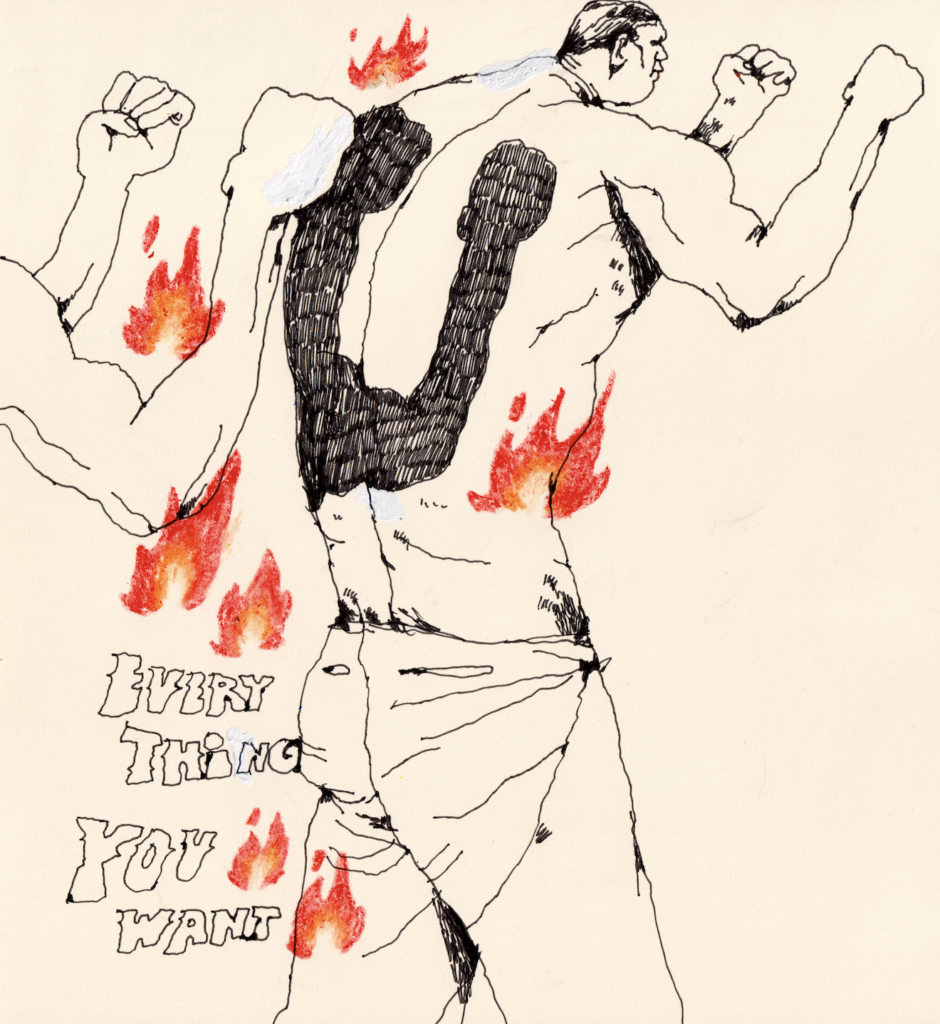
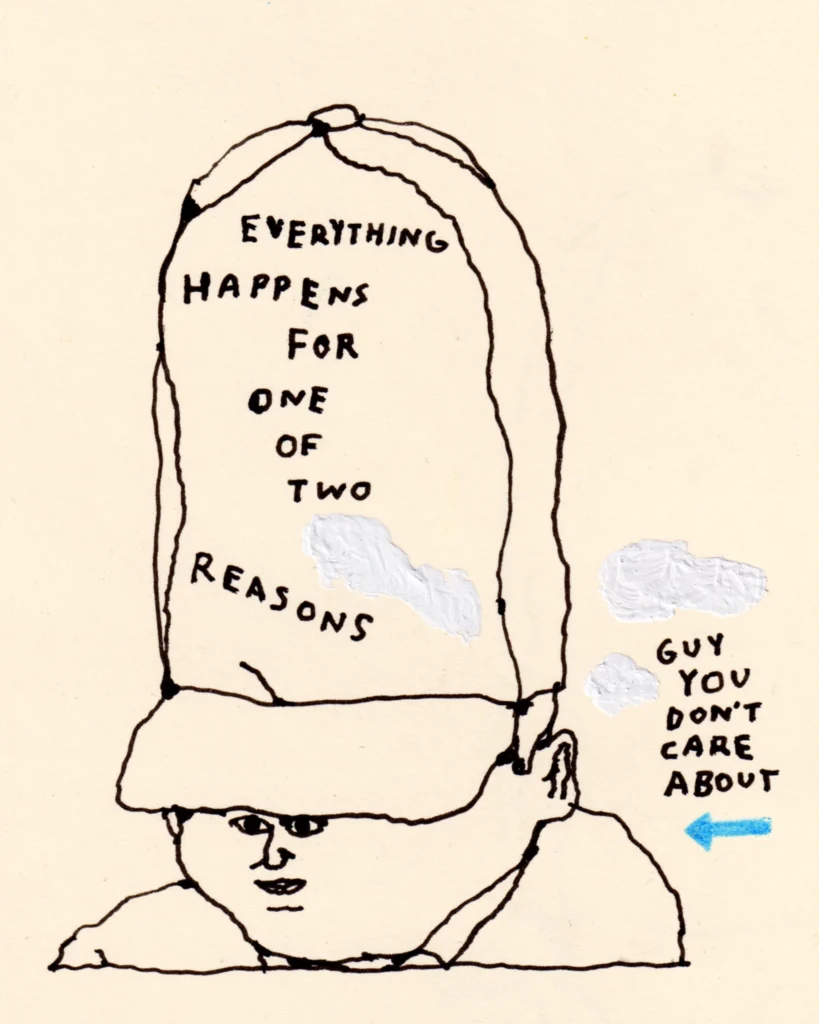
Matthew: Yeah I mean.. It’s not like I wouldn’t talk about these things in conversation, It’s just I don’t need an entry point when I’m processing these things through art. And in a drawing, I’m not relying on someone else’s understanding or reception to what I’m saying. It just is. It’s right there and you can look at it, and think about it if you want to.
You said you either come back with something you love or something no one will ever see. What makes a work too private or too unresolved to share?
Matthew: It’s never too private or anything like that. Sometimes, I just don’t have it. There’s a very specific type of mark-making I pursue in my drawing, and it’s not always there. Sometimes I feel conceptually bankrupt too. I don’t know… There’s a whole suite of factors. I like to move and make work fast so I can move on from an unsuccessful piece as quickly as possible. For better or worse, I feel as strong as my last drawing.
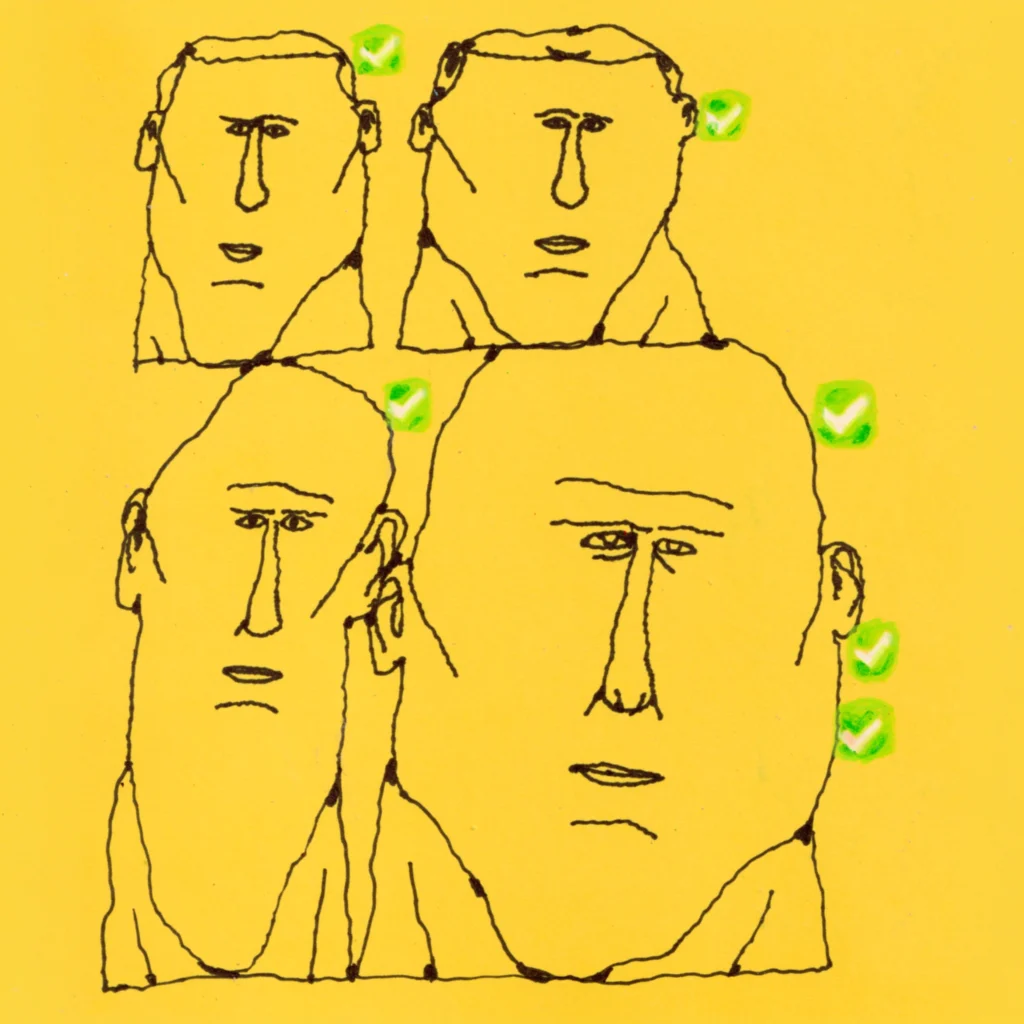
Your work resonates with a lot of people online. Do you ever feel understood by that response, or does being seen on the internet sometimes flatten the complexity of what you’re actually doing?
Matthew: Mostly I feel understood – but sometimes I do wonder about the immediacy of sharing art online. It’s scary to think of sharing something nuanced and layered, and only have it be seen for its surface. But that’s the nature of being on Instagram I suppose. People are going to have their own relationship with things I make and share, and that is okay with me.
Is there a gap for you between the work that performs well publicly and the work that feels most honest privately?
Matthew: Dude… yes. I’ve been doing some pastel work this past year that has felt like an important step for me artistically, and most of it hasn’t landed the same way that my ink drawings have. But secretly there’s a part of me that loves that – especially with a show on the horizon. Anyone who sees that work in person will be in a special club of people that got to spend more time with it. And naturally, I think anything colorful and larger than an iPhone translates better to the real world.
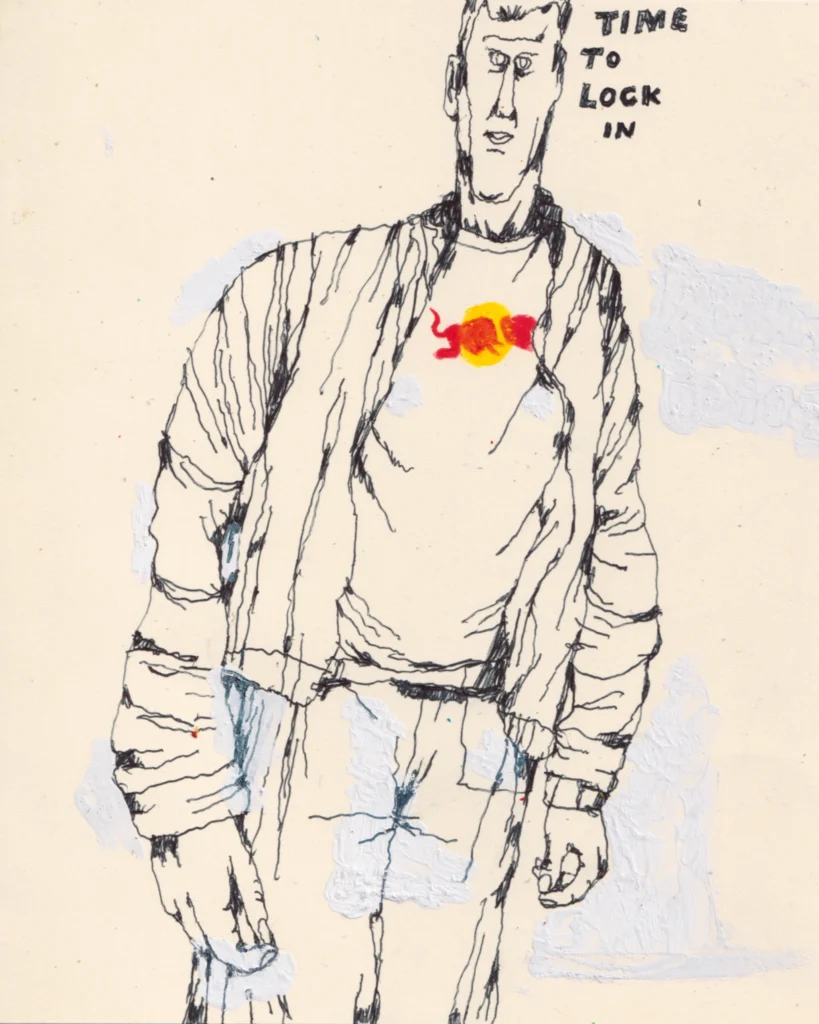
Can you walk me through your creative process from beginning to end result?
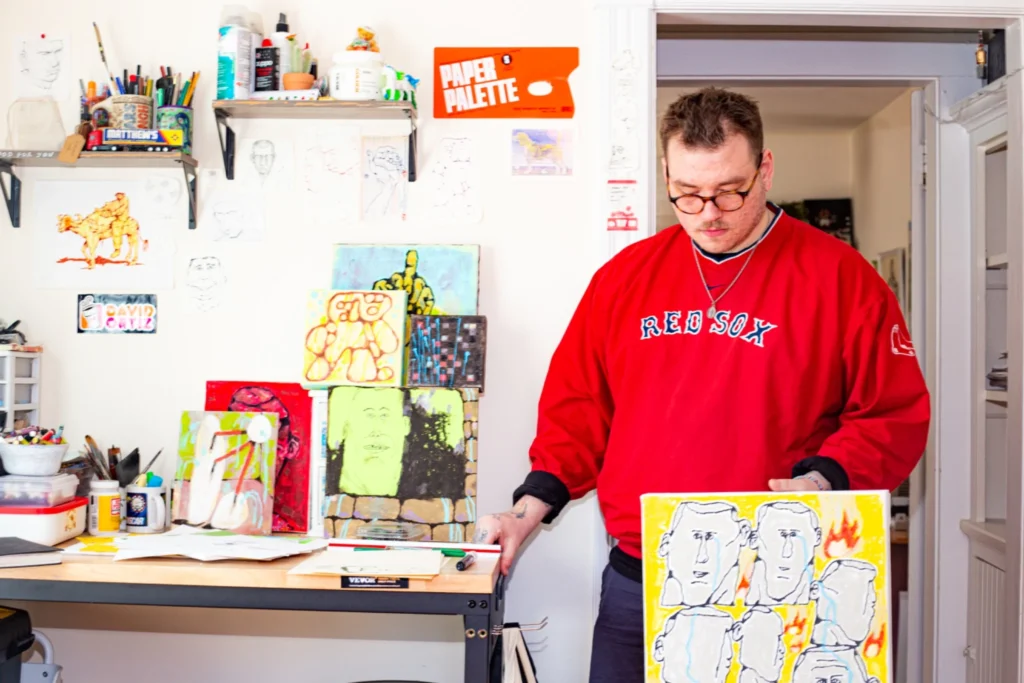
Matthew: It starts with seeing or feeling something that heavily inspires me. It could be as simple as a picture of someone with a beautiful expression, a song lyric, or a piece from an artist I admire. And it swims around my head until I have the time/space to draw it. At which point, I retreat into my studio, put on music, and start drawing. I like to warm up with a few marks on a scrap piece of paper to get my linework honed in for the evening. Testing lines and marks is a big part of my process. I don’t sketch anything out… ever… So having a space to experiment with my pen or crayons is integral to my practice.
And then I start carving the thing out once it feels right. Larger shapes get boiled down into more specificity as it goes. I try to draw with an unfocused eye, so that I’m considering the whole image at once. It feels like a cheat code. When it’s going right, it feels like the drawing is asking for a specific mark or compositional element to return it to the balance it wants. It’s done when it feels done – then I scan the thing so it’s documented forever, post it on my instagram, and move on to the next one.
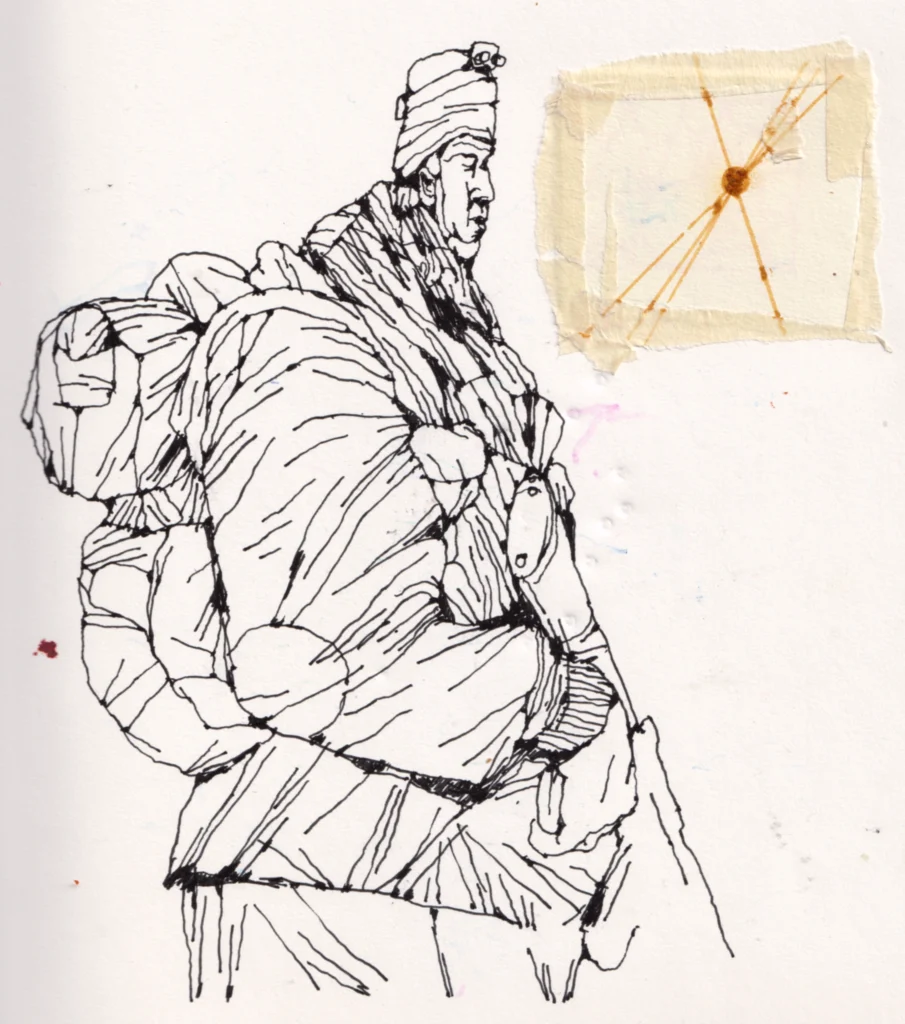
Can you also tell me about your use of symbolism?
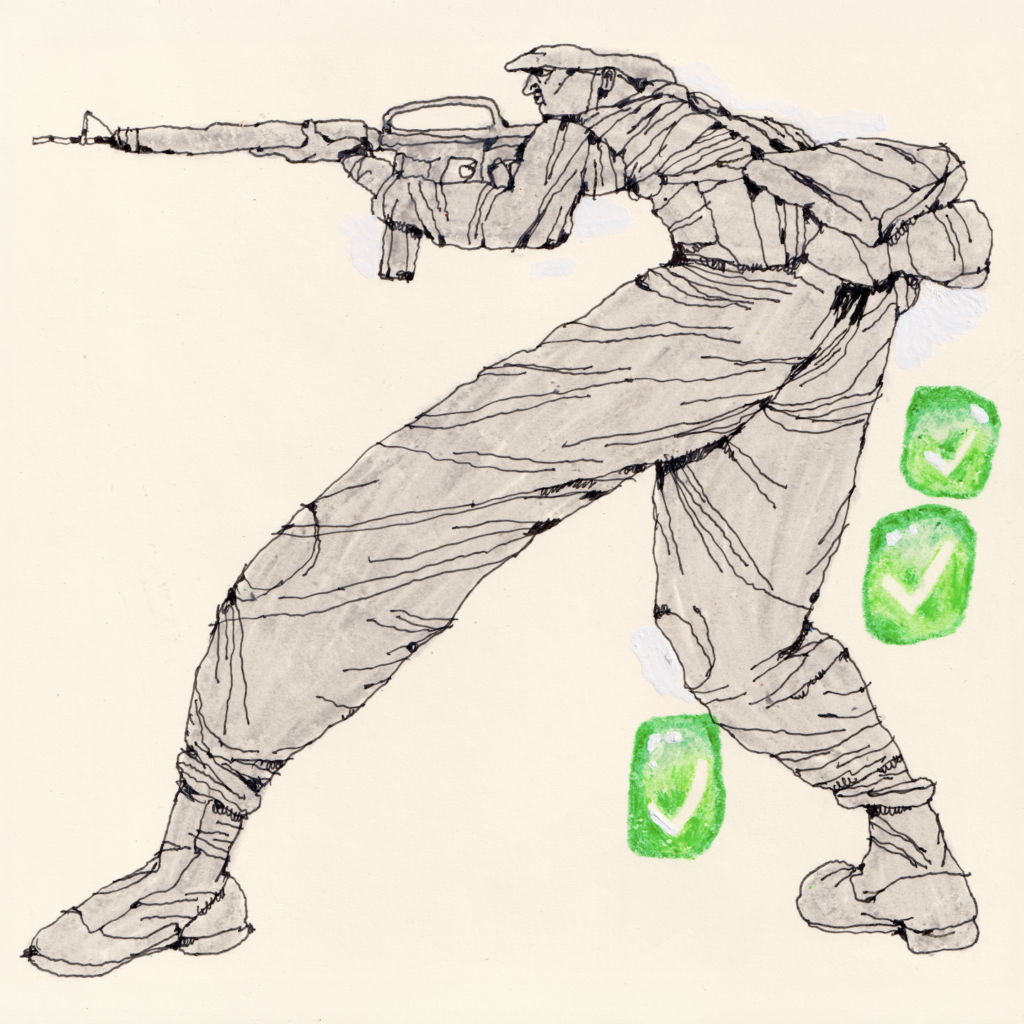
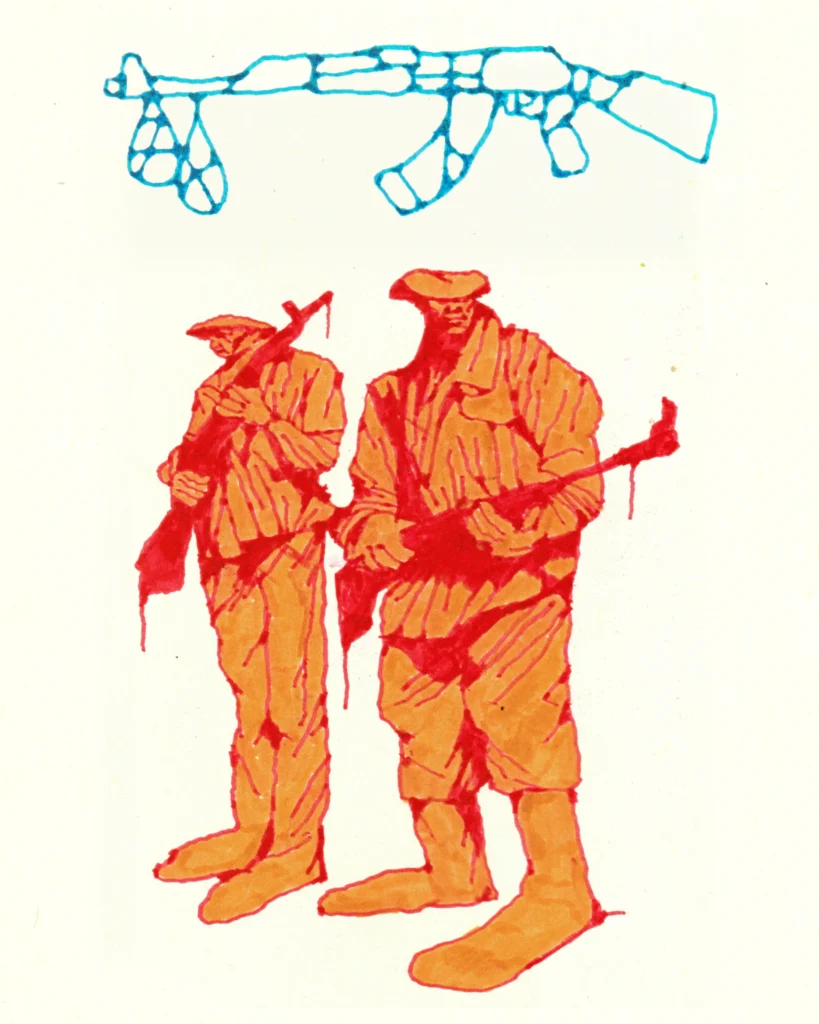
Matthew: I’m still figuring out a consistent approach to symbolism in my work, but it’s all about creating interesting, thoughtful juxtaposition. For example, I have these drawings of soldiers with emojis spammed next to them. Those pieces are an effort in trying to communicate the absurdity of accessing war imagery on our phones, and the transactional, distant way we view violence as a society. When I’m playing Call of Duty it tells me how many kills and deaths I have. If you really think about that for a bit, it’s so insane. Like fathers come home from their frustrating construction jobs and play that.
So with what we just talked about, what are you hoping to convey?
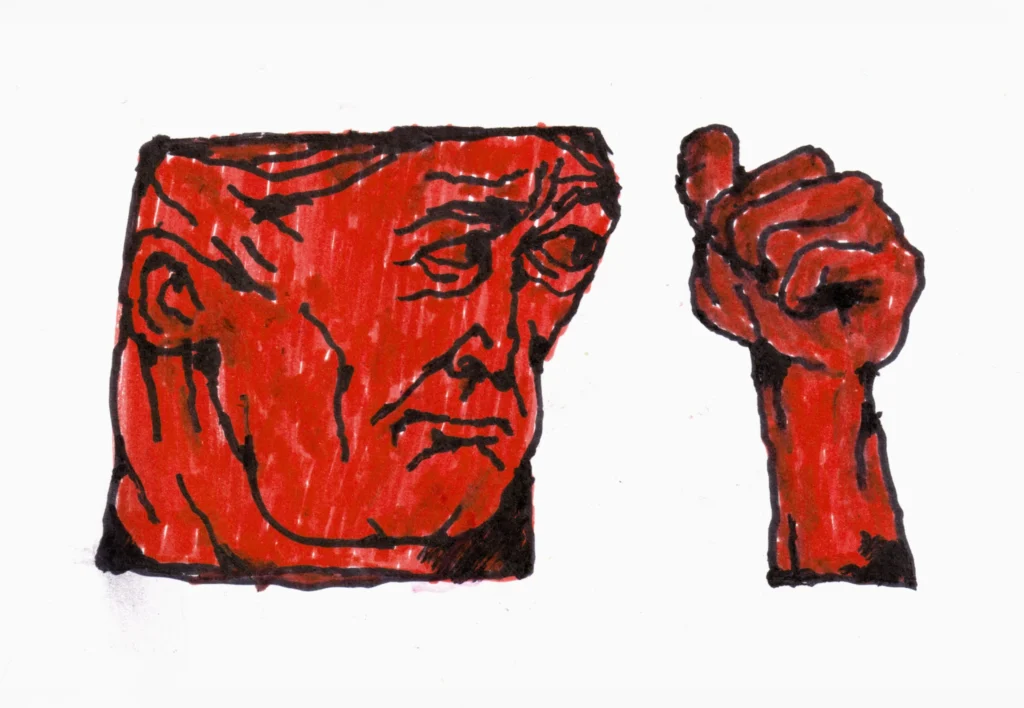
Matthew: Ultimately, the goal of my work is to look at my own relationship to boyhood and masculinity through a vulnerable lens. It’s a practice in exposing and accepting fragility wherever I find it. There’s so much truth and poetry buried in secret little spots, and my work is a practice in surfacing it. I’m just hiding in a bush outside the man factory to see what comes out.
Ok Matthew, now to something totally different. In a parallel universe who would you be? and what would you be doing?
Matthew: Starting 3rd baseman for the Red Sox. We win 3 world series in a 5-year span. I never have to pay for a beer in Boston ever again.
Outside of art, what’s something you’re obsessed with right now, maybe a hobby, a show, or even a food—that keeps you grounded or inspired?
Matthew: I’ve been playing a ton of Marathon with Bones Gilmore (b0nezone) and Ryker Woodward (artist_ryker). I find it funny… My work is about interpersonal boyhood shit, and masculine imagery. And then I’m literally holding angles with a sniper alongside my internet brothers. There’s a drawing in there somewhere.
Can you tell me a story about a time when a connection with someone had a big impact on you?
Matthew: It’s not really a story, but my relationship with Bones Gilmore is really important to me. We’ve been online friends for almost 10 years now, and have witnessed each other grow as artists so much. He’s always inspiring me. Our work will be on display together in our duo show “So… This is Heaven” in Boston on May 1.
What qualities do you find most important in the people you choose to spend time with?
Matthew: Humility and goofiness. I want to laugh and I want to be around people that don’t have a rigid worldview. It’s important to know that you don’t know everything and it feels good to be around people like that.
When you think about the younger version of yourself — the kid making videos online and absorbing all this imagery — what do you think he would recognize immediately in the artist you are now?
Matthew: I’m not sure! I feel very much present in where I’m at now. I don’t spend a lot of time thinking of the past, but I’d hope a younger version of me would feel seen in the drawings I make, at the very least.
Anybody you look up to?
Matthew: All of my peers making art. Specifically… June Gutman is the best doing it. Her work is the blueprint in processing internal brain stuff out onto paper. I’m very grateful for her and her work. In general, I feel so grateful and inspired by the current community of artists in my instagram hemisphere. There’s so much insane stuff I see everyday and it moves me so much.
What motivates you?
Matthew: It’s not a healthy thought, but I always feel if I’m not producing art on a regular basis… then I fell off. There’s some insecurity and fragility behind my output, but I try to channel those feelings into a chip on my shoulder and operate with some swag. At the end of the day, I love drawing so much and the desire to do that informs everything else.
How would you describe a perfect day?
Matthew: Waking up late. Going to a diner and eating a big breakfast. Taking a walk with my girlfriend. Drawing. Watching the Red Sox. Wrapping it all up with some online games with my Roundtable compatriots.
Alright Matthew, I always ask these two questions at the end of an interview. The first is. What’s your favorite movie(s) and why?
Matthew: I don’t know if I have a single favorite. The first thing that came to mind is Napoleon Dynamite. That came out when I was 8, so it was a really ripe moment for me to be influenced by it. It’s so beautiful and the pace is amazing. The drawings in that film are so insane and inform the kind of imagery I want to make to this day. Kill Bill is really up there for me as well. That movie drips style.
The second is. What song(s) are you currently listening to the most right now?
Matthew: Alex G… forever. I listen to him every single day. And a lot of Niontay as well. I think Niontay is the best rapper alive right now.