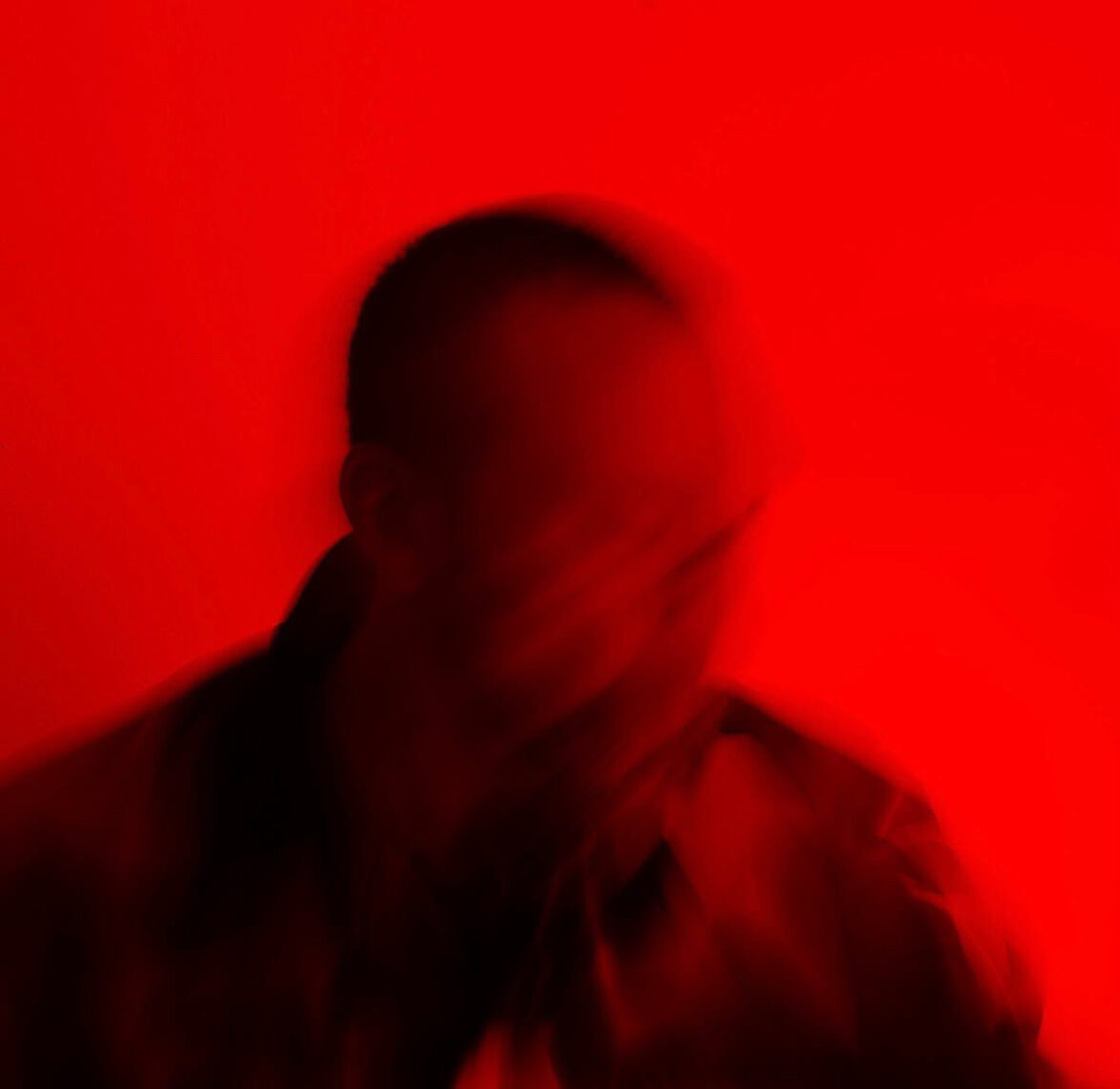
Matthew Zaremba is a Boston-born multidisciplinary artist whose practice spans illustration, painting, collage, music, and creative direction. Known for his distinctive minimalist drawings, Zaremba explores the complexities of the human condition, touching on themes of love, loss, anxiety, vulnerability, and the contradictions of everyday life.
Growing up immersed in music, graffiti, and skateboarding, his creative journey took a deeply personal turn following the death of his father in 2011. What began as a way of processing grief gradually evolved into a recognisable visual language that resonates with audiences far beyond his own experiences.
We caught up with Zaremba to discuss his artistic journey, the relationship between creativity and vulnerability, the influence of street culture, and finding meaning in an increasingly digital world.
Hi Matthew! It’s a pleasure to sit down with you! First question that I always ask. How does a regular day look like for you in New England?
Matthew: A typical day is centered around a few key priorities – My family, my well being, my art, and my career. At my age and stage of life with young kids, ensuring they have the healthiest most balanced life is paramount to my wife and I. That’s everything. During the week it’s school, work, and a good amount of activities for them, so being as present as possible and keeping things running smoothly is my priority. I always find time to work on my creative endeavors, even if that means late at night once everyone has wound down for the evening.
That’s sort of my personal time to re-center and tap into my imagination. It’s also a really good way to process the day and all of the hours spent, well, living! Weekends allow more time for exploration and little adventures, or more involved creative endeavors. I’d say being in nature with as much outdoor time as possible is pretty much a constant for us, and living on the coast is something I’m grateful for everyday. We live in a beautiful part of America and having access to so many great natural resources and areas in New England is certainly a privilege I don’t take for granted.
I’m curious, growing up in Boston, what was life like there? And what kind of kid were you? What did you enjoy doing?
Matthew: We lived in metro Boston until I was in middle school. My older brother and I were latchkey kids so we had a lot of time to ourselves every day before my parents came home from work. He introduced me to essentially everything that influenced the things I became deeply involved in culturally and creatively – From skateboarding to music to graffiti to art making. These things were my intro to self expression, and we both sort of took our own paths of interpreting what that means through different mediums and styles.
We had a unique childhood not only because of the freedom we had but also the interests of my parents, especially my dad who was an avid outdoorsman. Though we lived in the city during those formative years, we spent the weekends and summers camping and whitewater canoeing the waterways of the Northeast. There was a lot of time spent isolated in the wilderness with just my family, so my brother and I have always been close, not only because of our relation and shared interests, but also because we were quite literally at times only had eachother to hang out with.
Your father was a blues musician, your mother a writer, and your brother Nick is also an artist. Was pursuing a creative life something that felt natural to you from an early age, or was there a particular moment when you realized it was what you wanted to do?
Matthew: At a young age, it was clear my brother was a natural visual artist. I didn’t really have those tangible skills that he had when I was little. I also never really saw my family as creative because I guess it was so intertwined with everything we did, including our unique lifestyle. As I got a little older I think I became aware of the way I perceived the world and processed reality, and how that may have been different than other kids around me.
Again, I thought I was just like everyone else, but over time some of those thoughts or ways of expressing yourself can be seen as different or unique. Not every other kid was making zines of poetry or building a music studio in their bedroom afterall. This became especially apparent when we moved to the suburbs, where we found it difficult to find other skateboarders, nevermind people who were into graffiti or producing beats! So by a certain age I think I became quite aware that I was at least different – I don’t think I had the vocabulary at the time to really grasp the nuances of the idea of being an “artist”… But I knew that creativity and creative expression was something that was sort of something I couldn’t control and would seep out at all times… Partially as a form of escapism from aspects of my life and partially as a way to communicate.
So when did you start taking being an artist seriously?
Matthew: I grew up mostly dabbling in different mediums of art. I think I took music and writing the most serious in my teen years and early 20s… But I never really stuck with visual arts in a consistent way that I was able to build a body of work. After my dad died and some time passed where I continued to have trouble processing his tragic death, I began what was essentially, in hindsight, a visual journaling process. By writing down my thoughts and feelings and trying to accompany them with concise minimalist illustrations, I was able to better understand my inner world. This gave me a little more control over the invisible mechanics that influenced my thoughts, emotions, behaviors, and actions. Over time, this process became more refined and consistent until I had seemingly started creating a body of cohesive and recognizable work that ultimately started to resonate with others due to the often universal themes I was illustrating.
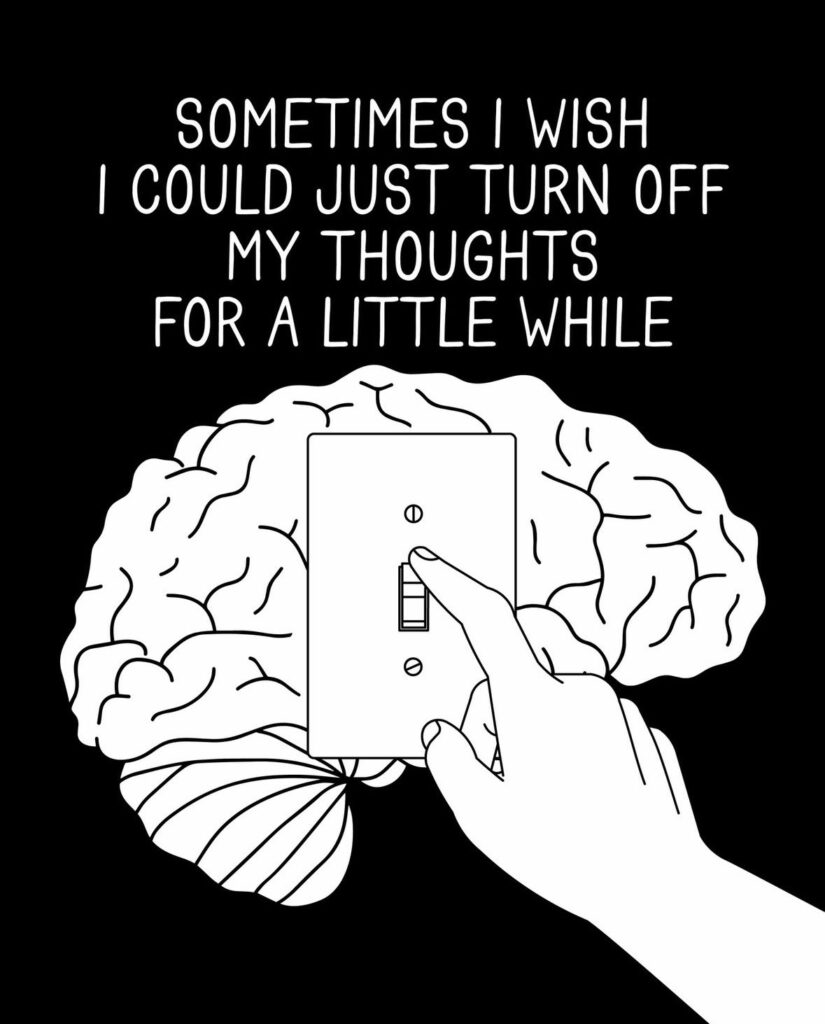
You’ve explored so many different creative disciplines throughout your life, from graffiti and music production to illustration, collage, and painting. What is it about moving between different mediums that keeps you creatively stimulated?
Matthew: For me, it’s always been less about the medium and more about the process. I think some people set aside time to create, or have an intention of creating something specific. Of course I have to juggle so much these days I also have to plan to a degree… But for my brother and I, it has always been a very primal thing to make art. If there were no social media, no galleries, no audience, we would still be making art.
It’s cathartic, it’s a means of communication, it’s a way of understanding self and our place in the world, and it’s a way to address the things inside ourselves. So the medium, the endeavor, the final piece is really just a remnant of that act of self expression. The thruline is all of the rest of it. And those things are hard to contain, or restrain within the parameters of someting like a specific medium. Some things lend themselves better to a music composition, and others to a photograph, or a painting, or a collage, or an illustraion, or a poem spraypainted in a forgotten place. As I get older, one of the traits I really love to embrace is curiosity… I think I’ve always been very curious and so the exploration of different vehicles of creative expression is just a natural extension of that.
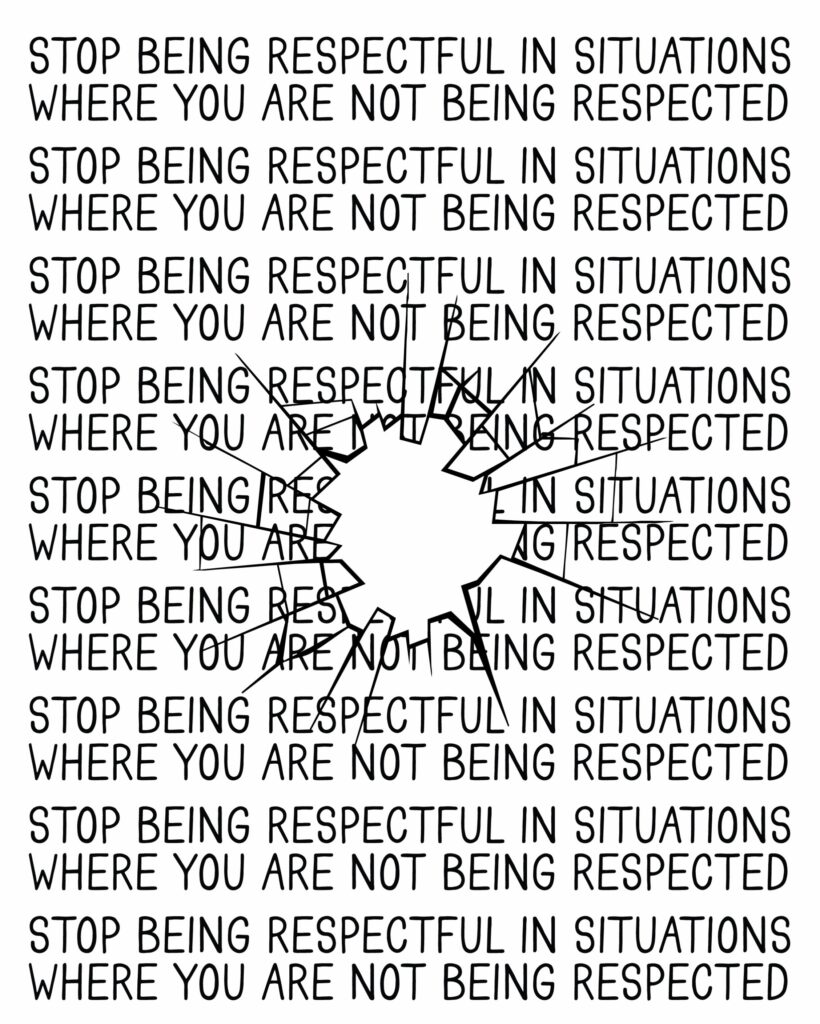
Your illustrations have a very distinctive visual language. They’re often incredibly simple, yet they manage to communicate complicated emotions and psychological experiences. How did you develop this particular style, and was the simplicity something you consciously pursued?
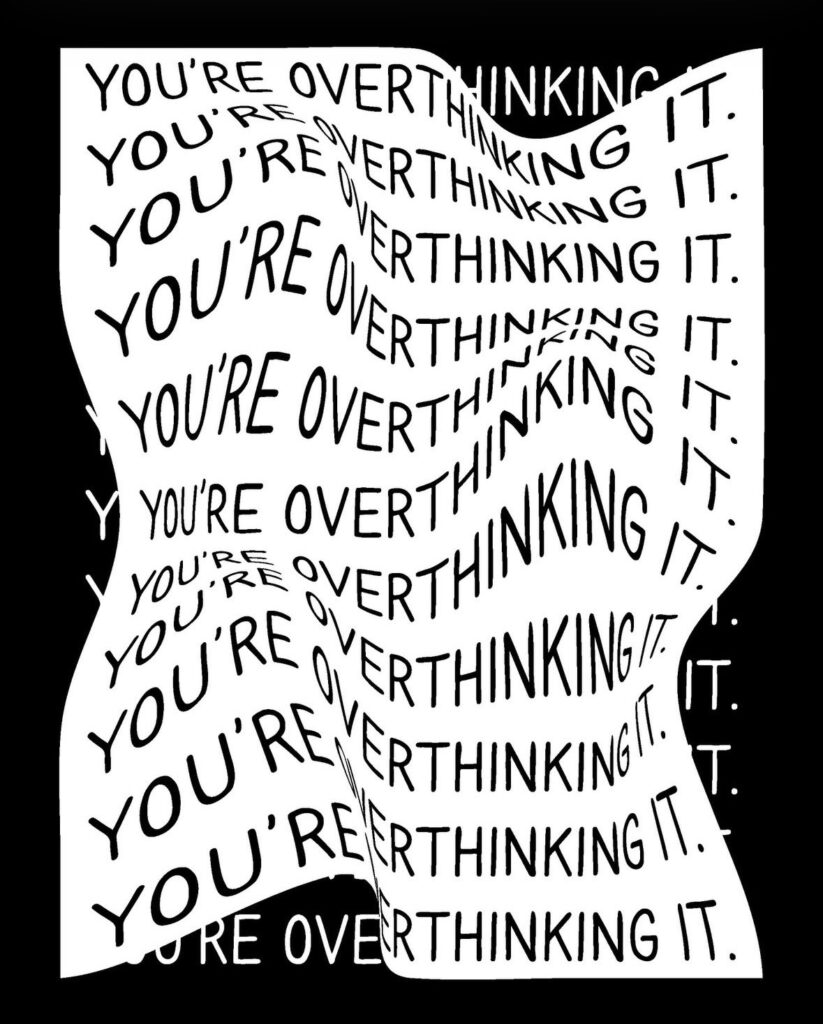
Matthew: I never saw myself as an illustrator, but more as a designer. I love iconography and the ways things can be communicated in really simplified ways. We all know that a green light means go. We all know that a circle with a diagonal line through it means no. These are basically utilitarian ways of communication, and so the idea of trying to convey much more complicated thoughts and emotions like grief became fascinating to me and came naturally. It’s almost like a designer’s tactical approach to something that is very human. So the idea was always to be very minimalist, because it was always about the idea, or message, or substance, and not about the aesthetic being something robust per se.
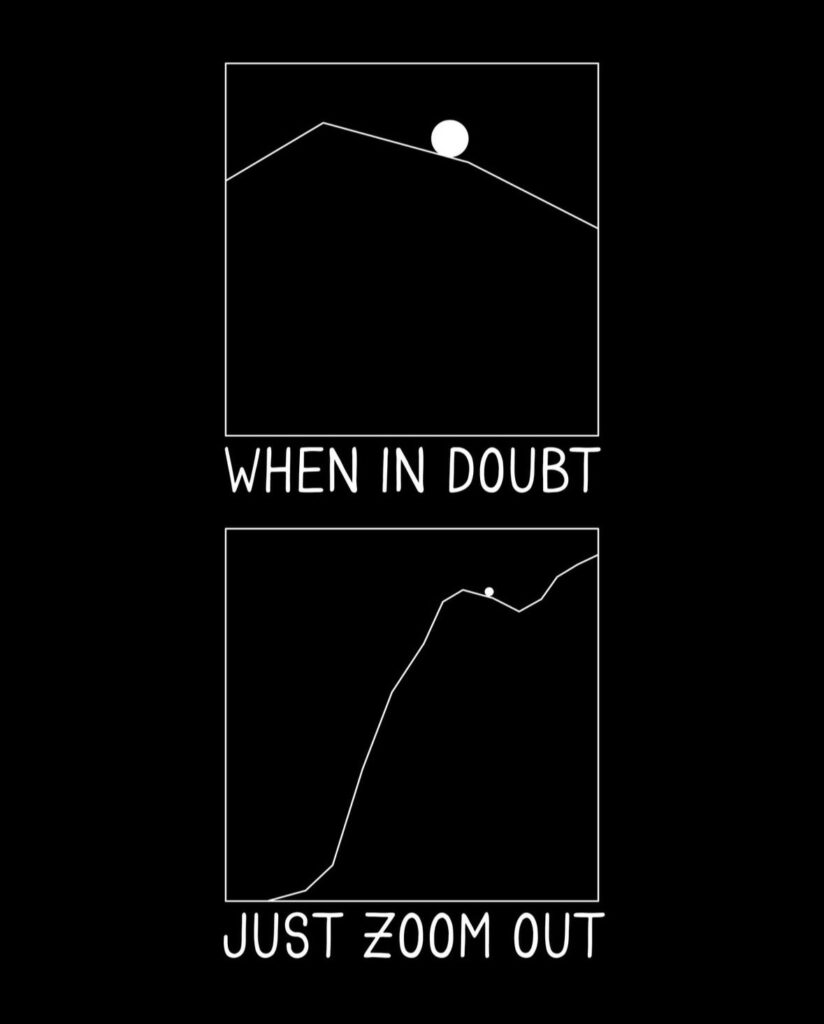
Much of your work explores relationships, communication, anxiety, and the contradictions of human behaviour. What fascinates you most about the human condition, and why do you think we sometimes struggle so much with simply being human?
Matthew: I think I’ve always struggled with the volume and speed of my thoughts. There’s this invisible world within that you can’t see, but you can feel and are influenced by in every aspect of your life for better or worse. We are so complicated and yet we tend to reduce one another and our world into buckets, binaries, and generalizations. When we peel away layers of what makes every one of us human, you start to see the granular aspects of our own realities that make us tick. It seems like it’s almost impossible to be alive, full stop. That to me is fascinating. What we all carry… What we all contain within ourselves and what of that we share with one another… What we hide… What we dream… What we leave behind as a legacy.
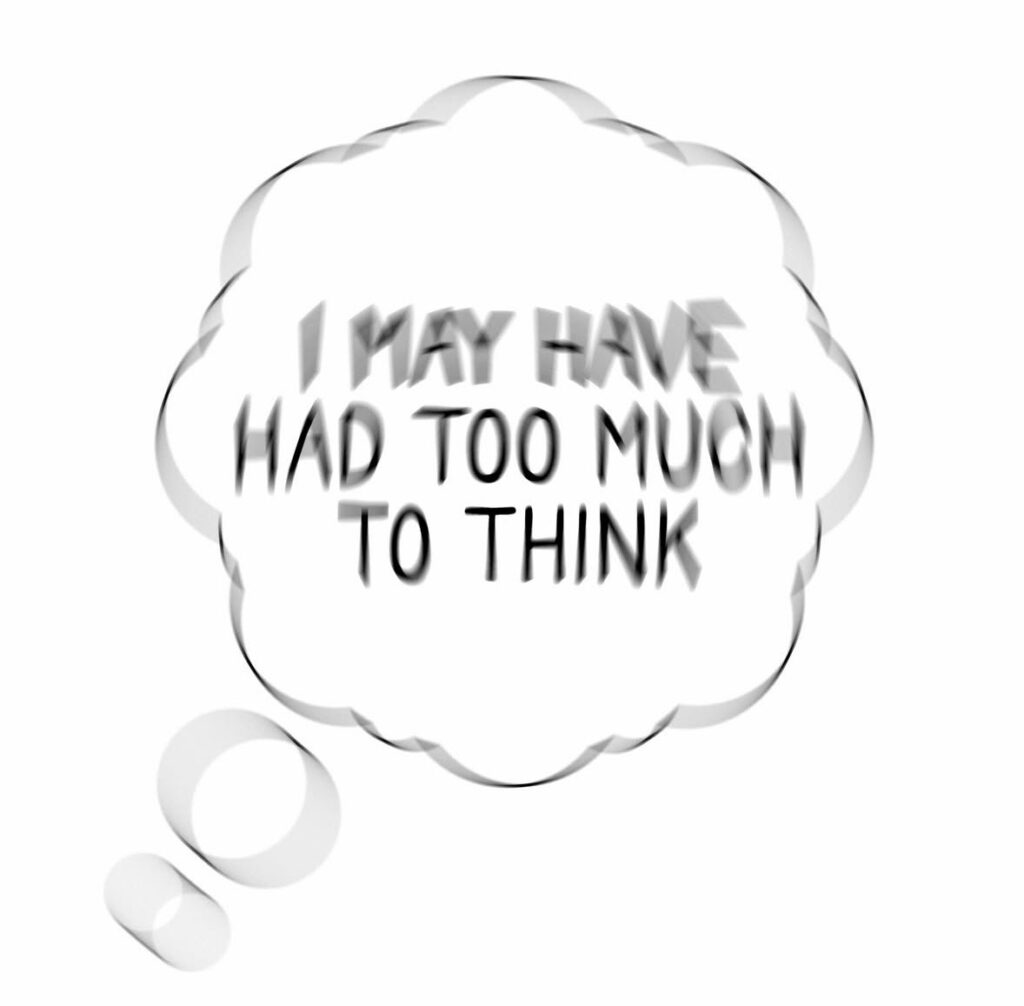
There’s often a beautiful balance between humor and melancholy in your illustrations. Do you see humor as a way of making difficult emotions easier to confront, or does it simply reflect how you experience life?
Matthew: There’s that Walt Whitman line, “I contain multitudes”… We are all so complex in our own ways and emotions are dynamic. I can feel both humor and melancholy in the same hour, like anyone else. I have big feelings. So I find a lot of humor in things, and a lot of pain in things as well. Sometimes they somehow go hand in hand. But generally, for me, humor can often be associated with the absurdity of the things that can also cause pain.
What began as something deeply personal eventually resonated with thousands of people who recognised their own emotions in your work. Were you surprised by how strongly people connected with those drawings? And has that connection changed the way you approach your art?
Matthew: The part I was surprised by was the reaction in general. I don’t remember when I started putting this work out there like I do other creative projects, but I became aware of the response that was much more direct than those other projects. It makes sense since the subject matter is so human and also often touches on things in our shared reality. Most people just want to feel less alone in this life. That’s why we gravitate towards shared experiences, whether that is art, music, or even sports. When a song, or an illustration for example speaks on something that feels so personal at the time, it validates someone’s feelings. It’s a wonderful thing to feel seen, even in an indirect way. That is incredibly powerful and I experience that myself through the work of others all of the time. I feel honored that the things I make can do that for someone else.
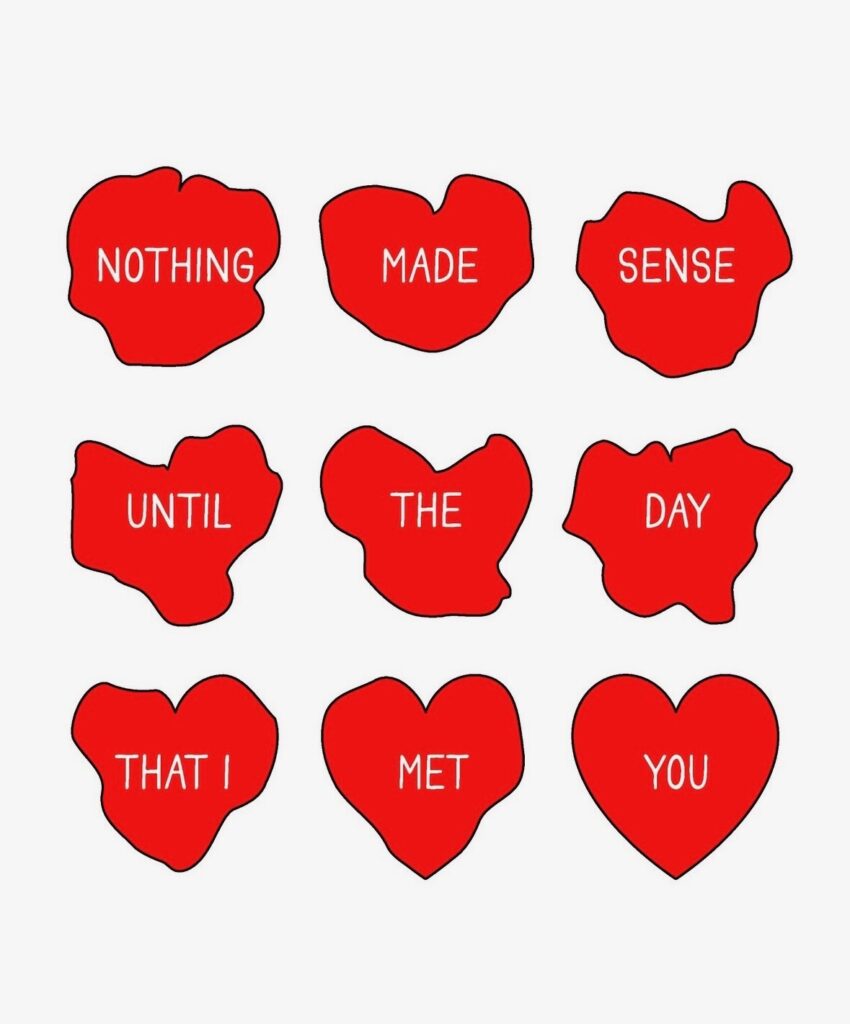
Being emotionally vulnerable, especially in public, isn’t always easy. Have you ever found yourself holding back from expressing something in your work because it felt too personal, or do you believe that complete honesty is essential to what you do?
Matthew: I think my illustrations are vague enough in their direct reference to feel comfortable for me, but generally I am very open. It’s a form of communication for me afterall, and I’ve never really known how to not be that way. When art is derived from such a personal place in your life, there is never a lack of material… So if anything, I just haven’t touched on more substantial pieces of my personal history or reality yet, but I’m not afraid to.
Do you think art has the ability to genuinely heal us, or is its greatest strength simply helping us understand and live with the things we cannot change?
Matthew: l genuinely believe art, in all its forms, can quite literally heal, on an individual level and even a societal level. This is part of what seperates us from other species and technology. The way we interpret, process, and express ourselves. At the most root level, it is a way to understand our inner and outer world and that can be so cathartic and empowering. I never saw myself as an artist as a kid, I thought I was just “different”… Now I see art as vital to our world at large, and the responsibility of artists to be beacons of change and forward-thinking.
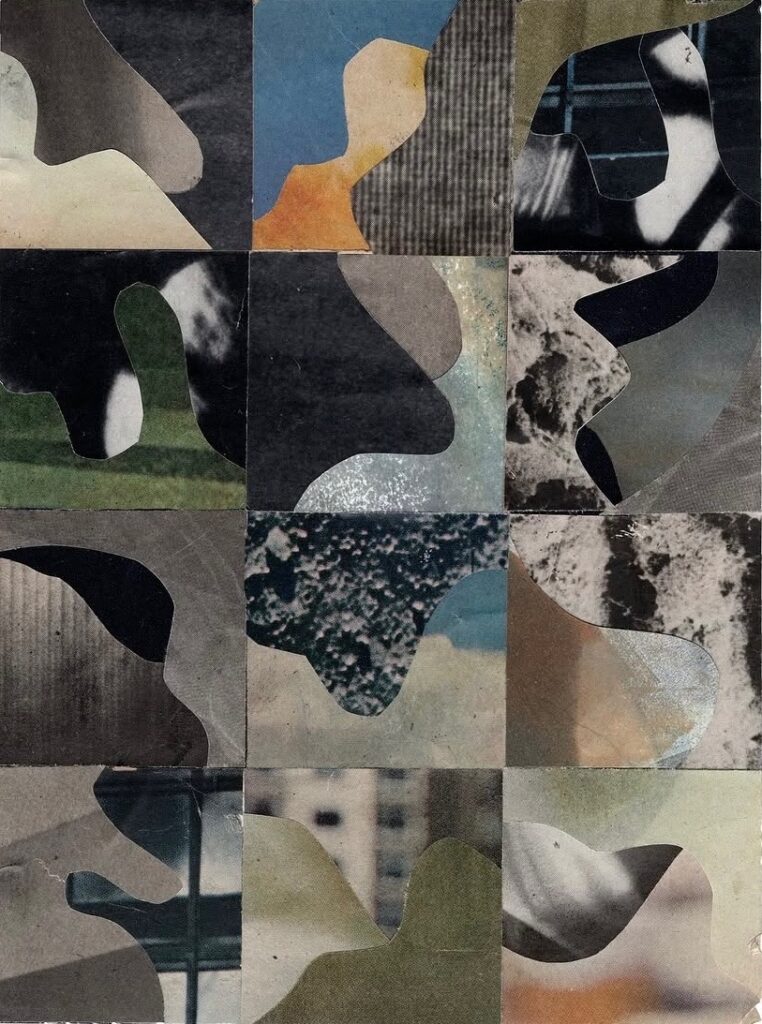
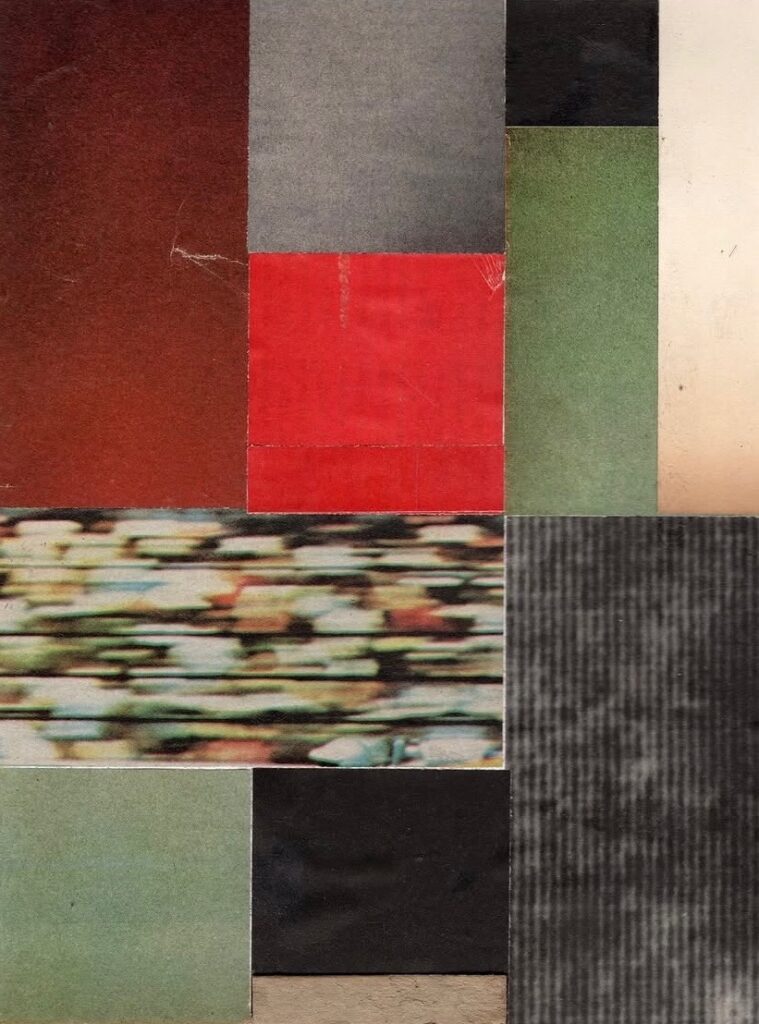
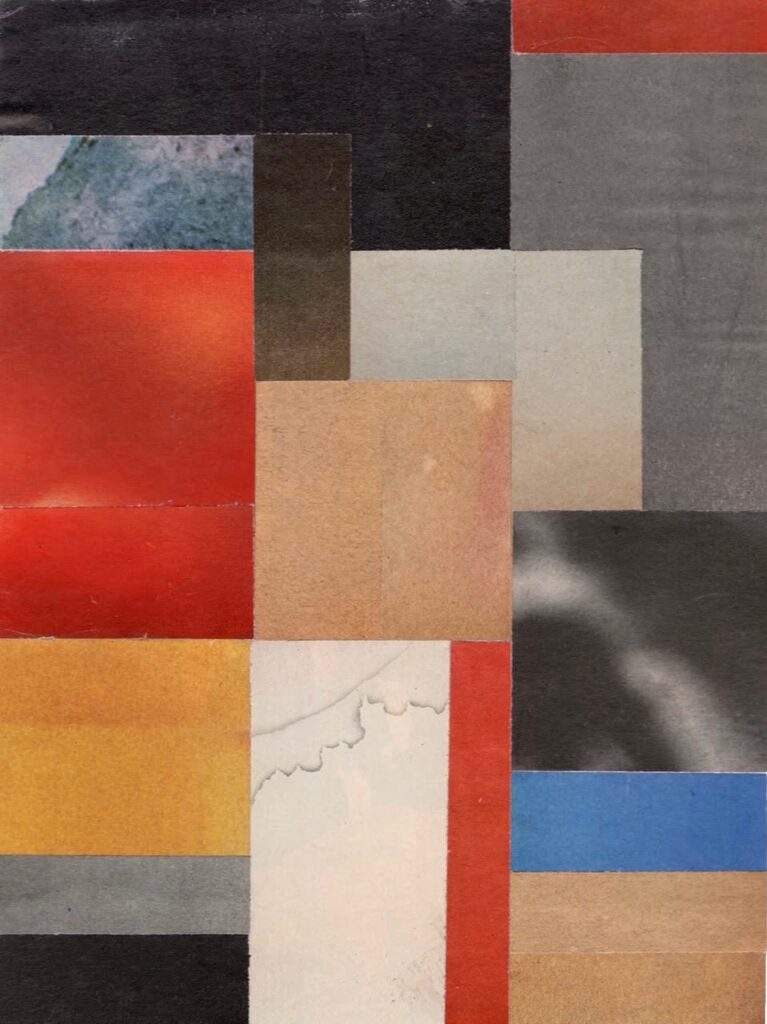
Your collage work feels quite different from your illustrations, yet there’s a similar appreciation for simplicity and subtle details. What originally drew you towards collage, and what does working with physical materials offer you that drawing doesn’t?
Matthew: I love restraint in creativity. Less is more to me and it forces you to think and work with what you have. Collage was a way to sample, much like my days of producing music, and rearrange something tangible to form a new vision. I really enjoy dissecting materials and reworking them. It’s sort of a puzzle and a little more open to interpretation than say an illustration. The focus for me is on color and form and composition, and less about trying to communicate a specific thought or feeling. Collage also allows me to work with my hands, where I’m touching materials as opposed to being on a screen or seperated from a surface like when holkding a brush or spraypainting a wall or making a photograoh of something I am seeing.
You’ve mentioned being particularly interested in old book pages, water stains, imperfections, and materials that carry traces of time. What is it about these overlooked details that appeals to you?
Matthew: The passage of time is certainly a thruline in all of my creative work, regardless of the medium. These materials carry that in a very physical way. It also reminds me of some of the forgotten places we used to explore where walls began to erode and metal rusted. It’s all time and memory and the echoes of what once was.
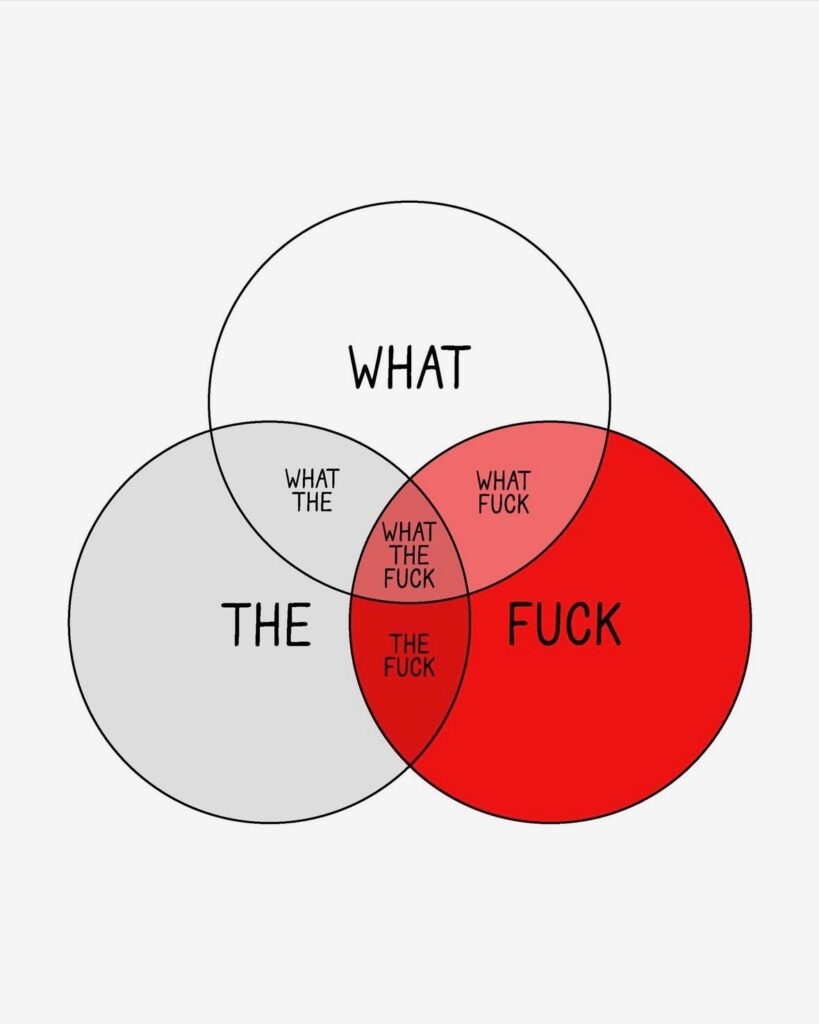
You’ve developed a recognizable artistic identity through your illustrations, but your interests extend far beyond that particular style. Do you ever feel that being known for one type of work can become creatively restrictive?
Matthew: I do find it restrictive at times, but I’m also grateful that people took an interest in it. Unfortunately a vast majority of artists never receive the recognition they deserve, so I’m fortunate. But it does make it difficult to turn someone on to something different than you’re working on because chances are, they are there for that one thing and it will be more difficult for them to grasp something else whetehr that’s aesthetically or based on subject matter, etc. People who dig enough and can appreciate an artist’s oeuvre of work will be able to recognize the thrulines and see for themselves that different work or mediums are merely part of a bigger story, and will ultimately come to appreciuate the full picture. I think those are the people I hope to appeal to, because if they dig enough, they’ll only get more out of it all for themselves as well.
Alongside your artistic practice, you’ve built an extensive career in creative direction and marketing, working with brands such as Nike, New Balance, Vans, and Bodega. How do you navigate the relationship between personal artistic expression and the commercial demands of the creative industries?
Matthew: I keep my personal creative work and professional career very seperate. My creativity, ideas, and perspective certainly inform my professional skillset and experience, but they serve two very different purposes in my life. I’ve been lucky to have a lot of crossover to where I am able to have a career that feels like an extension of my creative interests rather than something that feels like being forced to work for someone else’s vision.
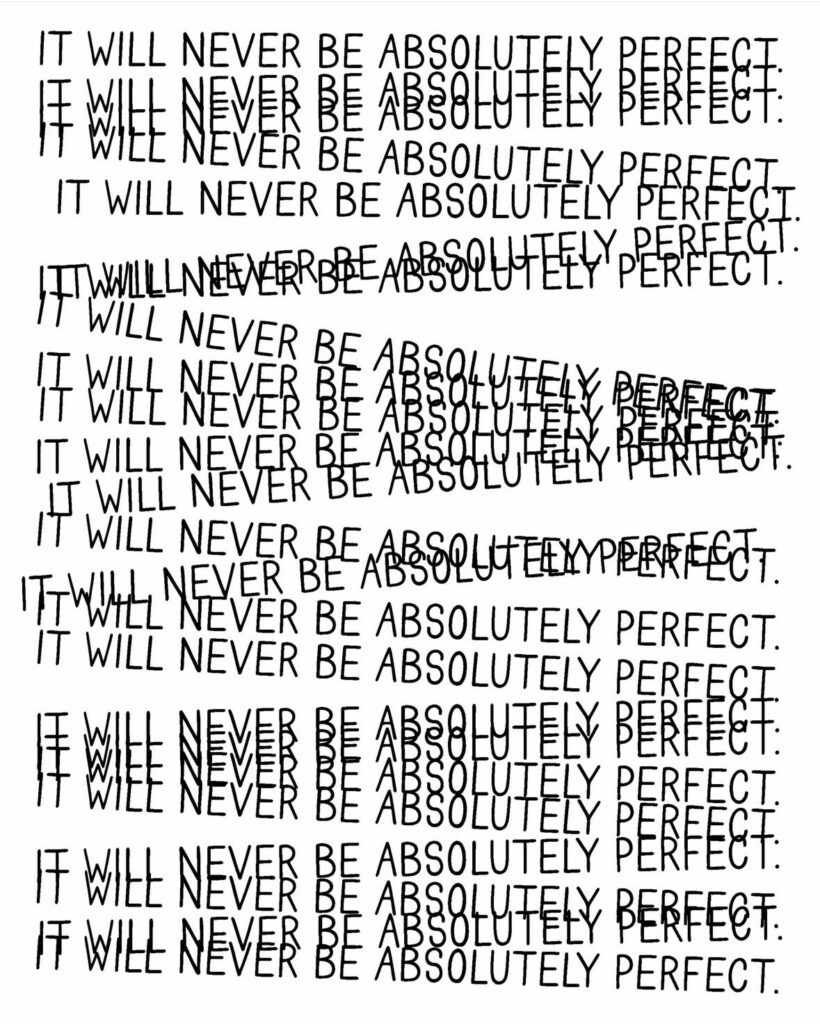
Having spent so many years immersed in streetwear, music, and visual culture, how do you feel these worlds have changed? Do you think contemporary culture still encourages genuine creativity and individuality, or has everything become a little too focused on visibility and commercial success?
Matthew: I guess I’m always shocked that an industry like streetwear was formed and built around the things we all did as an escape from the mainstream, and are now mainstream. It can be disappointing to see how much has been packaged up and marketed to those who are not living the lifestyle being portrayed, and everything becoming a consumable project, but that’s the world in this day and age.
I try to find a healthy balance between upholding my own personal principles and ideals and also being realistic enough to know that all things change. I don’t want to resist change or invalidate someone else’s perspective, so I sort of call it what it is and keep it moving. One really promising sign I’m seeing, and especially in regards to the proliferation of AI, is more emphasis on the human touch and organic creativity. It’s nice that a younger generation is valuing these things and advocating for change in a way that is sort of radical for these times. I can’t say what the future holds, but I do have hope in the youth.
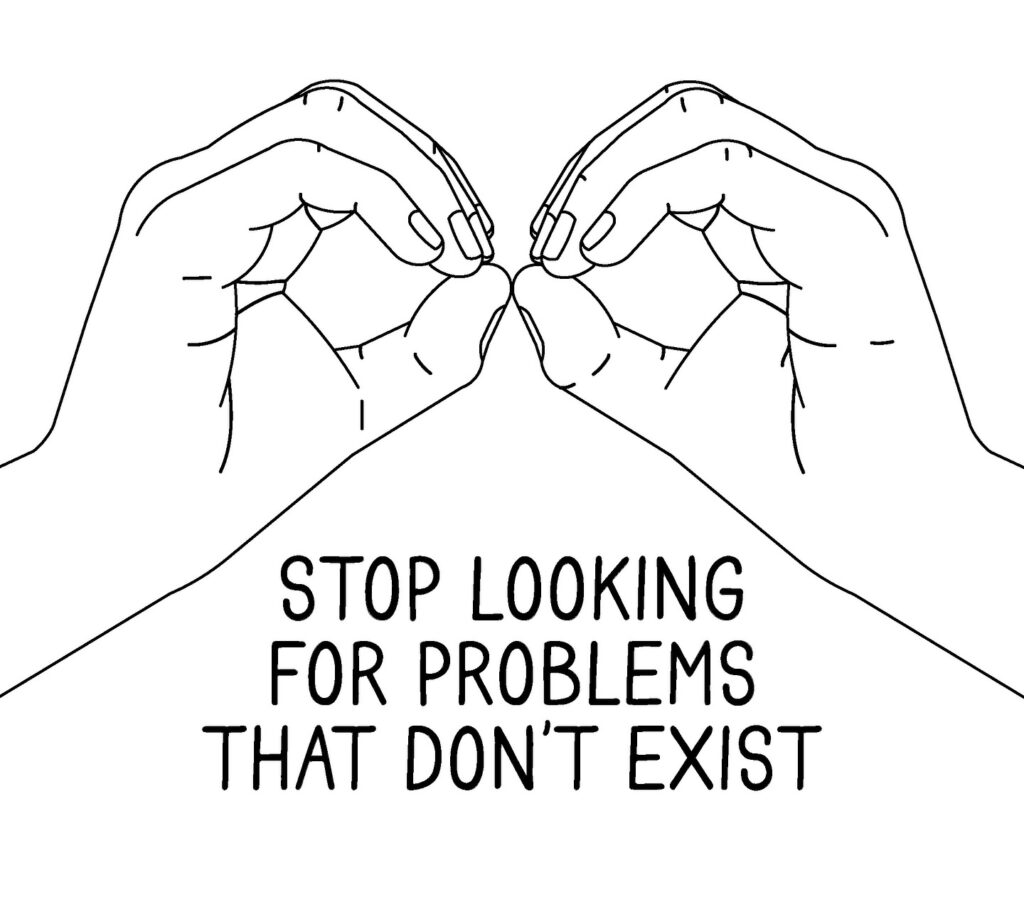
In a previous interview, you mentioned that you and your brother would continue making art even if there were no platforms to share it on. In an age where social media has become so intertwined with artistic careers, how important is it to maintain a creative practice that exists independently of an audience?
Matthew: 75% of the things I make never see the light of day. I believe in a healthy practive of experimentation and exploration. My brother really instilled that in me. He’s never not in a creative headspace and I think that’s what I fnally understood about my family roots… You dont have to necesarilly express yourself through a tangible medium to be an artist. Even the way you live and move through this life can be art. So based on that idea, there’s not really an audience, but how fulfilled you feel in your own existence. I think that can be super empowering.
You’ve previously expressed concerns about our increasing dependence on technology and suggested that people may eventually rediscover the importance of analogue experiences. With artificial intelligence now becoming such a prominent part of the creative world, has your perspective changed at all?
Matthew: I’m not a Luddite but I don’t personally want to utilize AI to create art or express myself. Other people are making some interesting work utilizing AI as part of their process (or even as their medium) but I am a firm believer in maintaining control over the output. Yes, I use Illustrator for example which is technology, but I physically manipulate every single line… The font is my handwriting. The idea is mine. The output is what I build. To each their own is really the only answer here, but I very much value things that are analog or are the result of a human’s journey from ideation through execution.
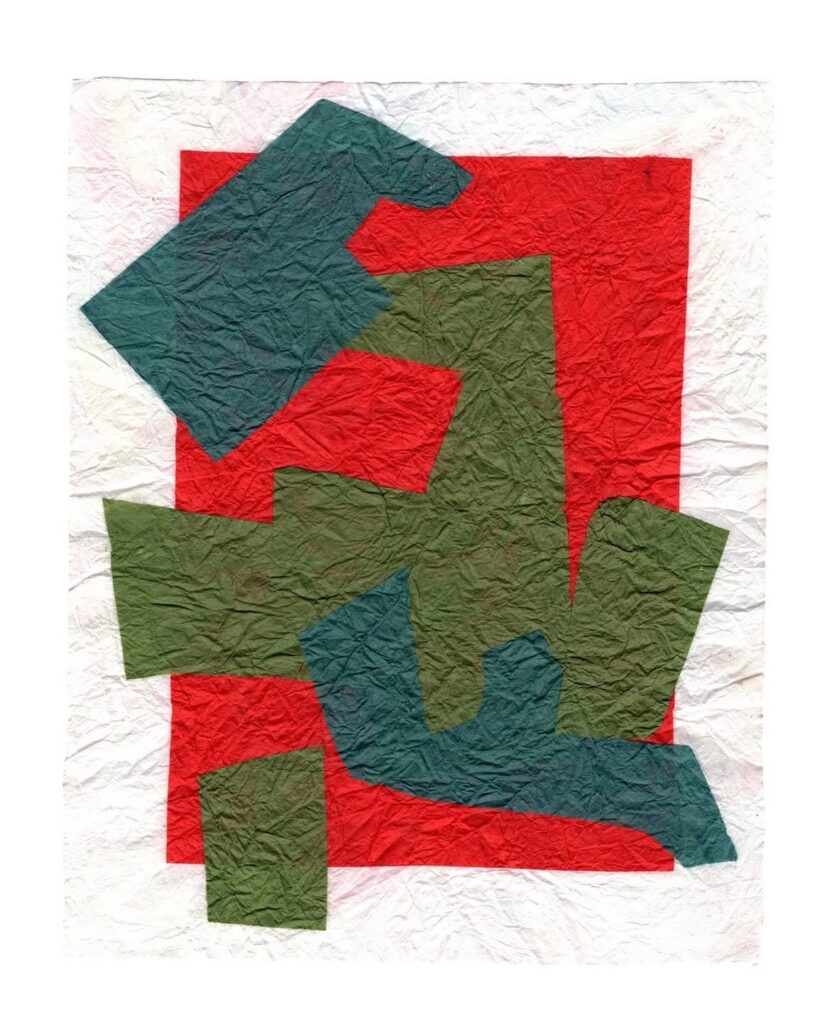
Do you think the constant exposure to images, information, and other people’s lives through social media is changing the way we experience our own emotions, or even our ability to understand ourselves?
Matthew: I do believe that social media and the media in general is in a very toxic state. Echo chambers, algorithms, retargeting… There is no mono culture anymore, for better or worse. We all exist in our own personal timeline and so we are losing communal experiences, except unfortunately for what are typically traumatic ones. There is a lot of opportunity as well though for people to build new digital worlds and find their people (also for better or worse!), but all in all I think we are in a bad place. I personally try to get offline as much as possible, but it’s easier said than done. This has become a drug almnost everyone is addicted to, and like drugs over time, this is not fun anymore.
You’ve spoken about how becoming a father has made you reflect on your own childhood and appreciate your parents’ influence in new ways. Has fatherhood also changed the subjects you’re drawn to as an artist, or the things you want your work to communicate?
Matthew: It hasn’t changed what I’m interested in as much as it has helped me see the value and wonder in creativity and expression more. The way kids see the world and want to document it is super inspiring and I’ve quite litrally saved all of my kids’ finished art. I’m just trying to nurture that natural instinct in them without adding any pressure, and supporting however they want to express themselves creatively. Art has proven to be an amazing way to communicate for them, and for us to connect of course.
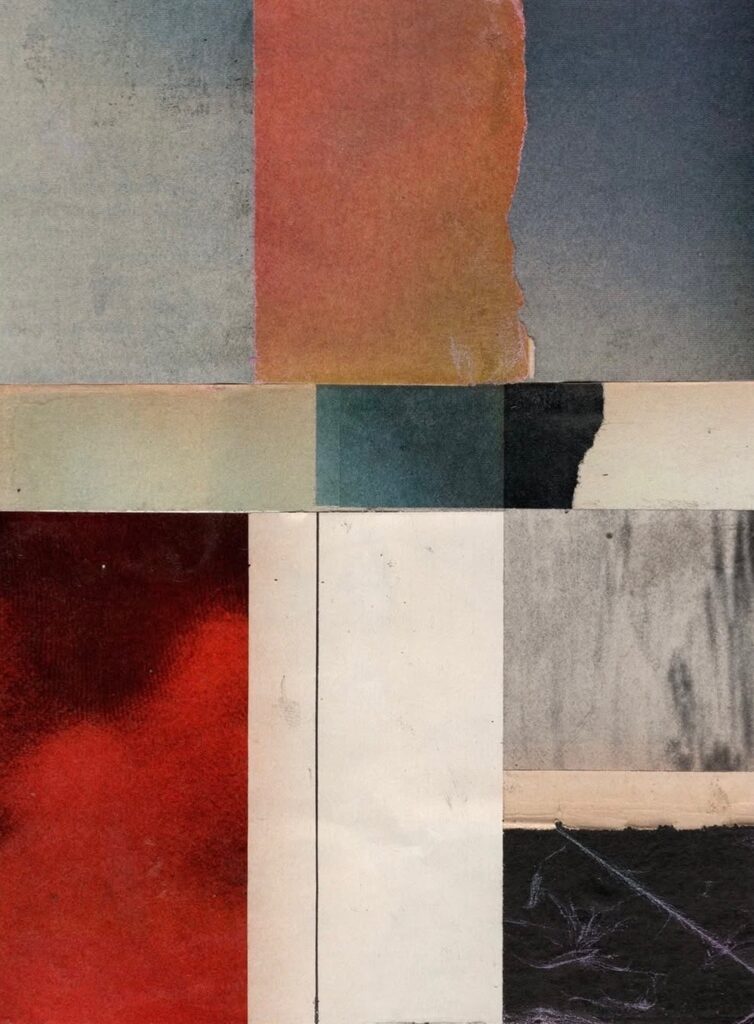
In a previous conversation, you spoke about having more creative ideas than you could realistically find the time to pursue. Does that feeling still follow you? And as you’ve grown older, has your definition of artistic success changed?
Matthew: I have a long list of creative ideas to explore when the mood and time aligns. Honestly it’s not daunting or frustrating even when I can’t chip away at much of it right now while maintaing what I’m already doing. It’s exciting in a way that there’s never a lack of ideas to try and see where it takes me. In regards to success, I always say that my brother and I just wanted to make a skateboard graphic or tee when we were kids. To have all of this combined success is actually sort of wild when I really think of it and I’m just happy my younger self would be blown away. So everything is a bonus. I think success is realy about how fulfilled you feel generally, and if you are content with the choices you’ve made in life. I’m a lucky guy.
Can you also tell me about your use of symbolism?
Matthew: The symbols that repeat are typically asterisk-like stars, ladders, train tracks, path lines, and other motifs related to sort of the great unknown or beyond. Most importantly is the recurrence of envelopes, espercially when accompanied by the words “I have so much to tell you” – That concept is really based on, again, the passage of time and communicating to those no longer here… trying to catch them up on life and all that has happened since they left. It’s one of the cruelest aspects of grief because it’s not rooted in pain, but rather, especially wanting to share the good things with them like marriage, birth, accomplishments, etc. So I tend to draw those envelopes a lot especially publically, sort of as a “I was here, and you are with me in spirit”.
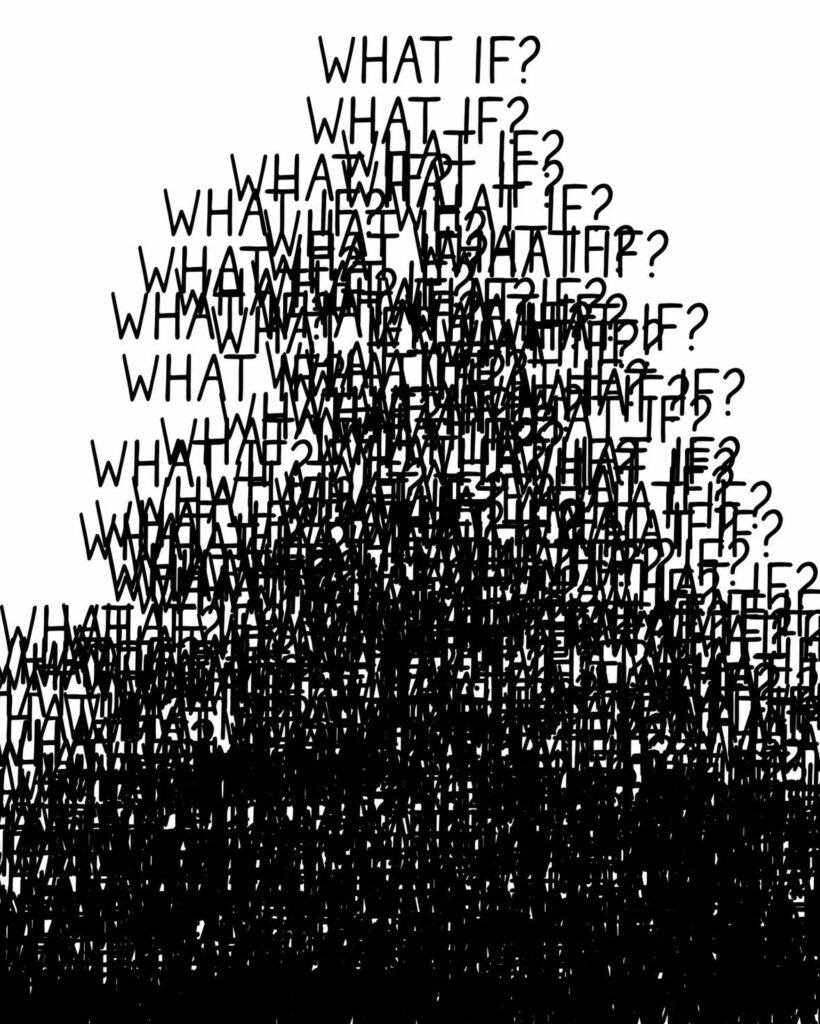
How do you approach color?
Matthew: I keep the colors of the illustrations purposelly limited primarily to black and white and sometimes red (once in a while a grey). It’s for consistency and focusing on the subject. When I explore other mediums, I integrate color for sure, and think color plays an important part in those compositions.
Ok Matthew, now to something totally different. In a parallel universe who would you be? and what would you be doing?
Matthew: I actually have a drawing that says “I wonder if I’m doing better or worse in a parallel universe”. I think about that a lot because I’m fascinate by quantum physics, etc. With that said, I can’t imagine what I’d be doing. Honestly, I hope a lot of the same. I would hope I would be with my wife and kids of course. Maybe my internal world would feel more balanced. Maybe I’d have made some smart investments haha. Maybe I’d live abroad. I think we all carry pieces of our family lineage, so I’d hope at least I’d have retained some of that creative spirit even in that universe. All in all, it’s fun AND terrifying to imagine.
Outside of art, what’s something you’re obsessed with right now, maybe a hobby, a show, or even a food—that keeps you grounded or inspired?
Matthew: I’m always watching shows and films, reading, staying curious. It’s not a hobby or an obsession by any means but I really love beachcombing and looking for interesting objects washed up. I’ve made some assemblages and have incorporated pieces into larger works. I also love rocks and my kids and I collect them whether it’s from the beach or rivers. I always try to think about how I can make something interesting with them but haven’t really figured that out yet aside from some I’ve drawn on or drilled through to make little sculptures.
Can you tell me a story about a time when a connection with someone had a big impact on you?
Matthew: I met my friend Jeremiah Green (co-founder of Modest Mouse) through my art. We became close friends and he was someone I really respected. He had such a unique and creative outlook on life and expressing himself. He was insanely talented in so many ways. When he passed away after a short battle with cancer, it hit me really hard. He had become someone I could talk to about anything and that feels so rare as an adult, especially if it isn’t someone you’ve known forever. But we always said it felt like we knew eachother forever. He was a true friend and I do my best to honor his spirit every day.
What qualities do you find most important in the people you choose to spend time with?
Matthew: Kindness, self awareness, honesty, and sticking to their principles and values.
Anybody you look up to?
Matthew: There are plenty of people I deeply respect for one reason or another. That could be as an example of an excellent parent, a unique thinker, a problem-solver, a talented artist, or simply as someone who shows up for others and asks nothing in return. There’s so much to apprecite in others and be inspired by to be an even better version of self.
What motivates you?
Matthew: Time. It’s real and it’s fleeting and what you leave behind as your legacy says so much. If you get it right, in a way you can live forever.
How would you describe a perfect day?
Matthew: Being alive, with the people I love, enjoying the simple things like nature, laughter, shared experiences, and a full heart.
Alright Matthew, I always ask these two questions at the end of an interview. The first is. What’s your favorite movie(s) and why?
Matthew: Amélie. Incredible story, and great soundtrack. It also reminds me of my relationship and history with my wife. It was the first movie we watched together. There are so many incredible moments in that film that portray the nuances of the human condition. It’s a classic for a reason.
The second is. What song(s) are you currently listening to the most right now?.
Matthew: There is this song called 1959 by Hamilton Leithauser (from The Walkmen) and Rostam (from Vampire Weekend). I have consistently listened to this song probably every week since it was released in 2016. I can’t speak to the true meaning of the song, but what I derive from it is themes of nostalgia, mortality, the complexities of love, and being flawed.