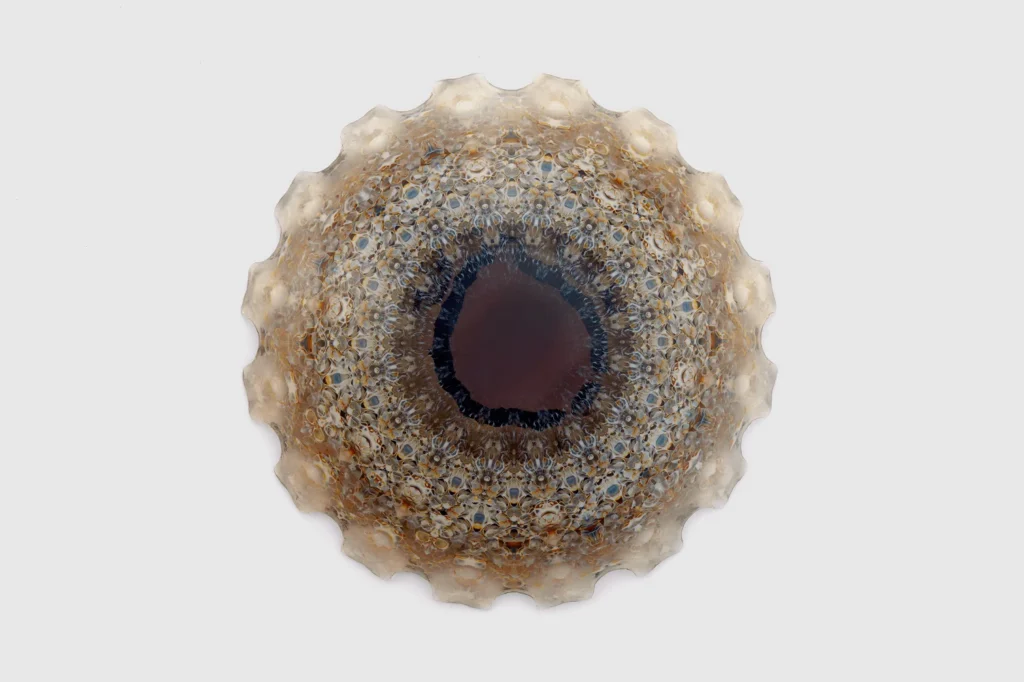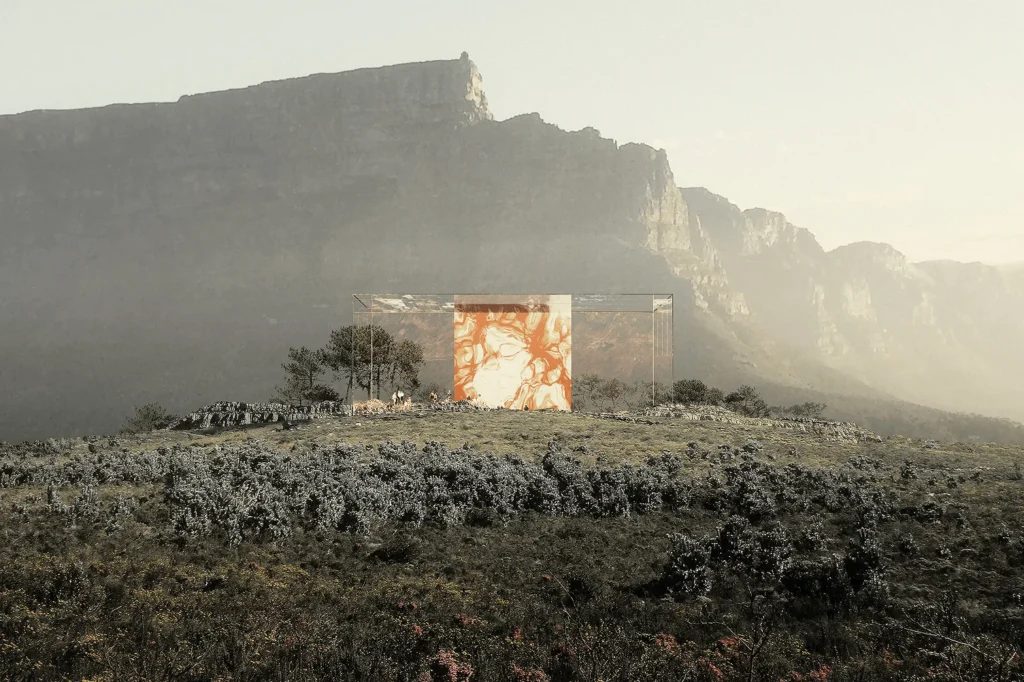
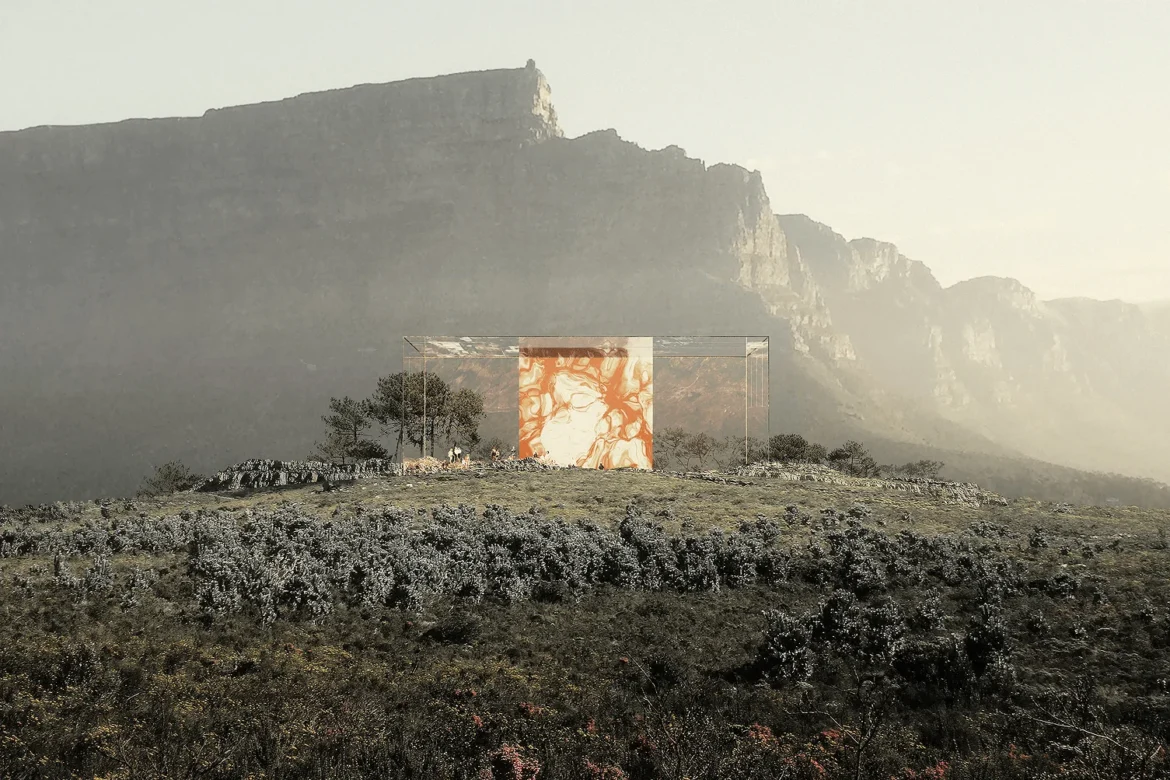
For centuries, industrial design operated on a brutal premise: extraction, consumption, and assembly. We mined the earth, cut down forests, and forced inert raw materials into rigid, synthetic forms. But designer, architect, and former MIT Media Lab pioneer Neri Oxman is staging a quiet revolution—one that replaces mechanical manufacturing with biological growth.
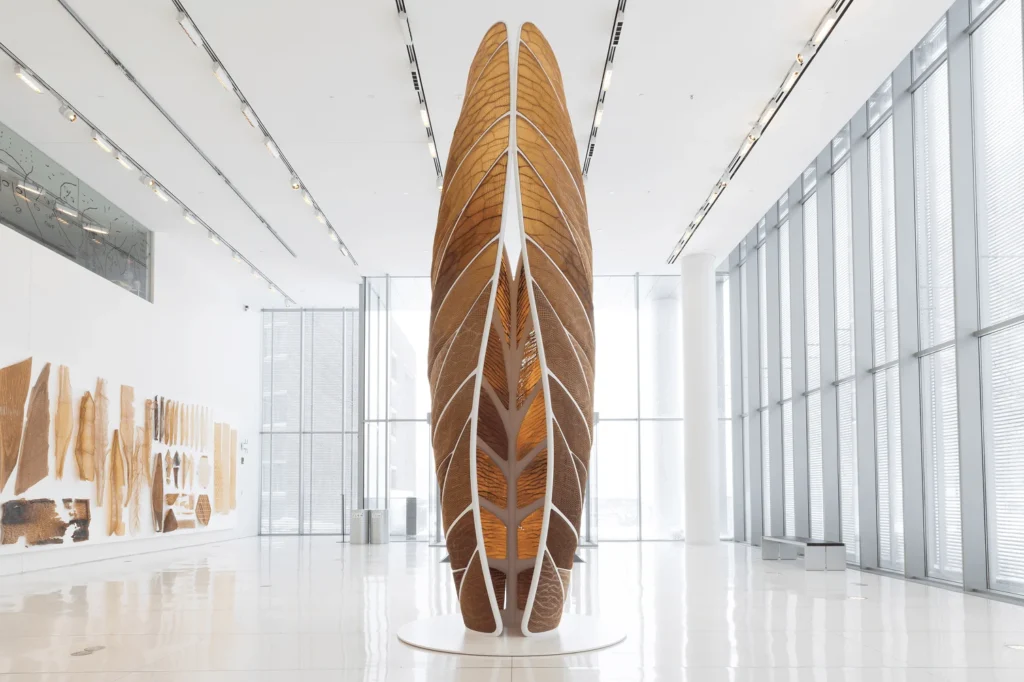
Through her groundbreaking concept of “Material Ecology,” Oxman and her Mediated Matter group merge computational design, digital fabrication, materials science, and synthetic biology. The goal isn’t merely to copy nature—a concept known as biomimicry—but to collaborate with living organisms directly.
Instead of assembling parts, Oxman envisions a world where we literally grow our environments:
- The Silk Pavilion: A soaring structural dome co-created by a robotic arm laying down nylon thread scaffolding, completed by 6,500 live silkworms weaving silk fibers directly along heat and light gradients.Blake Crosley
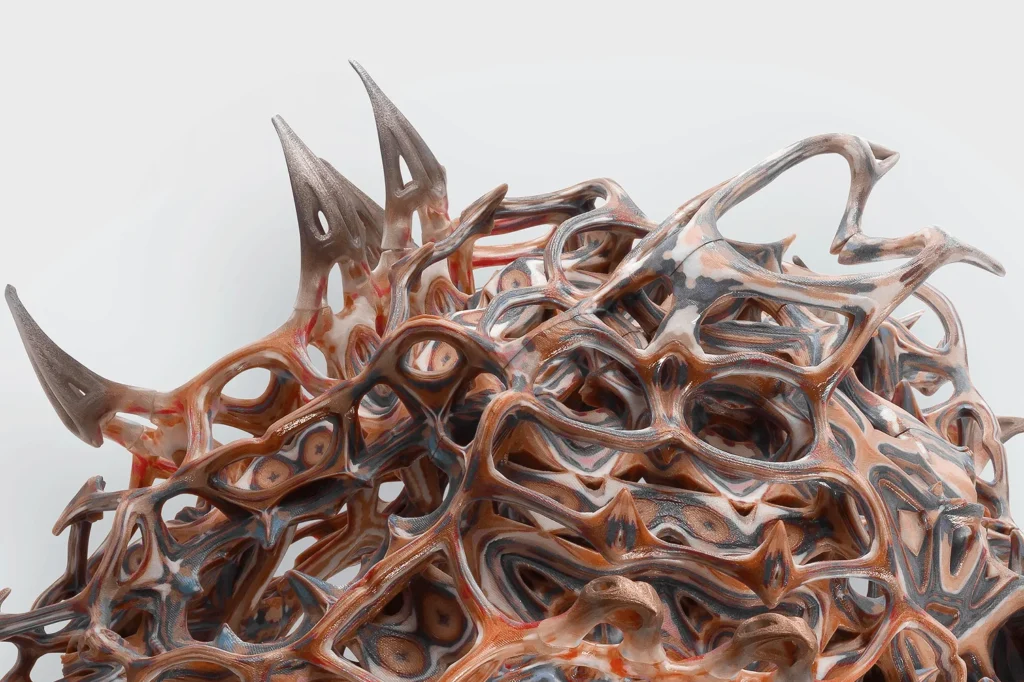
- Aguahoja: A series of bio-based materials derived from shrimp shells, tree bark, and fallen leaves that are 3D-printed into flexible, water-responsive structures designed to decay naturally and fuel new ecological growth.MoMA
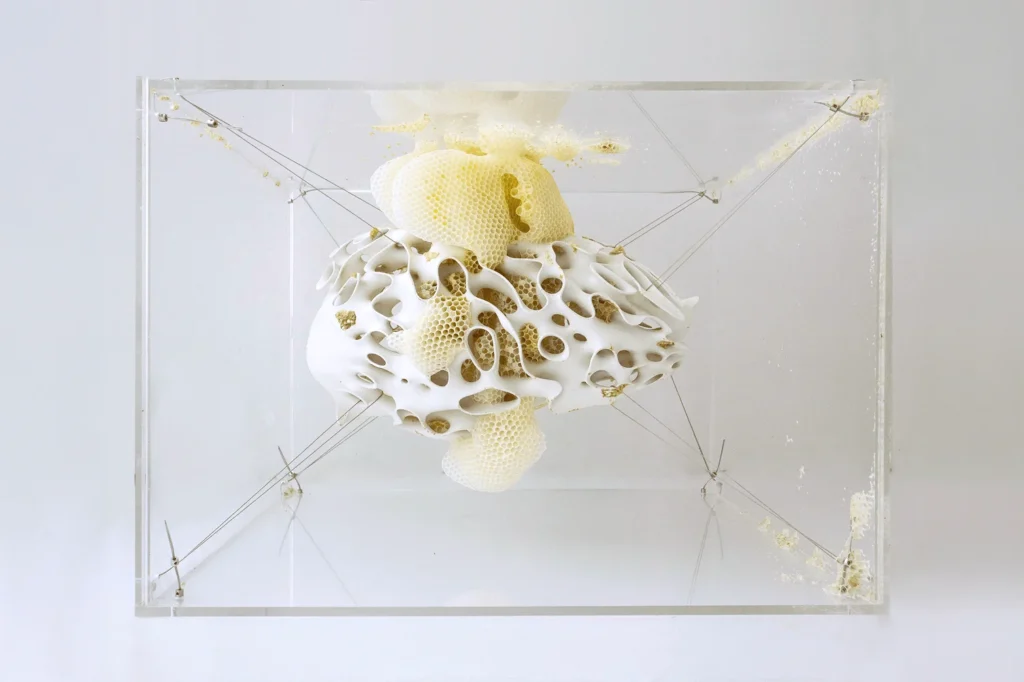
- Synthetic Apiary: A controlled, indoor environment exploring how bees adapt their nest-building to engineered structures, proposing new biological micro-architectures.Wikipedia.
By treating nature as a co-client rather than a resource to exploit, Oxman’s manifesto dissolves the ancient boundary between the built and the grown. In an era facing ecological collapse, her work isn’t just visionary art—it’s an urgent, practical framework for a more symbiotic human future.
For a visual look at how Oxman’s team digitally crafts these living systems, check out Mediated Matter Group’s robotically fabricated structures on YouTube. This video provides a direct, close-up look at how computational design and organic materials intersect in her lab’s real-world fabrication process.