In its mission to identify and consolidate new voices in the art scene, both national and
international, MXM focuses on programming that not only supports emerging talents
but also builds a curatorial approach capable of deeply connecting with an audience
conscious of present-day concerns.
This growth is based on creating collaborative bonds between these new voices of
contemporary thought, giving rise to projects that not only question reality but also have
the power to transform it. Each initiative in the gallery is conceived as an ecosystem
of ideas, where artists and curators, in their role as provocateurs of alternative realities,
interact with a social and cultural context in constant transformation. The gallery thus
becomes a laboratory where works are not static objects but dynamic agents that
actively contribute to the construction of contemporary society.
At this precise moment, in the now, this exhibition emerges as a space for radical
experimentation, where the boundaries between artistic creation, critical thinking, and
social action blur and redefine themselves. Far from being a simple exhibition, this
proposal is configured as a living device, capable of generating knowledge, reflection,
and new forms of interaction.
Victoria Rivers, curator and creator of this project, joins MXM in a collaboration that
emerges from the synergy of her vision of contemporary art and its intrinsic relationship
with life itself.
Sylvia Plath wrote «The Bell Jar» during a particularly difficult period in her life, marked
by the struggle with social expectations about women’s roles, depression, a marital
crisis, lack of financial resources, and motherhood. The novel was born as a way to
process these experiences, becoming a triumph of creation over the pre-established. It
reflects both her personal battle with mental illness and her professional challenges in a
society that did not understand her pain.
Today, beyond its literary value, «The Bell Jar» is a feminist bastion, a story in which
the social and human transcend established limits. This curatorship is inspired by that
same impulse: how adversity transforms creation and leads us to inhabit both space
and society in new ways.
The project explores the intersection between artistic creation and the act of inhabiting
social roles, showing how artists, when faced with challenges, not only create but also
redefine the environments they occupy. Art becomes a vehicle to resist, adapt, and
reinvent our existence, transgressing limits, conquering new territories, and leaving a
mark on the social fabric. In this process, adversity transforms into an impulse that
reconfigures our way of perceiving and inhabiting the world.
The force of change emerges in the collective, and it is in shared creation where we are capable of transforming it.
VICTORIA RIVERS – Curator
Victoria Rios is an independent art curator and writer dedicated to exploring the
boundaries of contemporary creation, contributing to critical and transformative
thought.
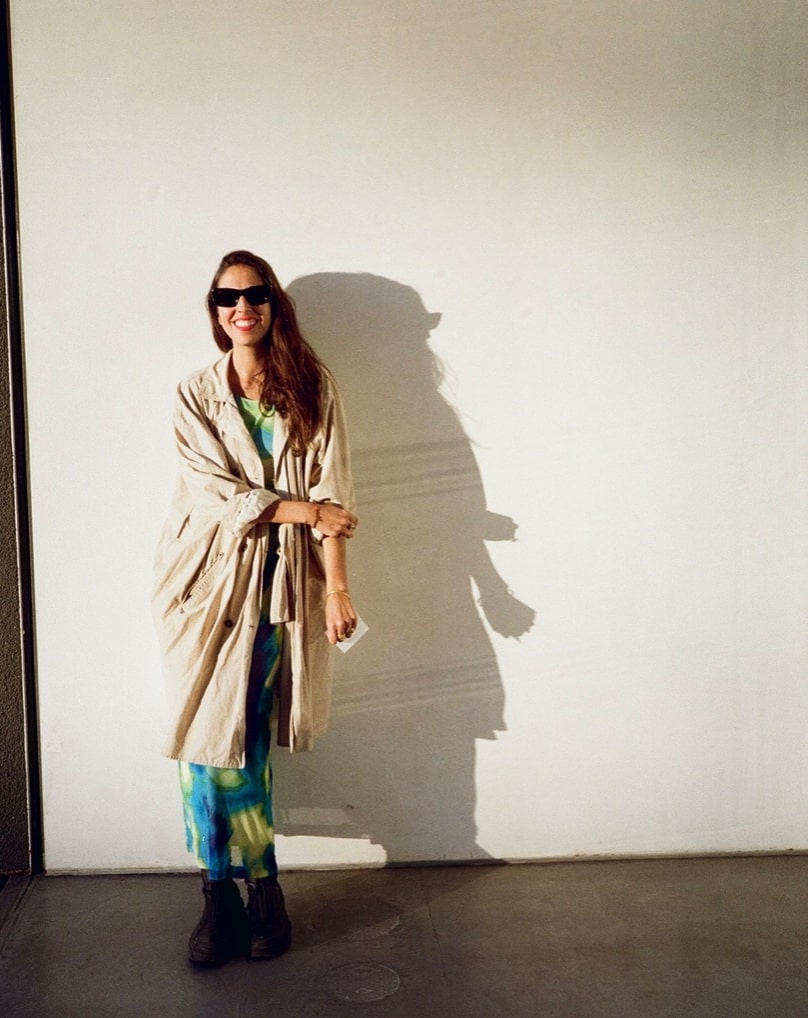
“My practice is a space of convergence, a dynamic ecosystem where the
vital, the ancestral, and the contemporary intertwine as a constantly moving
web of knowledge. As a curator, researcher, and advisor, my work focuses on supporting, fostering, and disseminating contemporary artistic creation, exploring the intersection between art, culture, and emerging social movements. I investigate how holistic and spiritual processes weave new narratives in contemporary poetics, where the mystical meets the political, the material intertwines with the intangible,
and the individual expands the boundaries of the collective, generating an
experience of openness and critical reflection.“
- Victoria Rivers
ANNA BOCHKOVA – Artist
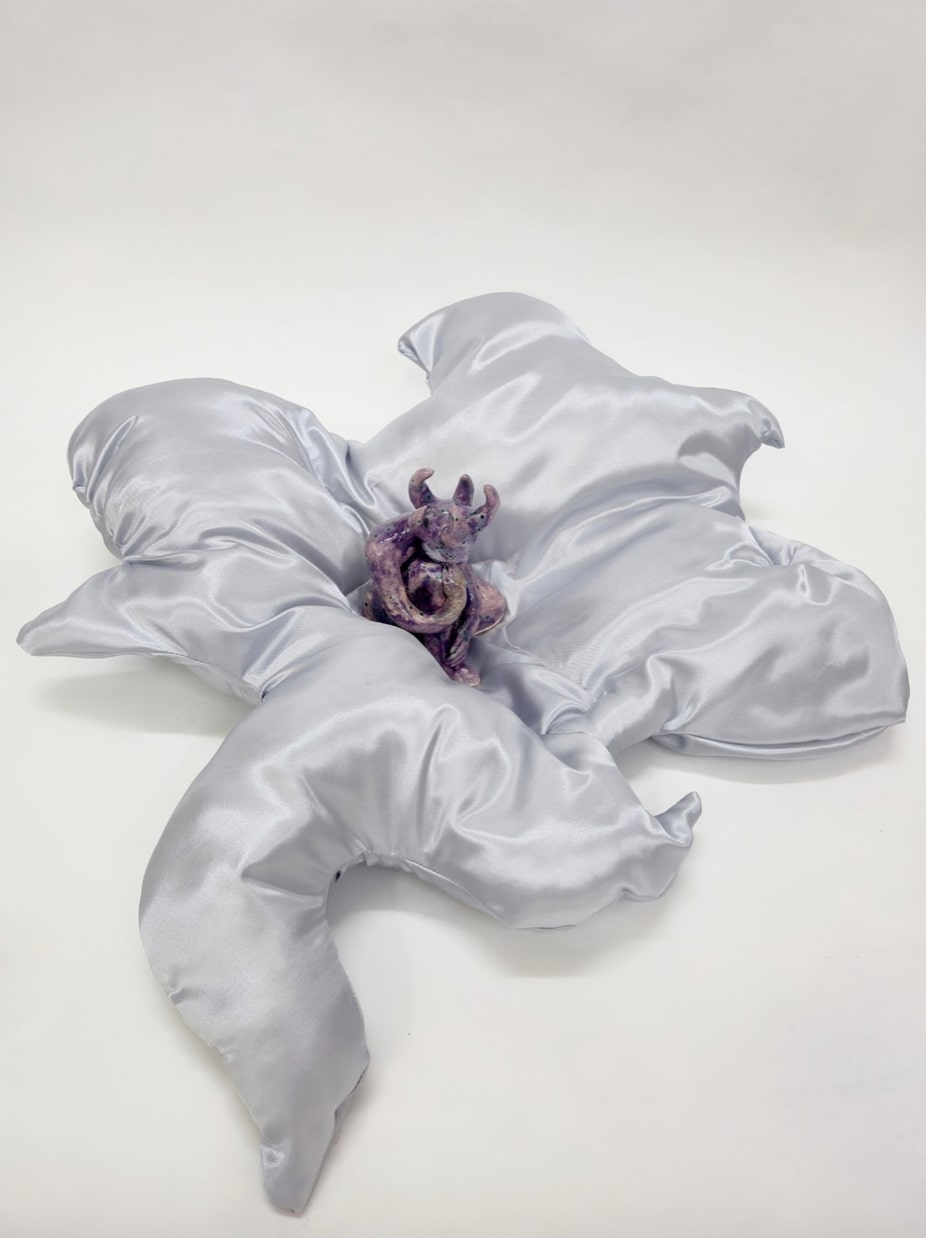
Anna Bochkova (1995, Rostov on Don, Russia) is a visual artist based in
Hamburg (Germany) and Vienna (Austria). Her artistic practice is based on
creating her own dramaturgies where her works act as characters, inviting
critical reflection and open dialogue. She uses media such as papier-mâché,
ceramics, textiles, metal, and drawing to explore themes like utopia, future,
care, society, and humanity. Through her works, she creates scenes that present gestures of care performed by human and non-human beings in the fictional world of «tomorrow.» She often finds impulses for her work in the texts of Eastern European landscape
theorists. Her figurative ceramics address themes such as power relations,
migration, and feminist theory.
REBECCA STORM – Artist
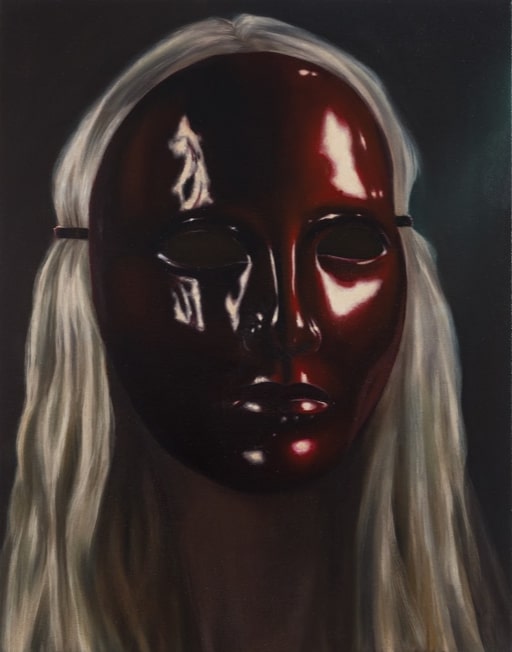
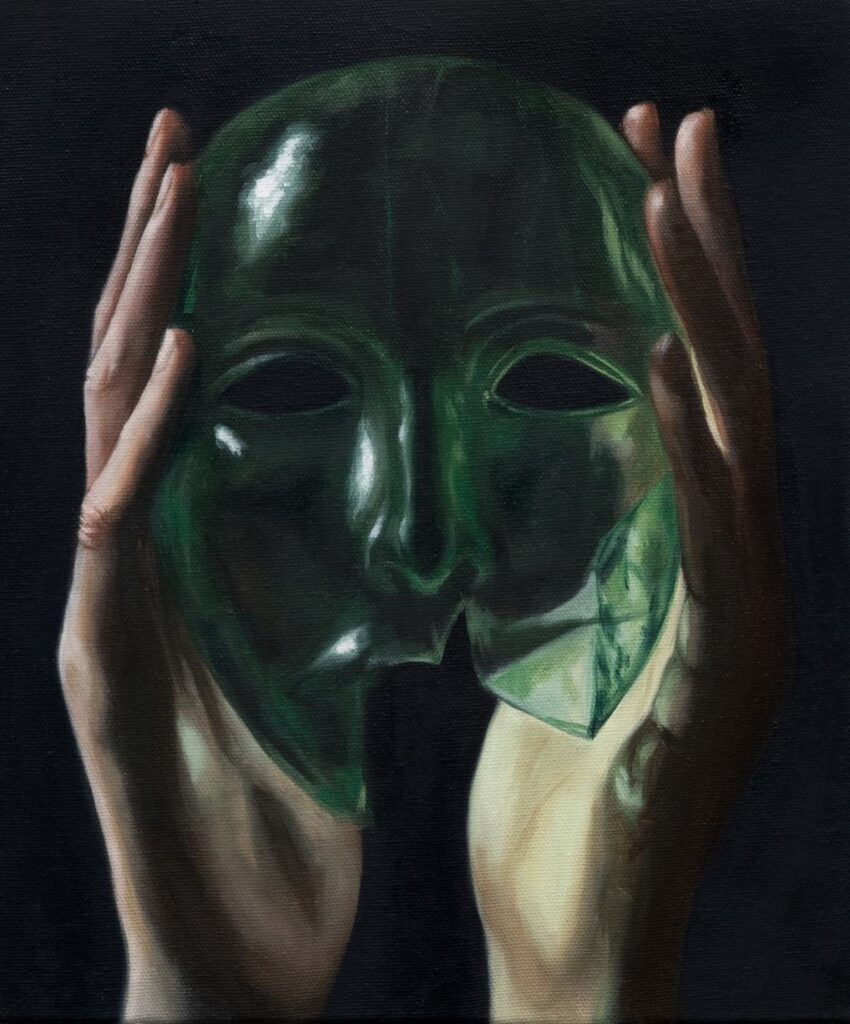
Rebecca Storm (1987, BC, Canada) was born and raised in Vancouver Island,
BC, and now lives and works as a painter in Montreal, QC. Her work primarily
focuses on the psyche and how visual information affects conscious and
subconscious memory. Drawing from personal experience, her paintings use semiotics to speculate on how cycles of trauma, addiction, spirituality, and power influence one’s sense of identity and autonomy. Her work explores how we are often unconsciously at
the mercy of these forces and how they affect the nature of our life experience
and our ability to connect with others.
KÖREI SÁNDOR – Artist
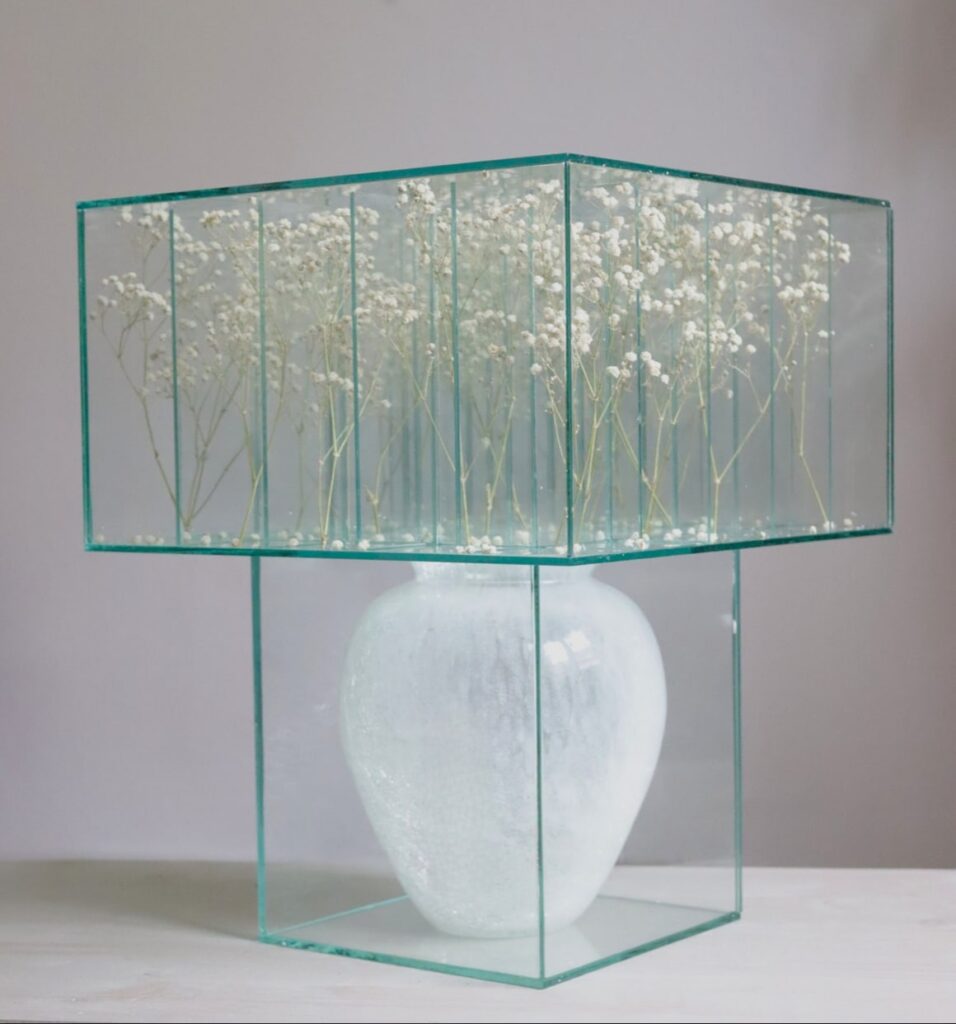
Körei Sándor (1995, Mór, Hungary) currently resides in Budapest.
His work develops through living sculpture where his series «Preserved Still
Lives» explores the observation of everyday situations through the arrangement
of objects in glass boxes, creating a transparent coordinate system.
In his works, the artist analyzes and reinterprets the still life tradition, merging
painting with contemporary sculpture. In his latest pieces, Korei arranges
cut flowers and vases in ordered structures, enclosing them in customized
containers that not only recreate the strict composition of still lifes but also
reflect the duality between beauty and decay inherent in flowers. For Körei, time
plays a central role, as each work continues to transform after its completion.
Thus, the creative process remains open, allowing the viewer to witness its
constant evolution.
IRENE MOLINA – Artist
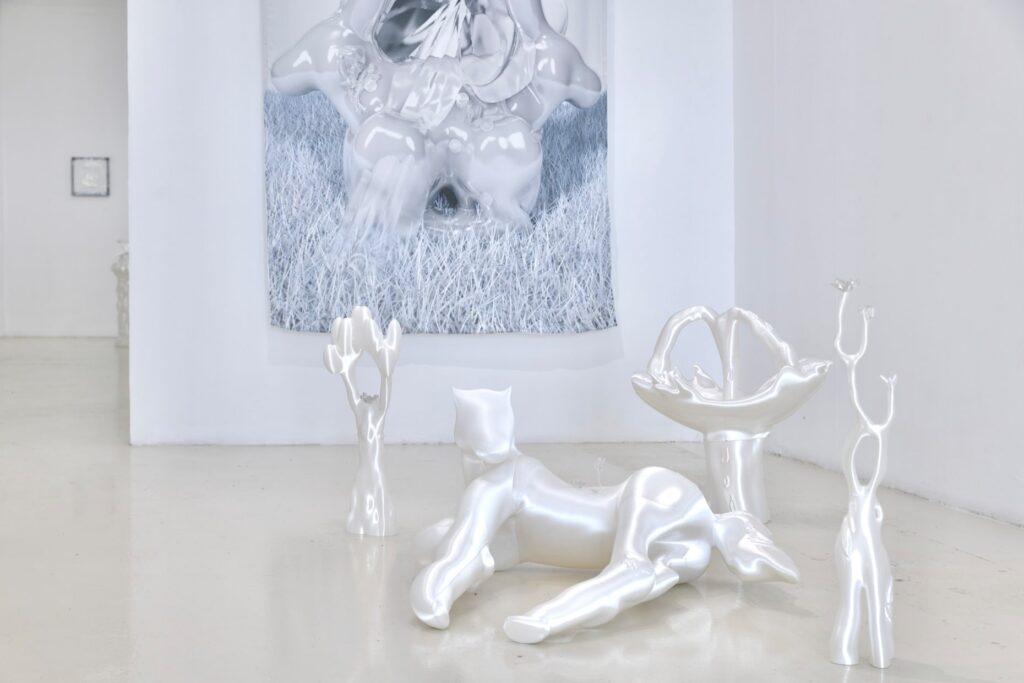
Irene Molina, (1997, Granada, Spain) currently resides in Madrid. Her work
explores new digital media, especially 3D, challenging the boundaries between
the real and the simulated. Her artistic practice delves into the construction of
fictional materialities, generating hybrid spaces where the physical and virtual
intertwine in complex and fragmented ways. Through techniques such as photogrammetry, 3D printing, iron welding, and digital animation, Irene creates archaeologies of the imaginary that blur traditional boundaries between the tangible and intangible. Her works question the nature of materiality in the digital age, generating surfaces that oscillate between representation and existence, where error and glitch become aesthetic language.