Share this
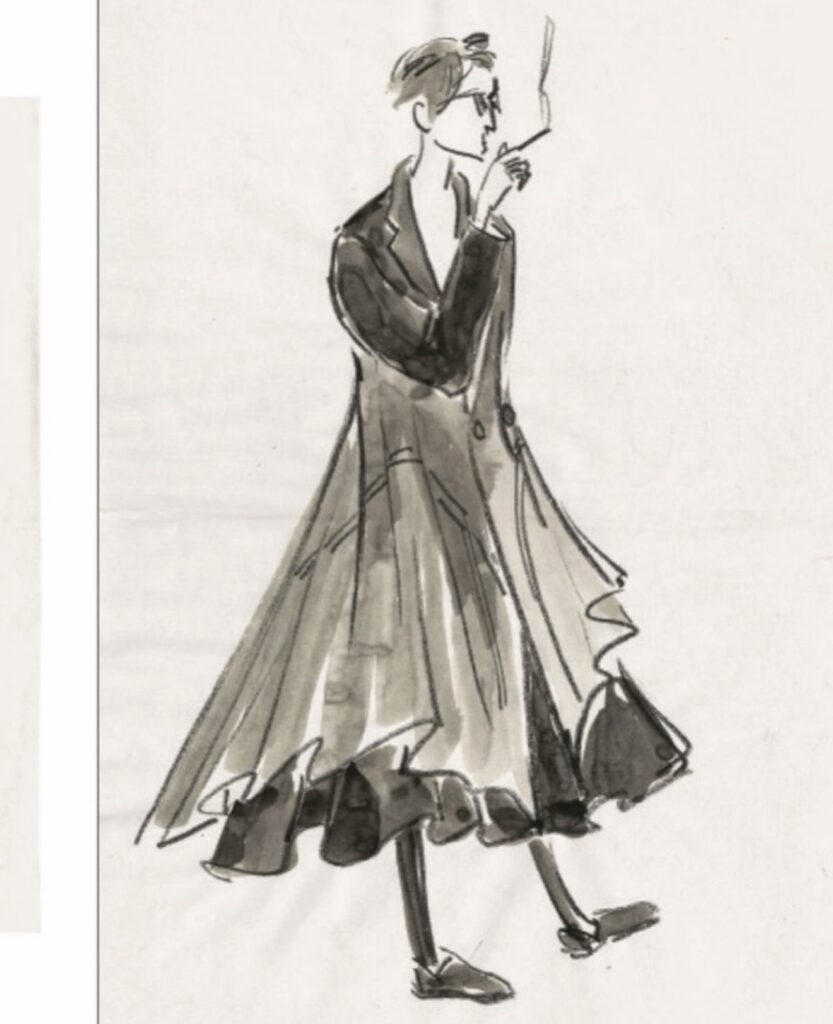
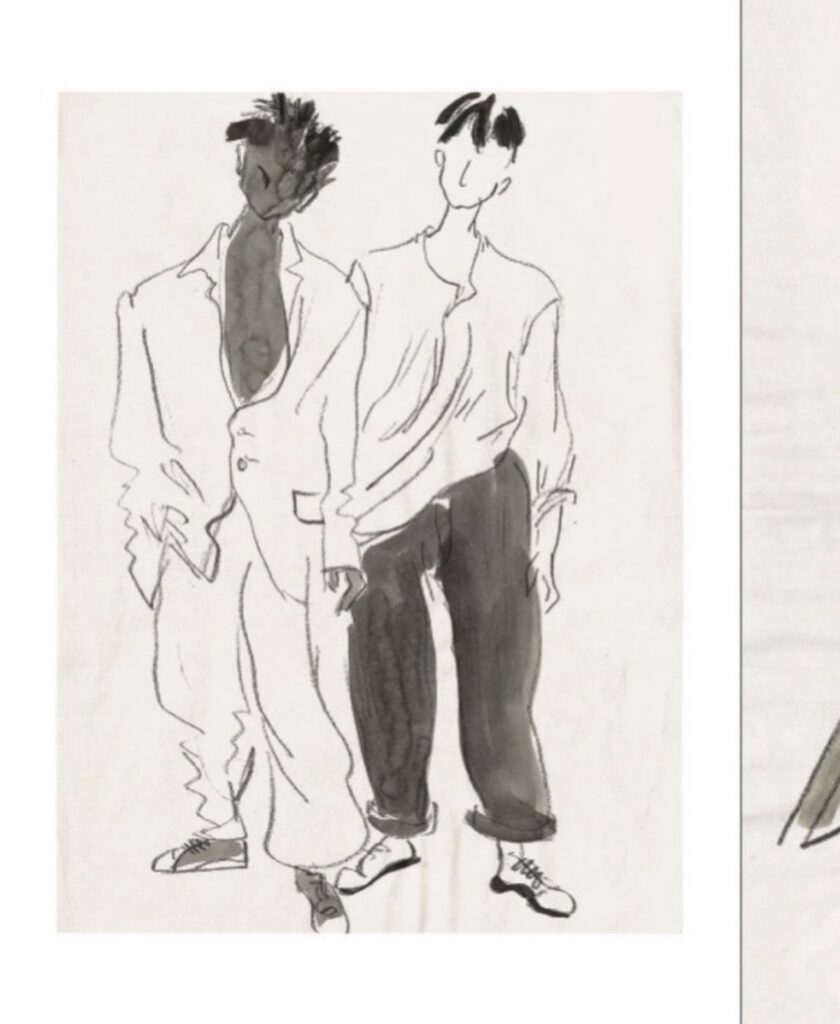
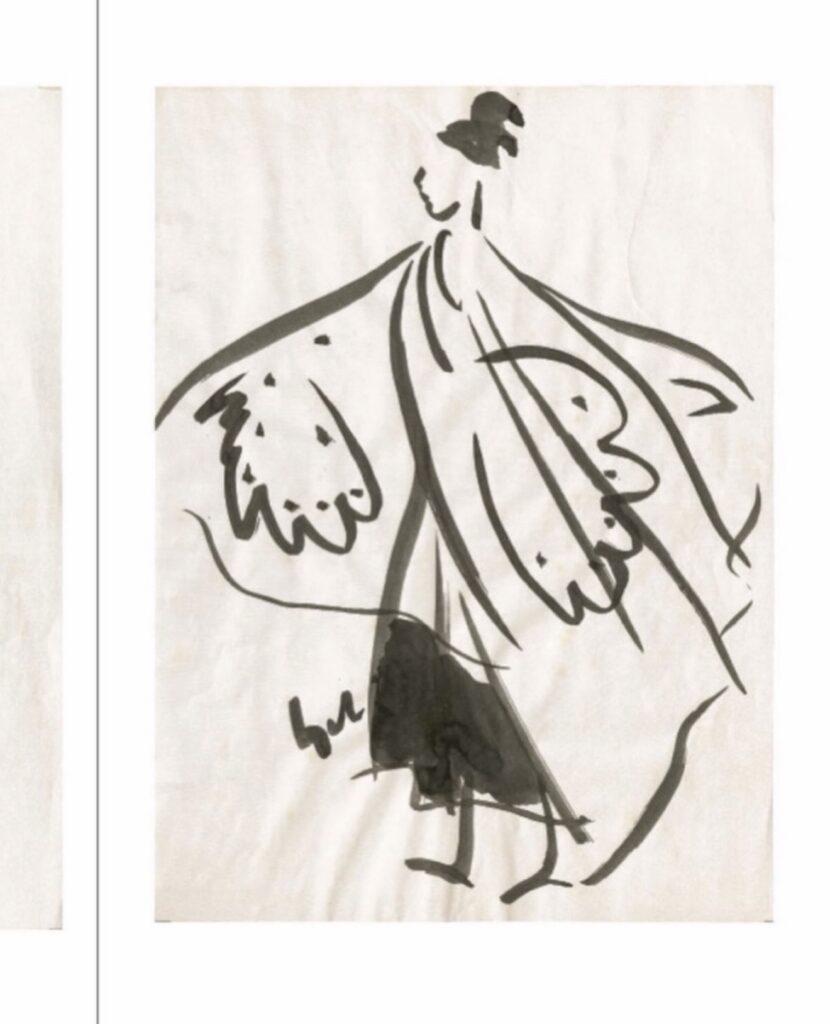
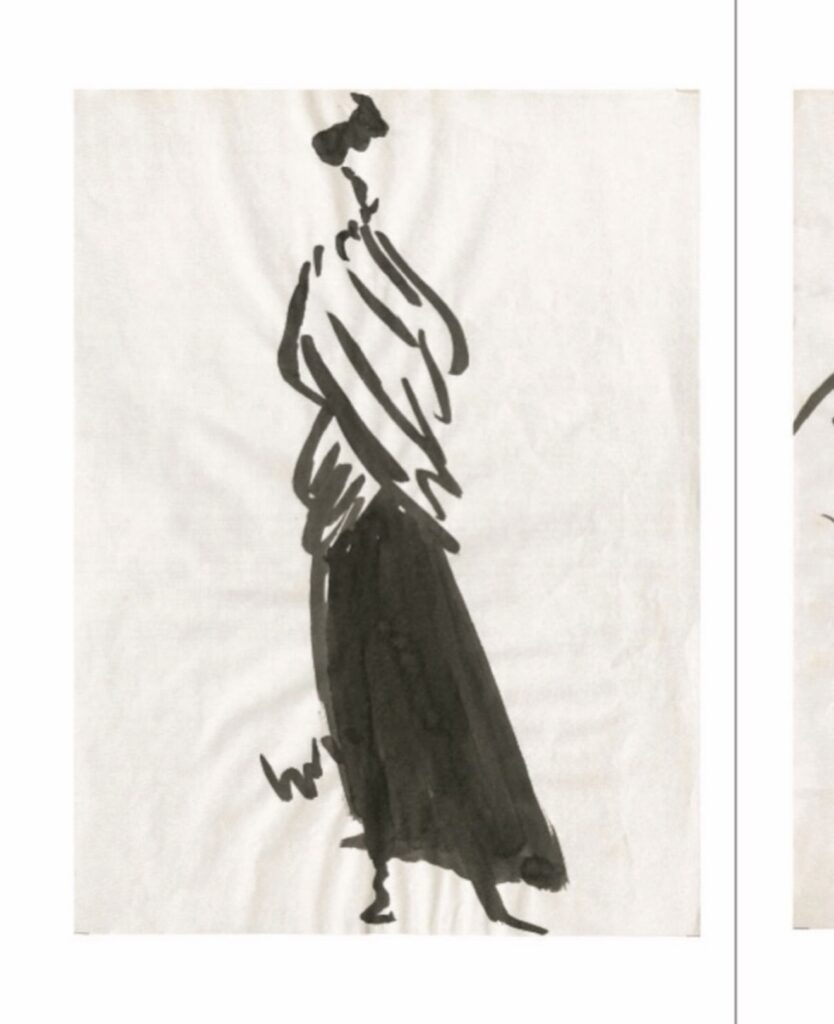
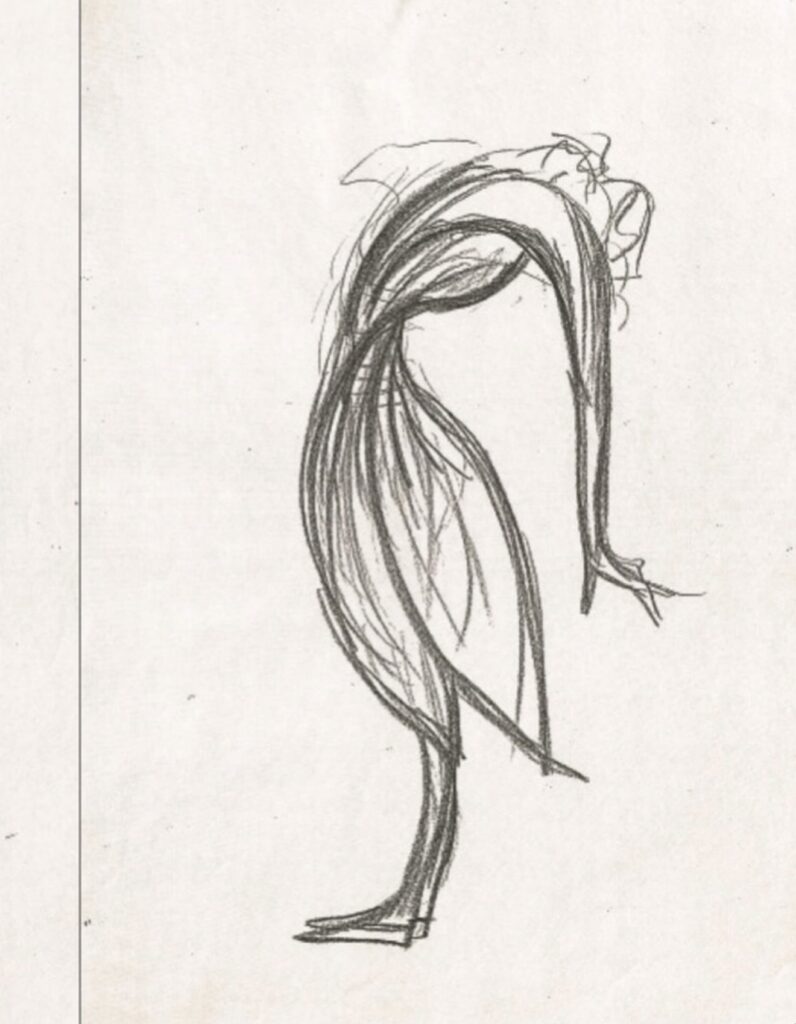
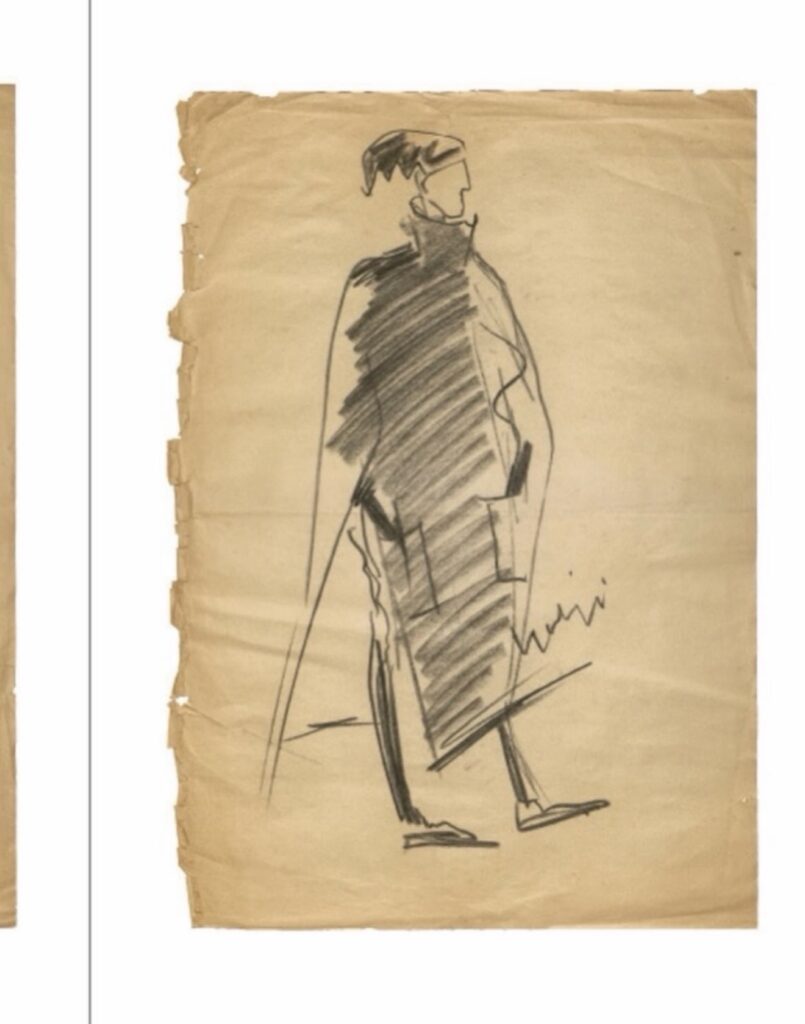
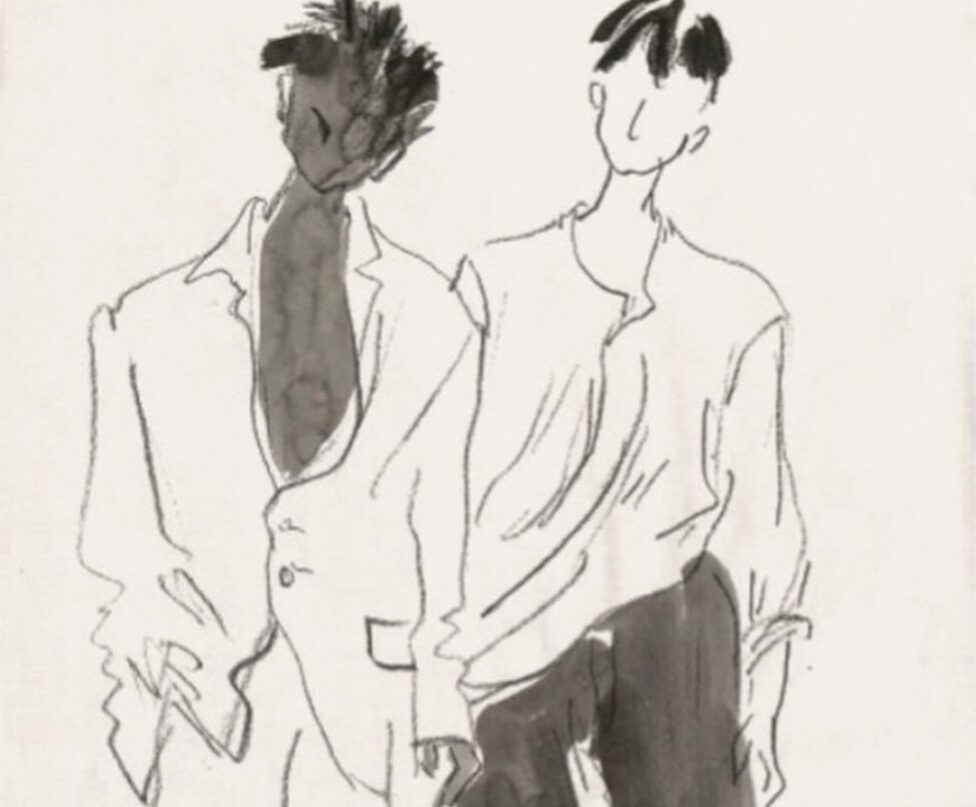
Before a Yohji Yamamoto garment becomes fabric, weight, shadow, and movement, it begins somewhere far quieter: on paper. A line, a posture, a body leaning into darkness, a coat half-formed before it has learned how to exist.
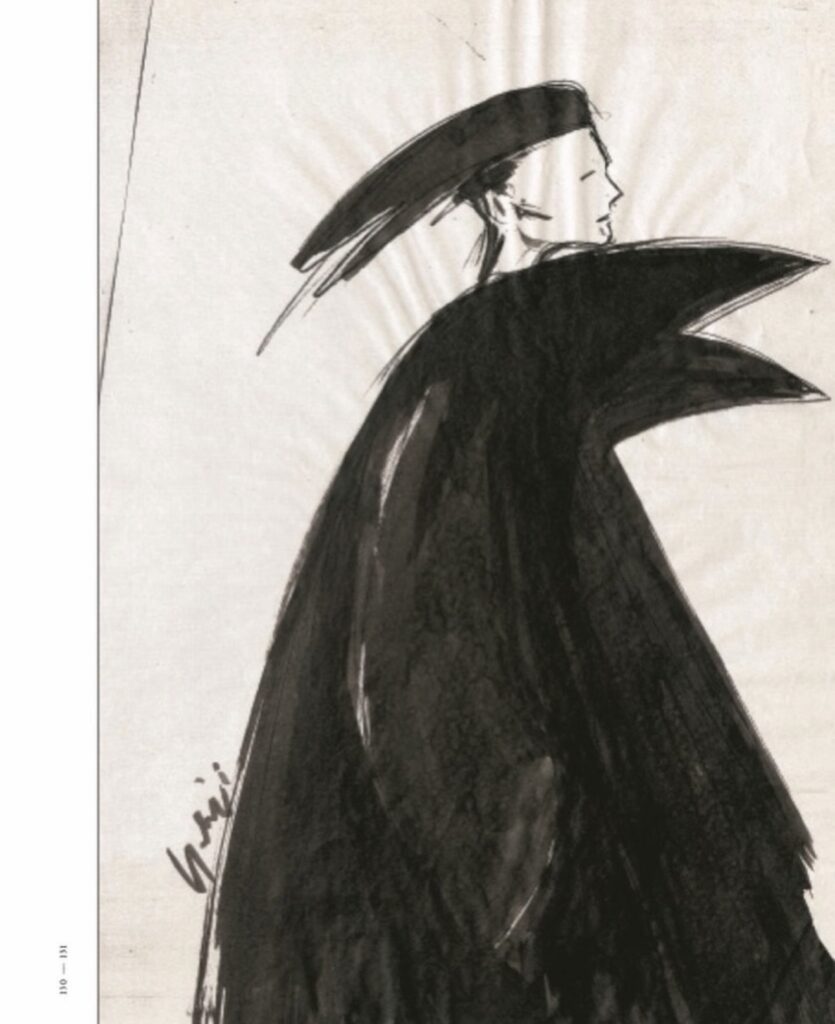
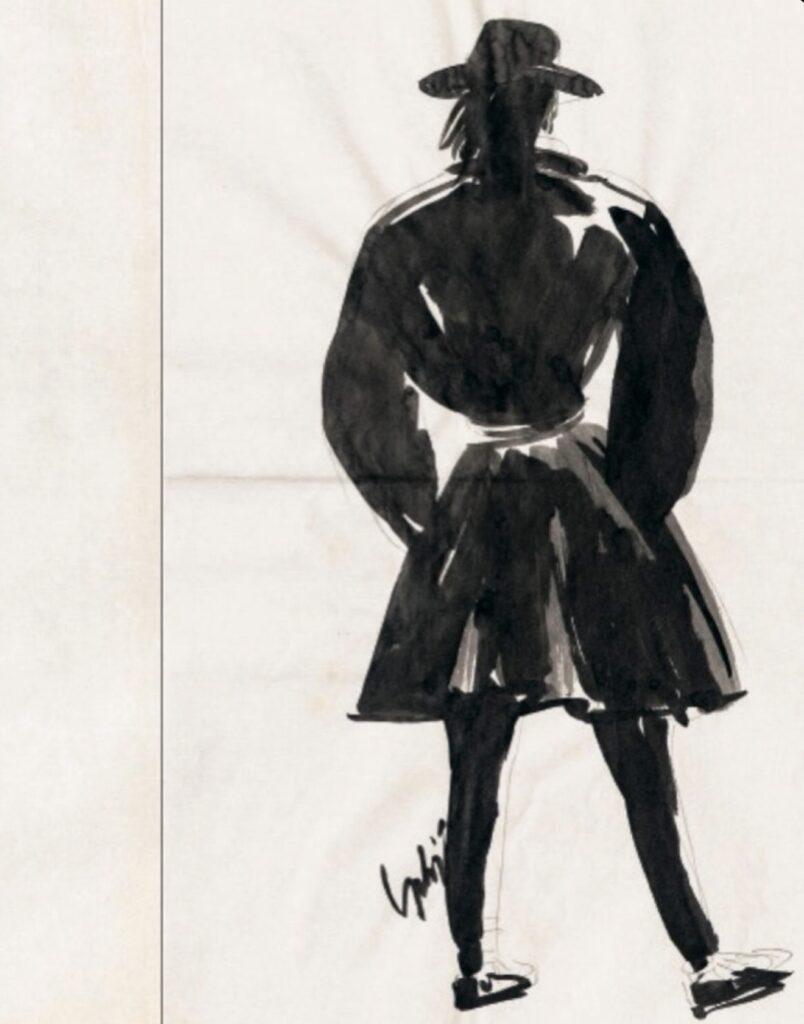
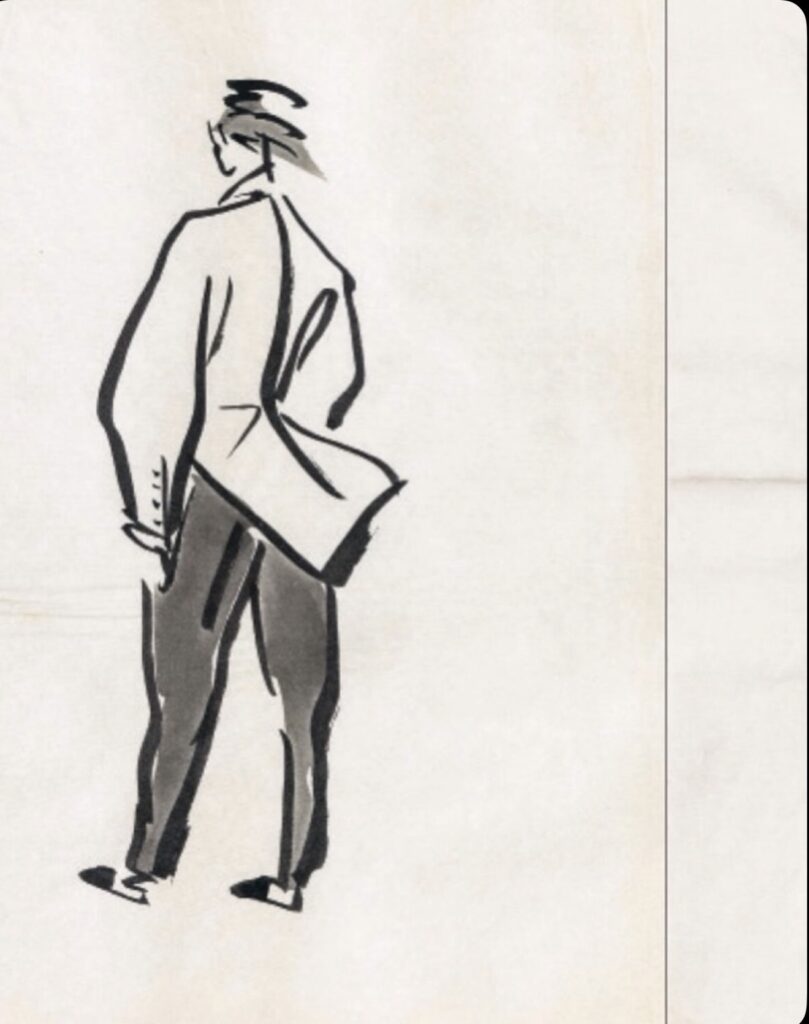
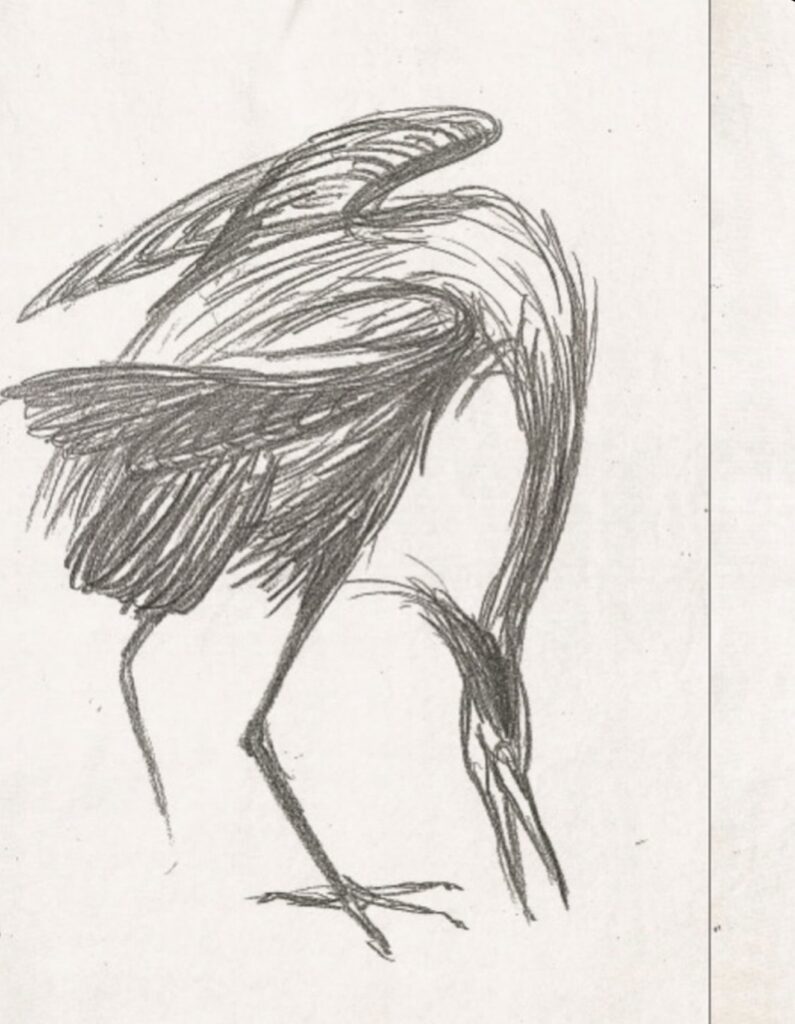
With Yamamoto Yohji Drawings, that private stage is being opened to the public. Released on October 29, the book gathers 183 previously unpublished illustrations by the Japanese designer, spread across 320 pages and covering the period from his first Paris runway show in 1981 through to 1999.
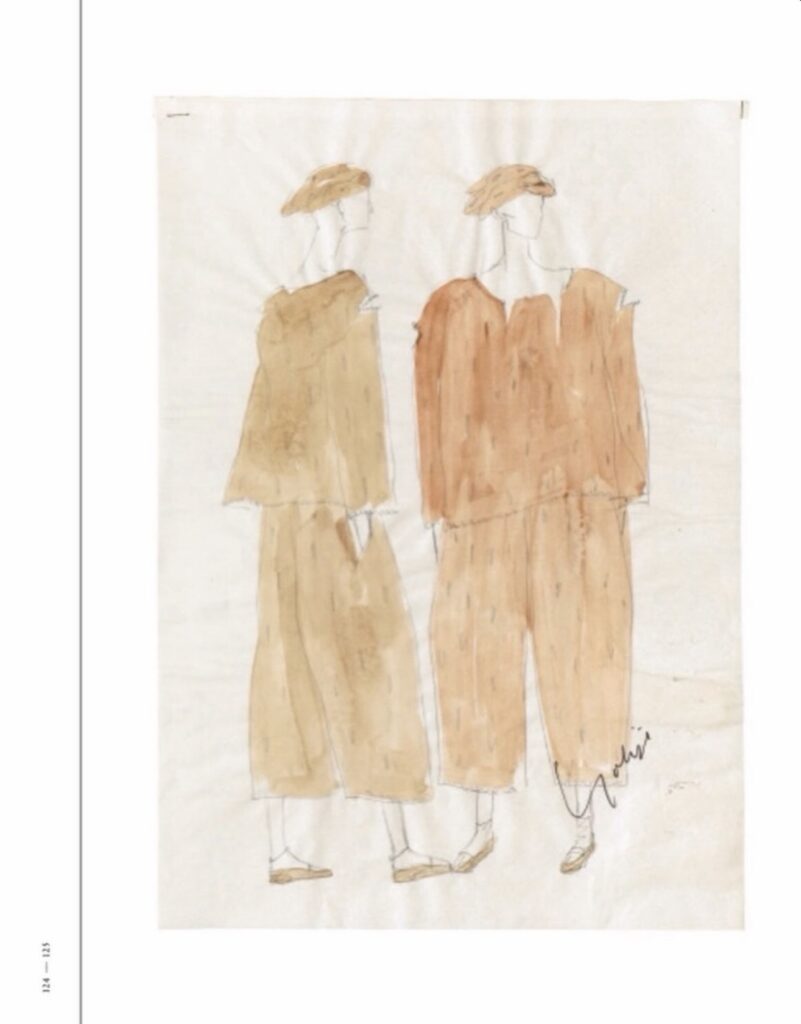
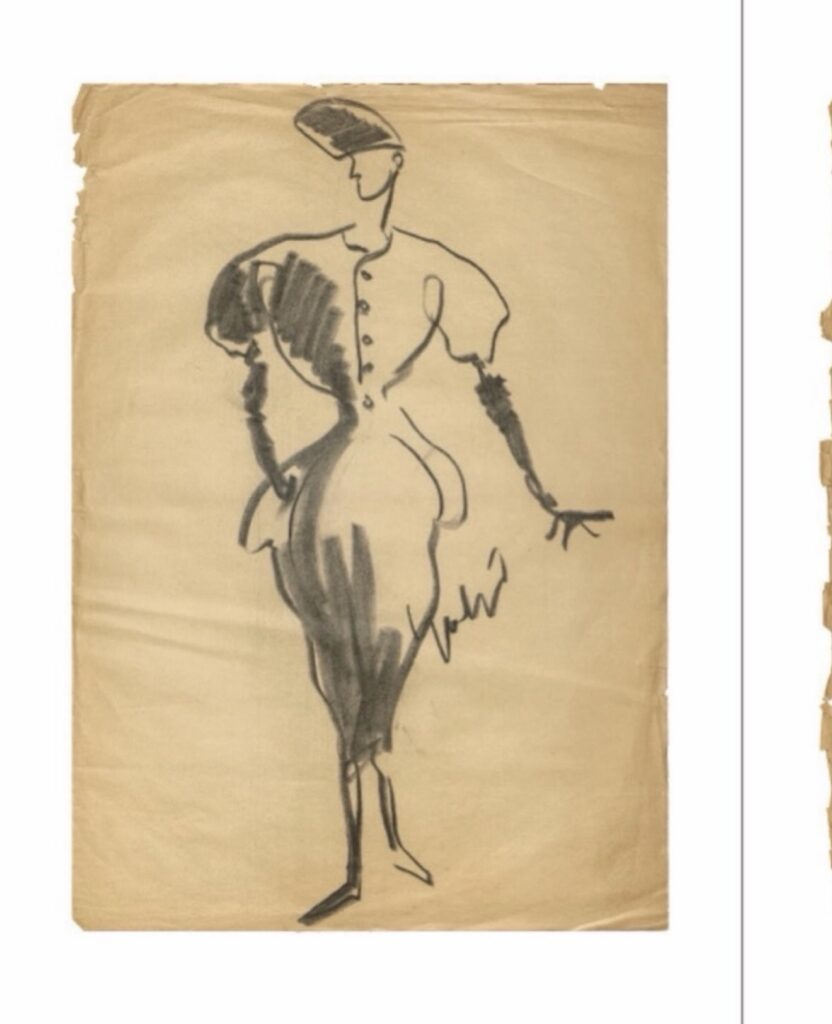
The sketches were discovered stored in a box inside a Tokyo warehouse, a detail that already feels almost mythic. These were not polished artworks made for exhibition. They were working images, private tools, fragments of communication between the hand that imagines and the hands that build. Yamamoto himself reportedly treated them with characteristic modesty, calling them “just drawings.” But that understatement only makes them more powerful.
What the book reveals is not simply how Yamamoto designs, but how he thinks. His figures seem to carry the clothes rather than model them. Bodies bend, fold, disappear, and reappear inside coats, dresses, and silhouettes that feel at once protective and unstable. There is elegance here, but never the easy kind. It is elegance as tension, as imbalance, as a body negotiating with fabric.
Written by Alexandre Samson, curator at Palais Galliera, the volume places these drawings inside Yamamoto’s wider language of black, asymmetry, volume, absence, and emotional restraint. Graphic contributions by Peter Saville give the book another layer of visual intelligence, connecting Yamamoto’s private marks to a larger history of image, design, and cultural atmosphere.