
Share this
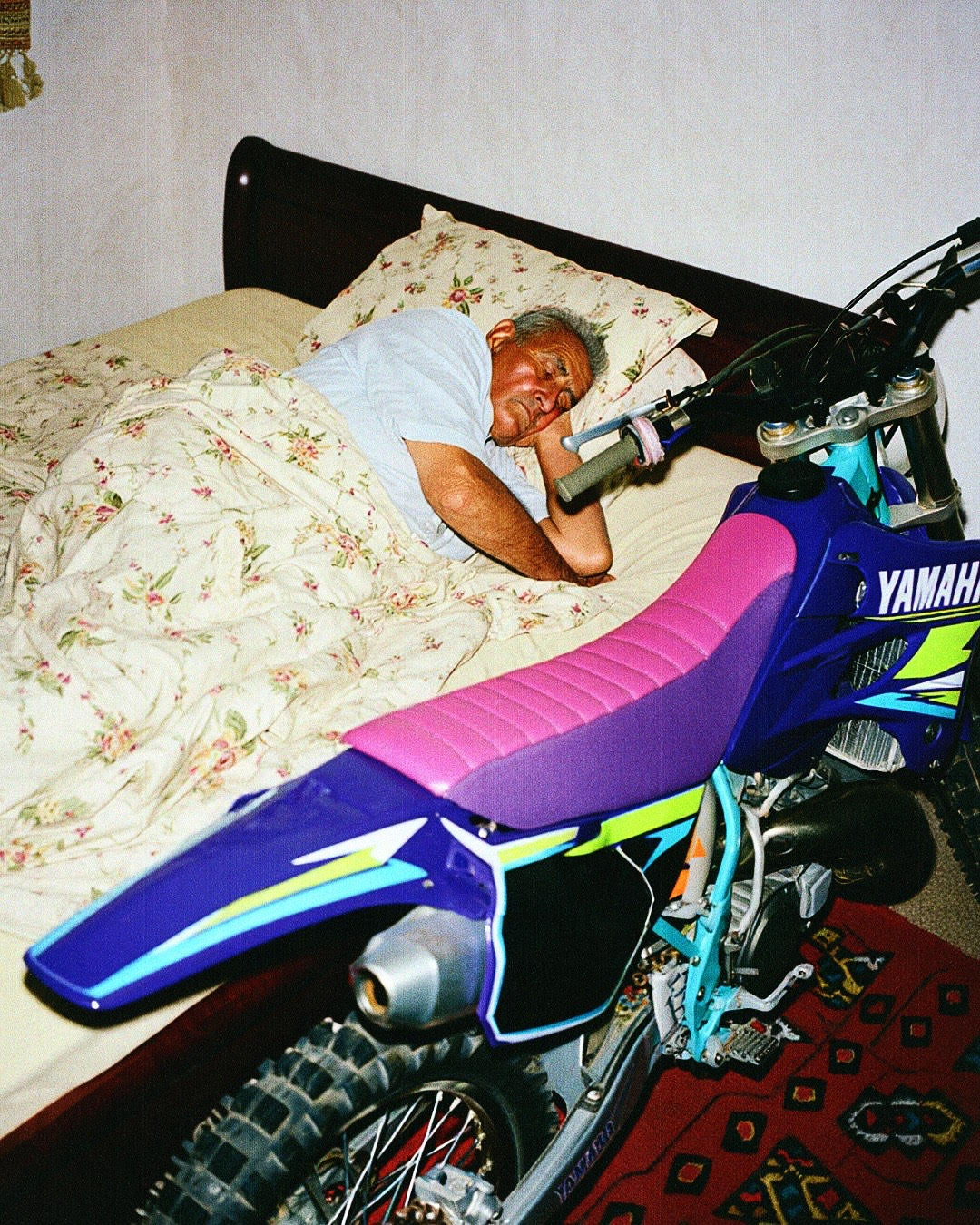
Ces XC (Cesur Civelek) is a Turkish visual artist and photographer whose work merges analog street photography with AI-driven surrealism. Rooted in Istanbul’s culture, he creates poetic worlds where memory, fashion, and modern mythology intersect.
Known for his cinematic visual language, Ces has collaborated with global brands such as Nike North America, Foot Locker Europe, and Jacker and has been featured in numerous international magazines and publications. His work transforms everyday life into a visionary blend of realism and imagination.
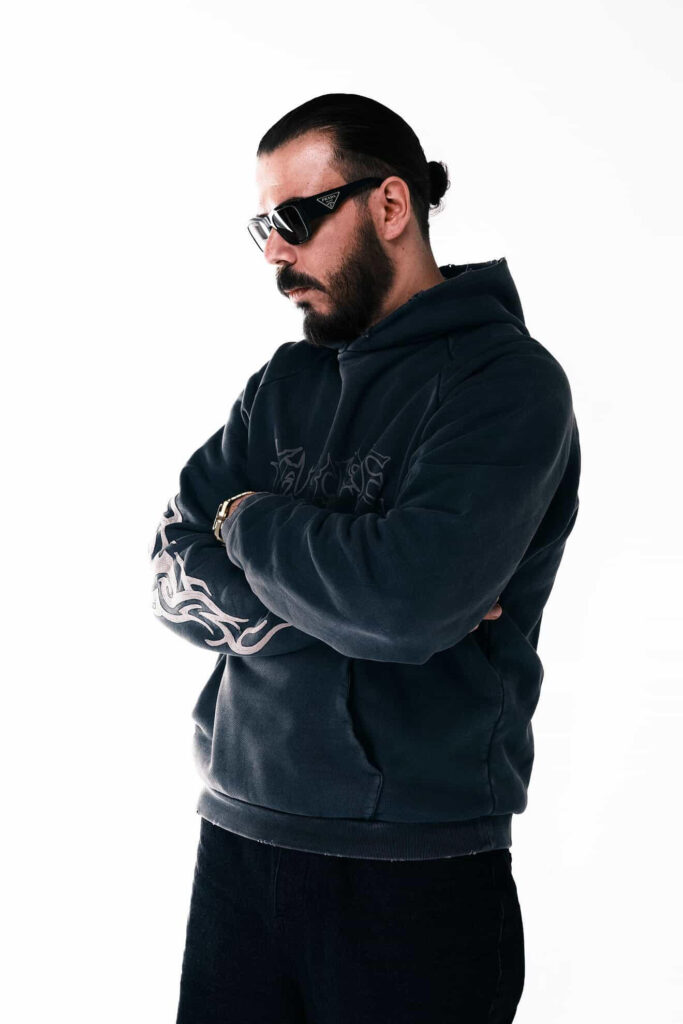
Hi Ces, It’s a pleasure to sit down with you. First question that I always ask. How does a regular day look like for you in Istanbul?
Ces: I’m a morning person. I like the quiet hours before everything starts moving. I usually wake up early, make coffee, check some music, and start working while the light is still soft. Most of my creative work happens in daylight — I like how natural light keeps things clear and real.
I usually spend the first half of the day editing, building visuals, or planning new ideas. Around noon, I take small breaks to walk or cycle — that’s when new thoughts come in. I try to finish before it gets dark. Evenings are for people I care about, cooking, or just slowing down. I like rhythm, not chaos.
I’m curious, growing up, what kind of kid were you? What did you enjoy doing, and how did you spend your
Ces: Quiet, curious, and always observing. I wasn’t loud, but I noticed everything, people’s movements, how things looked, how light hit a surface. I used to draw cars, logos, animals. I liked being alone, making up stories in my head. That curiosity never left; it just turned into my work.
Do you remember approximately at what age your creative side started to show? And when did you start taking being an artist seriously?
Ces: It started early, around 12 or 13. I was always redesigning things, drawing sneakers, making fake magazine covers, building small worlds in notebooks. But I started taking it seriously later, in my twenties, when I realized I could shape my own visual language and tell stories through images. That’s when it became more than a hobby, it became a purpose.
So when and how did you first get introduced to a camera and various digital design programs?
Ces: It came naturally. I was already fascinated by visuals, colors, balance, textures. I started shooting out of curiosity, not for a career. I liked freezing moments, studying details, seeing how light changes things.
Later, I began combining photography with digital work, creating something between real and imagined. I never separated them — photography and design always lived together in my process.
With that in mind, growing up in Turkey, what visual influences shaped your imagination before you ever picked up a camera?
Ces: Mostly everyday life and pop culture — music videos, architecture, product design, fashion, album covers. I’ve always liked visuals that feel slightly imperfect or human. Clean but emotional. I’m drawn to materials: metal, glass, concrete, sunlight, reflections. They all have their own energy. I think that’s why my work has so much texture, I like visuals you can almost feel.
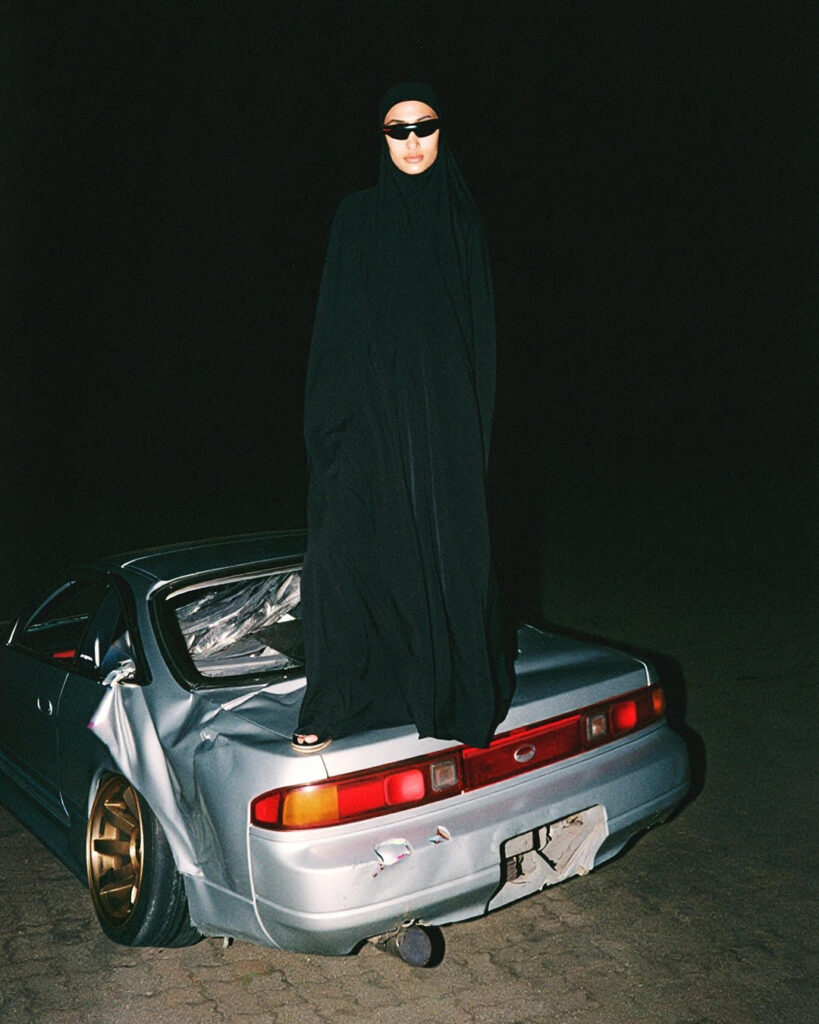
How does your environment affect your way of seeing things?
Ces: I think I’m drawn to contrast. Calm mixed with energy, simplicity with tension. That duality exists everywhere, even in how I structure an image. I don’t look for inspiration; I observe. Sometimes a shadow, a parked car, or a small sound can trigger something. It’s about awareness, not searching.
You’ve got a very recognizable style. What is it about this look that resonates with you? And how long has it taken you to perfect it to how it looks now?
Ces: It happened slowly. I never tried to design a “style.” I just kept creating, refining, deleting, and starting again. Over time, certain things stayed, tone, composition, a specific feeling. I think it became recognizable because it’s honest. I don’t chase trends; I just follow rhythm and intuition. Style should come from repetition and patience, not from trying to stand out.
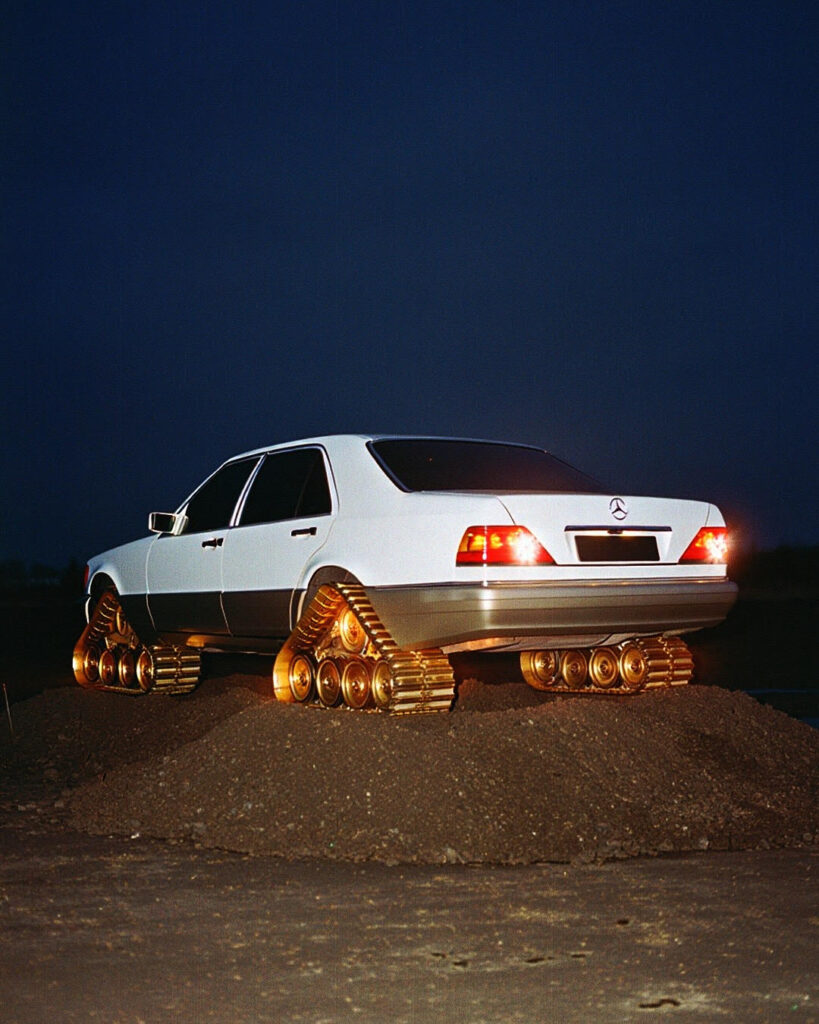
Why do you focus on ordinary objects so often?
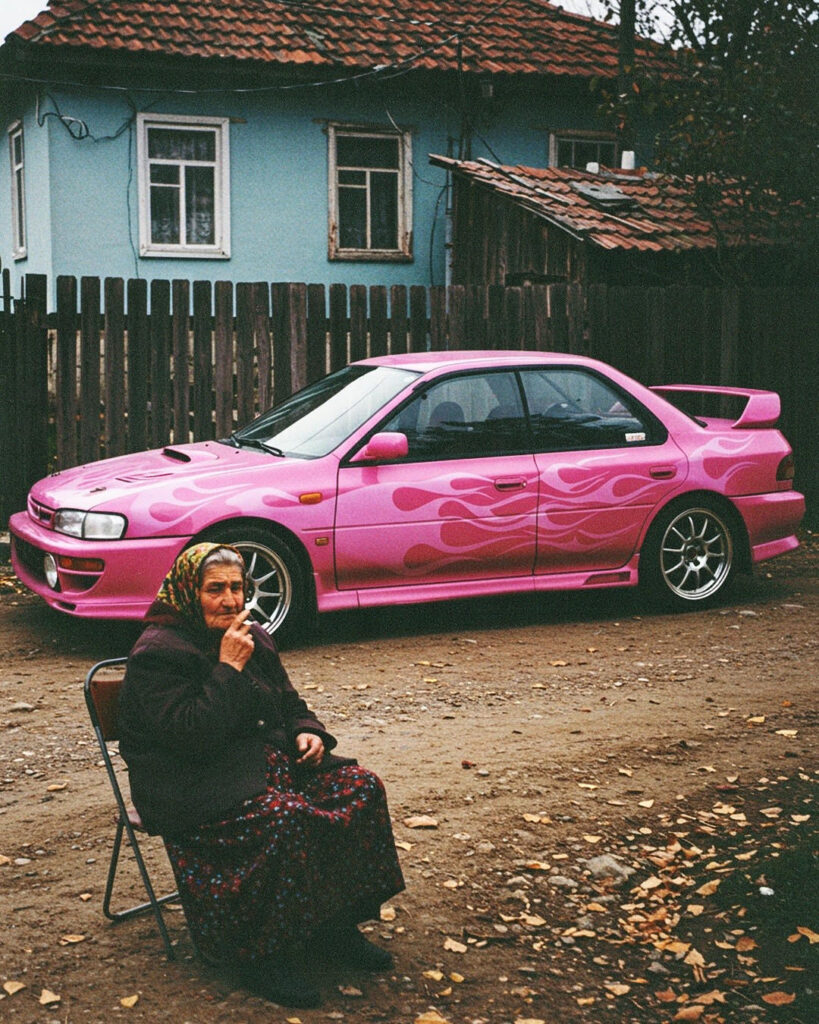
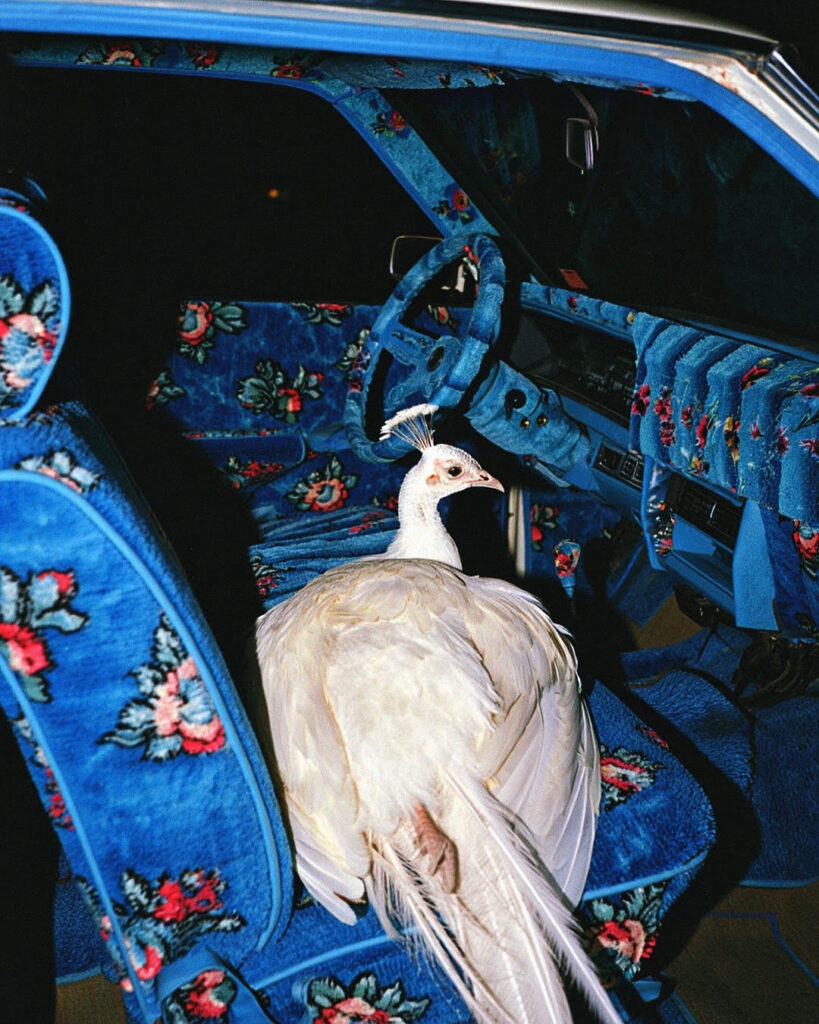
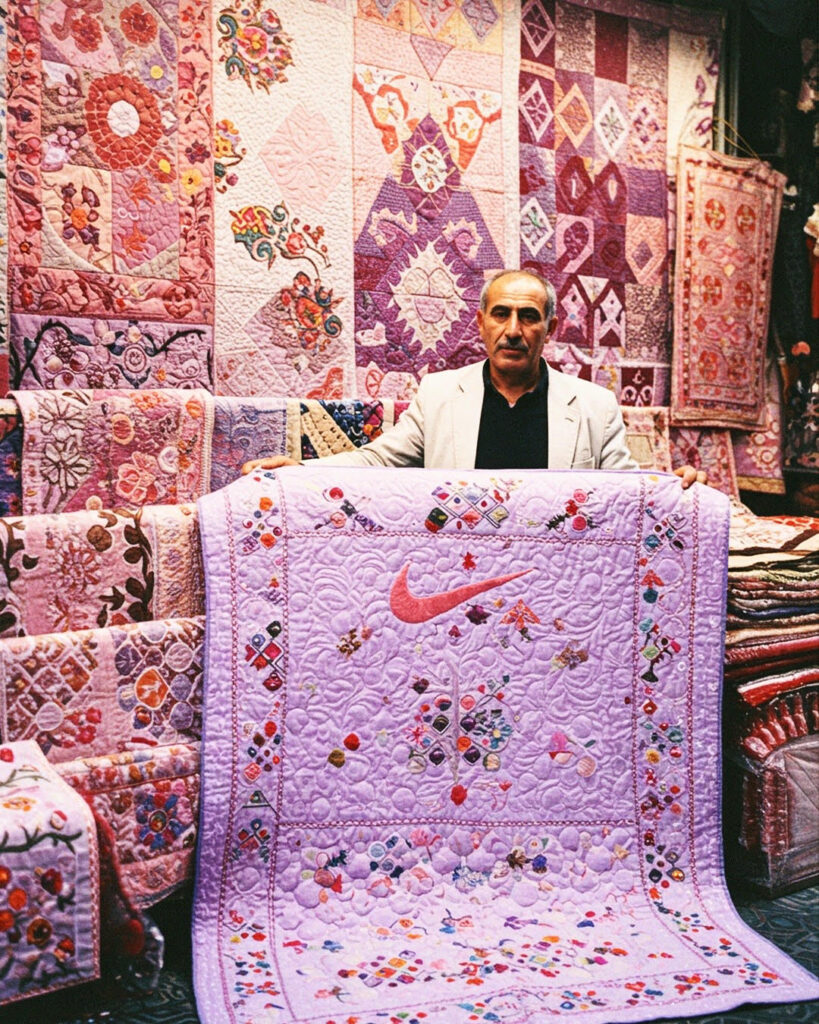
Ces: Because they carry real emotion. A car, a dog, a piece of fabric, a plastic bag, these things hold memories, culture, energy. I like turning something simple into something powerful, without changing its essence. It’s not about making it beautiful, it’s about showing its presence.
You’ve worked both in independent art and commercial settings. How do you protect the authenticity of your vision when working with brands?
Ces: By being clear from the start. I only collaborate if I can bring my own visual voice into the work. If something feels forced or commercial in the wrong way, I step back. The best collaborations are built on trust. When brands let me speak in my own language, the result always feels natural and honest.
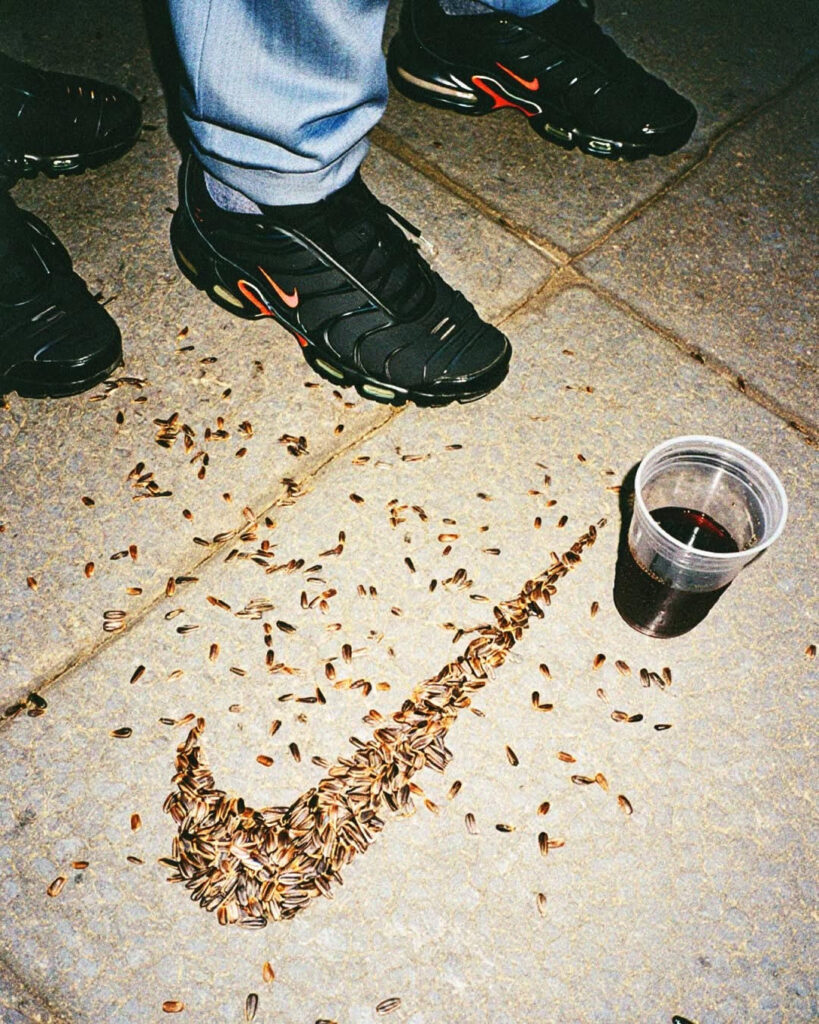
Music seems to play a central role in your life. Do you ever imagine your visuals as part of a larger soundscape or cinematic narrative?
Ces: Music is a big part of everything I do. It sets the tone for how I move and think. When I’m creating, I usually have something playing quietly, it decides the rhythm and emotion of what I’m making. I see images like songs: they have layers, silence, and timing. Sometimes a sound triggers a whole visual direction. Music and visuals are both languages of emotion, just expressed differently.
What does success mean to you right now?
Ces: Peace, time, and freedom. Being able to live off what I love without pressure. I used to chase recognition, but now I care more about stability and consistency. Success is being able to choose your projects, control your time, and stay true to your taste. That’s real independence.
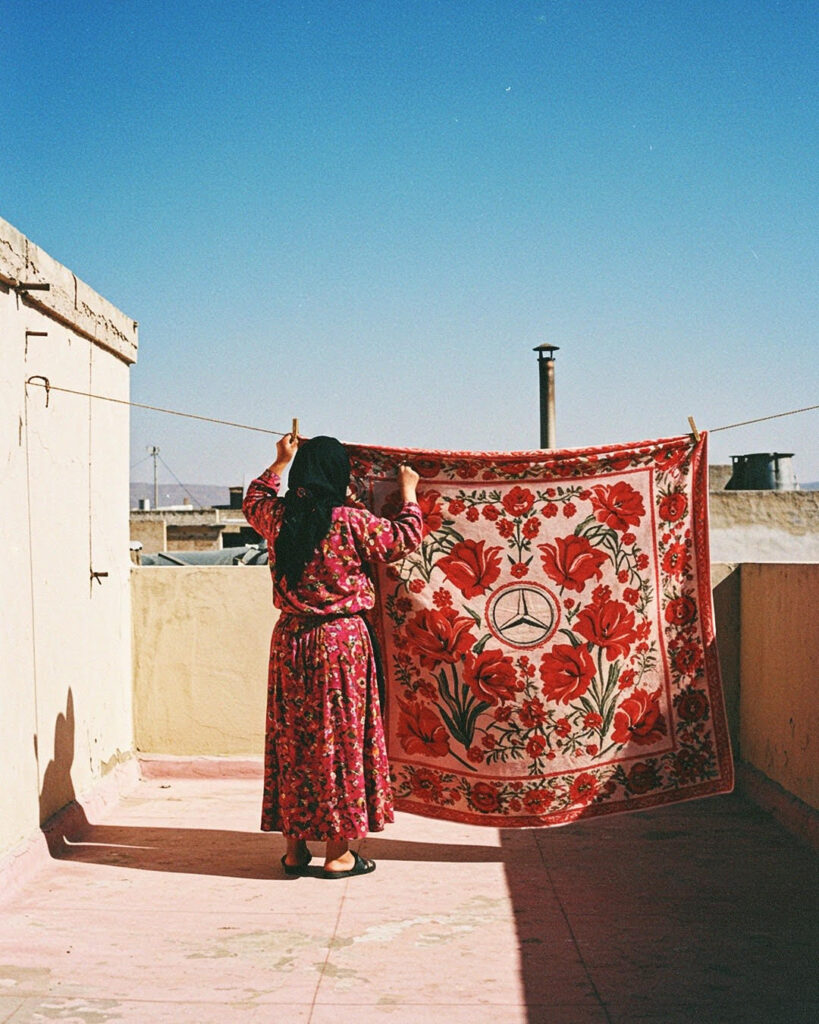
You blend elements of the past and present — why?
Ces: Because I like balance. I’m not nostalgic, but I respect where things come from. Mixing time periods keeps visuals alive, old emotion in a new form. I think identity is fluid; it’s built from memory and modern life at the same time. My visuals live somewhere between those two worlds.
When using AI and photography, are you augmenting or revealing reality?
Ces: Revealing. Reality already feels surreal sometimes. AI just helps me translate that feeling visually. I don’t see AI as a replacement for photography, more like an extension of imagination. It helps me explore what’s possible, not just what’s visible.
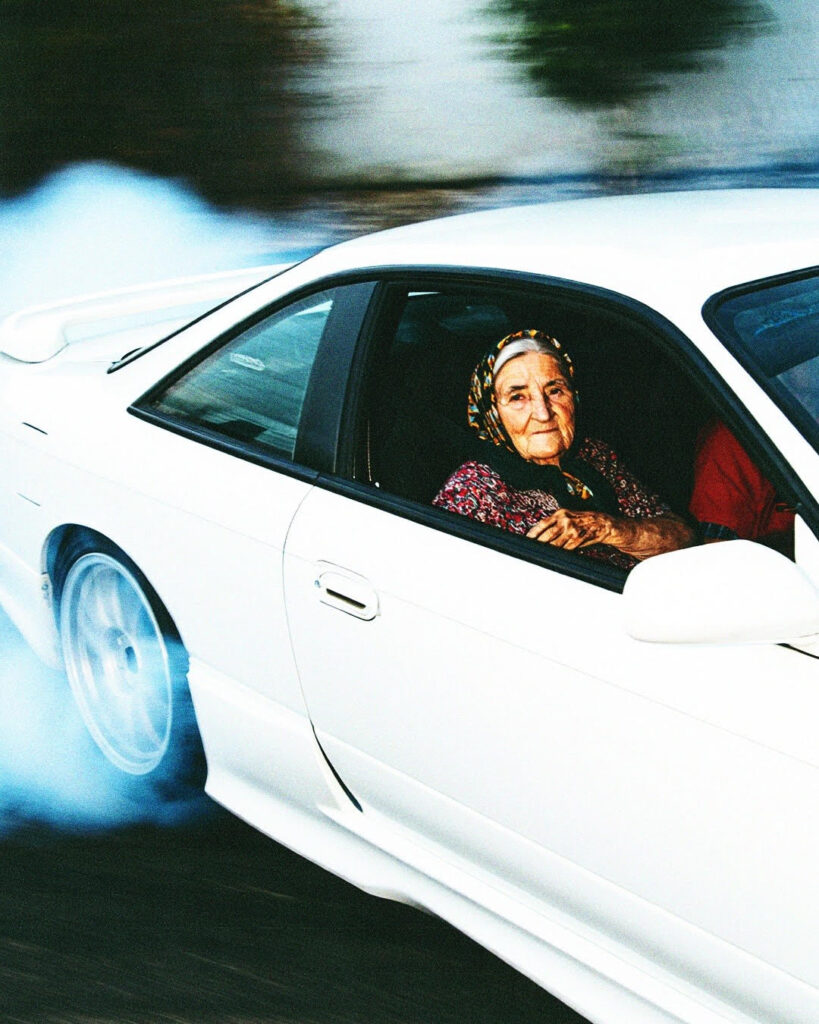
Your work sits between poetry and documentation. Do you ever feel a conflict between truth and beauty?
Ces: No. Truth has its own beauty. I’m not looking for perfection, I’m looking for emotion. If an image feels honest, it’s enough.
So, what do you think people misunderstand most about the way technology is reshaping visual culture?
Ces: That it removes human touch. It doesn’t. It just changes how we express it. Tools don’t define authenticity, intention does. Technology becomes meaningful only when it carries emotion and story behind it.
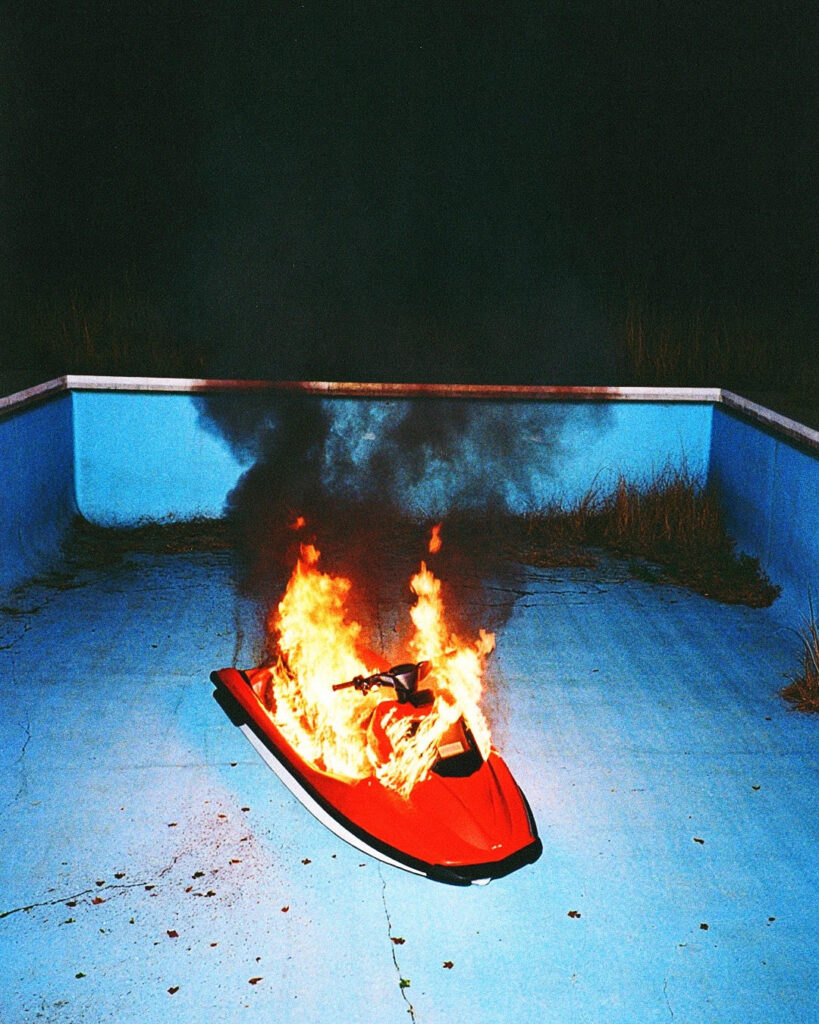
What does “authentic” mean to you today?
Ces: Being emotionally honest. Doing something because it feels right, not because it performs well. For me, authenticity is consistency, being the same person in every context.
What detail feels most like home to you?
Ces: Morning light. Fresh air, quiet, a desk, coffee, and music in the background. That calm rhythm, that’s where I feel centered and ready.
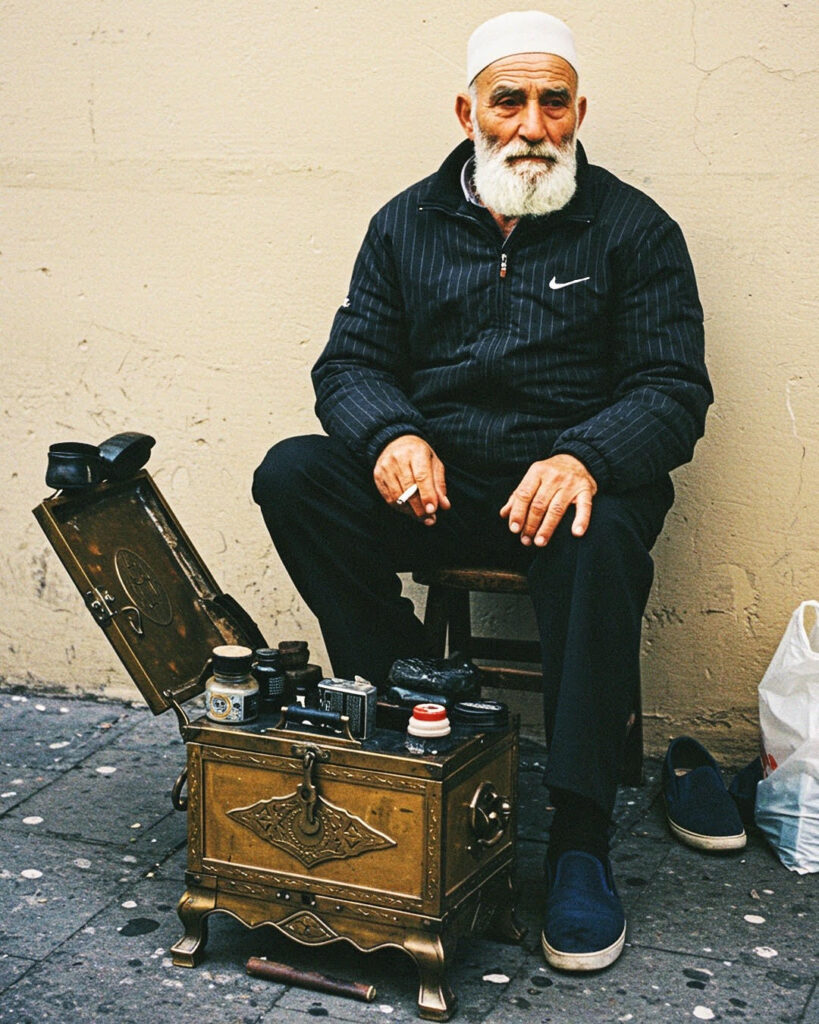
When brands approach you, what do you want them to understand?
Ces: That collaboration works best when there’s trust. I’m not just a visual producer; I bring perspective and storytelling. If they let me build freely, the outcome always feels more human. I like when a brand sees me as a partner, not a service.
What themes do you keep returning to?
Ces: Emotion, freedom, contrast, and structure. I like showing tension between control and chaos, visuals that look calm at first but have something restless underneath.
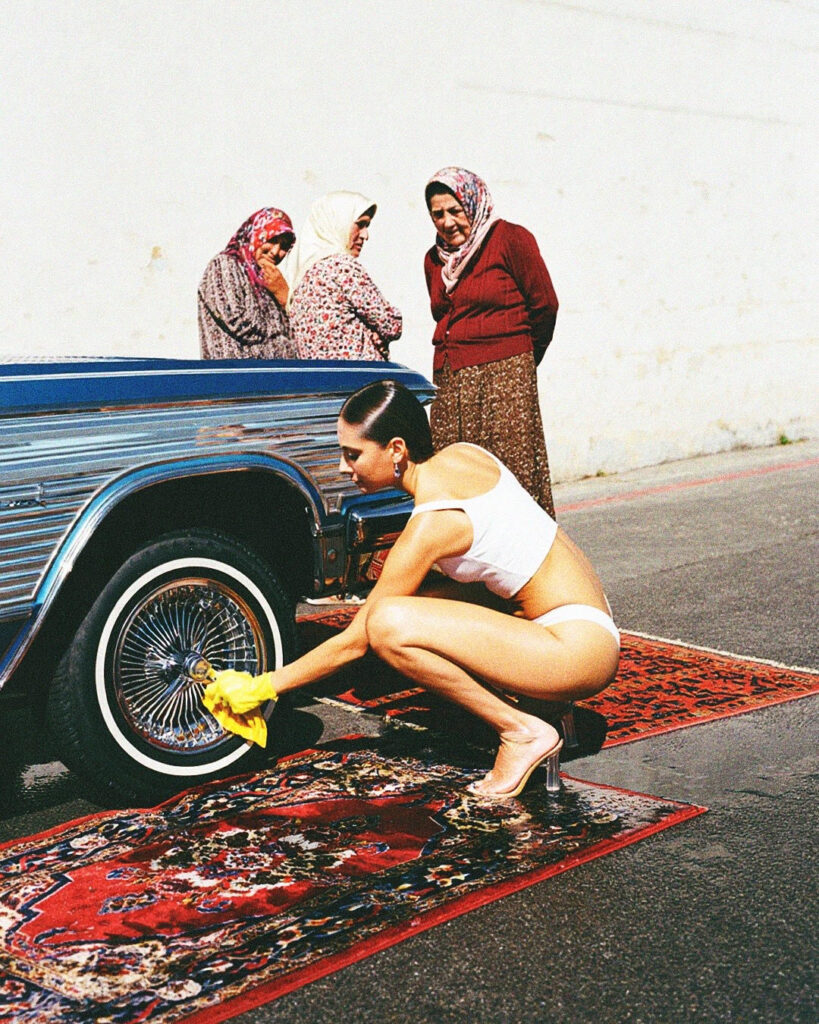
How do sound and image influence each other in your process?
Ces: They move together. Sometimes I hear a track and see a whole visual world in my head. Other times an image suggests a sound. Both shape each other. Sound gives direction, it’s invisible, but it decides how the work breathes.
With that in mind, can you walk me through your creative process from beginning to end result?
Ces: It starts from something small, a word, memory, photo, or rhythm. I collect references, build compositions, and let things grow naturally. I don’t rush; I wait for balance. I like editing during the day, under natural light, because it shows colors honestly. My process is intuitive, I trust feeling more than logic. If it doesn’t move me, I stop.

How do you approach color?
Ces: Through memory. I like daylight tones, soft, clean, pastel, not too loud. I don’t use color to impress; I use it to hold emotion. For me, color is a silent storyteller. It defines how long an image stays with you.
Can you also tell me about your use of symbolism?
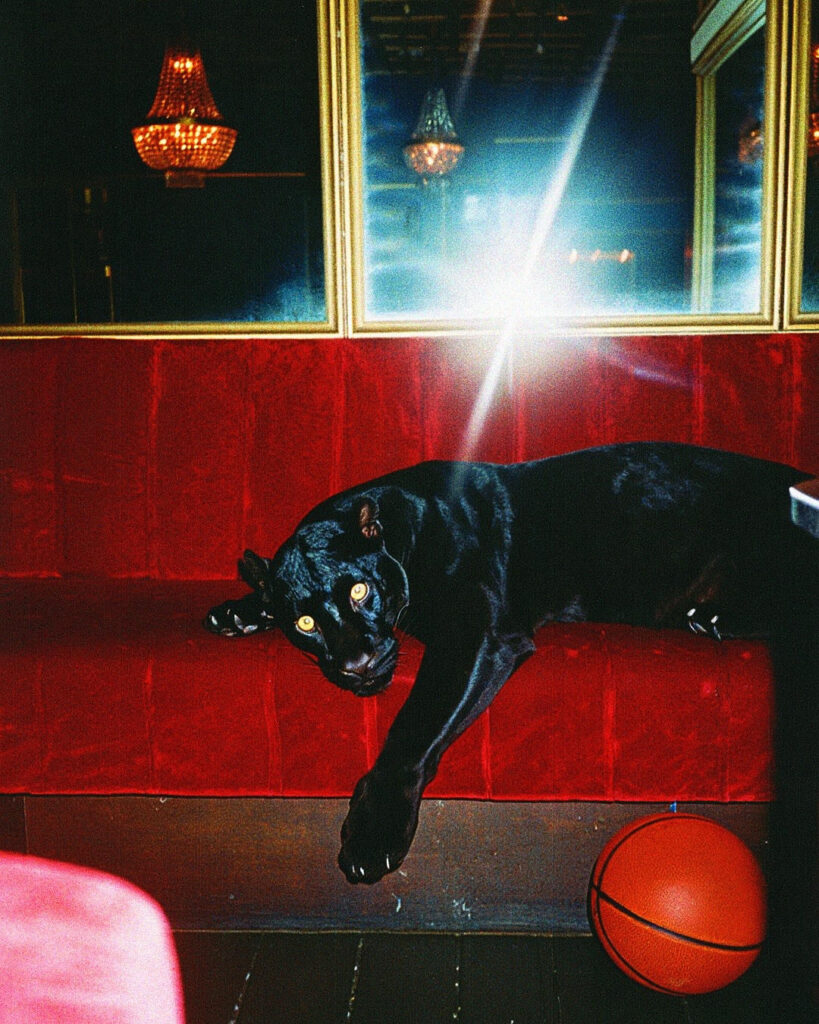
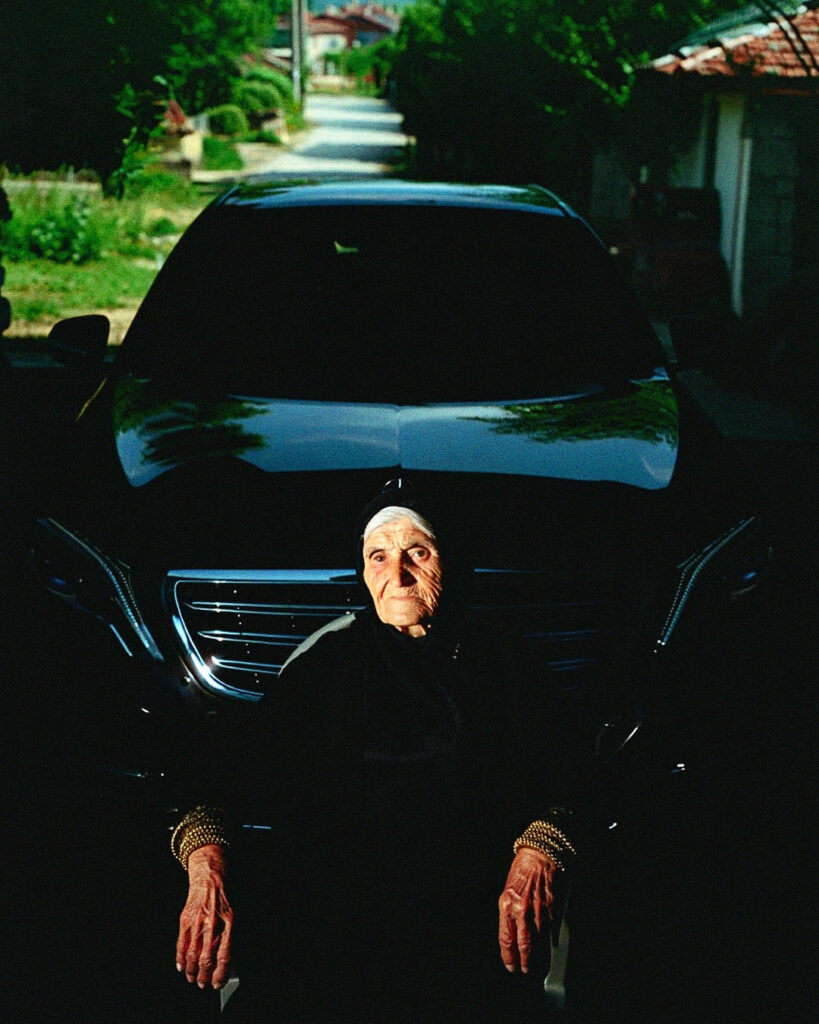
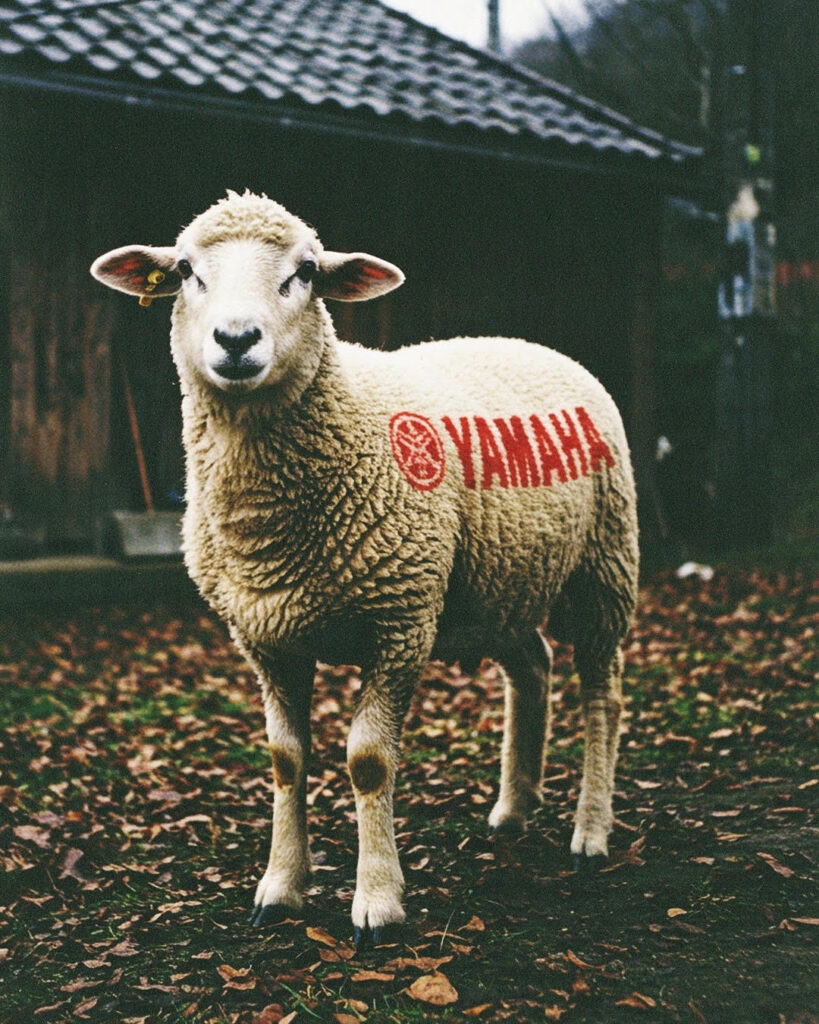
Ces: Animals represent instinct and power. Cars are time and movement. Everyday objects, cups, fabrics, tools, are fragments of human life. I like building visuals that feel symbolic but never too direct. People should feel something before they try to “understand” it.
What do you want your work to express overall?
Ces: That beauty exists in reality, not in perfection. That emotion can live in stillness. I want my work to slow people down, even just for a second — and make them feel something quietly.
Ok Ces, now to something totally different. In a parallel universe who would you be? and what would you be doing?
Ces: Probably a designer, architect, or sound engineer. Something that still involves creating systems, forms, and rhythm, just in a different language.
Outside of art, what keeps you grounded?
Ces: Music, cycling, sunlight, cooking, and spending time with people I trust. I like quiet mornings and clean routines, that’s where I recharge. I don’t need much. Peace and time are the real luxuries.
Can you tell me a story about a time when a connection with someone had a big impact on you?
Ces: People who supported me early on, friends and collaborators who believed before things looked possible. Their trust gave me the push I needed to take my work seriously.
What qualities do you find most important in the people you choose to spend time with?
Ces: Loyalty, calm energy, and a sense of humor. I like people who don’t fake things, who are grounded but passionate about what they do.
Anybody you look up to?
Ces: Virgil Abloh, Rick Owens, and Daido Moriyama. All of them built timeless worlds in their own ways, raw, consistent, and emotional. I respect people who create from truth, not noise.

What motivates you?
Ces: Growth. The idea of doing things better each time, even in small ways. Discipline over motivation, that’s what really keeps me going.
Describe a perfect day.
Ces: Waking up early, sunlight in the room, coffee, good music, working on something meaningful, maybe cycling in the afternoon, and spending time with close friends.
A day where I feel balanced, productive but peaceful. That’s perfect to me.
Alright Ces, I always ask these two questions at the end of an interview. The first is. What’s your favorite movie(s) and why?
Ces: Training Day. It’s raw, real, and human. I love stories that explore morality and power without pretending there’s a hero. It’s tense, layered, and honest — just like life.
The second is. What song(s) are you currently listening to the most right now?
Ces: It changes a lot, sometimes classical music, sometimes hip-hop, sometimes instrumental stuff while I work. I move between sounds depending on my mood. Lately, I’ve been listening to Sixtoo and Blockhead a lot. They both have this cinematic, layered quality — emotional but not dramatic. I like music that feels thoughtful, something you can get lost in without it asking for attention.