

Share this
COS, born Álvaro Costa, grew up in Palencia, a small city in Spain, far from formal art scenes and shaped instead by hip-hop’s aesthetics, language, and sense of belonging. Raised in a humble, unstable environment, he learned early on to navigate creativity on his own terms — moving intuitively between photography, painting, styling, music, and eventually tattooing, guided more by observation than instruction.
That instinct-driven approach still defines his practice today. COS works without manifestos or forced narratives, preferring play, experimentation, and execution over explanation. Rooted in the logic of graffiti, his work resists over-interpretation, allowing meaning to emerge through contrasts — rawness and precision, vulnerability and strength, imperfection and control. For COS, creation isn’t about justification, but about presence: doing something simply because it feels true.
Profile pictures by Jorge R. Preciado.
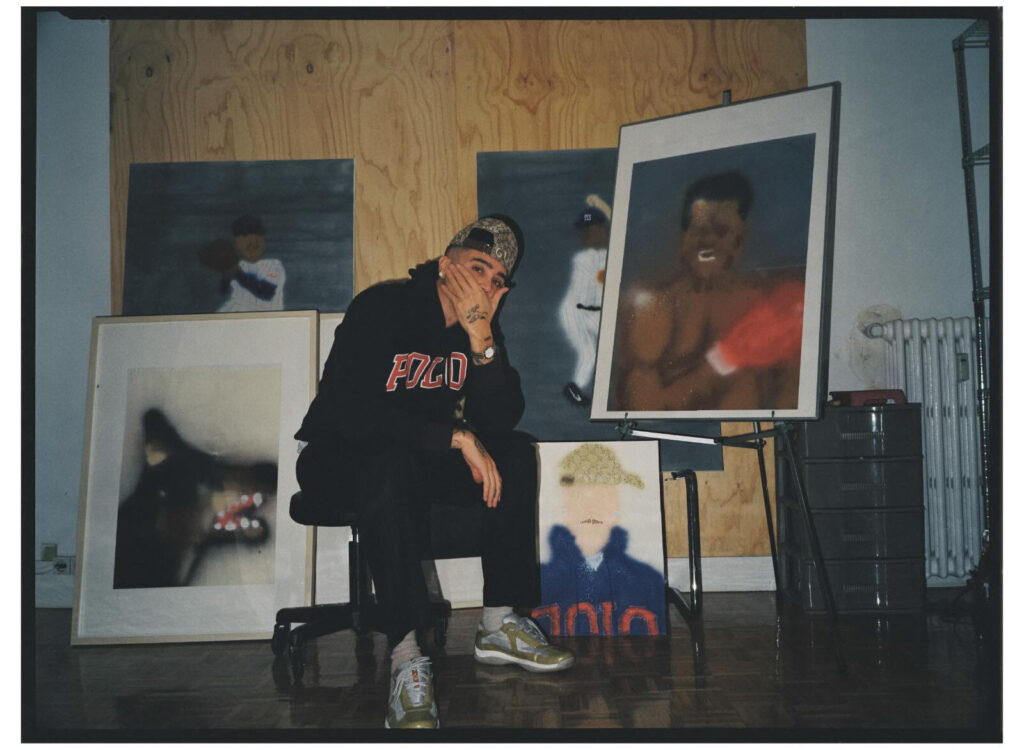
Hola COS! It’s a pleasure to sit down with you. Let’s start at the beginning, cause I’m curious. Growing up, what kind of kid were you? What did you enjoy doing, and how did you spend your time?
COS: Growing up, I wasn’t very different from who I am now. I was a very curious kid, but also quite fearful at the same time. Still, I always felt comfortable exploring and learning. My favorite things were sports and rap, hahaha.
You grew up in Palencia, away from formal art scenes, with hip-hop culture as one of your earliest visual languages. What did hip-hop give you that your environment didn’t?
COS: What hip-hop gave me at that time was something very important: a sense of belonging. Being around people who genuinely shared my concerns and interests made me feel like I was part of a family.
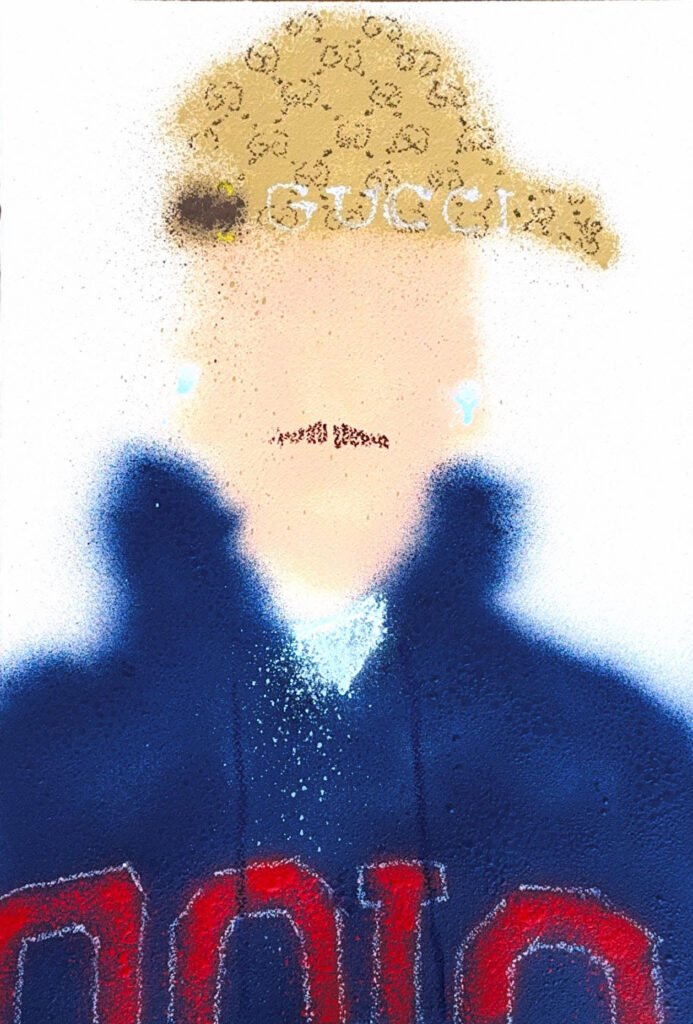
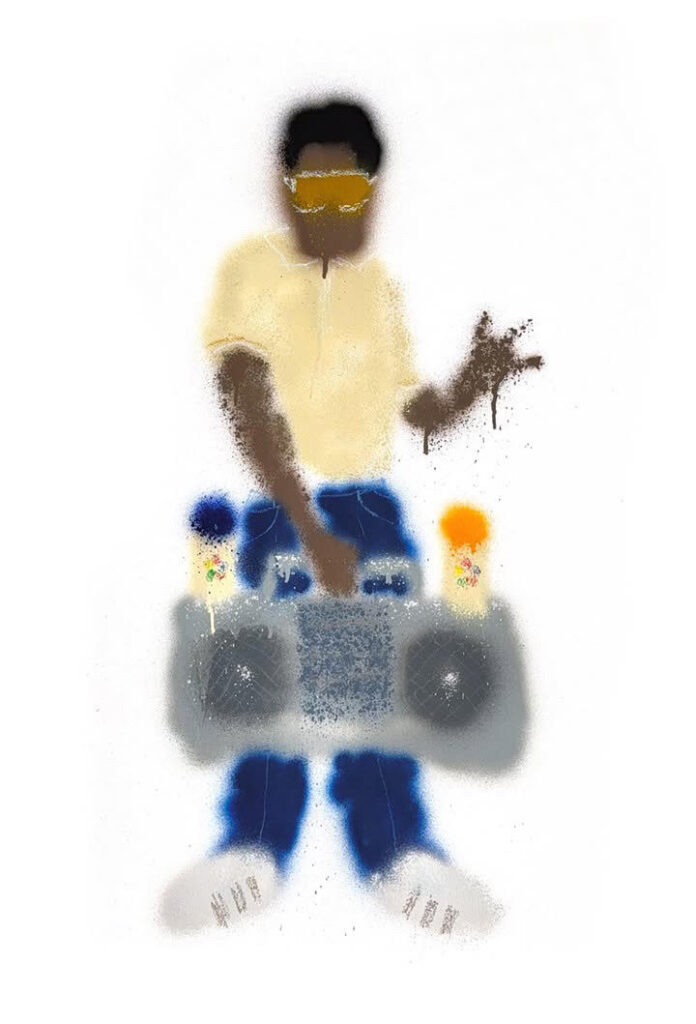
You describe learning photography, painting, styling, and music largely on your own. How did self-teaching shape the way you trust your instincts today?
COS: Self-teaching has been essential for what I do. For my ideals around art, trusting instinct is key, but learning new techniques and educating yourself expands your language. I believe a combination of both gives you more freedom to create. Knowledge never weighs you down.
Coming from a humble and unstable background, do you feel creativity was a form of escape or survival?
COS: In my case, creativity was more of an instinct than an escape. I was already enjoying it before my family situation fell apart, but it’s also true that this side of me helped me a lot during more difficult periods of my life, and it still does today.
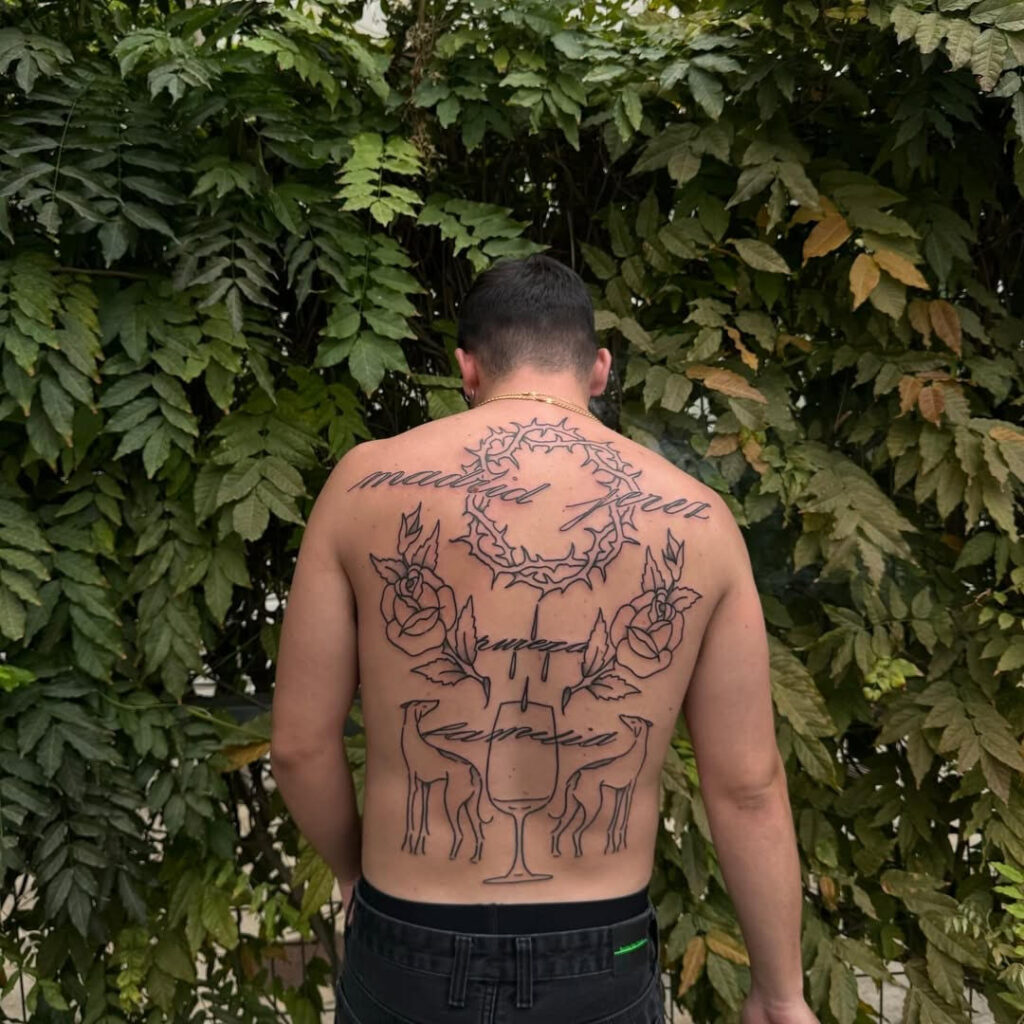
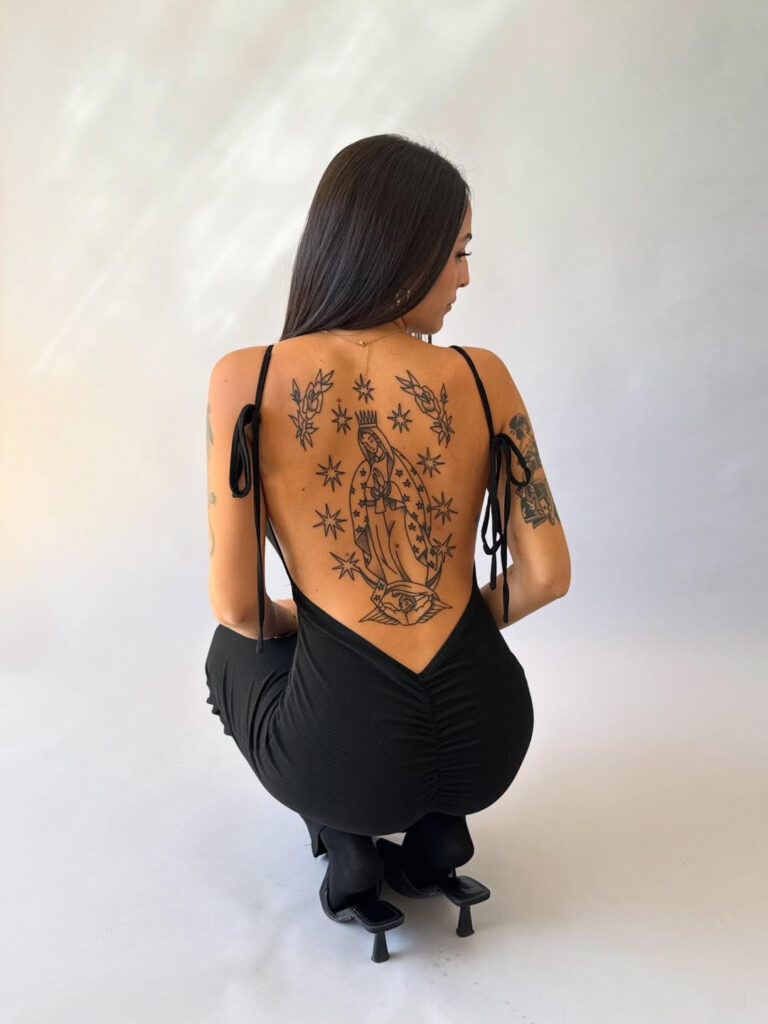
Do you remember approximately at what age your creative side started to show? And when did you start taking being an artist seriously?
COS: You know how people say that every child has an artist inside, and society is what ends up suppressing it? I was lucky enough to be that kid at school who teachers and classmates said could draw well. That external motivation pushed me to keep going. I never intended to be an artist, and even today the word sometimes overwhelms me—it feels very big to me. I guess I started taking it seriously when I got fired from my last job as a shop assistant and decided to fully commit to tattooing, hahaha.
Alright, so when and how did you get introduced to tattooing? And what was it about tattooing that intrigued you?
COS: I bought my first tattoo machine with some friends when I was 16. The idea was to make some money to rent a warehouse to mess around in—back then it was pretty cheap—and to buy a screen-printing carousel. In the end, no carousel and no screen printing, hahaha.
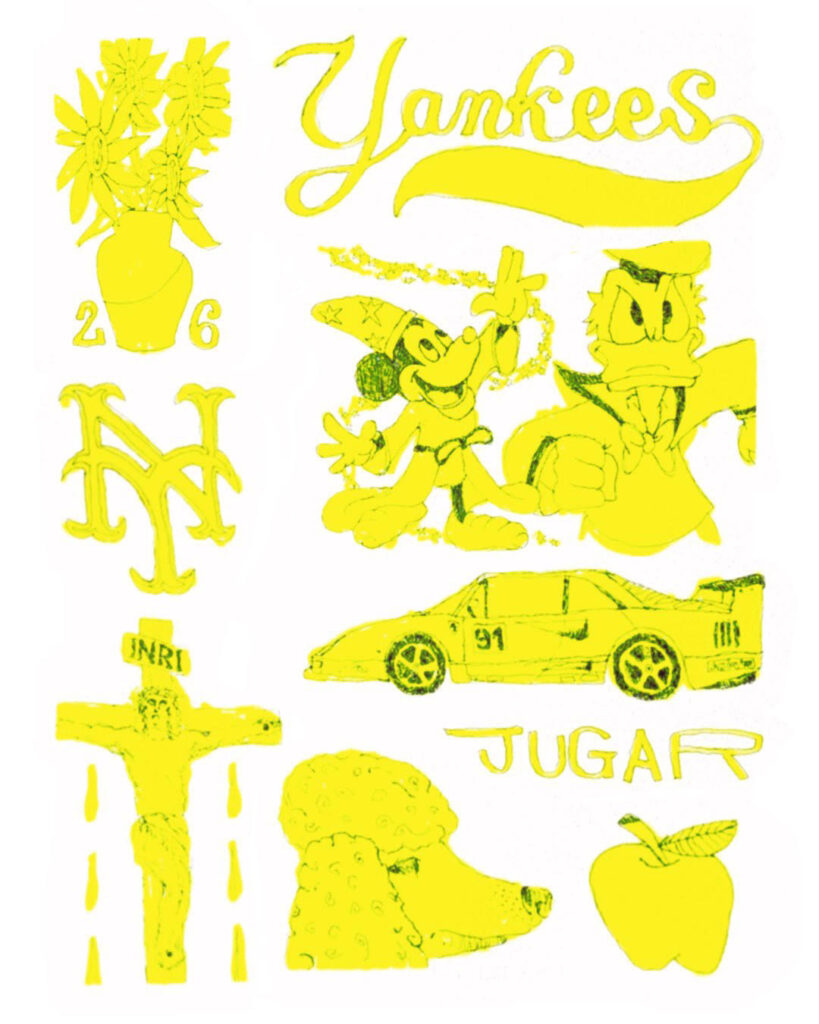
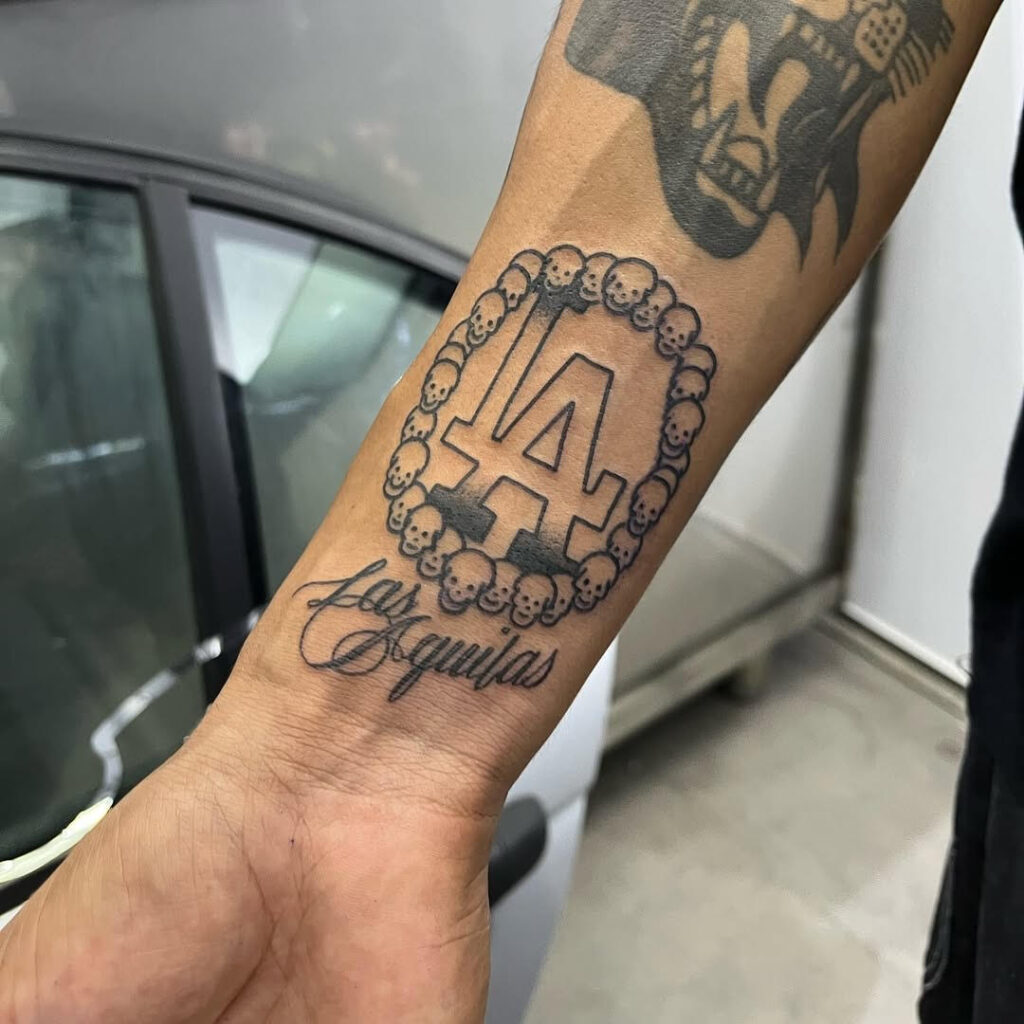
And who trained you, to get to the skills you have now?
COS: At first, I learned by getting tattooed myself and watching closely—badly, to be honest—and then through pure trial and error. When I started moving around more, I came to Madrid. At first, I did home tattoo sessions. Later on, Joan (Maka) messaged me on Instagram—we didn’t know each other—and invited me to join the studio he was about to open in Usera, Nihilism. There I met other tattoo artists like Travis and Grumpy, among others, from whom I learned a great deal.
You reference graffiti’s logic, doing something simply because you feel like it. In a culture obsessed with explanation and meaning, how important is it for you to protect that freedom?
COS: Protecting that freedom is essential to me. There’s nothing purer, in my opinion, than doing something simply because it comes from the soul.
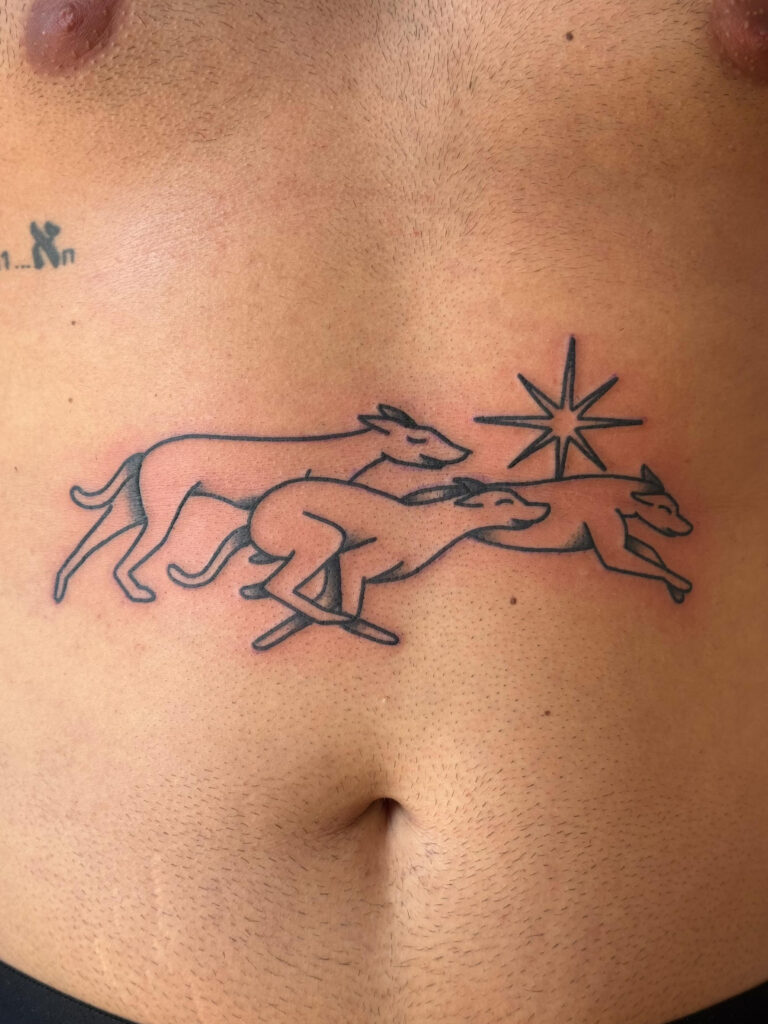
When people ask why you do something, you often say “just because.” Do you ever feel pressure to intellectualize your work for the outside world?
COS: For me, it’s important to reclaim purity and instinct as an intellectual position in itself. Those who understand, understand. If you connect with my work, that’s great—you catch the references, you know how to read between the lines. I don’t need to sell a deep narrative for people to empathize with my work. Not because there isn’t one—sometimes there is, sometimes there isn’t—but because I do things because they come naturally to me. I’m tired, and I think many people are, of this pedantic artist—often a “nepo baby”—who needs to sell a discourse to justify their (with all due respect) shitty work and feel more like an artist.
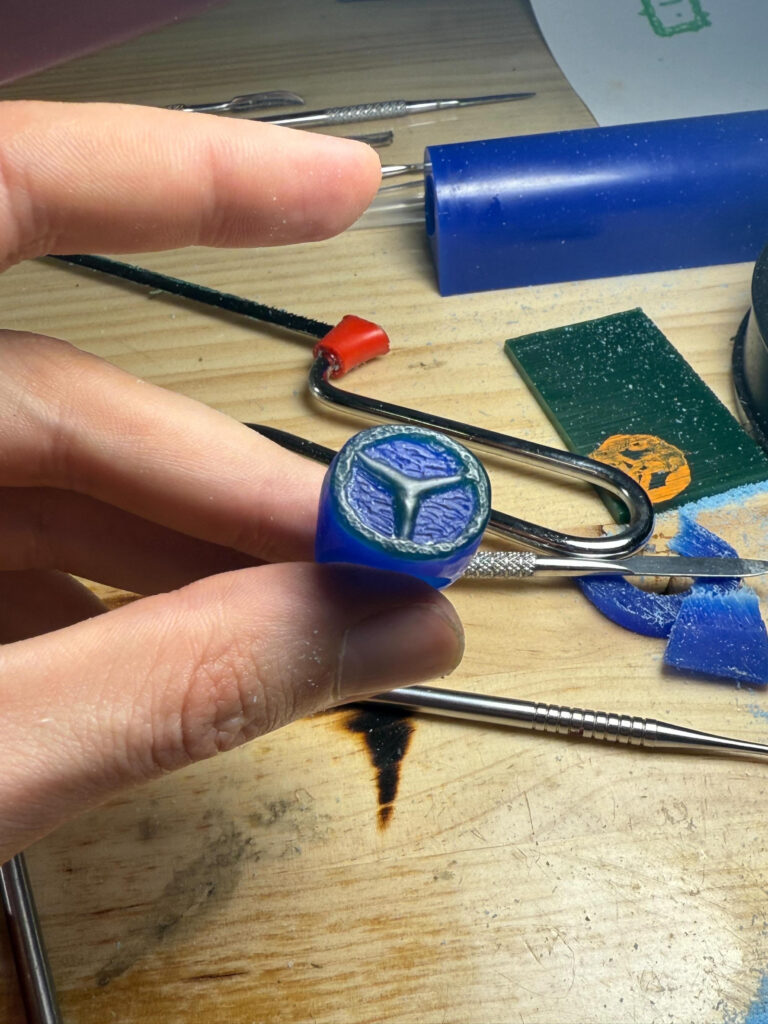
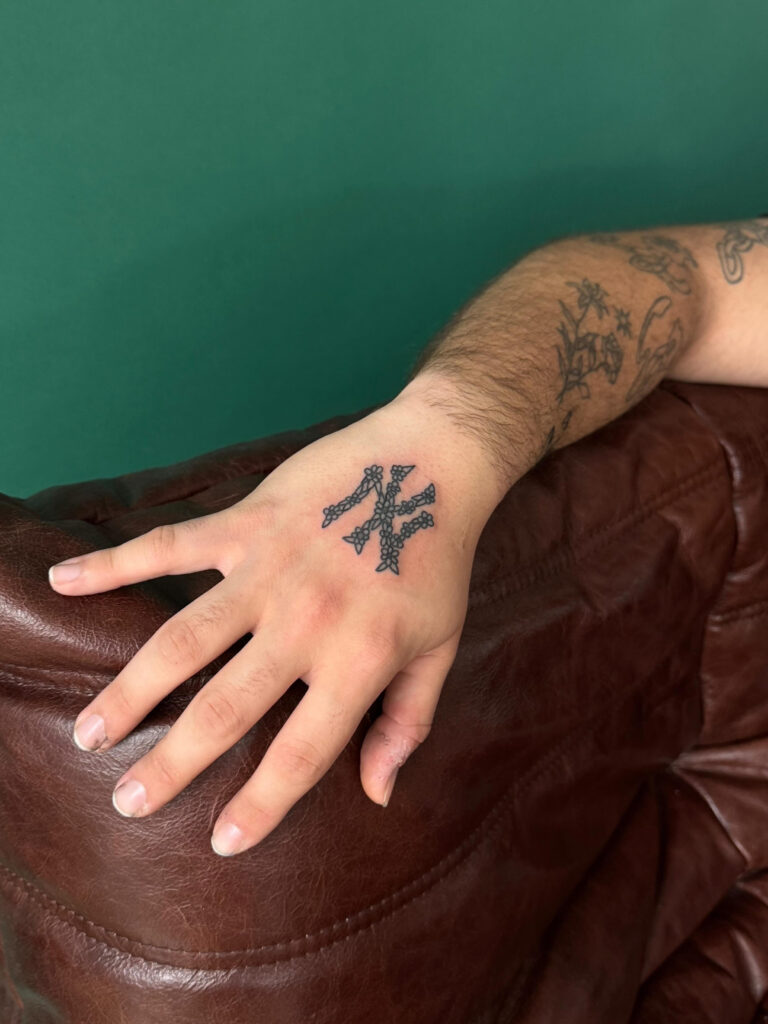
Hip-hop aesthetics often mix rawness with precision. How do those contradictions show up in your tattoos and drawings?
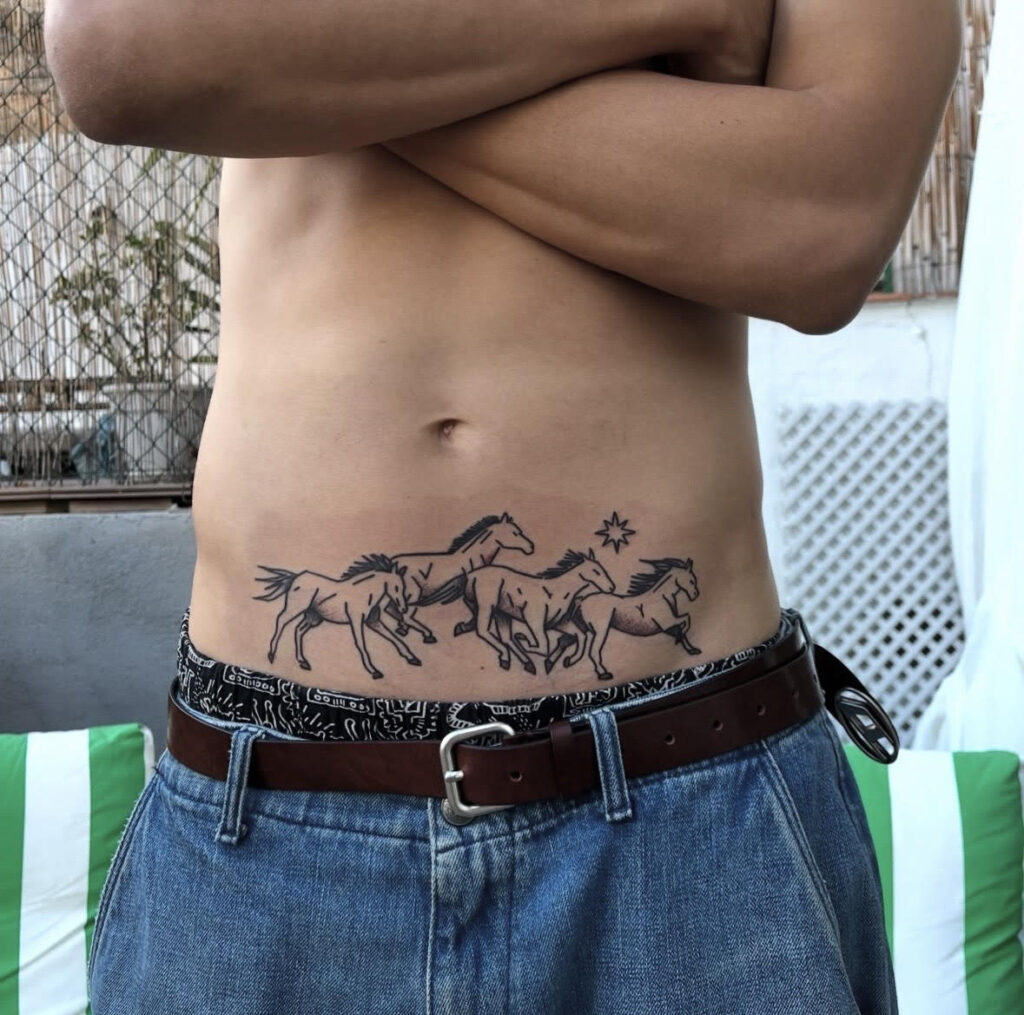
COS: It’s quite simple. I usually combine more classical elements with more pop figures. For example, a flower crown I saw in a cemetery in Paris, but with the New York Yankees logo placed inside it.
Your tattoo work feels closer to drawing than decoration. What does working on skin allow you to explore that paper or canvas doesn’t?
COS: Each medium has its own possibilities and limitations. Tattooing, within my style, tends to be cleaner, while in painting I allow myself to play more. I feel freer painting than tattooing.
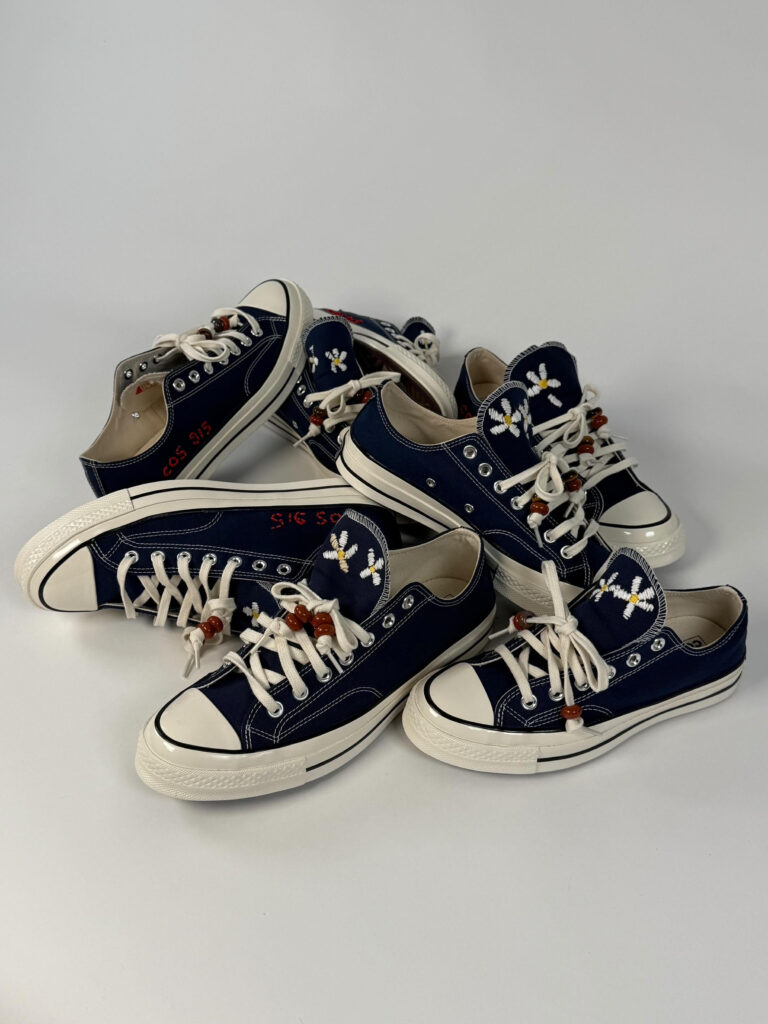
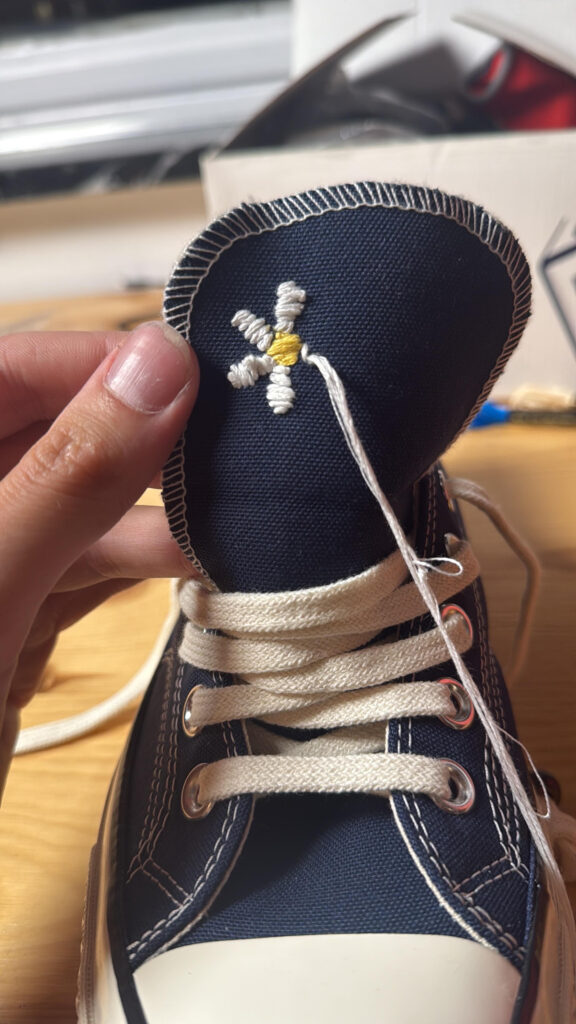
How do you think about permanence when you’re creating something meant to live on someone else’s body?
COS: At the beginning, permanence carried more weight for me, and I felt a greater sense of responsibility. Today, I have a level of confidence that doesn’t leave room for thinking it might go wrong. I enjoy tattooing immensely because it allows me to focus one hundred percent—it feels like meditation to me.
You’ve said your imagination moves through contradictions that coexist naturally. What kinds of opposites are you most drawn to right now?
COS: I’m drawn to everyday contradictions that reveal more vulnerable sides of people. I later conceptualize them. To put it simply, imagine a gangster taking care of a bonsai—someone tough suddenly revealing a calmer, more sensitive side.
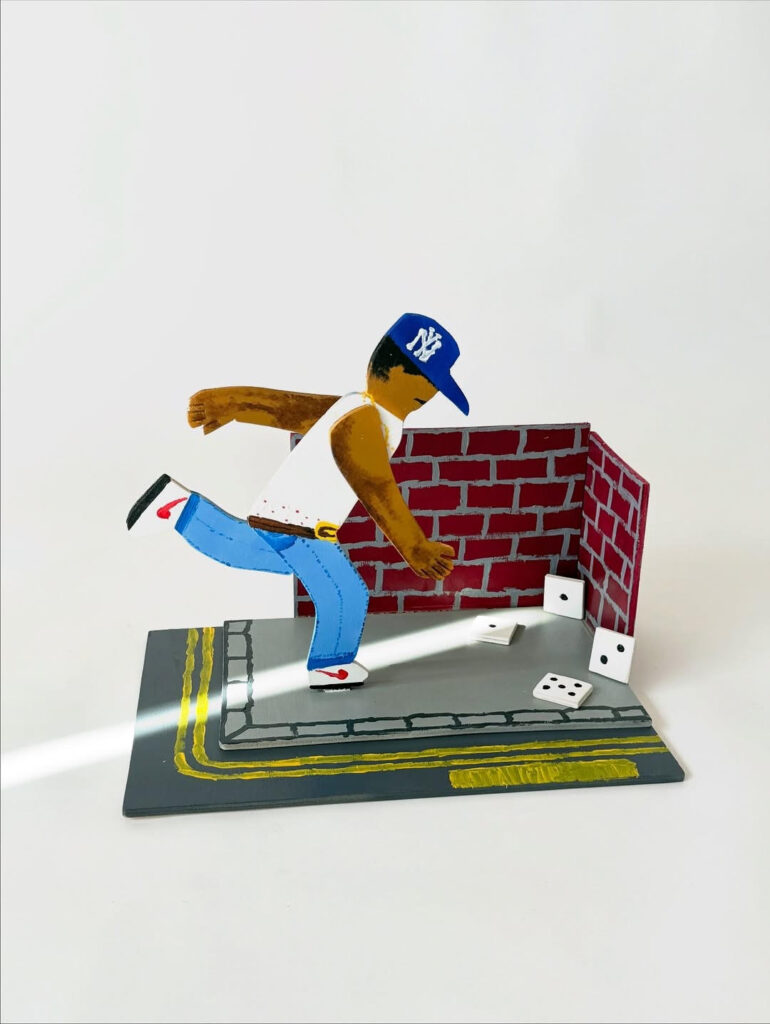
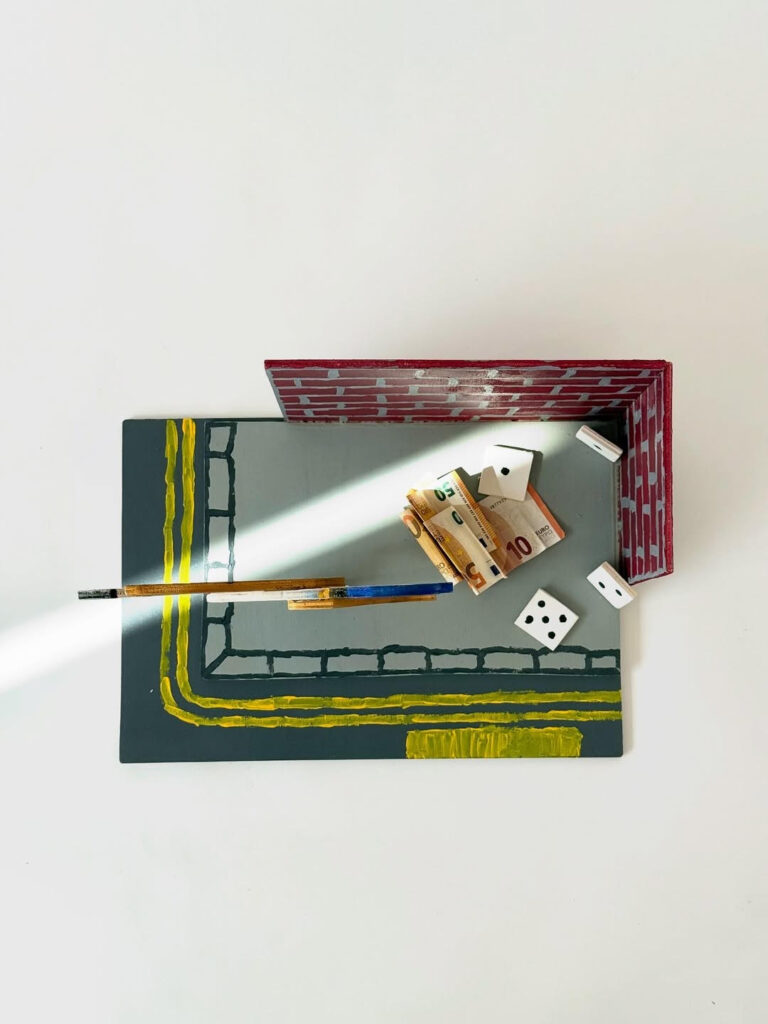
There’s a quiet restraint in your work, nothing feels over-explained. Is that a conscious resistance to spectacle?
COS: It’s a combination of things. Intentionally, I’m against the noise of social media—the speed and saturation. But just as importantly, a fine arts professor once told me that some artists treat viewers like fools. From that day on, I decided I didn’t want to be one of them. I consider my audience intelligent enough to draw their own conclusions. I’m always open to dialogue, but I don’t like forcing things.
You find beauty in imperfection. Can you elaborate on that?
COS: We live in a moment where tools like artificial intelligence are being overused. I think AI is incredible, but many people use it without adding anything. Personally, I only use AI to translate into English and to ask what I should eat when I’m feeling lazy, hahaha. What I value about human-made things is that they’re not perfect—that’s what gives them personality. Mistakes often make things unique.
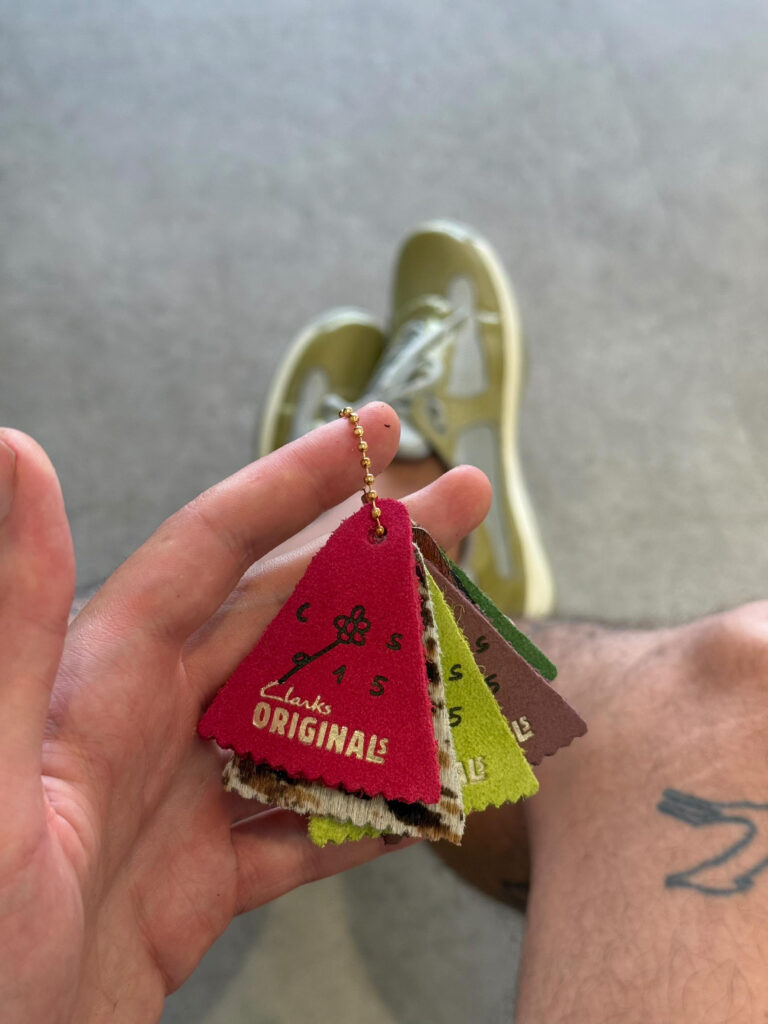
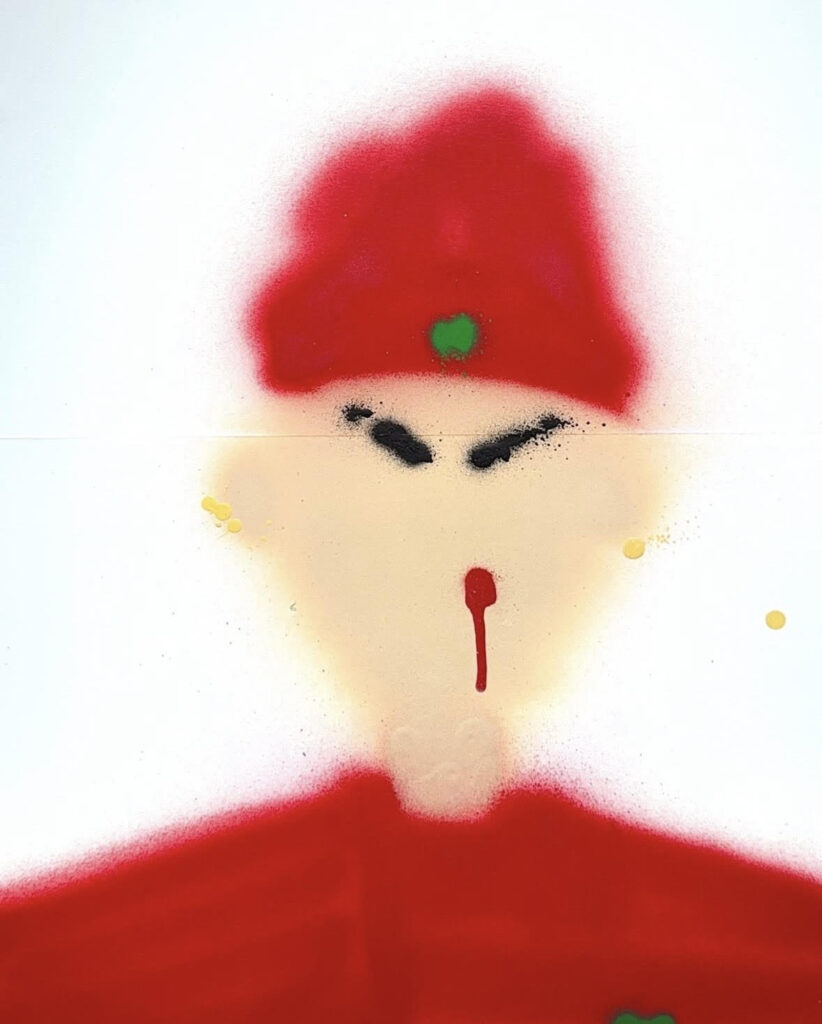
Tattooing has become increasingly visible, online and commercially. How do you navigate visibility without losing intimacy?
COS: For me, it’s something organic. I don’t overthink it.
Do you think the internet has helped preserve underground cultures like hip-hop and tattooing, or diluted them?
COS: I think it’s both. In the past, we wanted these cultures to reach more people. We were fewer, but deeply committed. Now trends make people jump on and off constantly. Still, I think it’s positive—it spreads awareness. Those who truly feel it will appreciate it, respect it, and stay.
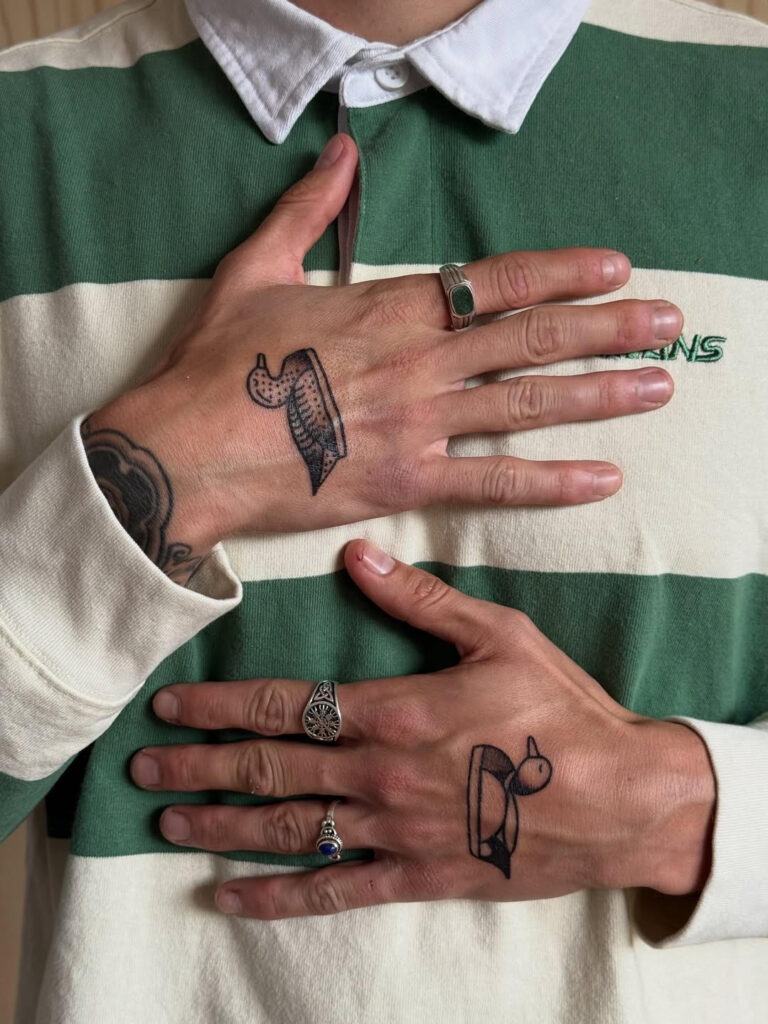
Can you tell me about your use of symbolism?
COS: Everything is loaded with symbolism for me—everyday objects as well as abstract concepts. The magic lies in how they’re used, how they’re combined, and, above all, who receives them.
In a parallel universe who would you be, and what would you be doing?
COS: Probably a cook, an architect, or a photographer. Although honestly, I think that if I appeared in a parallel universe, I’d end up doing the same thing I do now, hahaha.
Outside of tattooing, what’s something you’re obsessed with right now that keeps you grounded or inspired?
COS: Lately, I’ve reconnected with sports. It was a big part of my childhood, then I abandoned it during my teenage years and early adulthood. Now I’m getting back to it and I love it—it makes me feel good. I’ve also been traveling more, not just for tattooing. I’m very into gastronomy, trying to meditate, and generally taking better care of myself. I never paid much attention to myself before, and I think it’s necessary.
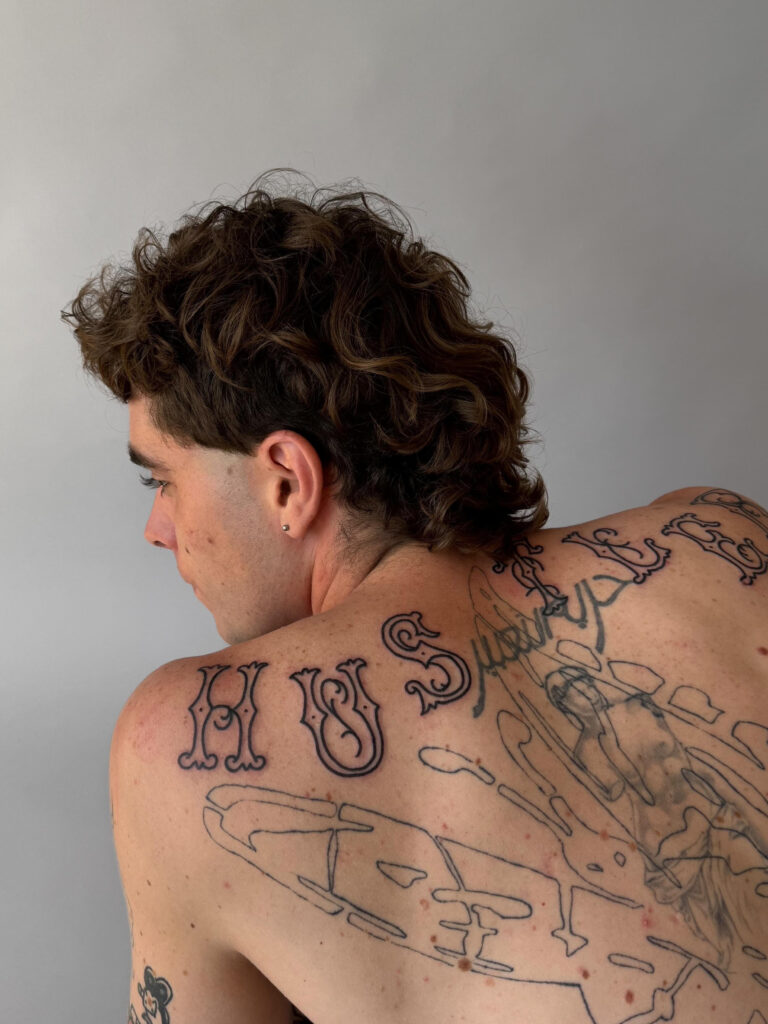
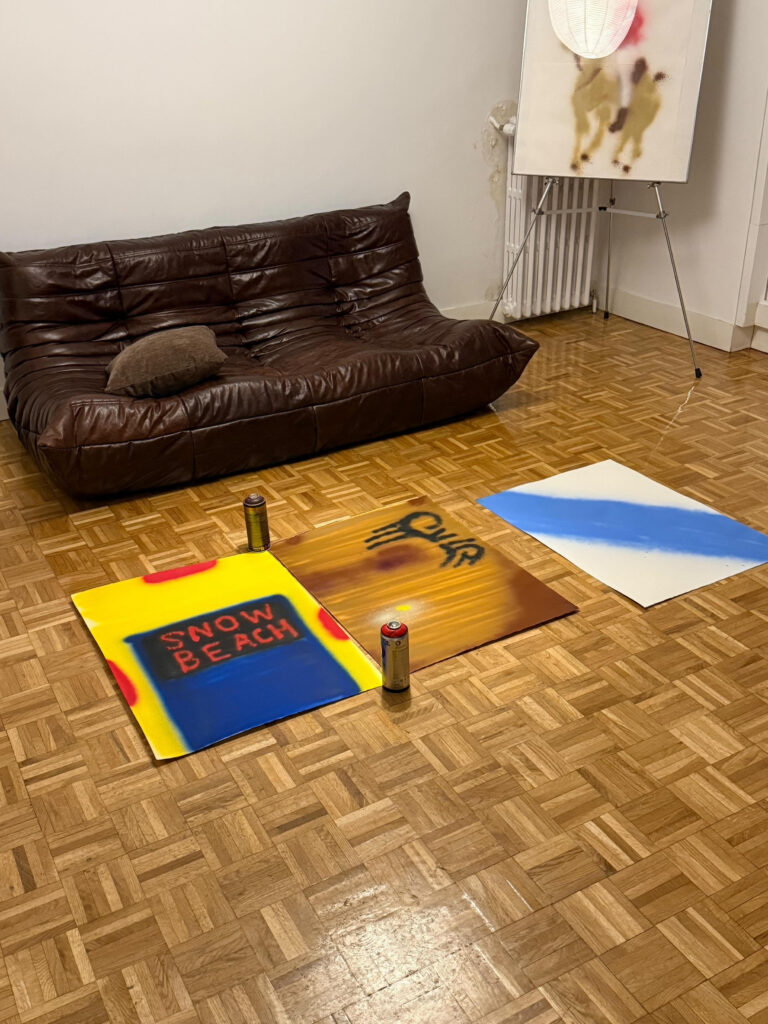
If you could tattoo one sentence on every person in the world, what would it say?
COS: The one I have tattooed on my own forehead, hahaha:
“Do good and don’t look at who.”
It’s something my grandfather Andrés used to say.
What qualities do you find most important in the people you choose to spend time with?
COS: A sense of humor and good intentions.
Anybody you look up to?
COS: My father, my sister, my friends… Gerseys, Simon Raphaelo, Herny, Brockie, Romeo, Grumpy, Kvshmirt, Michel, Tonet, Nacho, Xase, Julia, Diego Velasco… many people around me. Creative people and non-creative people alike, but all wonderful human beings.
What motivates you?
COS: Growing alongside the people I love and enjoying the process, without obsessing over arriving anywhere.
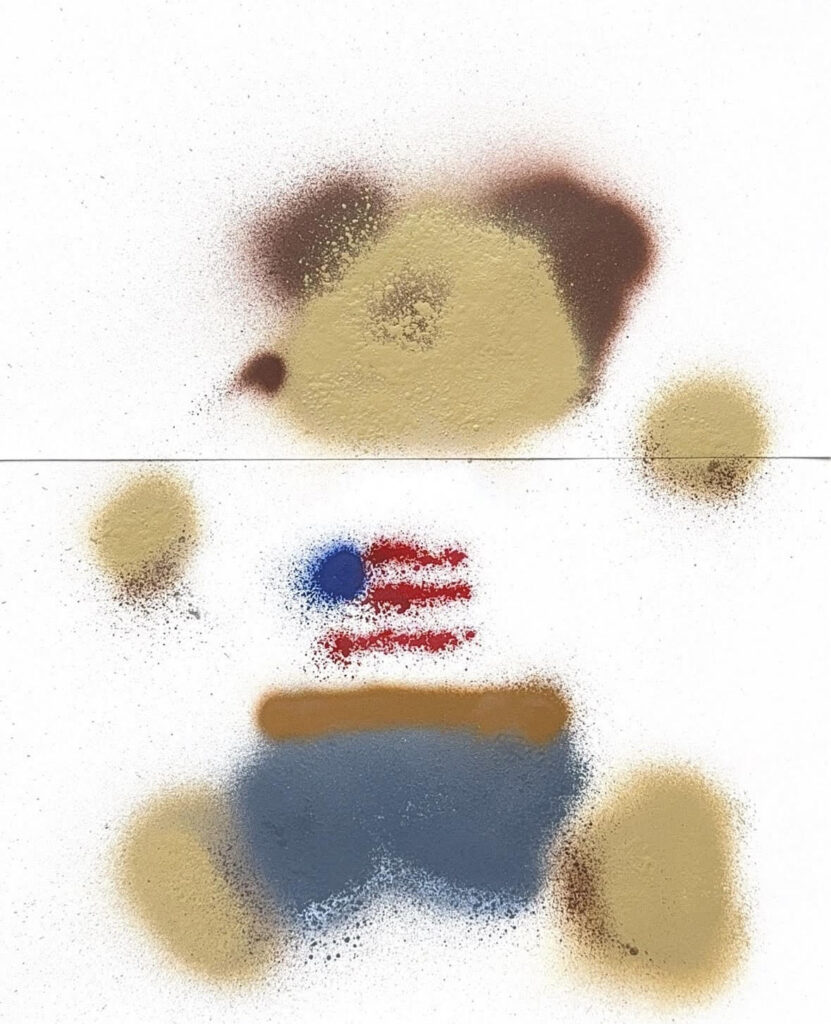
How would you describe a perfect day?
COS: A day when you wake up calm, the light feels right, you have a good idea and execute it, you eat something good with your loved ones, you’re in a pleasant place, and you fall asleep with a clear and peaceful conscience.
I know you like to read.
COS: Yes, I do, although I should read more.
What are your favorite movies and why?
COS: Here’s a list of films that have influenced me:
La Haine
Do the Right Thing
Chungking Express
Beat Street
What songs are you currently listening to the most?
COS: Lately I’ve been listening to a lot of flamenco, salsa, jazz, and also Larry June and the latest album by ANB with Stereo Madness.