
Share this
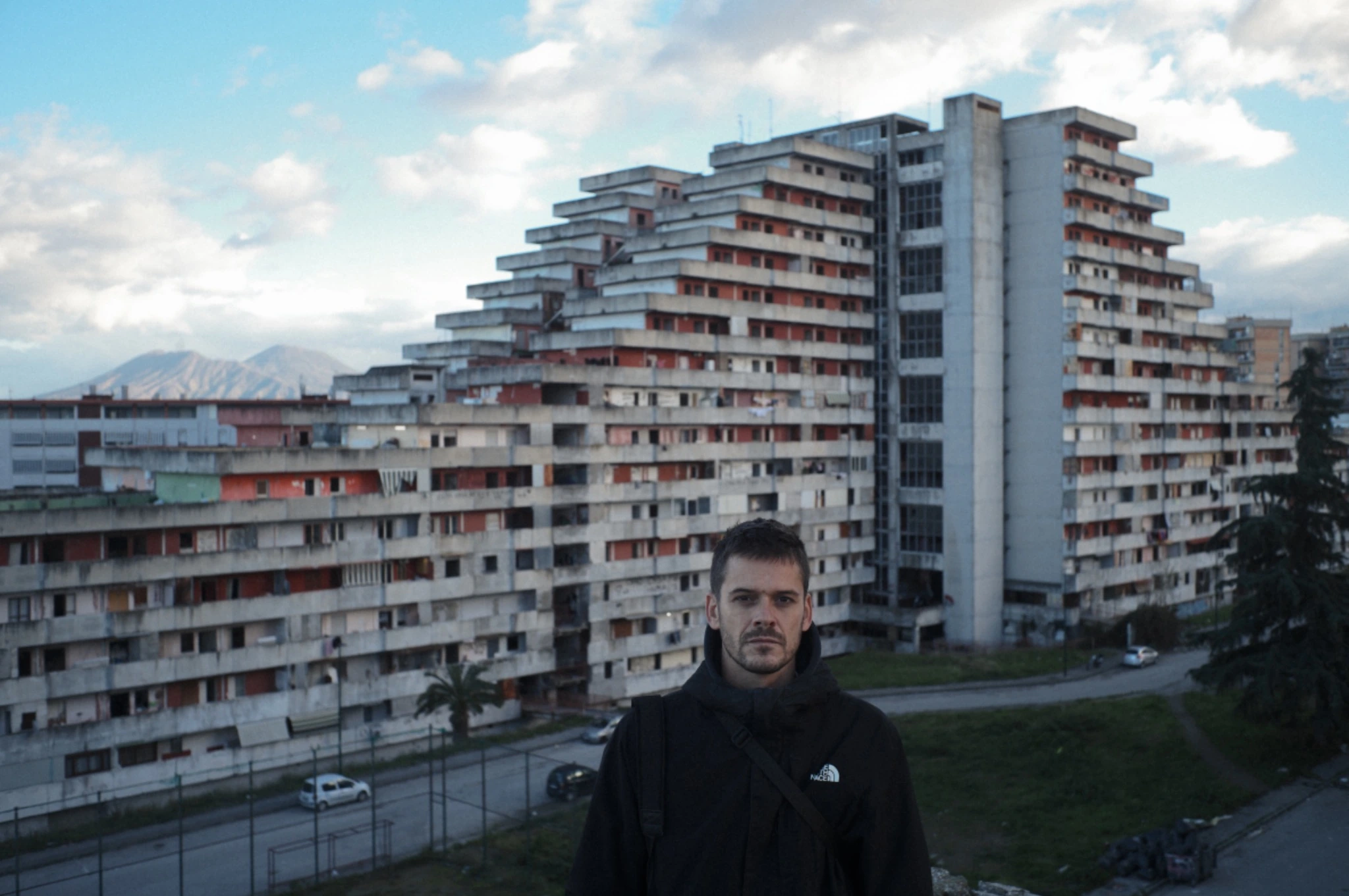
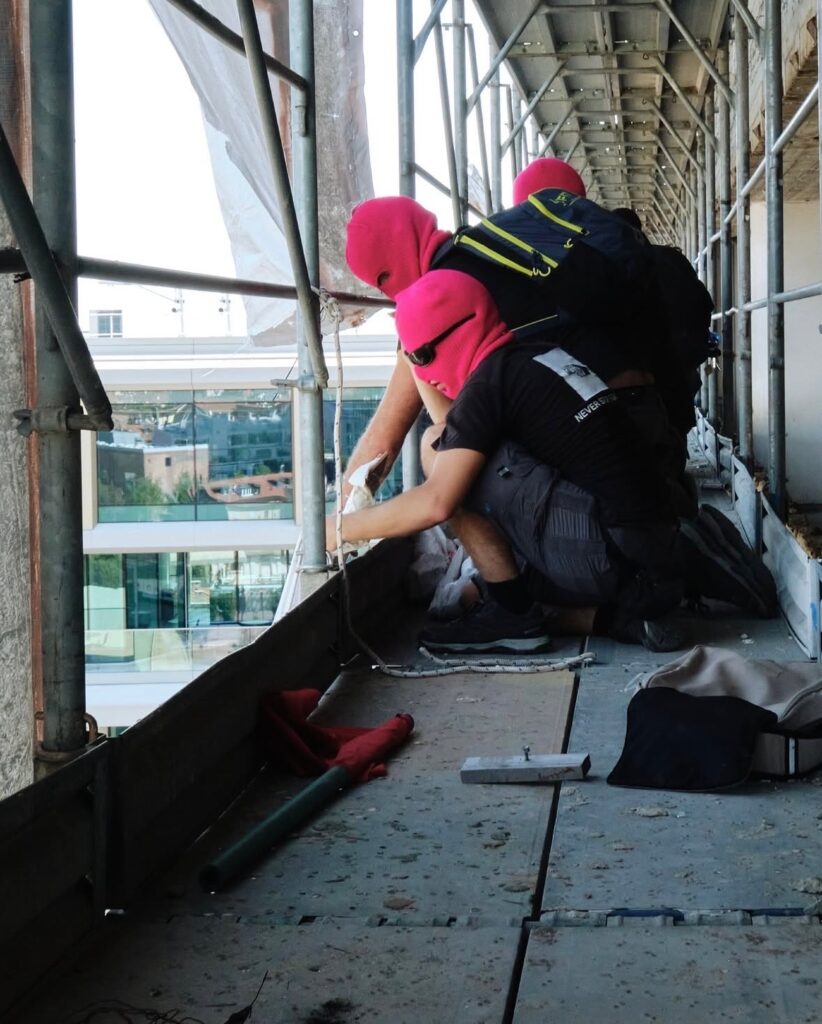
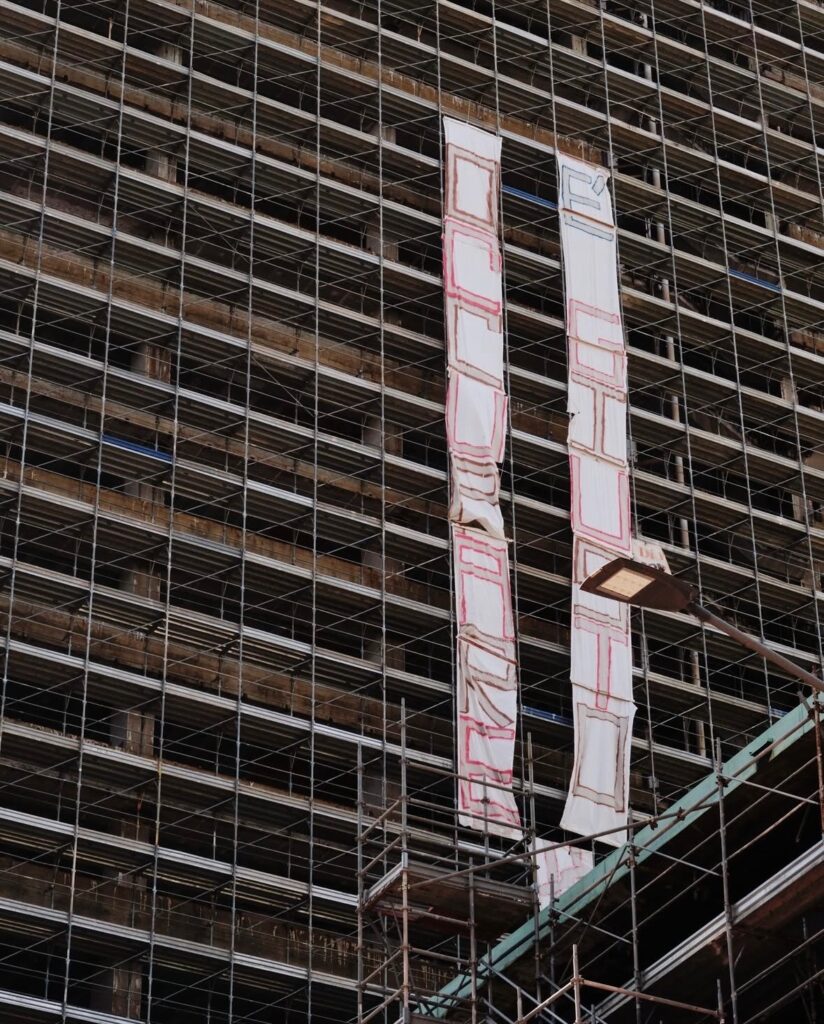
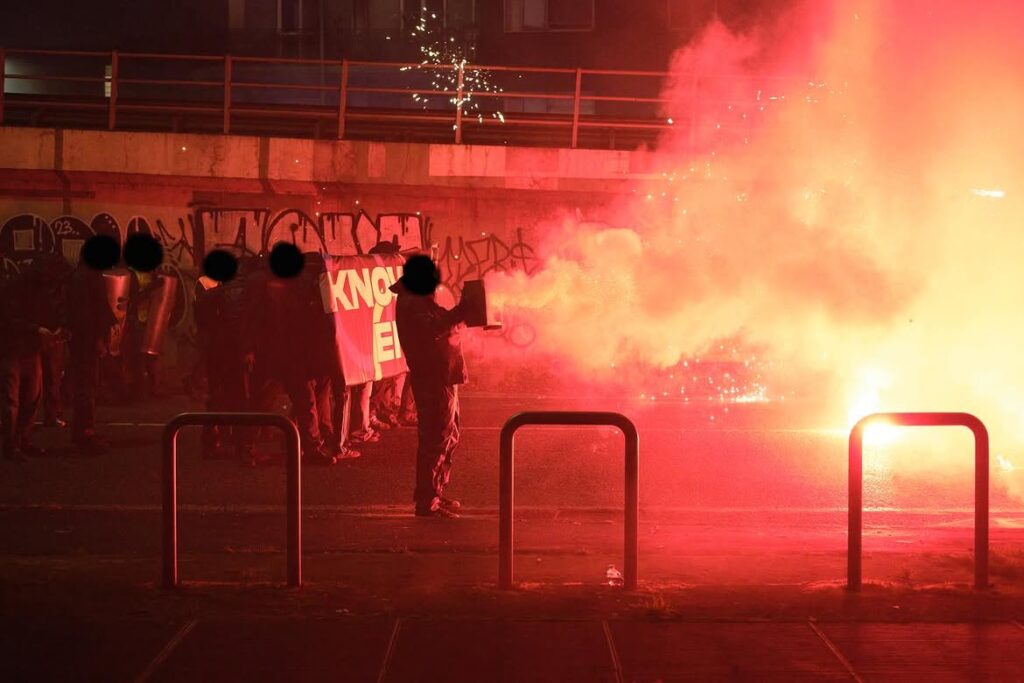
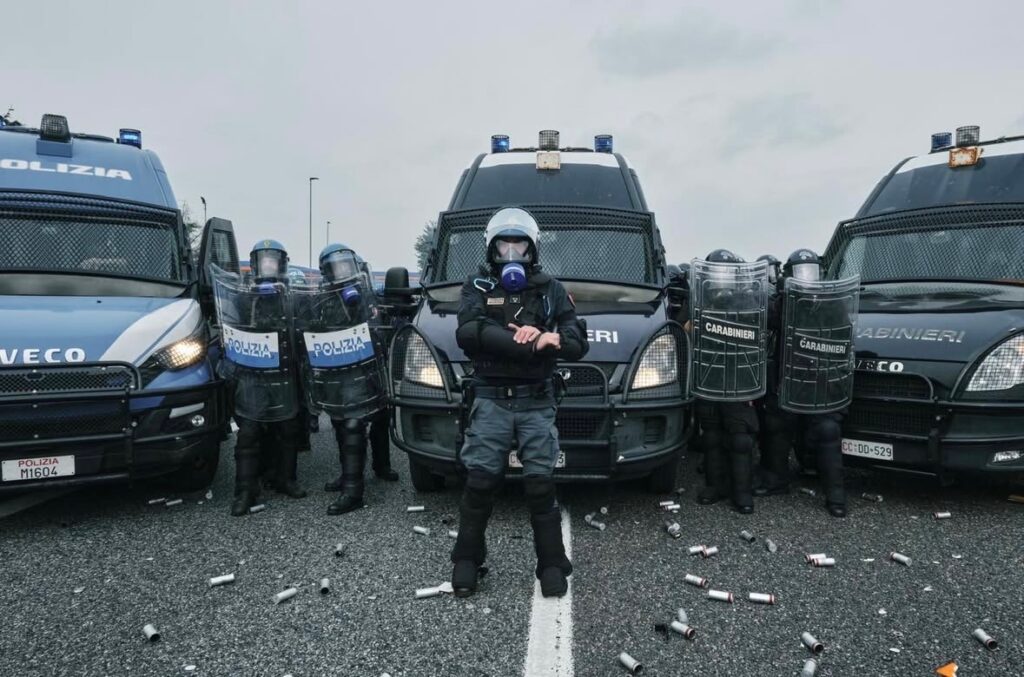
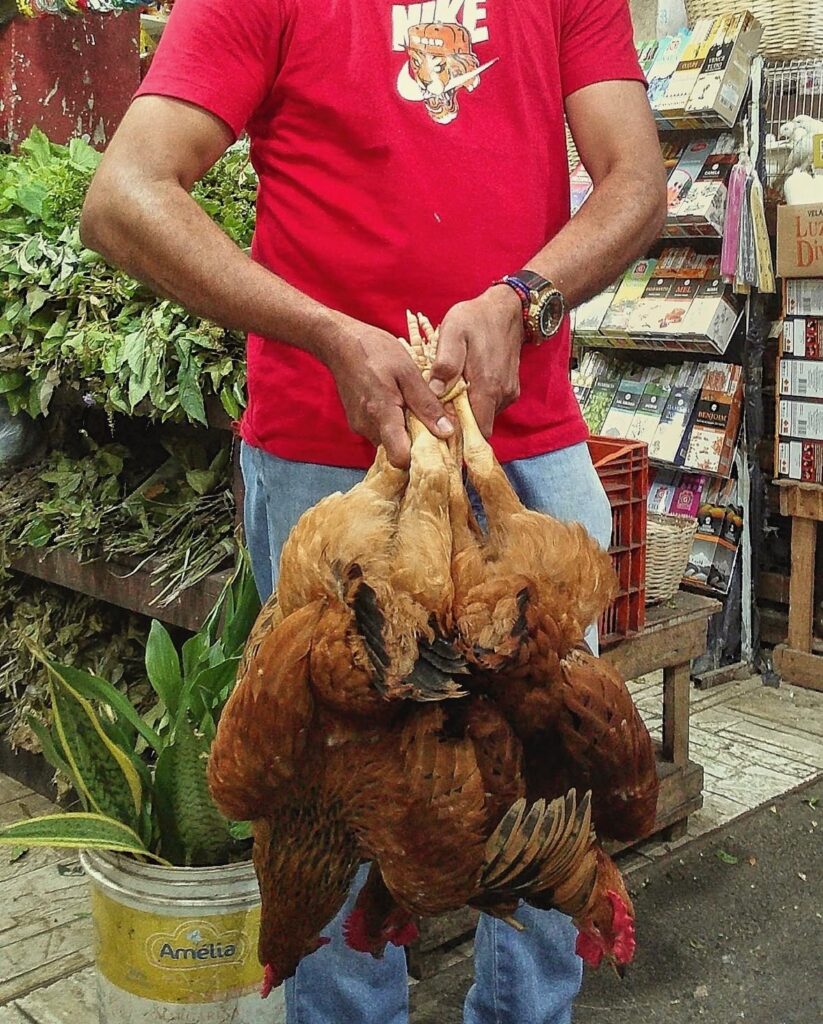
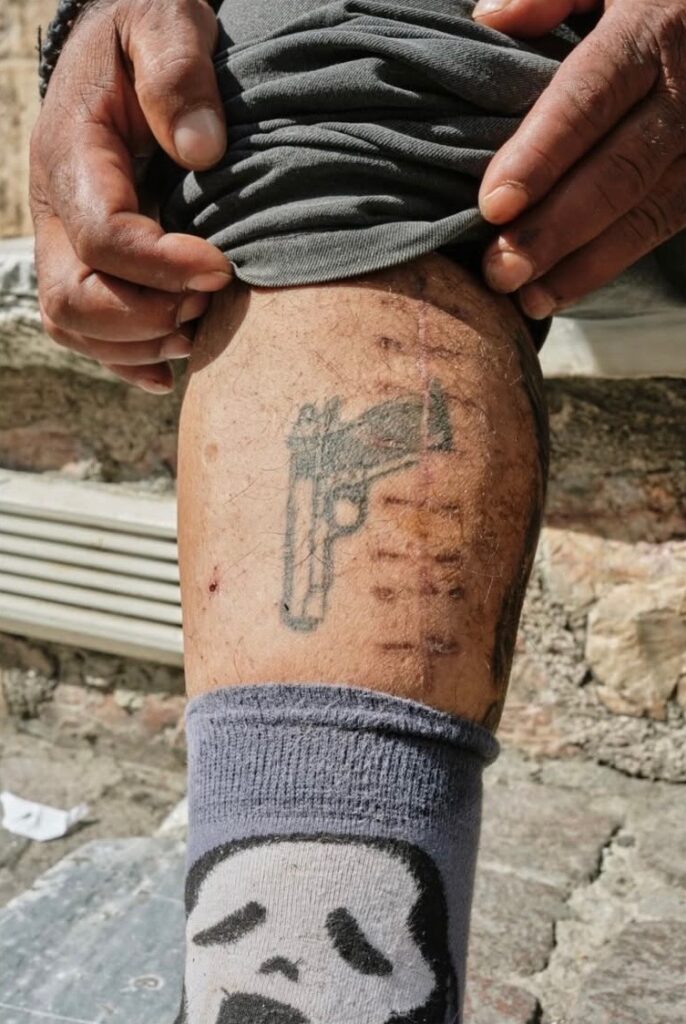
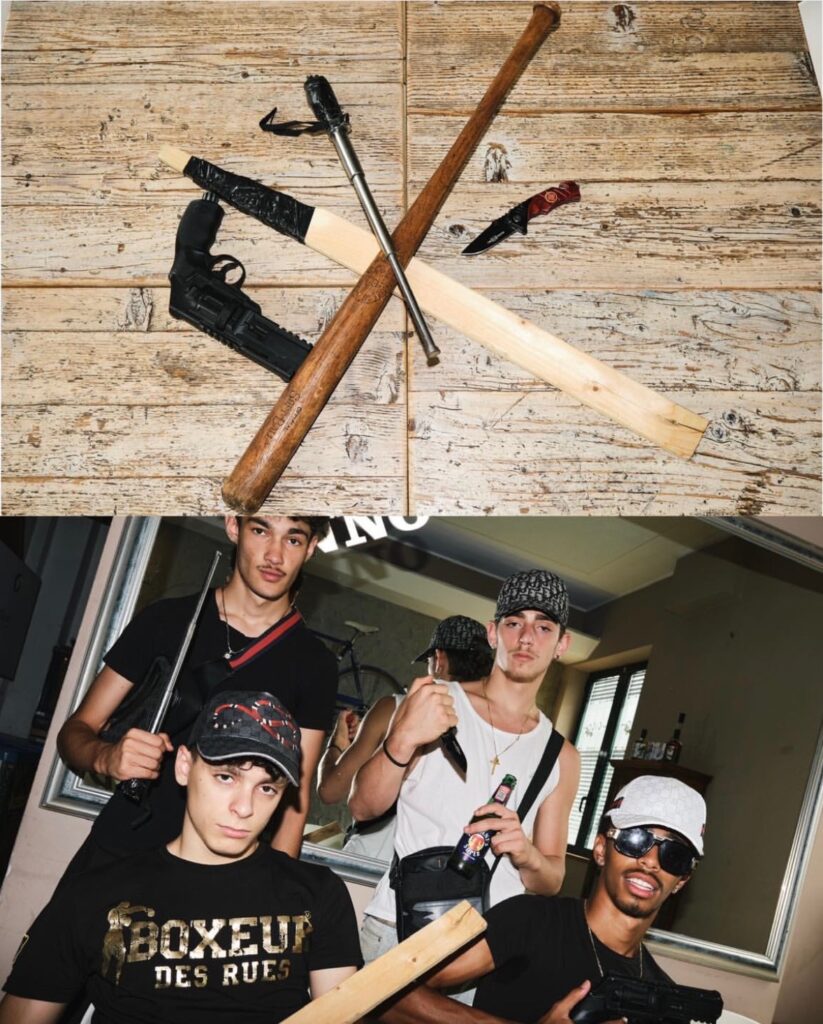
Lorenzo Roncaglione photographs what often goes unnoticed in the cities where he lives, Milan and Lisbon. He works in the spaces where the city shows its cracks: peripheral streets, forgotten areas, passing corners, situations of hardship, and lives existing on the edge. He moves through these places carefully, observing what happens without interfering, documenting scenes exactly as they appear. His focus is on marginality in a concrete sense: urban poverty, loneliness, housing insecurity, informal work, and small everyday survival strategies. He does not seek clean or reassuring images; he favours what is raw, direct, imperfect, and that reflects reality as it is. His photographs depict people and places that often remain outside the official narrative of the city, far from the polished stories that portray urban life as orderly and inclusive.
Lorenzo uses photography to bring to the surface what is usually ignored: the traces of marginality left on the territory, the exclusionary dynamics hidden behind the city’s fast pace, and the lives that persist despite everything. His work aims to give space to these stories, recognising them as an integral — and often essential — part of the urban fabric.
Hi Lorenzo, it’s a pleasure to sit down with you. Let’s jump right into it. You photograph what cities often try to hide or leave outside their official image. What first drew your attention towards these overlooked spaces and lives?
Lorenzo: I think it is something that has always been intrinsic to my interests. In general, the ordinary and the commonplace have always bored me, and I have always looked for situations that exist outside what we see every day. Life is also made of this.
So how did you get introduced to Photography?
Lorenzo: I started using an old film camera that belonged to my father, with which I used to take photographs in abandoned places. Later, I made my path more “professional” by starting to work in photography studios in Milan, initially without being paid. That is where I learned how to use a camera in greater depth and the basics of post-production. I have never studied photography: I am self-taught.
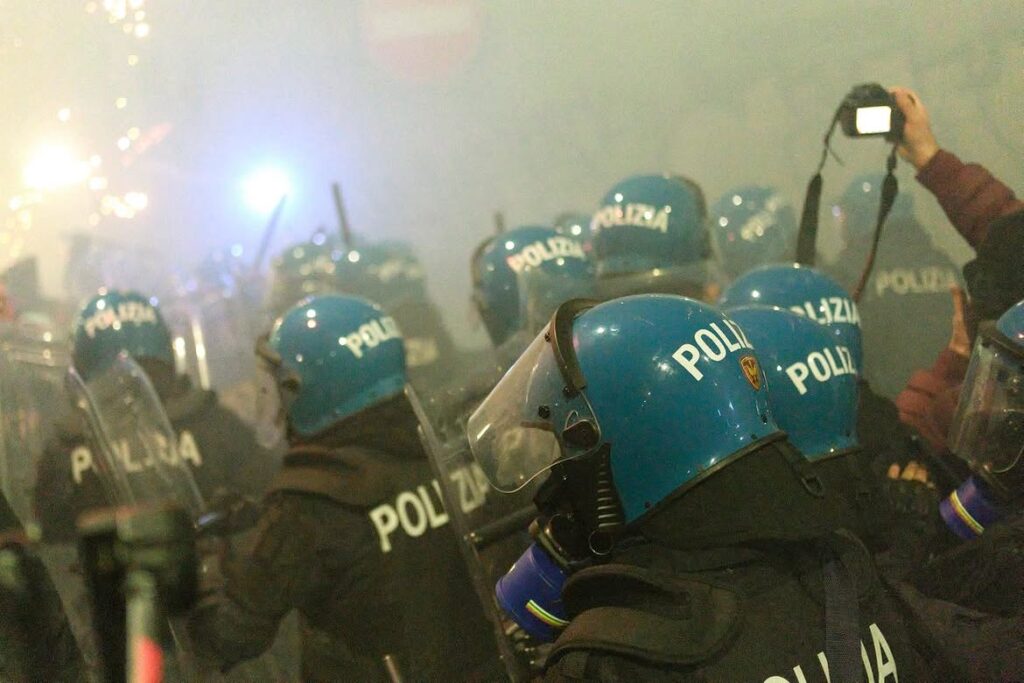
How important is authenticity in your work? And can a picture still be good, if it does’t have any?
Lorenzo: Authenticity is a very broad concept and, at the same time, one that is easily misunderstood. If we are talking about authenticity in my photographs, for me it is essential: I am not interested in photographing artificially created situations. At the same time, there are other types of photography in which authenticity is not necessarily important. An image can still be beautiful even if it is deliberately constructed: it depends on what it manages to evoke in the person looking at it.
What makes photography and video your preferred medium of expressing yourself?
Lorenzo: I am not very good at writing, let’s say I can get by. On the other hand, I have always been absolutely incapable of playing any musical instrument. What I like about visual arts is that they give us a powerful way of reproducing immediate reality. And it is not at all easy to reproduce it authentically: that is why photography always puts me to the test.
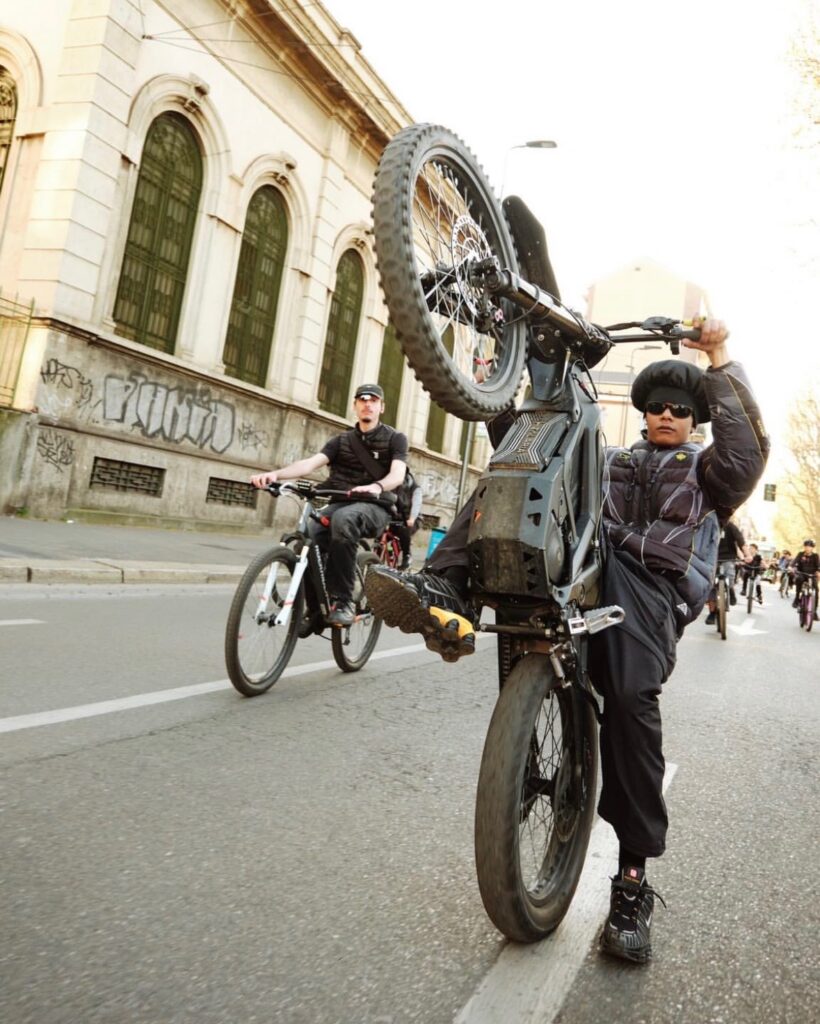
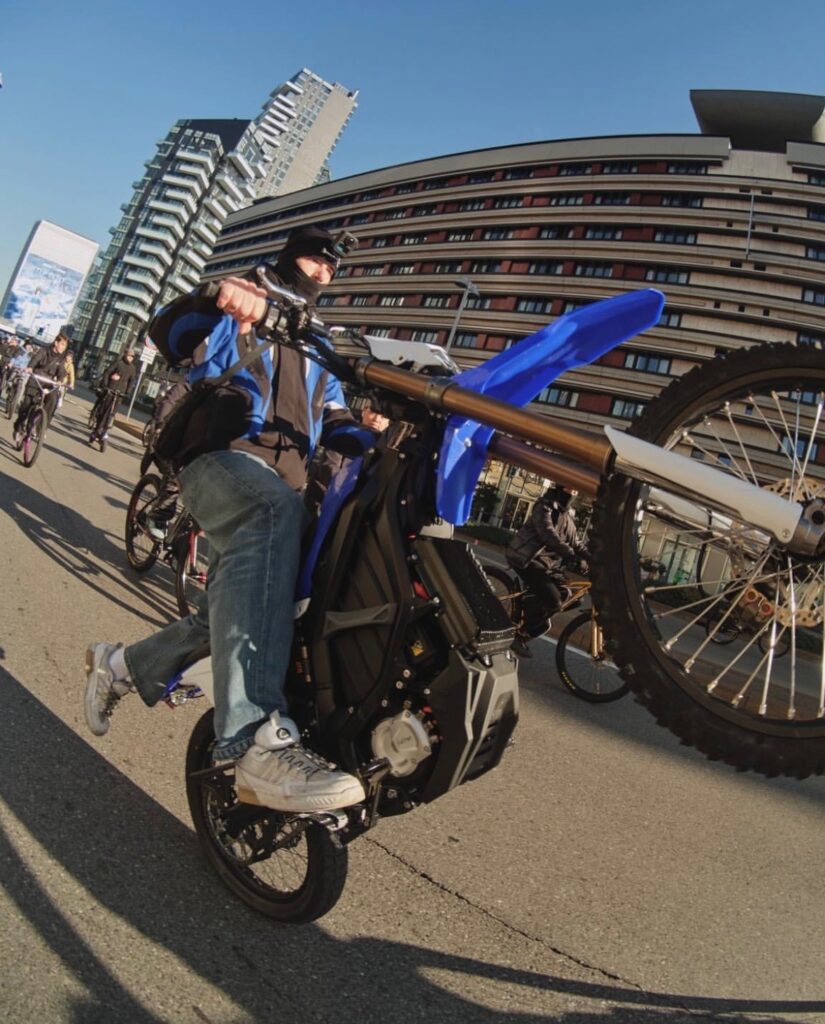
When you walk through Milan or Lisbon, what do you look for when you’re out looking for your next motif to shoot?
Lorenzo: I do not have a particular subject or search, other than what you can see in my photographs: I think the themes that interest me are fairly obvious. I definitely try to keep my mind and eyes open, because beautiful situations can disappear in an instant. I do not think it is so much a question of what you are looking for, but of attitude. Leaving the house with a predetermined objective really kills my way of approaching things, because it turns everything into a programmed process. The best things happen when they happen by chance.
Your work focuses on the streets, forgotten areas, and subcultures. What can the edges of a city reveal that its centre cannot?
Lorenzo: In modern times, city centres have gone from being places where inhabitants met to becoming postcards to be shown to tourists. Everything has to be polished and made presentable; that way, there will be an ever-greater influx of tourists. The outskirts are where people actually live, where real life takes place. For this reason, they are certainly more authentic places than the city centre.
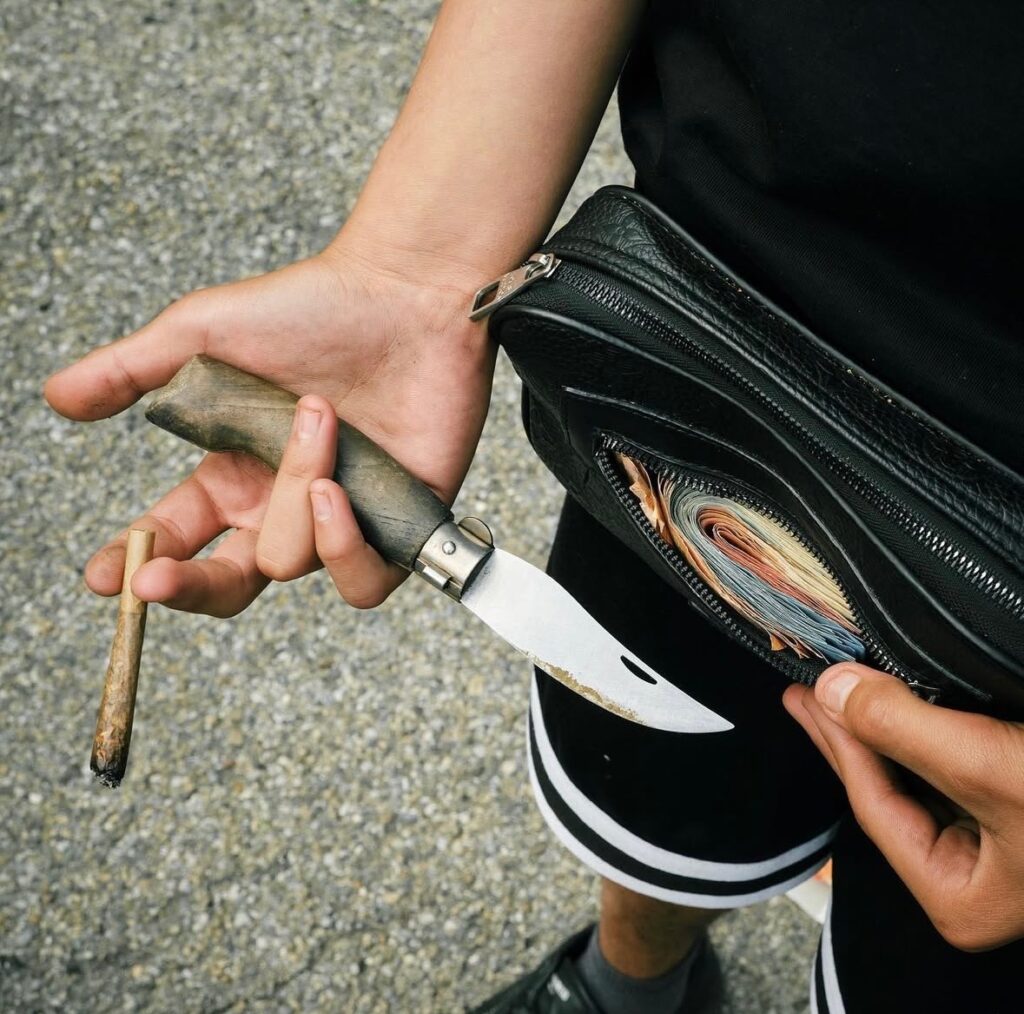
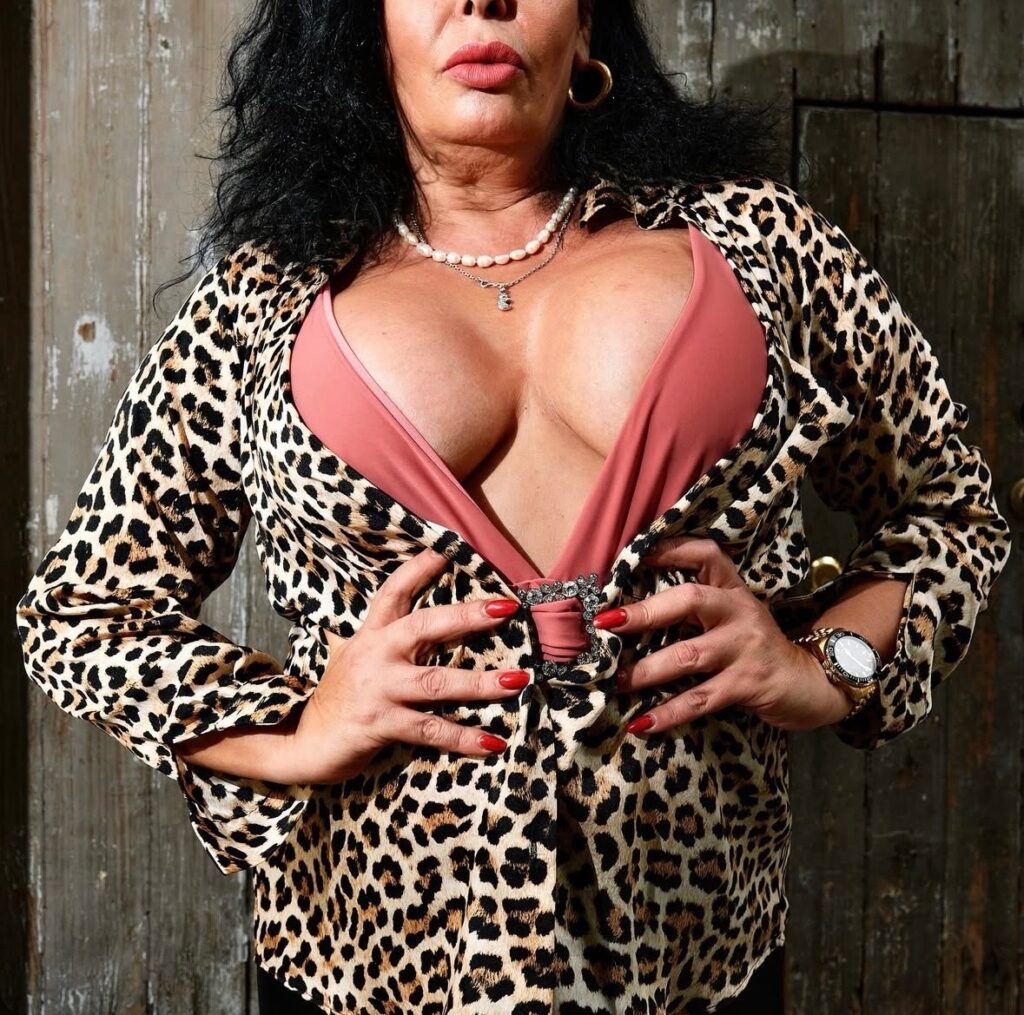
How does your way of looking change when you move between Milan and Lisbon?
Lorenzo: My way of seeing changes completely because they are two extremely different cities. Milan is definitely a faster city, with habits very different from those of Lisbon, which has a slower pace and where you can still find a kind of street life that develops spontaneously. In Milan, you almost have to be omnipresent because things happen quickly and, if you are not just as quick, you will miss them. In Lisbon, I can afford to take things more calmly.
Do marginality and exclusion manifest differently in the two cities?
Lorenzo: Obviously. We can go back to the idea of the major dichotomy that exists between the two cities. On one side, there is a polished city, one of the richest in Europe, where people pretend that problems do not exist and hide them behind a veneer of “widespread” wealth. A concept that could not be further from reality. On the other, there is a city that has certainly had its difficulties, where some forms of marginality are still visible in the central areas of the city.
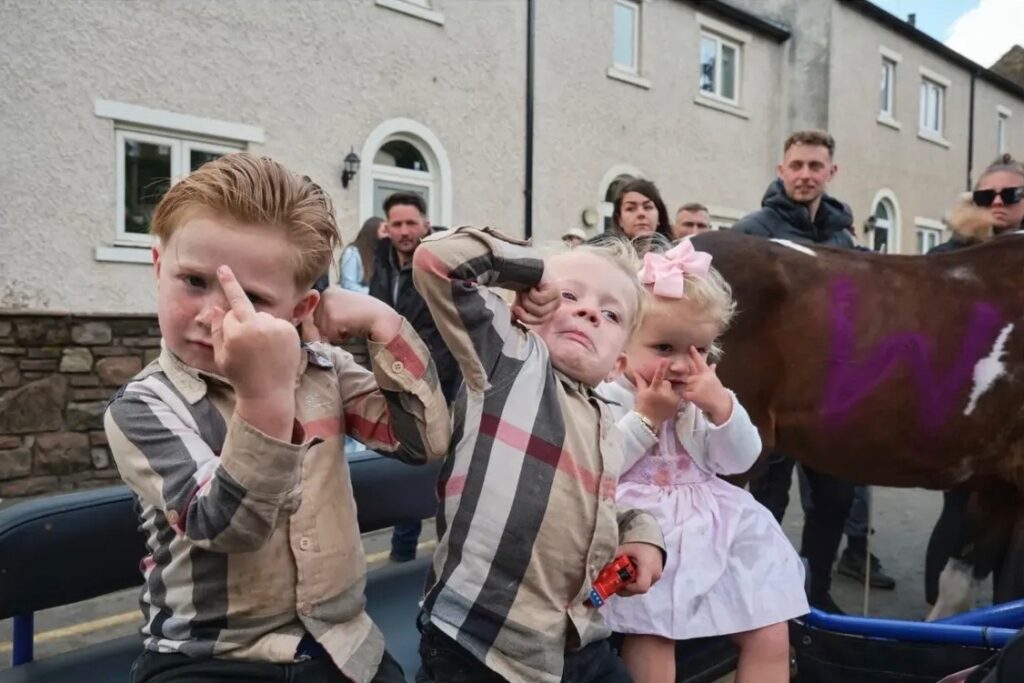
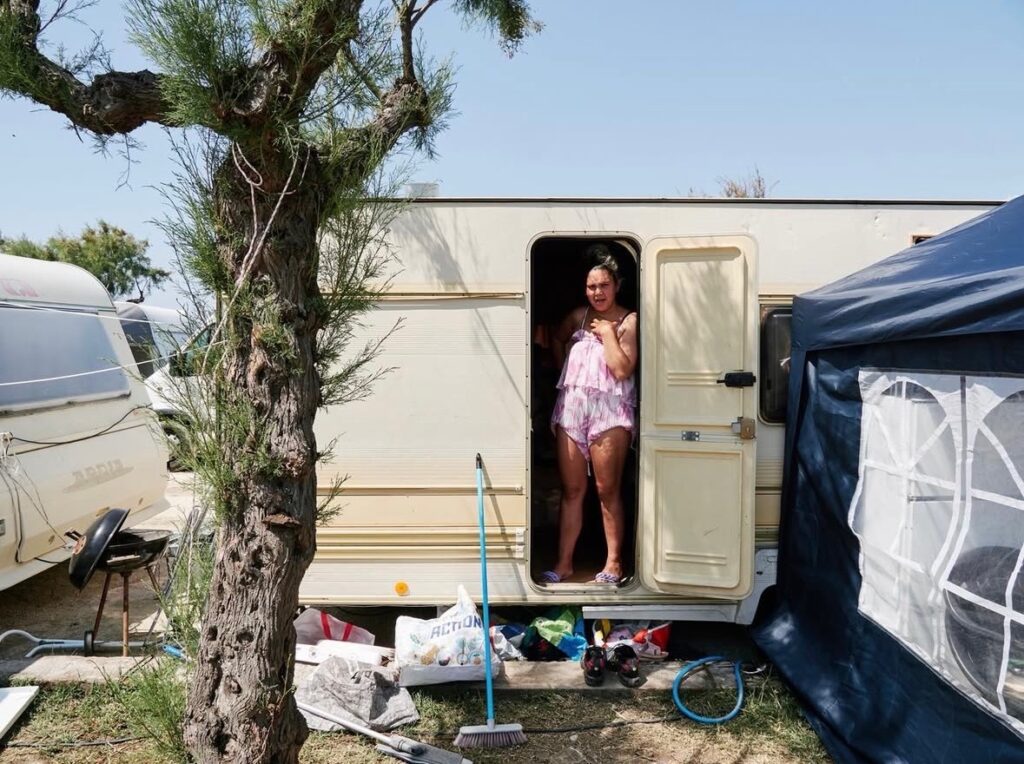
Both Milan and Lisbon are increasingly shaped by tourism, investment, and gentrification. How have these forces affected the places and people you photograph?
Lorenzo: What is certainly visible in both cities, and by now all over the world, is the loss of authenticity, roots and foundations. Everything is now shaped around profit and around making a city and entire neighbourhoods more attractive to tourists, at the expense of residents and businesses that are displaced by market mechanisms with purely speculative intentions.
What disappears from a city when neglected neighborhoods are redeveloped or made more visually “presentable”?
Lorenzo: The foundations of cities disappear: those characteristics that make one city different and unique from another. We reach such a level of homogenisation that, in a few years, the neighbourhoods of one city will look the same as those of another thousands of kilometres away. This process is not about creating equality for everyone, but about pushing problematic situations away, with the aim of hiding the problem instead of trying to solve it. It is easier to kick people out and sell everything off than to concentrate efforts on helping the people and businesses that inhabit a neighborhood.
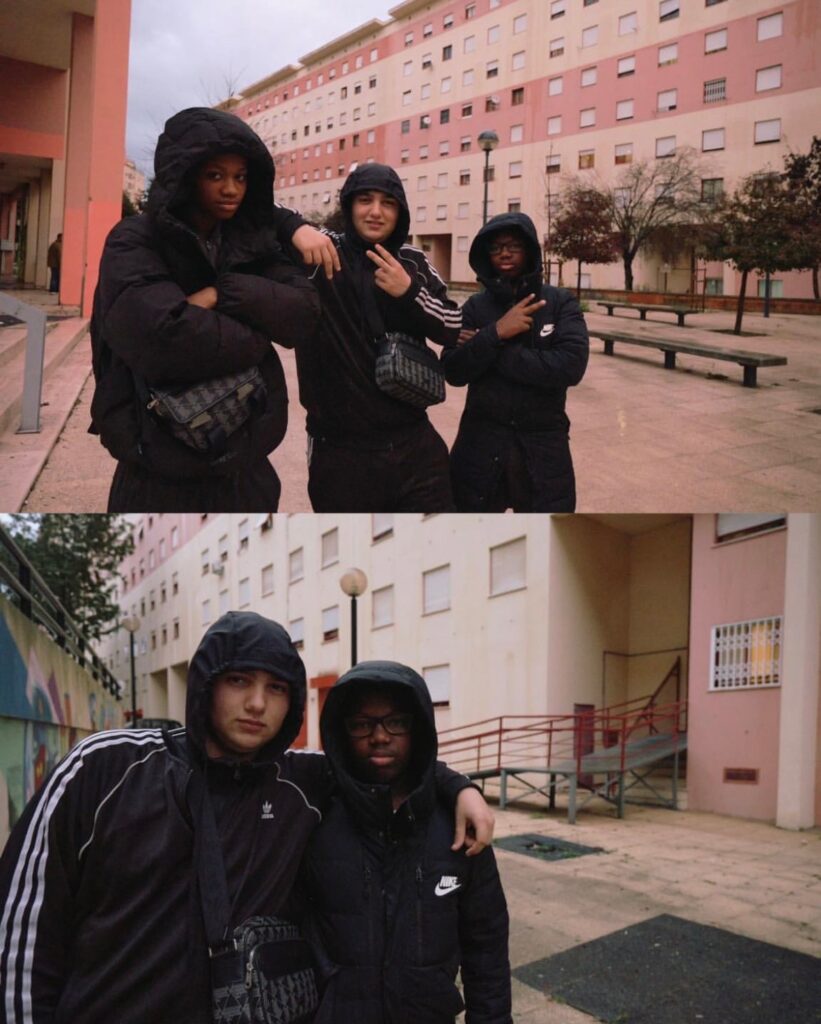
When photographing poverty, loneliness, or housing insecurity, how do you avoid turning another person’s hardship into an image for consumption?
Lorenzo: I do not have a precise methodology, and I think the answer is always subjective. It depends on the attitude of the person looking at the image: if they want to interpret it as an image for consumption, no one can make them change their mind. But trying to go beyond the single image and seeing things within a broader context certainly helps to have a more complete view of the situation.
Do you usually establish a relationship with the people you photograph?
Lorenzo: It always depends on the situation I find myself in. I can move from longer-term projects, where I spend entire days with the subjects, to very fleeting situations where I only manage to exchange a few words.
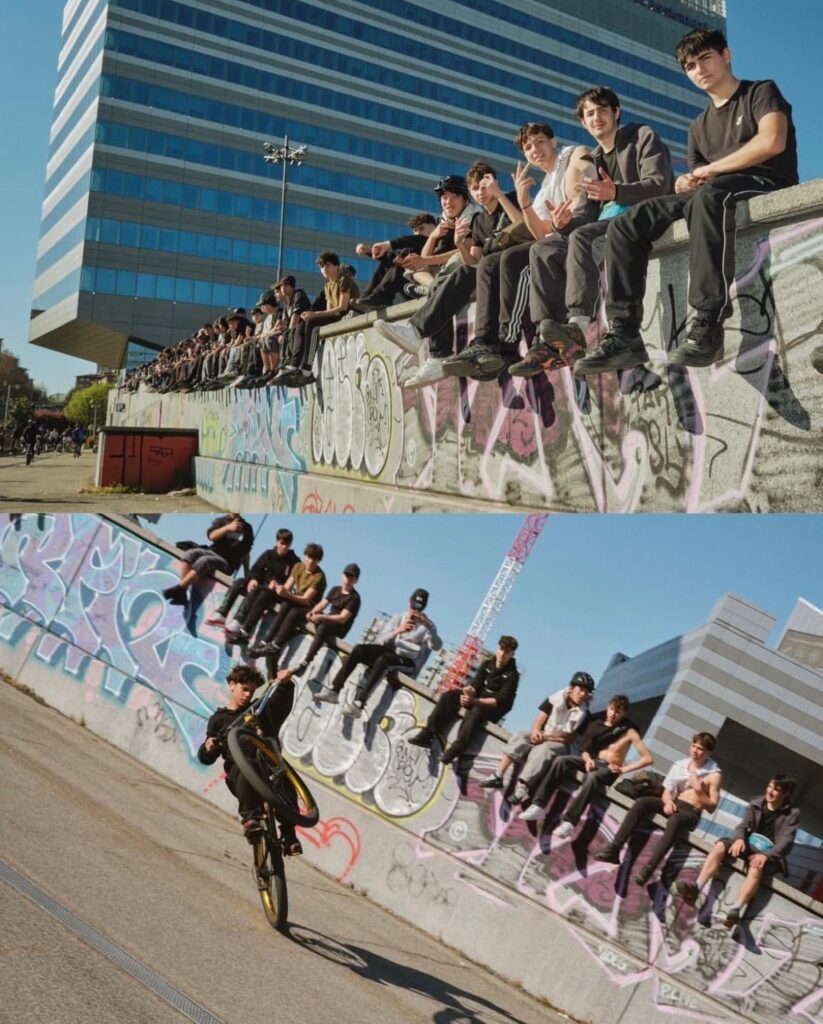
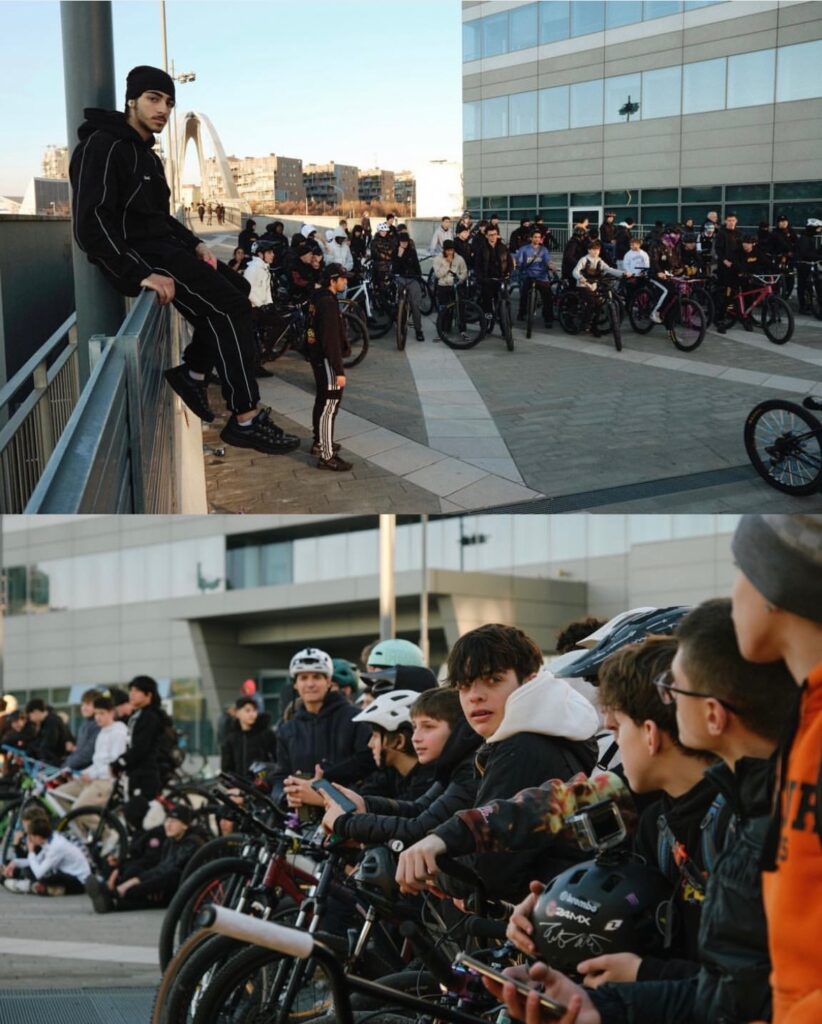
What responsibility do you feel towards the people you shoot?
Lorenzo: I do not want to start from the assumption that I have a responsibility, because I have always felt that thinking this way can turn into an arrogant attitude. In reality, what I can do, in my own small way, is remind the outside world that certain situations exist and that, even if people choose to ignore them, that will not magically make them disappear.
Your images favor what is raw, direct, and imperfect. What does photographic imperfection communicate that a technically polished image cannot?
Lorenzo: I think technically perfect images appeal to an audience that does not seek discomfort, that wants to admire beauty simply because it’s beautiful, and that is not interested in accepting the darker side that is part of us. Not asking too many questions and leading a linear life without too many unexpected events. The world is more beautiful when it is perfect, but that is not reality. Embracing imperfection helps us accept the chaotic side of life and its unexpected events, and confronts us with uncomfortable sides of our existence.
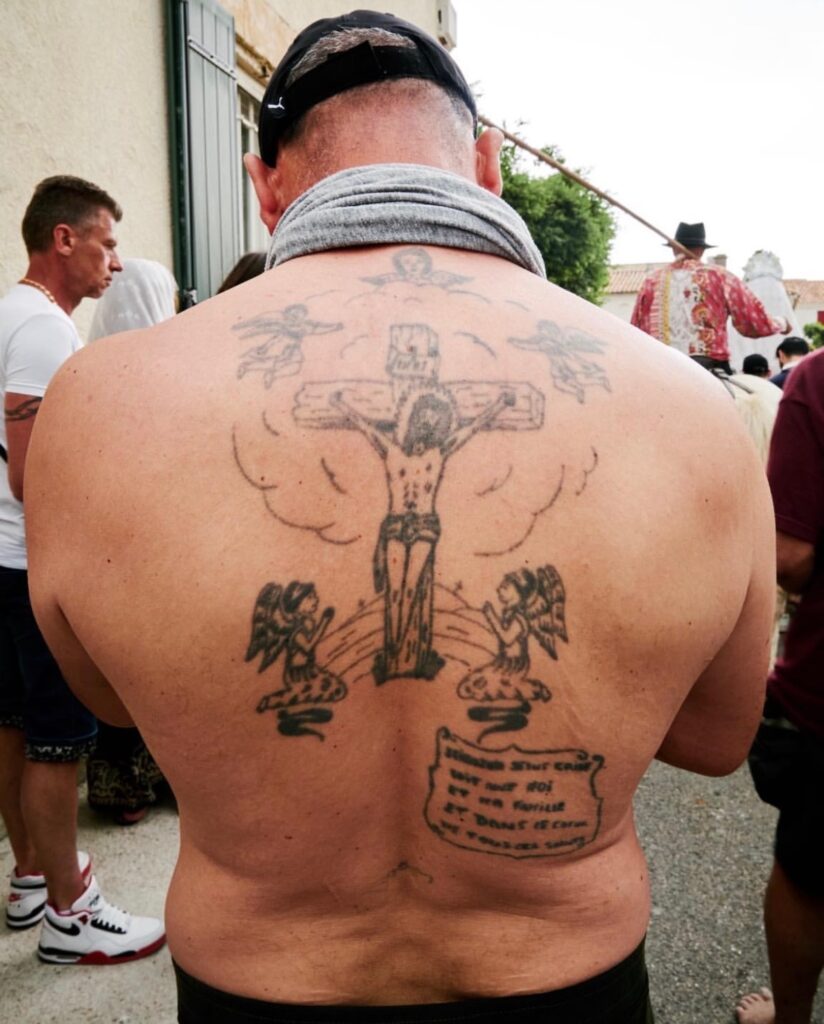
Do you want your photographs to create empathy, discomfort, political awareness, or something less easily defined?
Lorenzo: As I said before, I do not photograph because I feel like the messenger of something: I think it would be very arrogant to think that. I photograph what interests me, and what interests me lies outside the common view.
What do mainstream portrayals of urban life leave out, and why do you think those omissions are so persistent?
Lorenzo: The answer will always be the same: people do not want suffering; they want happiness at all costs. So they do not want to be exposed to the negative, because the negative makes us think and activates latent and unconscious thoughts. It is much easier, and more rewarding on an endorphin level, to look at a happy image and convince yourself that the world is going great.
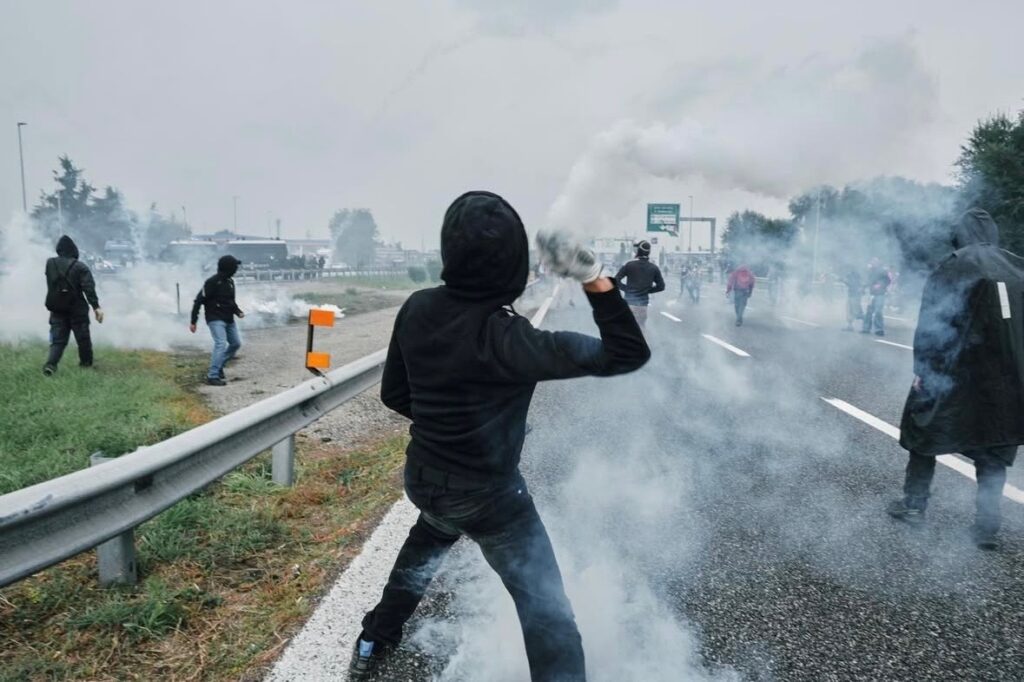
Has spending time around precarious lives changed your own relationship with security, comfort, or privilege?
Lorenzo: It has definitely changed my relationship with privilege. Coming into contact with certain realities necessarily makes you appreciate what you have more, and if that does not happen, then you are not able to value your own good fortune. As for comfort, what I look for in my photographs is precisely its absence: the part I like most about my photographic approach is putting myself into unfamiliar and uncomfortable situations. Finally, regarding security, I can only say that you need to know how to move through different situations and be able to carry out a risk assessment.
How do you process the emotional weight of repeatedly witnessing hardship without becoming detached from it?
Lorenzo: In reality, detachment happens almost involuntarily. To produce certain types of photographs, you have to be detached from the situation and the people involved; otherwise, there is a risk of being swallowed up by it, and that could block the creative process.
Have the people or places you photograph ever challenged your original assumptions about them?
Lorenzo: Obviously, and we can go back to what I said before. I can start with an idea, but remaining obsessively attached to it will not get me anywhere, because it would mean forcing reality. Mental flexibility is a mechanism that helps you remain flexible towards situations and adapt to them. It becomes a kind of survival instinct.
Ok Lorenzo, now to something totally different. In a parallel universe who would you be? and what would you be doing?
Lorenzo: Perhaps a musician, precisely because I have never been someone inclined towards making music. Or maybe a financial broker. I am going for someone extremely far removed from my current reality.
Outside of photography, what’s something you’re obsessed with right now, maybe a hobby, a show, or even a food, that keeps you grounded or inspired?
Lorenzo: I have been very focused on photography lately, so unfortunately I have to give you a rather banal answer. The other activity, at the moment, is printing photographs.
Can you tell me a story about a time when a connection with someone had a big impact on you?
Lorenzo: A few years ago, I met the son of a family with a long history in traveling fairs, and he was one of my first contacts with someone from the traveling entertainment world. Through the stories he told me, which were completely outside the ordinary, he also became an important gateway into a project that is still ongoing about circuses and the lives of the people who belong to this environment.
What qualities do you find most important in the people you choose to spend time with?
Lorenzo: Authenticity and respect are the two things I consider essential in a relationship.
Anybody you look up to?
Lorenzo: The list is endless and could range from people I have actually known to people I admire on an artistic level, and others I admire in the media.
What motivates you?
Lorenzo: I am motivated by not giving up. You go up and you go down; that happens to everyone. I have never believed in people who think they can stay on top of the world all the time. You have to know how to acknowledge your losses and defeats in the right way, but we cannot allow them to stop us completely. We only reach the end when we die.
How would you describe a perfect day?
Lorenzo: A day when I can spend an entire day walking around a new place.
Alright Lorenzo, I always ask these two questions at the end of an interview. The first is. What’s your favorite movie(s) and why?
Lorenzo: I don’t have one single favourite film. I used to watch a lot more films, but over time that habit has faded a bit. Lately, I’ve become much more interested in documentary series, and the last one I watched was Keep Sweet: Pray and Obey. It follows an even more radical branch of the Mormon Church and sheds light on the abuse carried out within that cult.
The second is. What song(s) are you currently listening to the most right now?
Lorenzo: I do not have one particular song, but recently I have started listening to a lot of Johnny Cash again. It is definitely a great soundtrack for my photographs.