Share this
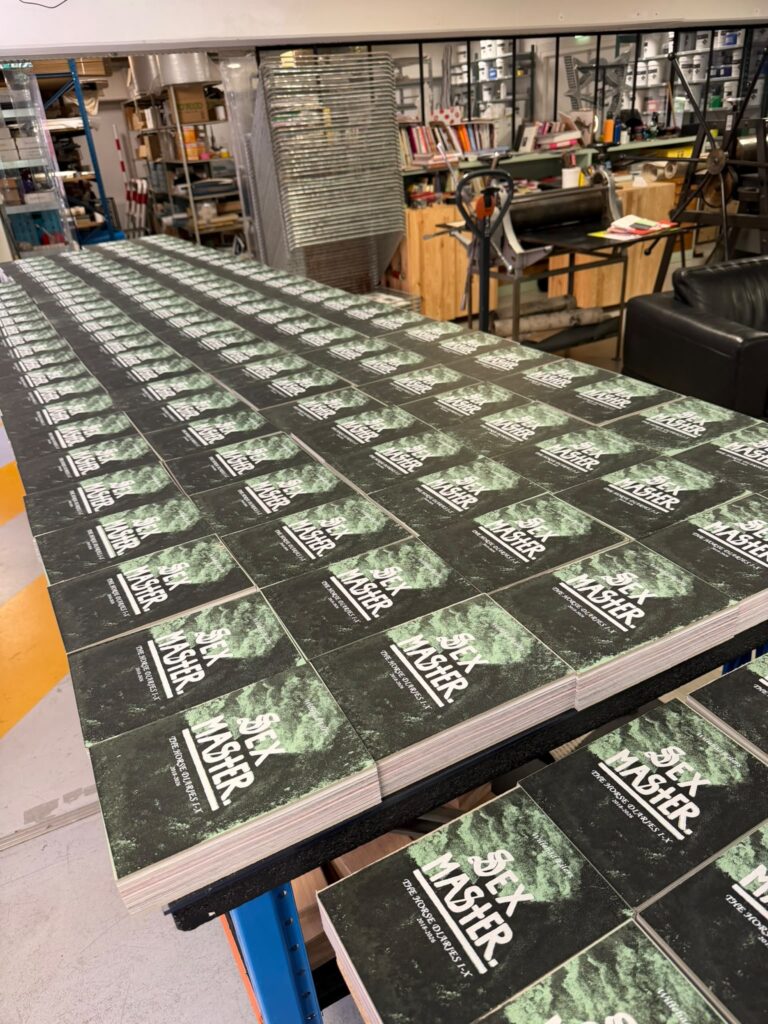
Over 529 pages of text fragments, unfiltered drawings, and candid photography, artist Willehad Eilers, better known to many by his pseudonym Wayne Horse, isn’t offering a guide to confidence. Despite its ironical title, his new monograph Sex Master (published by Éditions Lord Byron) is less about dominance and more about the messy, awkward, and deeply human realities of desire, vulnerability, and failure. Compiling the first ten editions of his zine series The Horse Diaries, the book acts as an autopsy of seven years spent navigating art, intimacy, and the absurdity of modern life. Ahead of the release, we sat down with Eilers to discuss shedding his artistic alter ego, why embarrassment is a creative superpower, and the raw instinct that still governs us all.
Hi Willehad, it’s a pleasure to sit down with you again! It’s been about a year since we talked last, can you tell me about what you’ve been up to since?
Willehad: Hi Ruben, yes, nice to speak again. Last time we spoke was for my ‘Bored to be alive’ show at drostegallade. I remember. Time went on, This seems a long time ago by now. The work keeps changing and I am riding on its back, my hands burried in its fur. Trying to stear or controll it, but in the end just barely manage to hold on. Sweating and cold. With tears in my eyes.
Is there anything you were convinced about a year ago. materially, emotionally, or artistically, that you now see differently?
Willehad: Quite a few things. How it goes. Yesterdays news. I don’t often do complete 180 degree turns, but direction keeps changing steadily.
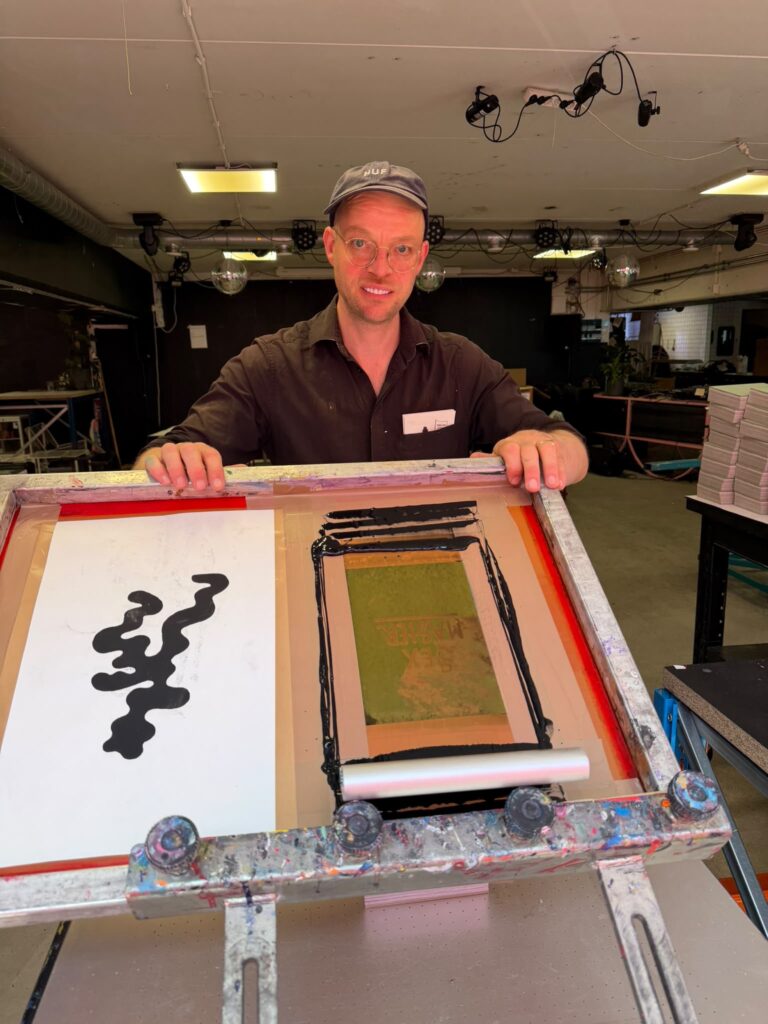
Ok my friend, let’s talk about your new book, Sex Master. What inspired you to begin writing it?
Willehad: Sexmaster is a book that is comprised of the first ten issues of my zine series ‘The Horse Diaries’. It was 2018 when I did my first exhibition that was mainly based around painting, or 2d works. I was glad to try and express all ideas through one vessel, but at the same time felt like I had cut my wings a little. My work is more about approach, than about technique, the “Horse Diary’ zines are meant as a way to introduce the people who got to know me through painting to the wider scope of the work.
Did you do any specific research for it?
Willehad: It can be described as an ongoing research, but not a project based one. A general observers curiosity mixed with the disillusion of having witnessed life in the world for a few decades.
The title Sex Master sounds like a declaration of absolute confidence, yet the book is filled with uncertainty, embarrassment, failure and unfulfilled desire. Who, or what, is the Sex Master?
Willehad: Sex is where the world gets unfair. Selfish, dangerous, beautiful and kind and cruel. Maybe the last bastion of instinct that is left in the world. People try to taboo or politisize it, but when it comes to the core, sex is deeply unfair, intolerant and selective. I am in no way a sexmaster, I am uncomfortable when sex is in the air. I chose the title because it would turn the promotion of the book into an artwork. Turn the book into an awkward object. With a coverdesign that makes one think of religious books you get handed in the pedestrian area. Having this book on your coffeetable at home is likely to get you into interesting situations.
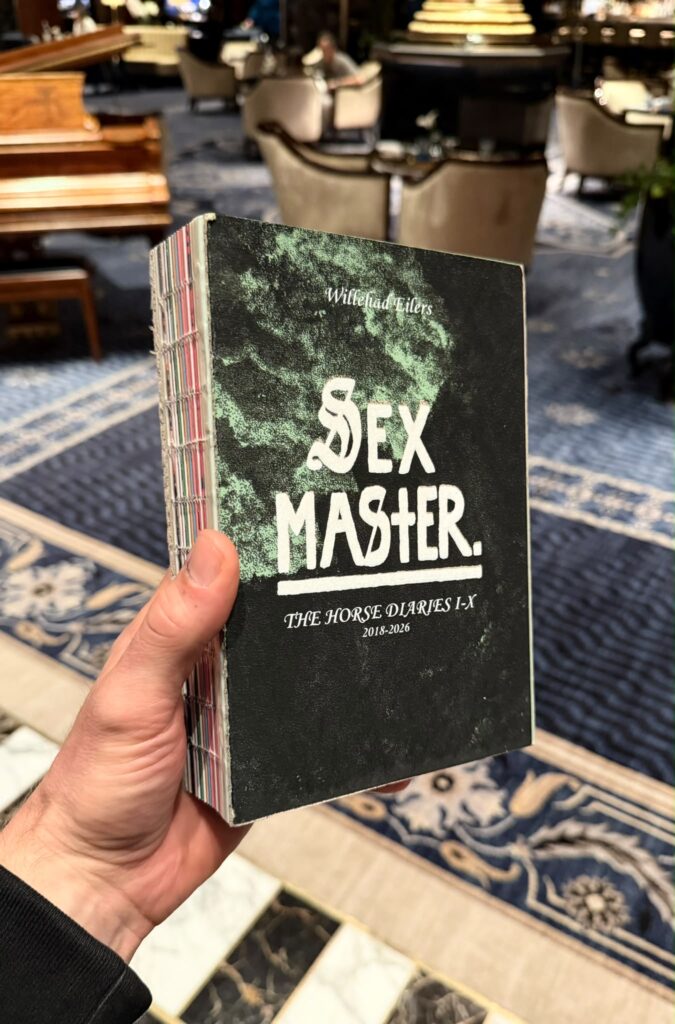
You describe the book as a 500-page brick containing ten editions of The Horse Diaries. When you first saw all those years compressed into one object, did it feel like an achievement, an autopsy, or something else entirely?
Willehad: I had the plan to release the zines as a unit pretty much right from the start. Seeing it now, really ,makes it feel like a diary. The zines are very personal. Probably because they are not based around one chosen subject, but instead compile everything I deemed worthwhile through the timeframe of a few months. This makes them honest. A mirror of my condition during the time of creation.
The Horse Diaries began as a way of taking the audience by the hand and revealing the driving force behind your work. After ten editions, do you feel that the audience knows you better?
Willehad: After the initial spark to widen the spectrum of my work in the audience I quickly forgot about that aspect and used the diaries more as a self help tool or passion project. I do feel that the select crowd who followed the entire series cannot help but understand the core of my work. Understand the language.
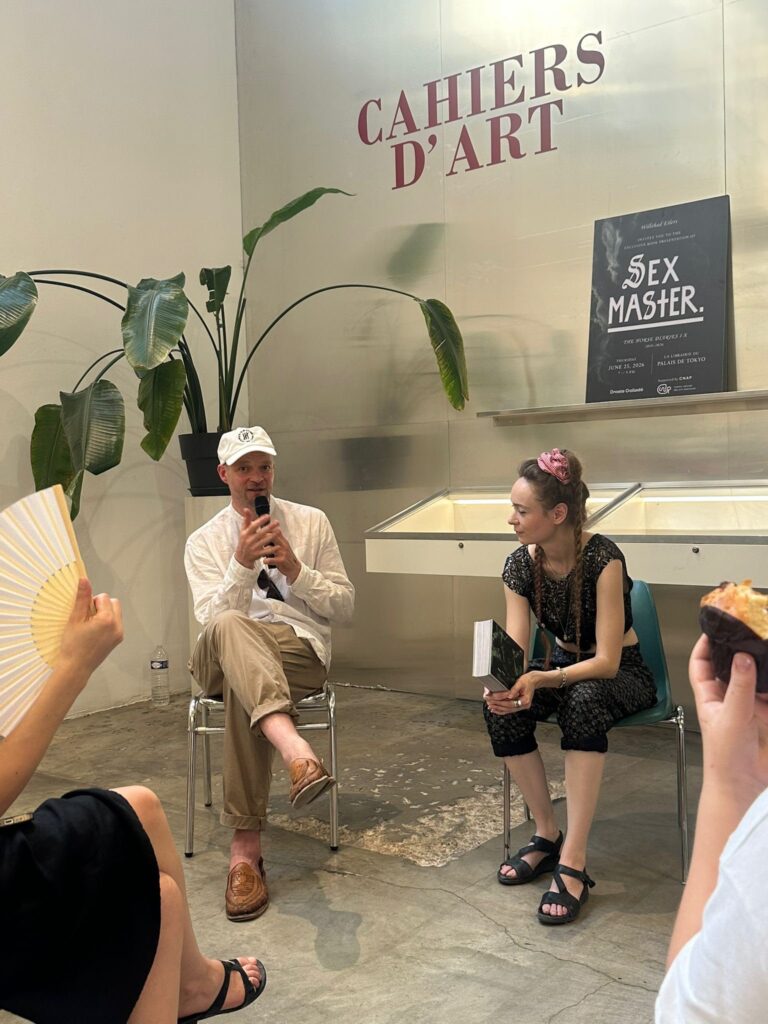
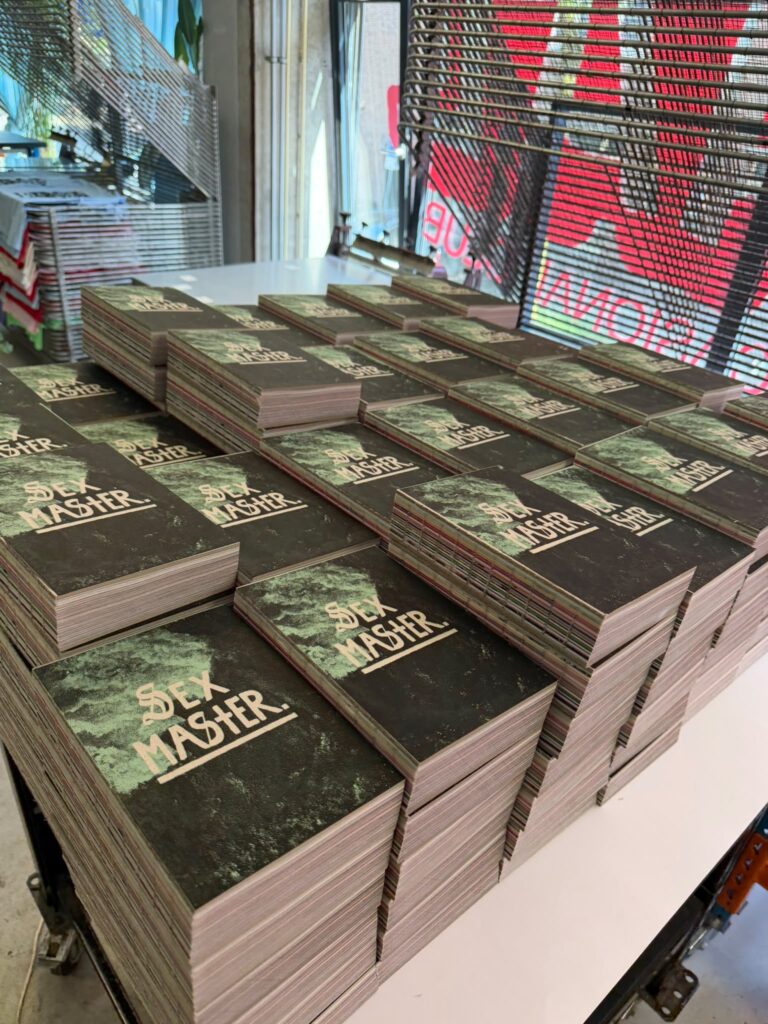
In the introduction, you say that you are not really a painter and that the medium matters less than establishing the right tone. What can this book express that a single painting or exhibition cannot?
Willehad: This book is like 529 possible titles to my paintings. It gives a lot of anchorpoints apart from my known works that explain were they come from.
Each diary began with material accumulated through everyday life, before a structure gradually emerged. What tells you that a collection of fragments has finally become a work?
Willehad: It is a different process. The horse diary provokes works, but it is not an accumulation of notes to create works. Though some pages inspire new works and many thoughts show up in paintings, the horse diary is loose of my painting process. It is everyday notes, sights and reactions. That is why it reveals the driving force behind my work, I believe. The reader walks next to me, like friends.
Looking back at work made between 2018 and 2025, where do you see the greatest change in yourself, not just stylistically, but emotionally?
Willehad: I grew seven years older that seem like two decades. At least. Workwise 2018 I had just started to pint my first ever canvass works. Something I am very used to by now. But back then I had just gotten tired of video and searched for a way to translate my drawing to bigger works. But lets leave the work development aside, everyone can see that. I became a whole lot more open in the last 8 years. I had to go through some difficult times and found that revealing and sharing weakness is a strength. Also I realized that strength is not worth striving for. I suppose I accepted who I am for a big part. That does not necessarily mean that I am happy with what I found. But at least I can face it.
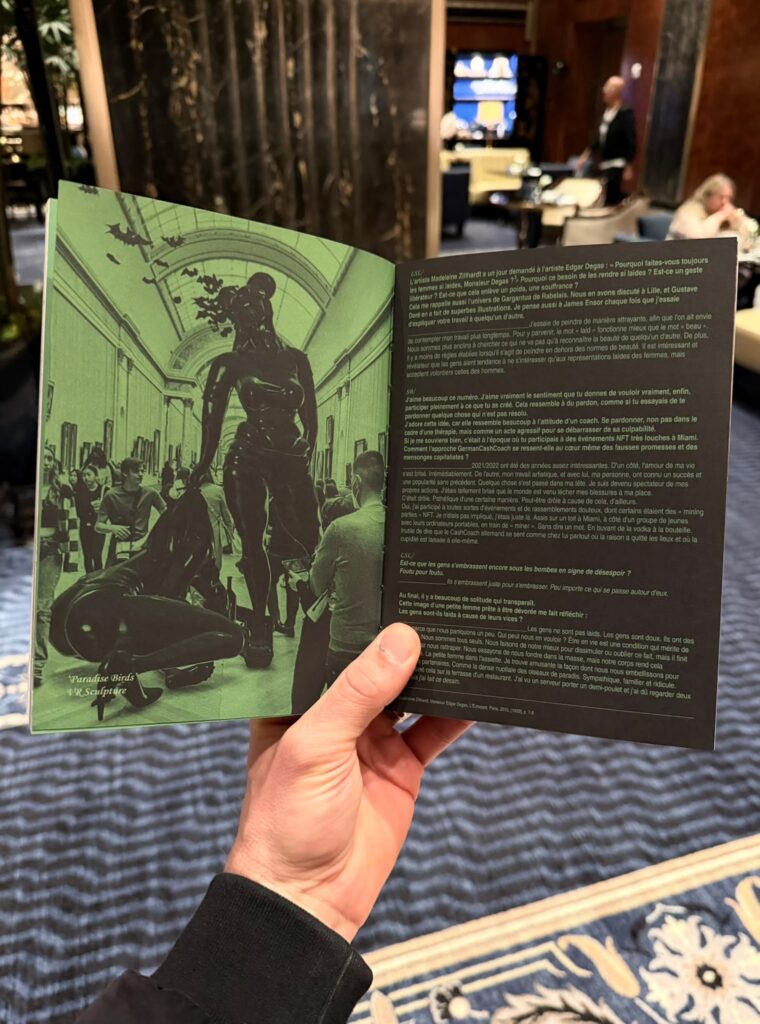
Was there anything you originally wanted to include in the book but ultimately decided was too intimate or revealing?
Willehad: The book remains personal but not private. I am very open about thoughts, but facts are generously sweeped aside. For me to gnaw on. Like a dog, under the table.
What does Wayne Horse allow Willehad Eilers to say or do that he might otherwise be afraid to?
Willehad: Wayne Horse is like a silicon mask I put on 20 years ago. By now the material is so worn out and rotten, it dangles down, revealing my true face. Sometimes giving me the illusion I still had hair.
Does Wayne Horse function more as armor or as a way of exposing yourself?
Willehad: As mentioned, whatever it served, the job is done.
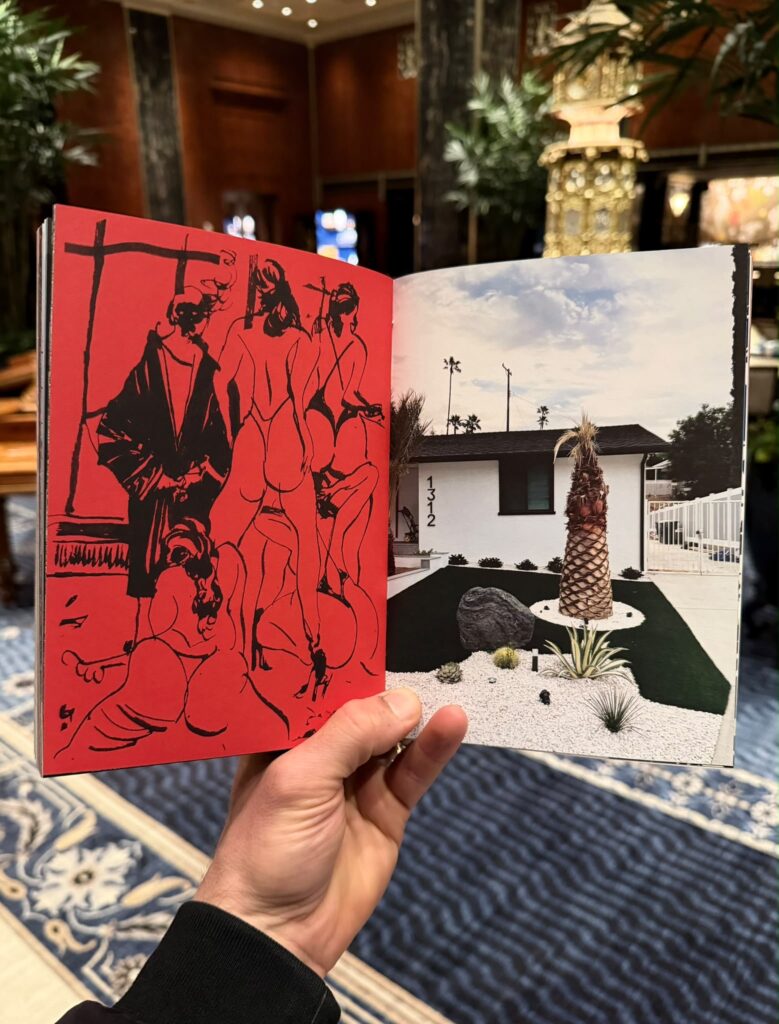
Your work frequently performs confidence while revealing insecurity underneath it. Is bravado one of your preferred forms of vulnerability?
Willehad: No light without shadow. Everything is measured in its opposite. I believe that openenness and vulnerability are strength. To reveal insecurities is to show confidence.
Do you ever feel trapped by the expectation that Wayne Horse must always be outrageous, funny or confrontational?
Willehad: I do not. People think I was crazy, probably because of the nature of my work. We meet, and they have a crazy evening. I do not have to do or add anything. I could in fact not even be present. People find what they search. There is no need to pretend. I just have to sit there and witness.
You have described life as “a festival of embarrassment.” When did embarrassment stop being something to avoid and become something you could build an artistic language around?
Willehad: If you get a brick thrown against your head everyday, there will come a moment when you have enough bricks to build a shelter for your head.
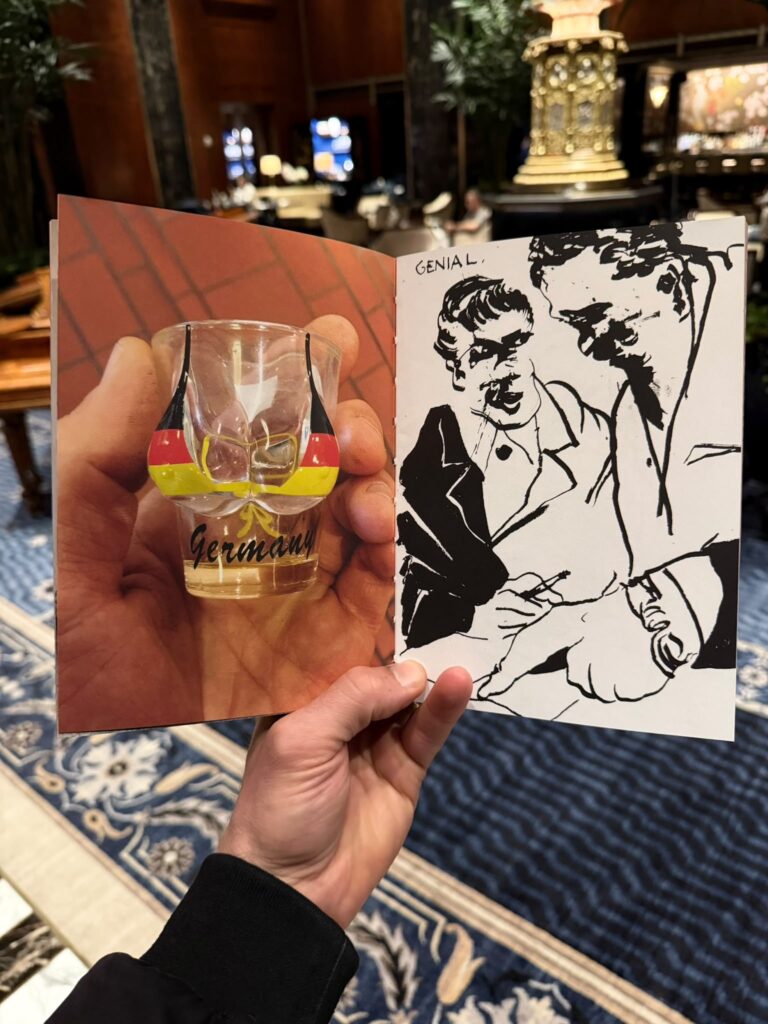
You often embrace what you call the “loser’s point of view.” What can the loser see that the winner cannot?
Willehad: I see the ‘loser’ as a martyr against our success-driven society. Failing the collective dream is almost a rebellious act. I am not talking about ‘get knocked down four times and back to your feet five times’. More like, get knocked down once, ok, right.
Success language appears throughout the diaries—positivity, self-improvement, beauty, winning and motivational slogans, but it is repeatedly made grotesque or absurd. What disturbs you about the contemporary demand to present ourselves as successful?
Willehad: I think it leads us away from togetherness. Steady competition, comparison, striving for ‘our dreams’ which are all the same. I see all this individualist success drive as a new ‘Opium fuers Volk’. A mechanism to predict how the masses will act. In fact to keep the masses from becoming a true mass. Creating a sea of heads each stepping on the other.
Is humor a form of protection in your work, or does it allow you to be more honest than seriousness would?
Willehad: It is not a protection, more a way to be able to start the conversation. I feel the option to say things honestly is closer at hand when dealing with a subject humorous. Which also does not necessarily mean funny. It is usually more sad than funny, but somehow digestible. Because it has been addressed.
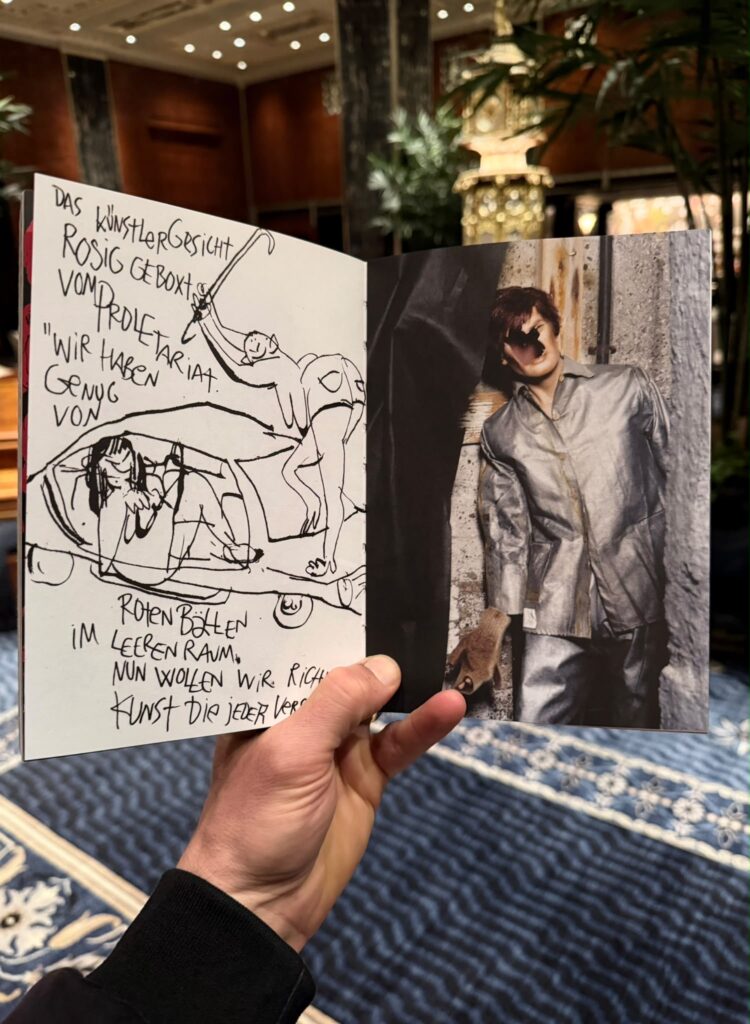
Sex in the book rarely appears as something polished or conventionally erotic. It’s awkward, funny, excessive, lonely and sometimes frightening. What does sex allow you to reveal about people that a conventional portrait cannot?
Willehad: Sex is one of the few fields in which humans are still beasts. It is overly present and taboo at the same time. In the face of sex reflects how abstract the world we live in really is.
You acknowledge in one of the conversations that there are considerably more penises than vulvas in the diaries and that this reflects one particular point of view. Has your understanding of the male gaze changed over the seven years covered by the book?
Willehad: I try to be aware of ‘the male gaze’ but not sure I manage to get anywhere with that. I can only see from my eyes. That is a problem. I can learn and try to understand, I know what are the characteristics of the various ‘gazes’ but I cannot really feel it.
You often draw male genitals as absurd, comic or threatening rather than powerful. Is ridicule a way of dismantling masculine authority?
Willehad: Genitals as such, male or female, are a sorry sight when observed without desire. The way they steer our behaviour then creates a loathful attitude towards them. We are clowns. Which is, of course, funny. My work is not a tool to propagate.
The book repeatedly places sexuality beside loneliness, religion, ambition and death. Do you think desire is partly an attempt to escape mortality?
Willehad: I don’t question desire. It is not only an attempt to escape mortality, but in a communal world it is immortality. We keep the human alive.
The diaries combine drawings, photographs, overheard language and scenes from everyday life. What makes an ordinary encounter feel worthy of being preserved?
Willehad: I usually do not notice in the moment. Also, the moment does not have to perform, often it is the context that makes the song. A half eaten hot dog on the ground by itself might be nothing, but when mirrored by The eternal beauty of a waterfall, that may change.
You once joked that you avoid showing someone’s face and genitals in the same frame as a minimum of decency. Why is that?
Willehad: This was Michelle Houllebecqs request for his porn appearance a few years back. Somehow that formulation stuck with me. It makes sense and shows an odd sense of foresight.
There are recurring dogs, dolphins, rabbits and other animals throughout the book. Do animals represent an innocence or emotional directness that your human characters have lost?
Willehad: Animals do not pretend. Hence they are usually not portraied distorted. They are a little more pure than us. In the good as in the bad.
You describe a moment of swimming with your dog Otto when the boundary between human and animal temporarily disappeared. Is tenderness more difficult for you to draw than sex or violence?
Willehad: Apparently yes, but I am working on it. I want my paintings to give a comforting feeling. Like an embrace. One day they will.
Your texts move between confessions, slogans, poems, stories and fragments of overheard speech. Do words arrive before images, or do they emerge from something the drawing cannot express alone?
Willehad: It is a game. Words create images, images create words. Sometimes complimenting, sometimes contradicting. I am in steady search of a certain tone. It is very difficult to pin down.l Probably It is for the best not to be able to define it. A steady path towards an ever changing target. Words and drawings can easily stand for themselves.
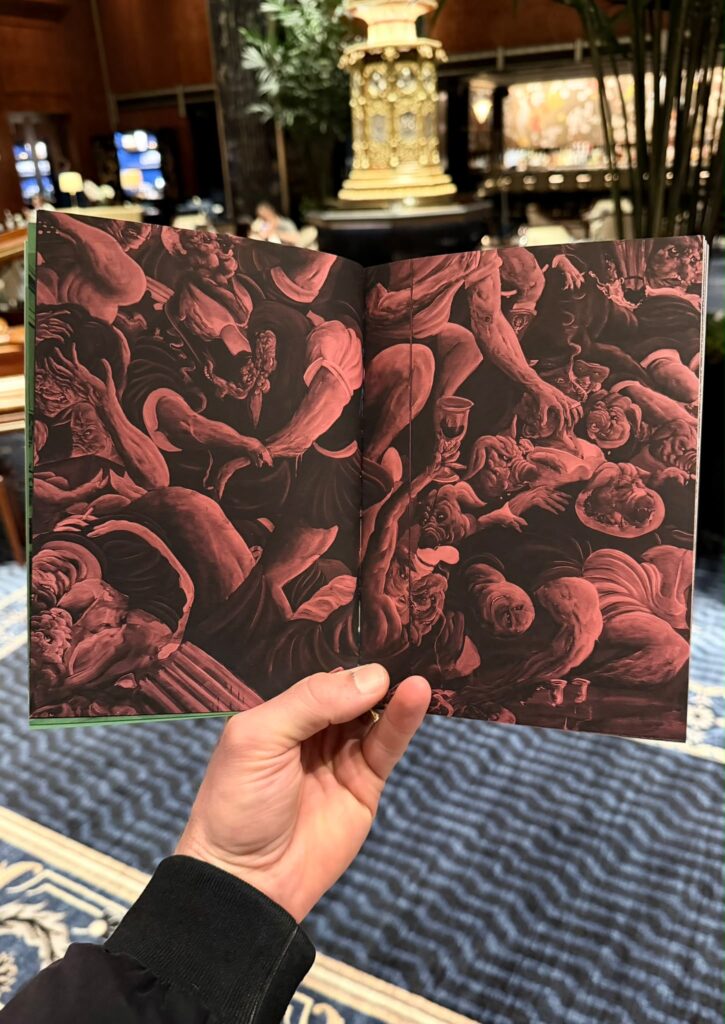
You say that text and image stop working when the relationship between them becomes too predictable. What kind of tension must exist between them?
Willehad: This is a game of feeling that I enjoy, but cannot define. I have the suspicion that if I was able to decode it, in consequence my excitement would fade.
The ten diaries document seven years in which the body, relationships and the world itself changed considerably. Do you recognize the person who made the first diary?
Willehad: Yes, still me. Different issues, different issues.
Ok my friend. Last question…. When someone closes Sex Master, what would you most like them to feel: amused, aroused, implicated, embarrassed, comforted, or something else?
Willehad: Inspired with a sense of companionship.