Share this
Deconstructing mid-century space-age utopianism, ‘Home of the Future’ dissects how our living rooms morphed from sanctuaries of leisure into algorithmic data hubs.
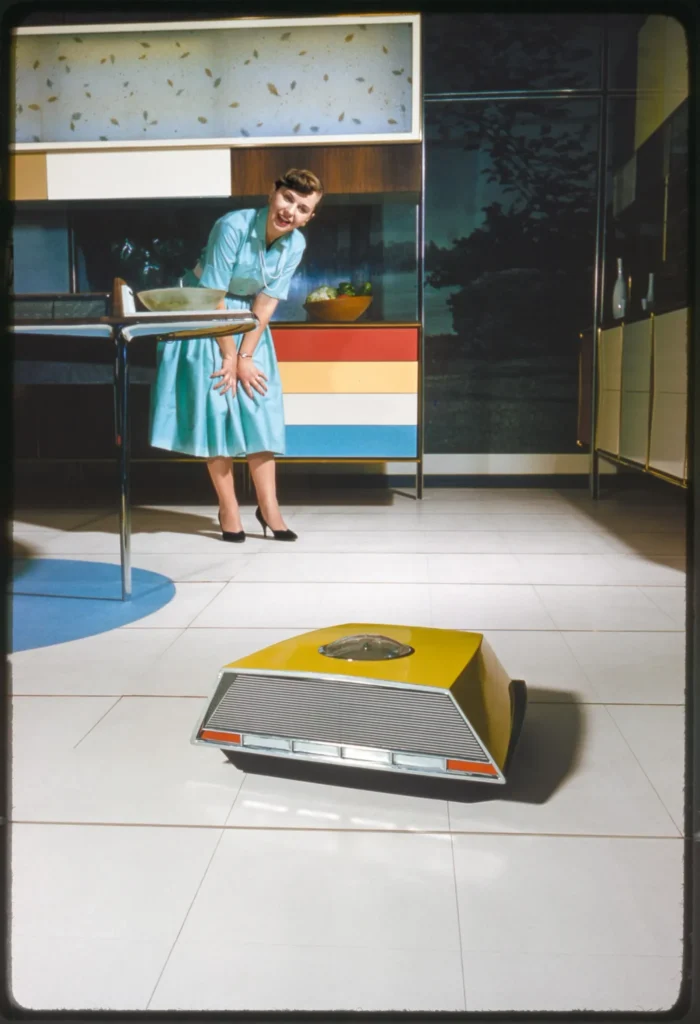
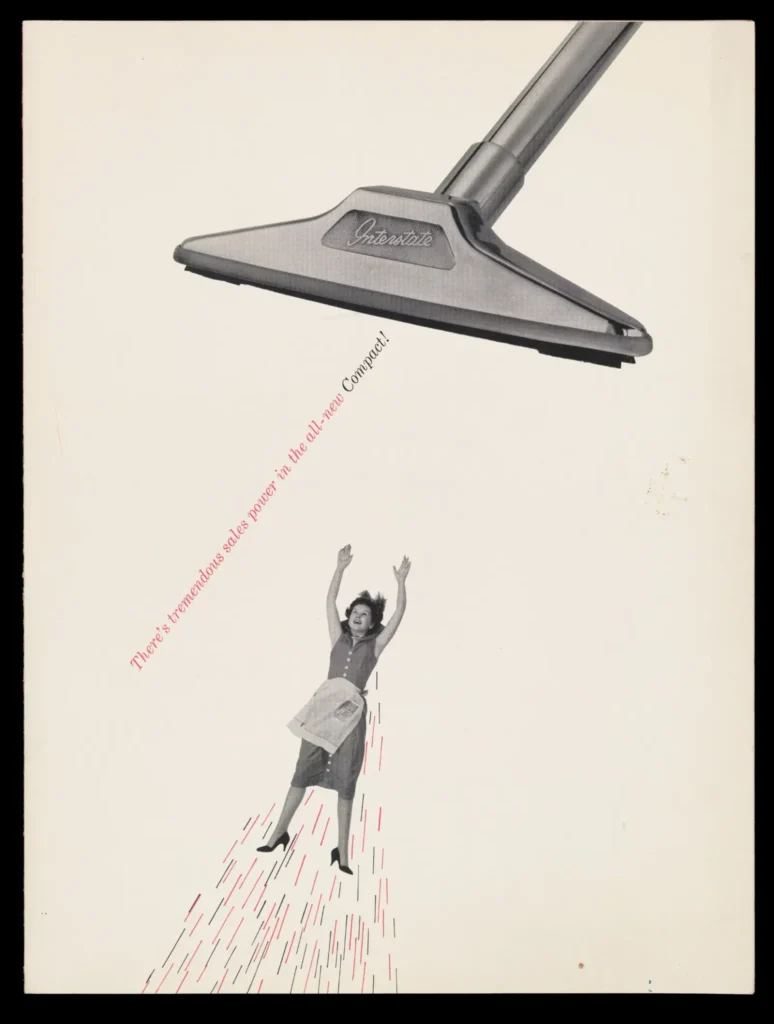
In the post-WWII golden age of American design, the “home of tomorrow” was sold as a sparkling, automated paradise—a suburban oasis powered by atomic energy, streamlined plastic furniture, and push-button appliances promised to liberate humanity from domestic labor. Fast forward to the present day, and that utopian fantasy has quietly morphed into hyper-connected, voice-assisted domestic space where smart fridges, ambient sensors, and algorithms monitor our every move. At the Los Angeles County Museum of Art (LACMA), Home of the Future traces this fascinating visual and architectural trajectory.
Unearthing decades of architectural blueprints, sci-fi concept art, vintage appliances, and speculative smart-home prototypes, the exhibition charts how mid-century optimism gradually curdled into techno-capitalist surveillance.
“The mid-century dream promised technology would free us from our homes; today’s computerized living room ensures we never have to leave—and never stop generating data.”
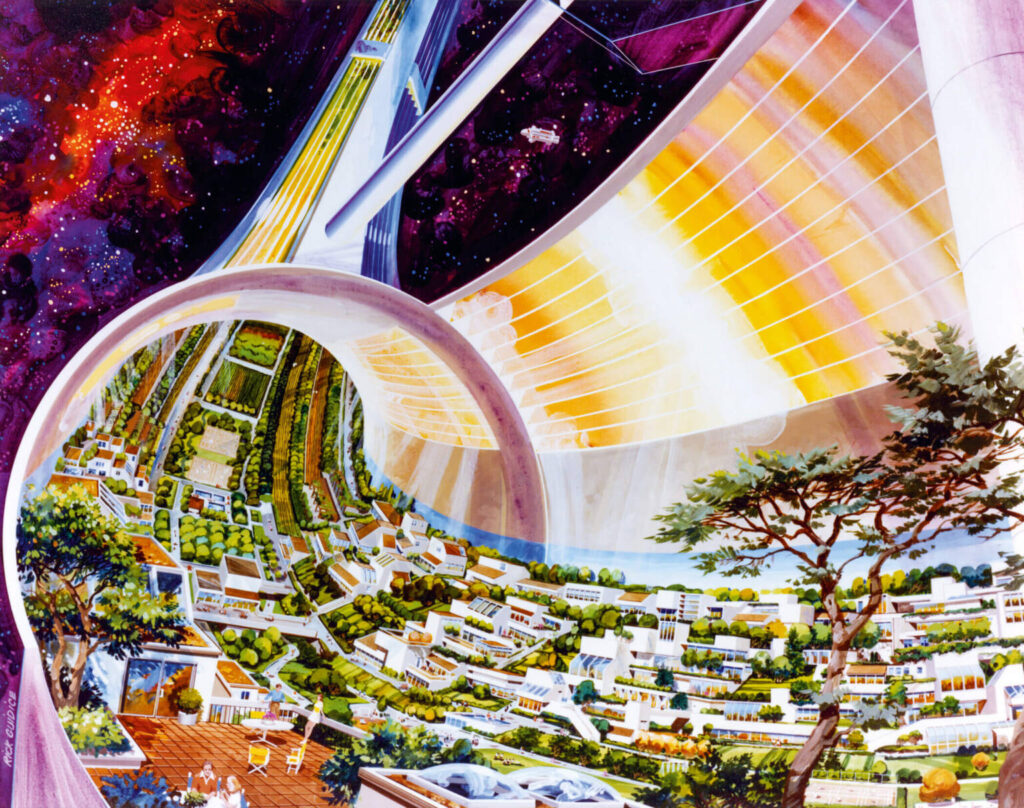
The survey contrasts the bubbly, space-age optimism of 1950s Googie design and NASA-adjacent habitats with the stark, minimalist screens and invisible interfaces of modern living spaces. By examining how artists, architects, and industrial designers mapped their desires and anxieties onto the living room, LACMA lays bare the hidden politics of domestic architecture—asking whether our hyper-automated homes serve our needs, or simply domesticate us for the digital age.