
Share this
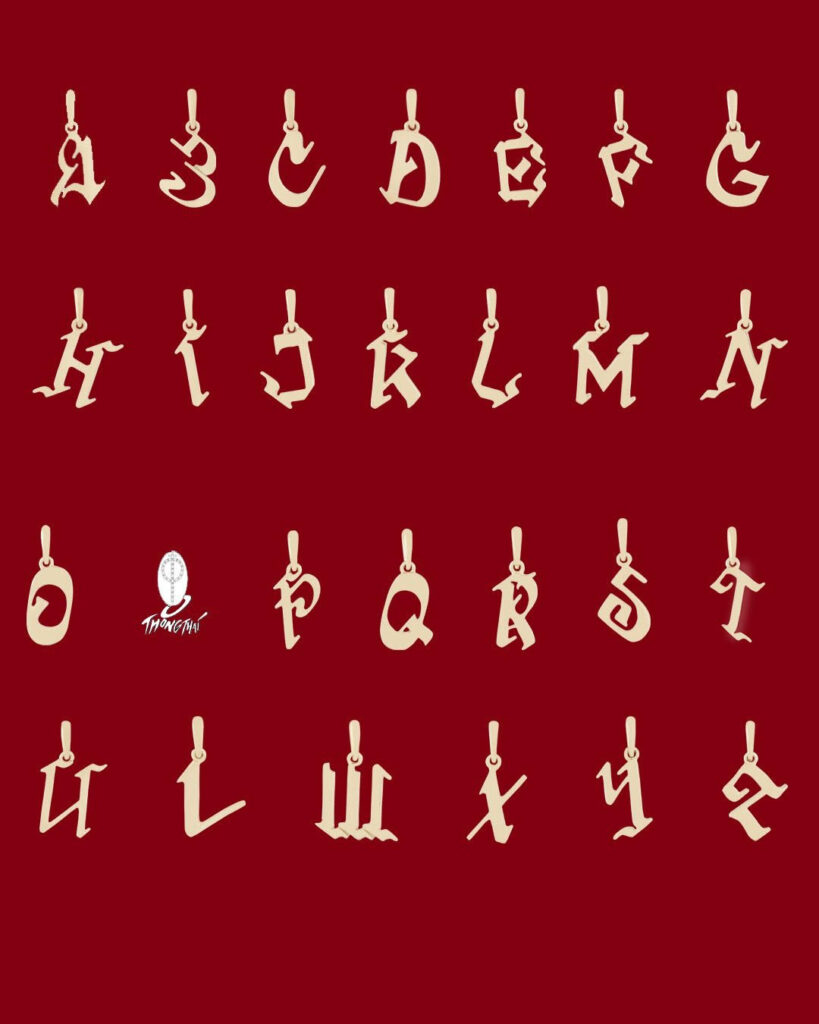
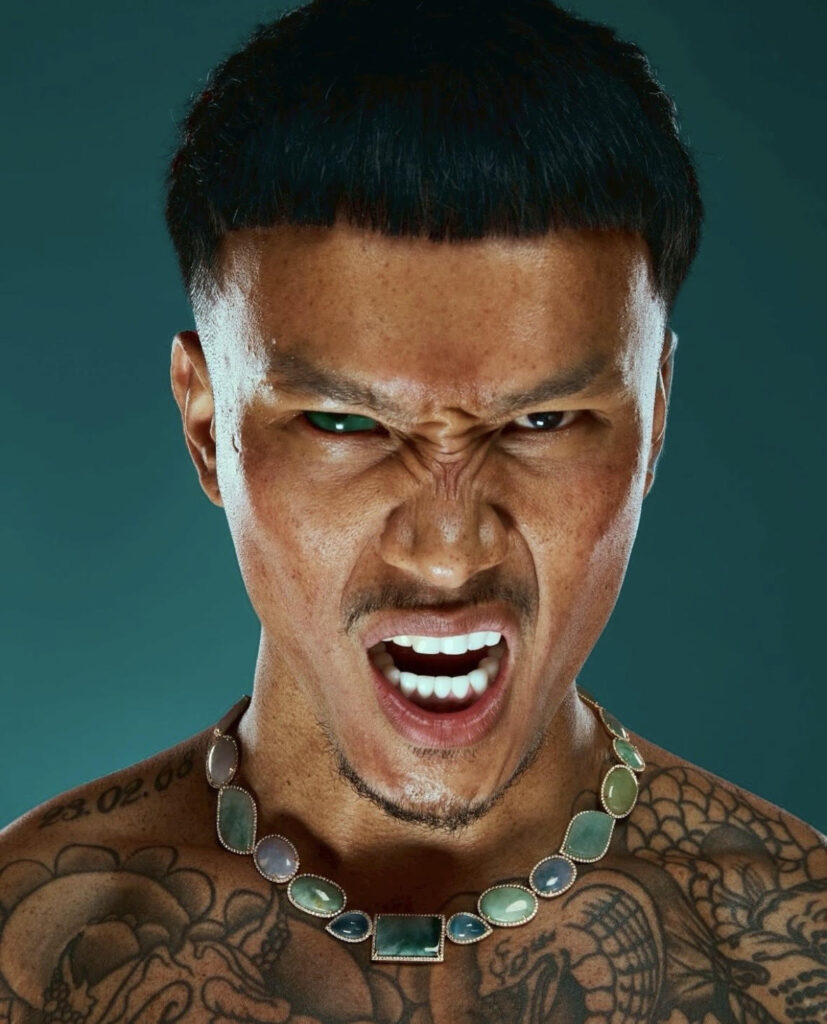
Since launching her eponymous label in 2014, O Thongthai has built a practice rooted in discipline, material knowledge, and emotional ambiguity. Gold and gemstones, traditionally tied to status and power — are reworked into personal talismans that sit somewhere between softness and aggression, masculinity and femininity. Her pieces aren’t seasonal statements; they’re extensions of identity.
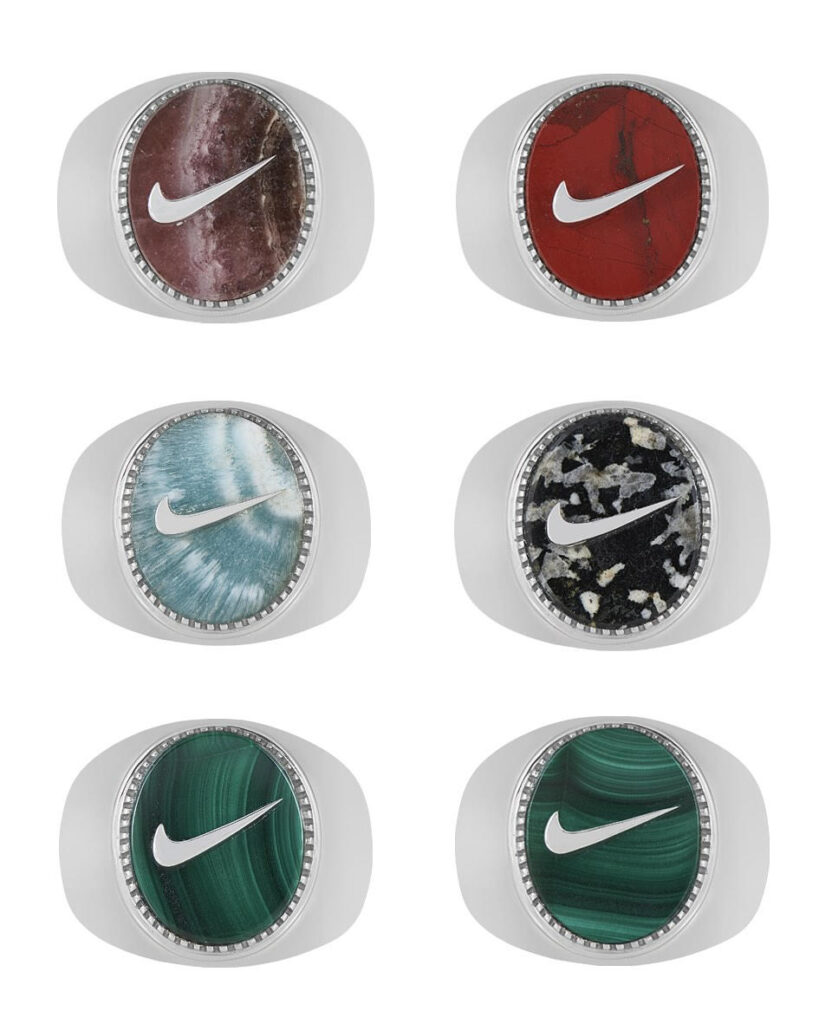
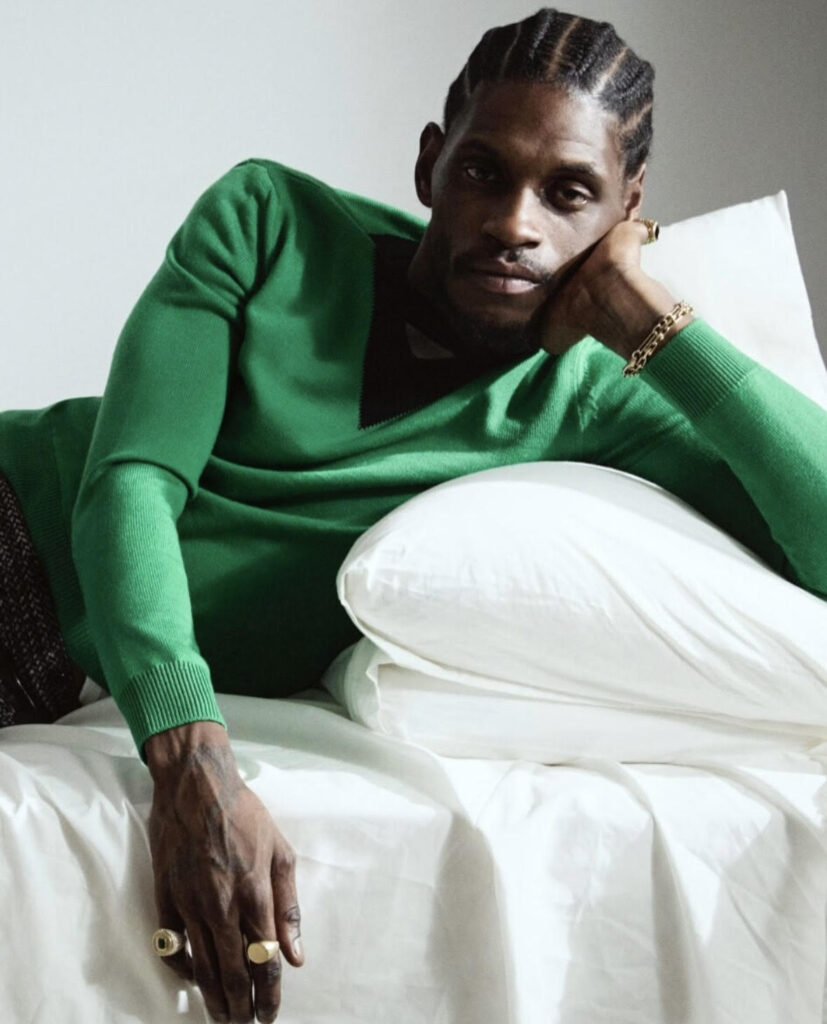
Worn by artists including A$AP Rocky, Pharrell Williams and Lorde, and shaped through collaborations with Nike, Casablanca and Denim Tears, O Thongthai’s reach stretches far beyond Bangkok. Yet her focus remains intimate. Much of her work is bespoke, built around individual stories rather than trend cycles.
Now, that instinct is expanding beyond adornment. With Maru Maru Pizza and a forthcoming karaoke-infused retail space called Oke, she’s rethinking what a jewelry brand can be — less transactional, more experiential. For O Thongthai, the object is only the beginning. The real work lies in building a world people can step into.
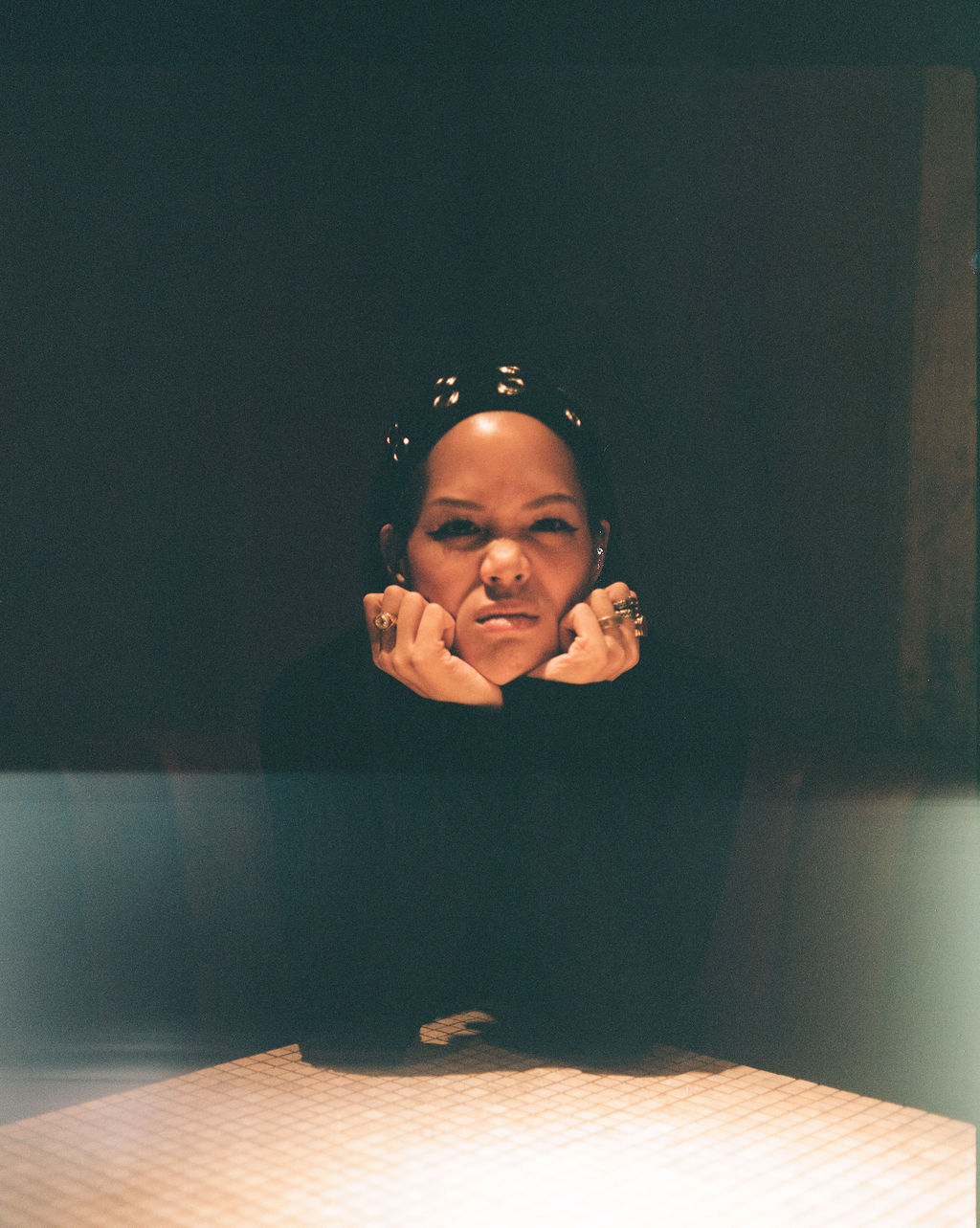
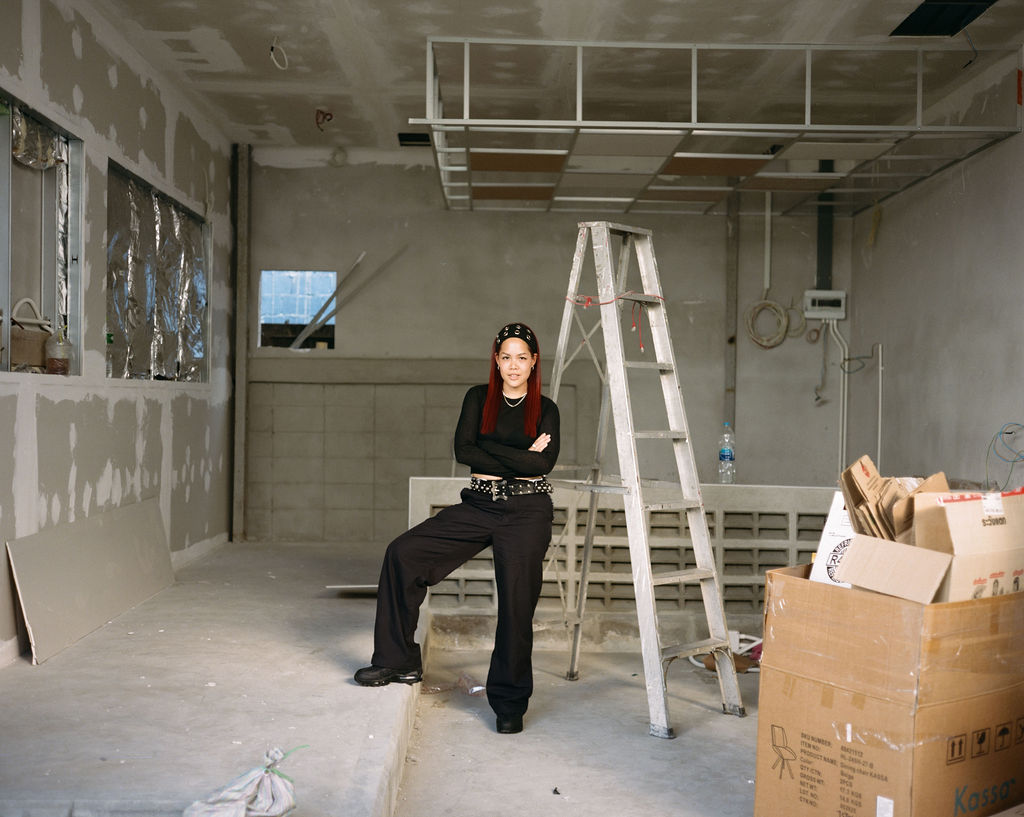
Profile pictures by Johnny Nghiem.
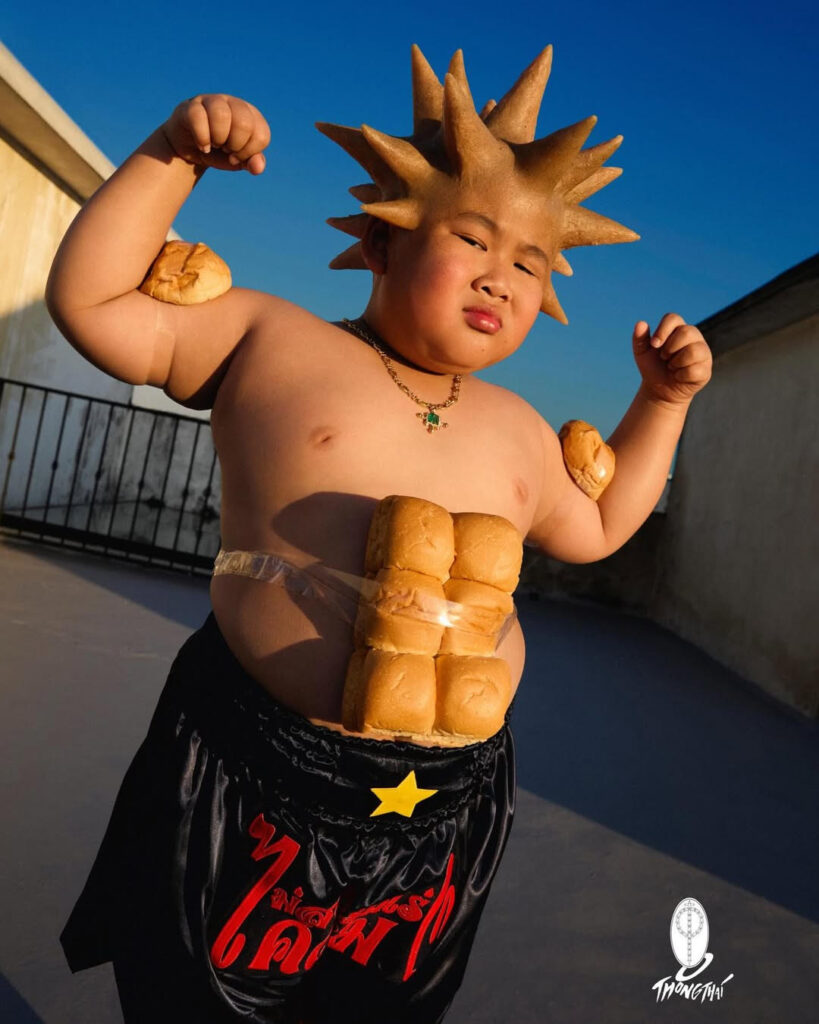
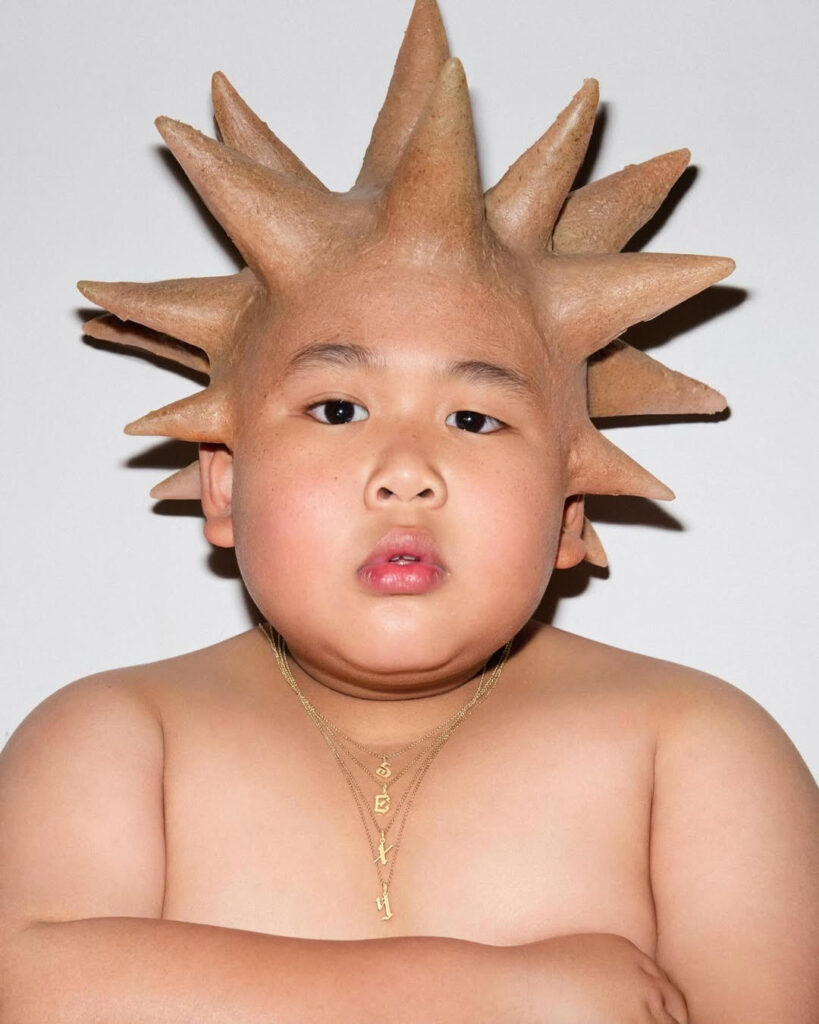
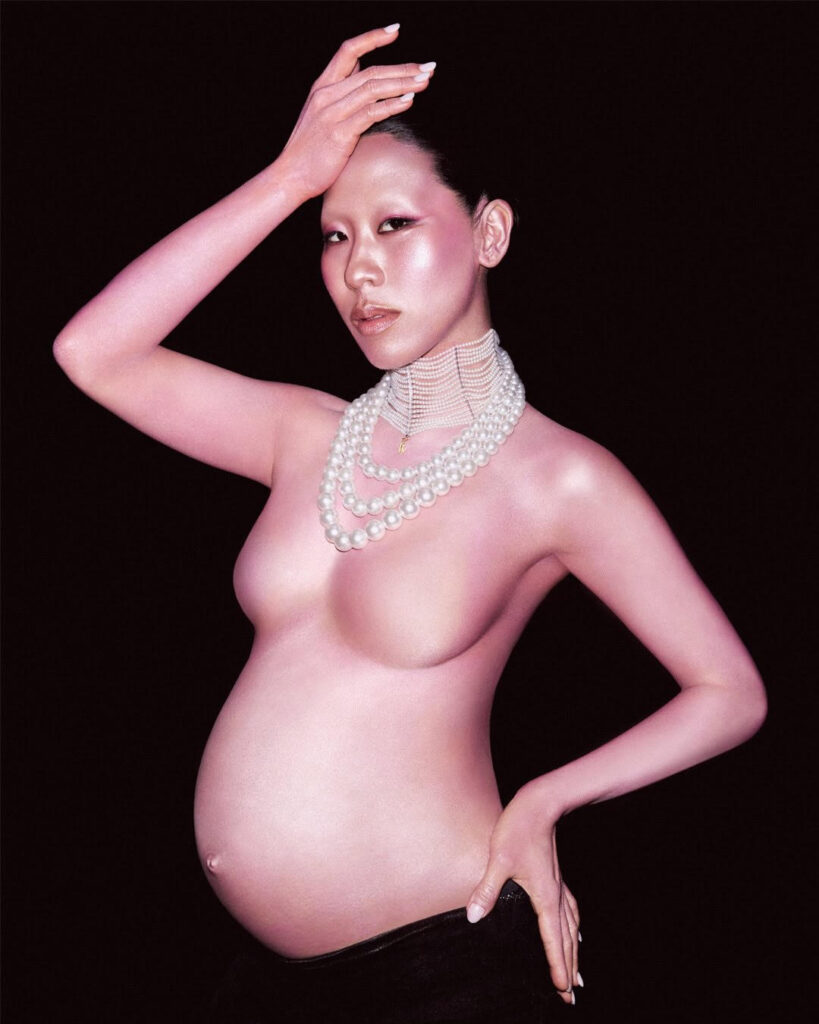
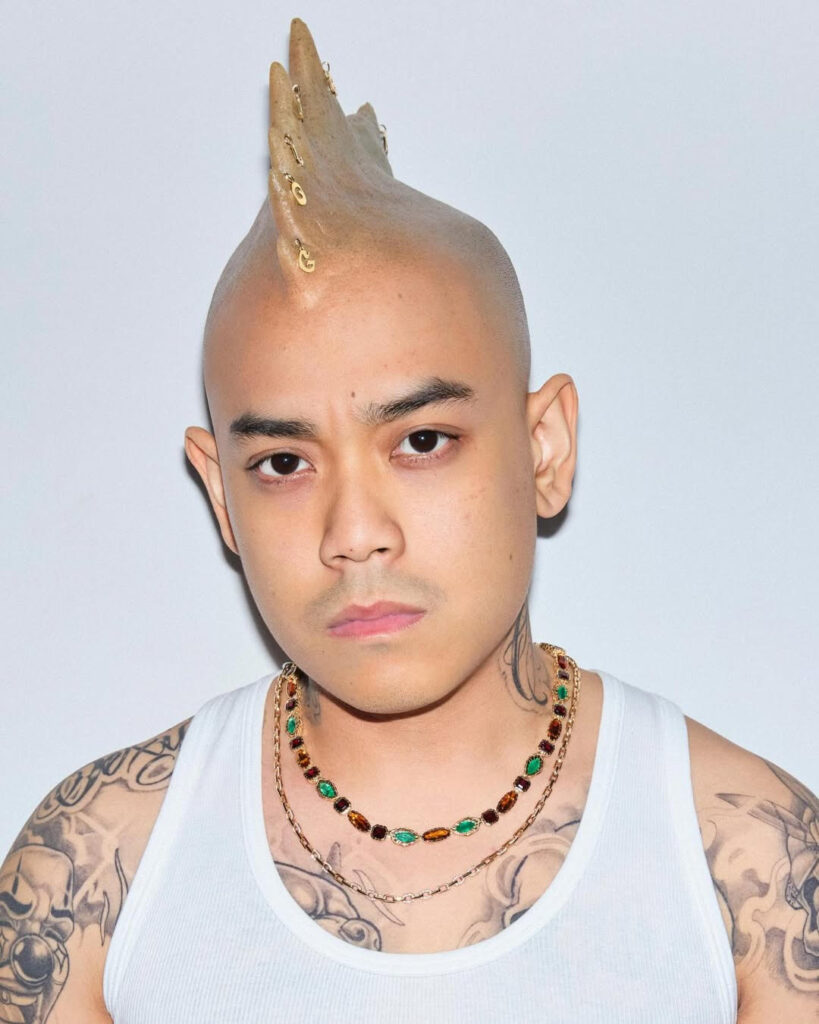
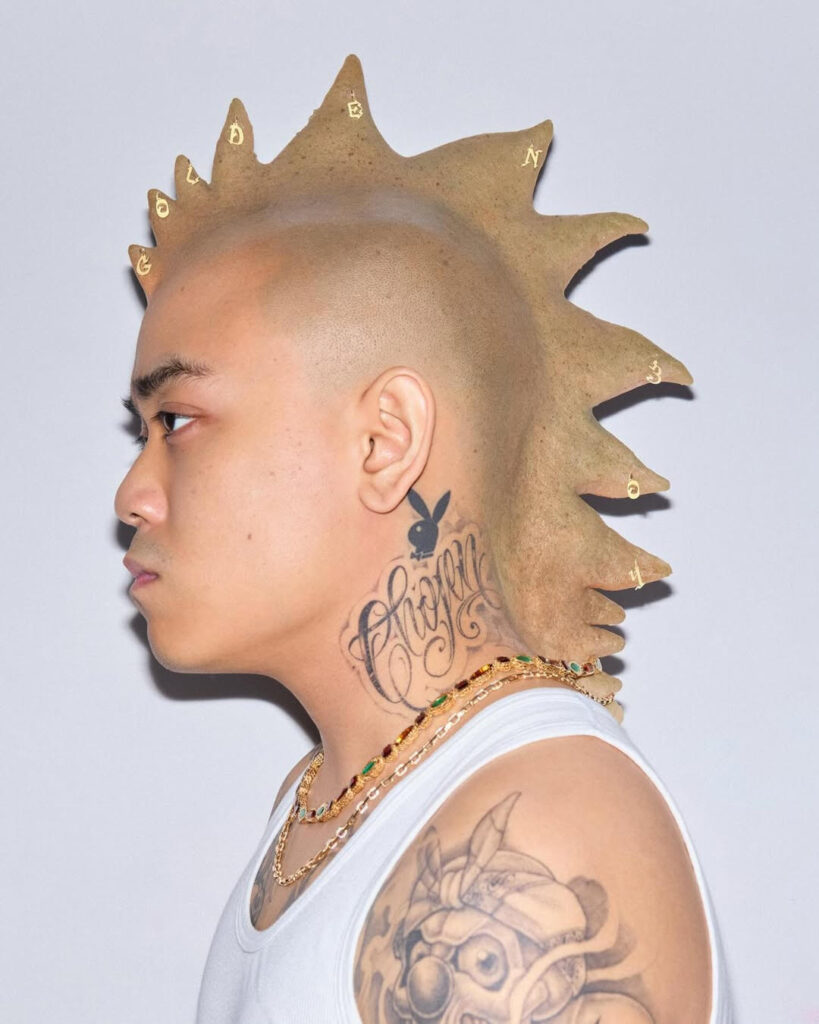
Campaign photos by John Tods.
Hi O Thongthai! It’s a pleasure to sit down with you! First question that I always ask. How does a regular day look like for you in Bangkok?
O Thongthai: Monday is my reset — clear the inbox, plan the week, get everything aligned. I wake up early before Bangkok gets loud, walk on the treadmill to think, then move into focused work and training with my PT. Afternoons are for meetings, design development, and production. Midweek is back-to-back meetings in Silom, Fridays wrap up at Maru Maru, and Sundays are for maintenance — a body reset and time with the people I love.
I’m curious, growing up, what was life like there? And what kind of kid were you? What did you enjoy doing?
O Thongthai: I was a chubby kid who loved art, music, math — and definitely food. I didn’t really enjoy school, and back then we didn’t have constant access to the internet, so I spent a lot of time figuring things out on my own. I was always curious, always making things with my hands.
I know that you already started jewelry designing at the age of 15. Can you tell me about how you got introduced to it?
O Thongthai: I was introduced to jewelry through Gim, who ran a workshop called One Form One Piece Studio, now known as The Smitheries. I was about 15 when I met him, and stepping into that workshop changed everything. It was the first time I saw ideas become something physical and lasting. That’s where I began building my craft — and found a real sense of direction.
Was there a moment when you realised this was no longer just making objects, but a way of understanding yourself
O Thongthai: Central Saint Martins was the turning point. It’s where I began to understand my taste, my strengths, and how I wanted to express ideas.At the same time, working as a stylist’s assistant trained my eye. I learned how images are constructed — how to curate, edit, and create impact.I realised there weren’t many jewelry brands I truly connected with. Instead of waiting for one to exist, I decided to build it. That’s when jewelry stopped being just objects — it became a way of defining who I am.
Ok O Thongthai, with these next series of questions, I will try to delve into your work as best as possible… So, around 2014, you start your eponymous brand, what inspired that decision?
O Thongthai: I graduated in 2012, and I knew I wanted to build something that would allow me to stay creative while also creating my own independence.Instead of staying abroad, I decided to return to Thailand. I wanted to understand jewelry from the inside out — not just design, but materials. I began studying diamonds and gemstones with GIA and started building relationships with stone suppliers.
Bangkok is one of the hearts of the global gemstone trade. Being here gave me direct access to stones, cutters, dealers, and workshops.
Launching O Thongthai in 2014 was, in many ways, both grounded and impulsive. The intention was rooted in learning properly and building from the source, but the execution wasn’t perfectly planned. I never felt fully ready.I just knew I had to start.
Looking back at over a decade, what has been some of the biggest obstacles in building the brand so far?
O Thongthai: The challenges have evolved at every stage of the business. In the early years, the focus was scale — learning how to sell in volume, operate within multi-brand retail, and grow production without diluting the brand’s identity.
When I moved into fine jewelry, the strategy shifted from volume to value. It became about differentiation — fewer pieces, stronger design language, and long-term relevance rather than short-term output.
Last year introduced cost pressure at a completely different level. Gold prices rose by more than 60%, which forced us to reassess pricing structures, sourcing strategies, and margin discipline — all while maintaining quality and client trust. Building a brand over a decade isn’t about overcoming one obstacle. It’s about adapting your strategy as the landscape changes.
With that in mind… Has your relationship to jewelry changed as the brand became internationally recognized — and if so, what have you had to protect in order not to lose your original instinct?
O Thongthai: I still consider O Thongthai a small brand. I don’t feel like we’re “internationally recognised” in the way people might assume. There’s still so much room to grow, and I like that. It keeps me hungry and curious.
As the brand grows, the biggest thing I try to protect is the sense of fun. I constantly remind myself that jewelry has to feel exciting to me first. I make pieces I genuinely want to wear. If I love it, I trust that someone else will too.
Right now, I’m also building a new space called Oke, a store and karaoke next to Maru Maru. It’s more than retail. I want people to experience my work as an art project in real life — not just as products, but as a world they can step into.
You often speak about jewelry as a language. What is something you’ve been able to say through jewelry that you’ve never managed to articulate with words?
O Thongthai: I once made a ring for someone. I never properly explained it to him. The stone was organic, almost raw. It had a crack running through it. Instead of replacing it or hiding it, I filled the crack with melee diamonds.I didn’t engrave anything inside. There were no obvious words. But in my head, the message was: the damage is done.
Not in a bitter way. Just… It happened. Something shifted. Something broke. And it couldn’t go back to how it was before. Filling the crack with diamonds wasn’t about fixing it. It was about accepting it. The damage was there — and it was beautiful. I don’t think I could have ever said that to him directly. jewelry allowed me to say it without saying it.
Your work lives in the space between masculine and feminine without trying to reconcile the two. Do you see that tension as something to be embraced, or something that still feels unresolved in you personally?
O Thongthai: It’s the yin to my yang.
When someone wears your jewelry, how much of the meaning do you want to control — and how much do you prefer to leave open, even if it contradicts your original intention?
O Thongthai: I just leave it open really
Your designs quietly resist traditional gender codes without being overtly political. Do you see that restraint as a strength, or do you sometimes feel pressure to be more explicit?
O Thongthai: I’m interested in creating pieces that quietly blur lines. If someone feels seen in them without needing explanation, that’s enough.
Jewelry has historically been tied to status, wealth, and power. How conscious are you of that history when you design — and do you see your work as subverting it or reworking it?
O Thongthai: I’m very aware of jewelry history — it has always been tied to status, wealth, and power. But I don’t see that as something negative. I see it as reality.
For me, fine jewelry is also an investment. If you look at gold prices — in 2015 it was around $1,070–$1,370 an ounce. Now it’s close to $5,000 an ounce. Coloured stones have also increased significantly in value over time.
So when I design, I’m conscious that I’m working with materials that carry economic weight. Gold, diamonds, gemstones — they hold value beyond aesthetics.But I’m not trying to subvert the history of jewelry. I’m more interested in reworking it. Taking something traditionally associated with power and making it personal. Turning status into sentiment. Turning investment into something emotional.
How do you go about sourcing materials and objects that you use in your work?
O Thongthai: For bespoke, I always start by asking my client about their budget. That creates a framework. From there, I choose the most suitable materials — the right gold, the right stones, the right scale — within that range.
International recognition often comes with expectations. What is the most uncomfortable expectation placed on you since the brand grew — and how do you deal with it?
O Thongthai: Sometimes the expectation is that you’re supposed to have everything figured out once the brand is recognised. But I’m still learning. Still experimenting. I’ve never wanted O Thongthai to feel mass. I care about the pieces being personal and intentional. Sometimes that means growing slower than people expect. I deal with it by reminding myself why I started. I didn’t start to chase visibility — I started because I wanted to create something meaningful, fun and independent.
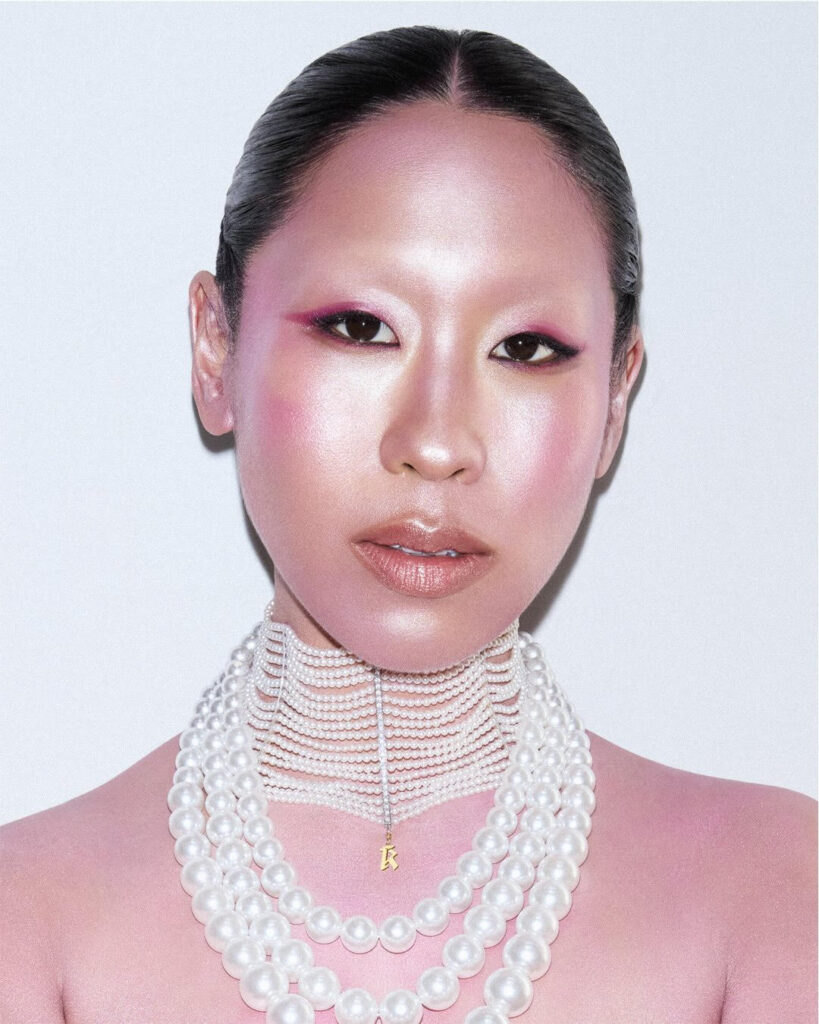
Your jewelry has been worn by artists like A$AP Rocky, Pharrell Williams, and Lorde, figures with very distinct identities. When working with such strong personalities, do you adapt your language to theirs, or do you expect them to step into your world
O Thongthai: I don’t design to please. I design with them in mind. It’s a collaboration — my world meeting theirs. If the chemistry is right, the piece feels natural on them.
Many of your collaborations, from Nike to Casablanca and Denim Tears — exist outside traditional jewelry spaces. What attracts you to these cross-disciplinary encounters, and what do you refuse to compromise when entering someone else’s universe?
O Thongthai: Honestly, it starts with fun. Most of those collaborations happened with people I genuinely like and respect. Working with friends makes it feel natural. There’s trust. There’s curiosity. I get to step outside traditional jewelry spaces and try something new.
Celebrity visibility can easily flatten a practice into an aesthetic or trend. When your work circulates through high-profile bodies and global brands, how do you protect the intimacy and ambiguity that sit at the core of your jewelry?
O Thongthai: I try not to think too much about visibility. I just focus on making something that feels personal.After that, it has its own life. And I’m okay with that.
Do you ever fear being misunderstood as a “fashion jewelry brand” when your work is closer to an ongoing personal practice?
O Thongthai: I don’t create from trends. Most of my work is bespoke — it starts with the client and their story. I’m just translating that into an object. That’s probably why the work can feel a bit random from the outside. It’s not built around seasons or collections. It’s built around people. If someone initially sees it as “fashion jewelry,” that’s okay.
What part of yourself are you currently trying to understand, and do you feel that curiosity already influencing your newer pieces?
O Thongthai: Right now, I’m trying to understand space and community. Building a physical store has forced me to think differently. It means having pieces available, ready for purchase — there’s a practical side to that. But I don’t want Oke to feel purely transactional.
Slowly, I’m moving beyond just jewelry into lifestyle objects — T-shirts, ceramics — things that allow the world of O Thongthai to exist beyond adornment. It’s less about expanding categories and more about expanding the environment. Creating a space where people don’t just buy something, but feel a sense of belonging.
Is there something you feel you haven’t yet dared to express through your jewelry?
O Thongthai: There’s a lot I want to do. I just haven’t slowed down enough to do it. If someone were to look at your work ten years from now, what would you hope they understand about you, beyond aesthetics or trends?
I hope the designs age well. I hope that ten years from now, someone can still look at a piece and genuinely like it — not because it was part of a trend, but because it still feels relevant, personal, and well made.
Can you walk me through your creative process from beginning to end result?
O Thongthai: For bespoke pieces, my process starts with questions. I need to understand exactly what the client wants — the piece, the material, the stone, and the budget. Once those fundamentals are clear, I assess what’s realistic and how to execute it properly.
From there, I shape the design — balancing their story with materials and technical structure. jewelry has to be meaningful, wearable, and durable. Only when everything aligns do we move into production.
Can you also tell me about your use of symbolism?
O Thongthai: My use of symbolism started around my third collection in 2015. That collection was based on the snake — a symbol of renewal and new chapters. I was drawn to the idea of shedding skin, of transformation. At the time, it felt personal. I even created a small video in Tokyo with Mona Matsuoka and Keisuke Asano to bring that narrative to life visually.
After that came the Zodiac collection. I’ve always been drawn to astrology — the way symbols can carry identity and meaning across time and cultures. The Zodiac felt universal but still intimate. It allowed people to connect to the pieces in their own way.
How do you approach color?
O Thongthai: I’m drawn to colored stones — ruby for its intensity, and green in all its forms. Emerald, tourmaline, tsavorite, jade. Each one feels different, but they all hold different meaning.
So with what we just talked about, what are you hoping to convey?
O Thongthai: Rooted in Bangkok, shaped by the world, carried by curiosity.
How do you deal with creative block?
O Thongthai: When I feel stuck, I don’t force inspiration — I disrupt it. Sometimes I use a Dadaist approach. I pull random words together and let unexpected combinations guide me. It removes logic and brings back play.
Other times, I pick five images I’m drawn to — they don’t have to relate. It could be a snake sculpture, a green stone, an old library, a football jersey, a 90s magazine ad. Then I ask myself: what connects these?
What are you most excited about for the future (for you and the world)?
O Thongthai: I’m excited to build spaces, not just objects. Spaces where people meet, talk, eat, sing, create. I don’t just want to design pieces — I want to design experiences and create a space where people can come back to. For the world, I’m excited about a world where craftsmanship and meaning matter again. Where things aren’t just consumed — they’re cherished.
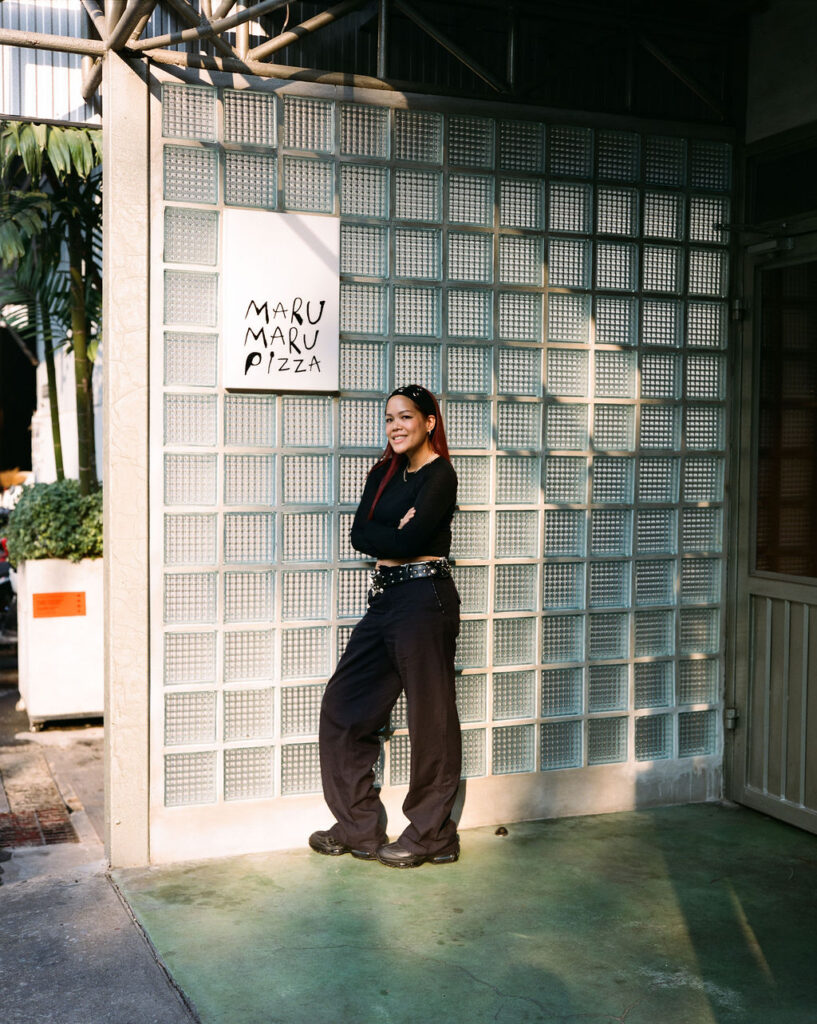
Can you tell us a bit about Maru Maru Pizza and how you got involved?
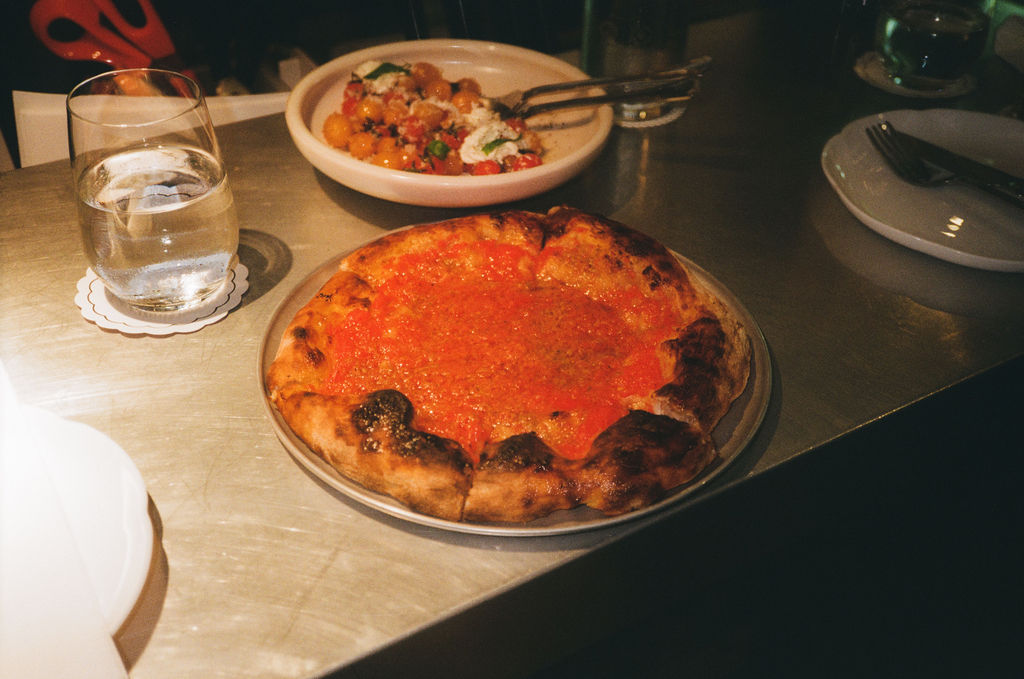
O Thongthai: Maru Maru started as a small pop-up in Thonglor about three years ago. The original founders are Himd and Nanu. Himd is one of my closest friends, and Nanu is a true jack-of-all-trades — chef, carpenter, teacher — he can basically build the space and cook in it at the same time.When they were planning to turn it into a proper restaurant, they asked if I wanted to join. Without a doubt, I said yes.
For me, it wasn’t just about pizza. It was about friendship, building something together, and creating a space that feels alive. Maru Maru has the same energy I love in creative projects — it’s collaborative, hands-on, a bit chaotic, but full of heart.It’s different from jewelry, but the spirit is the same: community, craft, and experience.
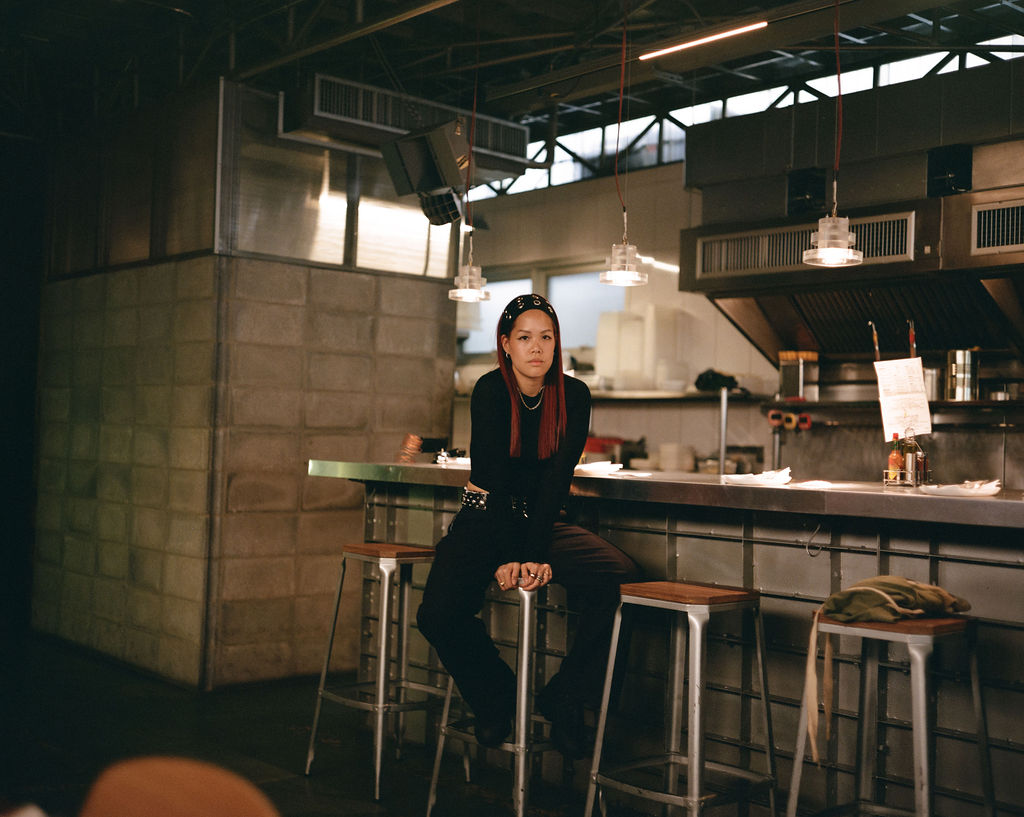
What about this karaoke bar we keep hearing about?
O Thongthai: I’ve always wanted to rethink the traditional jewelry store experience. Growing up, I found it too transactional — bright lights, serious atmosphere, no emotion. When I took the space next to Maru Maru, I saw an opportunity to change that. I designed it as a private VIP room — somewhere clients and friends could relax, order pizza, and spend time.
The karaoke idea came later, but it made sense. Jewelry doesn’t have to feel intimidating. It can be social, celebratory, and alive. For me, it’s about redefining the energy of a jewelry space.
Ok O Thongthai, now to something totally different. In a parallel universe who would you be? and what would you be doing?
O Thongthai: I think I’d probably be in real estate or finance. I like numbers. If I could choose again, I would study architecture and law. Architecture because it’s the foundation of art. You have to think in 3D.
You have to understand structure, engineering, weight, proportion — it’s creativity, but with discipline. It’s not just about how something looks, but how it stands. And law, because I grew up with my grandpa always saying, “To be a successful businessman, you need a good lawyer and a good accountant.” That really stayed with me.
So maybe in a parallel universe, I’d be designing buildings by day and negotiating contracts by night. But honestly, even in this universe, I think I still use both. jewelry is small-scale architecture. And running a business forces you to understand structure, numbers, and protection. Maybe I didn’t miss it after all.
Outside of art, what’s something you’re obsessed with right now—maybe a hobby, a show, or even a food—that keeps you grounded or inspired?
O Thongthai: Right now, I’m prioritizing self-care. Longevity is a big conversation, especially in Thailand with an aging society, and it really made me think about how I want to live long — but also live well.
I’ve been working closely with my trainer to reach 18% body fat, which I’ve actually never achieved before. It’s not just about aesthetics. It’s about discipline, strength, and understanding my body in a deeper way.
For me, it’s about discipline more than motivation. Motivation comes and goes. Discipline is what stays. Discipline is what builds results — in health, in business, in creativity. The routine, the structure, the consistency — that’s what keeps me grounded.
Can you tell me a story about a time when a connection with someone had a big impact on you?
O Thongthai: I really like learning from the people around me. I feel very lucky because I’m surrounded by great minds who are generous enough to share what they know. One person who had a big impact on me is my uncle. When I was younger, I used to ask him for shortcuts — how to grow faster, how to skip steps, how to get results quicker.
And he would always tell me, “There’s only a shortcut to failure.” He said if I want something meaningful, I have to trust the process. And he always reminded me, “If you fail to plan, you’re planning to fail.” At the time, I didn’t fully appreciate it. But now, running my own business, I understand exactly what he meant.
What qualities do you find most important in the people you choose to spend time with?
O Thongthai: I’m drawn to people who are smart, funny, and kind. Intelligence is important to me — I like being around people who challenge how I think and teach me something new. But they also have to be fun. I love humor. If we can’t laugh, it doesn’t work. And most importantly, they need to have a good heart. I only really spend time with people I feel comfortable around. Energy matters. I don’t like complicated dynamics. For me, it’s simple: either I learn something from you, or we genuinely enjoy the time together. Ideally, both. Life is busy — so I’m intentional about who I share it with.
Anybody you look up to?
O Thongthai: I really look up to musicians. I’m fascinated by how they create sound — how something invisible can completely change how you feel. A song can bring back a memory instantly. It can make something complex feel simple. And sometimes it’s so layered and intricate that it feels deeply fulfilling to the ear. That ability to translate emotion into something you can’t physically see — I find that very powerful.
What motivates you?
O Thongthai: I just try to make my younger self proud.
How would you describe a perfect day?
O Thongthai: A perfect day is flow, progress, and one new discovery.
Alright O Thongthai, I always ask these two questions at the end of an interview. The first is. What’s your favorite movie(s) and why?
O Thongthai: I love movies, so this is a tough question. If I had to choose one Thai film, it would be In Youth We Trust, directed by Puttipong Nakthong. It’s about juveniles, and it felt so raw and real. The emotions were intense and honest, and that stayed with me.
The second is. What song(s) are you currently listening to the most right now?
O Thongthai: Right now, I’ve been listening to Youngohm’s new album on repeat. But I always find myself going back to “Prototype” by Outkast, “Let Me Go” by Daniel Caesar, “Moon River” by Frank Ocean, and Sade