

Share this
Back in December of 2024, I sat down with Robert for the first time. Check out the result of our conversation HERE. To celebrate the release of his newest book Tin Lizards, I met up with with Robert once again to pick his brain about the new project…
Robert LeBlanc Robert LeBlanc is a Los Angeles-based documentary photographer and visual storyteller known for his deeply immersive, human-centered work that explores overlooked subcultures and forgotten corners of American life. A self-taught artist who began his career in the early 2000s, LeBlanc has built a reputation for combining raw visual intimacy with a cinematic sense of place—capturing everything from the visceral world of wildland firefighters (Moon Dust) to the spiritual intensity of snake-handling congregations (GLORYLAND).
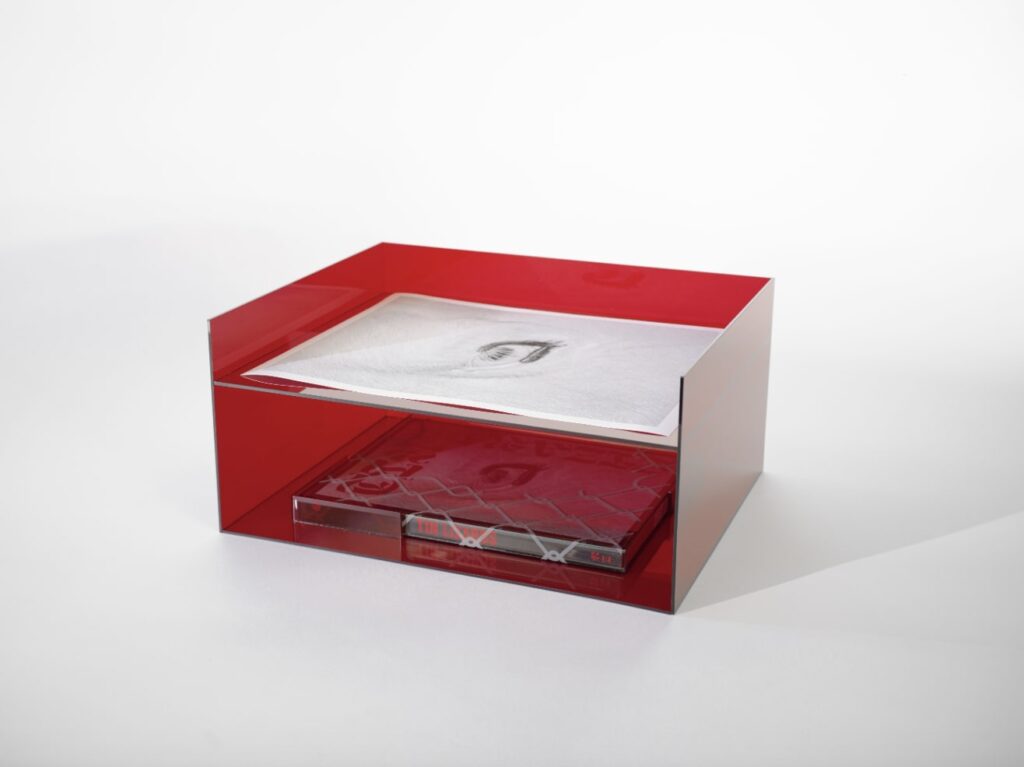
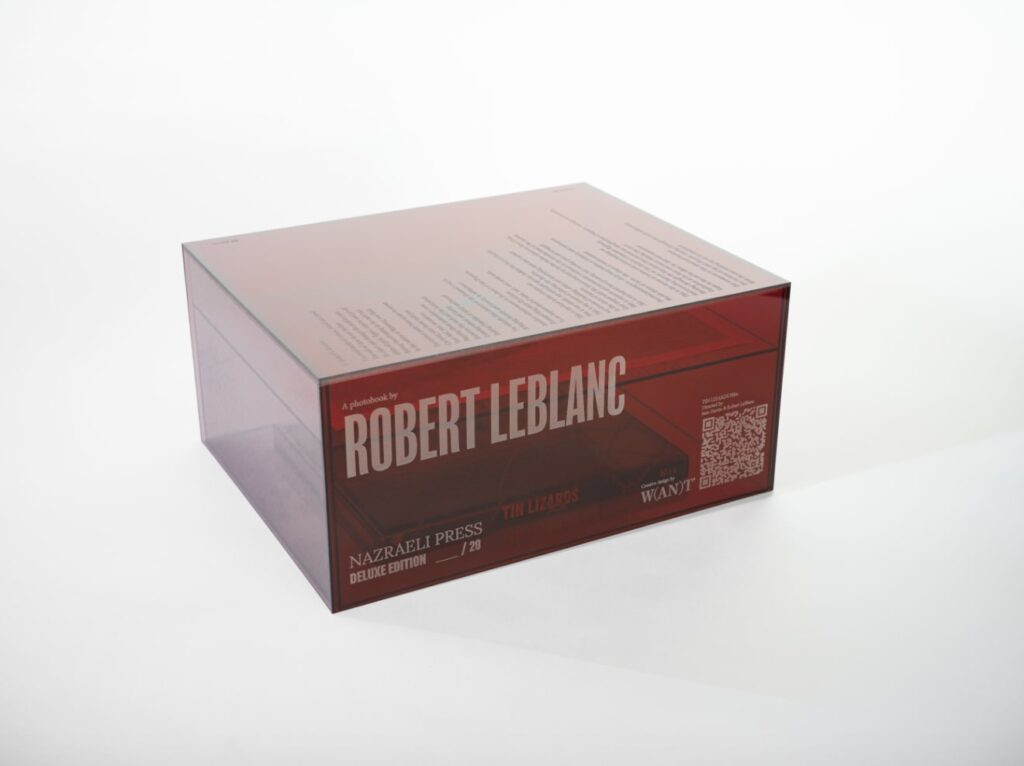
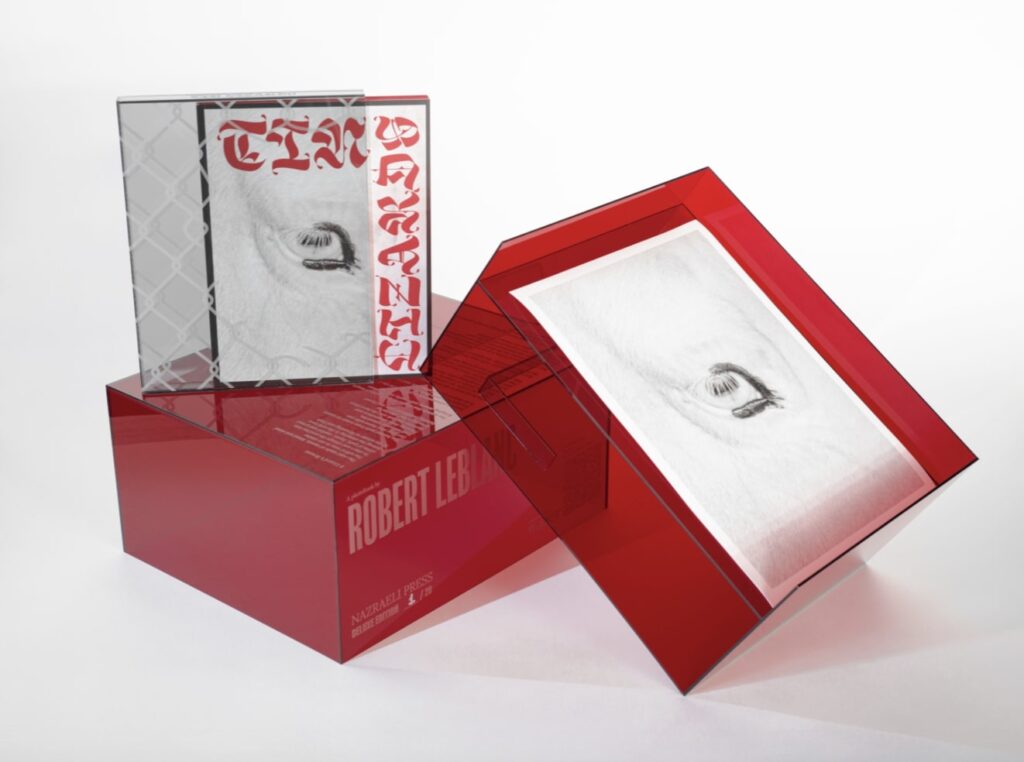
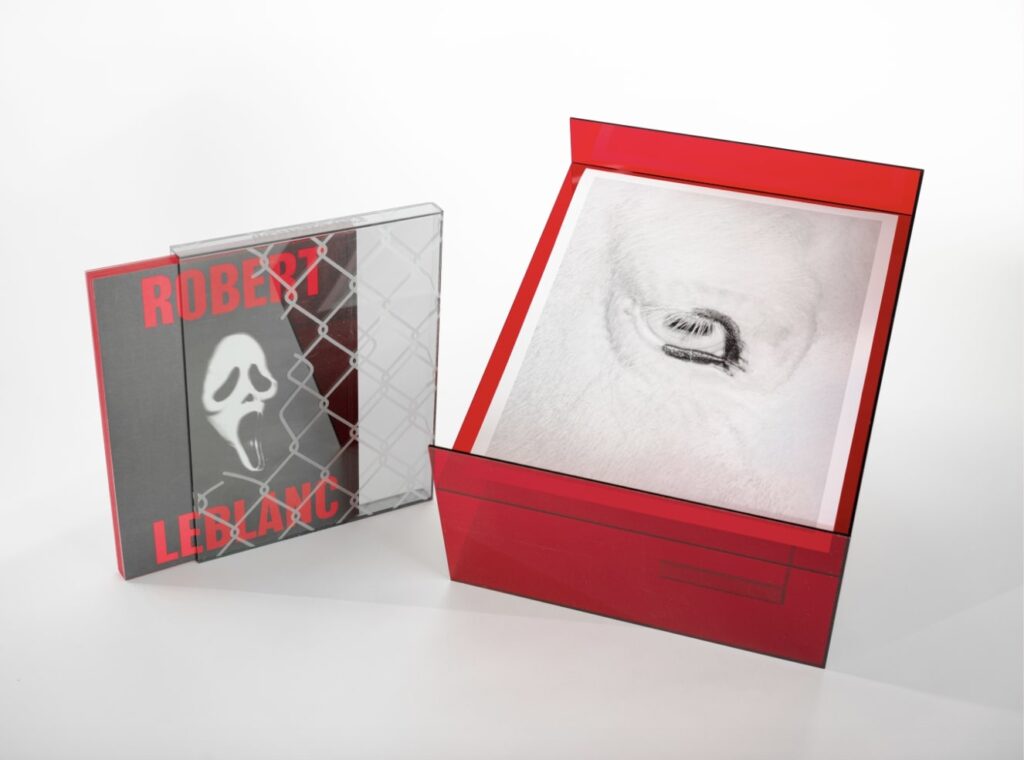
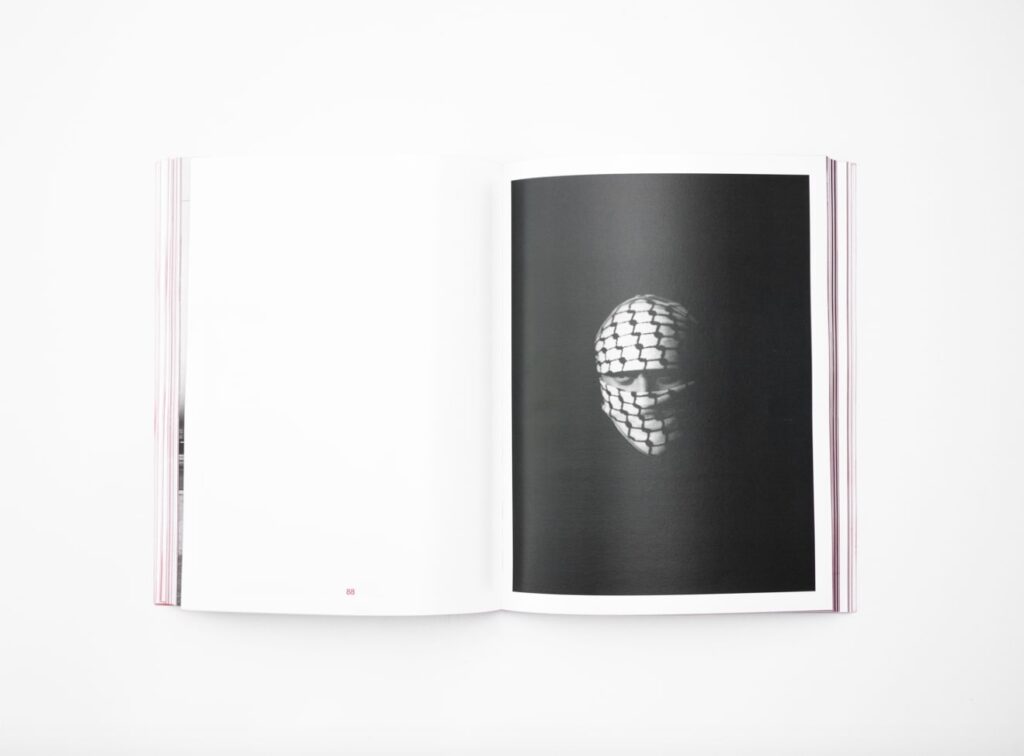
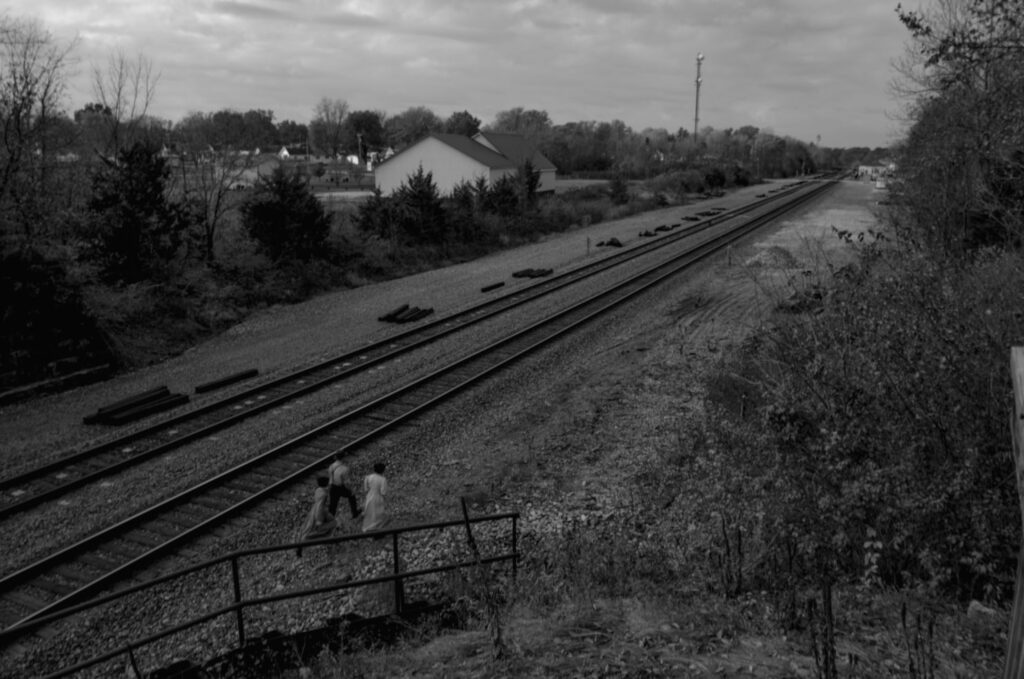
His newest monograph, Tin Lizards, marks a distinct yet poetically aligned departure from his previous work. Created in collaboration with Carhartt WIP and published by fine-art imprint Nazraeli Press, Tin Lizards is a monochromatic ode to the mystique and rhythm of train travel. Traversing the United States by rail, LeBlanc transforms the ordinary into the extraordinary—rendering sleeper cars, rural depots, and fleeting landscapes as dreamlike vignettes frozen in silver halides. The result is a body of work that hovers between fiction and reality, stillness and motion.
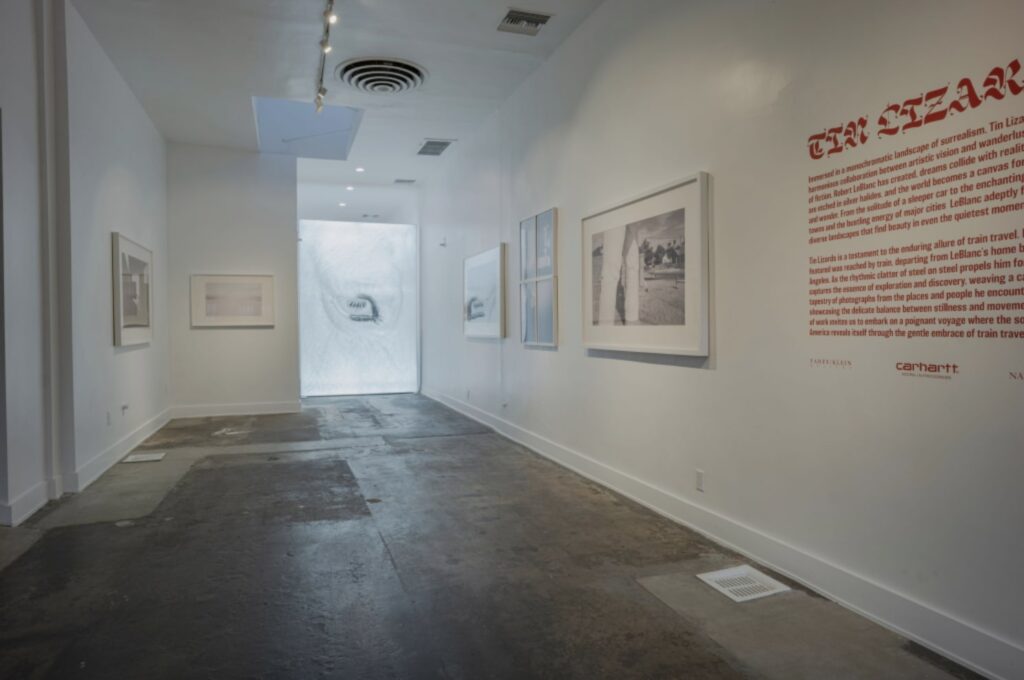
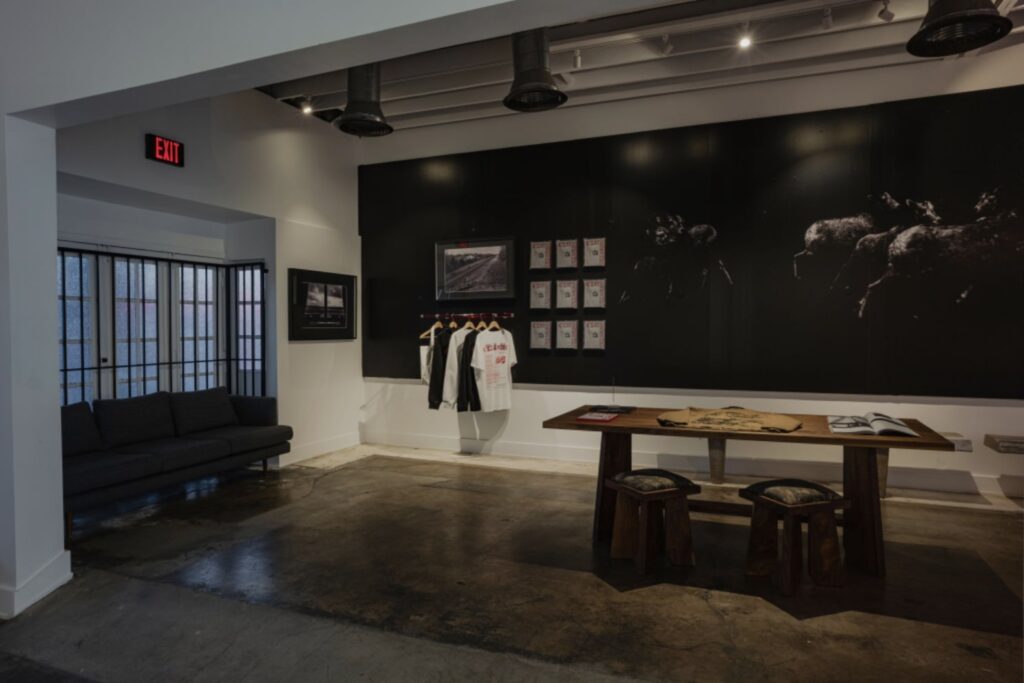
In Tin Lizards, each photograph tells a quiet story, drawn from real journeys where every destination was reached by train. With a subdued, surrealist palette and a contemplative lens, LeBlanc invites viewers into a world where the heartbeat of America pulses along steel tracks and quiet towns echo with timeless charm. The monograph is accompanied by a limited-edition apparel capsule, available exclusively at Carhartt WIP Los Angeles, further blending the visual with the tactile in a multi-sensory exploration of nostalgia and movement.
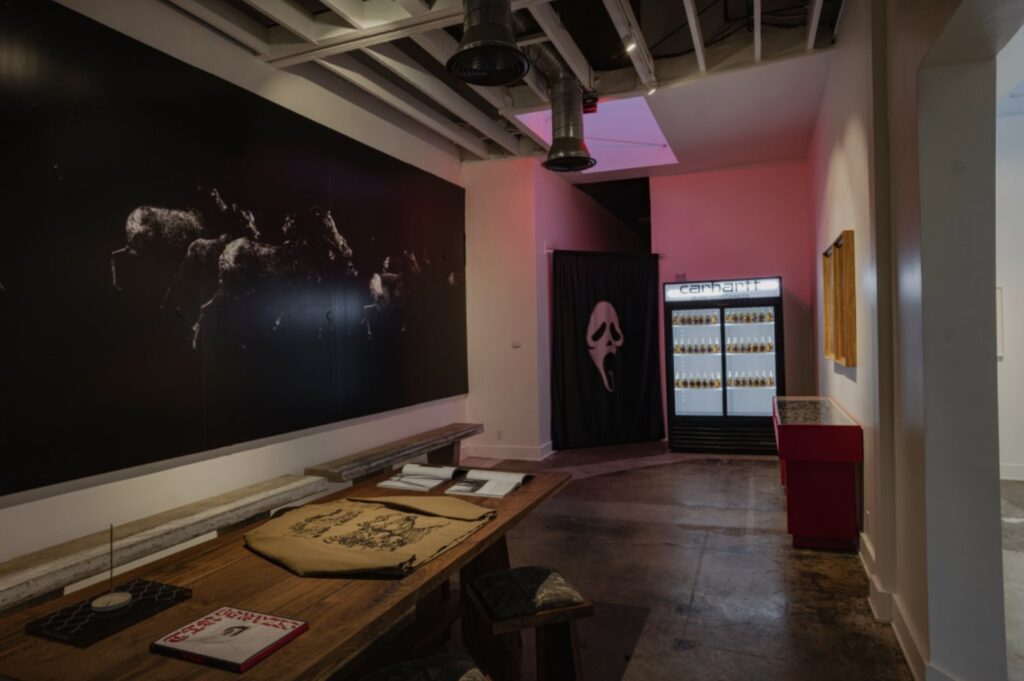
With Tin Lizards, Robert LeBlanc reaffirms his position as a master of atmosphere and emotion, continuing his mission to document the beauty of the American experience in its most poetic and unexpected forms.
Hi Robert, it’s been a couple of months since we’ve had you in the hot seat. It’s a pleasure to have you back. This time, I’ll be focusing on your newest book, Tin Lizards. So, first question…. What inspired Tin Lizards—both the title and the concept?
Robert: I’ve always loved traveling by train. To me, there is a romance to it. In a world of everything moving so fast, the train is a world stuck in time where things are a bit slower, and I have always really enjoyed that about trains. I wanted to escape from my normal documentary space and create a world more set in fiction and surrealism. Tin Lizards is an old train slang used to describe trains traveling through the countryside, and it fit what I was trying to accomplish with this new body of work.
With that in mind, what does train travel mean to you personally? Do you see it as symbolic, or is it more about the experience itself?
Robert: It is a mix of both. It symbolizes the romantic side of America, which is slowly dying because of technology. The old towns where the train stops are away from the freeways and airports, where things are quieter and more independent. The experience is the same as well. Little, no, no cell service, slow travel, and the way to be with your thoughts without the hustle and bustle of our normal day-to-day lives. Traveling by train helps fuel my imagination, which I enjoy. I wanted to tap into that part of my creativity and create a narrative that is not so focused on documentary storytelling.
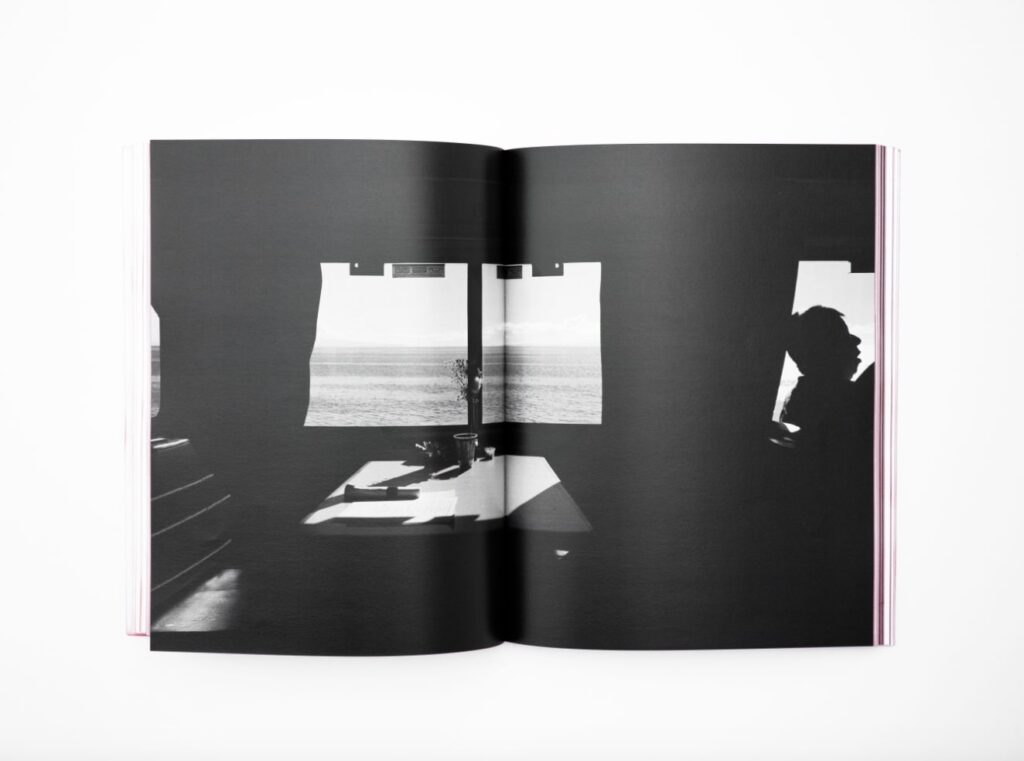
There’s a strong tone of nostalgia and surrealism in the photographs. What were you trying to capture emotionally with this series?
Robert: I wanted to create a world of fiction, a world with dark tones that felt detached from reality and had a noir feel. I’ve always been inspired by photographers like Trent Parke and Daido Manoryama, and I loved their ability to make images that felt magical.
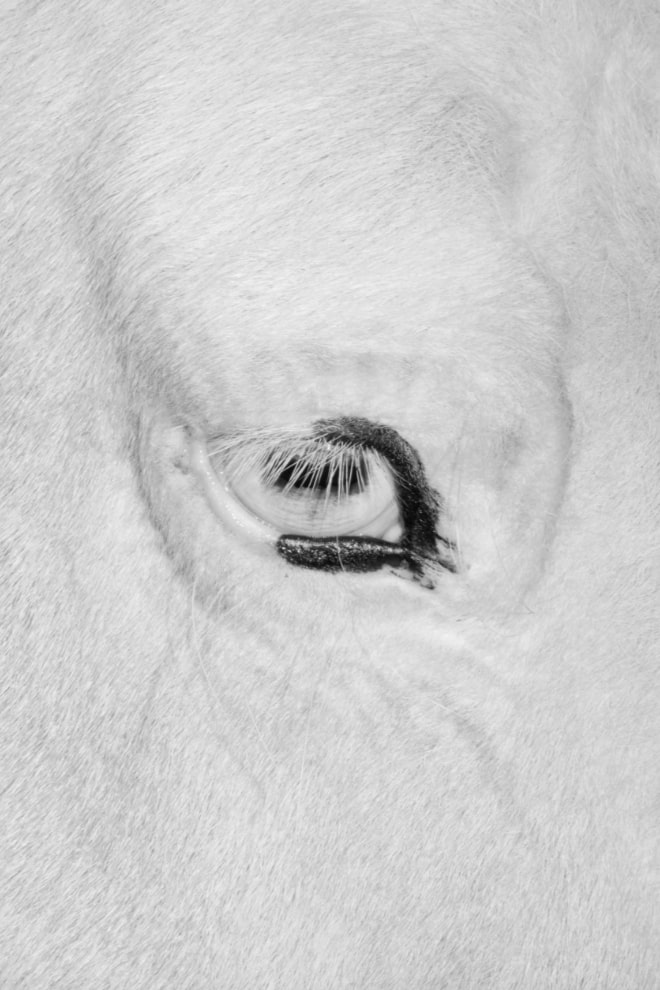
You describe the work as blurring the line between reality and fiction. How do you approach that ambiguity in your photography?
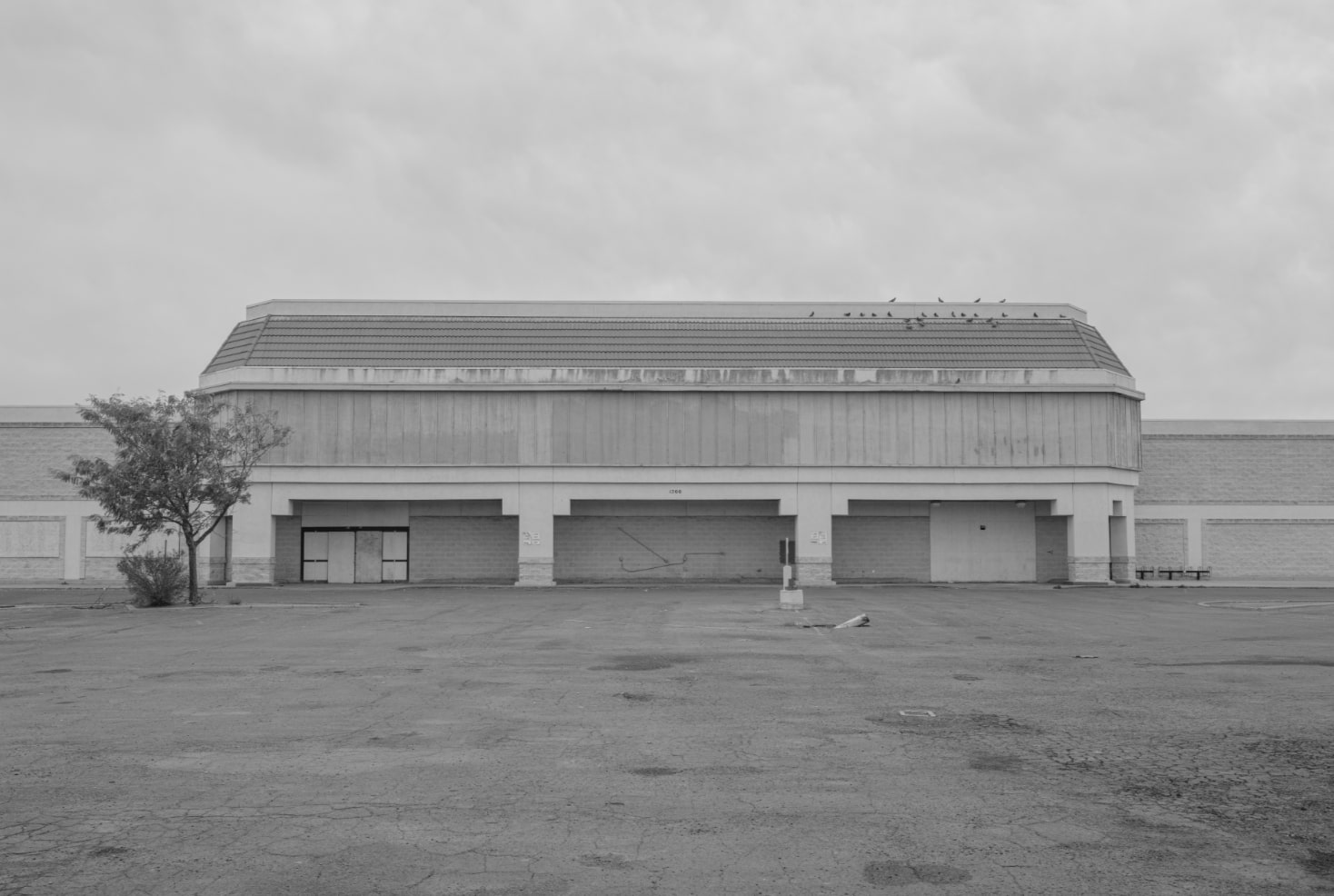
Robert: It’s making the ordinary look unordinary. To create a cohesive world that feels strange and emphasizes the small details to make them seem unusual or unique. It could be something as simple as a chain-link fence or barbed wire. However, using negative space or gradient light can give it a feeling that seems almost unreal. It’s a tough challenge, and I enjoyed stepping out of my comfort zone with this project. I think there is also the element of black and white that gives the fiction feel as well. As a viewer, you know it is a real image, but black and white allows it to be more in a surreal space, hopefully sparking the viewer’s imagination.
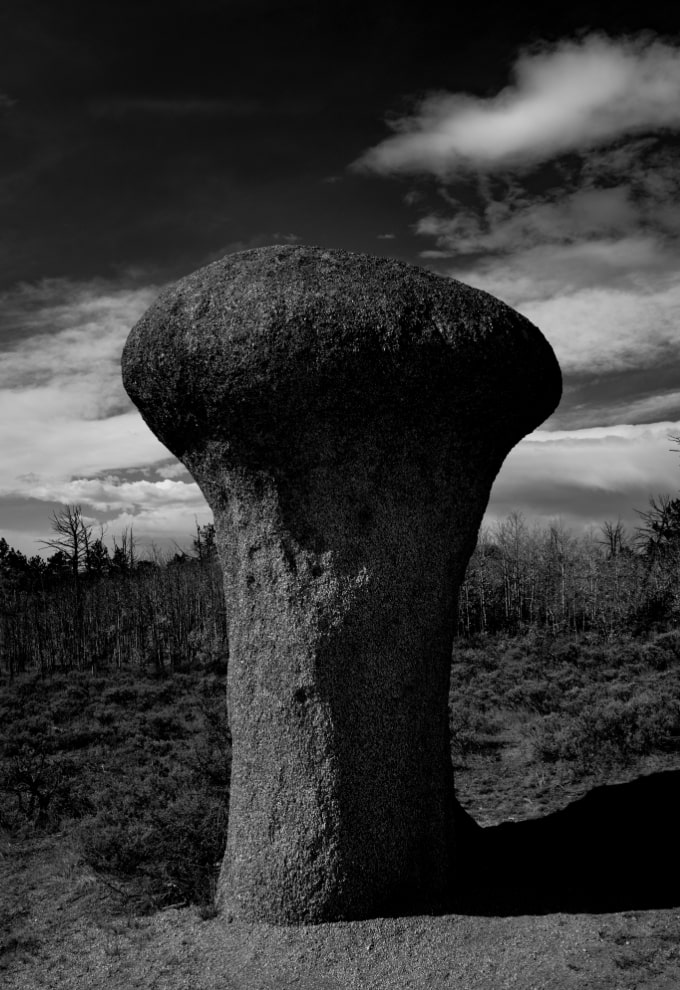
Much of your work deals with quiet or overlooked parts of American life. What draws you to these spaces, and how does Tin Lizards build on that?
Robert: I love the overlooked aspects of life. I’ve always been drawn to those people and places more and more. I’ve always loved shooting what’s in my backyard and what’s off the beaten path. Those places and people who live within overlooked areas feel more authentic and have more character. I have been strictly shooting America for over a decade, and I continue to be surprised and rediscover my own country. It’s like what I said earlier: traveling by train brings all the elements I love into one romantic, pleasing setting ripe with inspiration and creativity.
Did you do any specific research for this project?
Robert: Nope. I just got a ticket and went along for the ride.
Were there any particular places or moments that profoundly shaped the series?
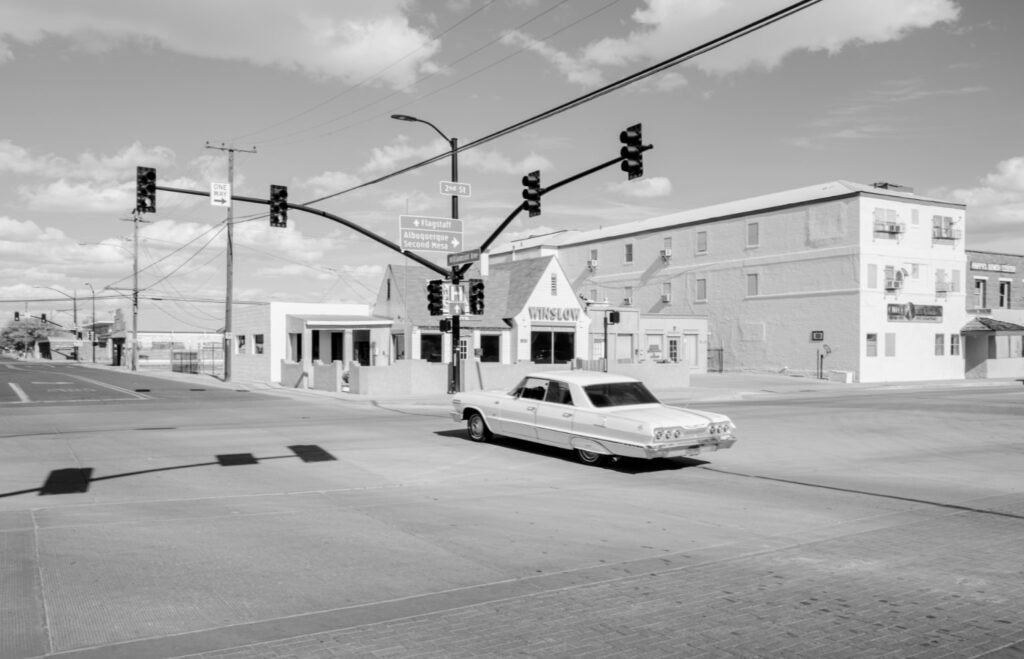
Robert: My favorites were small towns like Winslow, AZ, and Yuma, AZ. I especially loved walking around the towns in the middle of the night. They would feel like ghost towns, as if I had the entire place to myself. I think that’s when I was the most inspired. I tried to embrace the quietness as much as possible, and those moments kept me moving forward.
For this project, you teamed up with Carhartt WIP and Nazraeli Press. How did that come about? And what did each bring to the table?
Robert: I’ve always loved Carhartt WIP and have been wearing their gear for as long as I can remember. When we spoke, they enjoyed the series and wanted to continue supporting it. Working with a brand I enjoyed for so long was a huge blessing. For artists, having the ability to bring your project to the next level can come in many ways, and having such a well-respected brand helped me do that, which was amazing. The same goes for Nazraeli Press; they are such legends in the book publishing game, and with their support, I could turn this into a tangible object that people can experience, which means the world to me.
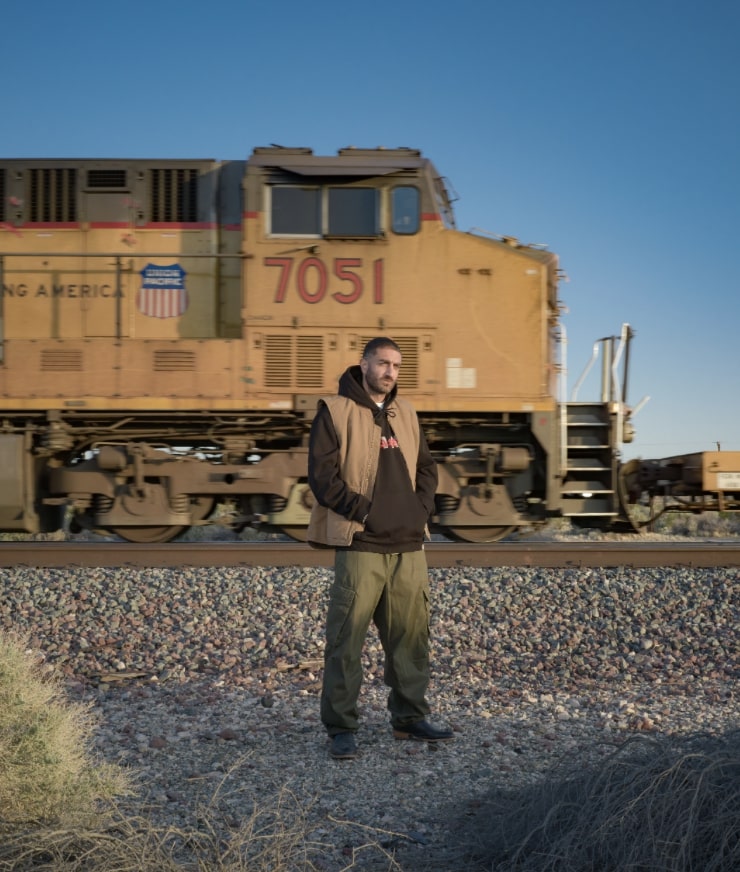
The capsule collection is a dope but unusual addition to a photobook launch. What was the thinking behind that crossover into fashion?
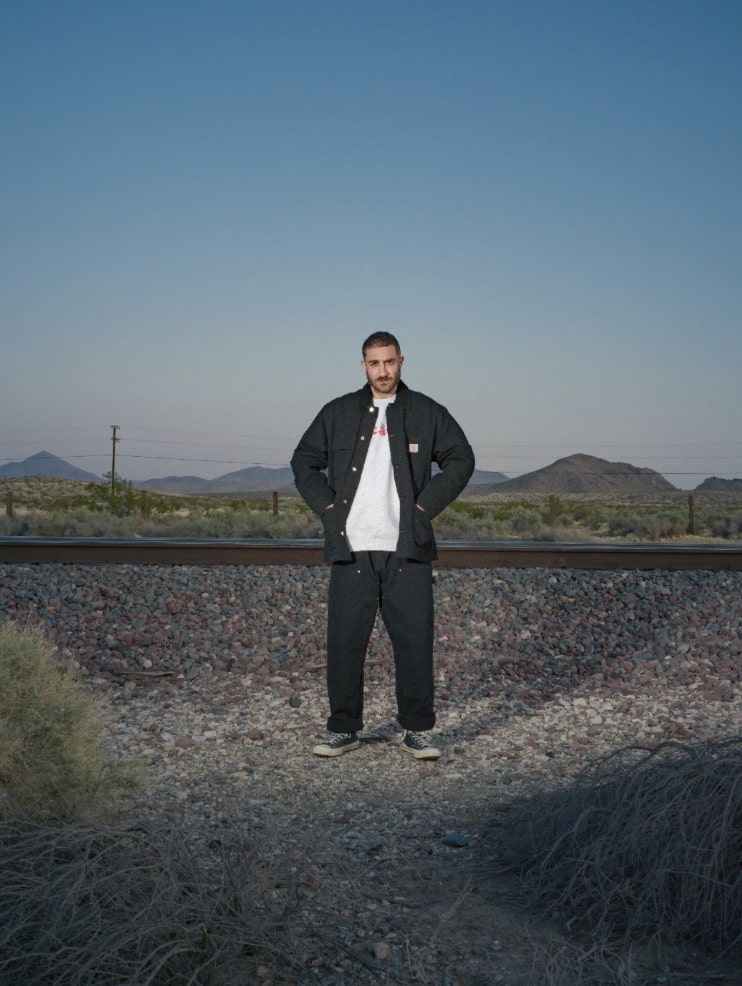
Robert: I love to design and create something physical outside of my photography, and working with Carhartt WIP was an awesome opportunity to do that. It demonstrates that a photo project can be more than just books and prints on a wall. I’ve always tried to see how to expand an idea into a world, and creating the capsule collection with them helped broaden the Tin Lizards world in another tangible way. It’s always been a full circle to me because the whole time I was traveling and working on this project, I was wearing WIP gear, so it just felt right.
Do you see Tin Lizards as a love letter to a vanishing mode of travel or as something more timeless?
Robert: I hope it has more of a feel of timelessness. I want to encourage viewers to go out and explore when it might seem ordinary. Enjoy the small details in life and the things you might take for granted in your community and neighborhood. Embrace the slow and be patient for something unique to happen. The train was just a vessel that got me to those moments.
How do you hope viewers experience this series? Is there a particular emotion or question you want to leave them with?
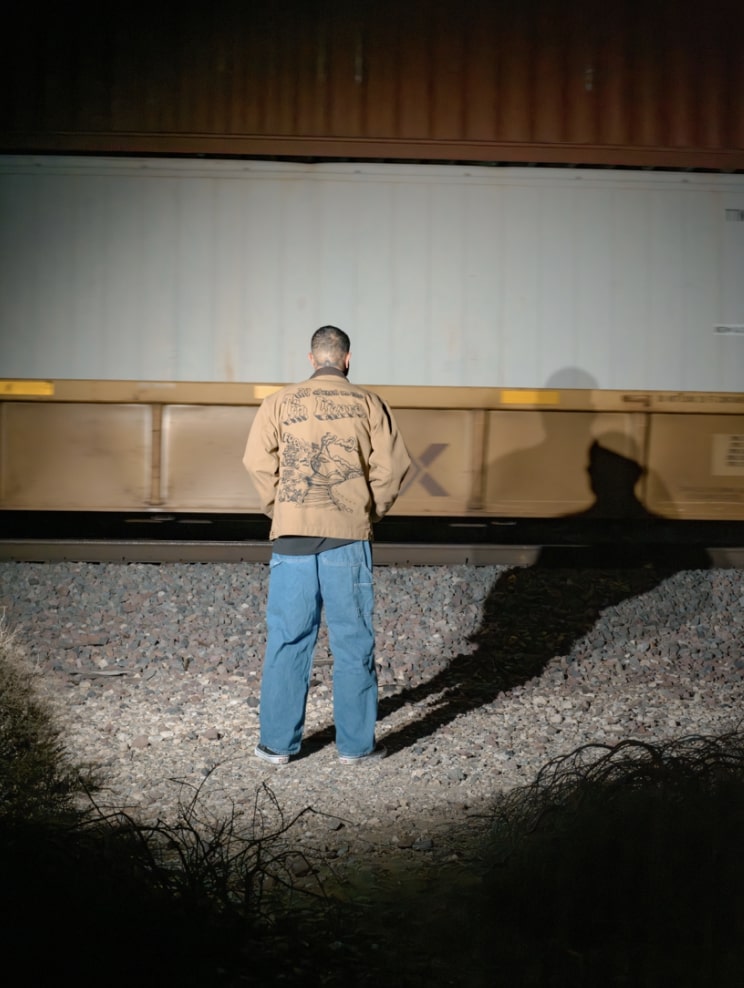
Robert: I want viewers to be a bit confused and curious. Hopefully, these images will spark their imagination when they create their own narratives for each image.
What does this project say about America—especially the quieter, in-between parts that aren’t often seen or celebrated?
Robert: These places are slowly getting pushed farther and farther away into an abyss. They are a forgotten section of a nation wrapped up in screen time and corporate companies sterilizing the landscape. There is a lot of beauty and wonder in these quiet places, and I hope more people take the time to explore them and appreciate their uniqueness.
Can you tell me about your creative process for this new project?
Robert: I did a lot of wandering, haha. I literally set no objective besides just walking and roaming around, trying to see what would inspire me. Unlike most projects, it’s truly freeing to have zero plans, where the logistics of getting access can be overwhelming. I just wanted to enjoy being in the moment, a rarity nowadays. If I’m lucky, I would like to develop more projects like this because it would be extremely therapeutic.
With that in mind, what has been some of the biggest obstacles you’ve encountered while making this book?
Robert: Like any project, the biggest obstacle is having those days you strike out. You invest time and money into a trip with high hopes of finding something, only to come up empty-handed. But part of the fun is the constant hunt for something magical. It wouldn’t feel special if you found something all the time. Those losses make the wins even more rewarding. You have to keep your head up and continue on your journey.
What’s next for you after this? Are there themes from Tin Lizards you want to continue exploring in future work?
Robert: Who knows? But I want to stay in the moment and enjoy completing this new book before stressing about something new.