Share this
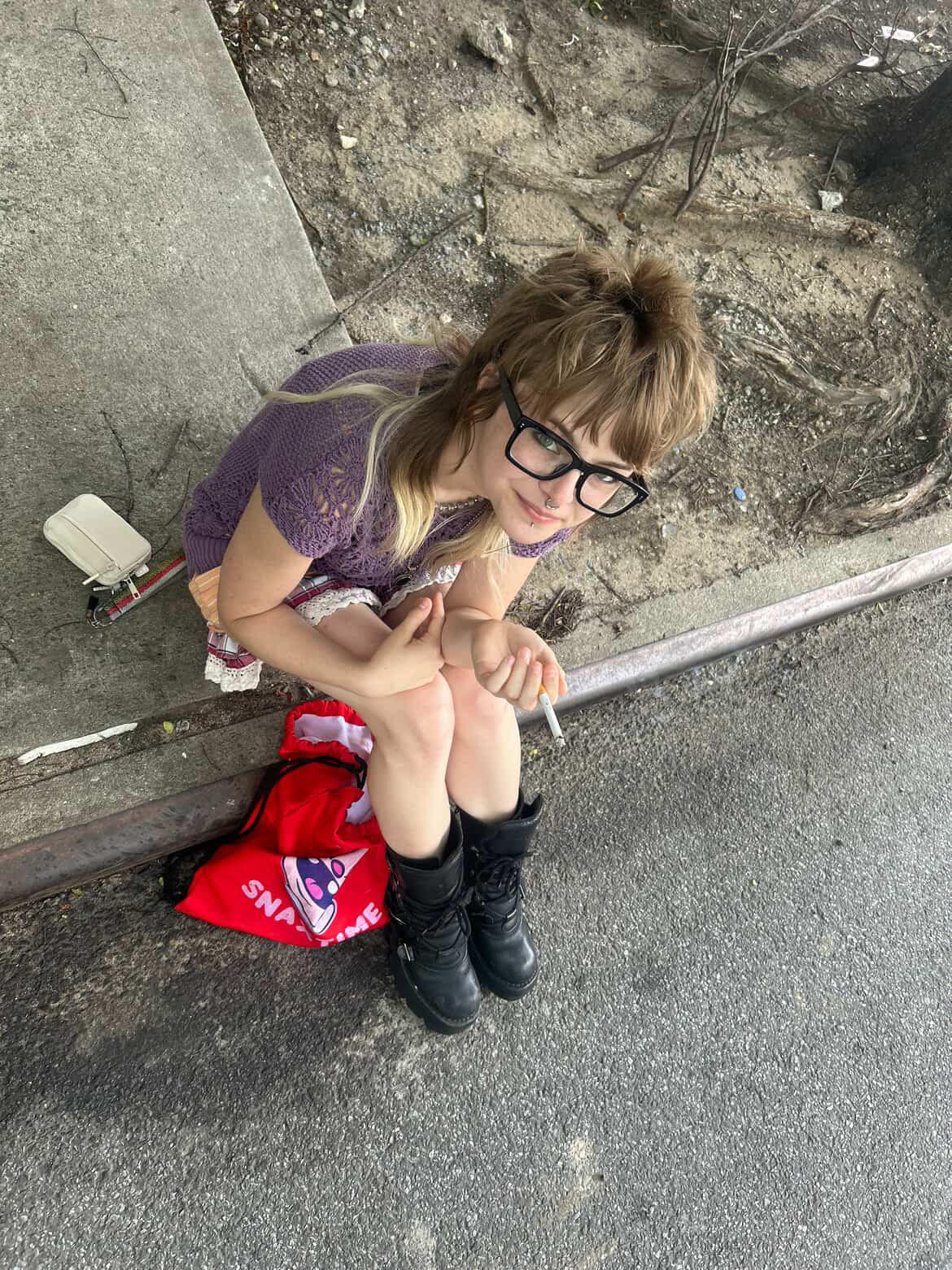
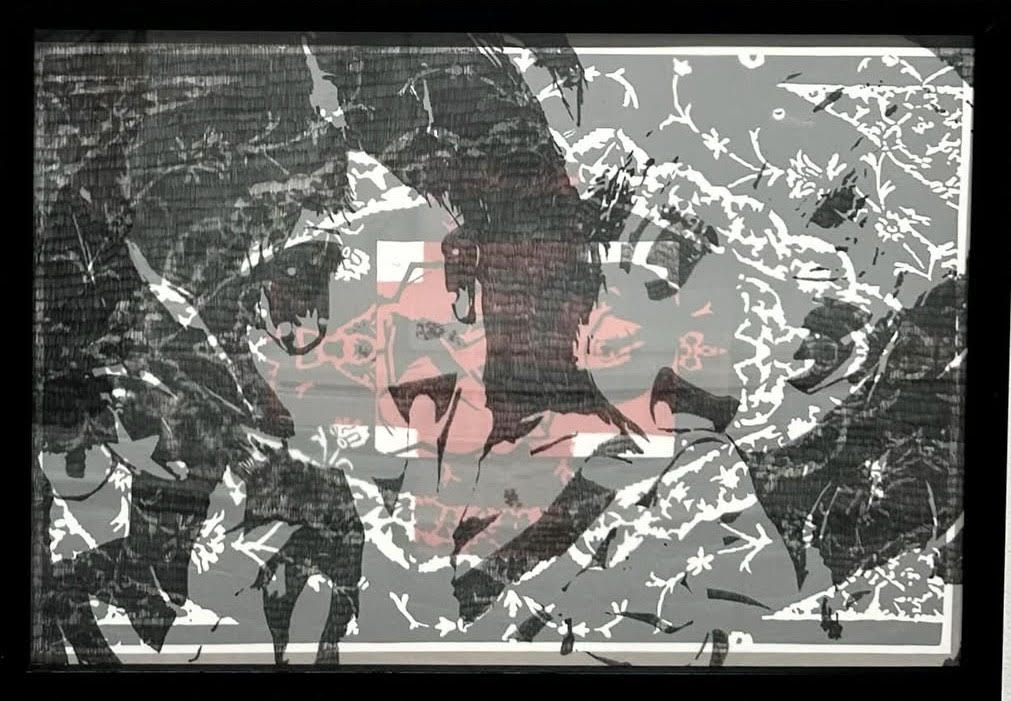
Sonny Moore (2005) is a Brooklyn based, student and multimedia artist studying painting at Pratt Institute. Her early introduction to online spaces sparked a deep and thriving obsession with content consumption and the subsequent escapism. Her work acts as a commentary on a newfound tendency to gravitate towards unreal depictions of digital fantasy and a love letter to a younger version of herself who sought refuge in online spaces. Much of what is portrayed in her artistic practice strives to question the viewers’ understanding of their desires and inadvertent biases for easily digestible connections.
Hi Sonny! It’s a pleasure to sit down with you again! First question that I always ask. How does a regular day look like for you in Brooklyn?
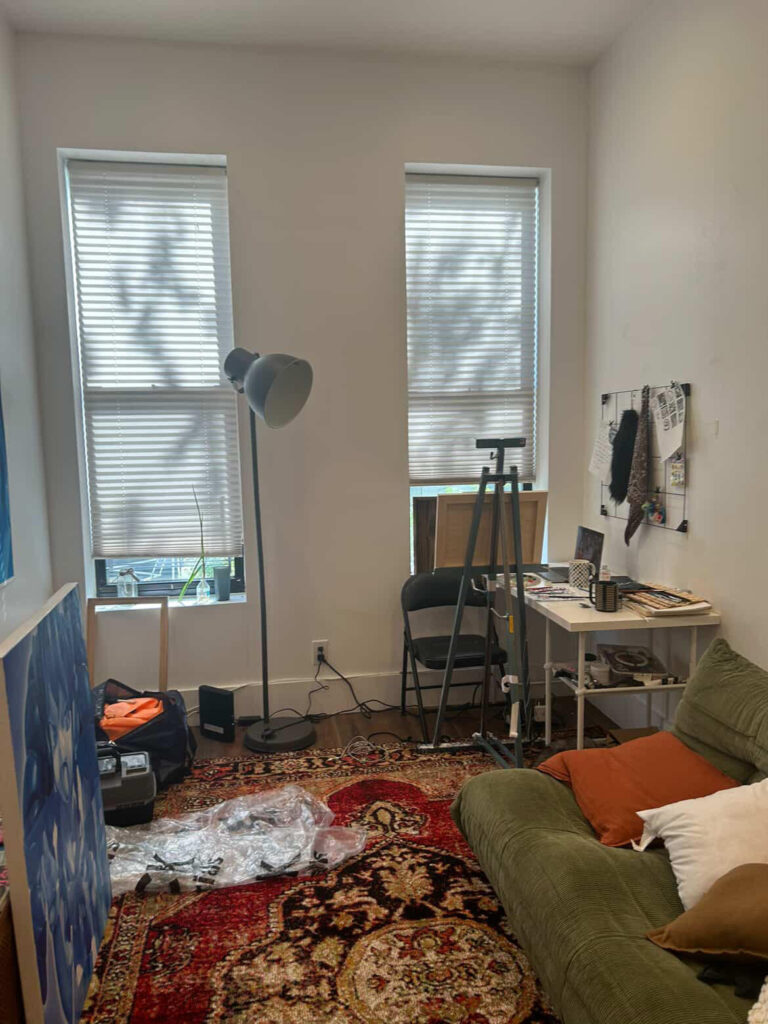
Sonny: Depending on whether the semester has started, my life typically revolves around my class schedule and when I can get studio time in. Because of the intensity and workload at Pratt, for the 9 months school is in session, I’m in the studio for a minimum of 5 hours per day. As for the recent break, I usually wake up at around 9, work in my apartment during the day, go to the gym, and browse online. I like to keep it pretty simple.
I’m curious, growing up in Allen, Texas, what was life like there? And what kind of kid were you? What did you enjoy doing?
Sonny: Allen was a pretty unremarkable place to grow up in retrospect. A very classically suburban area with a significant school district. It served its purpose as a place to grow up, but slowly became suffocating as I got older. Despite these feelings, I’m thankful for my experiences and the people I met. I was an eccentric child for sure though, incredibly tomboyish but quiet. I valued my very specific and strange interests to the utmost degree until finally landing on art. I honored the time I could find to observe others or browse online. I was overall very happy just digging around in the creek drawing anime characters.
Do you remember approximately at what age your creative side started to show? And when did you start taking being an artist seriously?
Sonny: I don’t think there was a time when it wasn’t present or an approximate age. Still, if I were to pinpoint a moment, it would be when I discovered the book, “The Original Pokémon Pokedex,” back in early elementary school. I was utterly taken away by Pokémon at the time, and this book made it so I could bring my obsession to school. I would spend my breaks copying from the book and drawing whichever Pokémon excited me that day.
From there on out, the excitement grew from Pokémon, to My Little Pony, to anime, and never stopped. As for when I started consistently working on my art, I specifically remember back in 7th grade piling up a few of my different drawings in chronological order so I could flip through the book and watch the work slowly improve. I was so taken aback by my ability to change within a few pieces of paper, and wanted to continue to watch myself grow as an artist. By 8th grade, I had chosen Pratt as my dream school and hit the ground running.
Ok Sonny, with these next series of questions, I will try to delve into your work as best as possible. So…. Your work comments on “unreal depictions of digital fantasy.” Can you elaborate on that?
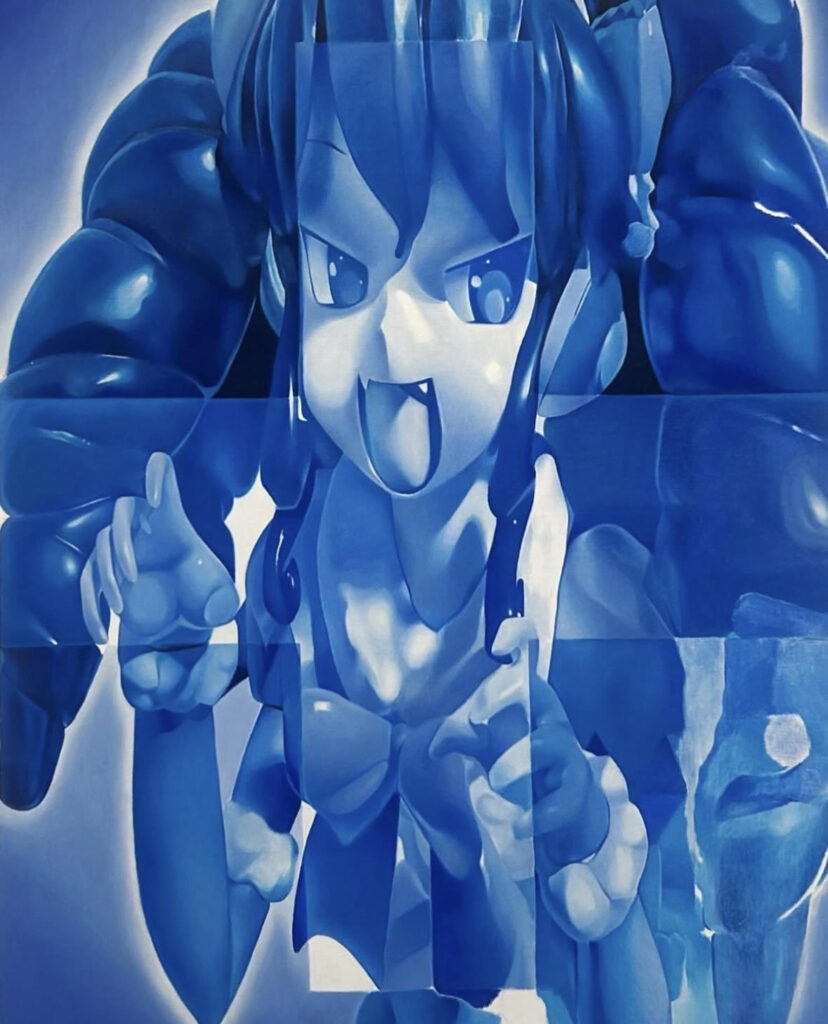
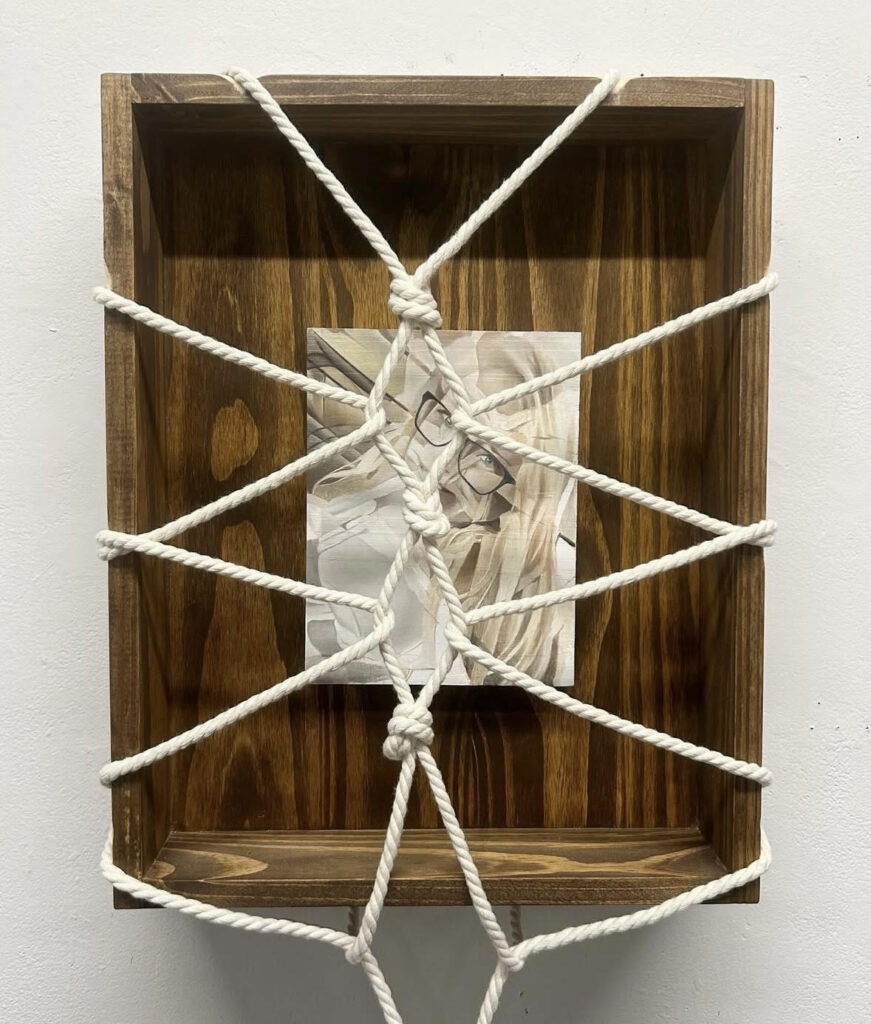
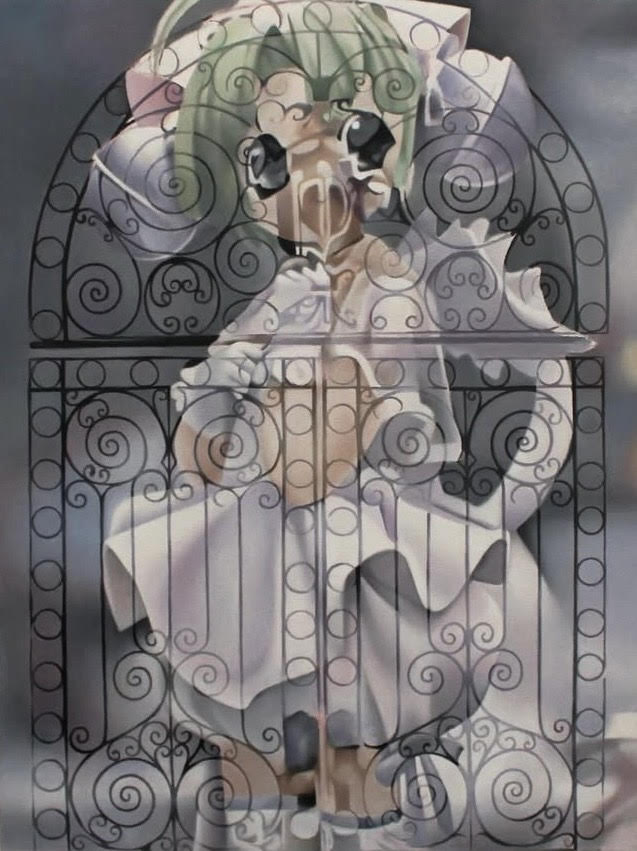
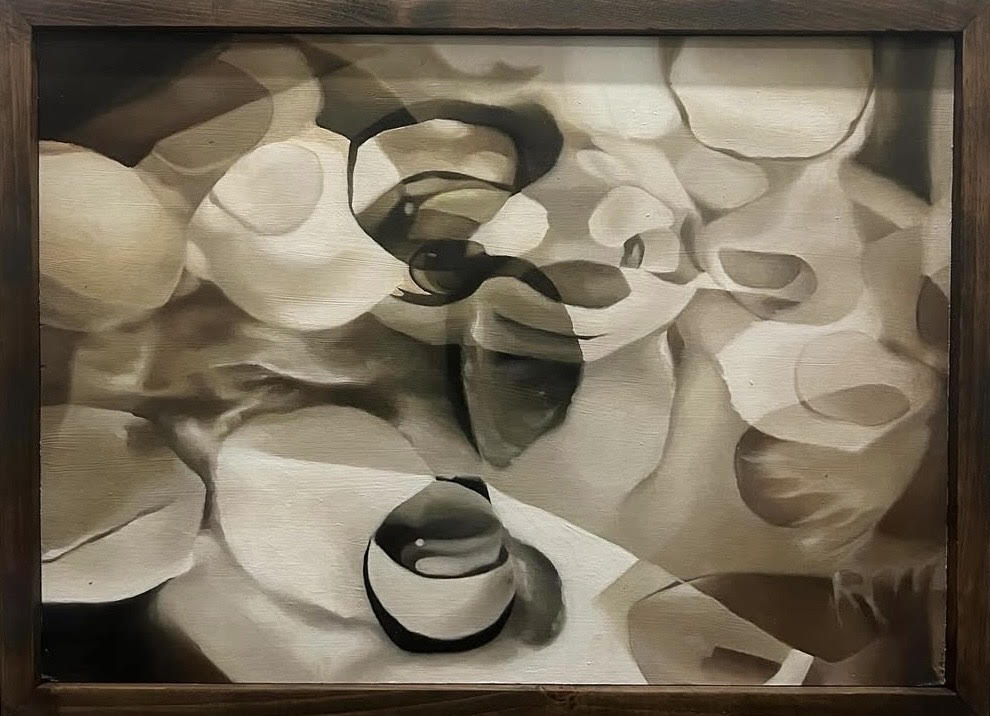
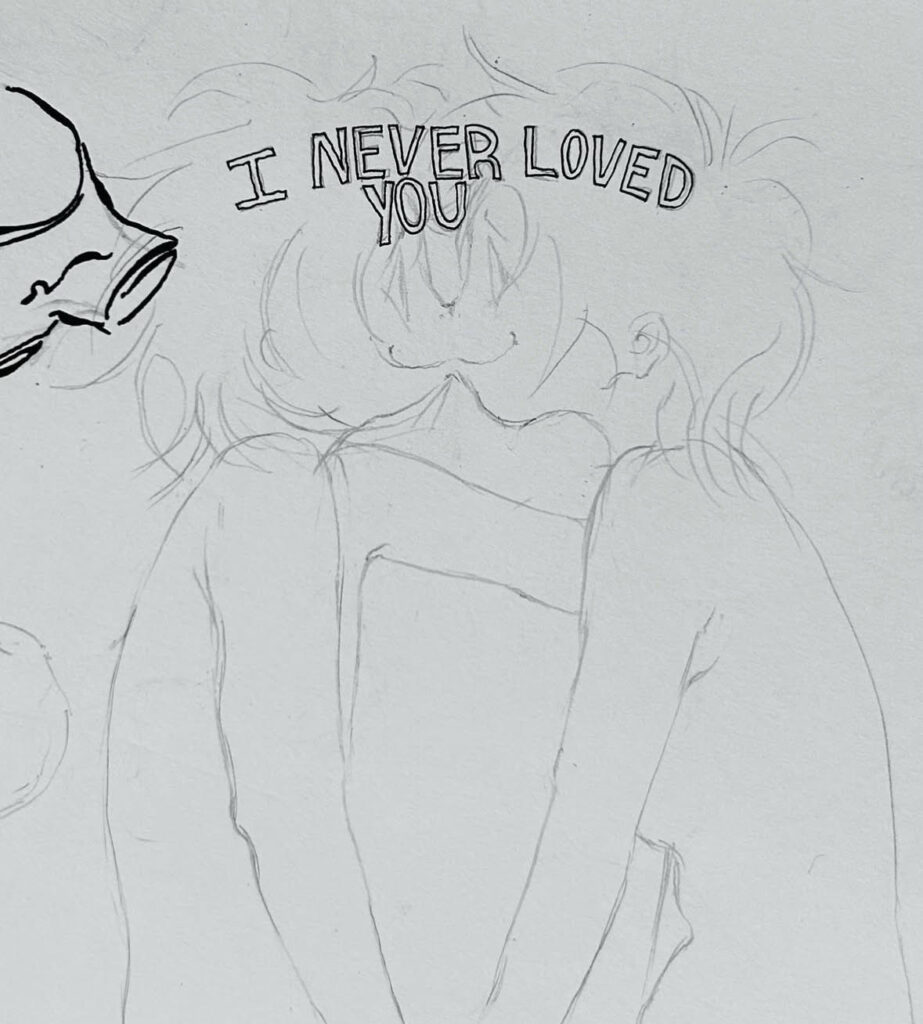
Sonny: The line between reality and fictitious online spaces is becoming more indistinct daily. Many people who might struggle to feel seen in real-life social situations can find validation, connection, and sexual gratification through digital means. The work I create represents that unreal comfort, a depiction of what it is that makes us feel even slightly more seen. A fantastical representation of a specialty curated connection is significantly easier for many to digest. The anime girl on your computer can’t, and won’t tell you that you need a job, and knowing that can be comforting.
How did your early experiences in online spaces shape your artistic voice?
Sonny: I didn’t realize how much my time online affected me until I got older and could watch others around me interact and create in a way I found foreign. The disconnect from my digital dissociation resulted in me assigning value to things that could and would never meet me in a tangible space. That lack of divorce between physical and digital shaped how I now create.
At what point did you realize that escapism through digital content was becoming a central theme in your art?
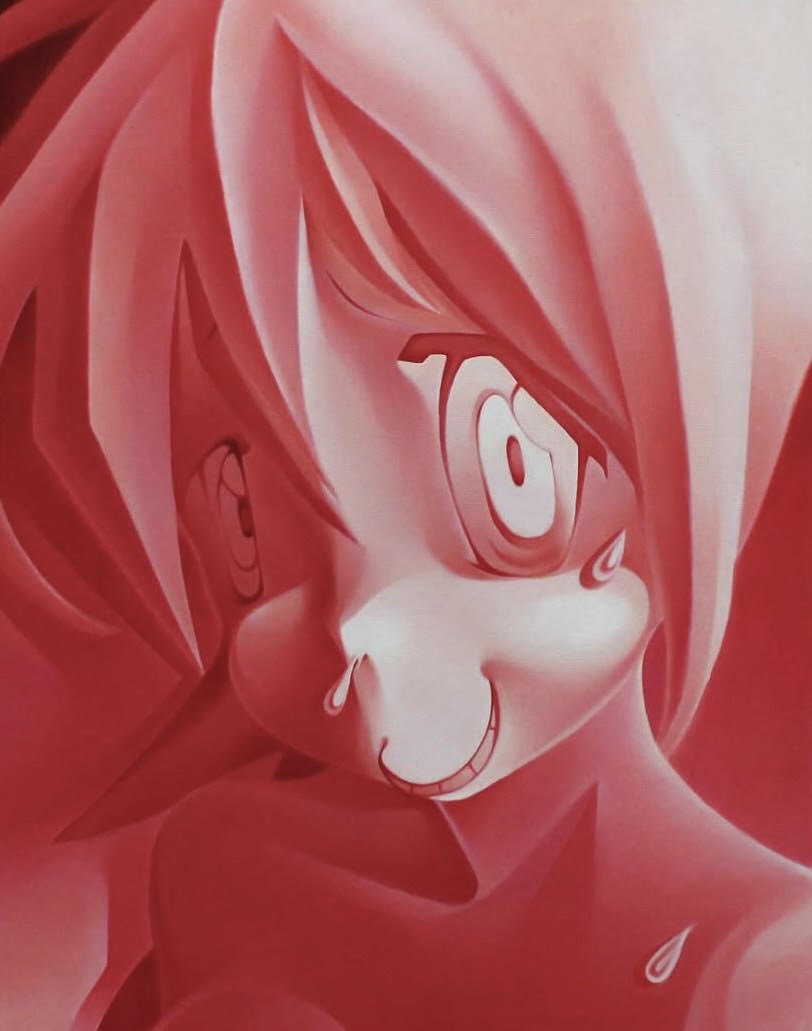
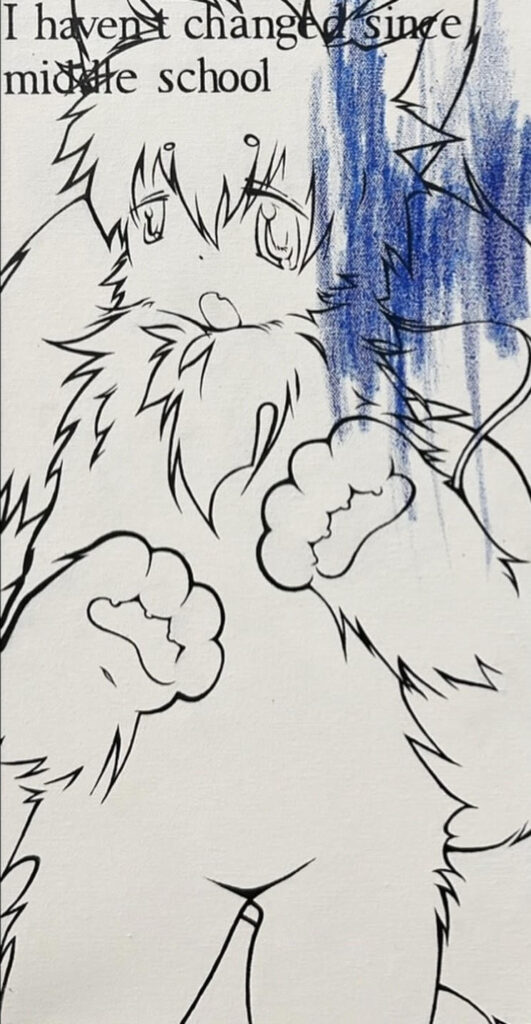
Sonny: I began implementing digitally referenced text in my work in high school, and my fascination with digital escapism grew. Digital communication is so baked into my visual vocabulary that it only felt natural to coincide with my artwork. Within the last year, it has become my primary thematic interest, taking the form of many different subjects and mediums. Seeing so many people connect with my experiences growing up online has given me the confidence to expand upon its possibilities in the context of fine arts. I genuinely believe in its staying power as a marker of the changing times.
Who is the “younger version of yourself” that your work addresses, and what kind of refuge did she find online?
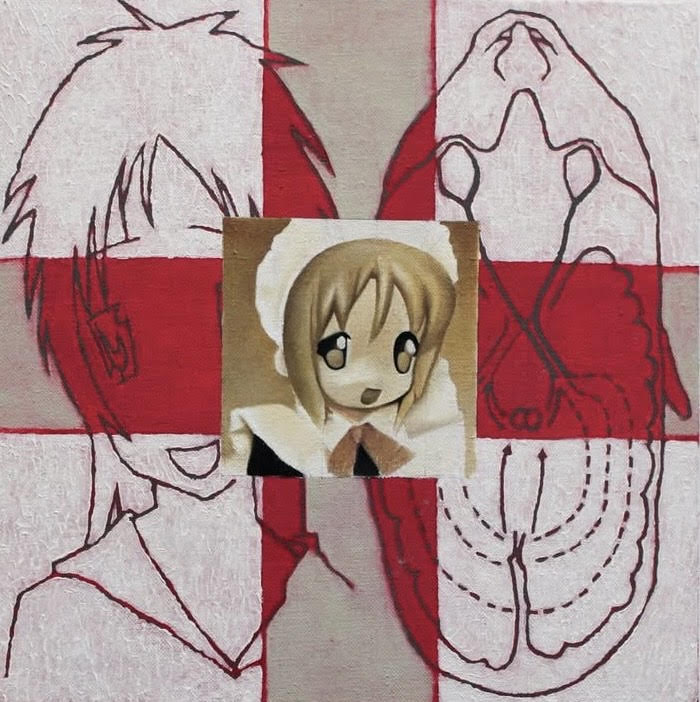
Sonny: The subjects present in my work now are figures I was discouraged from representing as a young artist, as they were deemed unimportant or redundant. I internalized a lot of negativity towards my work, resulting in undue insecurity towards what made me feel like myself. The figures I found comforting and relatable online didn’t bring the adults around me the same sort of joy. That young girl found a comfortable connection and understanding in digital spaces, but felt prompted to keep that separate from her artwork. Now that I’m older, I want my work to honor the love I had towards things I chose to hide in favor of being more digestible to those around me.
You mention questioning viewers’ desires and biases. Can you tell me more about that pls?
Sonny: It’s important to reflect on why you enjoy something, because our actions often might not match our intentions. Not only should my work physically represent our desire for easily forged connections, but I hope it can also question the why.
Do you think digital escapism is ultimately harmful, healing, or something more nuanced?
Sonny: It definitely toes the line between nuanced and incredibly harmful; it’s an individualistic relationship between consumer and content. While seeking some relief from everyday modernity is all but expected, it’s easy to allow that escape to dictate your life and how you view others. Escapism isn’t going anywhere anytime soon, though, so we will have to learn what balance works best for each person, and inevitably, some won’t be able to make that distinction.
How do you see your practice evolving over time—do you think you’ll move more into the physical or digital realm?
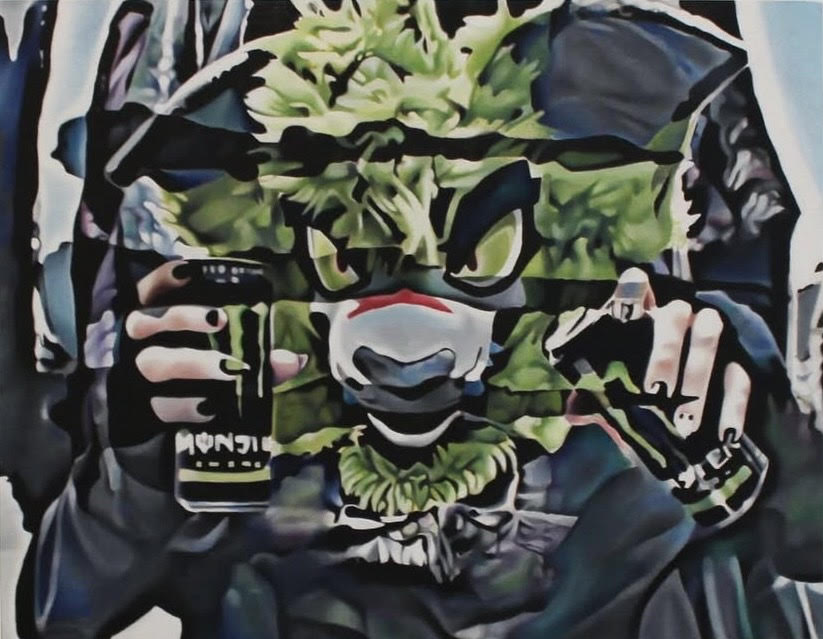
Sonny: I envision it becoming much larger and more obnoxious. I want to push even my understanding of what can be a painting. Making more physically obscure work definitely piques my intrigue! I feel like my practice is still in its infancy, so I’m excited to watch it evolve.
Can you tell me about your use of symbolism?
Sonny: Recently, I have been playing around with religious iconography using distorted crosses and different overlays. I view our tendency to devote time, energy, and money towards our artificial connections as a form of backwards religious worship.
Iconographic symbols that are highly recognizable bring a certain unique readability to artwork that I want to explore further.
How do you approach color?
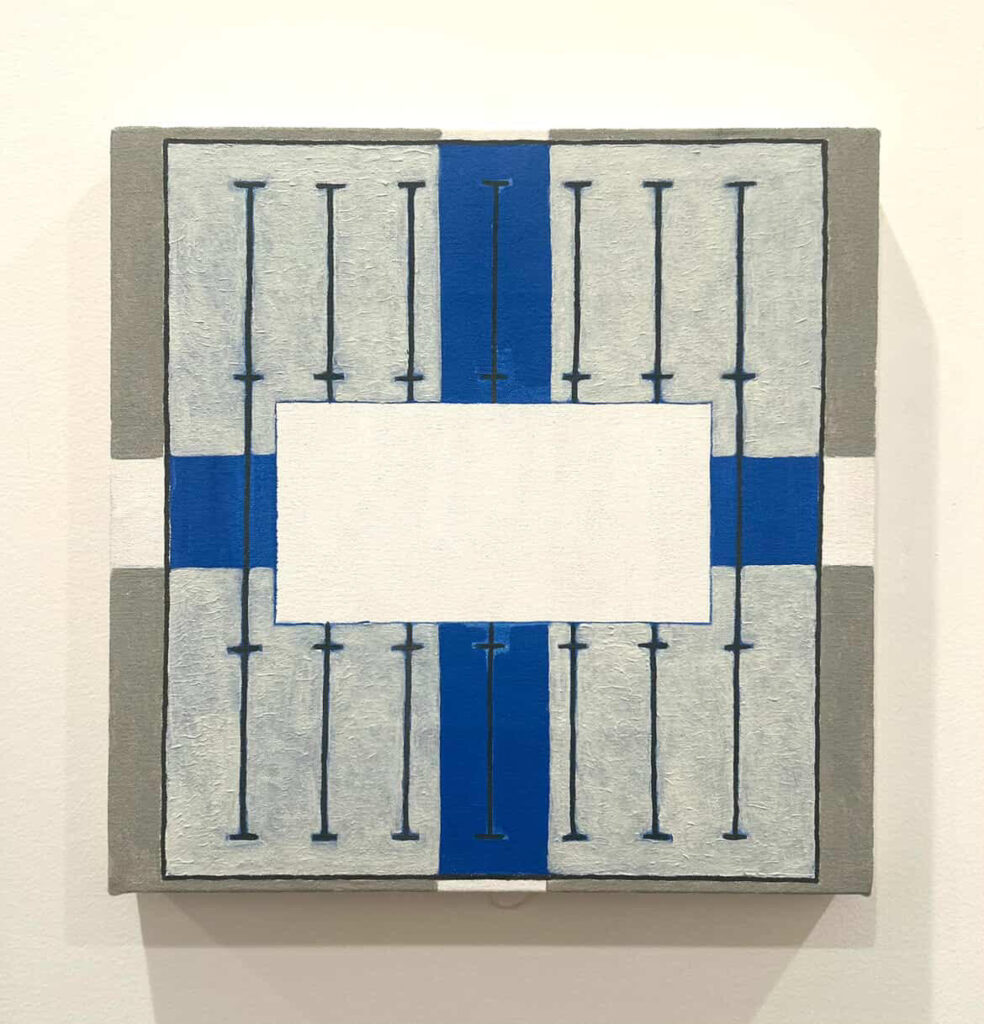
Sonny: I like to keep my color blunt and digestible, almost digitally manufactured.
So with what we just talked about, what are you hoping to convey?
Sonny: I want to question the viewers’ relationship with digital media and connections by giving those subjects a physical, fine arts medium within which to exist. I want to question what can and can’t be considered fine arts by representing the extreme contemporary and unreal.
Ok Sonny, now to something totally different. In a parallel universe who would you be? and what would you be doing?
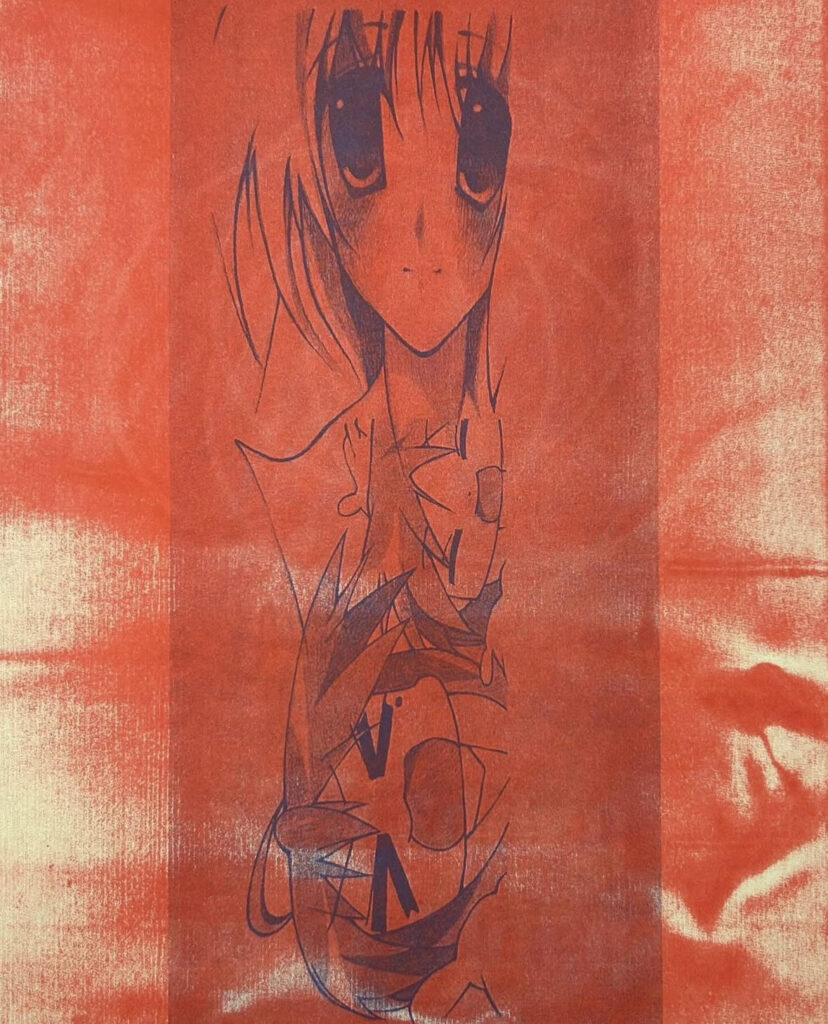
Sonny: I like to think I would be fighting crime in a magical girl uniform with a weapon that’s bigger than my body, not for any noble reason, just because I want a badass outfit.
Outside of art, what’s something you’re obsessed with right now—maybe a hobby, a show, or even a food—that keeps you grounded or inspired?
Sonny: Hajime no Ippo, I love a good story about a passionate person. I like to rewatch the first few episodes when I’m feeling uninspired or sad.
What qualities do you find most important in the people you choose to spend time with?
Sonny: Passion, doesn’t matter what it’s concerning, but I find it to be a magnetic quality in others. If I can have a long, drawn-out conversation with another person about what makes them feel whole, I’m more likely to come back to that interaction.
I also love incredibly blunt people. I like having black and white answers for social situations, so someone who can make that distinction makes me feel significantly more comfortable. The awkward dance of trying to escape a conversation that can be boiled down to “I’m feeling tired, can we continue this conversation later?” is not for me. Still, understandably, not everyone feels the same.
Anybody you look up to?
Sonny: Henry Darger for sure. He created solely out of a necessity to produce art without anyone’s feedback or motivation. I find that passion and true obsession with one’s practice to be incredibly inspirational. Little is known about him as an individual, but the body of work he left behind speaks to his love of creation. Pretty sure he was insane though. Also my mom, she is a badass.
What motivates you?
Sonny: Obsession: I can’t go for a day without working on a project. I live to see my concepts come to life, and wouldn’t have it any other way.Honestly, I would be lying if I didn’t also say fear. Our world now doesn’t leave much space for creatives to thrive. I want to carve out a future where I can continue communicating through my art.
How would you describe a perfect day?
Sonny: Up at 9, cigarette and coffee, paint all day, cigarette and diet coke, sleep.
Alright Sonny, I always ask these two questions at the end of an interview. The first is. What’s your favorite movie(s) and why?
Sonny: Requiem for a Dream, I love a movie that makes me feel like a husk of myself after watching it. Honestly, it’s not even the plot or subject of this film that makes me love it so much, but its ability to make me feel so profoundly uncomfortable in a world that isn’t my own and never will be.
The second is. What song(s) are you currently listening to the most right now?
Sonny: I’ve been listening to a lot of Crystal Castles and Imogen Heap, but my music taste is all over the place. I always find myself coming back to Renard’s Full Techno Jackass, though.