
Rebranding the long-running Abu Dhabi Art fair into a global power move, the art market titan descends on Manarat Al Saadiyat with 84 international galleries, site-responsive commissions, and subculture-focused discourse.
The global art circus has officially established a new anchor in the Middle East. Rebranding and taking over the 17-year legacy of Abu Dhabi Art, the mega-fair franchise is launching its debut Frieze Abu Dhabi edition from November 19 to 22, 2026 at Manarat Al Saadiyat. Directed by Dyala Nusseibeh, the inaugural fair gathers 84 heavy-hitting galleries from 63 cities across 36 countries, signaling a high-stakes alignment between Western art-market capital and Gulf cultural ambition.
Far from simply dropping a cookie-cutter European template into the desert, the inaugural artistic program deliberately focuses on regional history, land memory, and generational dialogues across the SWANA (South Asia, West Asia, and North Africa) region.
“Frieze isn’t just expanding its global footprint—it is reshaping how the Gulf’s artistic histories are codified, commodified, and broadcast to the rest of the world.”
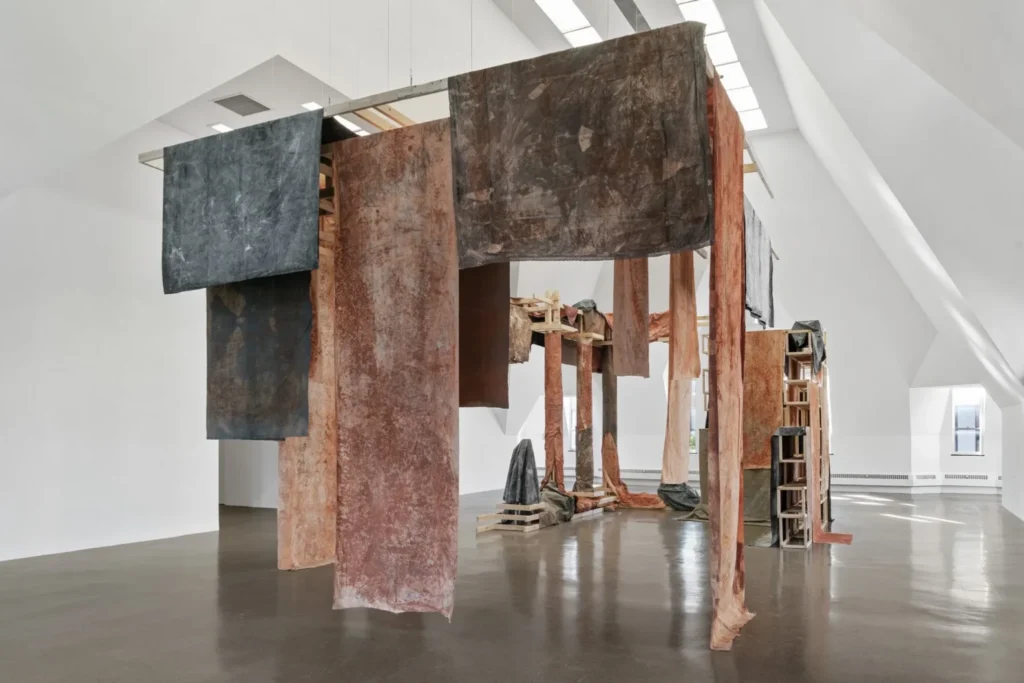
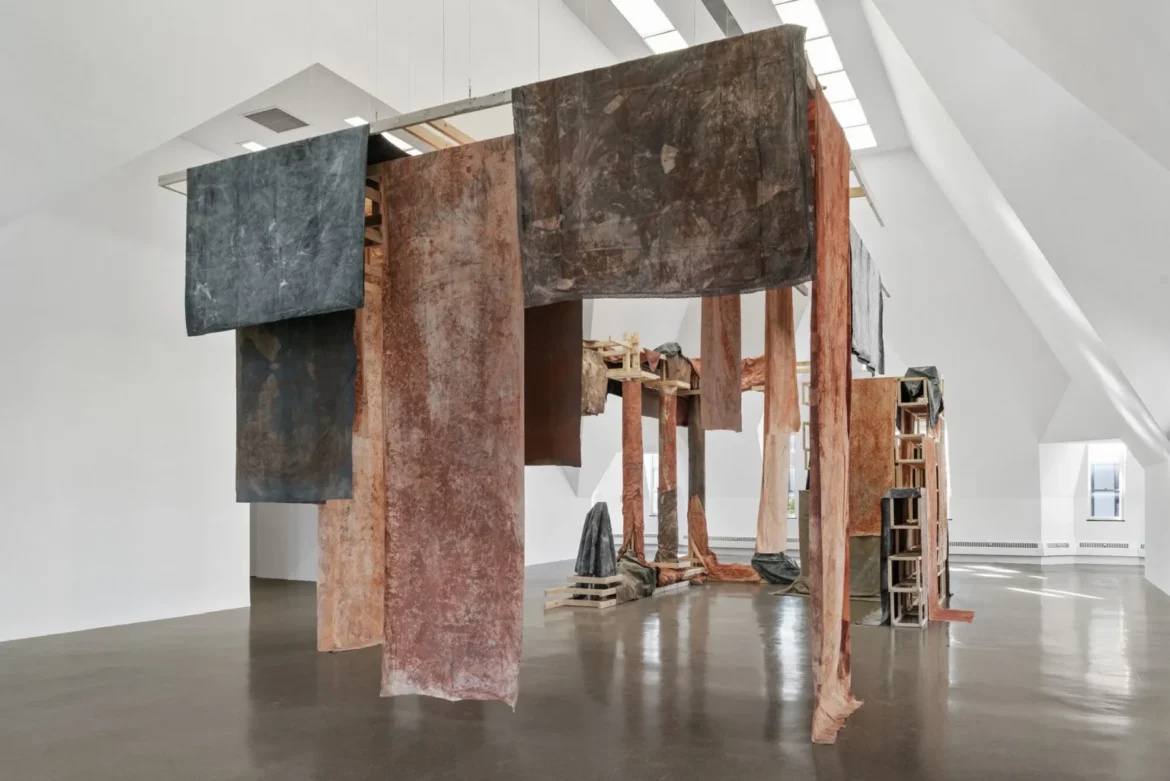
Anchor projects for the debut edition include Beirut- and London-based artist Dala Nasser, recipient of the inaugural Frieze Abu Dhabi Artist Award. Curated by Nabila Abdel Nabi, Nasser’s site-responsive atrium installation, Qubbat Duris, uses raw clay, ash, terracotta, and textile charcoal rubbings of 13th-century ruins to interrogate landscape destruction and collective memory. Elsewhere, the In Dialogue showcase—curated by Dirwaza Curatorial Lab(Munira Al Sayegh, Hessa Al Nuaimi, and Dania Al Tamimi)—pairs pioneer conceptualist Mohammed Kazem with painter-photographer Alia Zaal to bridge generational shifts in Emirati practice.
By anchoring world-class antiquities, regional powerhouses like Lawrie Shabibi and Athr Gallery, and cutting-edge contemporary commissions under one roof, Frieze Abu Dhabi proves that the center of gravity in the international art world continues to shift aggressively East.