
The Art Basel and UBS Global Collecting Survey 2026 reveals a radical shift in high-net-worth buying habits, driven by AI research, hyper-rarity, and digital fluidity.
For decades, the global art market was dominated by seasoned, ultra-wealthy Baby Boomers operating within insular gallery networks and traditional auction houses. But according to the Art Basel and UBS Survey of Global Collecting 2026, the rules of art acquisition have officially been rewritten. High-net-worth Gen Z collectors have emerged as the single highest-spending demographic in the fine art space—outspending older generations by more than double and fundamentally disrupting how art is researched, valued, and collected.
Armed with digital-first mentalities and sophisticated AI tools, 80% of Gen Z buyers perform extensive independent research before pulling the trigger, fluidly moving between high-end canvas painting, digital new media, luxury jewelry, and rare physical artifacts.
“Gen Z isn’t waiting around for gatekeepers to hand them a paddle—they’re leveraging AI, family heritage, and digital liquidity to quietly dominate the art world.”
Ditching conventional notions of prestige, 43% of young collectors rank uniqueness and absolute rarity as their primary purchasing motivation, caring far less about establishment consensus or traditional critical approval. Furthermore, the survey highlights a major cultural shift toward family-driven collection building, with younger buyers viewing acquisitions not just as speculative assets, but as long-term cultural legacies to preserve.
As youth culture continues to dictate global taste, Gen Z’s ascension proves that the future of the art market belongs to those who blend tech-driven autonomy with an insatiable appetite for authentic, one-of-a-kind creation.
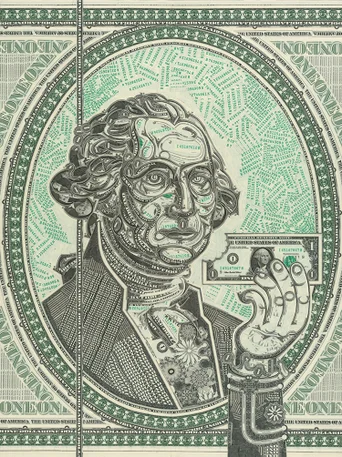
Photo / Artist: Mark Wagner