Graffiti was never just paint on a wall. It was territory, speed, risk, style, music, clothing, friendship, and refusal. A language made in public, often illegally, before the art world learned how to frame it.
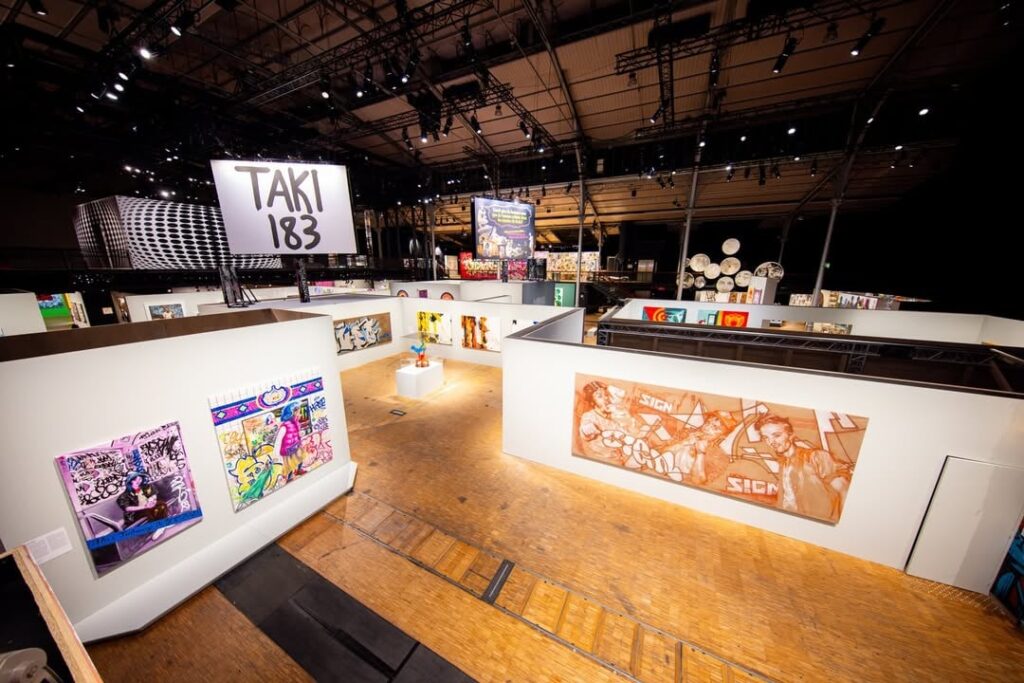
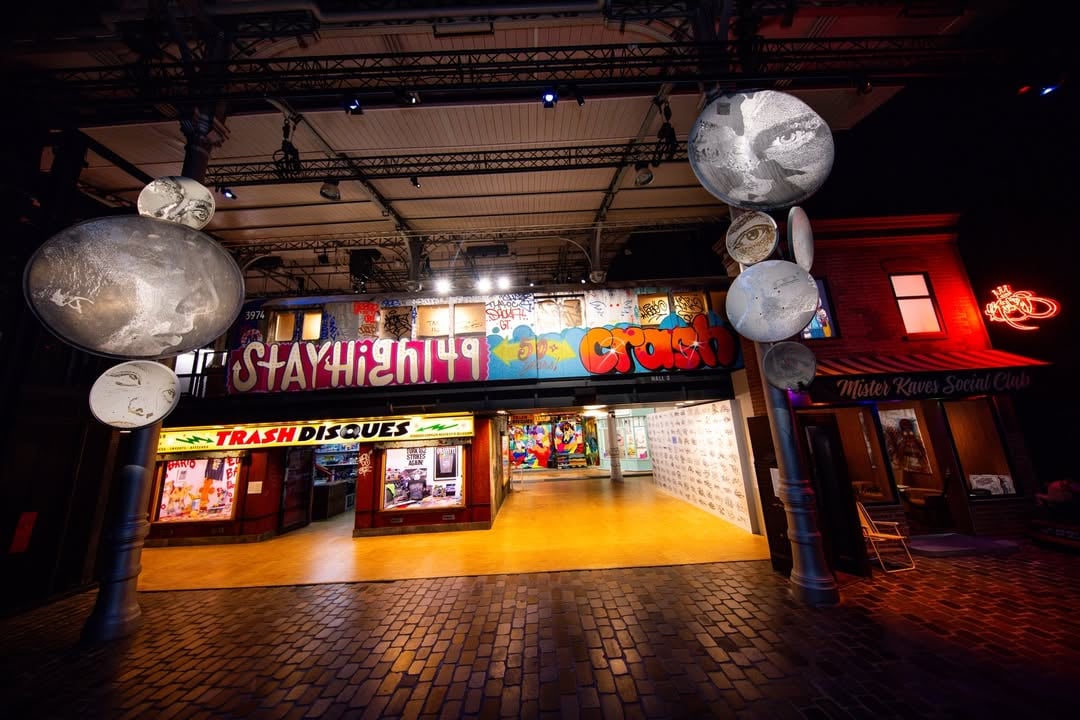
Now BEYOND THE STREETS brings that language to Paris, taking over the Grande Halle de La Villette from May 27 to August 30, 2026. Spread across more than 3,600 square metres, the exhibition gathers over 100 artists through large-scale works, archival material, immersive rooms, music, fashion, and objects that trace graffiti’s movement from subway tunnels and city walls into the centre of contemporary culture.
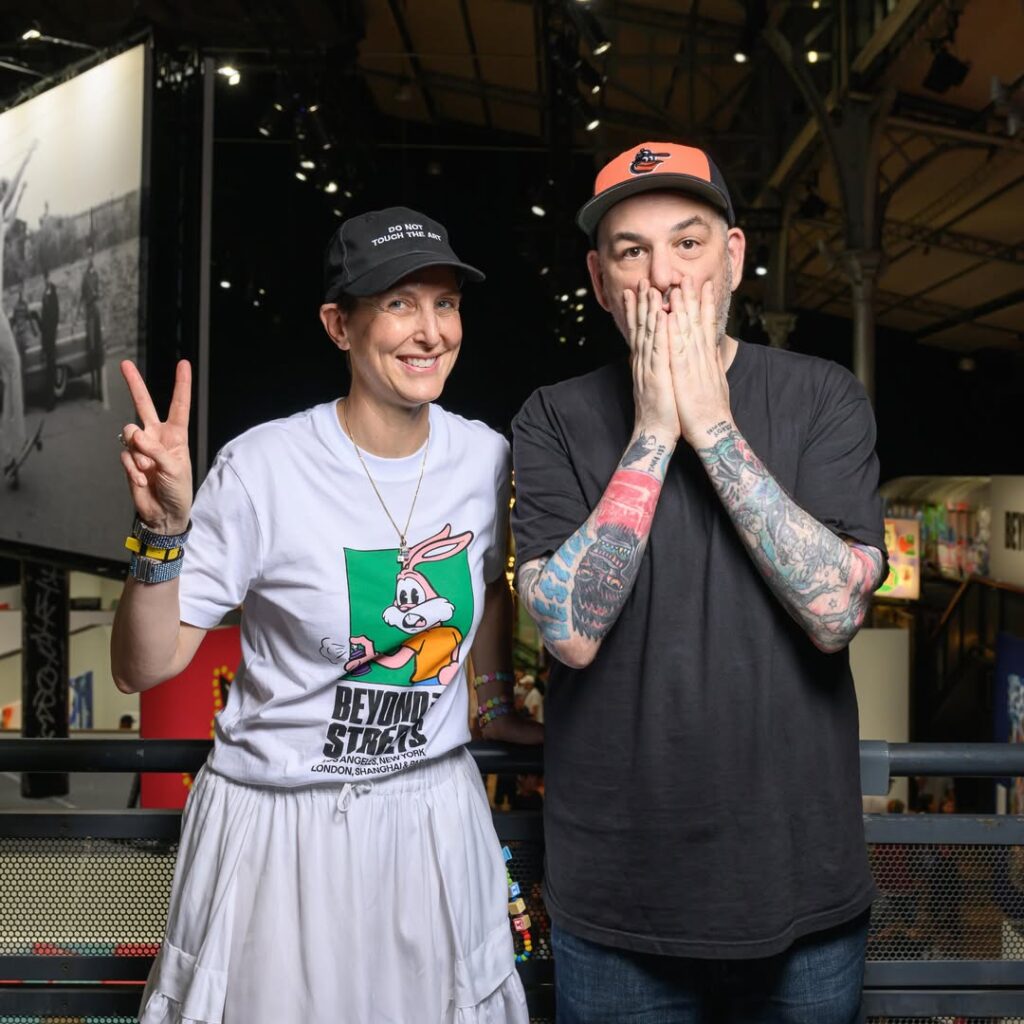
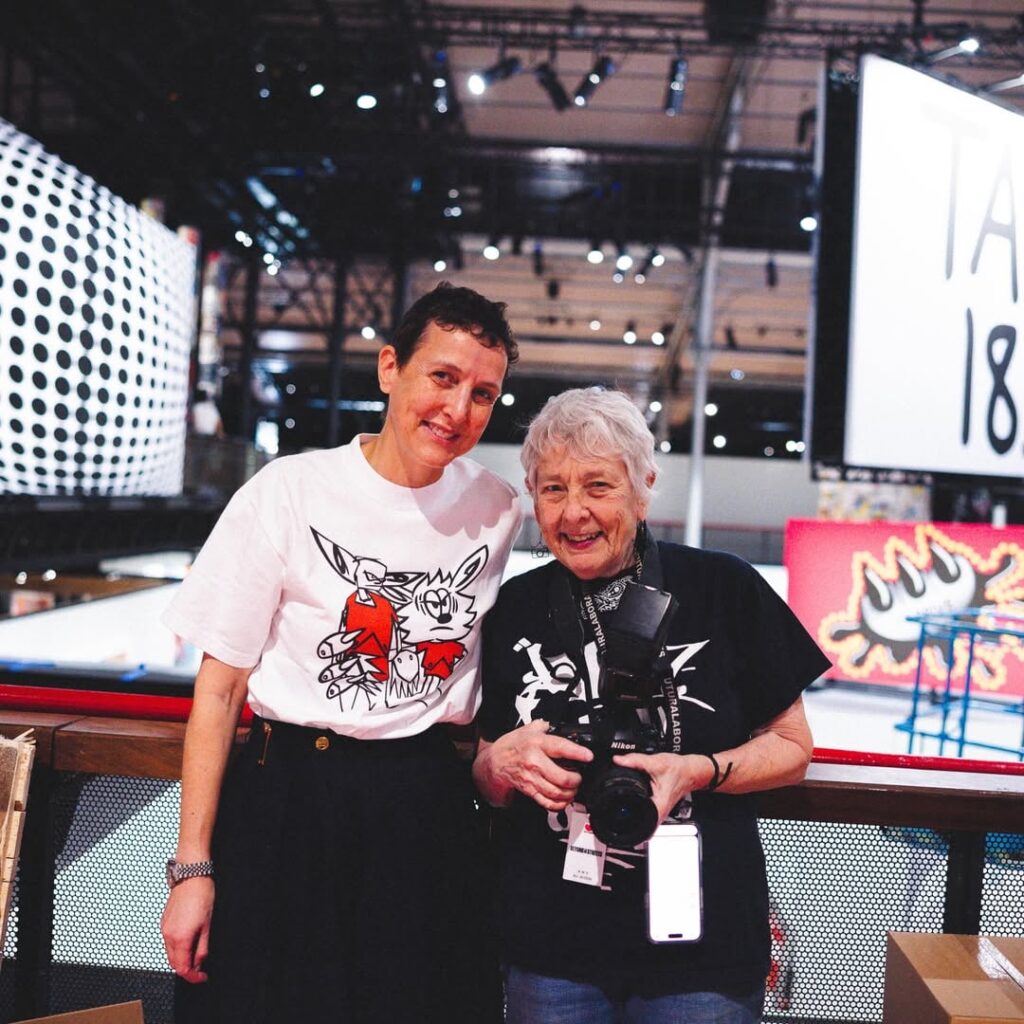
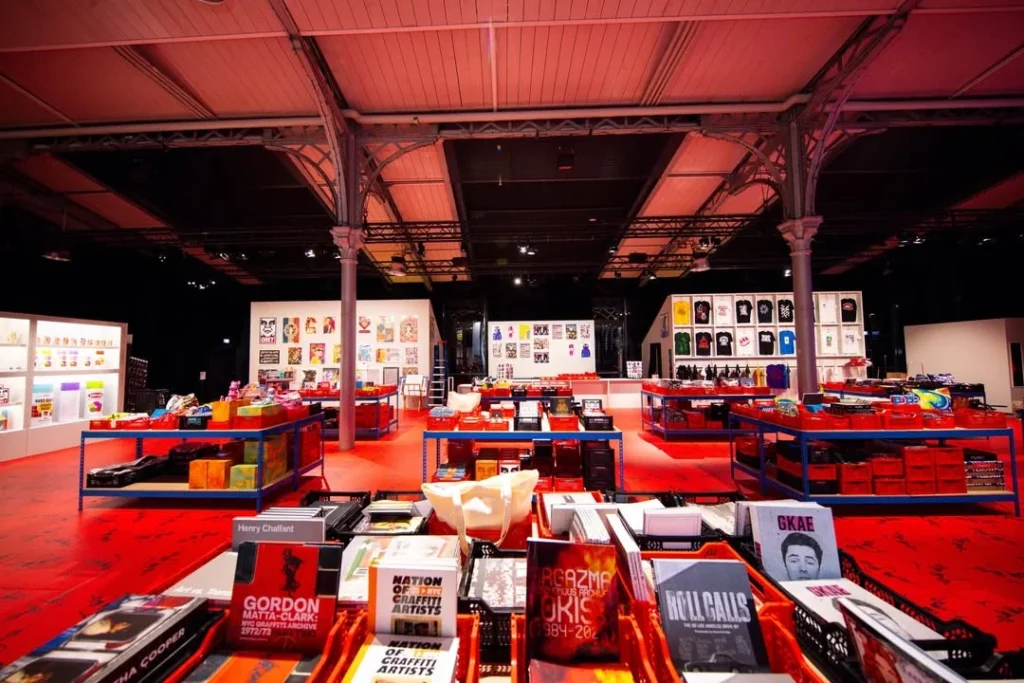
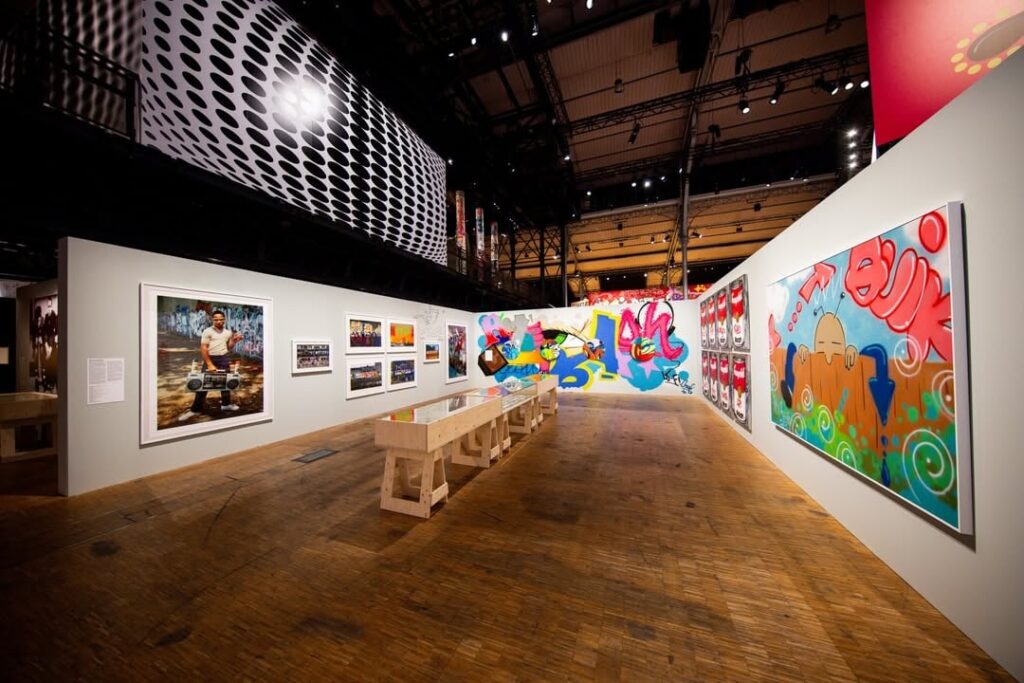
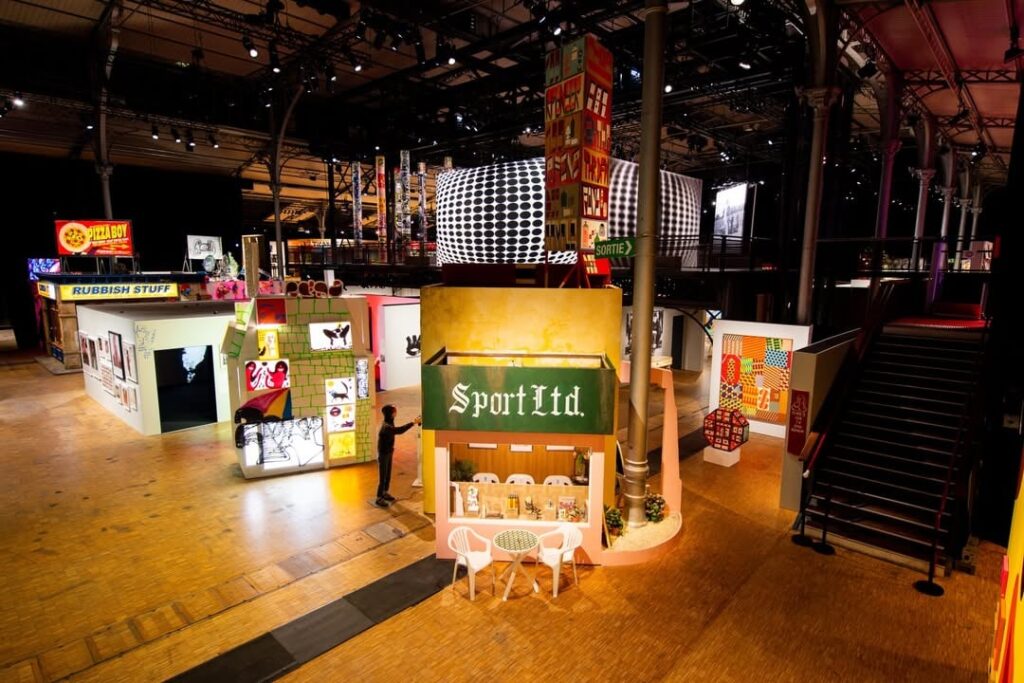
Curated by Roger Gastman, the show is less a clean museum survey than a dense, noisy walk through the nervous system of urban culture. Visitors move through environments including Cosmic Cavern, History of Spray Paint, Tags of Paris, Hip-Hop Snapshots, and Vandal’s Bedroom, where records, posters, garments, murals, reconstructed interiors, and fragments of street history collapse into one restless visual archive.
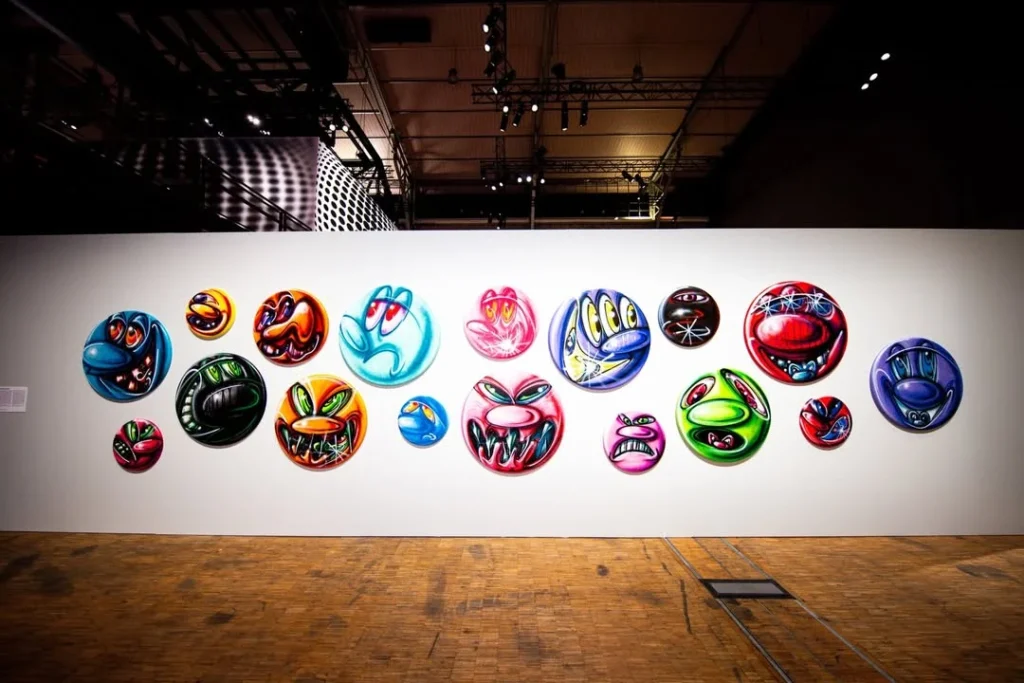
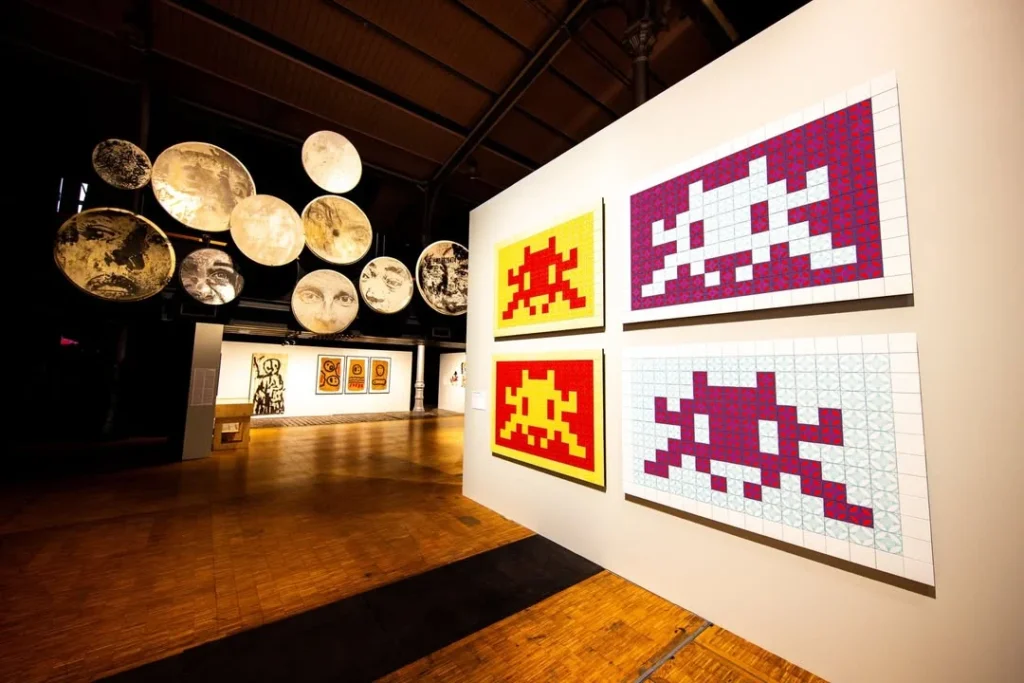
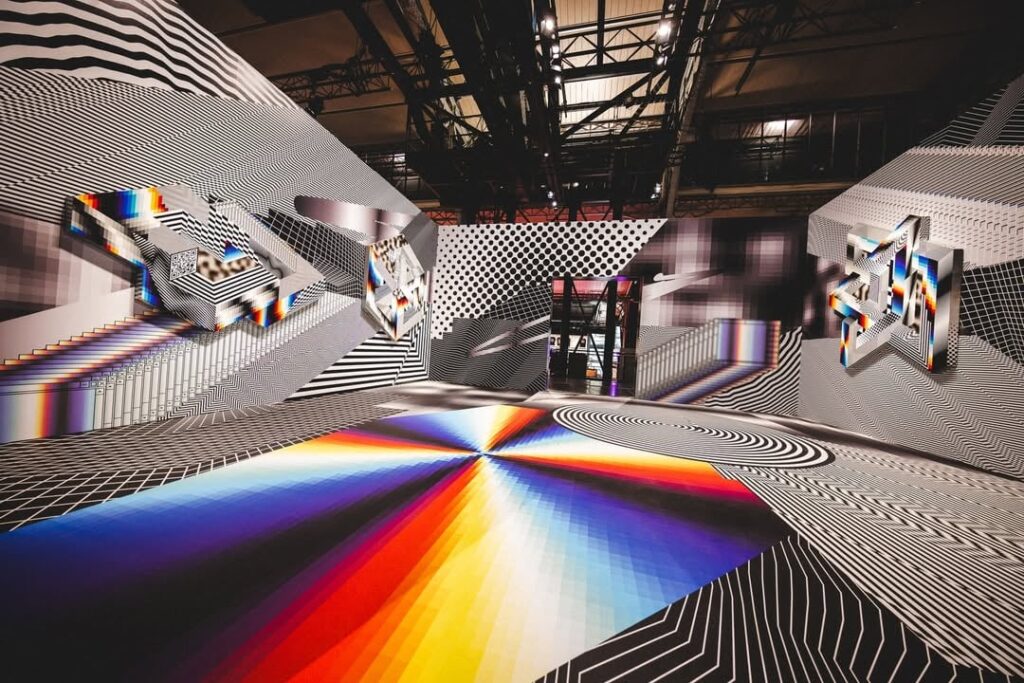
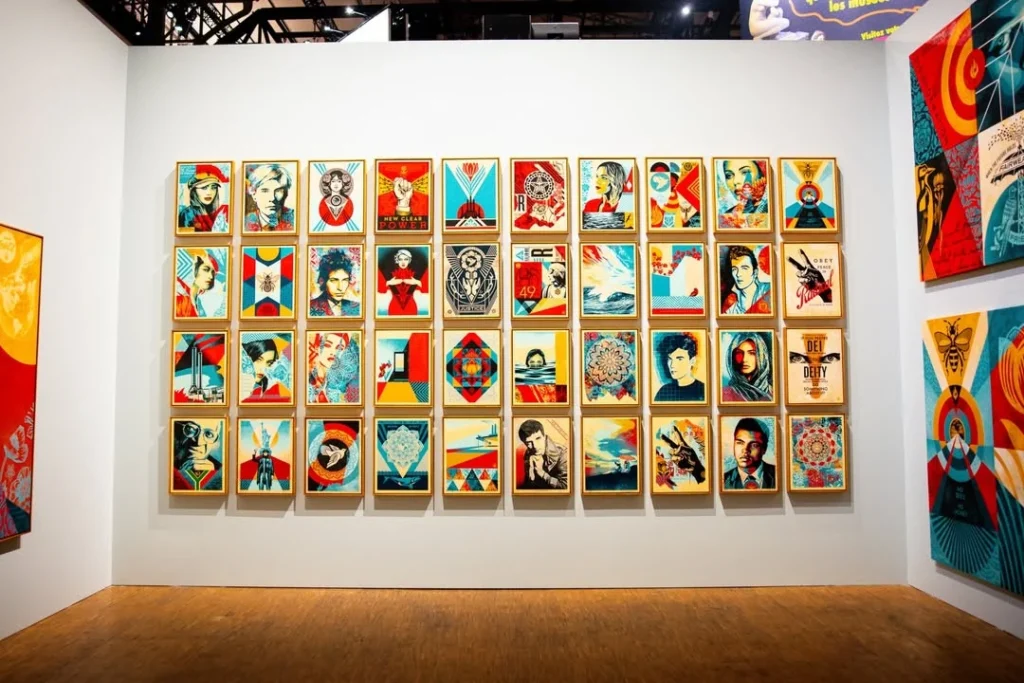
The artist list reads like a map of graffiti’s long afterlife: FUTURA 2000, Shepard Fairey, Lady Pink, Invader, André Saraiva, Felipe Pantone, Vhils, Kenny Scharf, and many more. The Paris edition also folds in the city’s own graffiti history, recognising the French capital not only as a host, but as one of the places where street culture has kept mutating, absorbing, and rewriting itself.
What makes the exhibition interesting is the refusal to treat graffiti as a finished chapter. BEYOND THE STREETSunderstands it as a culture that bled into everything: rap, fashion, graphic design, branding, activism, and the way cities imagine themselves. Rare garments, hip-hop memorabilia, customised objects, and references to figures like Dapper Dan pull the story away from the wall and into the wardrobe, the record sleeve, the club, the street corner, the shop window.
There are big moments, too: Kenny Scharf’s fluorescent Cosmic Cavern, Tim Conlon’s Freight Train, Paul Insect’s Marionette Workshop, and rare Beastie Boys material all help turn the show into something closer to a built environment than a conventional exhibition. It does not just ask visitors to look at graffiti. It asks them to enter the world that made it possible.