
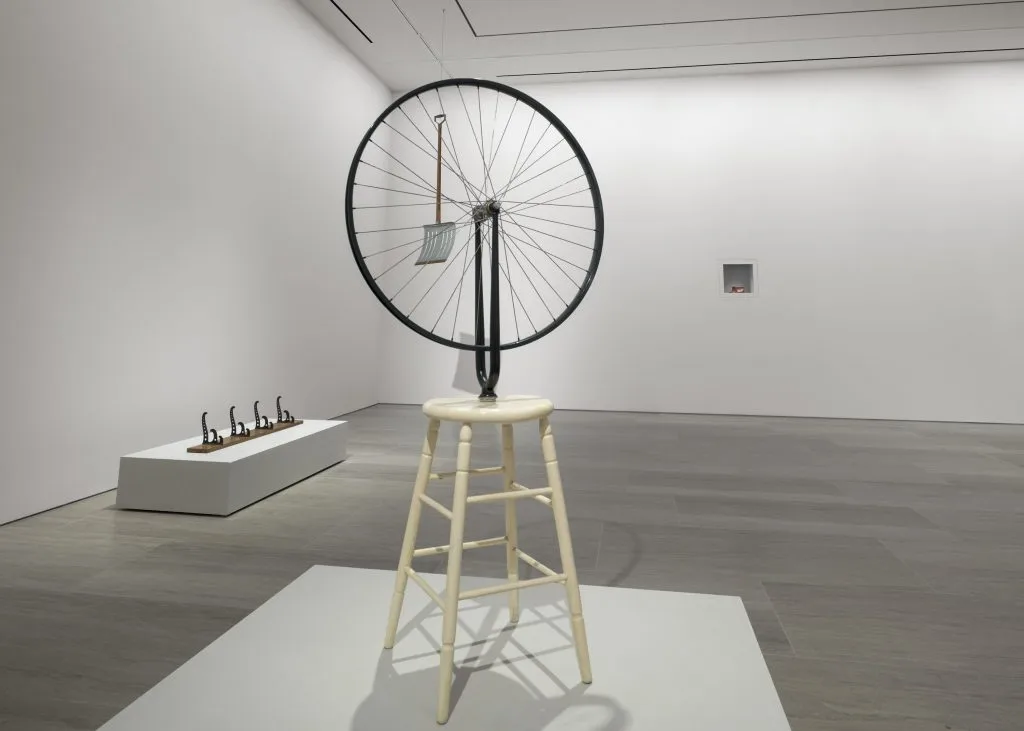
After decades above street level, the mega-gallery’s Upper East Side space enters a new chapter with Duchamp, Rauschenberg, and a quieter kind of power move
For nearly four decades, Gagosian’s Madison Avenue presence existed slightly above the city — literally. Tucked away on the sixth floor of 980 Madison Avenue, the gallery had a kind of elevated remove from the street: discreet, blue-chip, and very Upper East Side.
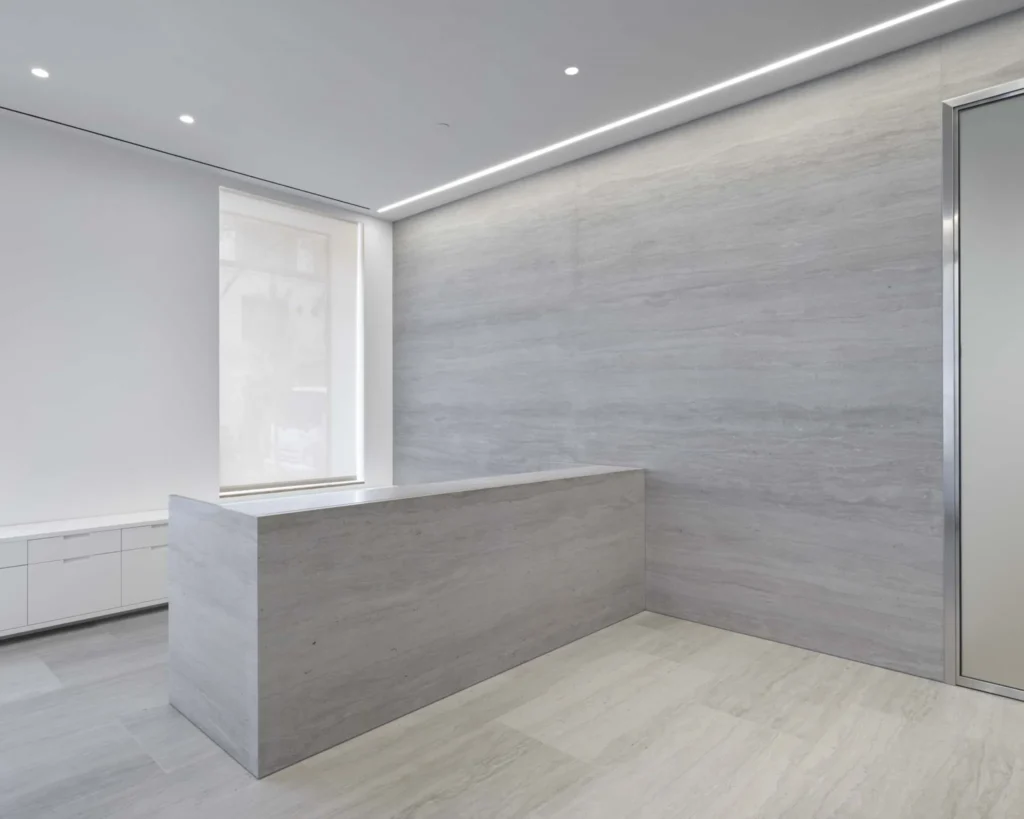
Now, that has changed. The gallery has opened a new 2,275-square-foot ground-floor space in the same historic building, bringing one of the art world’s most powerful names directly onto Madison Avenue. The move feels subtle on the surface, but symbolically it’s big: Gagosian is no longer asking visitors to travel upward into its world. It is meeting the city at street level.
The new gallery sits inside a building with its own art-market mythology. 980 Madison Avenue first opened in 1949 as the home of Parke-Bernet Galleries, once one of New York’s defining auction houses. For Gagosian, which has occupied the building for decades, the move downstairs marks both a continuation and a reset — a way of staying rooted in an address loaded with history while making the gallery feel more open, immediate, and accessible.
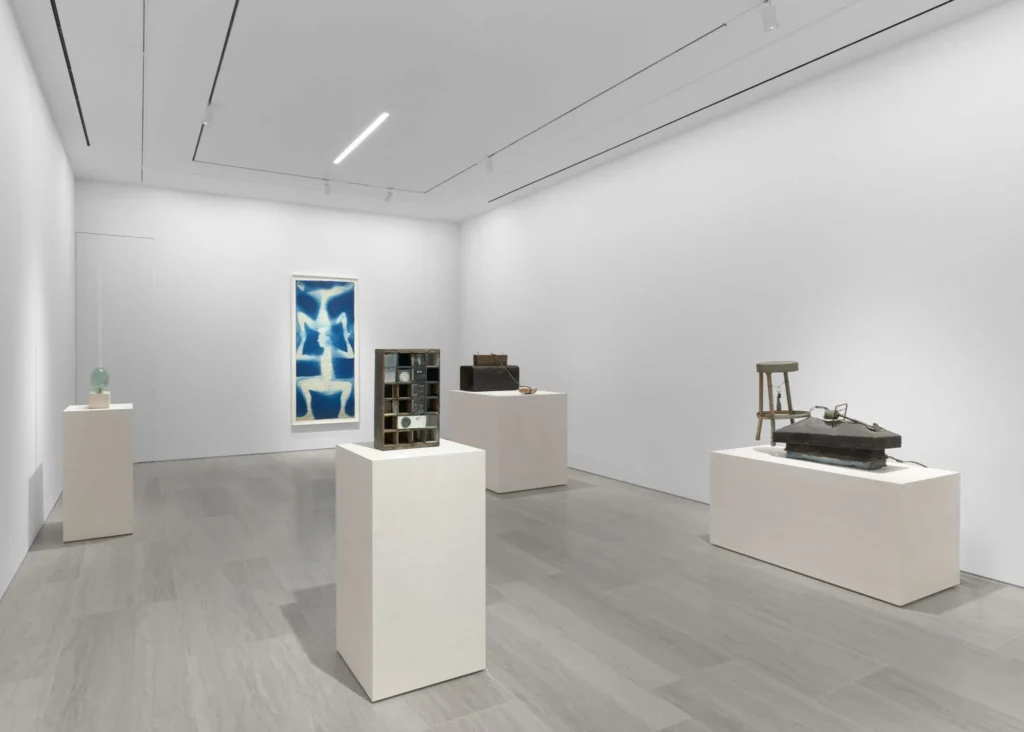
To inaugurate the space, Gagosian has gone straight to the canon. The opening programme pairs Marcel Duchamp with Robert Rauschenberg, two artists whose work helped destabilise what art could be, how it could behave, and what kind of objects could be allowed into the room. Duchamp occupies the larger gallery, while a group of early Rauschenberg works from the Cy Twombly Foundation appears in the smaller space.
The architecture, designed with Jonathan Caplan of Caplan Colaku Architecture, is intentionally restrained. Behind the calm white walls is a highly engineered environment: adjustable lighting, climate control capable of handling museum-level loans, and ceilings pushed to just over twelve feet to give the rooms a sense of quiet expansion. The result is not theatrical, but controlled — a softer, more contemplative version of the white cube, built to disappear around the work.

There is also a practical intelligence to the design. The gallery can shift depending on the exhibition, functioning as two spaces, three smaller rooms, or one larger open environment with temporary walls. Around the main exhibition areas are offices, a reception space, and underground viewing rooms, bringing the total footprint to more than 12,000 square feet.
Still, the most important change may be psychological. For years, Gagosian’s Madison Avenue space carried the aura of a destination — somewhere you had to know to go. Now, positioned at ground level, it becomes part of the street’s daily rhythm: closer to passers-by, collectors, tourists, neighbours, and the strange theatre of Madison Avenue itself.

In a city where galleries are constantly migrating, expanding, disappearing, and reinventing themselves, Gagosian’s move is not exactly loud. It doesn’t need to be. It is a quiet repositioning from a gallery that already knows its own weight.
“Marcel Duchamp” and “Robert Rauschenberg: Important Early Works From the Cy Twombly Foundation” are on view at Gagosian, 980 Madison Avenue, New York, from April 25 to June 27, 2026.