
A Porsche 911 already carries its own mythology. The shape is almost sacred: compact, stubborn, obsessive, instantly recognisable. It does not need much help to become an object of desire. But if anyone was going to make it feel even more impossible, it was probably Louis Vuitton.
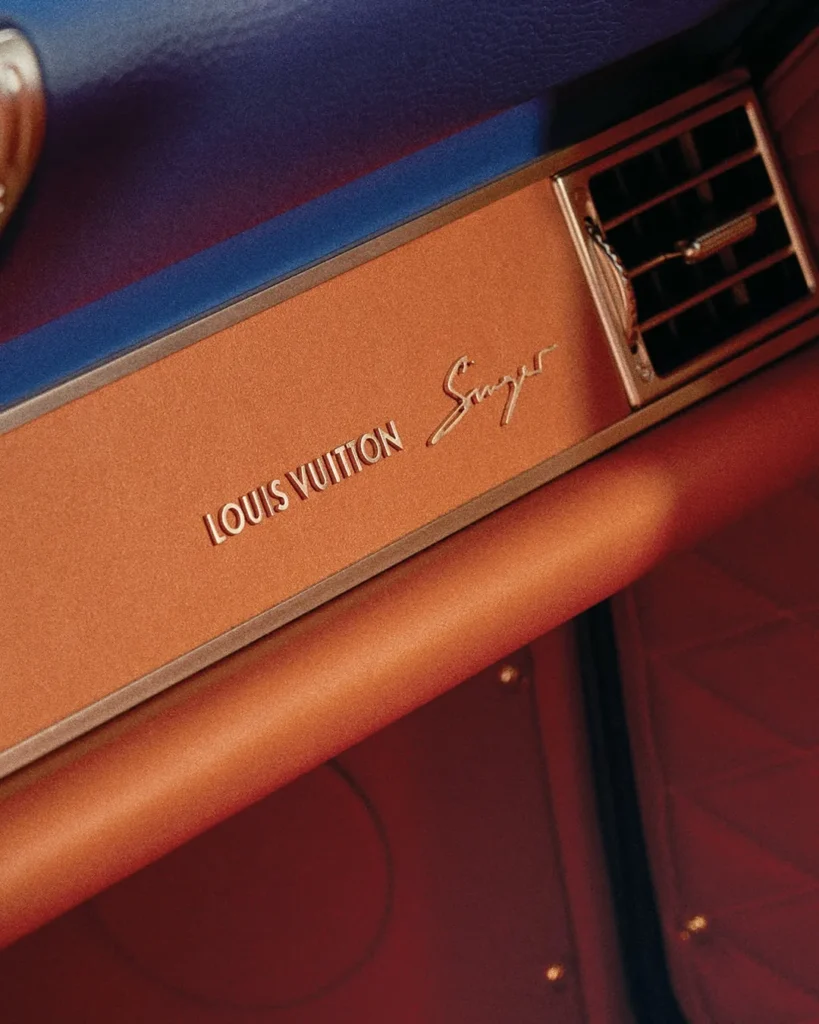
Together with Singer, the Californian atelier famous for reimagining classic Porsche 911s, the French house has unveiled two extraordinary custom vehicles during Monterey Car Week: a Porsche 911 Reimagined by Singer – Classic and a Porsche 911 Reimagined by Singer – Classic Turbo. What began as a request for a dashboard clock expanded into a full collaboration across leatherwork, watchmaking, colour, surface, and automotive detail.
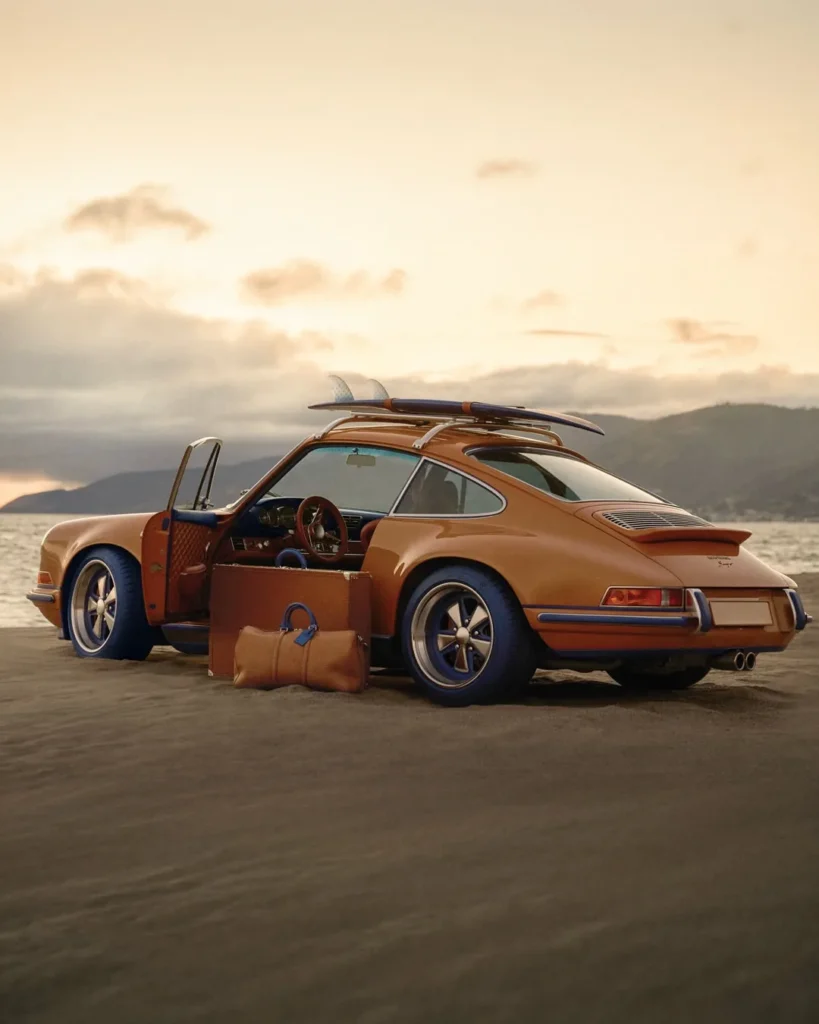
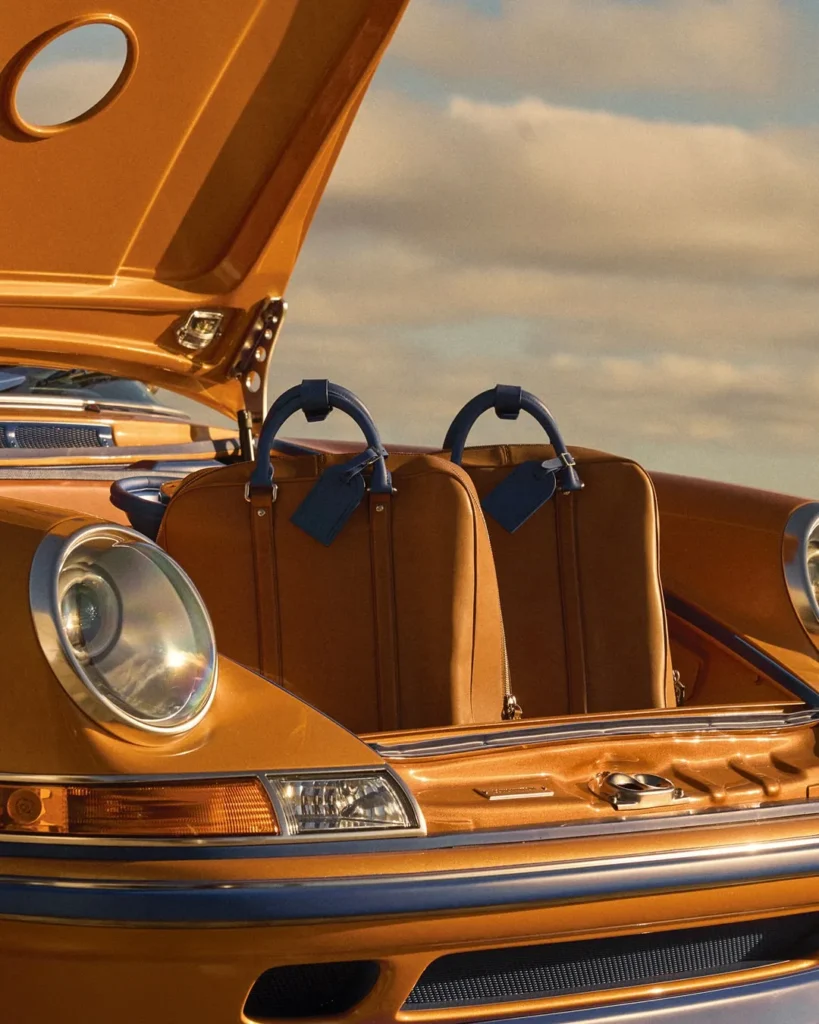
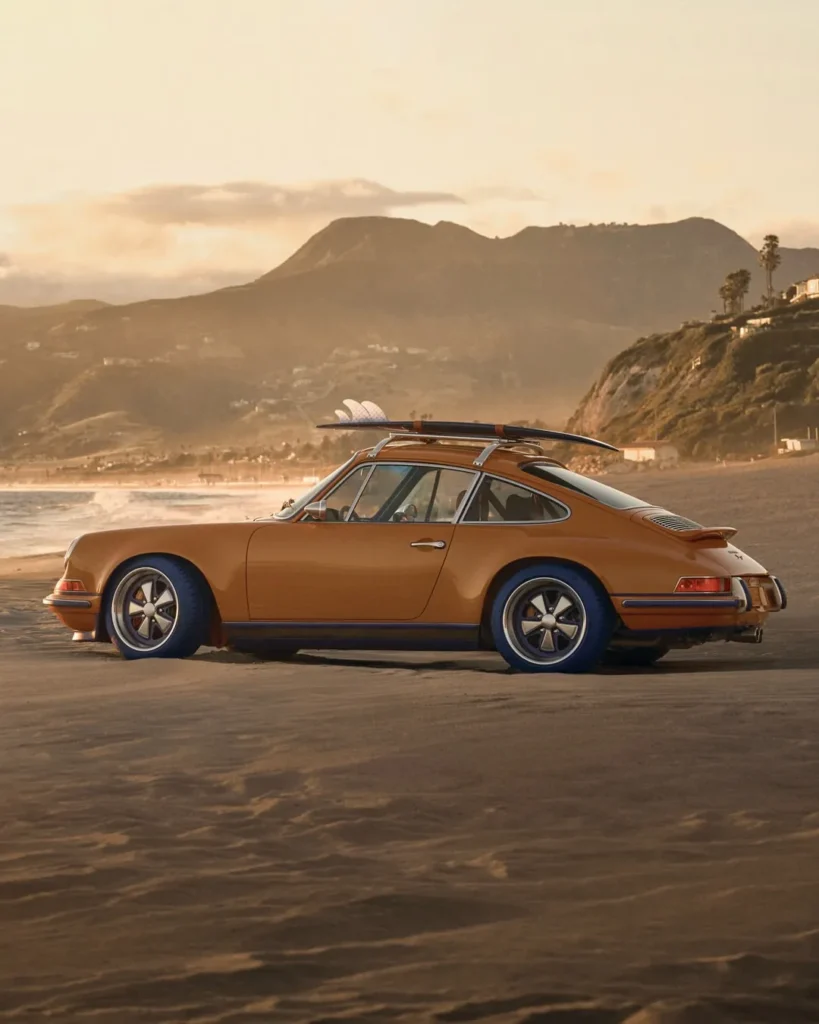
The first car arrives in saffron, cobalt blue, and yellow, a palette pulled directly from the Louis Vuitton universe. It is bold without feeling cartoonish, turning the 911 into something between a racing machine, a luxury object, and an imaginary travel trunk built for speed. A roof rack adds to the fantasy, designed to carry a luggage trunk, a surfboard, or skis — because in this world, escape is never casual. It is perfectly packed.
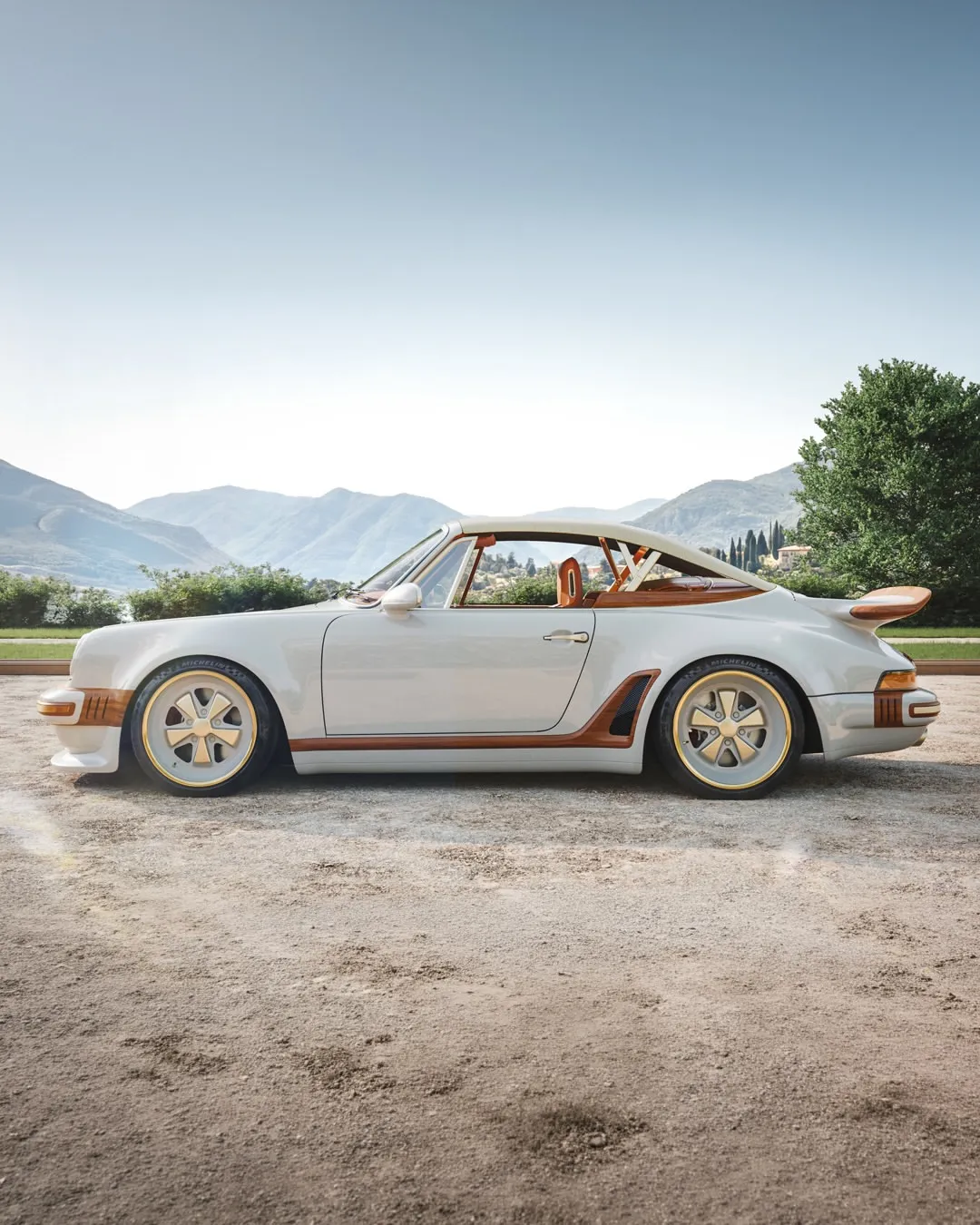
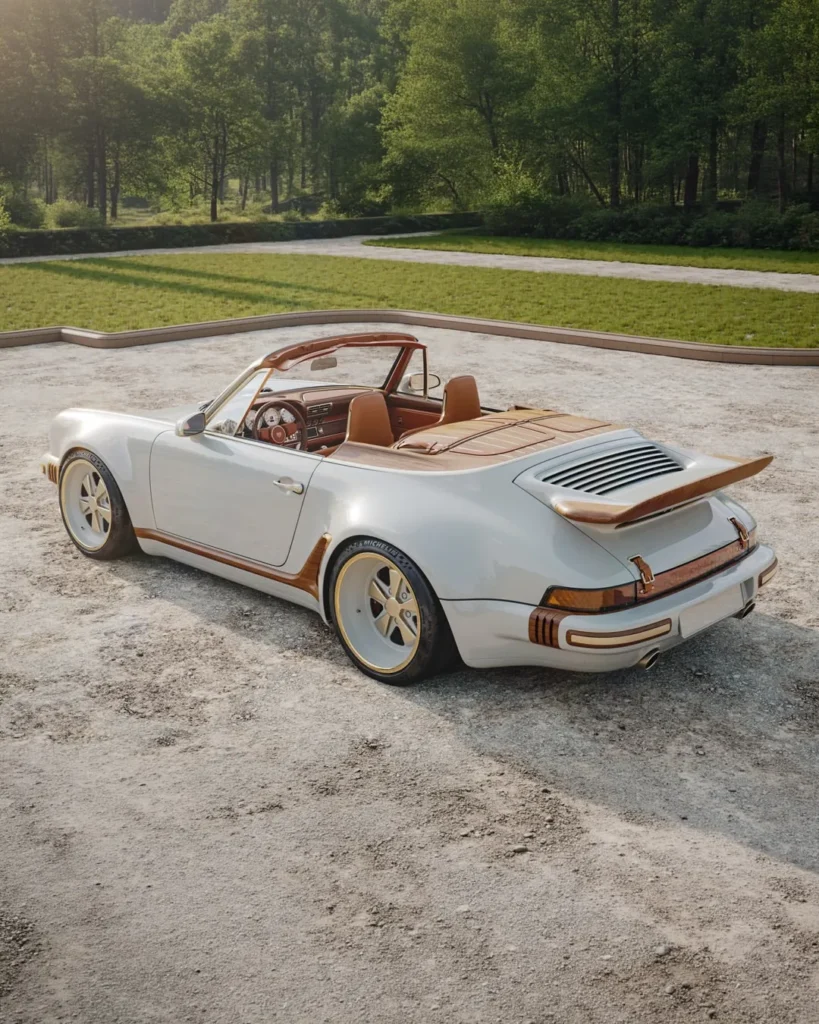
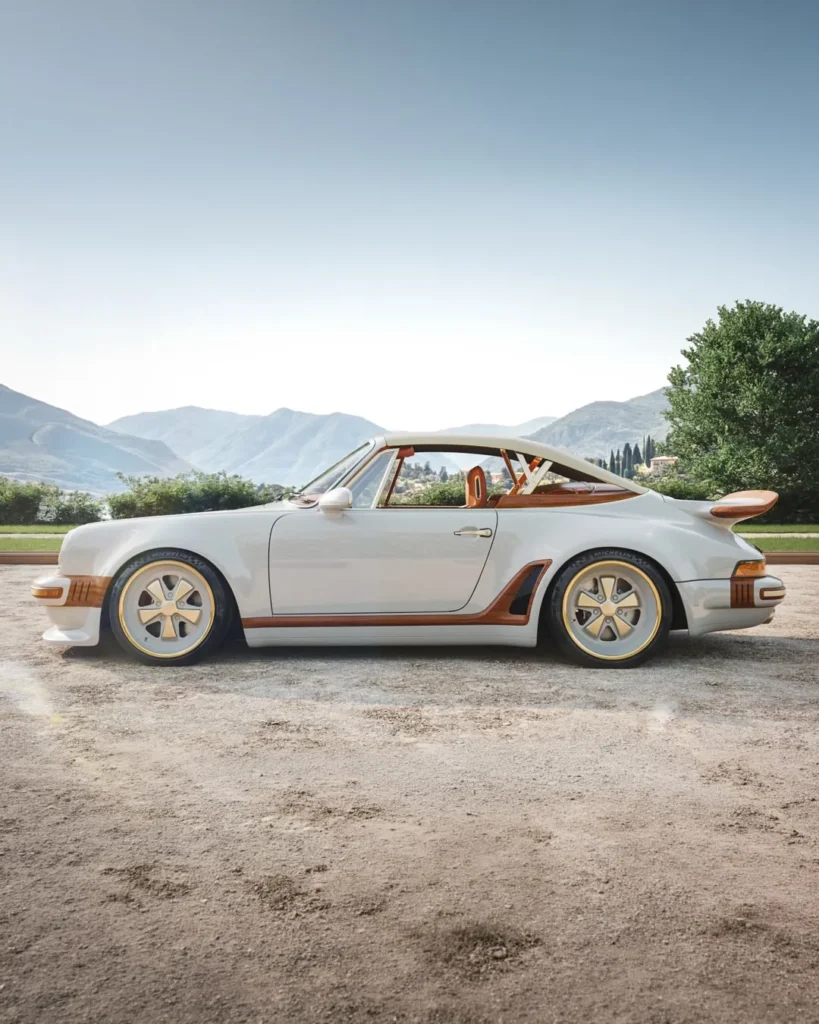
The second car, a Classic Turbo Cabriolet, moves in a softer but no less obsessive direction. Finished in a limestone-and-gold colour scheme, it draws from the stone tones of Paris, with nautical references, precious wood, and a sense of quiet coastal glamour. Where the coupe feels graphic and extroverted, the cabriolet feels more private: less racetrack, more Riviera dream sequence.
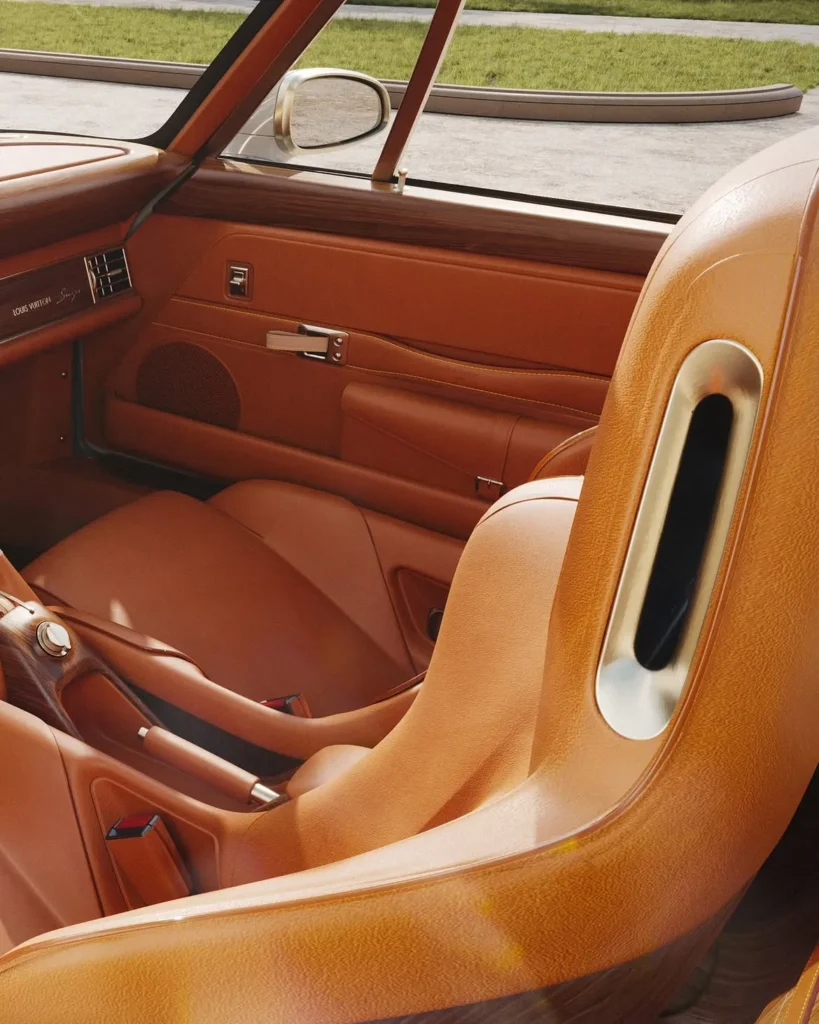
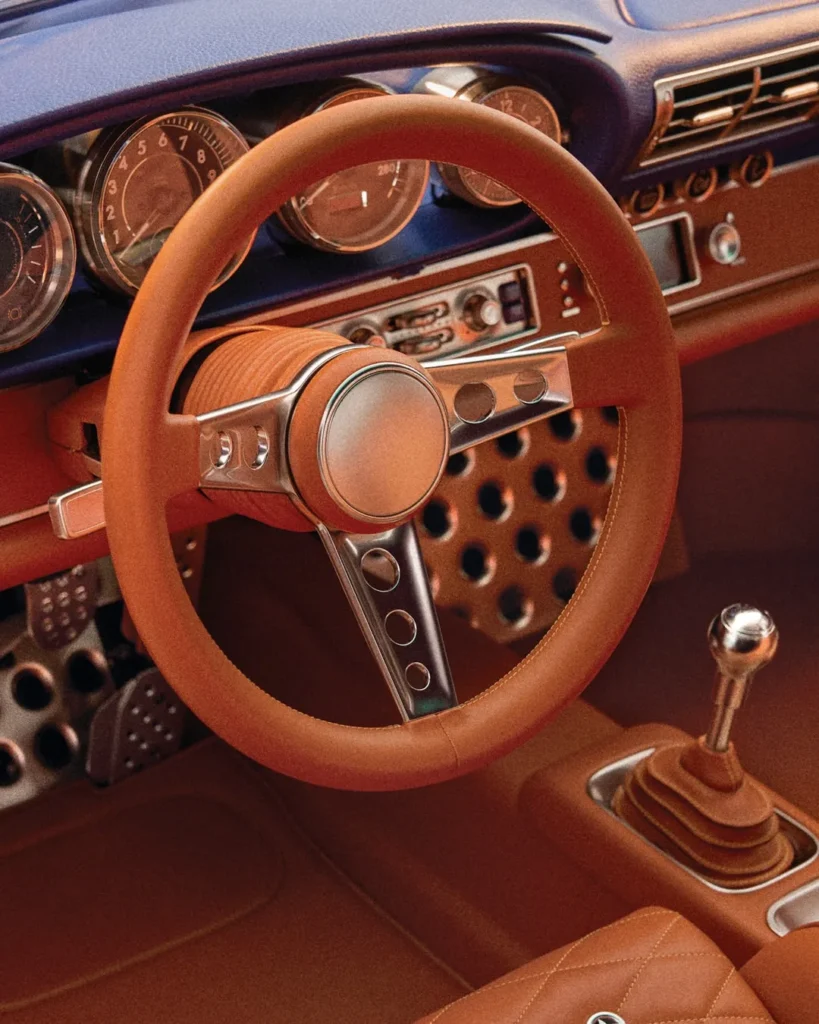
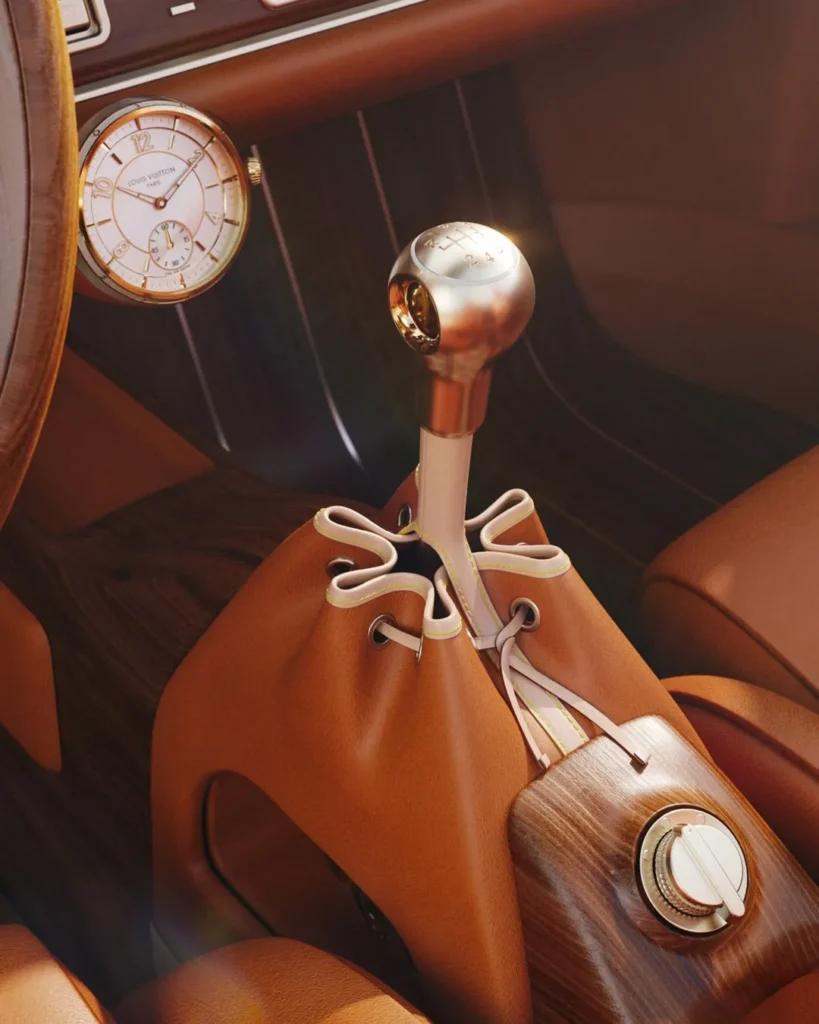
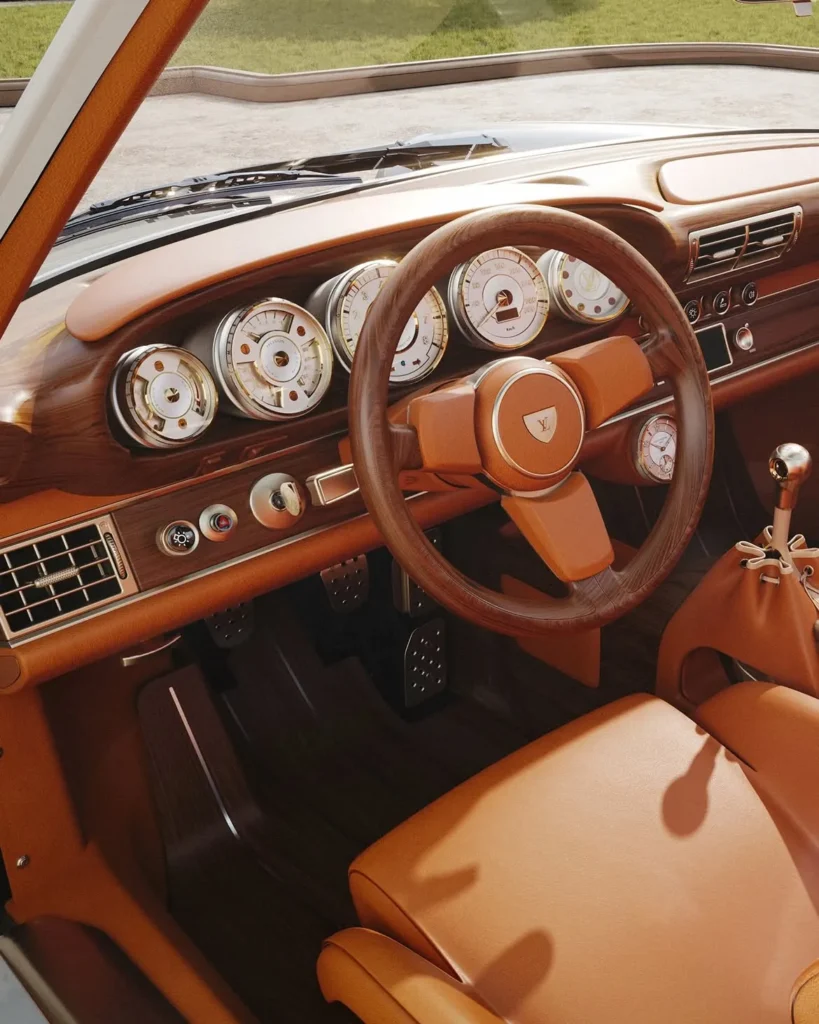
Inside, the collaboration becomes even more precise. Louis Vuitton’s monogram flower motif and malletage quiltingappear across seats, front-boot trim, and the engine compartment, while edge-dyeing techniques borrowed from the house’s leather goods are applied to details such as the door handles. The cabin becomes less like an interior and more like a piece of luggage architecture.
The real centrepiece is the Tambour dashboard clock, developed through La Fabrique du Temps Louis Vuitton in Switzerland and inspired by the house’s watchmaking language. In the Turbo Cabriolet, the clock can even be removed and used as a desk clock, turning an automotive detail into a collectible object in its own right.
What makes the project work is that it avoids feeling like a logo slap. Singer already treats cars with the care of couture: dismantling, rebuilding, refining, and obsessing over every curve, stitch, gauge, and surface. Louis Vuitton brings a parallel tradition of craft, travel, leather, hardware, and object-making. The two worlds meet not because cars and bags are the same, but because both understand desire as a matter of detail.
The collaboration also taps into something older inside Louis Vuitton itself. Long before the brand became a global fashion machine, it was built around the art of travel: trunks, cases, movement, protection, and the fantasy of arriving somewhere with everything beautifully contained. A Porsche reimagined by Singer is, in a strange way, another kind of trunk — only this one has an engine, a horizon, and a very expensive sense of motion.
No prices have been disclosed, though comparable Singer commissions can reach around $2 million, placing the cars firmly in the territory of collector mythology rather than ordinary luxury consumption.

Photos: Louis Vuitton / Singer