
Share this
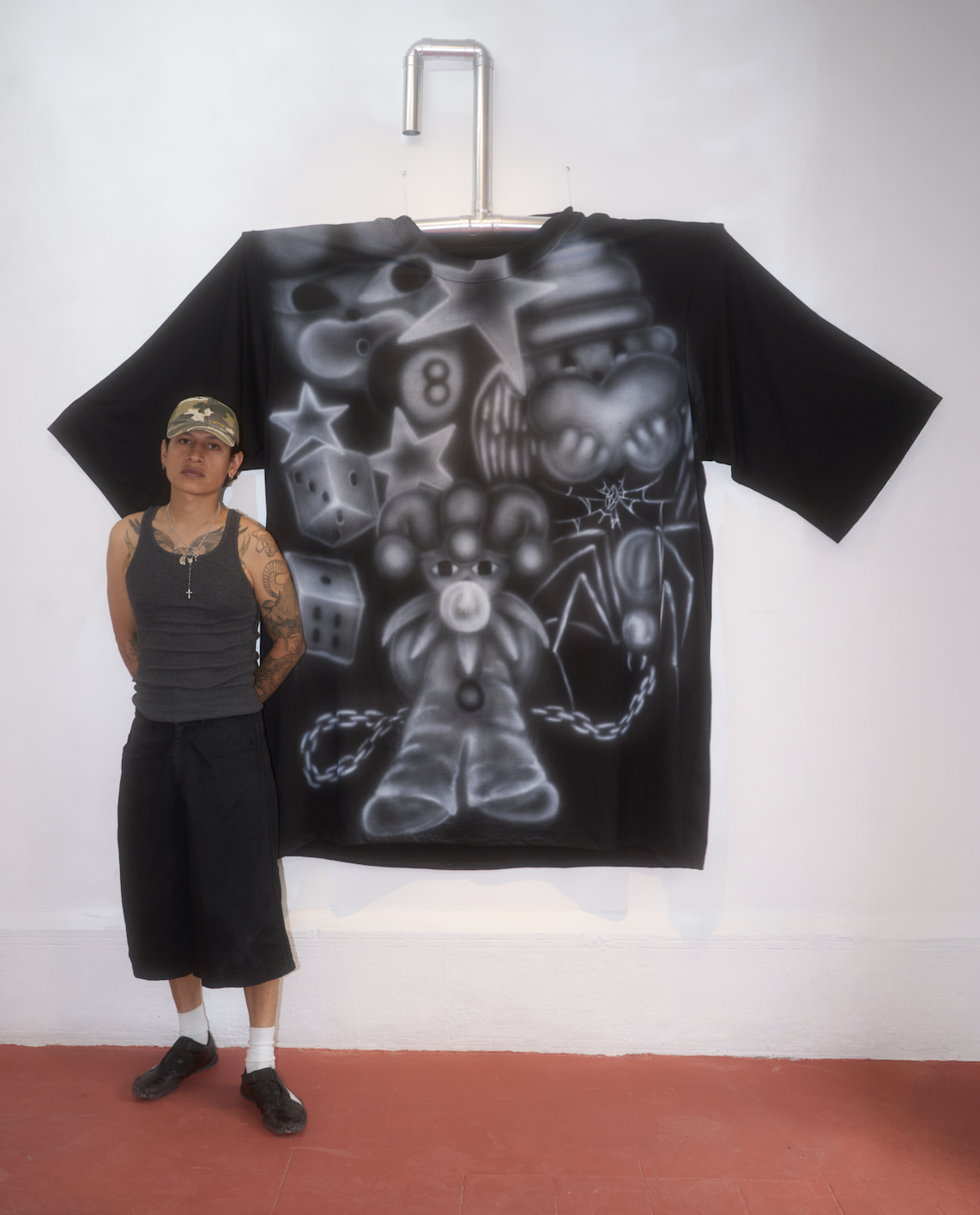
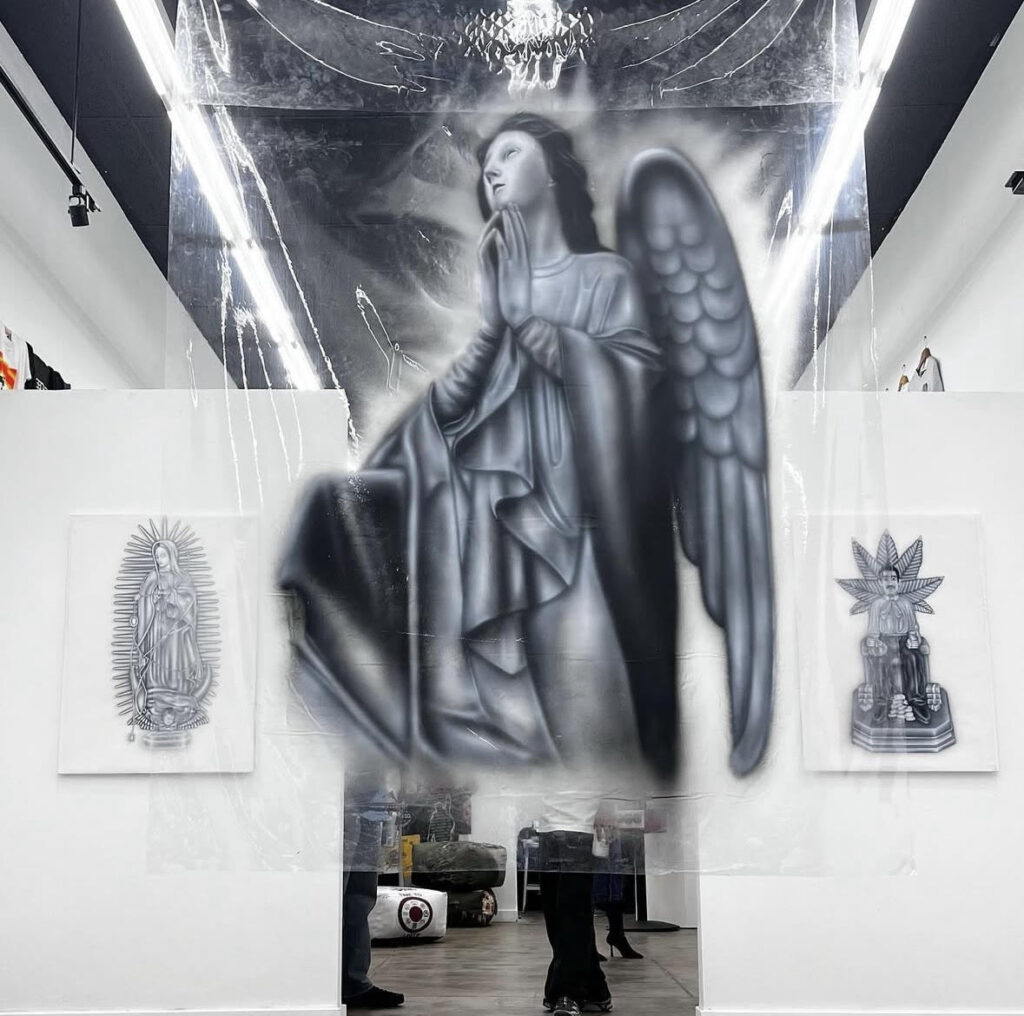
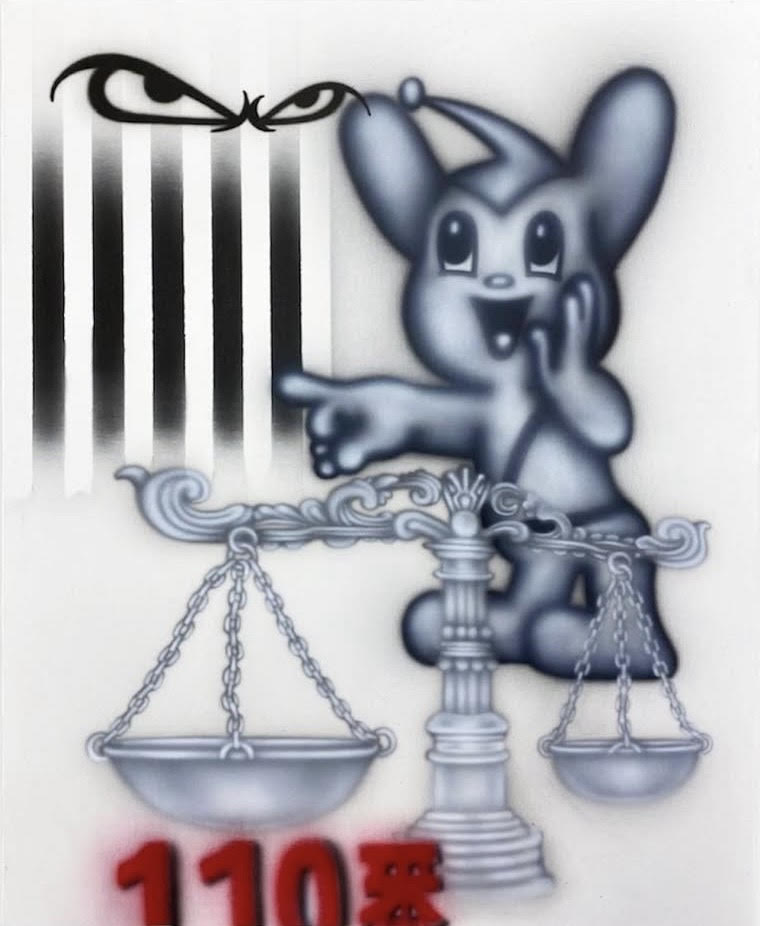
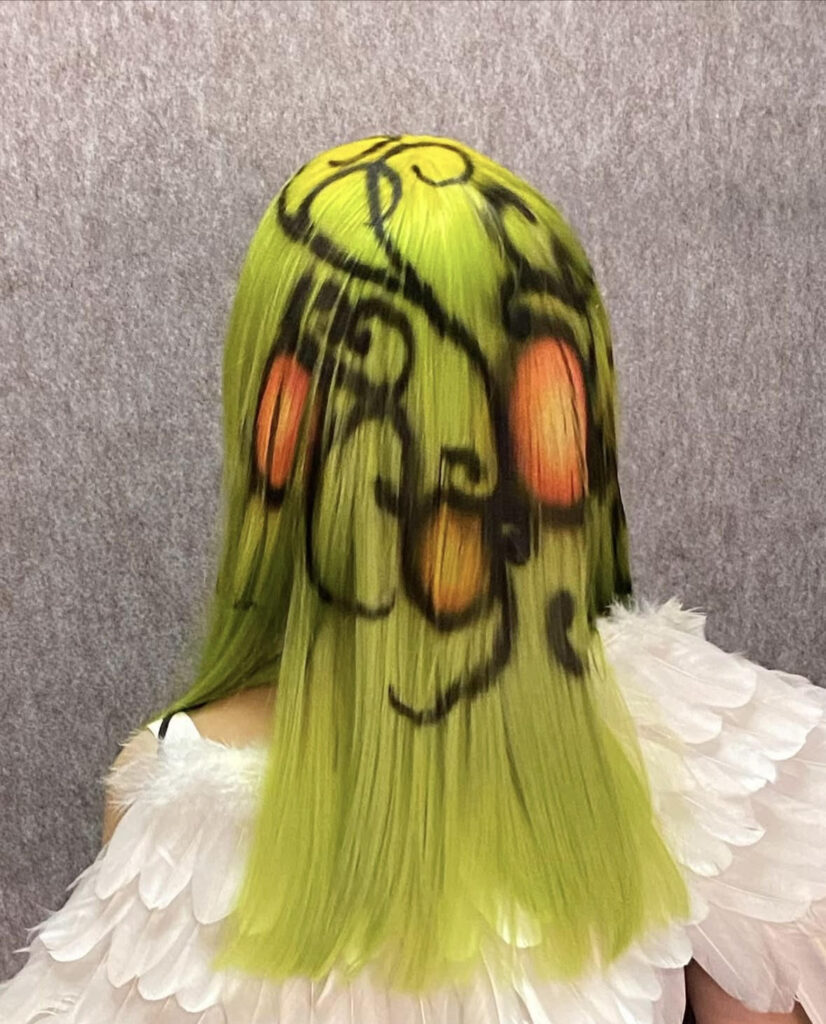
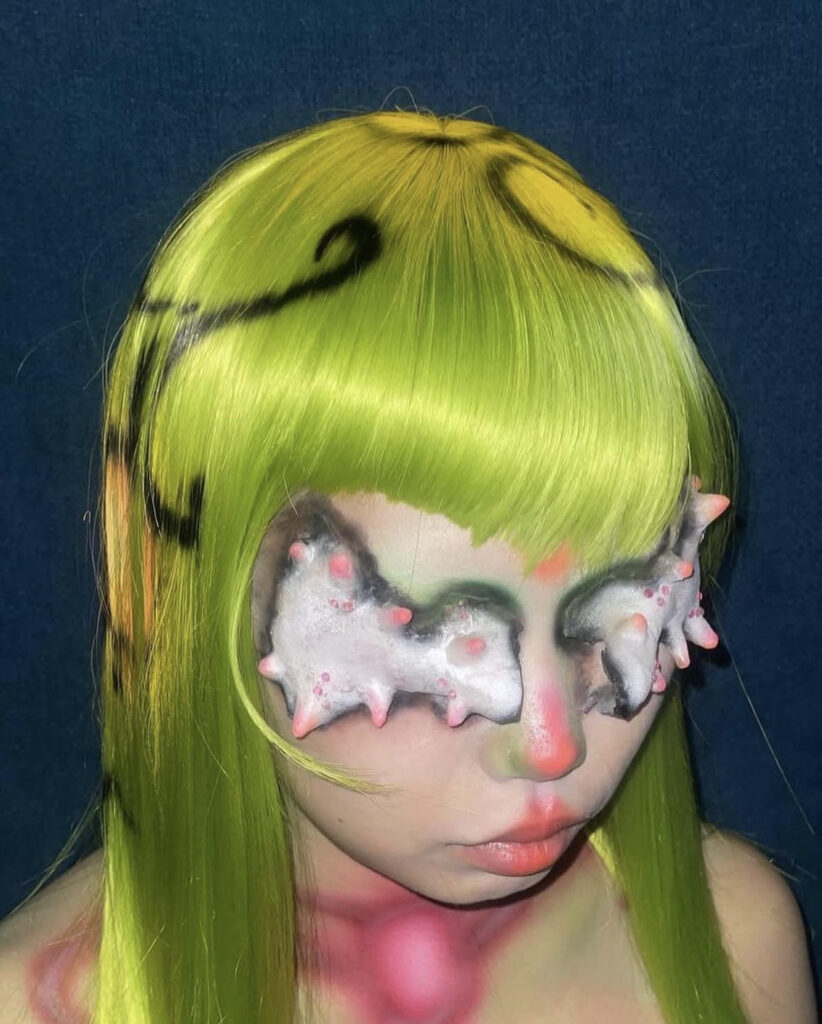
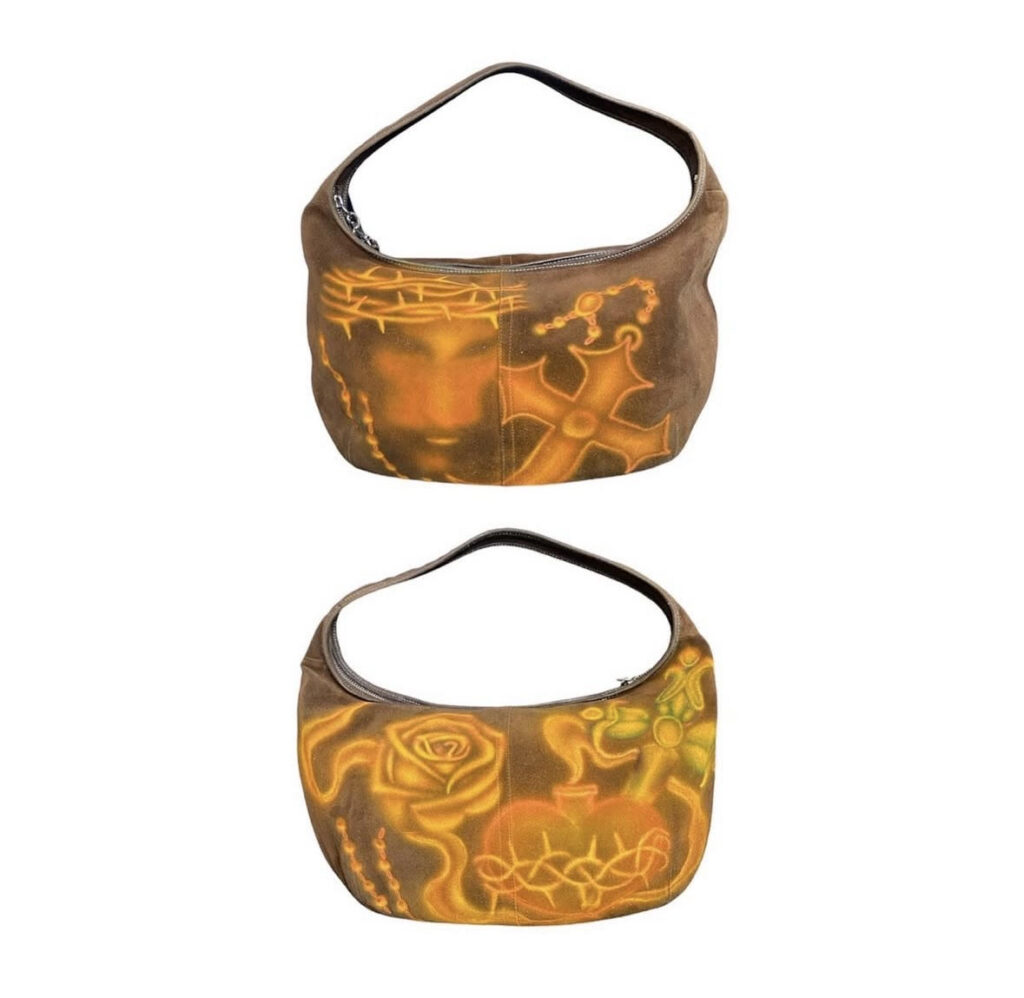
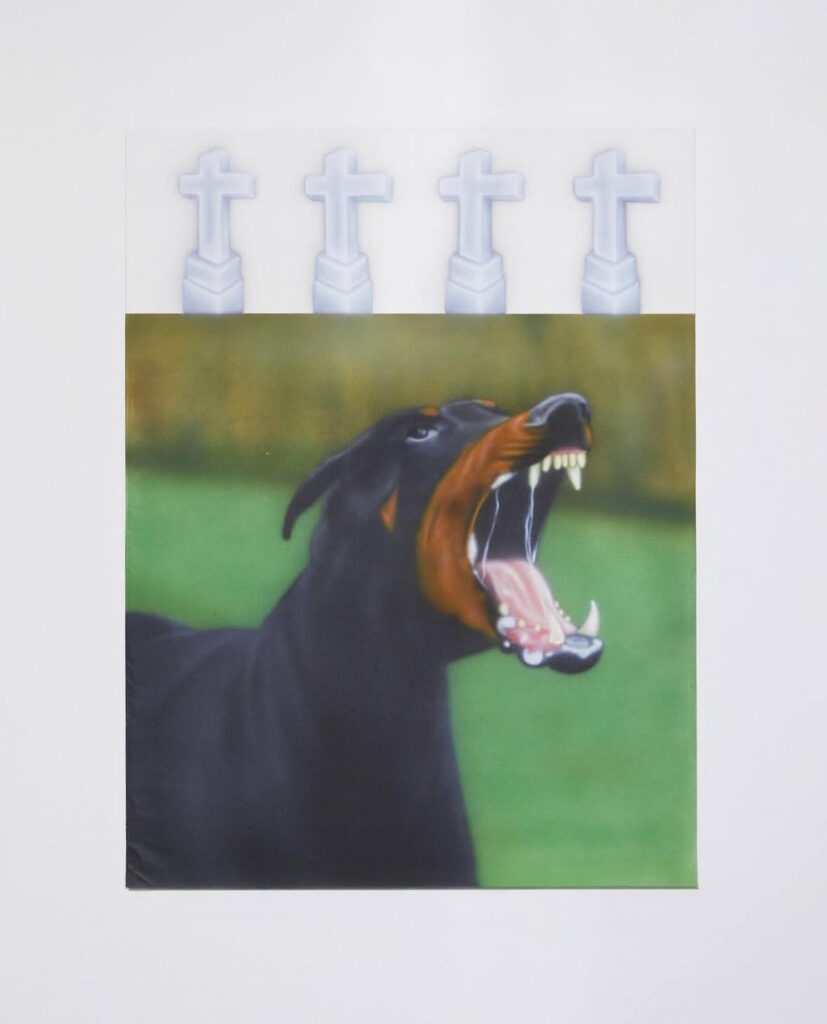
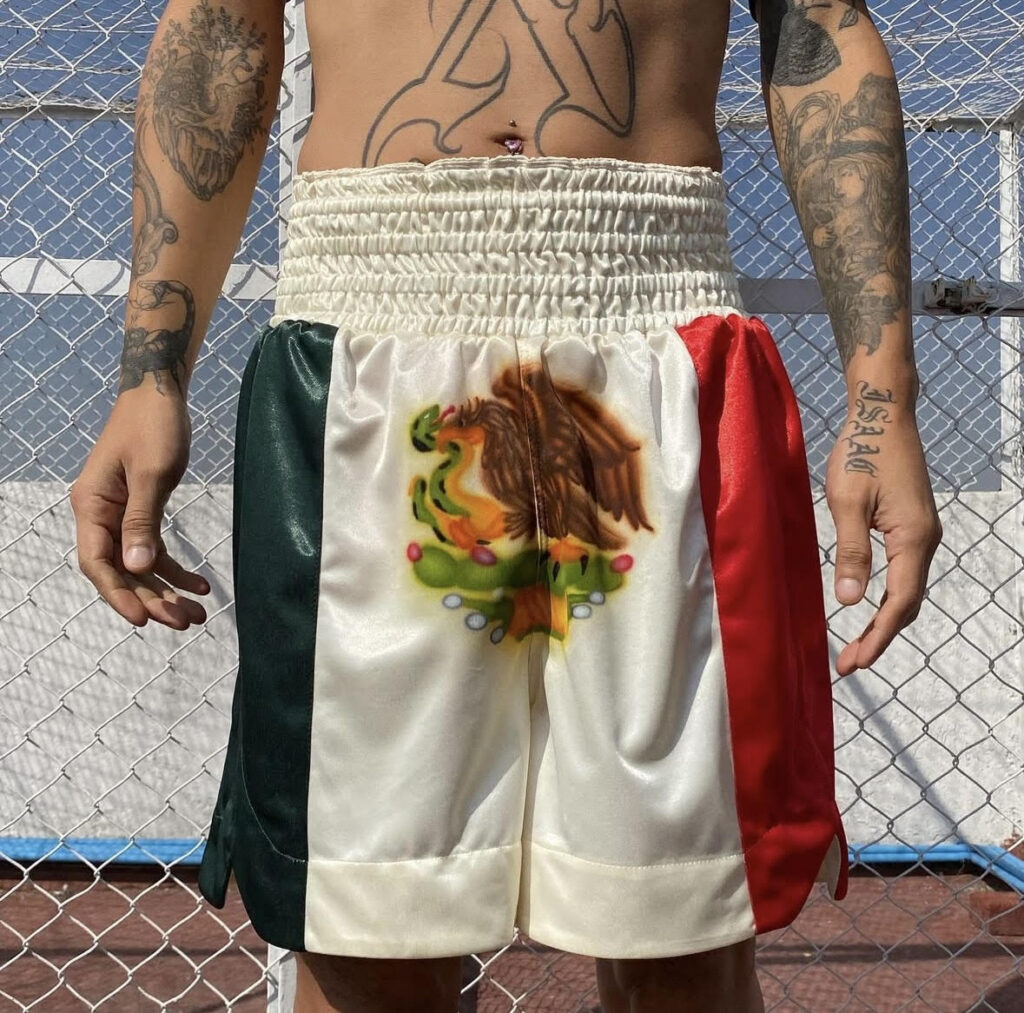
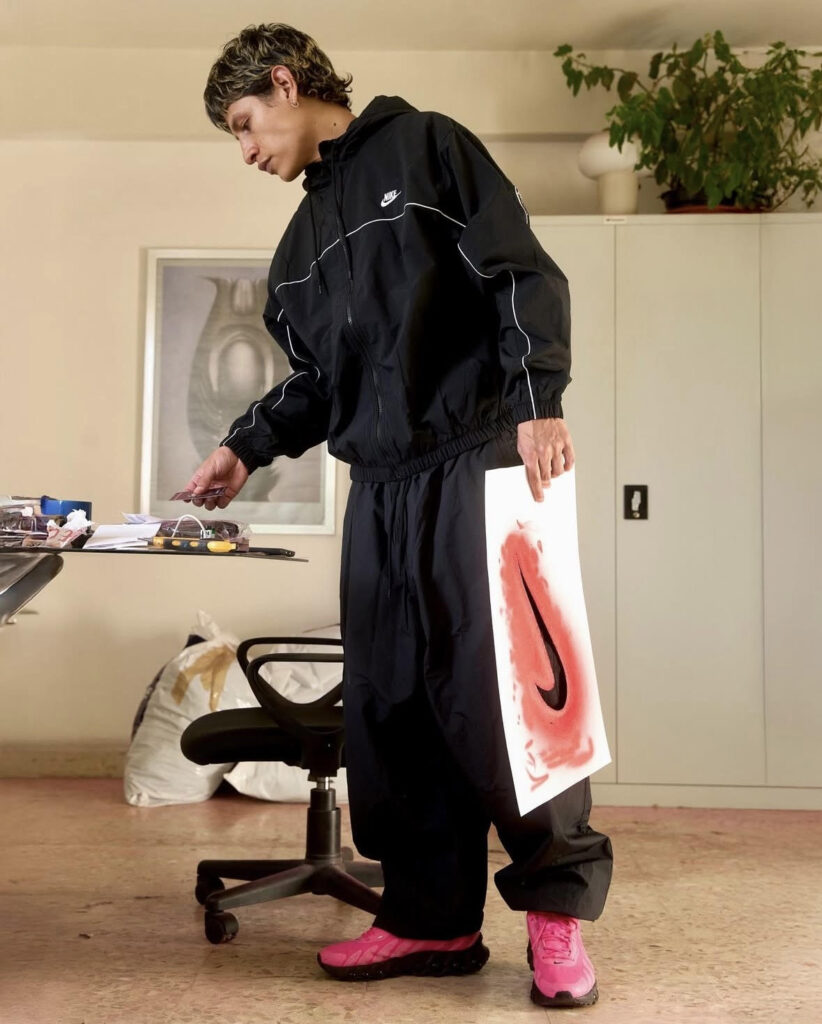
Diego Vázquez (b. 1993, Monterrey, N.L., Mexico) is a self-taught artist based in Mexico City. His practice focuses on painting, using the airbrush as his main tool, painting on all types of surfaces. The streets of Mexico are his main source of inspiration. His work arises from the observation of the urban environment: murals, religious iconography, advertisements loaded with popular culture and cartoons, and the variety of people that give life to these spaces.
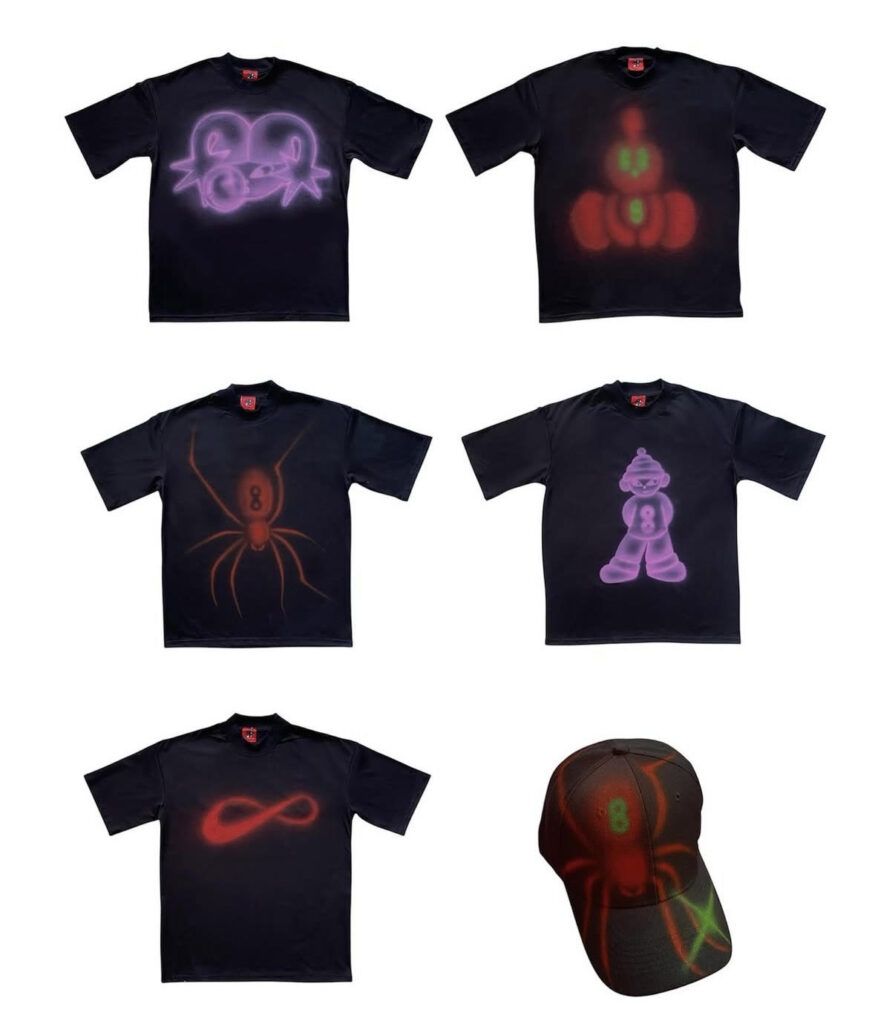
Touring the city is an essential part of his creative process. He has collaborated with both national and international brands and has exhibited his work in different places around the world, positioning himself as a reference for airbrushing in Mexico. His clothing project focuses on recycling by using carefully selected second-hand garments sourced from flea markets and transforming them into something new and different. It creates unique, one-of-a-kind pieces with a new vision of what they once were.
Hi Diego! It’s a pleasure to sit down with you! First question that I always ask. How does a regular day look like for you in Mexico City?
Diego: A normal day for me starts with waking up and doing a bit of exercise at home, then having breakfast and going over any tasks I have. I work from home, so I spend a lot of time here. I usually work until 6 in the evening, and after that I’m free to go for a walk, find something to eat, or meet up with some friends.
I’m curious, growing up in Monterrey, what kind of kid were you? What did you enjoy doing, and how did you spend your time?
Diego: I grew up surrounded by my brothers and the friends who lived on my street. I spent a lot of time outside playing with everyone. We were always listening to music and doing something dangerous — that’s why I have so many scars. My brother, two other friends, and I were drawn to graffiti. Back then, there were a lot of gangs, and you’d see their names on every corner. We started doing it for a while until the police caught us when I was 10 years old.
How and when did you get introduced to the airbrush? And when did you start taking becoming an artist serious?
Diego: When I was a kid airbrushing was very popular at the street markets. There were people who would paint t- shirts with your name, your girlfriend’s or your gang’s name on them or they would make a custom design in graffiti effect. I didn’t use an airbrush until I was 25 years old. I never thought about becoming an artist — it just happened. I used to feel embarrassed when people introduced me as an artist. I’ve always done my best, but it wasn’t until last year, during my last exhibition, that I truly felt like an artist when I saw everything I had created.
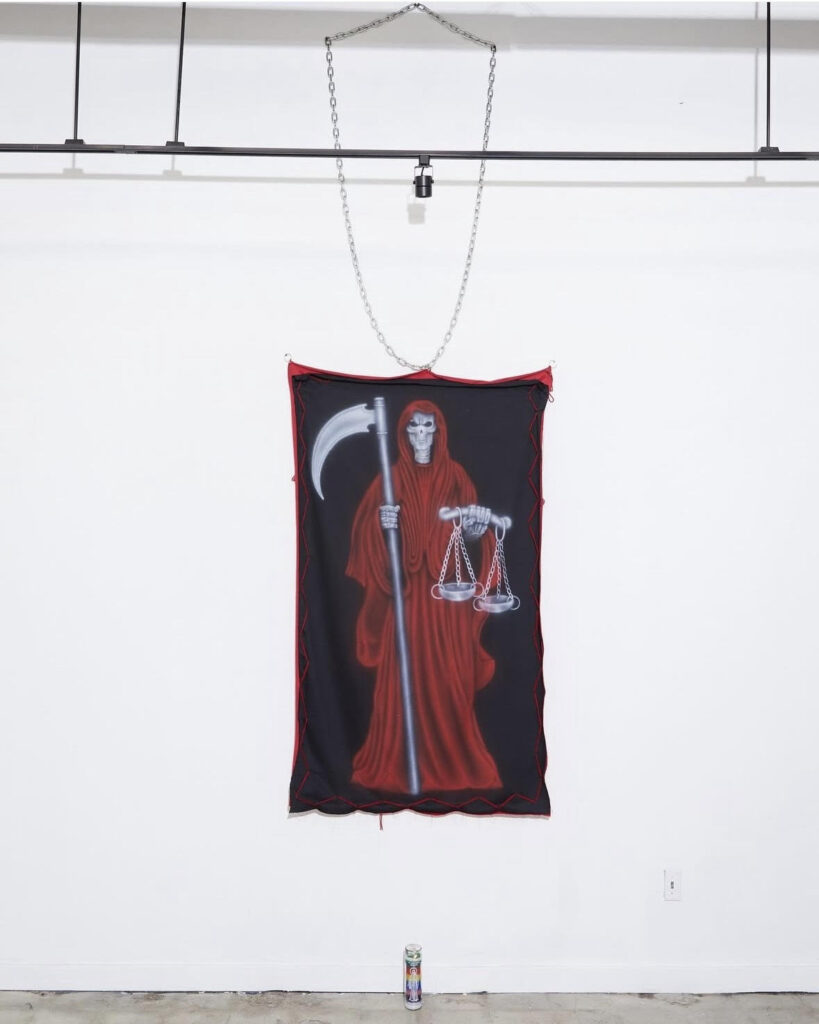
Ok Diego, with these next series of questions, I will try to delve into your work as best as possible. So.. Your work is full of references to urban life, religion, cartoons, and popular culture. Why are these themes important for you to document?
Diego: It’s like a diary – I like to paint my surroundings. I try to bring these concepts into moments of my life, whether they’re my own experiences or those of a friend. It’s a way of giving a voice to all the people who inhabit these spaces. They’re small stories that make sense to me. Even if they seem simple, everything has a reason, a story behind it, a reflection.
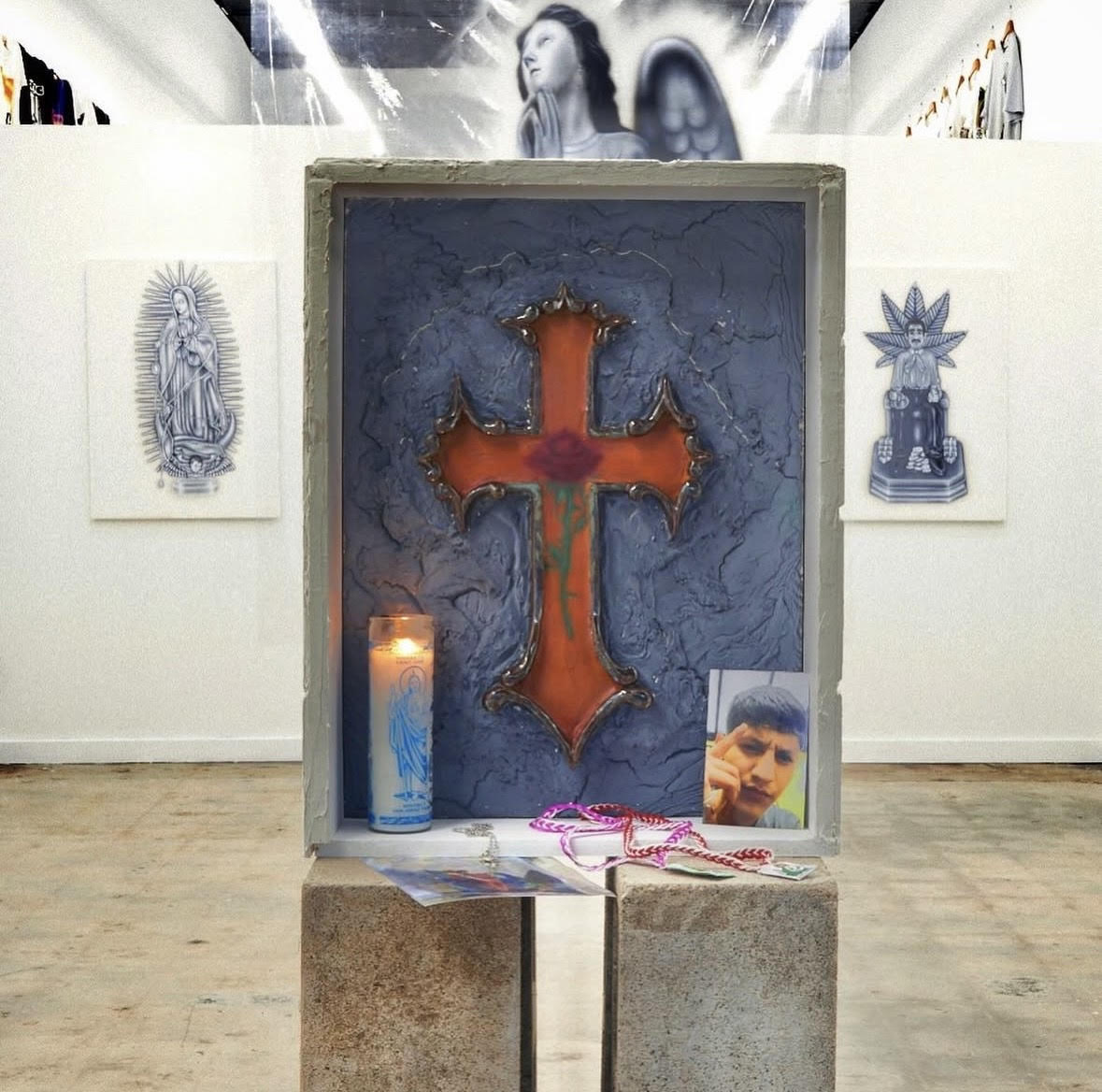
Does your work contain social or political commentary, or is it more about visual storytelling?
Diego: It’s a visual narrative, but if you’re talking about themes of popular culture and what you see in the street, it will always include a reflection on what’s going on in society. A lot of what we see outside is political too, so we can’t talk about what’s happening out there and leave those issues out.
In 2020 you launched your own clothing brand, called Tercer Mundo. Can you tell me about that process and what inspired you to do that?
Diego: When I was 15, I learned how to print T-shirts in a government-run course. I started making some drawings and would create shirts for myself and my friends.
It wasn’t until the COVID-19 pandemic began that I left my job as a teacher and wanted to do something different. The only thing I truly enjoyed was drawing, so I decided to start making my own T-shirts in a more serious way. I bought some basic printing equipment, started drawing and creating designs, built a website, and began uploading everything there. I turned it into my job and started dedicating 8 hours a day to it. My idea has always been to create things I would like to wear — although, ironically, I never wear anything I make.
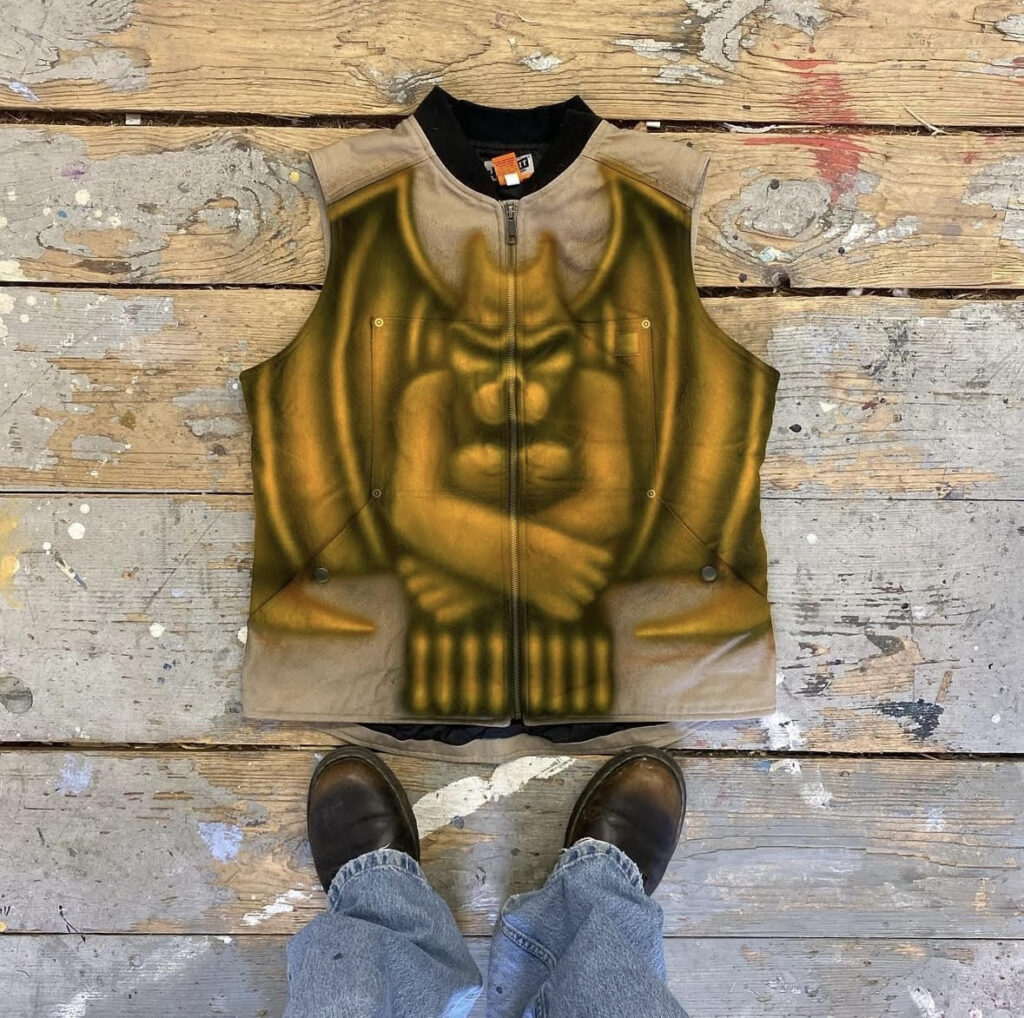
So what made you focus on recycled garments?
Diego: What I like about working with recycled garments is that each piece is unique, with its own style. The idea of giving something old a second life and turning it into something new is really exciting. It’s also fun to think about which design will work best with each garment’s shape and colours.
Do you approach clothing design the same way you do your paintings, or is it a different creative mindset?
Diego: They are very different creative processes. With clothing, I think about something that complements the garment and the style of the graphic that would fit well. In contrast, for a painting, there’s a concept behind it, research, and a message that I aim to convey. It’s something deeper and more personal.
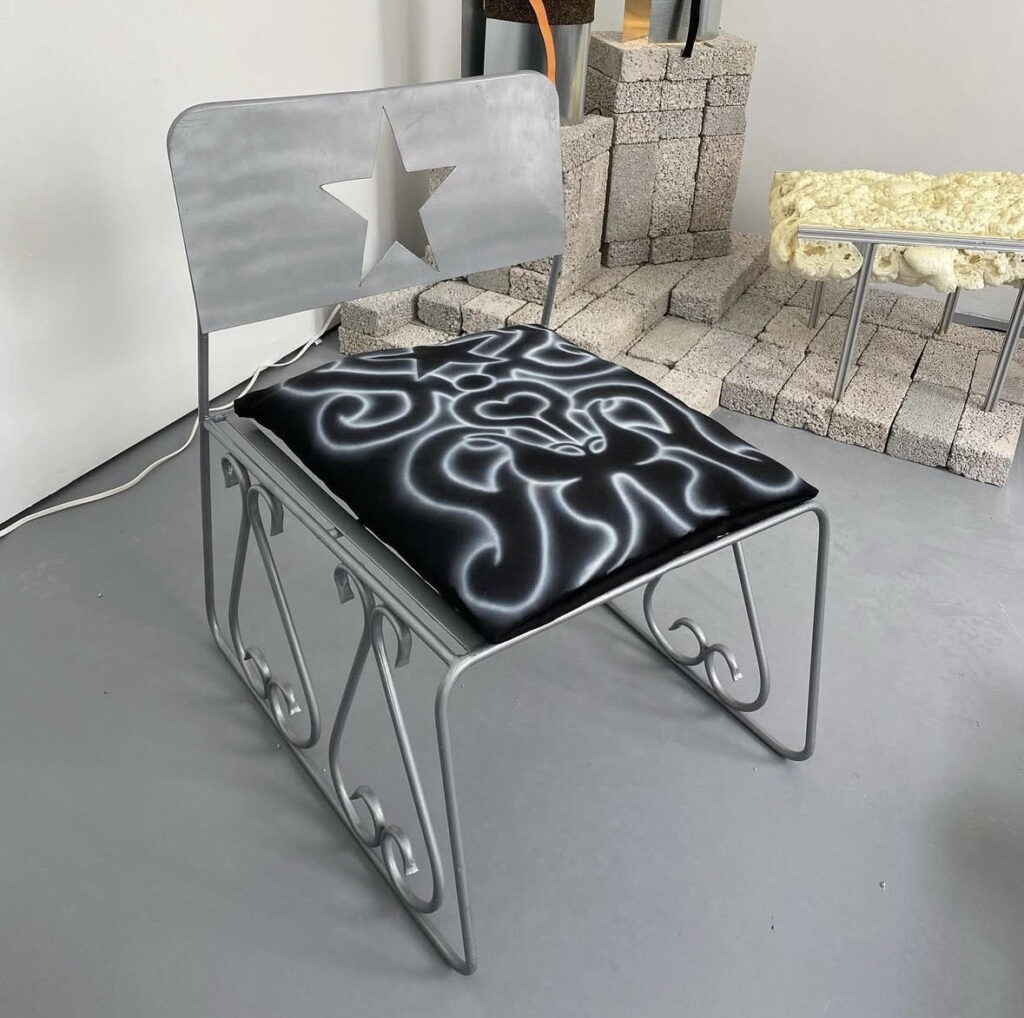
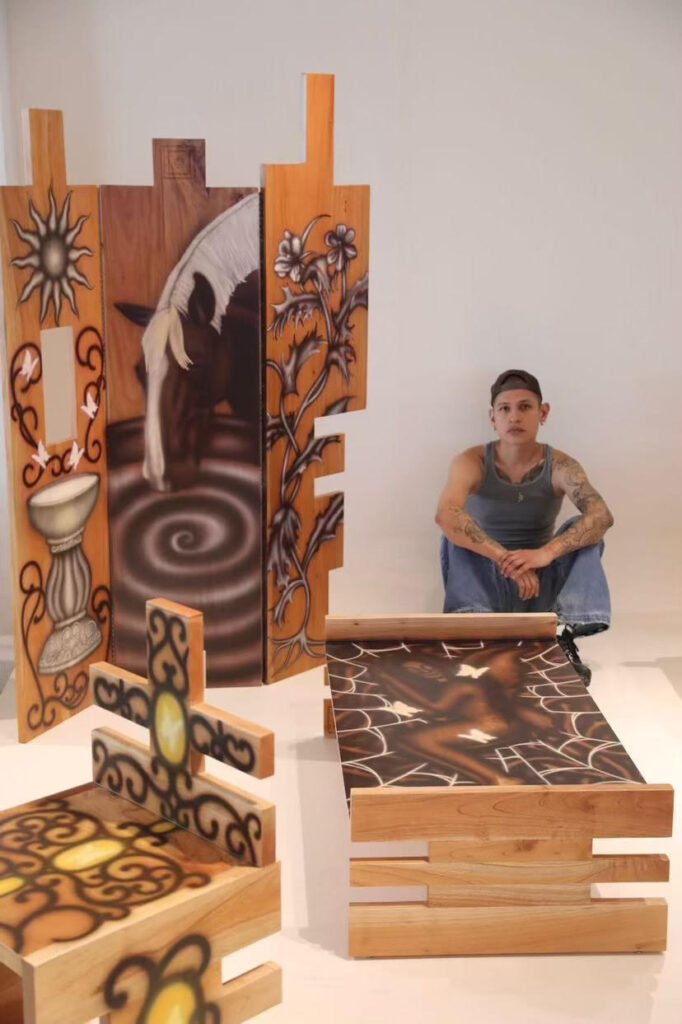
You work on all kinds of surfaces—what’s the most unconventional surface you’ve painted on, and how did that change the outcome?
Diego: Painting on cakes is something I really enjoy. I like the idea of creating a show and, in the end, being able to share a piece of my work with everyone. It’s challenging to paint on cakes because of the humidity the paint absorbs and the texture of the cake that shifts with the air, even so I am happy with the results.
With that in mind, can you walk me through your creative process from beginning to end result?
Diego: I always think of things in terms of series, so I choose a topic that interests me and that I have very present in my mind at that moment. Then, I start asking a series of questions and researching the topic, creating visual references with the concepts and making some sketches. I think a lot about the type of surfaces I want to use and how I can relate that to the concept I’m working on. Once I have all of this ready, I feel prepared to start painting.
Can you also tell me about your use of symbolism?
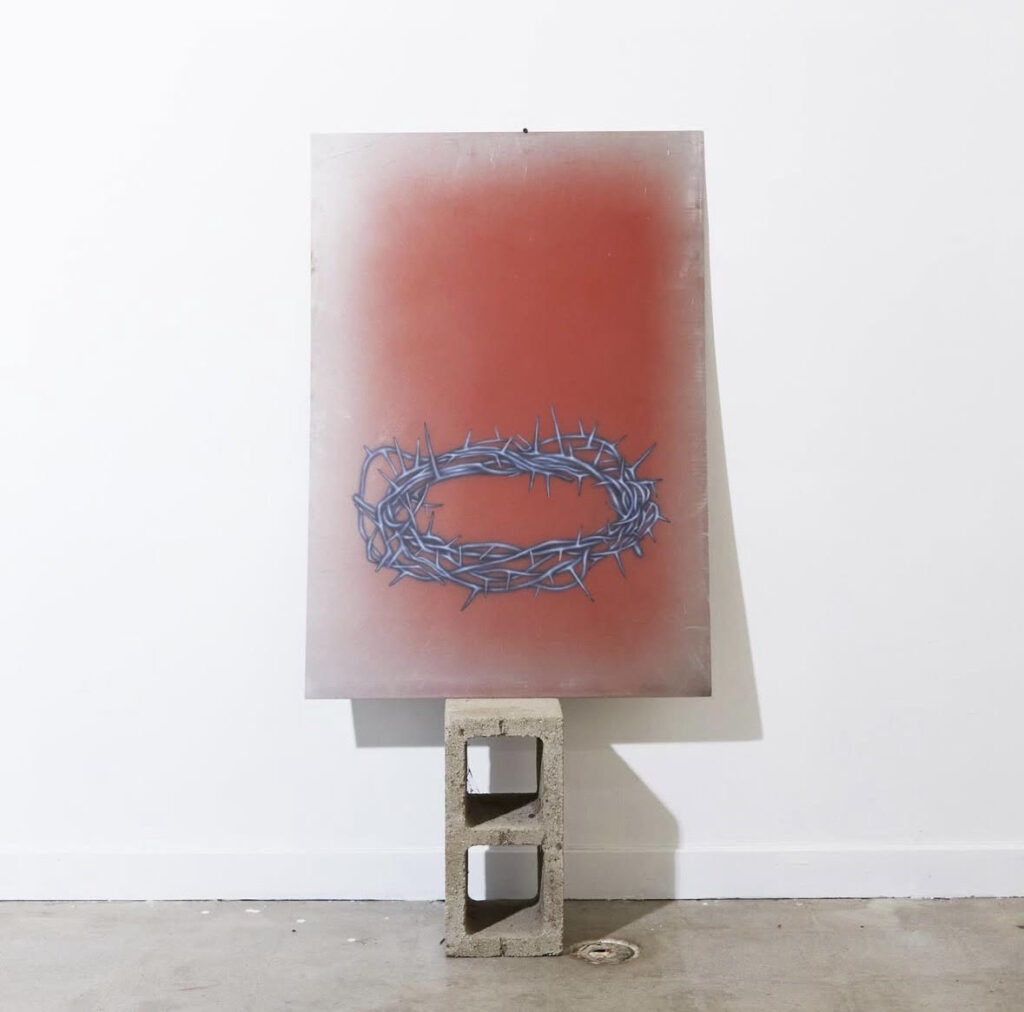
Diego: A symbol can have many different meanings. Sometimes they’re very obvious, while other times the interpretation will change depending on the person observing it. That’s what I like — that even though it’s something we can associate with a concept, people turn it into something more personal by relating it to their own life.
How do you approach color?
Diego: When I think about colors, I like to imagine materials like steel, glass, and gold, as well as interpreting colors as emotions and temperatures.
Outside of art, what’s something you’re obsessed with right now—maybe a hobby, a show, or even a food—that keeps you grounded or inspired?
Diego: Lately, I’ve been cooking a lot more than usual. I’m a vegetarian, so I like to make my own food as it’s easier. Now, I’m trying some new dishes with my partner, experimenting with more elaborate recipes and foods I enjoy but didn’t know how to prepare.
Ok Diego, now to something totally different. In a parallel universe who would you be? and what would you be doing?
Diego: In an alternate universe, the COVID-19 pandemic never happened, and I continued with my job as a teacher. Now, I am teaching humanities and I go out riding my bicycle in the evenings. I still live in Monterrey and I play football on the team that my friends from my street have.
Can you tell me a story about a time when a connection with someone had a big impact on you?
Diego: When I was 12, a new neighbor moved onto my street. He went by the name RIDA. He was 15 and Chicano, and had just returned to Mexico, so his whole style was very different. When we became friends, he taught me many things about graffiti that I had never seen before. He showed me some of his magazines and gave me paint so I could make my own letters. From that moment on, I became obsessed with drawing letters in my notebooks, and it completely changed my perspective on what I could do with spray paint.
What qualities do you find most important in the people you choose to spend time with?
Diego: My favorite people are the simplest ones, those who don’t care about pretending in front of others, who offer their friendship without thinking about what they can get from you, humble and with a lot of love to give to others.
What motivates you?
Diego: I’m motivated by being an example for others, being able to inspire them and teach them that we can all be artists. It doesn’t matter if you didn’t study art, if you don’t have money, or if you don’t belong to a privileged group. Anything is possible, but for something to happen, we have to take the first step.
How would you describe a perfect day?
Diego: Waking up at 8 am, checking my e-mail, and finding a message about an incredible project that will be so much fun to work on. Having a “bisquet”, half with an egg and the other half with jam and fruit, for breakfast. Then, going to a flea market and find things that I really like that are in my size, eating something there and later going to have dessert with my partner. In the evening, meeting up with some friends at someone’s house or a bar and coming home early.
Alright Diego, I always ask these two questions at the end of an interview. The first is. What’s your favorite movie(s) and why?
Diego: Kaiba is my favourite anime. I really love the artwork, the music, and the story. It makes me think about what the future will be like, love, immortality, and desire.
The second is. What song(s) are you currently listening to the most right now?
Diego: Cuando no era cantante – Yung Beef ft. El Bogueto