Share this
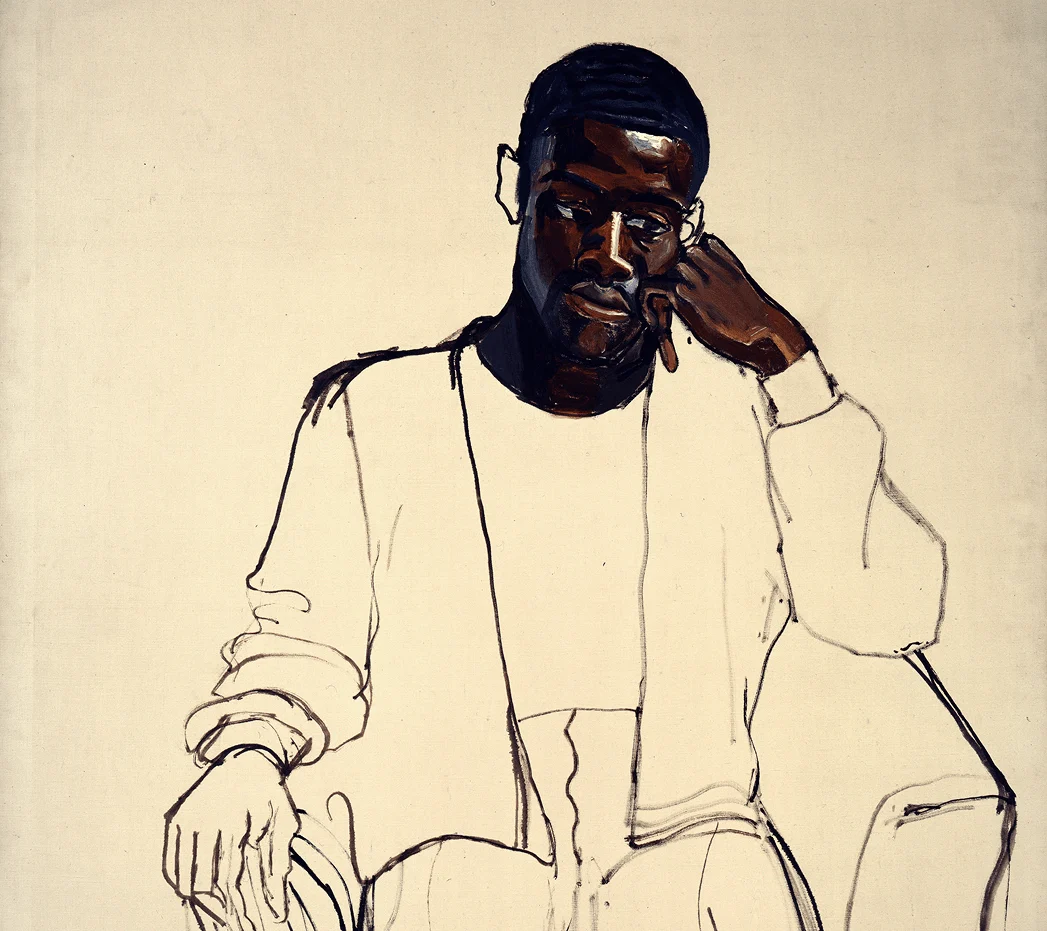
Alice Neel never painted people as symbols. She painted them as nervous systems. Bodies with history. Faces carrying exhaustion, humour, damage, dignity, appetite, uncertainty, and the strange private weather of being alive.
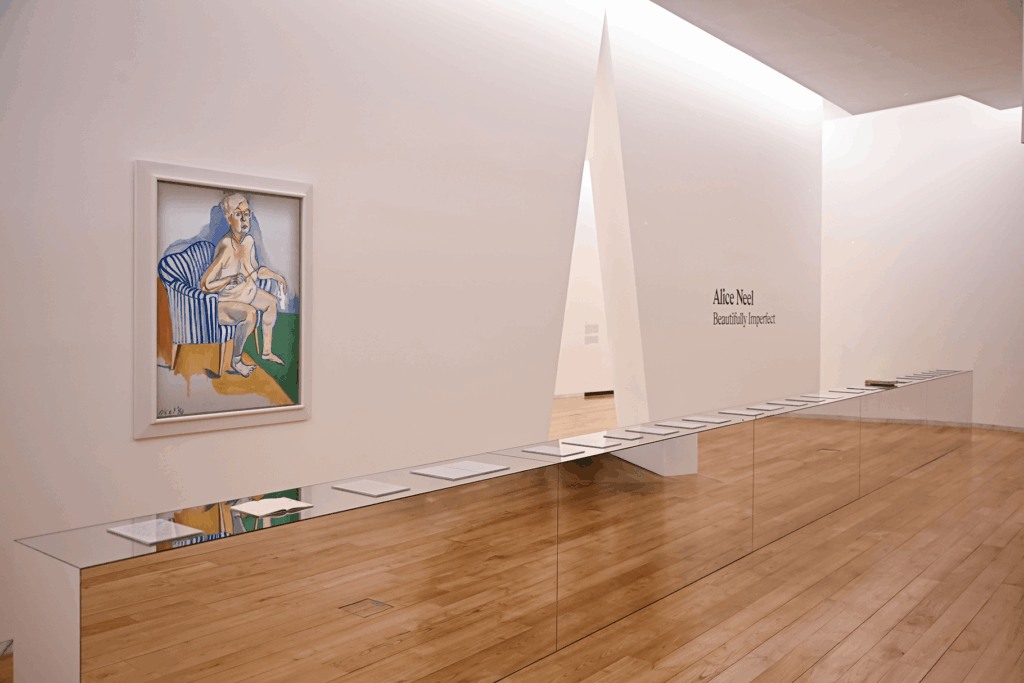
At Serralves Museum in Porto, that force comes into sharp focus with Alice Neel: Beautifully Imperfect, a major European survey presented in the museum’s Álvaro Siza Wing. The exhibition brings together around 90 works, marking the artist’s first major presentation in Portugal and placing her portraits back inside the emotional and political urgency that made them so enduring.
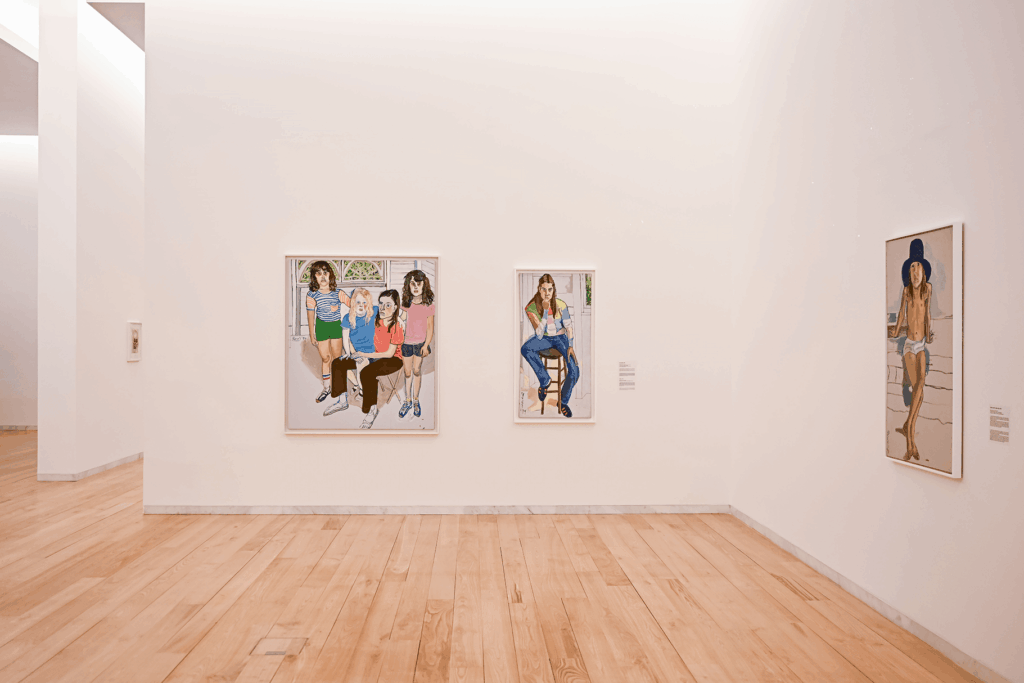
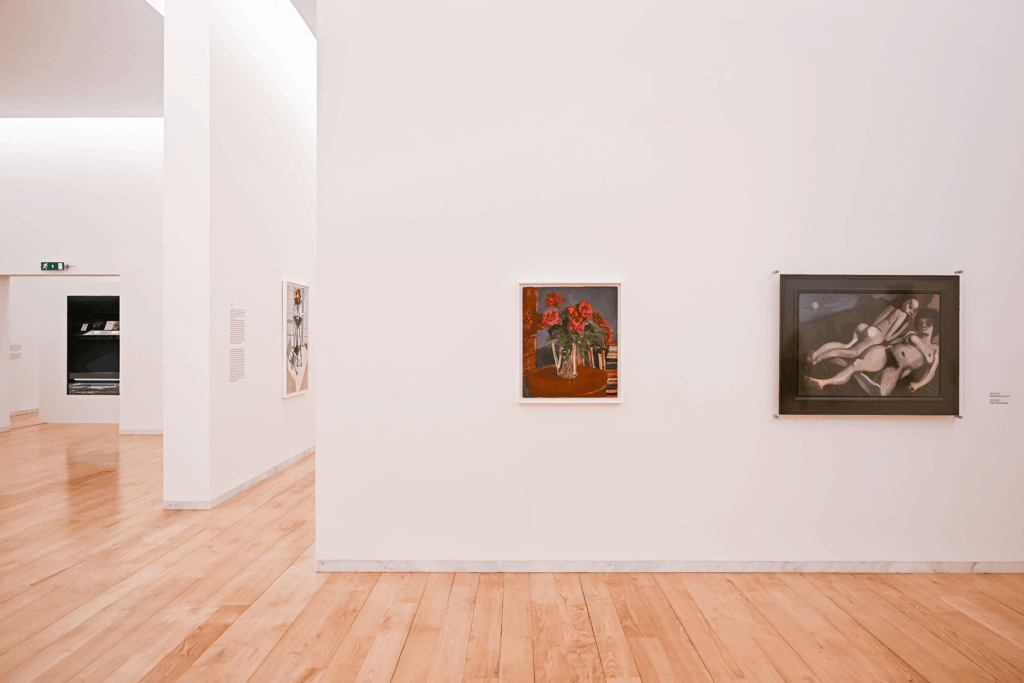
Photography courtesy of SERRALVES FOUNDATION
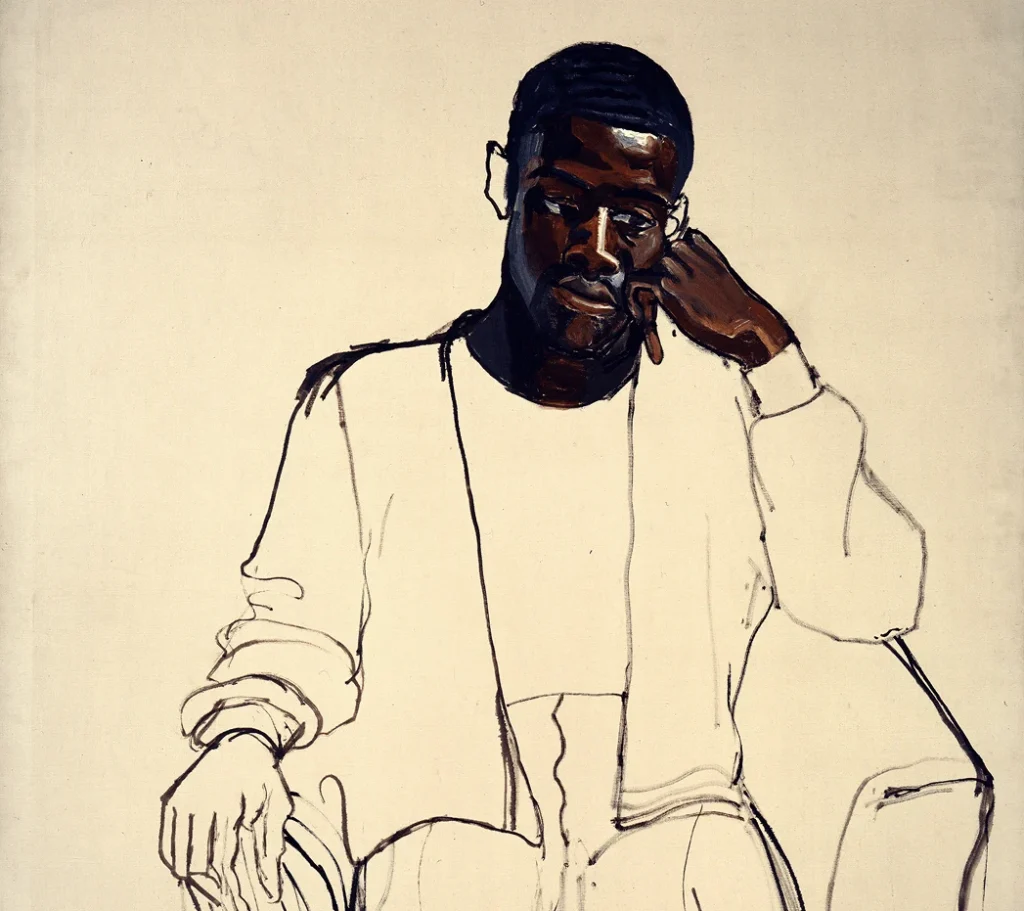
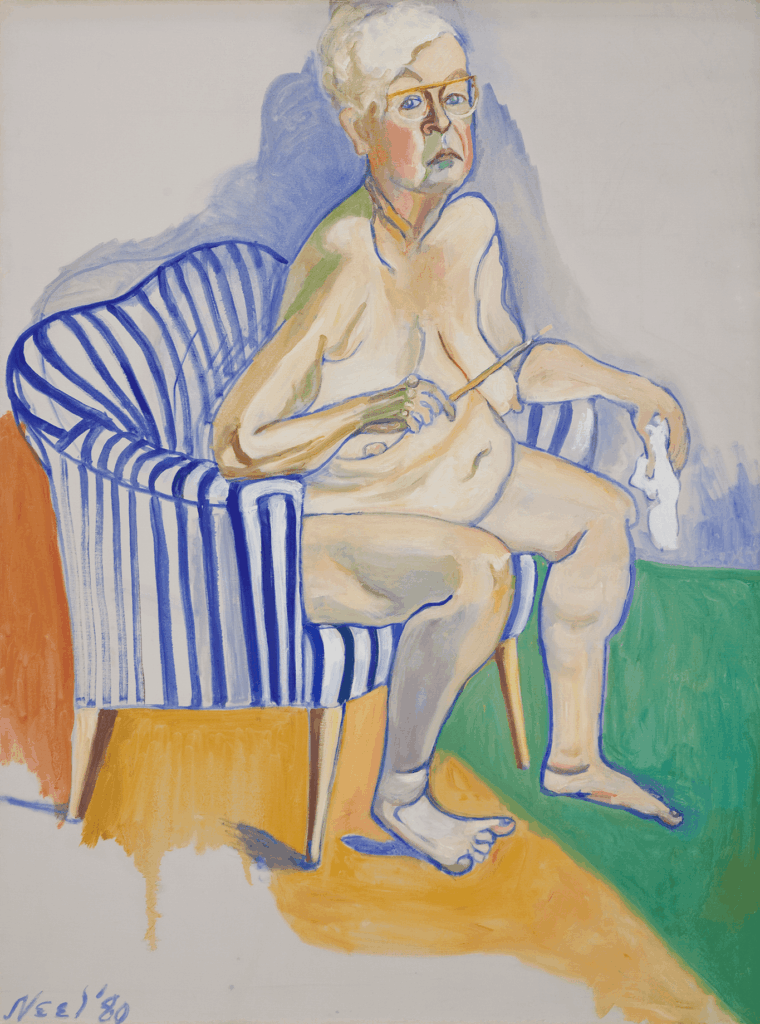
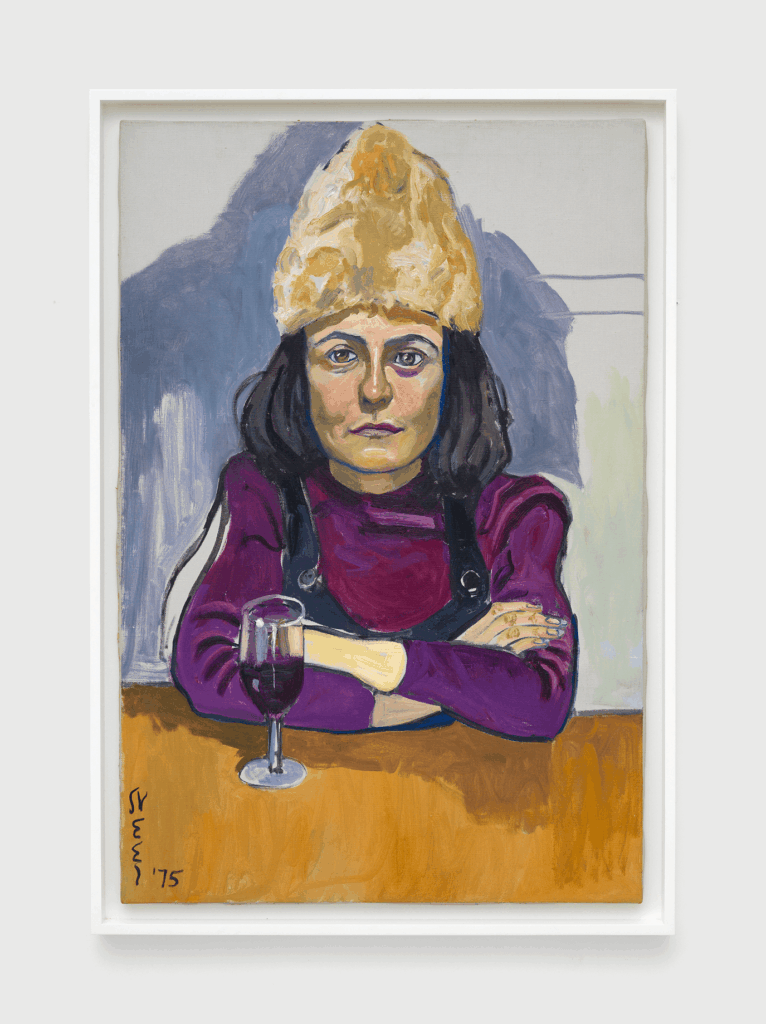
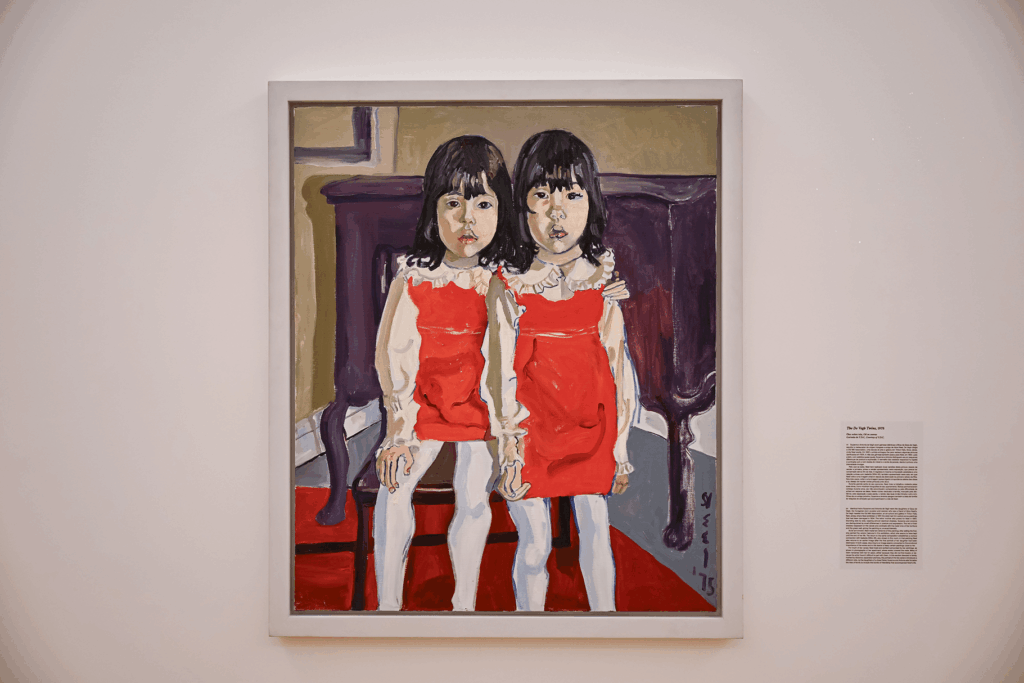
Neel’s paintings have always refused politeness. They are intimate, but not soft. Compassionate, but never flattering. Across her work, the sitter appears not as an idealised subject, but as a person caught in the full complication of their existence. The body slumps, stares, exposes itself, resists, waits. The brushwork is direct, sometimes raw, always alive.
Organised around thematic clusters, Beautifully Imperfect explores some of the central forces in Neel’s practice: intimacy, the female body, motherhood, ageing, and the overlooked faces of society. Her sitters include immigrants, LGBTQIA+ activists, working-class communities in Harlem, and anonymous figures from everyday urban life — people often pushed to the margins of official portraiture, but placed by Neel at the centre of attention.
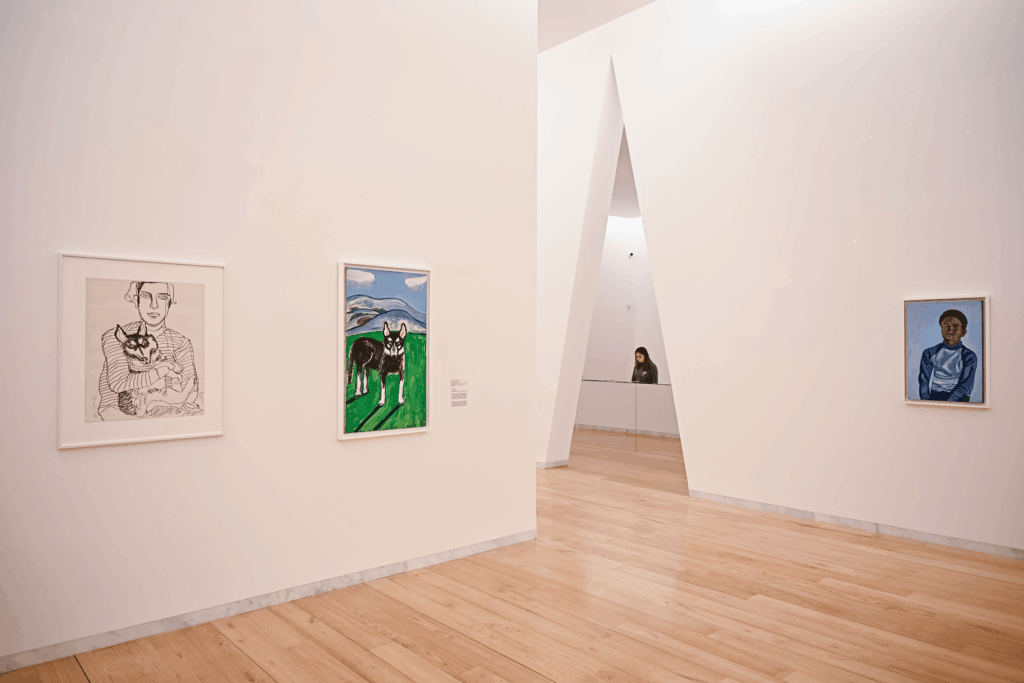
Courtesy of NATIONAL PORTRAIT GALLERY, SMITHSONIAN INSTITUTION Photography courtesy of SERRALVES FOUNDATION
That is what makes her work still feel so contemporary. Neel understood portraiture not as status, but as encounter. She was not painting power in its usual costume. She was painting vulnerability, sexuality, poverty, pregnancy, illness, fatigue, desire, defiance, and the awkward fact of being seen.
The title Beautifully Imperfect gets close to the heart of it. Neel’s beauty is not smooth. It lives in asymmetry, tension, exposed flesh, strange colour, unfinished edges, and psychological discomfort. Her paintings do not ask the viewer to admire from a safe distance. They pull the viewer into a room with another person and make looking feel like a responsibility.
The exhibition also includes contributions from Portuguese creators including Vhils, Carminho, and André Romão, extending Neel’s work into a broader conversation about influence, response, and how artists continue to encounter her portraits today.