
Share this
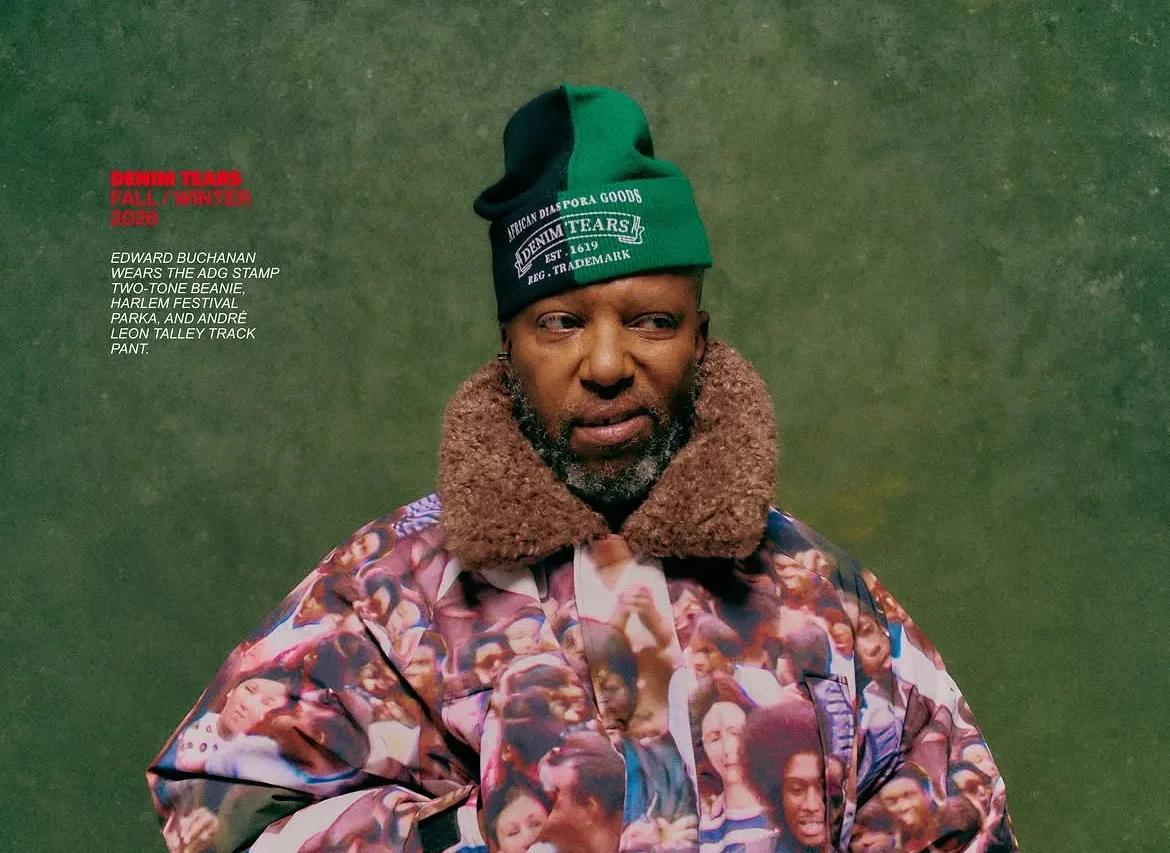
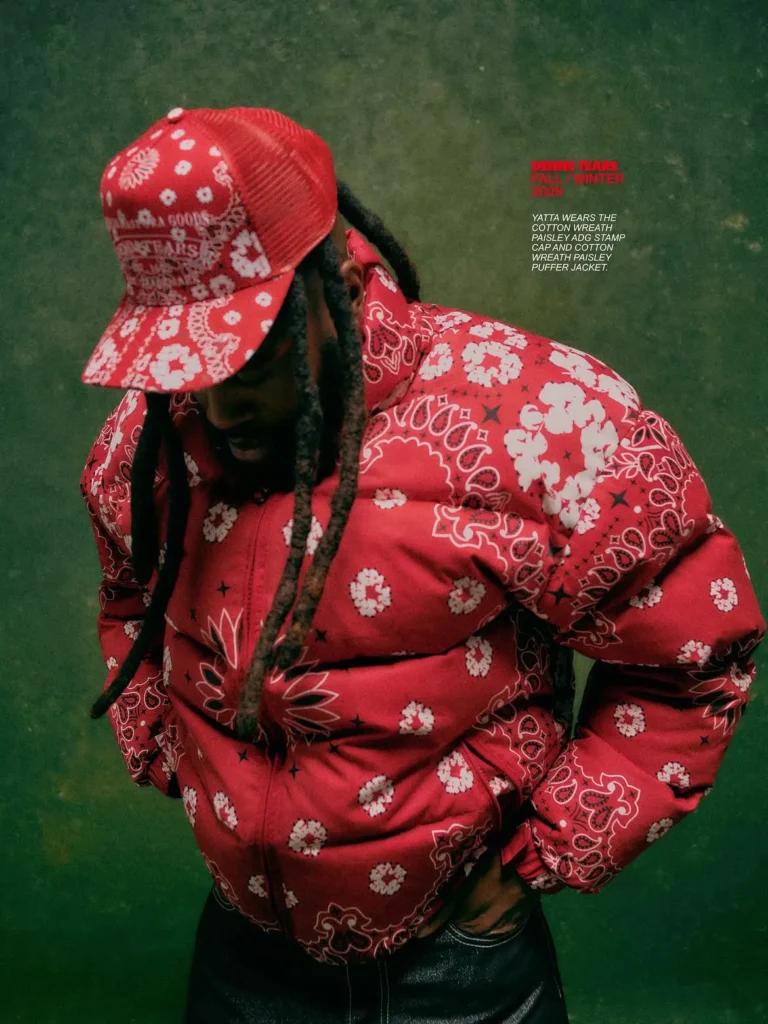
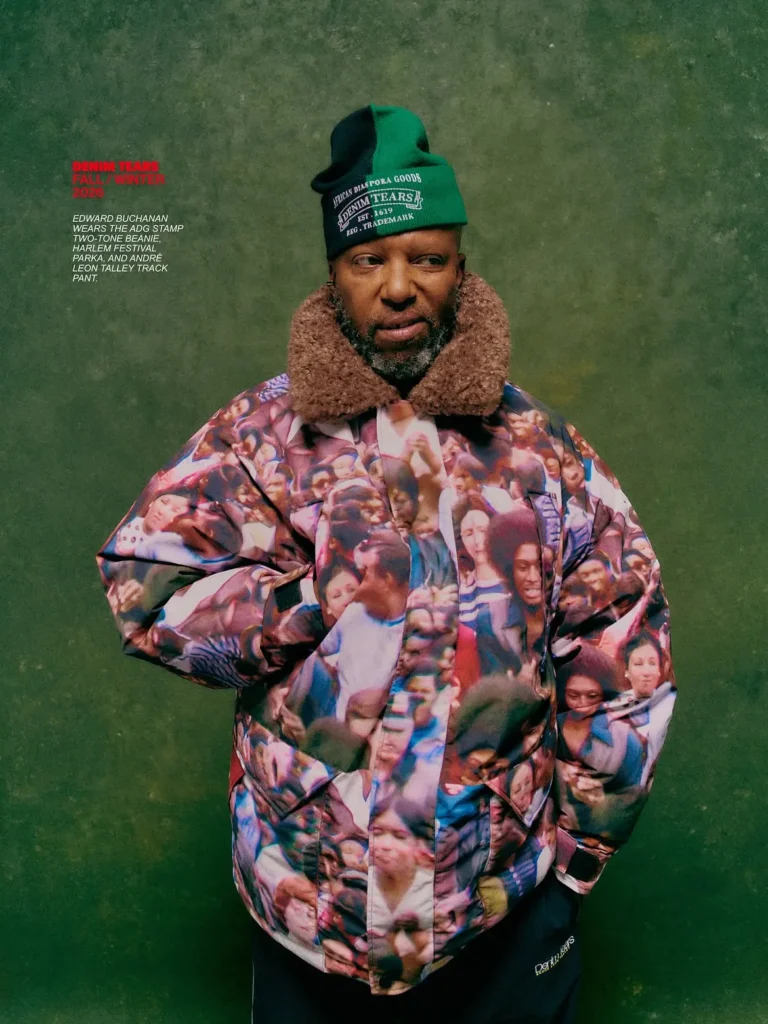
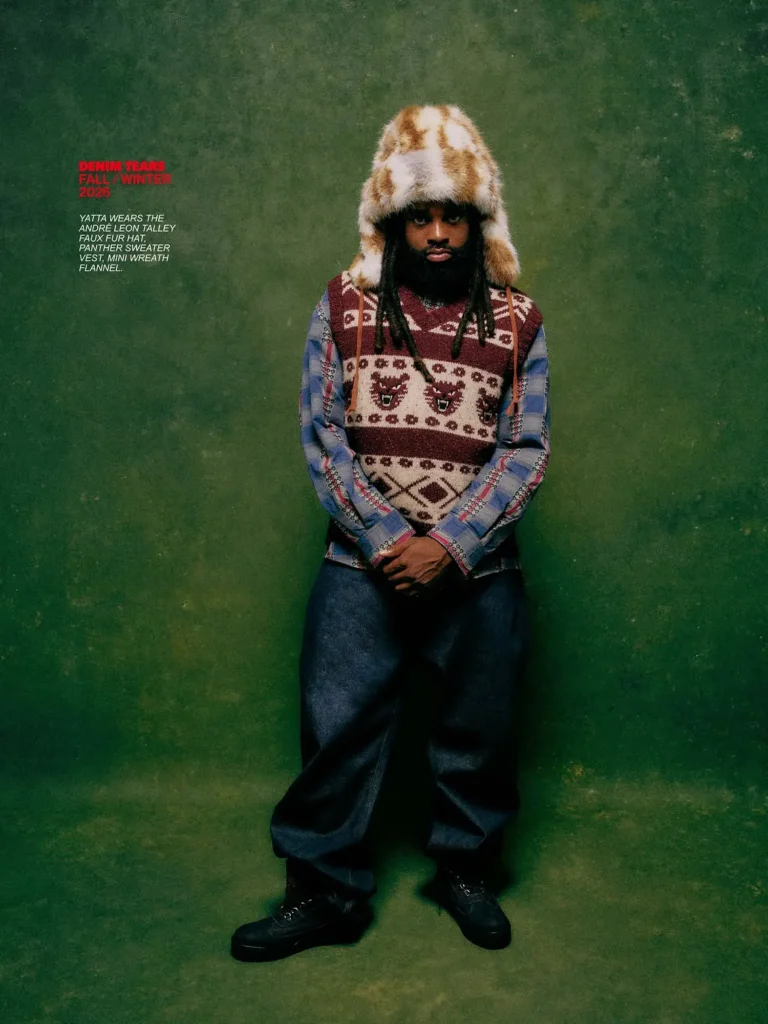
Denim Tears has always treated clothing as a vessel for history. A hoodie, a pair of jeans, a T-shirt — none of these objects are neutral in Tremaine Emory’s world. They carry images, wounds, inheritance, pride, and the unfinished story of the African Diaspora.
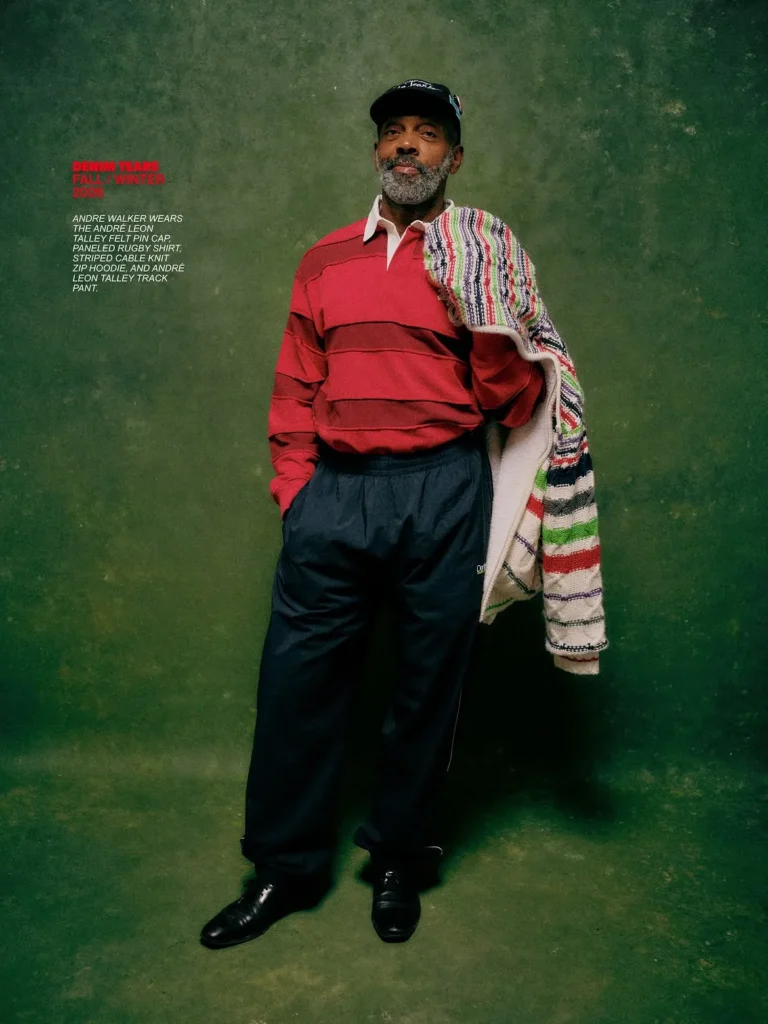
With Days of Grace, the brand returns to that language of memory through a limited-edition T-shirt connected to The Met’s Superfine: Tailoring Black Style universe. The piece features a licensed image shot by Andy Warhol, capturing André Leon Talley, André Walker, and Jean-Michel Basquiat together — three figures whose presence still radiates across fashion, art, style, and Black cultural imagination.
The image is more than celebrity archive. It is a collision of energies. Talley, the monumental fashion editor who turned knowledge, drama, and self-invention into a form of power. Walker, the cult designer whose influence has often moved ahead of mainstream recognition. Basquiat, the painter who made history, rage, language, and image vibrate on the same surface. Together, they form a strange and beautiful constellation: elegance, experimentation, genius, and survival inside one frame.
That is where Denim Tears feels at home. Founded in 2019 by Tremaine Emory, the brand describes each collection as a story relating to the African Diaspora, using fashion as a cultural language rather than a decorative surface. Its work has also entered The Met Costume Institute’s permanent collection, giving Emory’s vision a place inside the museum system it often questions, complicates, and rewrites.
The T-shirt itself is deliberately simple: a white short-sleeve tee, regular fit, made from 100% cotton in the USA. But that simplicity gives the image more force. Nothing distracts from the photograph. The garment becomes a moving archive, carried across the street instead of sealed inside a vitrine.
The release also speaks directly to the wider conversation around Black dandyism and self-fashioning that shaped Superfine: Tailoring Black Style. That exhibition positioned style not as surface, but as strategy: a way of claiming visibility, dignity, pleasure, and authorship in societies that have often tried to deny all four. In that context, Talley’s presence on the shirt feels especially charged. He understood fashion as theatre, armour, scholarship, fantasy, and social ascent all at once.
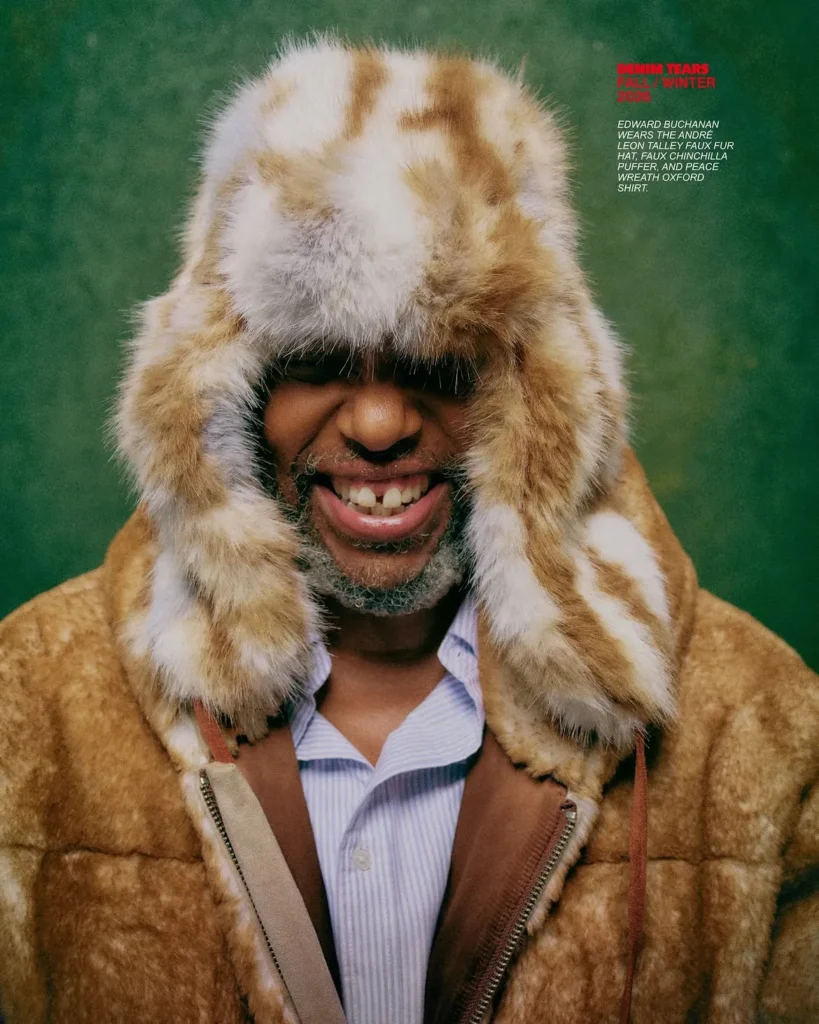
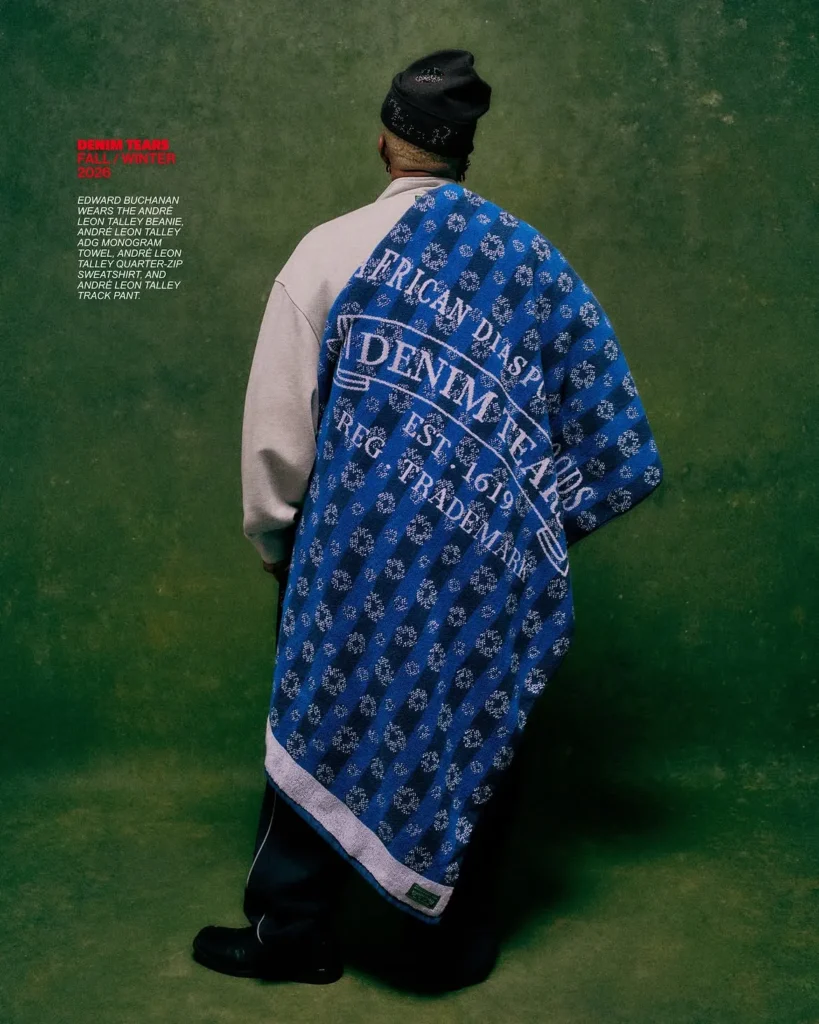
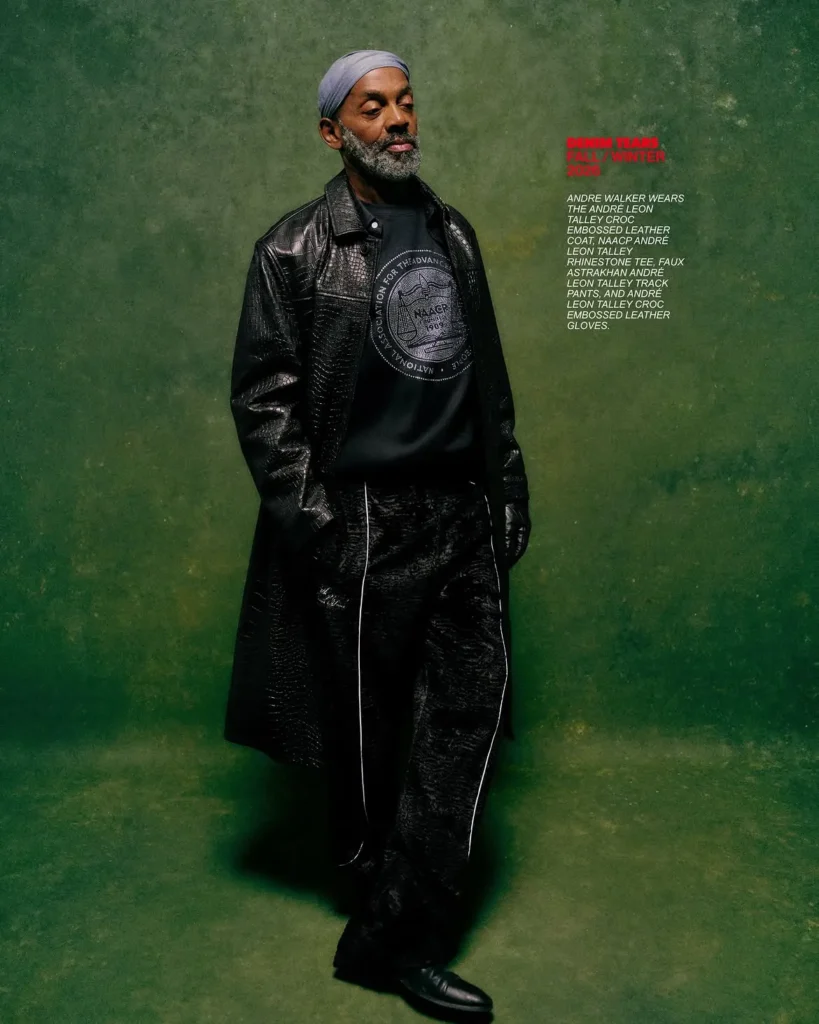
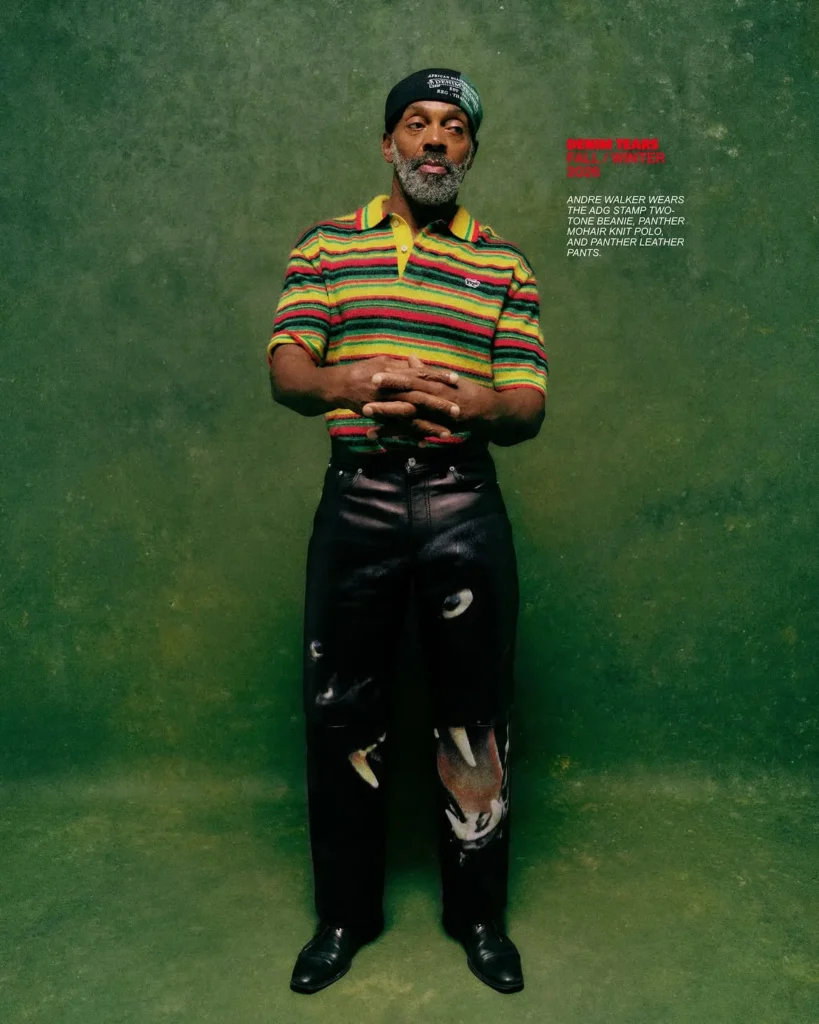

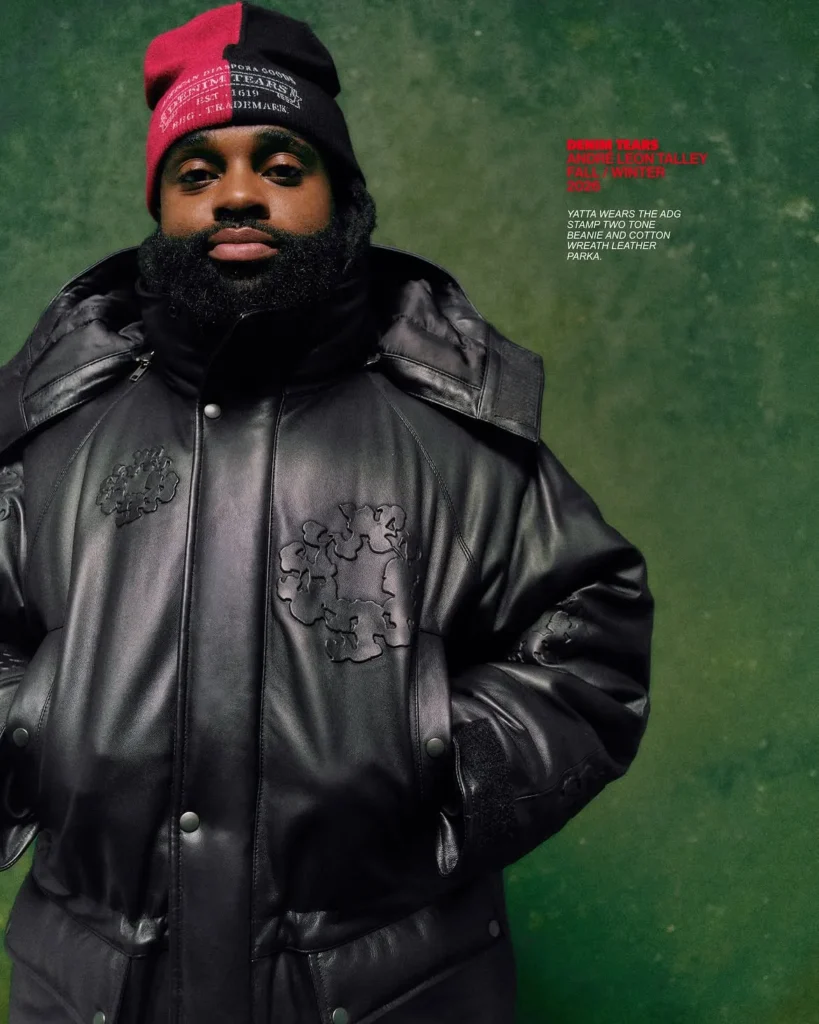


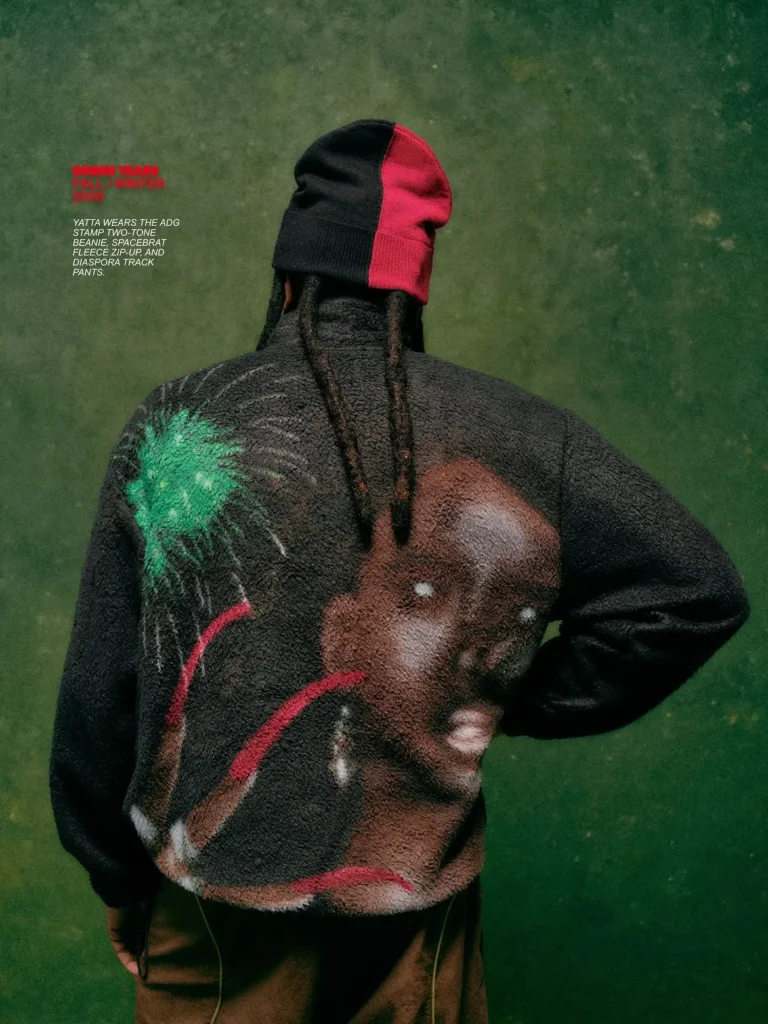

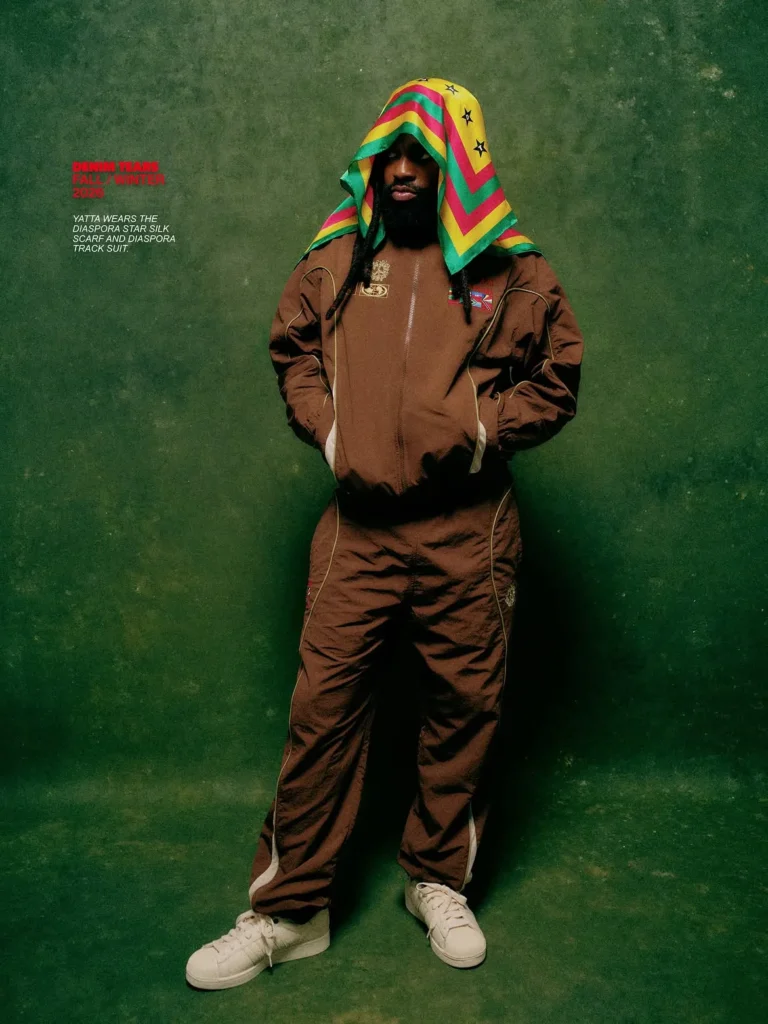
Photos: Denim Tears