
Share this
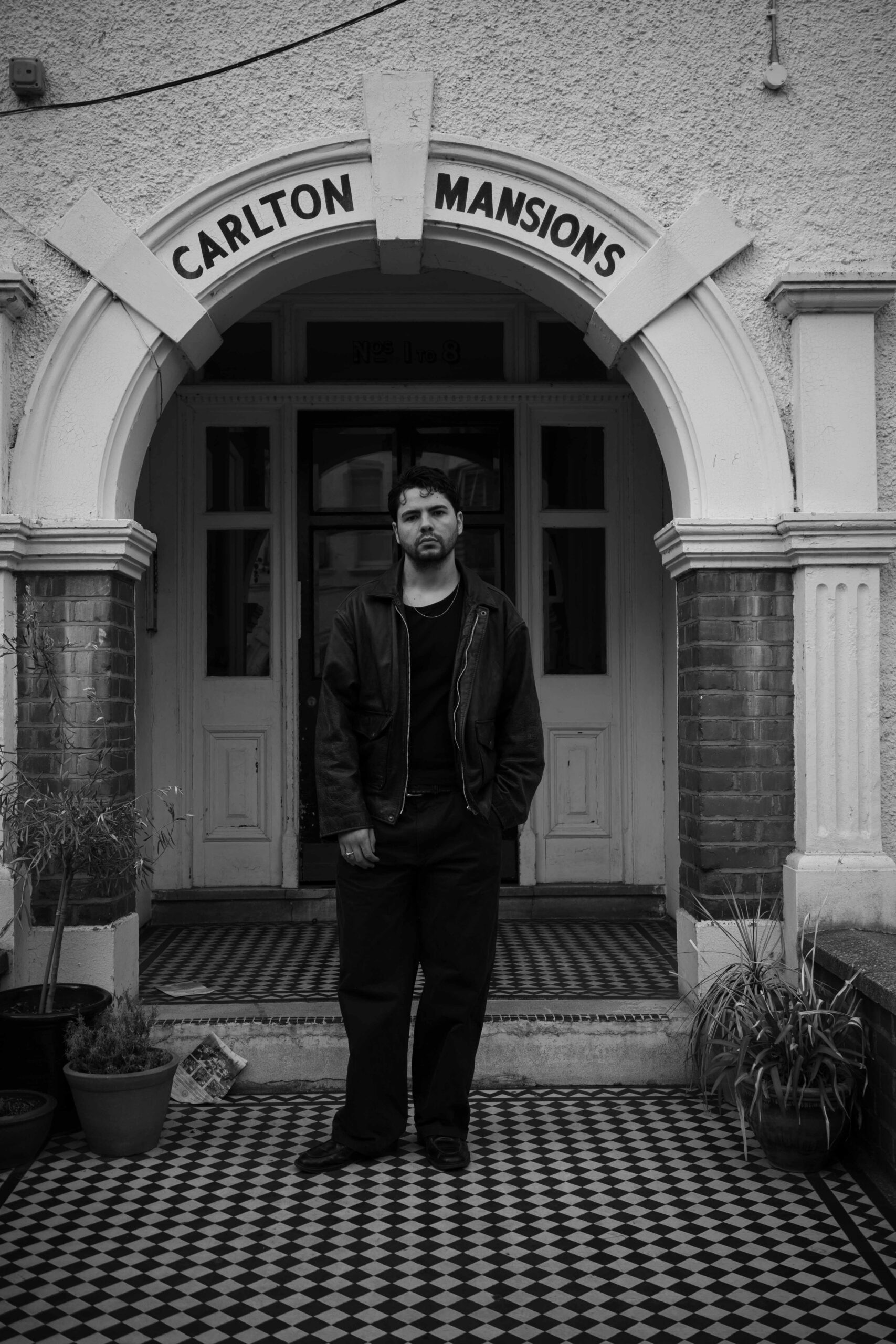
Brynley Odu Davies has become a vital archivist of his generation, documenting the people, places and moments that surround him through photography and writing. From Peckham and the Colony Room to his latest project Amelia, his work is rooted in observation, access and an instinct for capturing life as it happens. Now entering a new chapter with B R Y N E, Brynley talks about his photography, life in North London and what comes next.
Heyya Brynley, you’ve got a new show coming up with Amelia. How did you start photographing her?
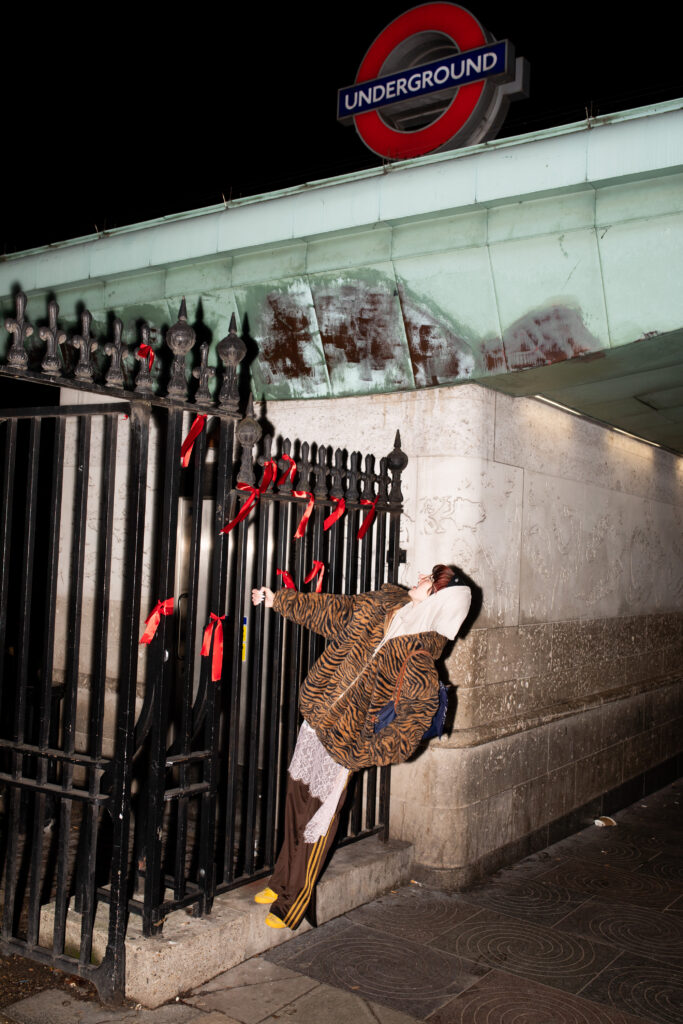
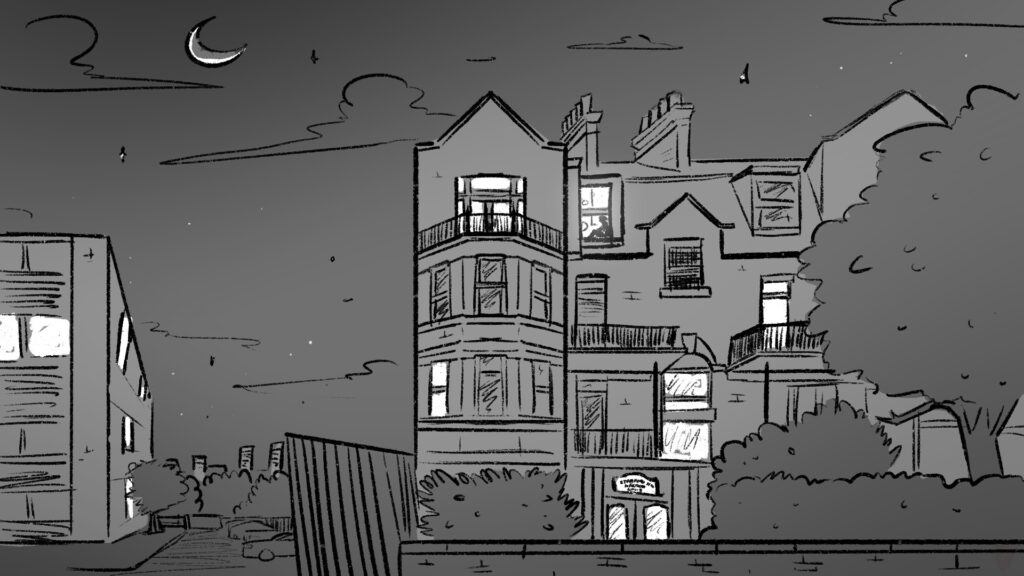
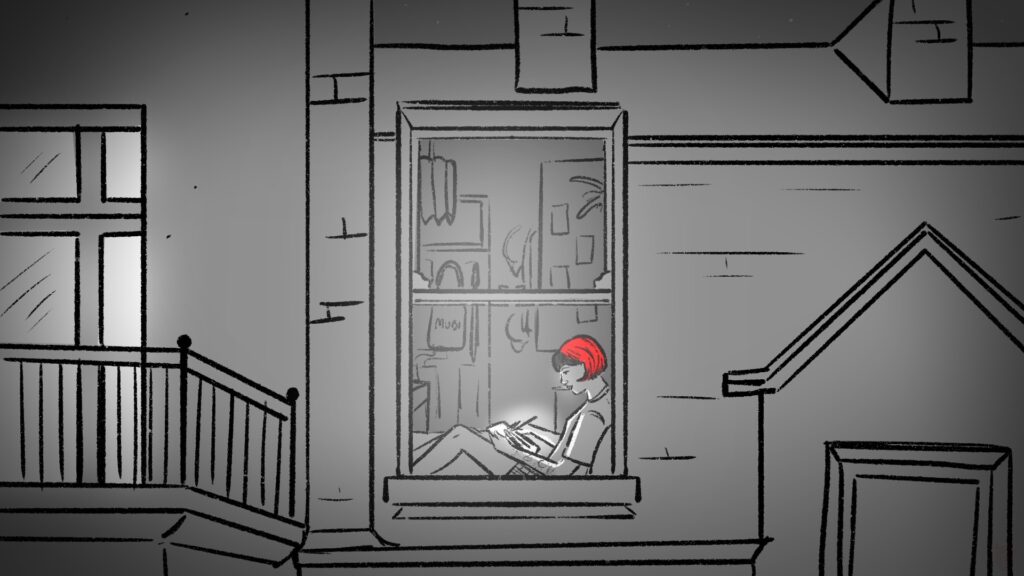
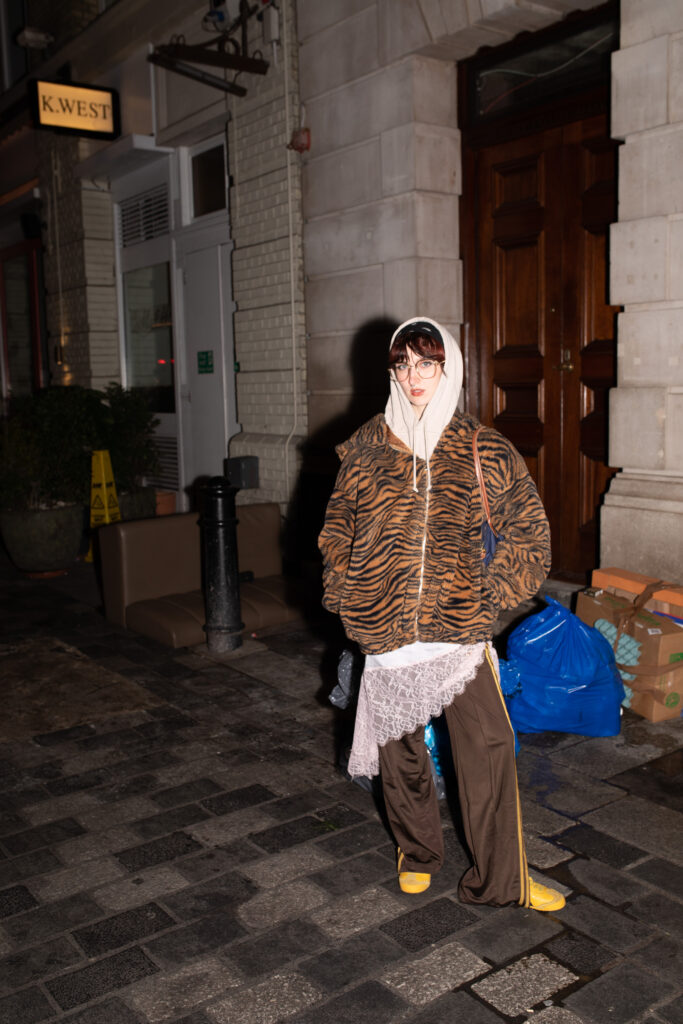
Brynley: Hey Rubén! Yes, I do indeed. Amelia is a storyboard artist, and I first started photographing her not long after she moved into my flat. She was wearing cool clothes, and the light in my apartment is incredible. It’s a funny thing, really. Not everyone likes to be photographed, and you can kind of sense that as a photographer, the people who do and the people who don’t. But when you meet someone who genuinely doesn’t mind it and actually quite likes it, it’s a special thing. In fact, it’s an amazing thing. I’m honoured to have someone to photograph, and Amelia never said no.
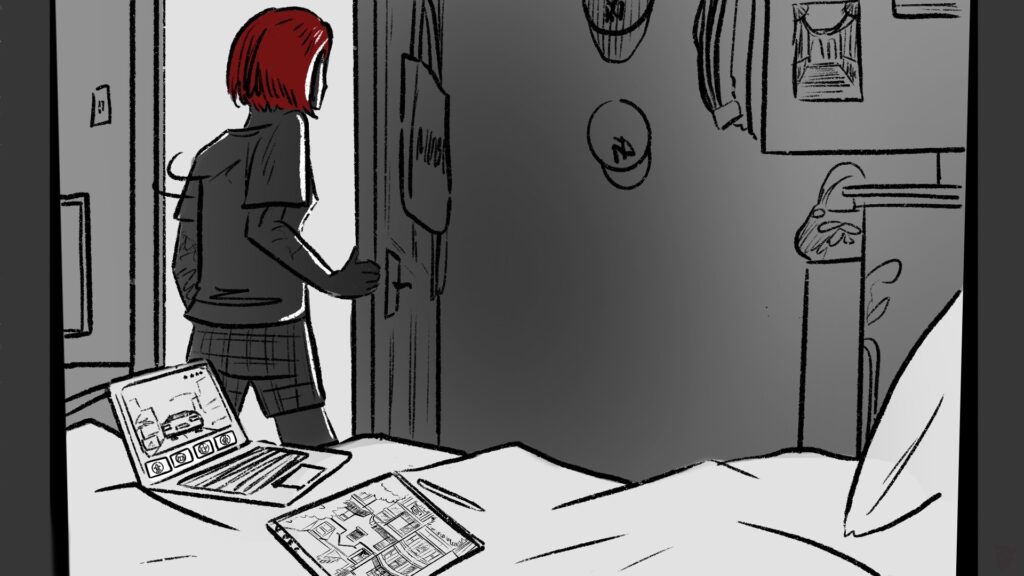
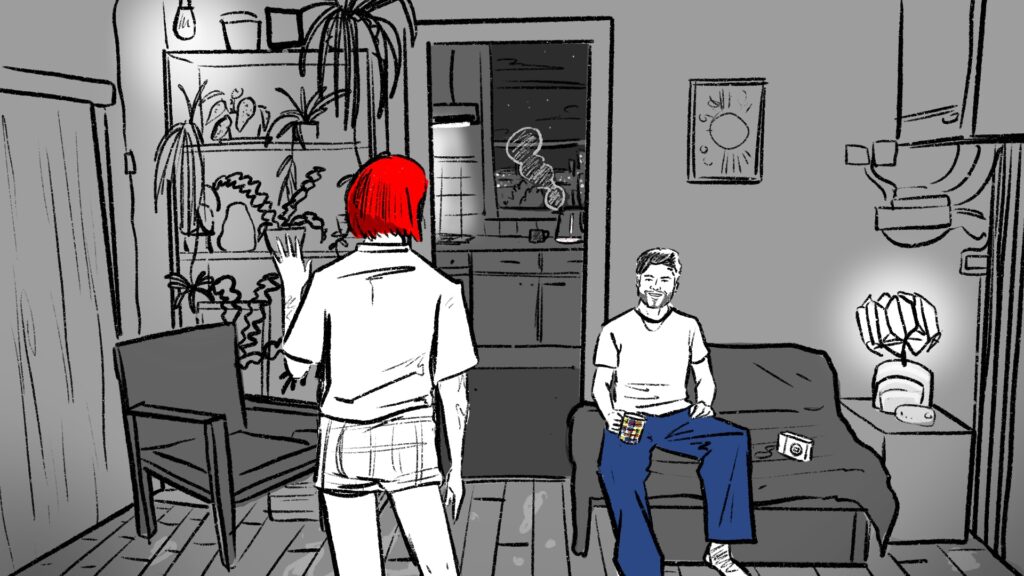
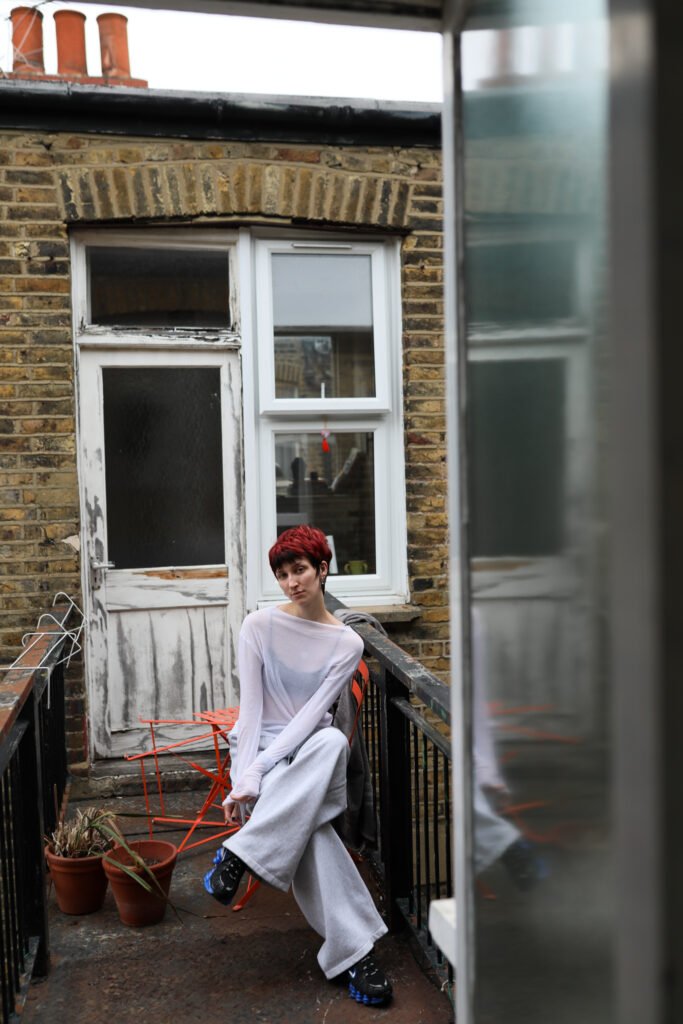
So I used to keep my camera in the living room, and sometimes when she would walk in, I’d rush to grab it and take pictures. As we live on the top floor, there’s always this incredible light coming into the building. It was funny, really. She would wear different clothes to go out to work, or to the cinema, or to see friends, and I’d often capture her just before it happened, just before she left.
What was it like photographing someone you lived with?
Brynley: Photographing somebody that I lived with was really nice, having the ability to just grab my camera. My dream in life, I think, to be honest, is to have someone that I could photograph every single day, maybe a wife or a partner. That would be great. I could wake up and roll over and take their photograph in the morning sunlight coming in. That’s something I’d love. I would love that, but that’s not the life I’ve really lived yet.
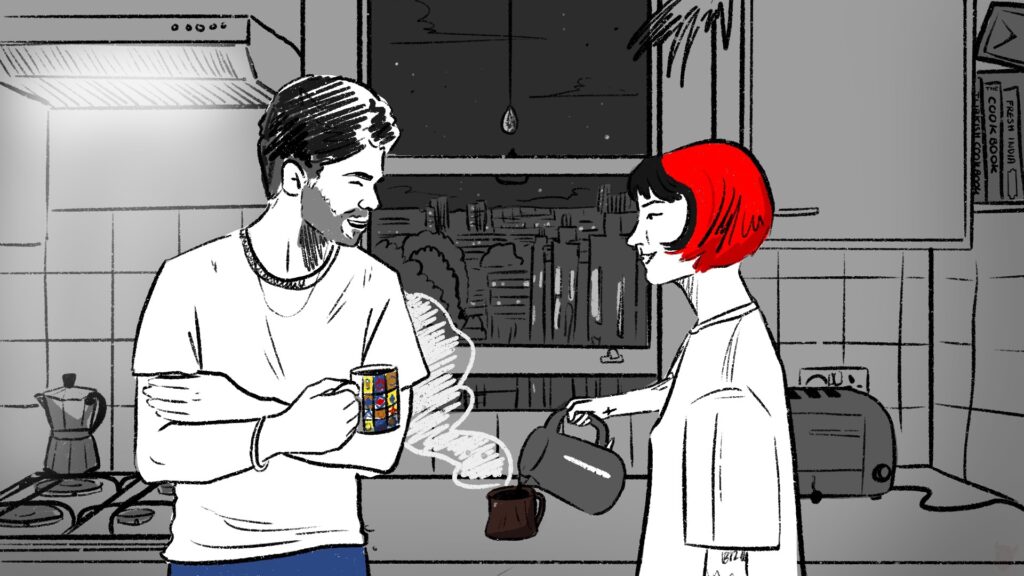
But I guess this maybe is the closest I’ve experienced to that kind of everyday access to somebody, to have somebody just around the corner who walks into the kitchen when the light is right and doesn’t mind me grabbing my camera to shoot. It’s funny too, as I used many different cameras to photograph this project. I would just grab whatever was closest to me: a 5D Mark II, a 5D Mark IV, and my new Ricoh, all shot over the last year.
It’s funny also because usually in life I like to organise things and I say, “Okay, let’s meet at this point in time and let’s do this.” But living with Amelia was different. I’d have to capture her before she went out, capture her before she went to the cinema, capture her just before she left.
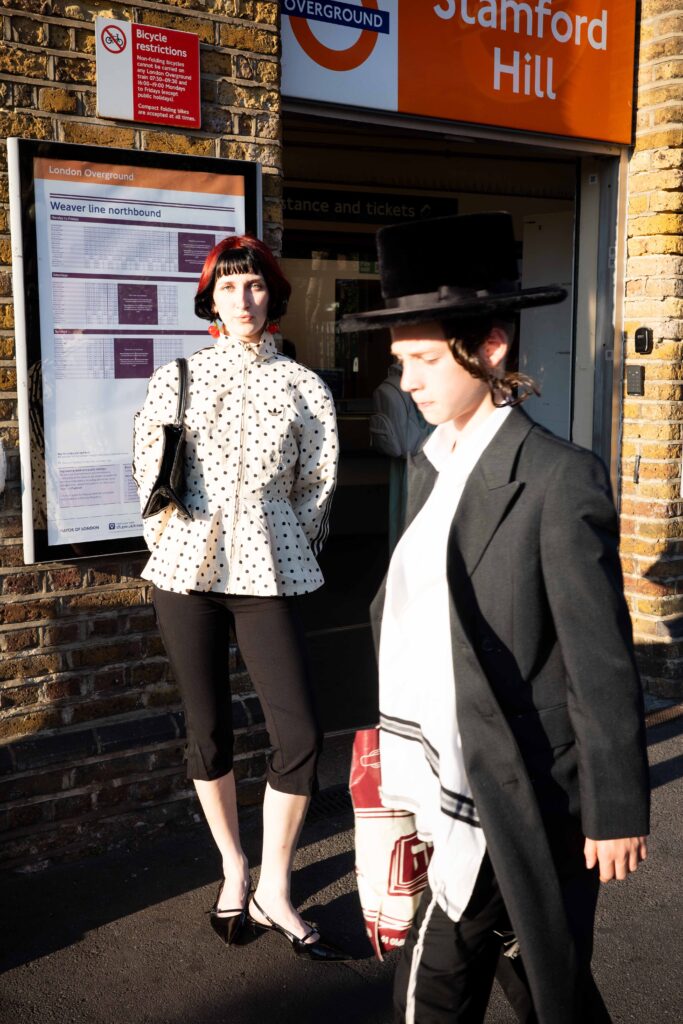
I tried to organise it sometimes, but our schedules just didn’t align. So most of the images that I made were just in a hurry before she went out somewhere. Sometimes I would then leave the house and walk with her too as she went off for the day. I’d go with her around our block and shoot her for 20 minutes, and then let her go on with her day.
What do you like about photographing people?
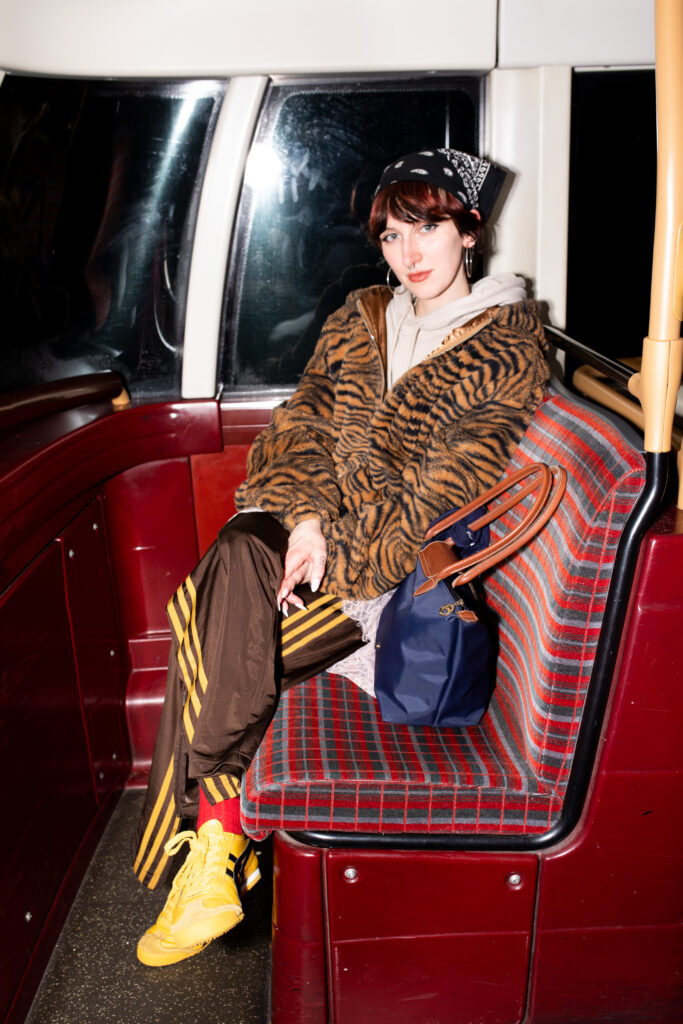
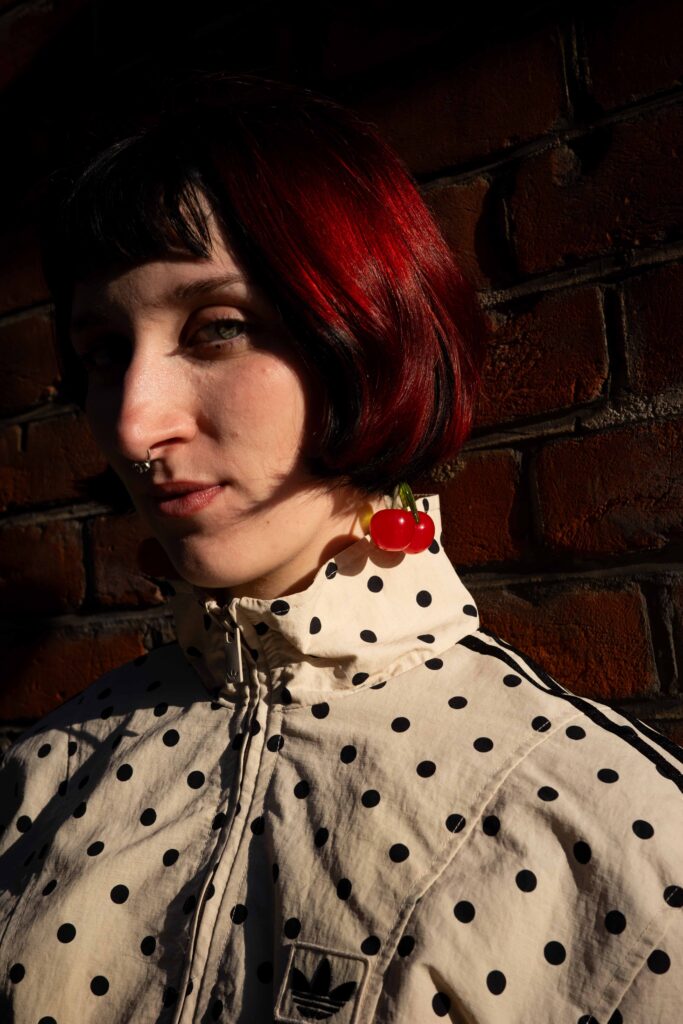
Brynley: Photographing people is a special thing. With Amelia, for instance, she moved into the house at 27. So I photographed her for most of her 27th and 28th year for this project. Having someone in your life who can photograph you at a high level, I think, is kind of a blessing. I personally love to photograph people. It’s a way for me to connect with people, a way to view people, a way to see people. I think I often see people’s beauty as well, and I want to showcase it. Sometimes in life I look at people’s faces and I see so much character and beauty, and I wish I could just take their picture. So to have Amelia available for me to photograph felt so natural.
It’s funny, really. Being a photographer, I get to study faces and look at people in depth. The dream for me, I guess, would be to photograph people all the time. Anyone in the world, I could walk up to and say, “Wow, right there in that sunlight you look so good. I wish I could just photograph you.” I guess the dream would be to be able to do so, and that is something I am actually working towards right now in life, to do it full-time.
You’ve been living in Stamford Hill for the last two years. Why did you move there?
Brynley: It’s true. I moved to Stamford Hill because I had left South London. I lived in Peckham for nine years, and I was kind of between houses, looking for a new chapter in my life. And I guess I was, what’s it called, the word, you know when you dream of it? I dreamt of it. I was back home in Bath, and I was dreaming of where I could move in London. I viewed a few houses, some in Brixton, some in other parts of East London, and all I really wanted was somewhere cheap, weirdly cheap, that I could live and just work from and build the next phase in my career. I dated a girl who lived in Stoke Newington before. She lived in some warehouses, and I knew that the area had different buildings. I put it out into the ether, and somebody replied saying, “Oh, there’s a space going in my flat.”
So I moved in quickly, and it felt right. It felt good. I first moved in, and the room that I was in was bare. It had cigarette-stained walls, no furniture, nothing. It was empty. And it was strange, really, because I felt like I had to rebuild my life. I moved in. All I had for a long time was a bed and a desk, and I had to sit down at that desk every day and strategise my life and figure out my new projects and who I was as a person, and work and work and work.
Over time, I started rebuilding the room too. I painted the walls, bought new things, built shelves, put new books in and put new art and mirrors on the walls. Slowly, it started to feel like my own space, and I think that reflected what was happening in my life as well. And over the period of the last two years, people have moved into the house and left the house, moved into the house, left the house.
I’ve had six different women that I’ve lived with over the last two years. I’ve had Australians. I’ve had Americans. I’ve had people from all over the UK. It’s funny, really, because you walk into the kitchen and they’re there, and you talk to them, and you get to know them more and more, and you build up a friendship.
You talk about shared history, life. I’ve heard so many tales of heartbreak, and then they leave. It’s funny, really, because I hadn’t experienced that before, the leaving of somebody. You build that connection, and then they do leave, and they continue with their life, and you continue with yours. You share in that moment for however long it may be, and you kind of have therapy almost, because you share your history and your life.
The more time that I’ve lived here and the more people that have come and gone, the more I’ve realised how much I value those moments. I think it has taught me to value the present more, as it won’t always last forever. I know that when they leave, kind of, that’s it. I may never see them again, but I always wish them well, and I’m always happy that we shared whatever time we had together, getting to know each other and building that friendship.
What have you been doing over the last year?
Brynley: It’s true. I just finished Peckham and Colony Room. For a long time I was in that war room, that cave I sat in. I worked and I worked. I photographed Peckham three times a week for six months from a bare bedroom with nothing but a bed and a desk. I’d wake up and leave and get the train over to Peckham and shoot all day, come back into my empty bedroom, and then in the evening I’d head out to the Colony Room and shoot all evening, often drinking and then stumbling through Soho on the way home, getting back to an empty room. And slowly, over time, I built my life. I shot the Colony Room for a year. I worked and I worked on my archives, and then I began to build my life.
I started to buy new things, figure out what I wanted to do next, figure out what business I wanted to do, and over time I built shelves and I put new books in and I put new art on the wall and new mirrors. And by the time each housemate came, of the six, they saw a different version of me, a slightly more put-together person each time.
This project with Amelia came about during this period. I photographed it between all of them, really. Between making Peckham and Colony Room and writing features for Overstandard, I just had a camera lying around in the house. Whenever the light was right, I’d run and grab it and photograph Amelia in the kitchen before she went off into the world.
The first time I photographed her, actually, she came to the Colony Room Green where I was doing a residency, and she was wearing this great David Bowie top. Famously, outside where the Colony Room Green was, David Bowie shot his famous album cover, Ziggy Stardust. So everyone’s always happy to see anything David Bowie-related in that area of London. I photographed her downstairs in the Colony Room Green against two mirrors reflecting her, and it was great. She enjoyed it, and I realised then that she liked to be photographed. Liked to be photographed? Oh my God, that’s every photographer’s dream.

What do you want to do with B R Y N E?
Brynley: B R Y N E is my own company that I’ve put together. It’s come from the dark days of my bedroom, as I’ve slowly been rebuilding my life and analysing what I’ve done so far. I think my days of being a freelance photographer, carrying a big, heavy SLR camera, are coming to an end. I’ve photographed hundreds and hundreds of people, and I’ve been a diligent freelance person all the way up to end of my thirtieth year.
I turned thirty-one recently, and I think those days are behind me. I think having something in my own name, B R Y N E, and running it for myself is a powerful thing. And if I can put all of my energy into my own domain, then I will. It’s something that I’m working towards building now in my life.
What’s coming up for you?
Brynley: What’s coming up for me now in life is more residencies that I’m doing with Daisy Green, and I’m going to be running my own business, B R Y N E. I’m going to be studying at the National Portrait Gallery, and I’m going to start expanding outside of London. I want to start seeing the world and meeting different people. I think my days of being in London are coming to an end, perhaps, or being full-time in London. I just have this urge to see more. The world is such a big place and I’m not getting any younger.