
Share this
A paper plane is one of the first things a child learns to make from almost nothing. A page becomes a body. A fold becomes direction. For a second, fragility learns how to fly.
That small gesture sits at the centre of Camille Henrot’s Paper Planes, opening at Copenhagen Contemporary this summer. Running from June 5 to December 31, 2026, the exhibition is Henrot’s most extensive presentation in Scandinavia to date, bringing together film, sculpture, drawing, painting, and installation in a show that thinks through care, exhaustion, imagination, and the unstable emotional weather of contemporary life.
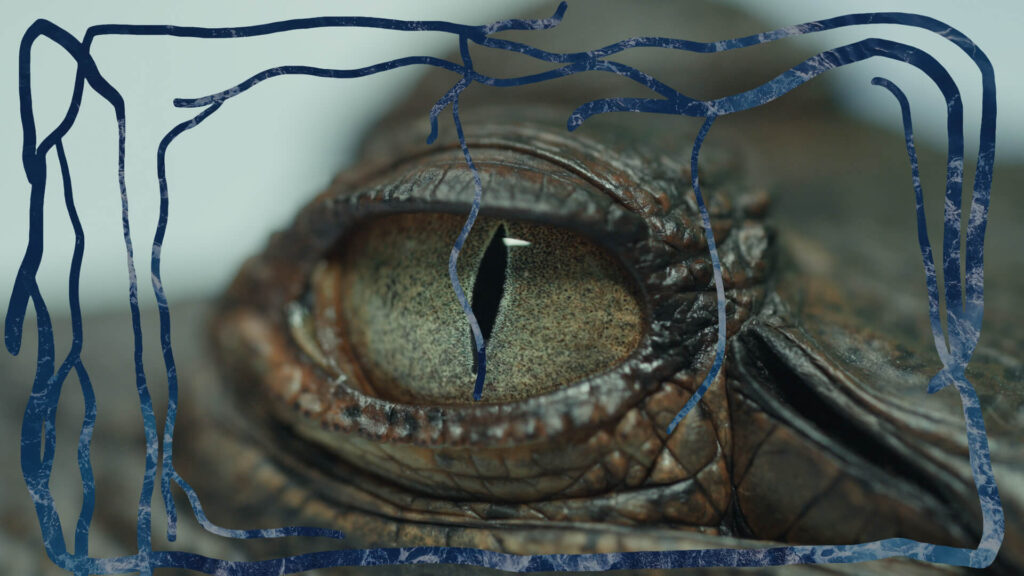
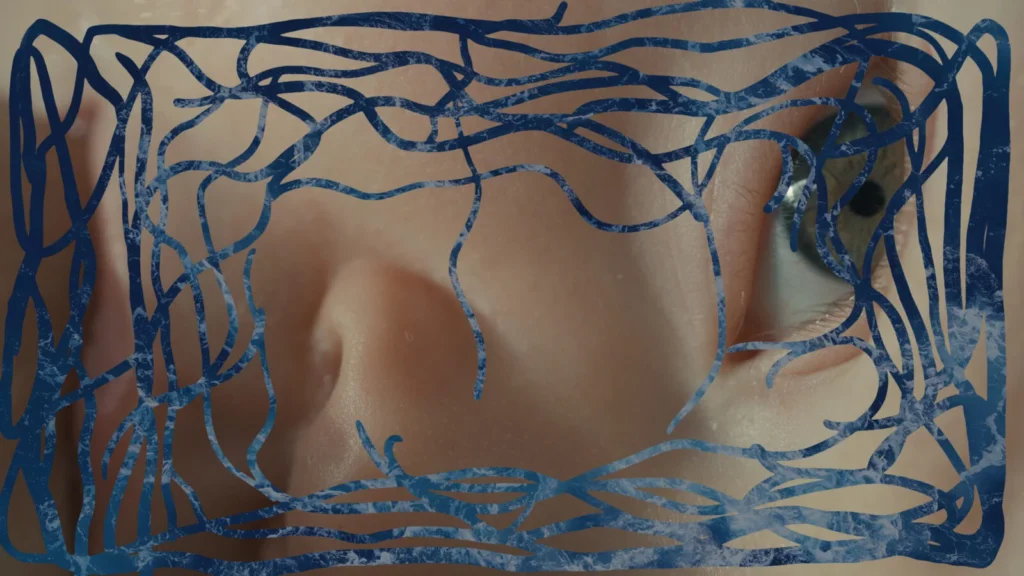
At the heart of the exhibition is In the Veins, Henrot’s new film, receiving its Scandinavian premiere in Copenhagen. Shot across Guatemala, Costa Rica, and Arizona, the work moves between wildlife rehabilitation and the intimate rhythms of raising children, collapsing the distance between ecological crisis and domestic life. Here, climate anxiety is not an abstract headline. It enters the house, the family, the body, the daily routine.
Henrot has long been interested in the systems that organise human behaviour: language, bureaucracy, education, etiquette, desire, care. In Paper Planes, those systems appear less like fixed structures than fragile arrangements we keep remaking in order to survive. The exhibition’s title becomes a way of thinking about non-linear imagination: the ability to drift, fold, escape, return, and find temporary flight inside a world that keeps asking us to be productive, coherent, and calm.
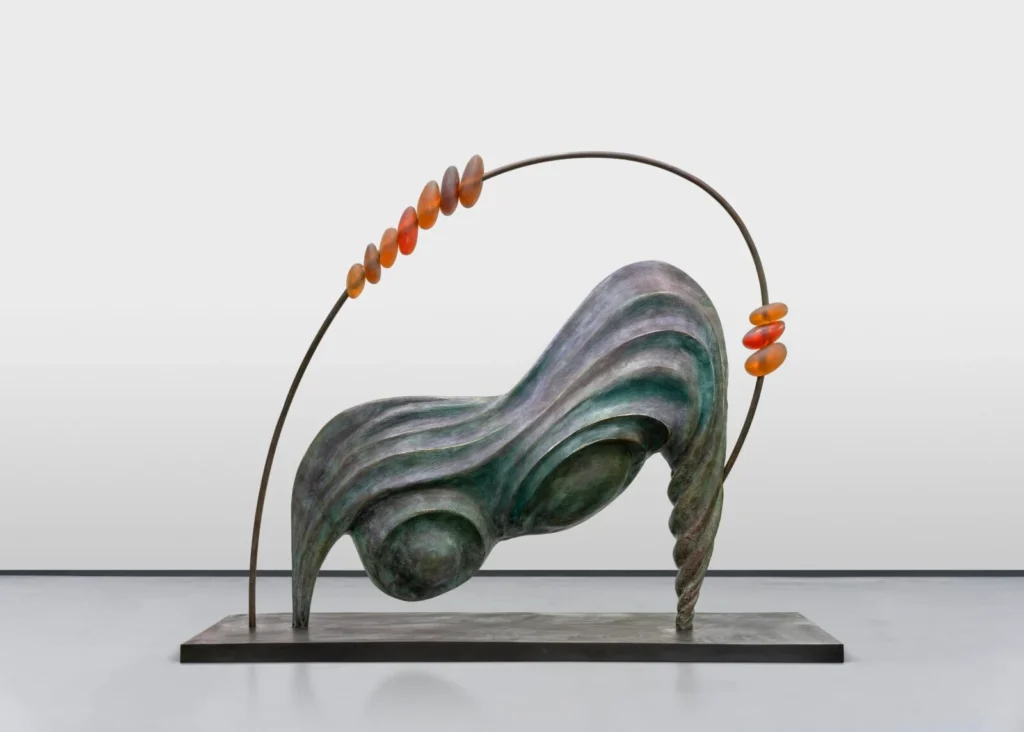
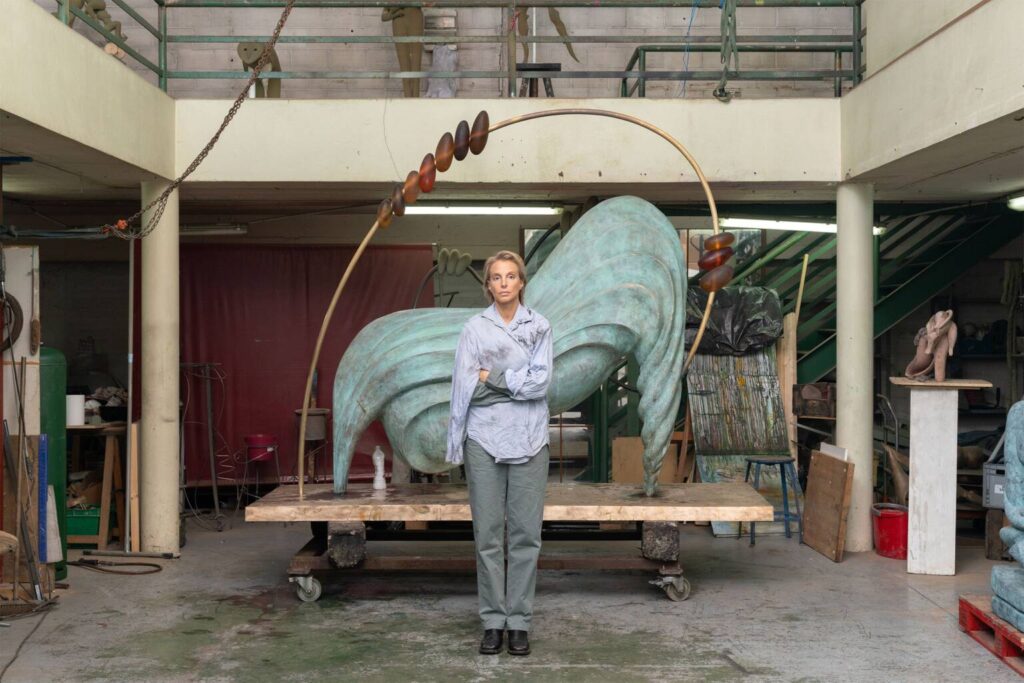
Across the show, that tension moves through works including bronze pieces from the Abacus series, the participatory installation Interphones, and Office of Unreplied Emails, where automated language begins to slip into emotional overload. Paintings, animal-filled drawings, and a revolving zoetrope extend Henrot’s interest in repetition, domestication, consumption, and the strange rituals that make ordinary life feel both familiar and absurd.
What makes Henrot’s work feel so contemporary is that it refuses the fantasy of clean separation. The personal is ecological. The domestic is political. The child’s toy is also a model of escape. The animal is both companion and vanishing figure. In In the Veins, care becomes less a soft idea than a form of pressure: something active, tiring, necessary, and almost unbearably alive.