Share this
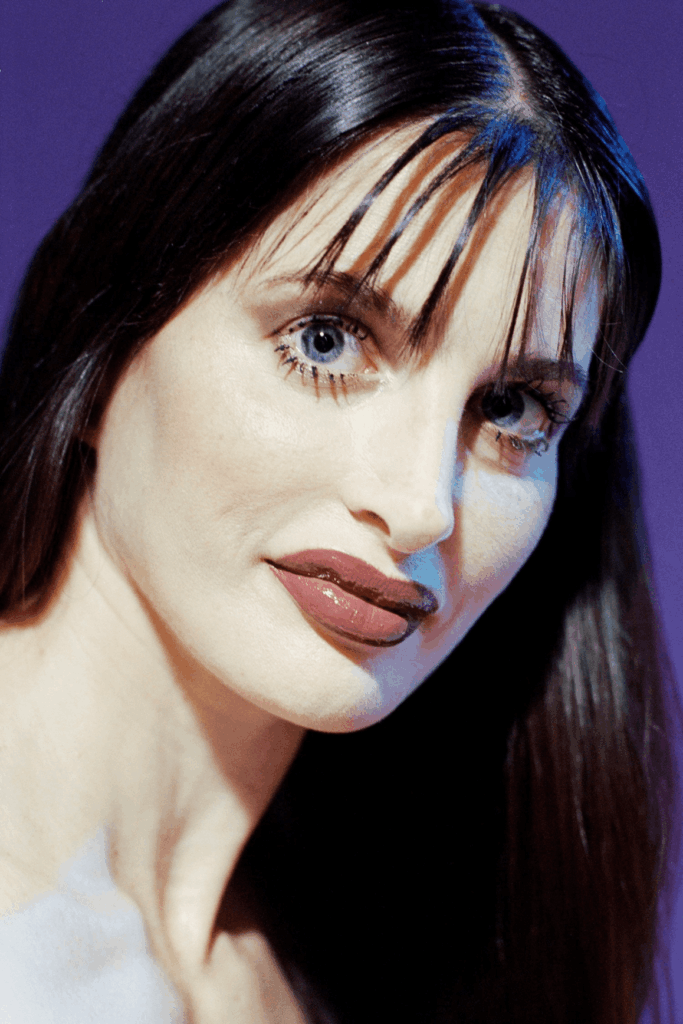
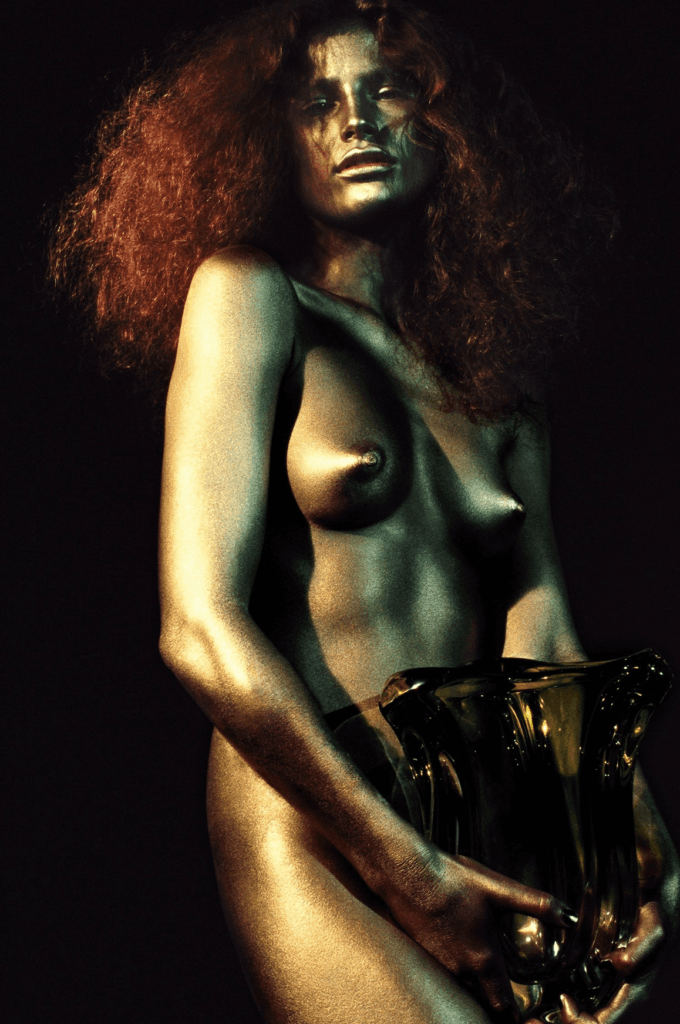
Fashion photography usually wants the body to perform beautifully. Camille Vivier asks it to do something stranger: become sculpture, ghost, riddle, object, animal, mask, and memory all at once.
At the Maison Européenne de la Photographie in Paris, Vivier is the subject of her first major retrospective, on view from June 10 to September 13, 2026. Bringing together nearly 100 works across more than two decades, the exhibition traces a practice that has always lived between fashion, fine art, fiction, and the uncanny theatre of the female body.
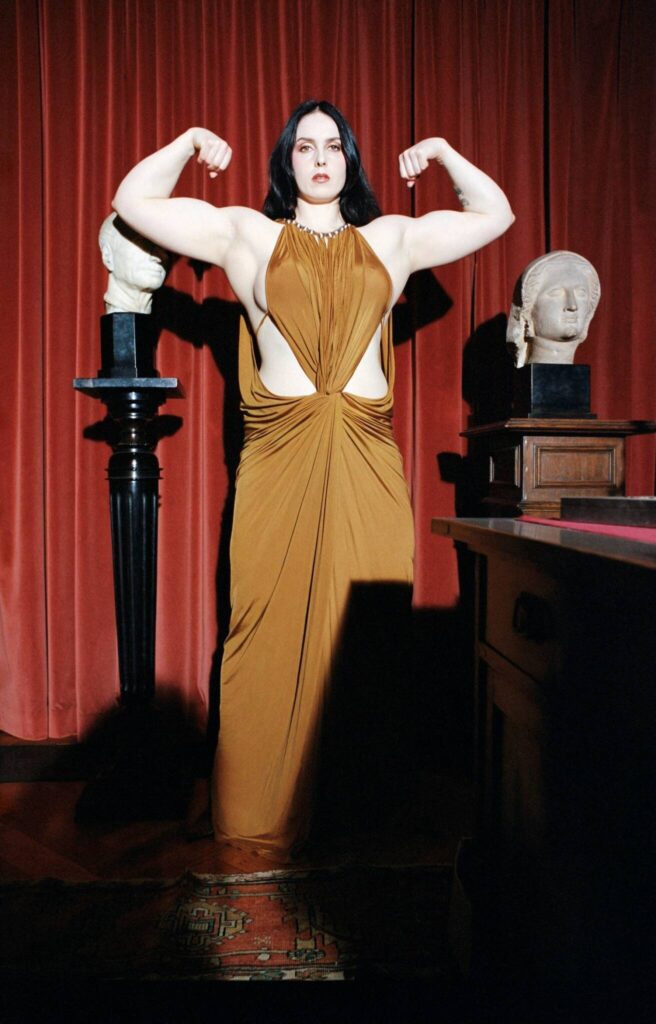
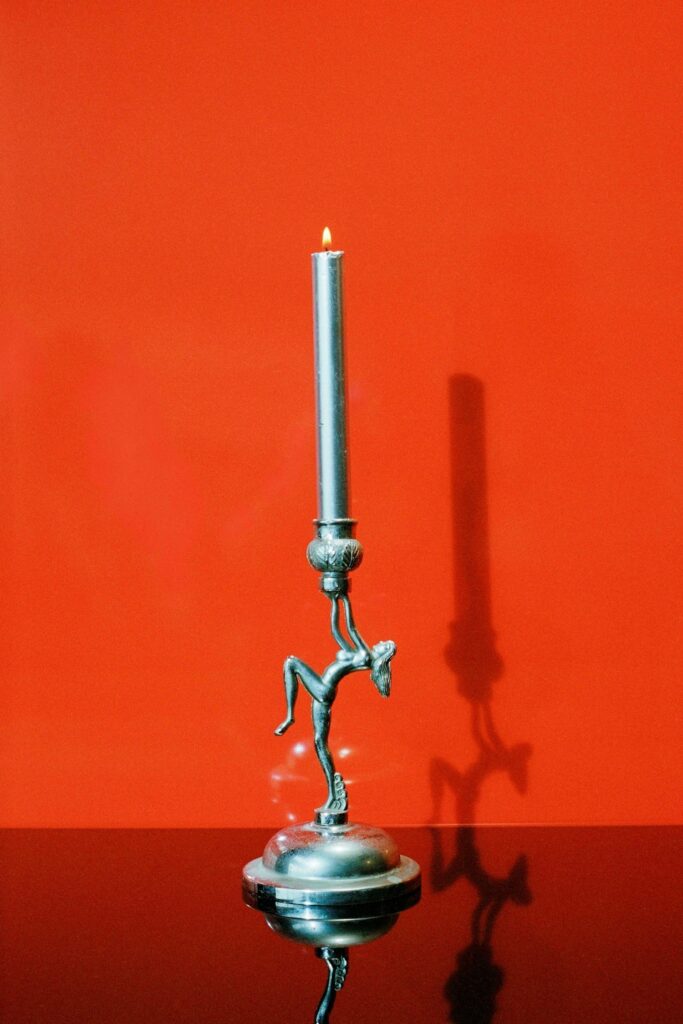
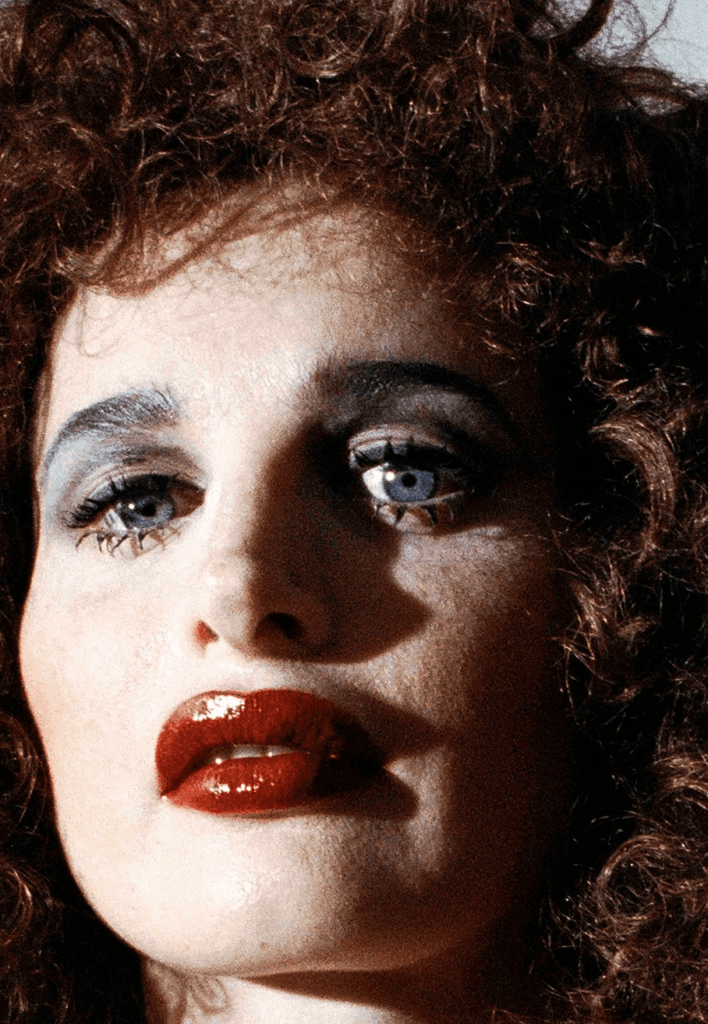
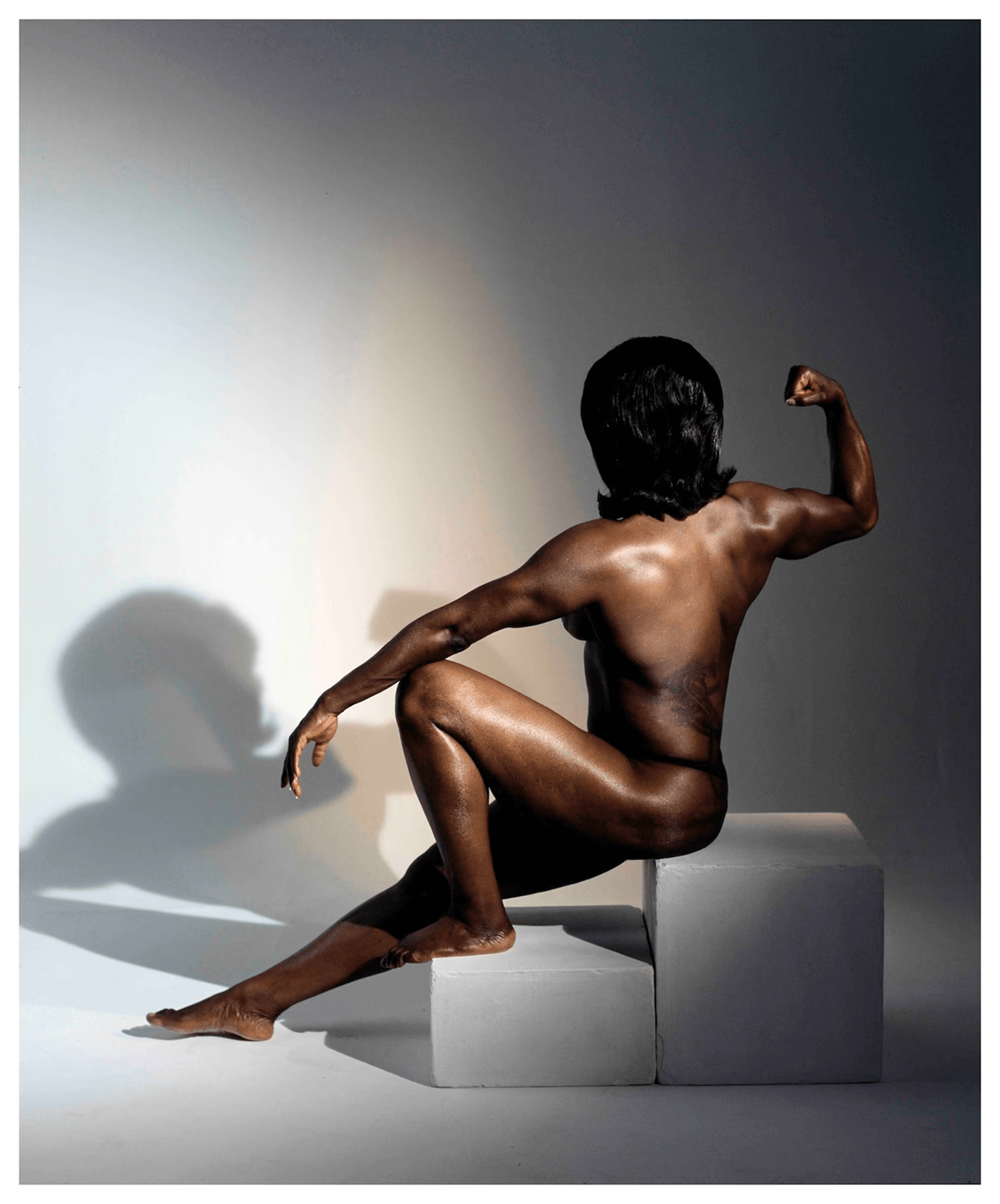
Vivier’s images do not behave like conventional fashion photographs. They borrow the surface language of editorial image-making — pose, styling, colour, fabric, skin — then push it somewhere more unstable. A body becomes almost architectural. A garment starts to feel like a disguise. A still life seems to breathe. What should be glamorous becomes eerie, sensual, and slightly impossible to place.
That tension has defined Vivier’s career. For around 25 years, her work has moved between commissions for major magazines and brands, and a more personal artistic research into the relationship between bodies, artefacts, desire, and visual illusion. The MEP frames the exhibition around that collision: a universe where sculptural forms, uncanny presences, and sensual images seem to speak to one another in secret.
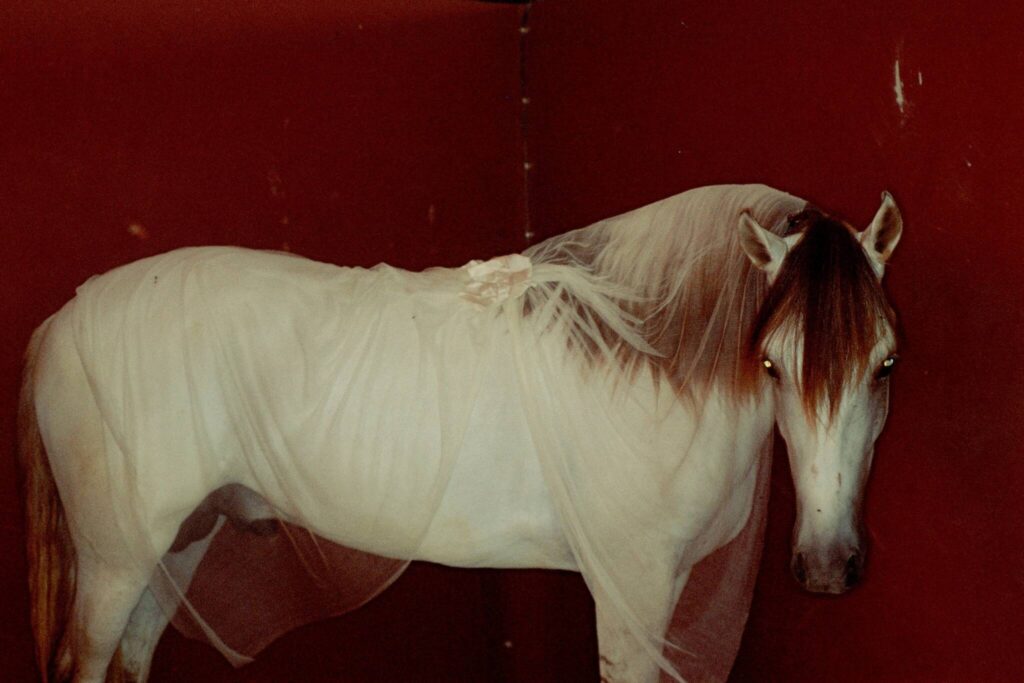
What makes her photographs so compelling is their refusal of easy seduction. They are beautiful, but not obediently so. They carry the charge of fashion while resisting fashion’s usual clarity. The women in her images are not simply styled subjects. They often appear as figures caught in transformation, hovering between control and vulnerability, intimacy and performance, surface and dream.
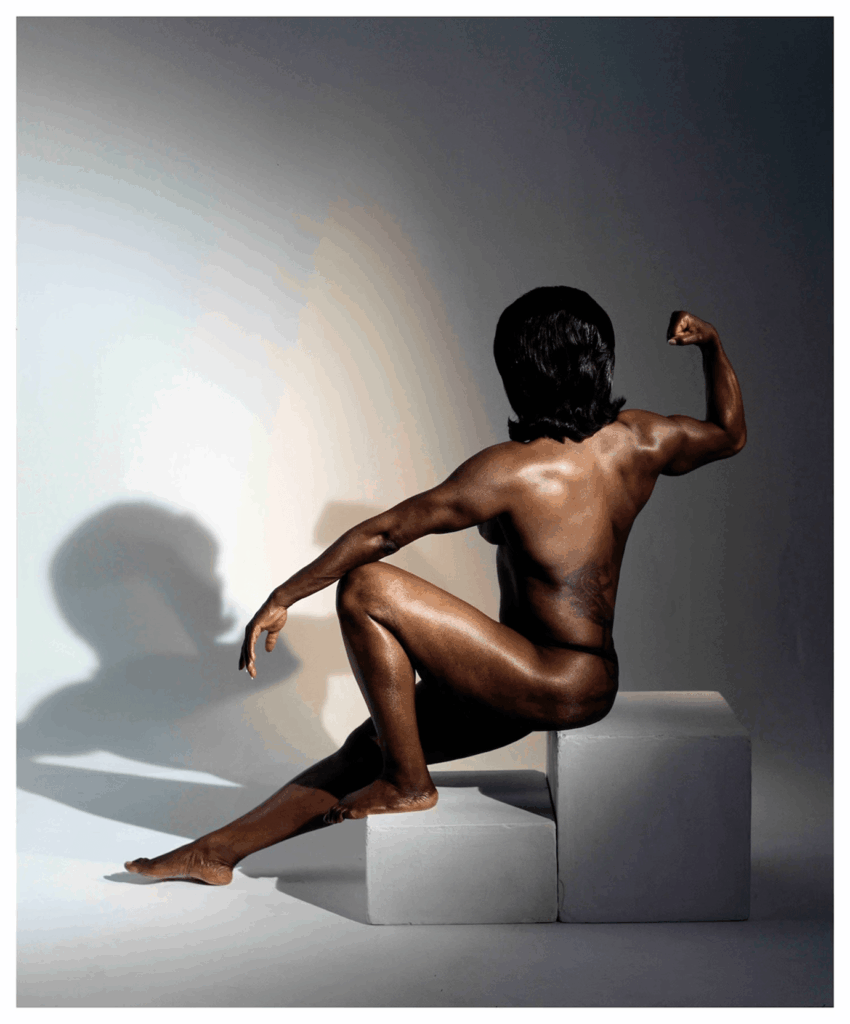
The retrospective also shows how Vivier uses objects almost like characters. Shoes, fabrics, sculptural forms, interiors, and strange props become part of the emotional architecture of the image. Nothing is only decorative. Everything seems to have a hidden role in the fiction.
In that sense, Camille Vivier belongs to a lineage of photographers who understand fashion not as product, but as atmosphere. Her work does not ask what clothes look like. It asks what they do to the body, to desire, to identity, and to the uneasy border between reality and invention.