Share this
Revisiting the sculptor’s transformative postwar years in Provence and Touraine, a landmark new exhibition brings lost monumental mobiles and rare gouaches back to the public eye after seven decades.
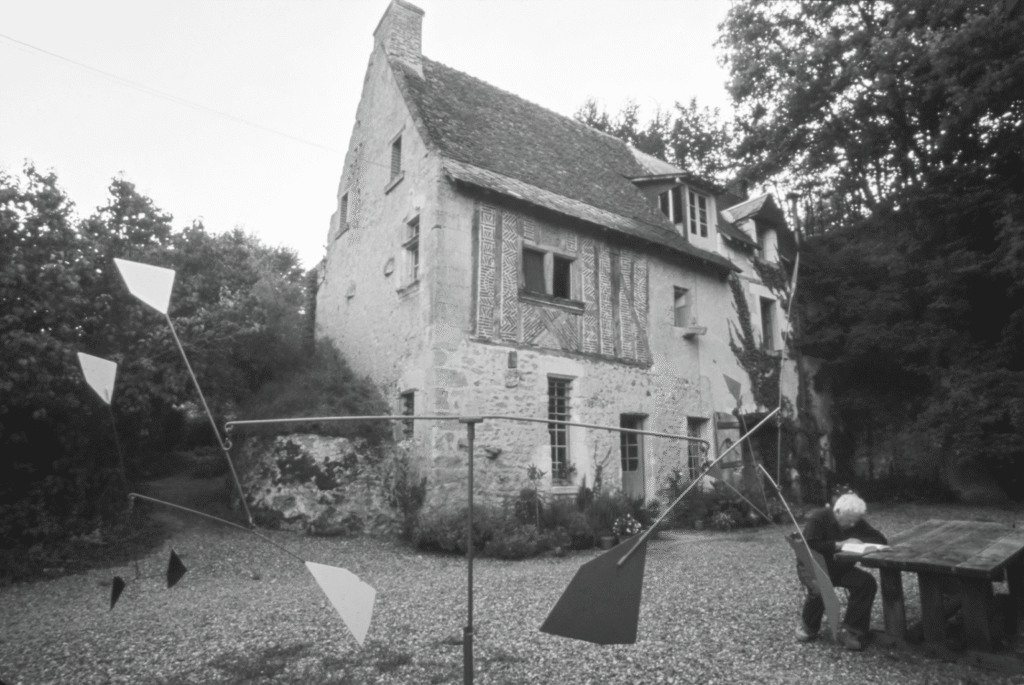
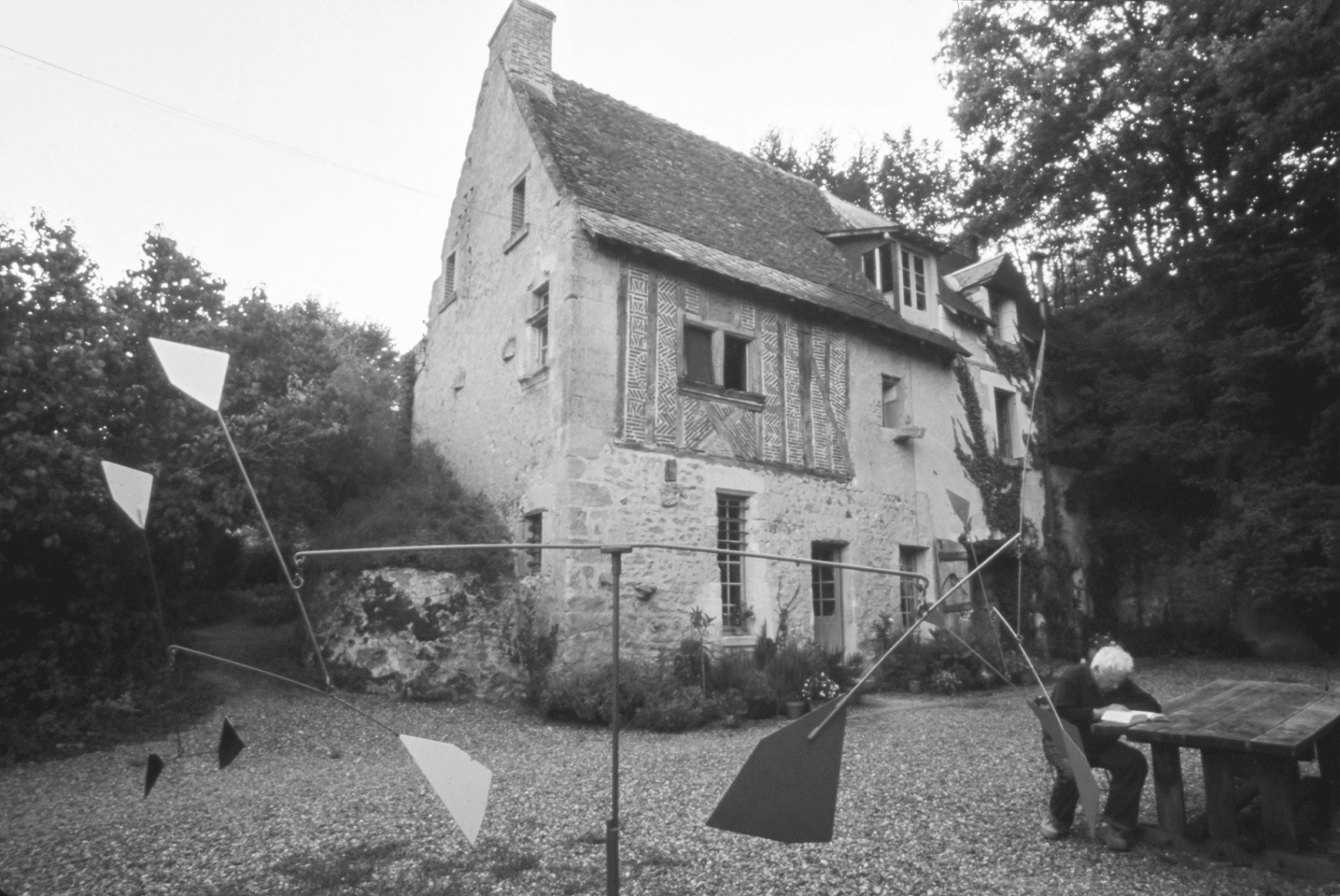
When Alexander Calder packed up his life in the 1950s to retreat into the rugged, rustic landscapes of rural France, he wasn’t looking for luxury—he was chasing absolute creative isolation. Settling into homes stripped of running water and electricity, the pioneering American sculptor ignited one of the most fiercely experimental chapters of his career. Now, Hauser & Wirth Paris is pulling back the curtain on that fertile era with Calder: François Premier, a landmark exhibition running from October 19 to December 19, 2026.
Curated around works created between 1953 and 1954, the show explores how the raw, sun-baked rhythms of the French countryside pushed Calder to expand his practice far beyond conventional mobile design into monumental welded steel and vivid, gestural works on paper.
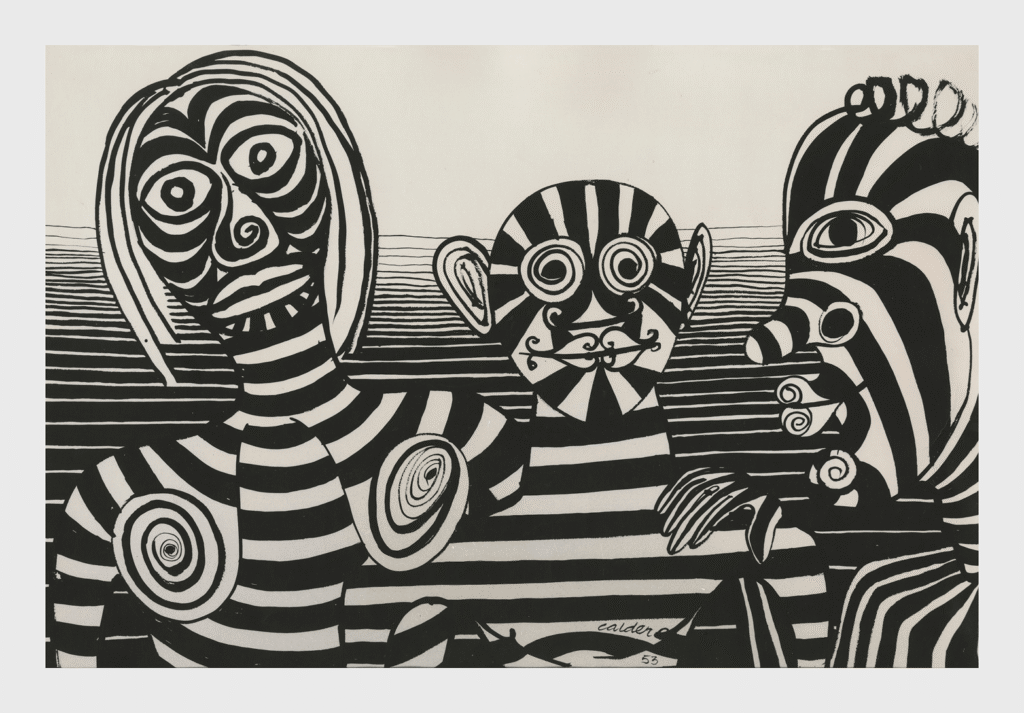
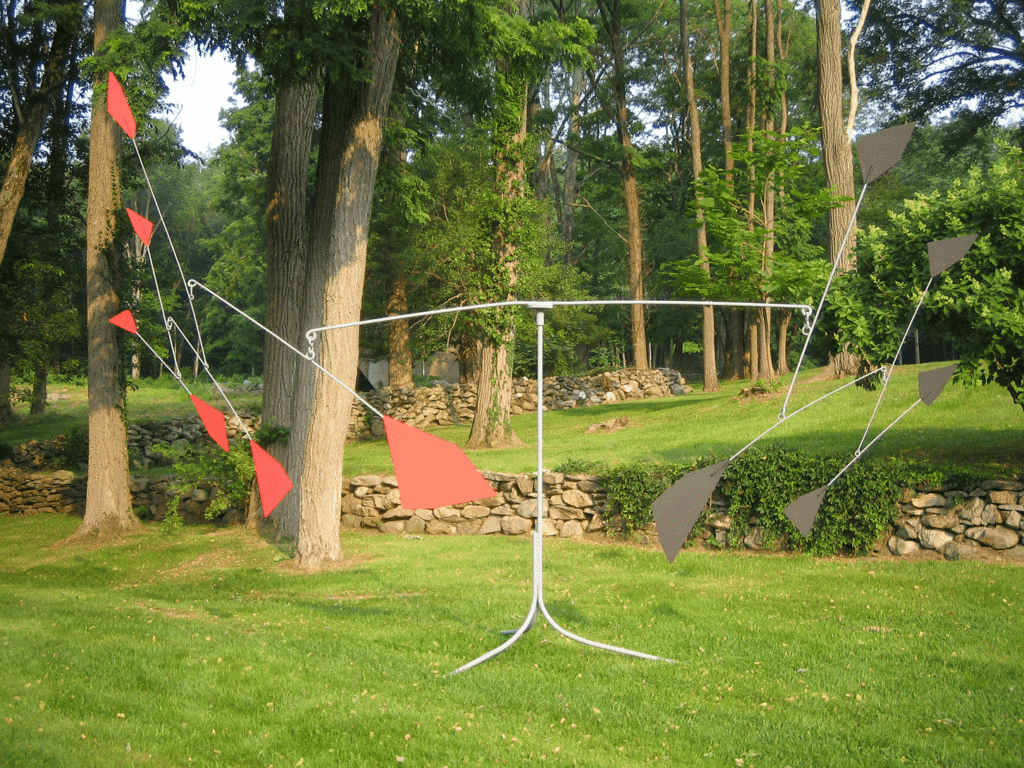
Anchoring the exhibition are two monumental kinetic sculptures making historic returns: Les Granettes (1953), a standing mobile built inside a local Provençal blacksmith’s shop that hasn’t been seen publicly in 72 years, and The Putney Mobile (1954), making its long-awaited European public debut. Alongside these steel titans are a series of saturated gouaches and inks painted in a converted carriage shed, capturing the organic abstraction of the artist’s rural French sanctuary.
Complete with an opening conversation between Calder’s grandson Alexander S.C. Rower and curator Hans Ulrich Obrist, the exhibition proves that true kinetic poetry is forged when an artist strips away the noise of the modern world.