
Share this
The early ’90s marked a rupture in visual culture. The gloss and artifice of the previous decade suddenly felt hollow, giving way to a creative mood that worshipped the unvarnished, the imperfect, the real. Out of that shift emerged a generation of photographers who would permanently alter fashion’s visual language — Corinne Day, David Sims, Juergen Teller, and, shining brightly but briefly, Davide Sorrenti. His life ended just before he turned 20, yet his influence continues to ripple through contemporary image-making with the force of someone who understood youth from the inside out.
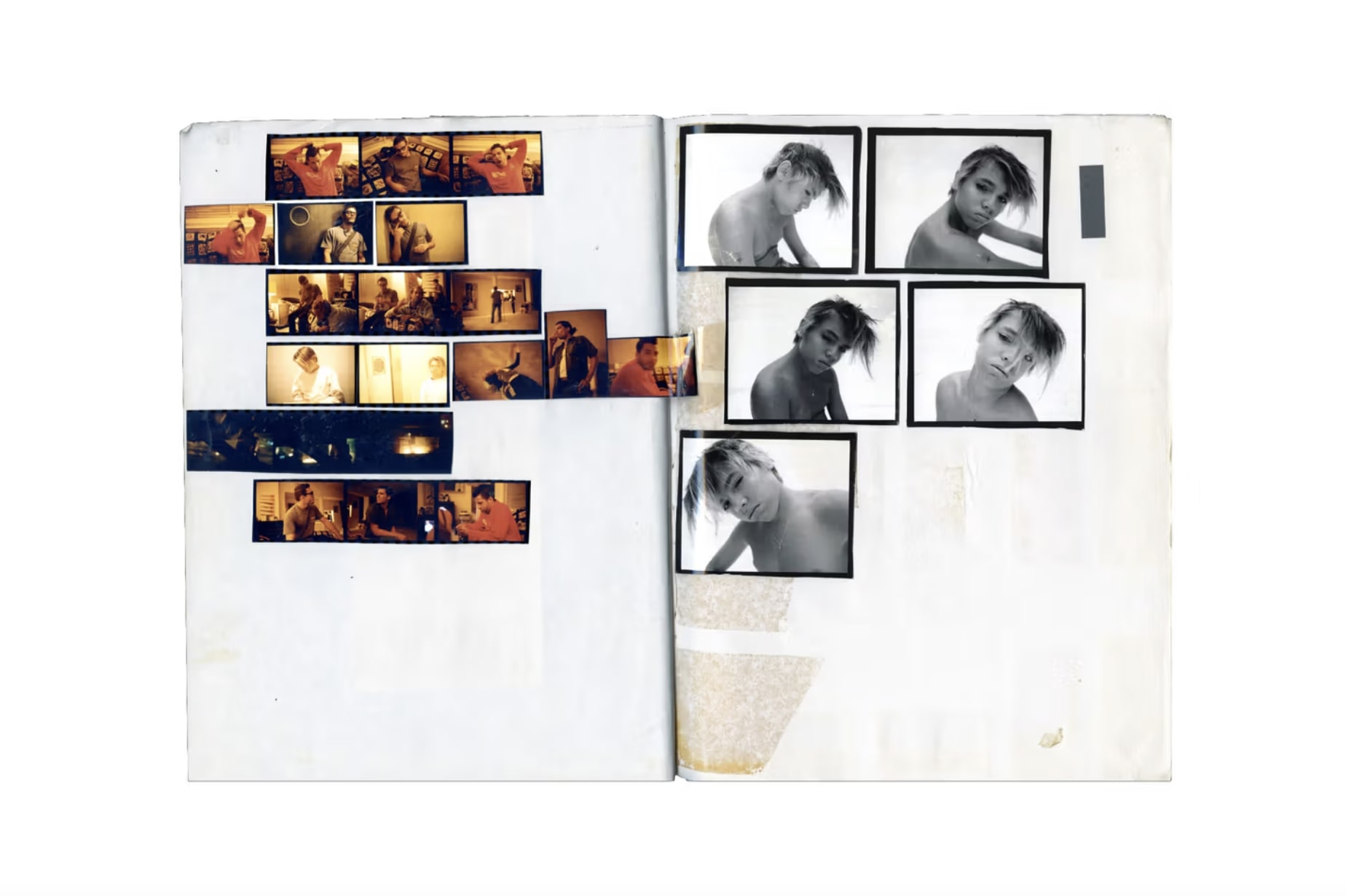
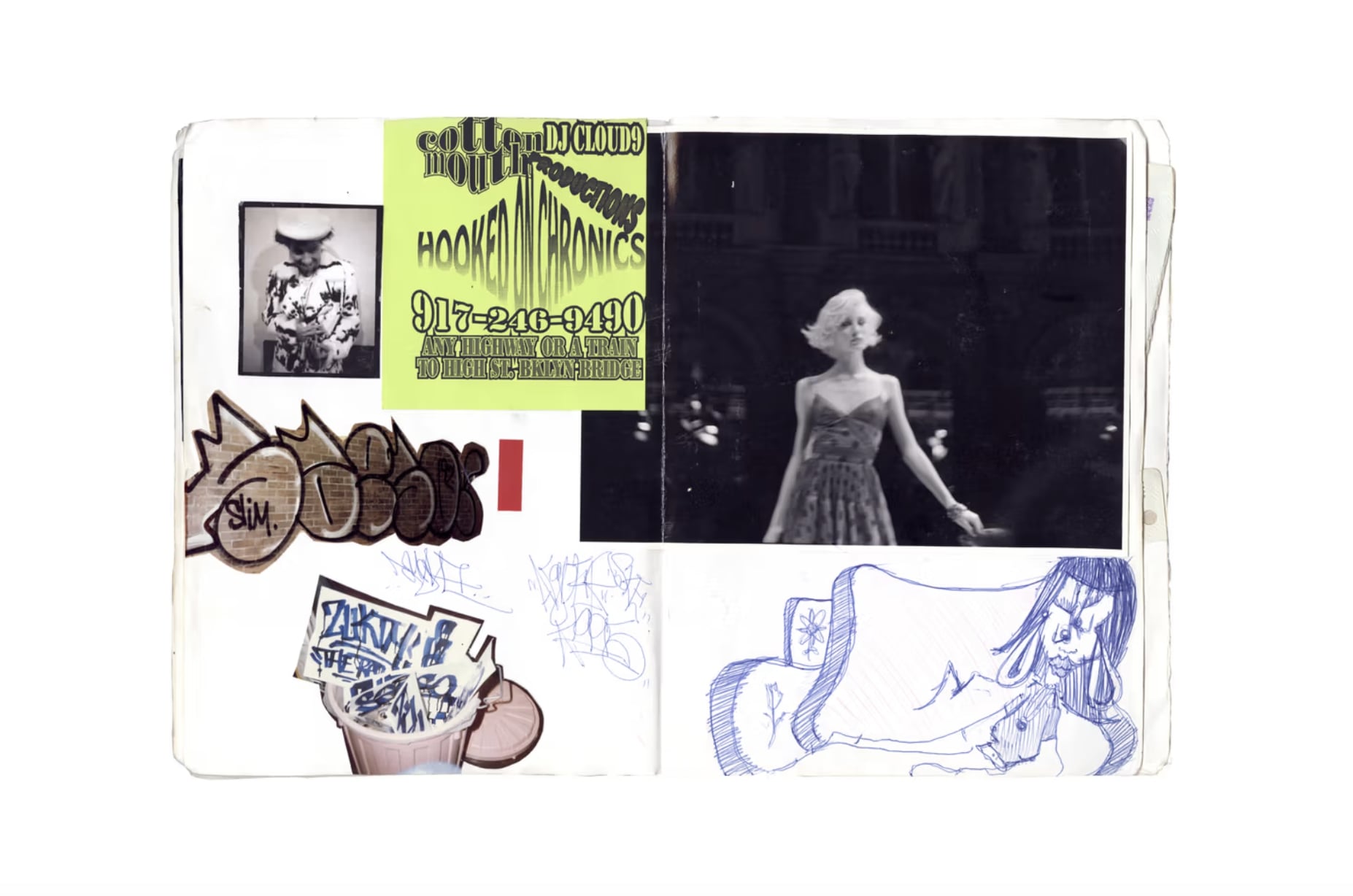
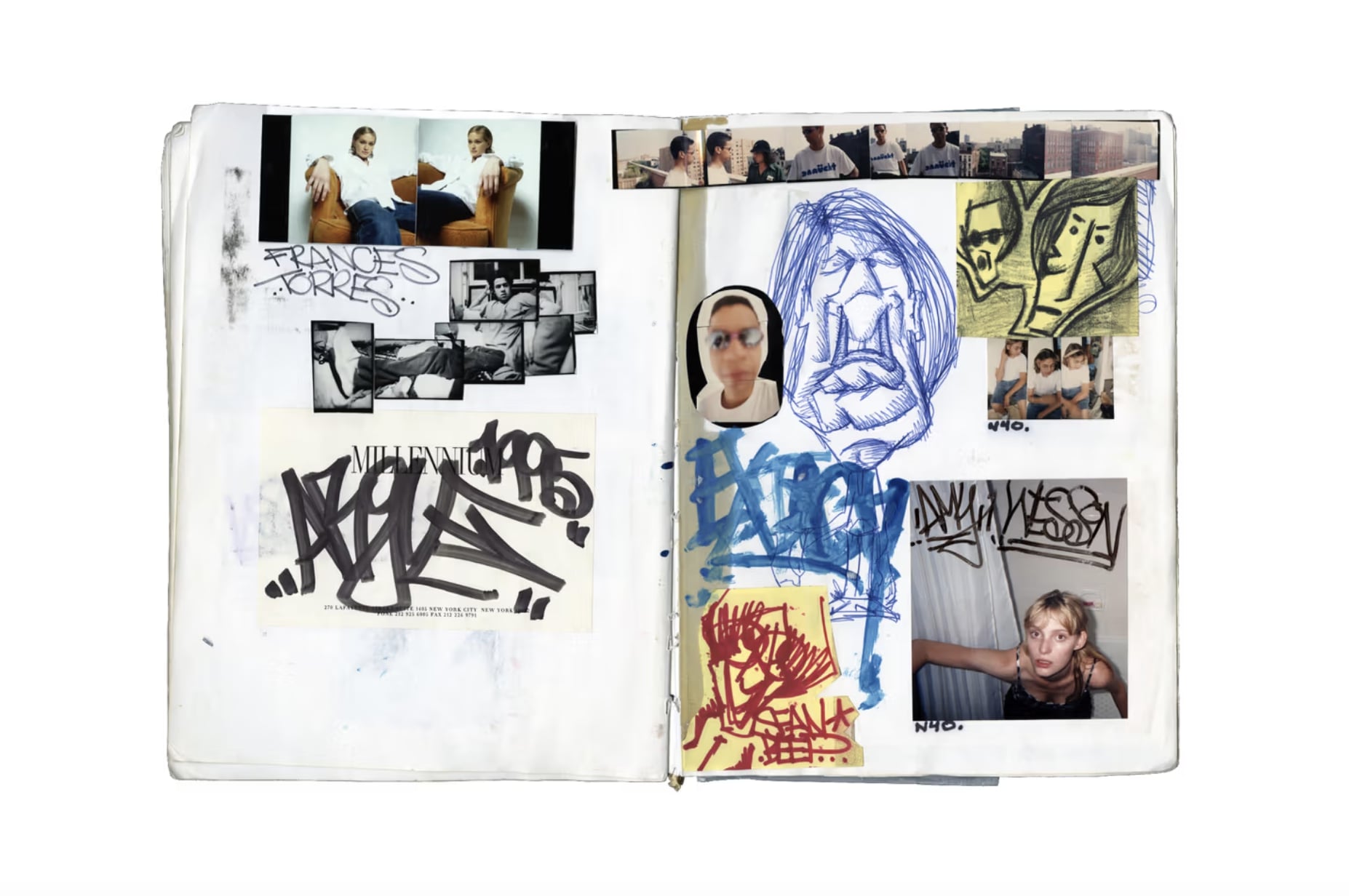
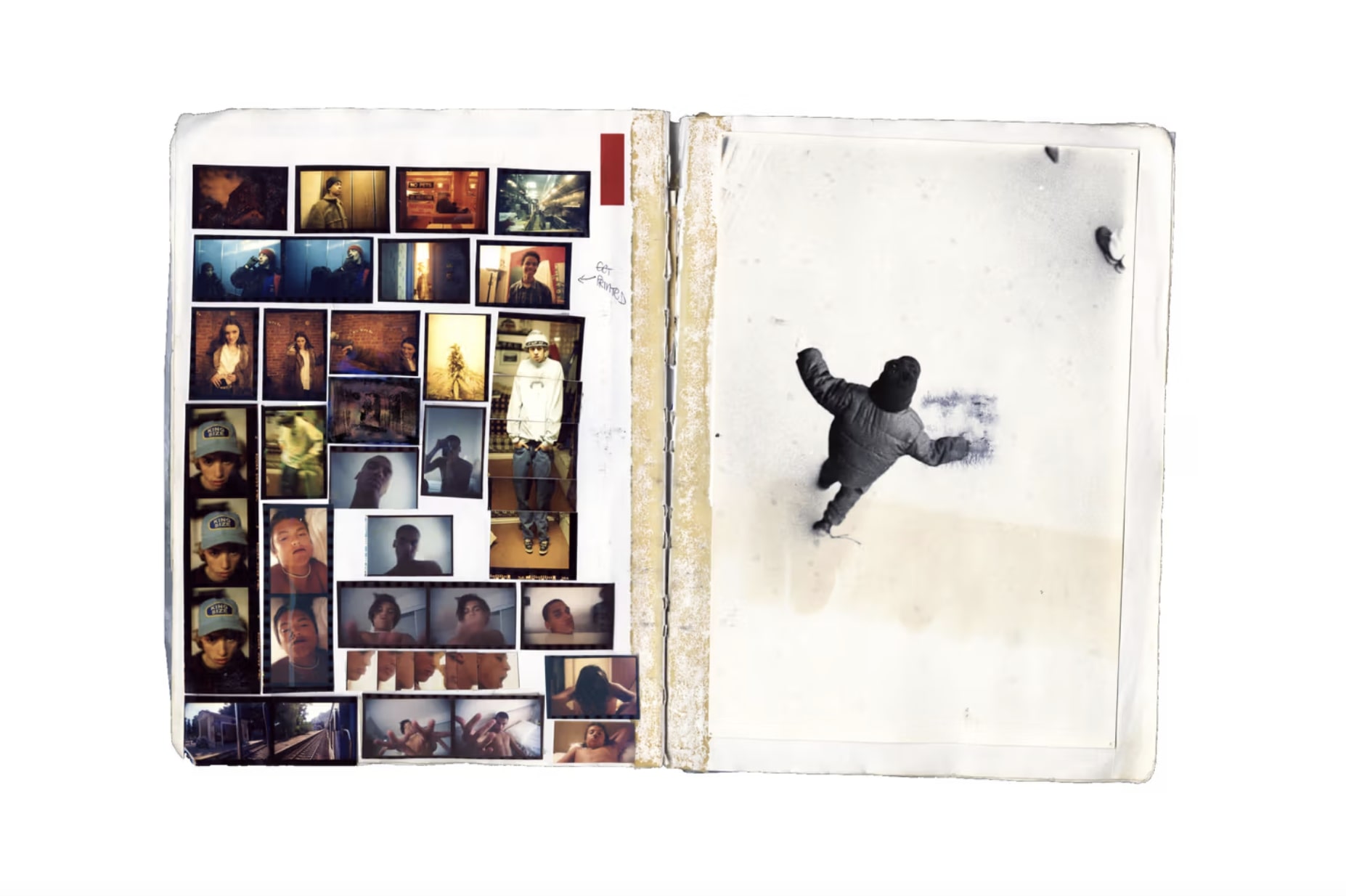
Now, IDEA is revisiting that intensity with Davide Sorrenti Journals: Volume 1 1994–1995, a new monograph curated by his mother, Francesca Sorrenti. The book assembles nearly everything Davide touched at ages 17–18: sketches, scribbled thoughts, contact sheets, tears, flyers, Polaroids, and the raw beginnings of photographic ideas that would later define a generation. More than an archive, the journals become a record of someone racing to translate the world around him before it slipped away. As Francesca writes, “Davide’s journals were never just notebooks. They were fragments of a restless life… Each page reflects the way [he] saw the world: raw, immediate, unfiltered, and deeply human.”
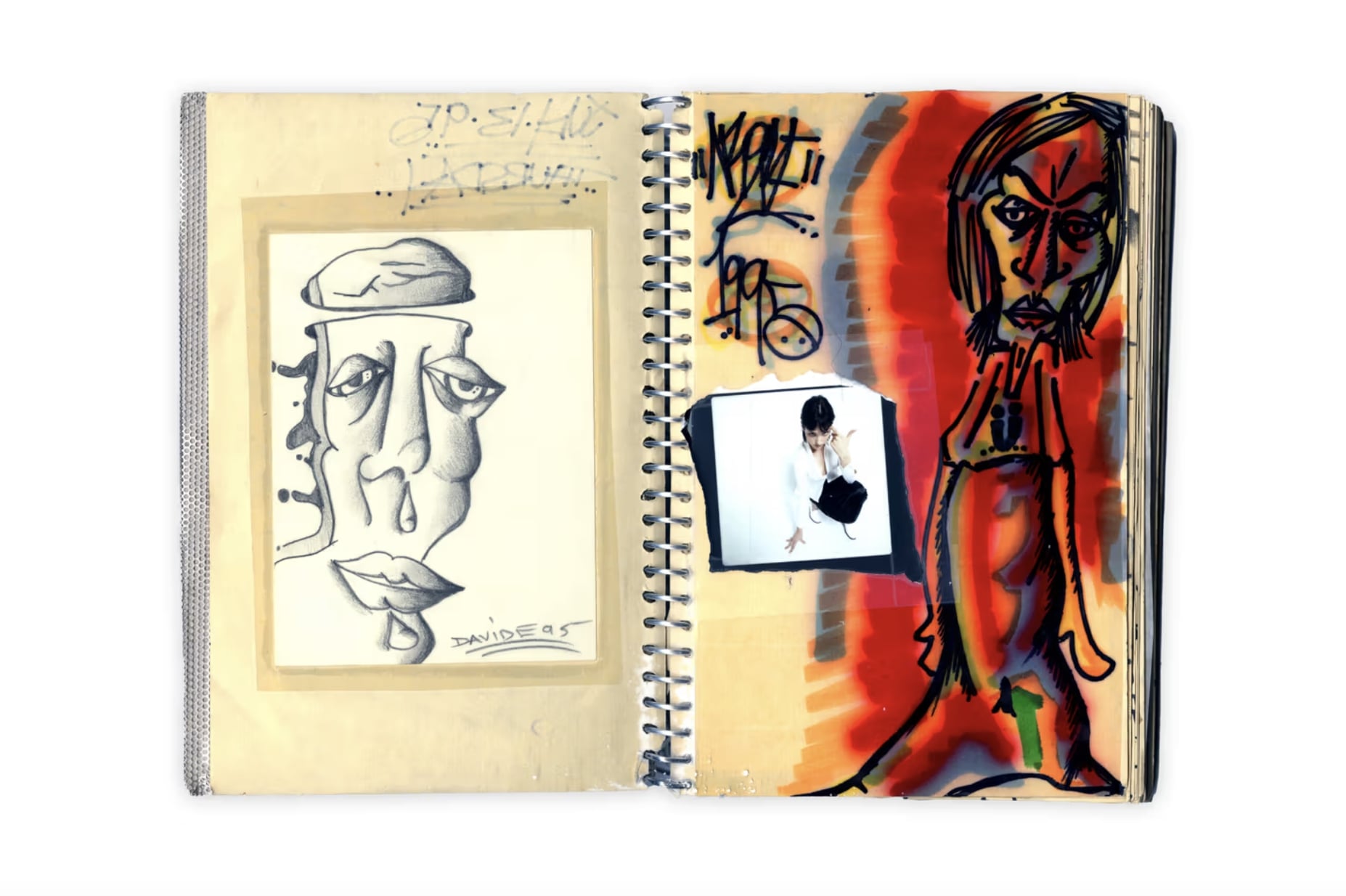
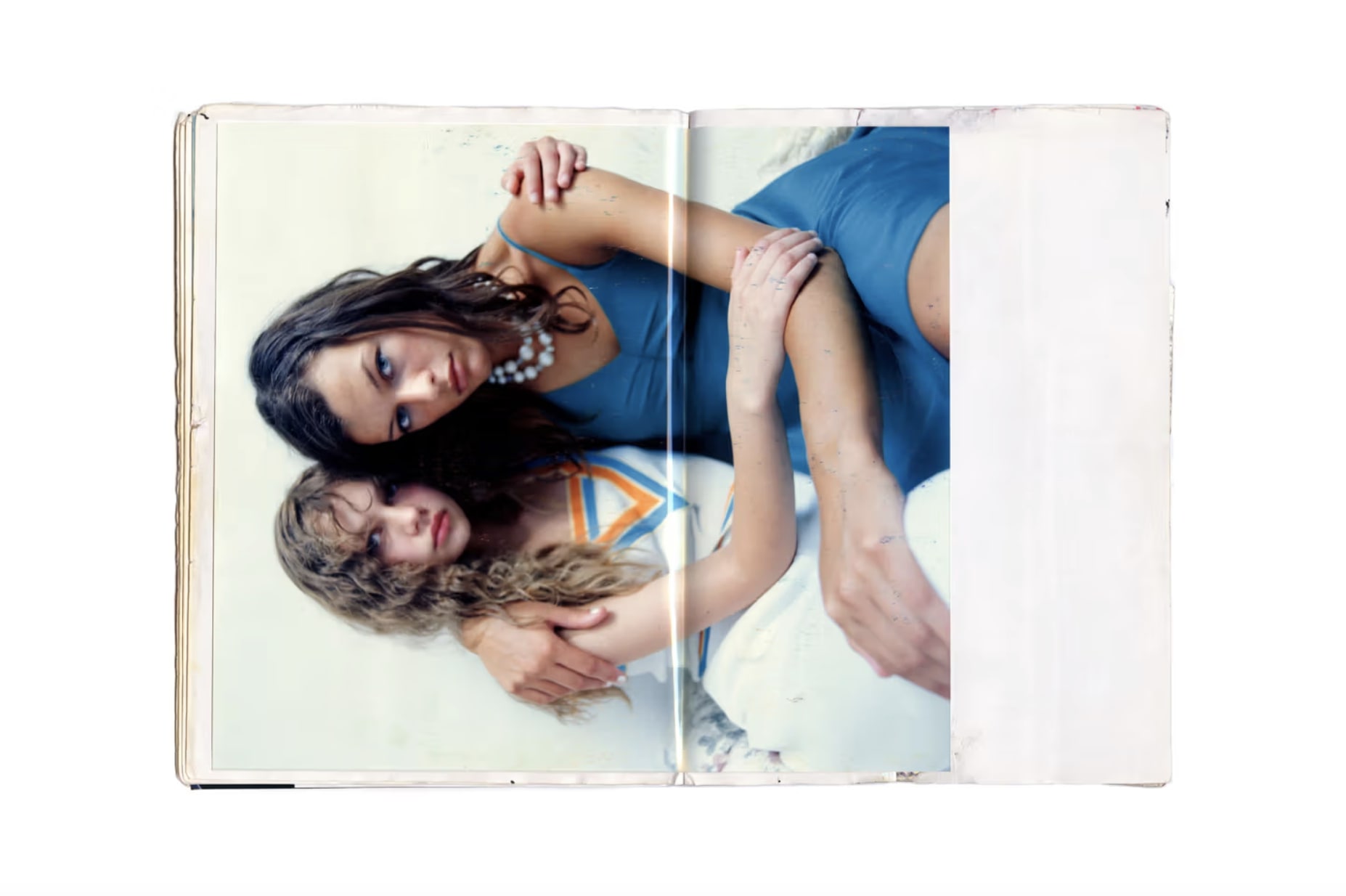
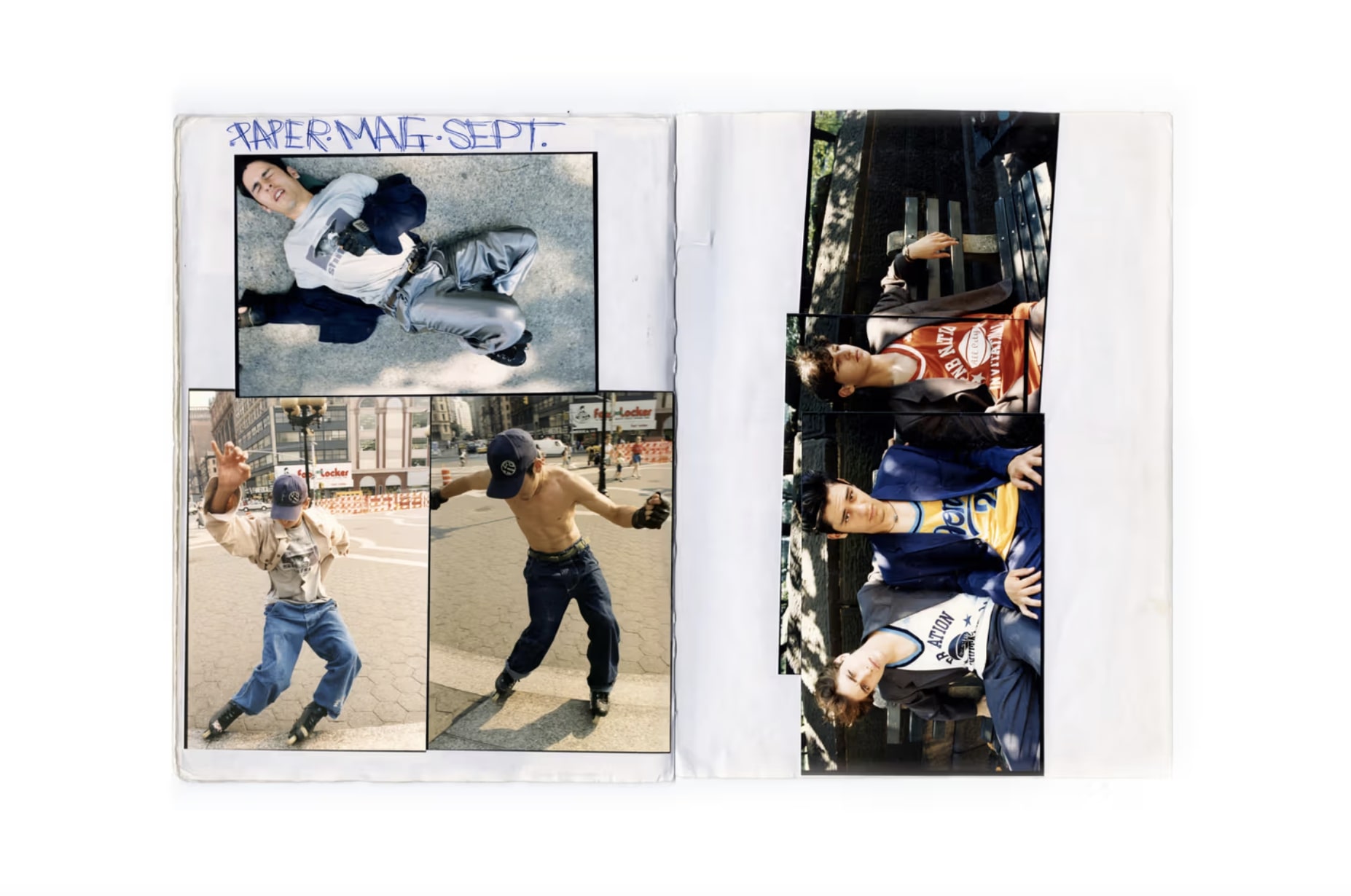
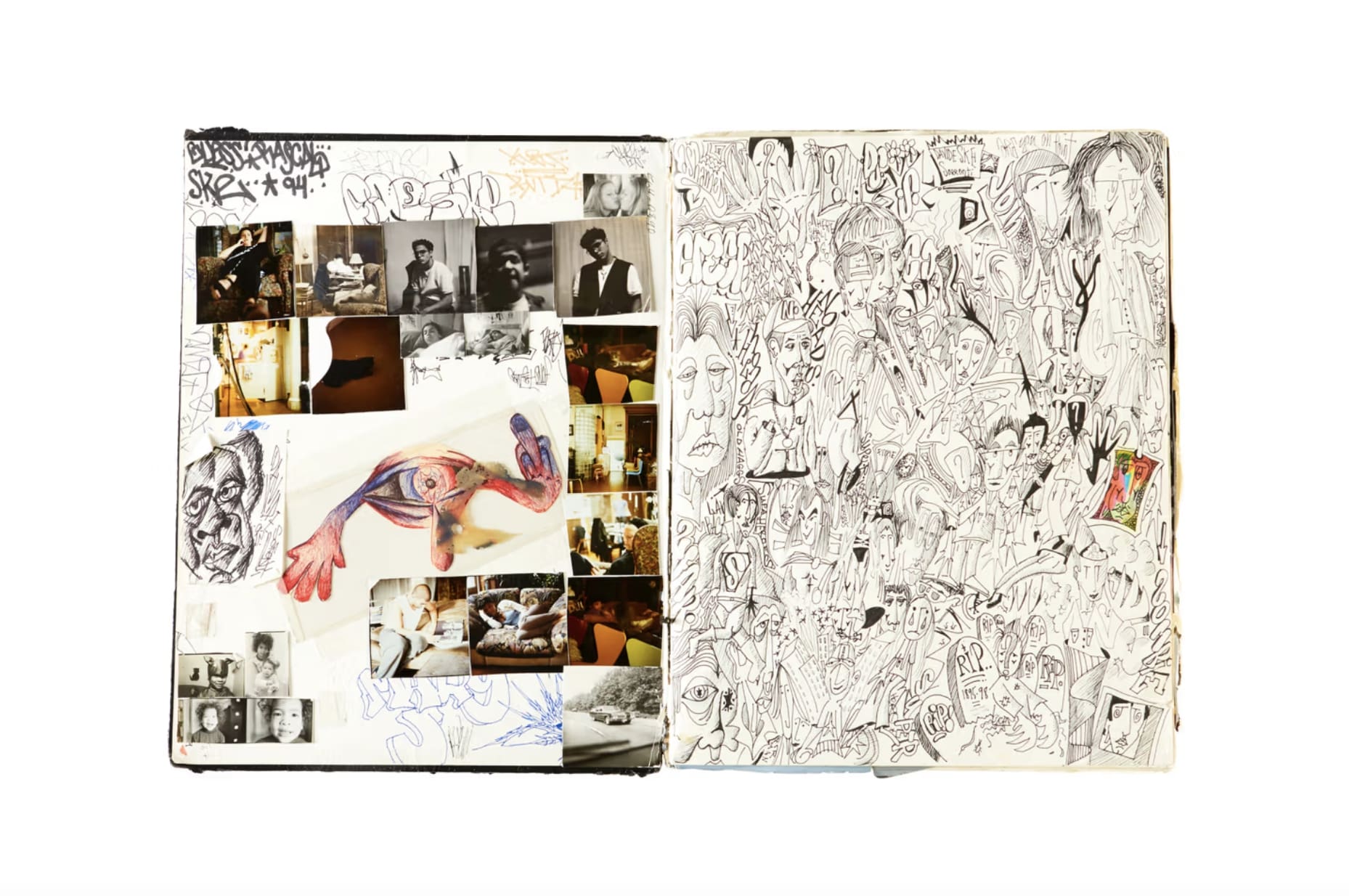
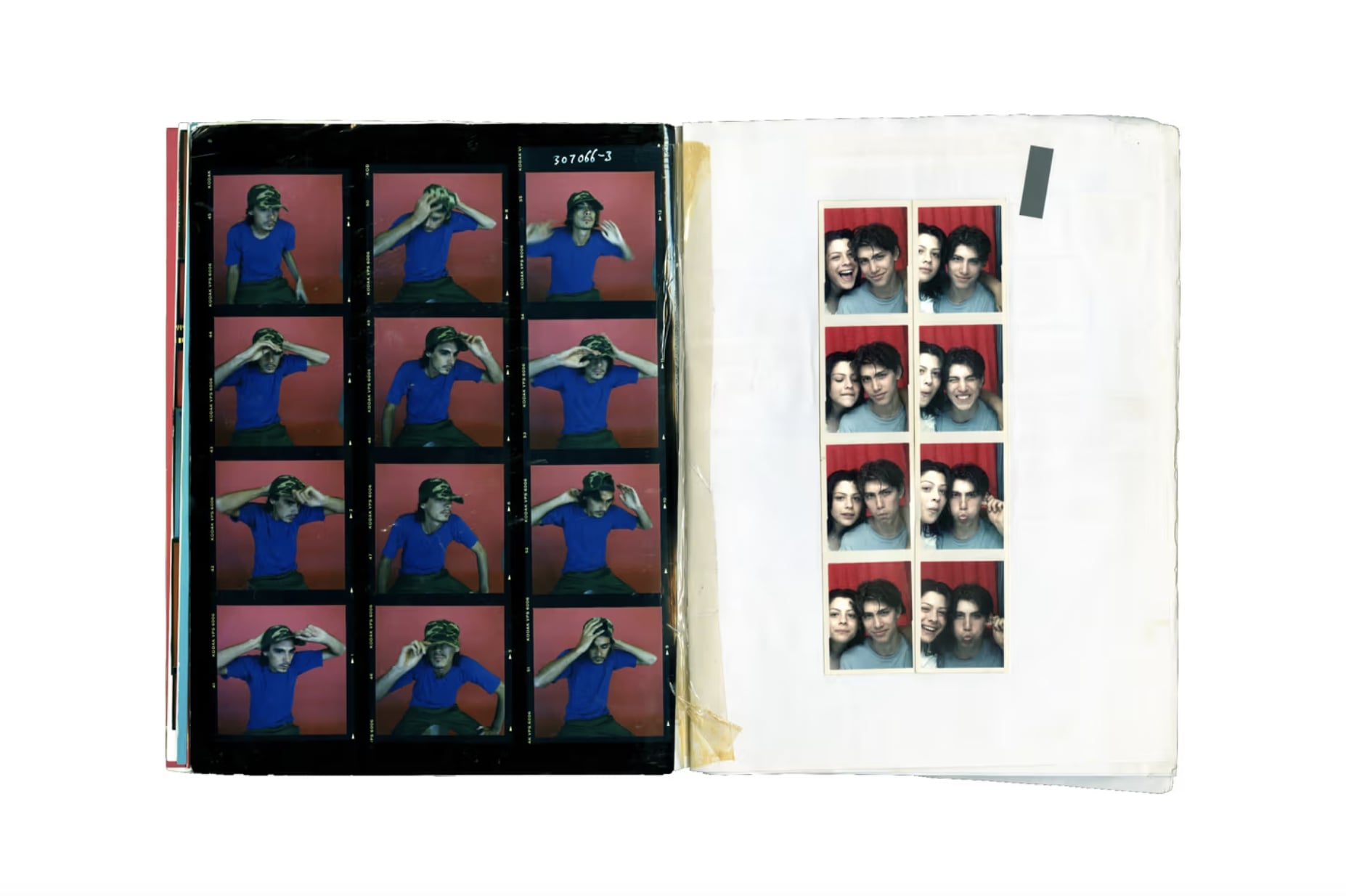
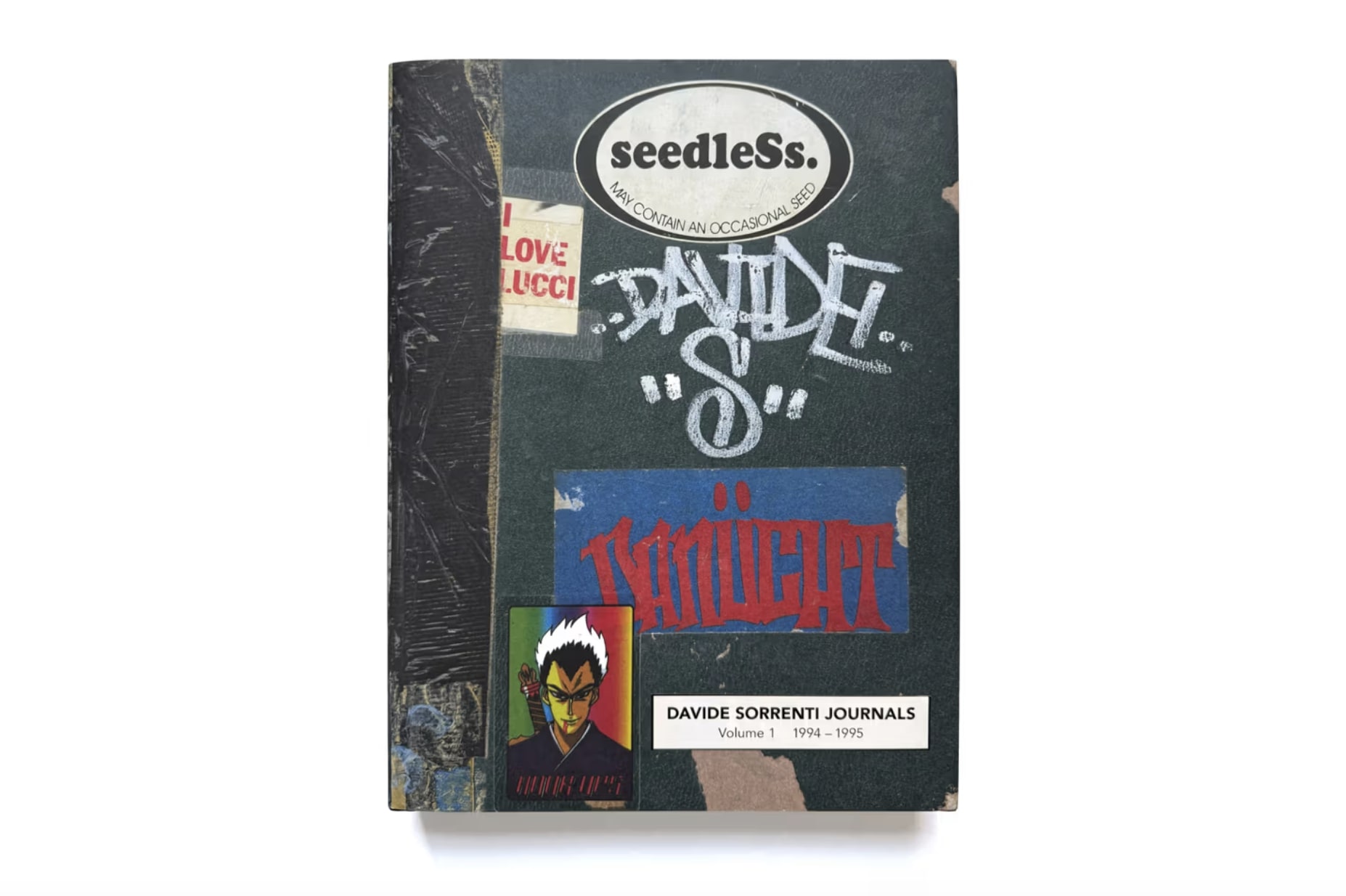
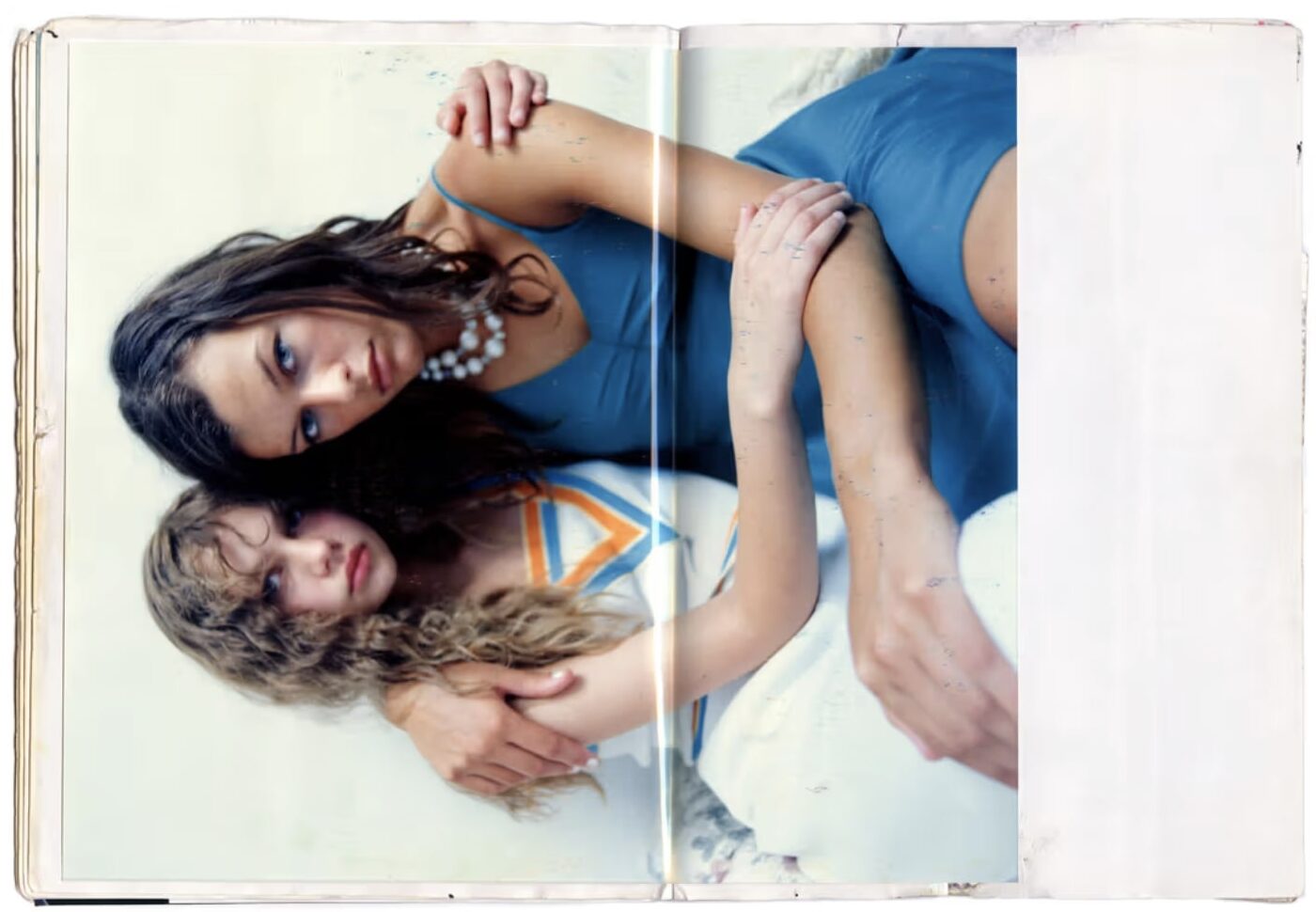
Photos: IDEA
The monograph joins an expanding constellation of posthumous explorations of his work — ArgueSKE 1994–1997, Polaroids, My Beautyfull Lyfe, and the documentary See Know Evil — yet this volume feels different. It’s not curated for mythology or aesthetics; it’s a window into the intimate mechanics of a teenager becoming an artist, complete with hesitation, bravado, obsession, and longing.
Across 192 pages, the journals build a portrait of youth that feels incandescent in its immediacy. The scrawls and snapshots aren’t polished artefacts — they’re emotional residues, traces of someone who lived urgently and looked closely.
Francesca captures it best in her introduction:
“To open these journals is to step into Davide’s world – a world that was fast, beautiful, and filled with love. They remind us that he wasn’t only documenting a culture; he was documenting a life – his life – in all its intensity and fragility.”
What emerges is less a historical object and more a heartbeat — a reminder of how Sorrenti helped reshape the visual language of the ’90s, and how his voice, even fragmented across notebook pages, still feels shockingly present.