
Share this
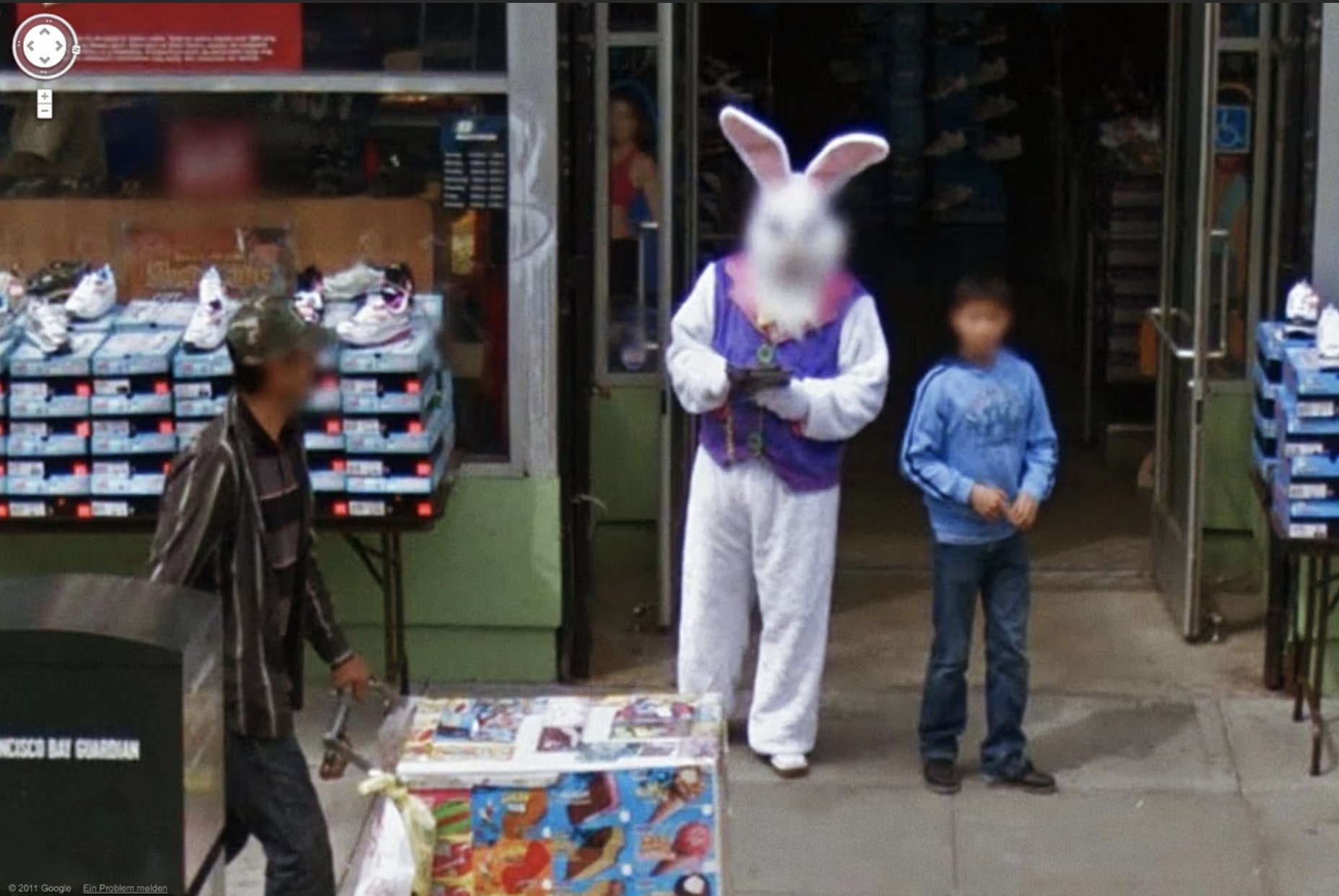
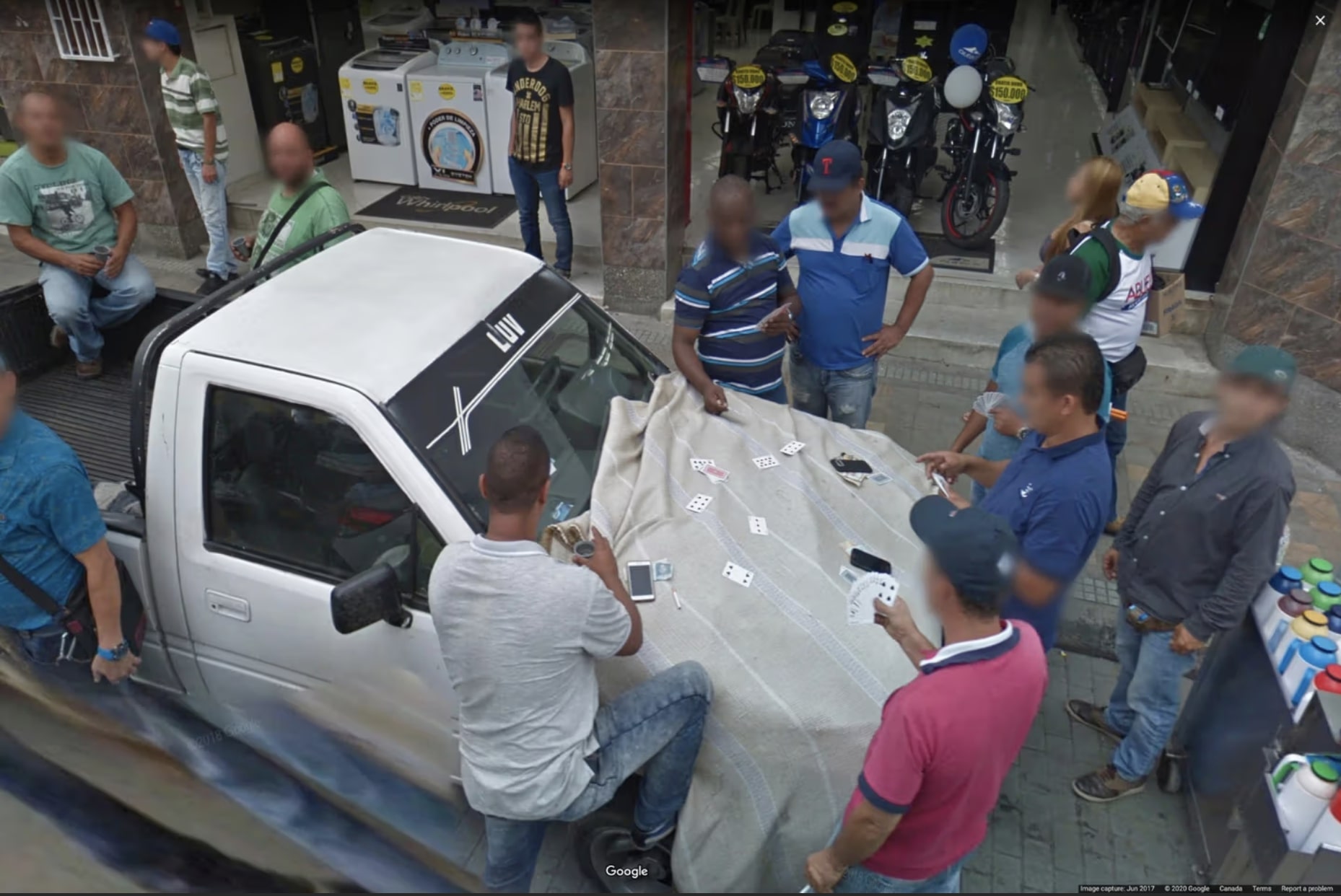
Long before we spoke about AI and algorithmic gaze, Jon Rafman was already dissecting what it means to see through a machine’s eyes. In 2007, when Google Street View began documenting the globe, it inadvertently produced something extraordinary — a vast, mechanical portrait of daily life, stitched together by chance. Rafman, intrigued by the cold impartiality of this vision, began collecting screenshots that captured humanity at its most unfiltered and unpredictable.
Courtesy of Jon Rafman and Sprüth Magers 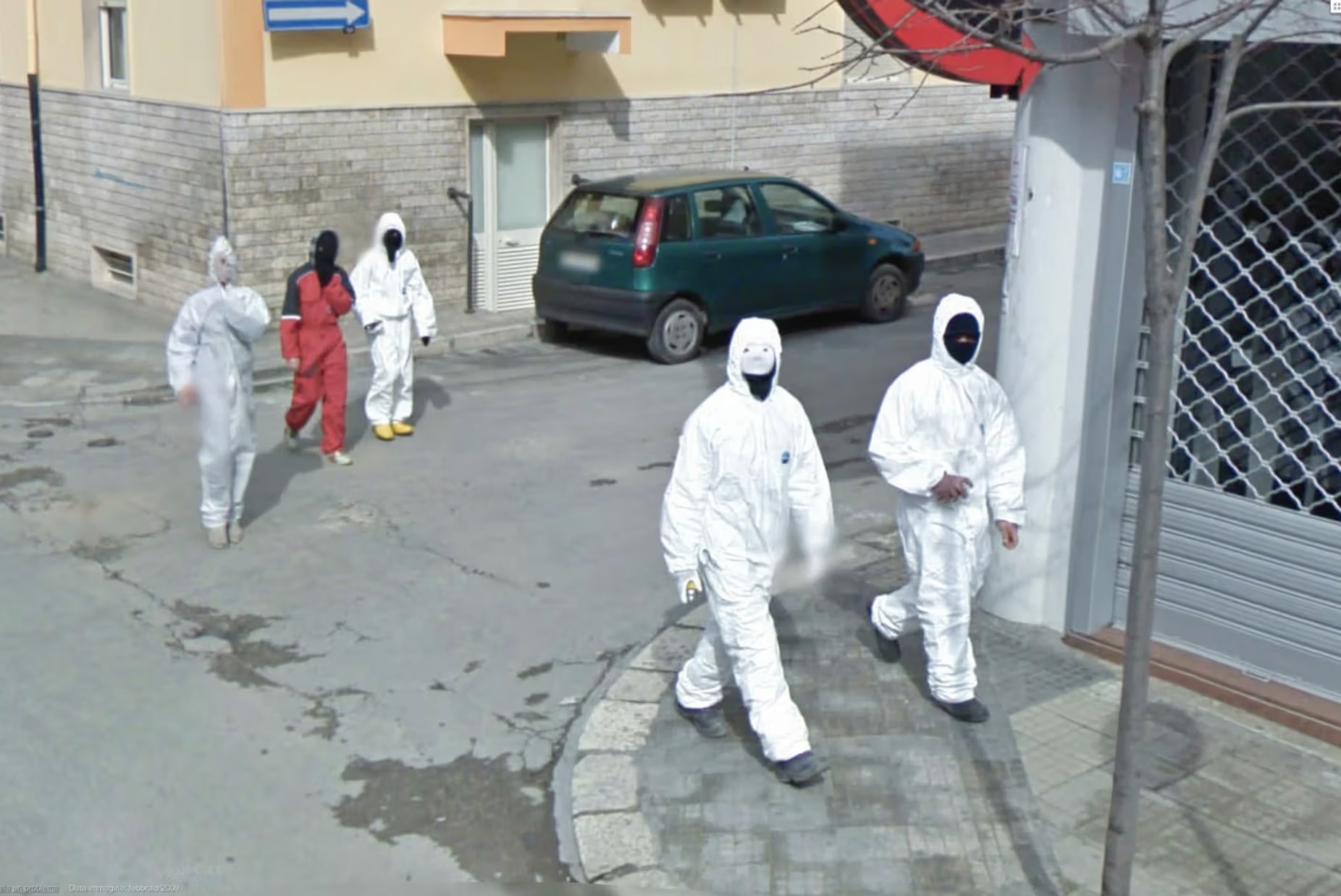
Courtesy of Jon Rafman and Sprüth Magers 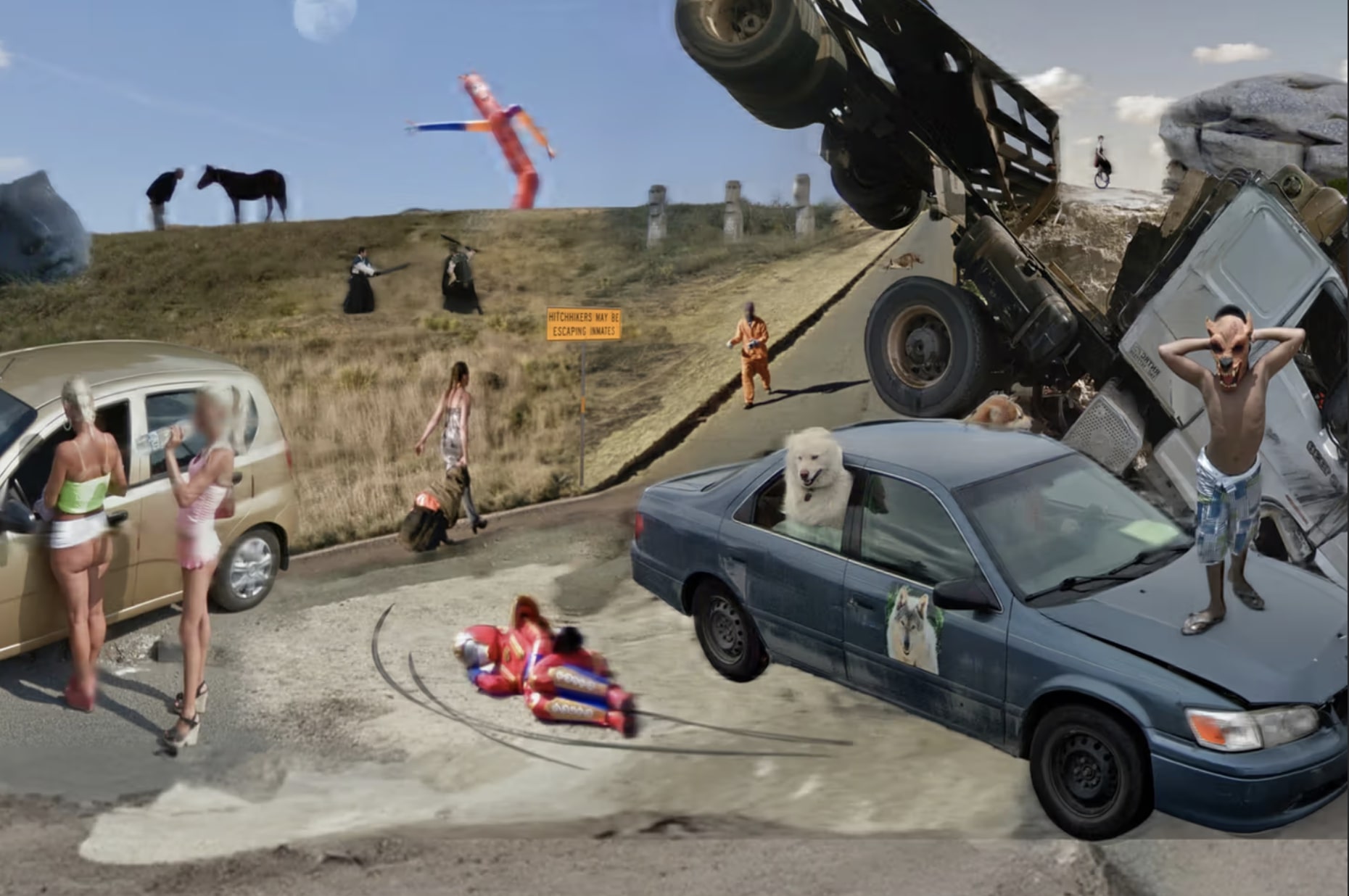
Courtesy of Jon Rafman and Sprüth Magers 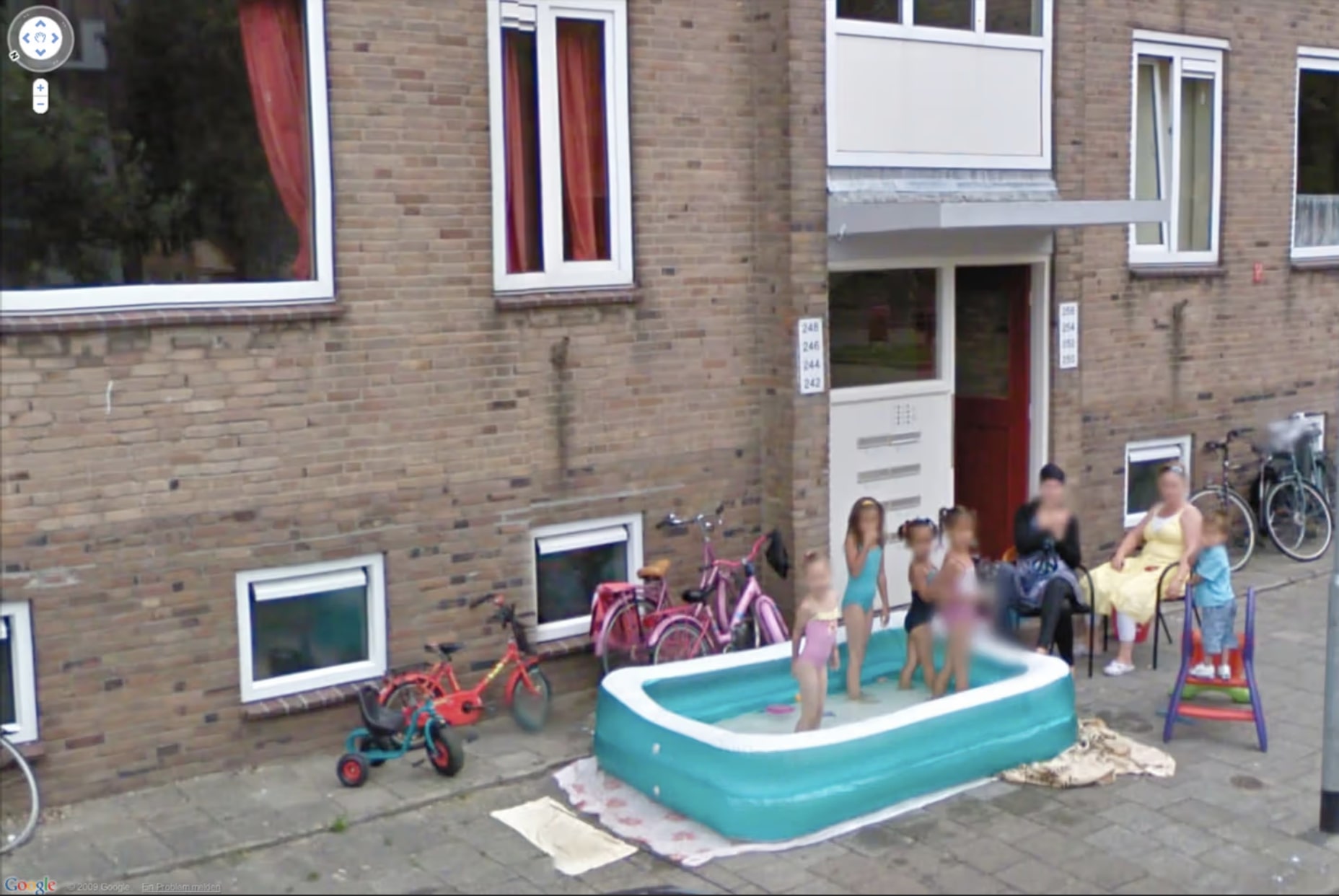
Courtesy of Jon Rafman and Sprüth Magers 
Courtesy of Jon Rafman and Sprüth Magers 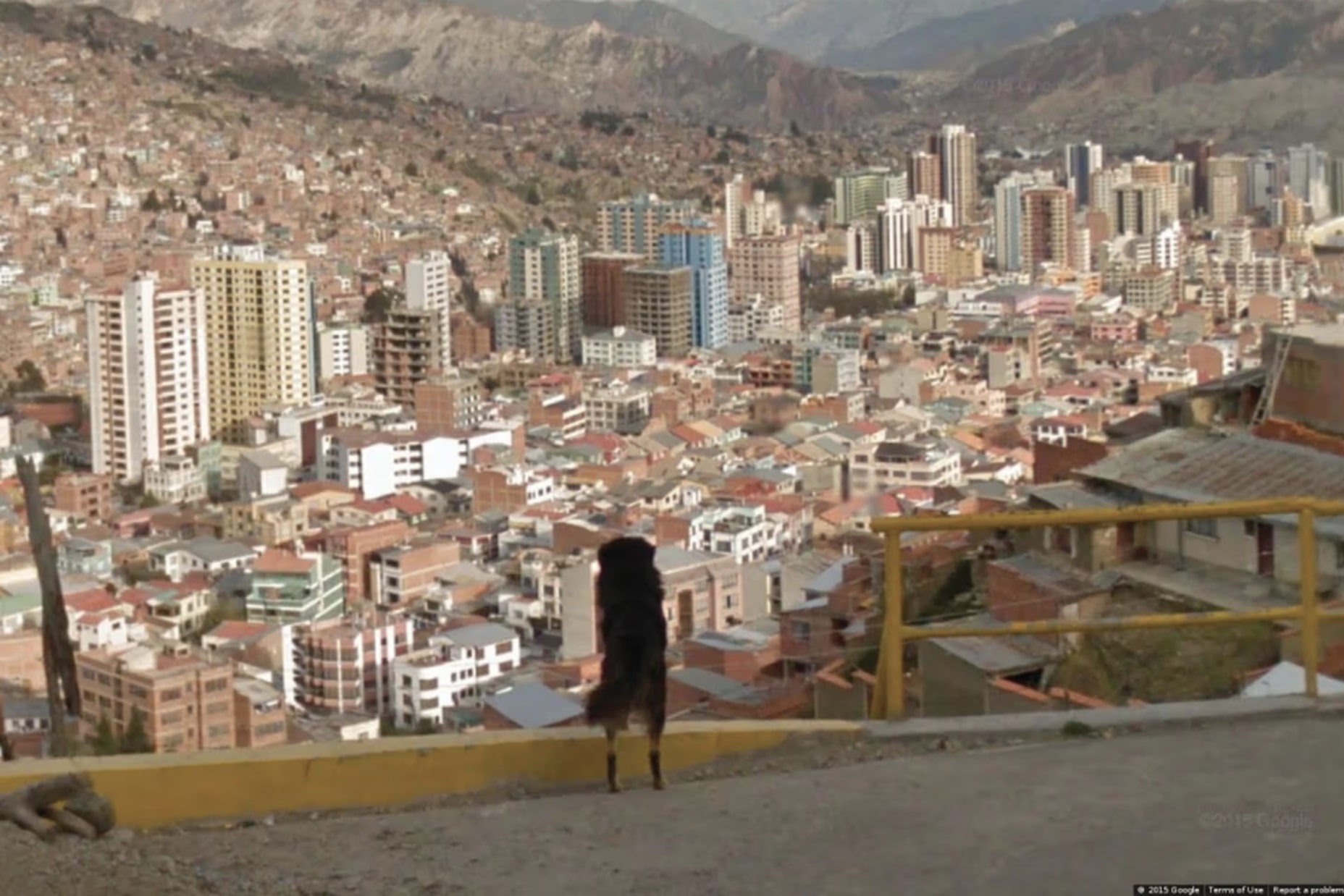
Courtesy of Jon Rafman and Sprüth Magers 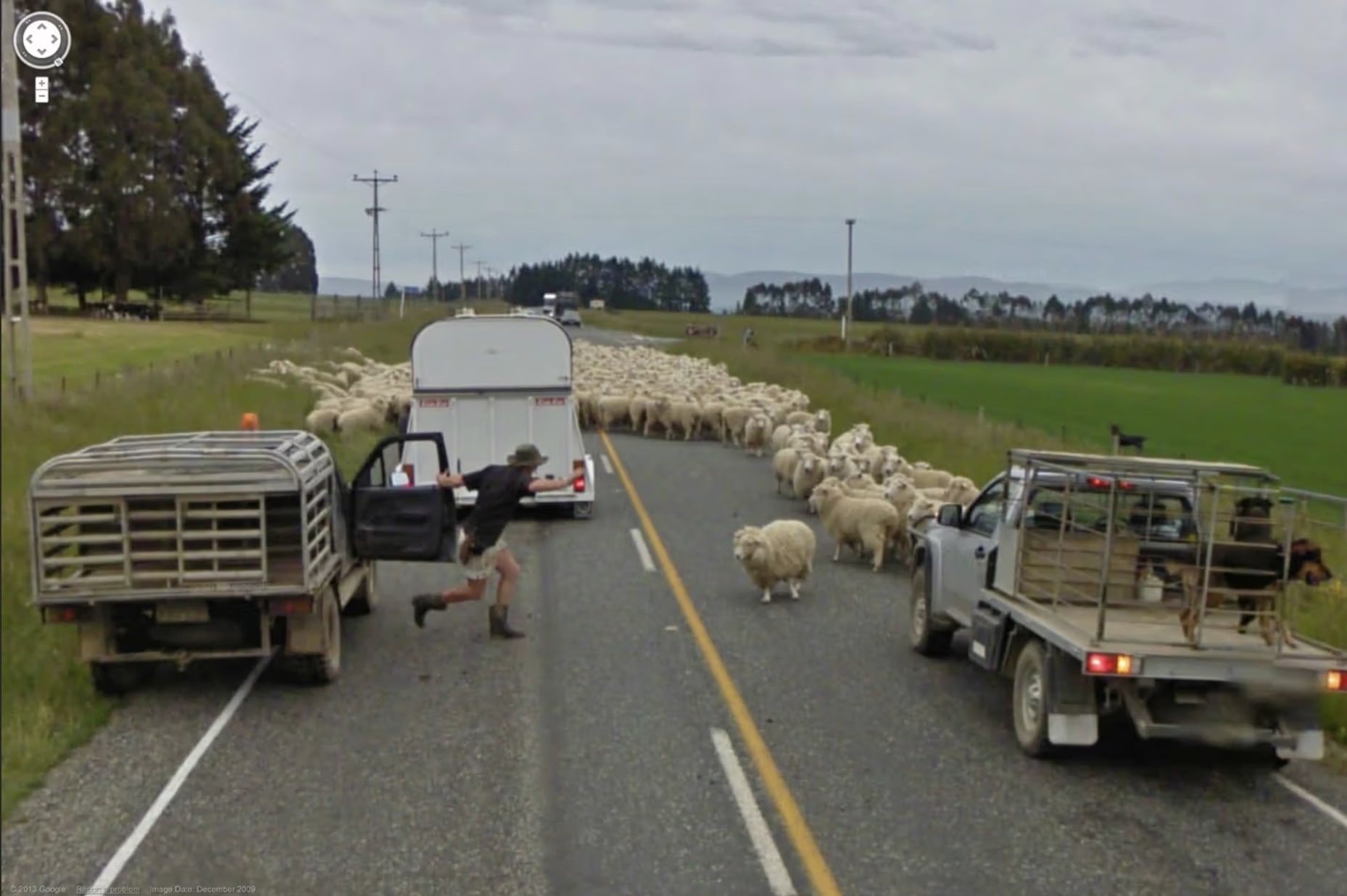
Courtesy of Jon Rafman and Sprüth Magers 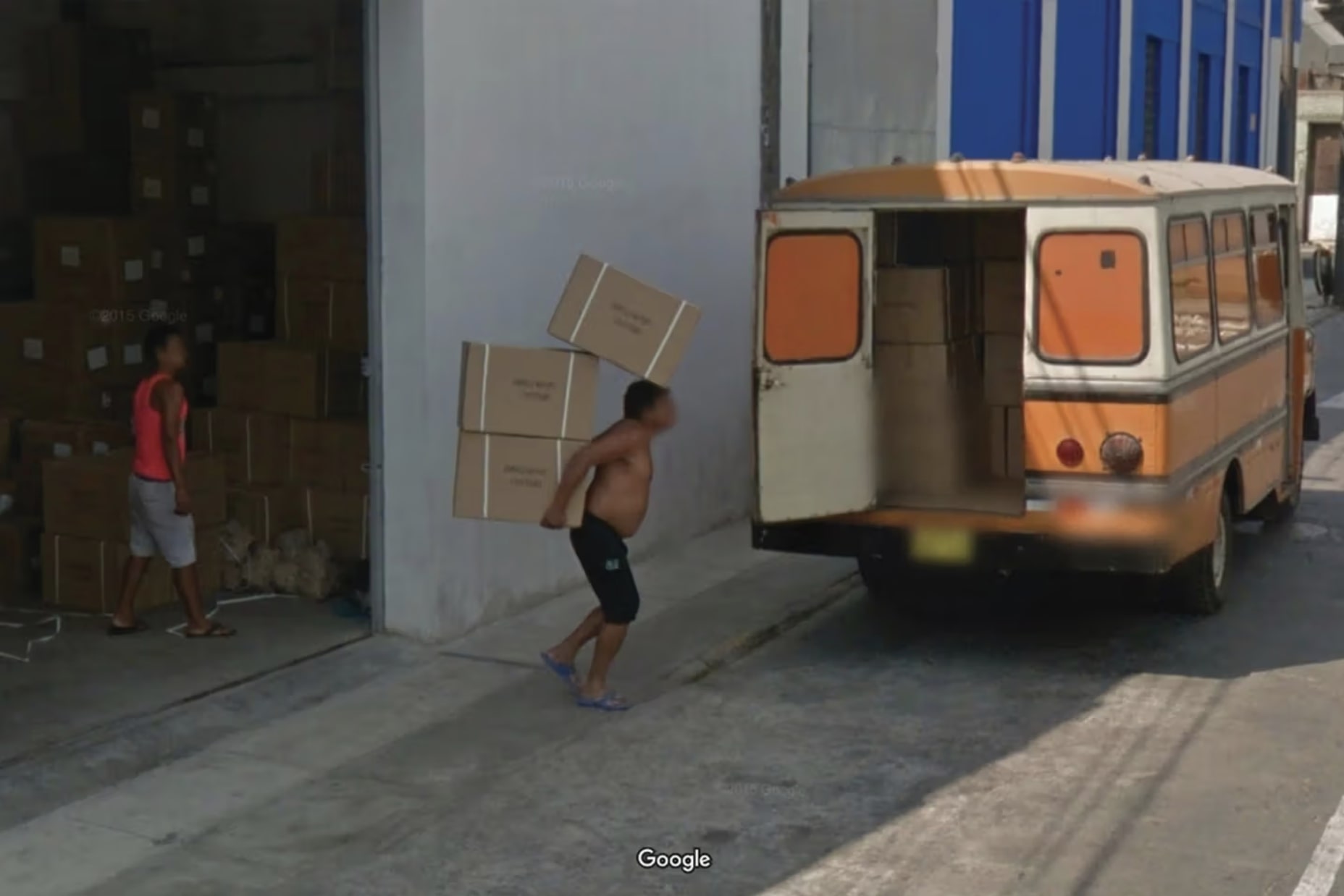
Courtesy of Jon Rafman and Sprüth Magers 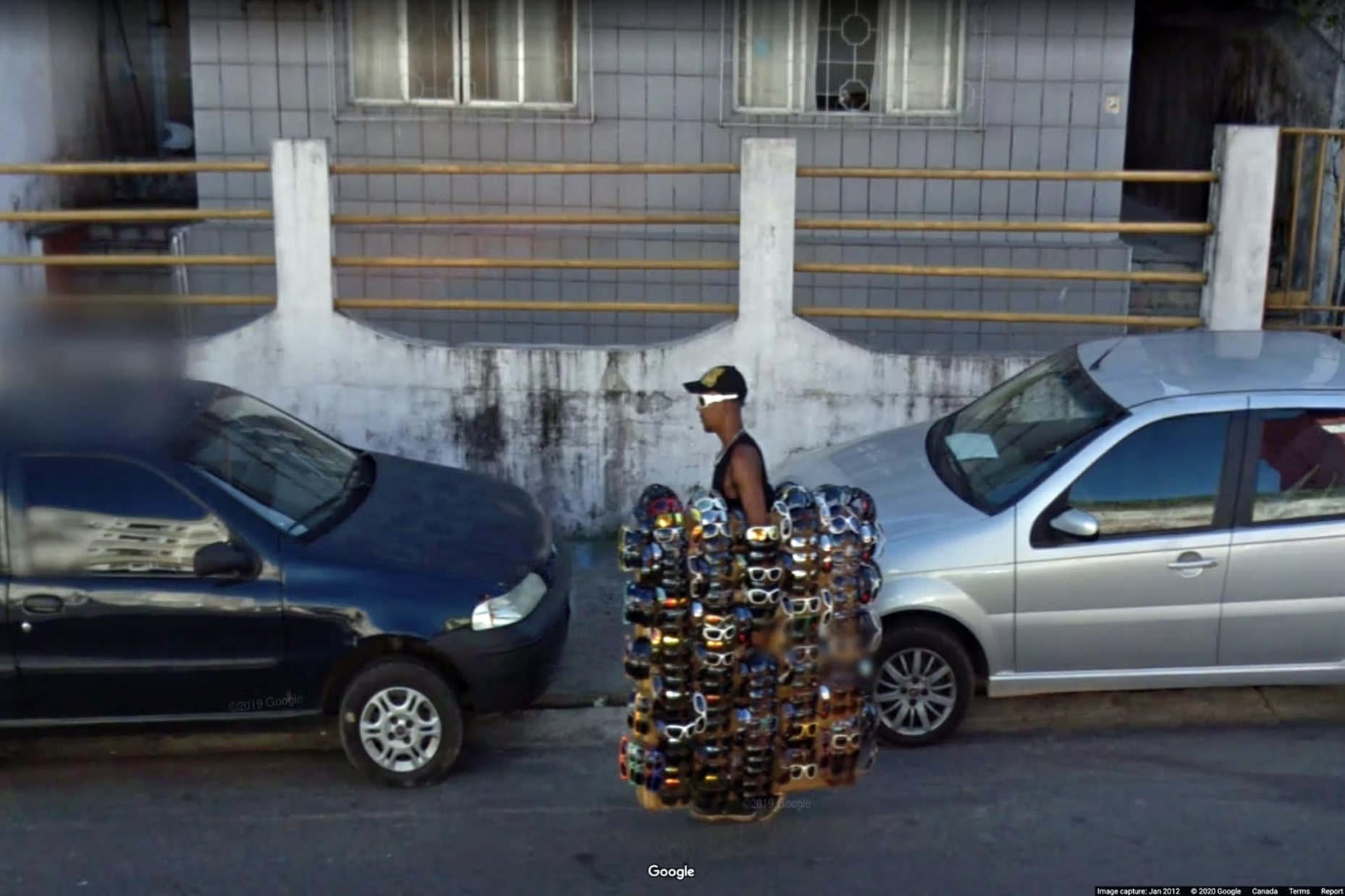
Courtesy of Jon Rafman and Sprüth Magers 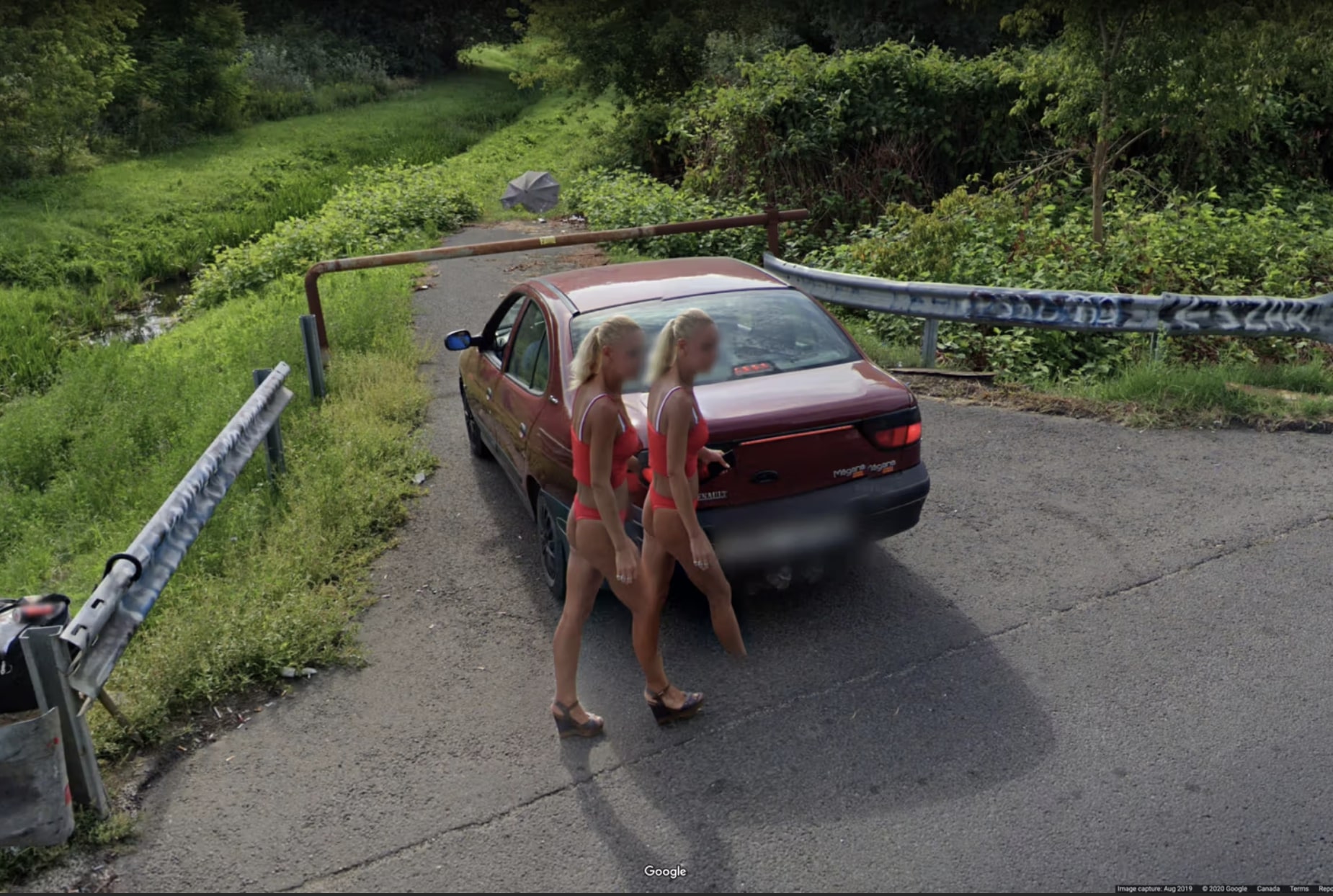
Courtesy of Jon Rafman and Sprüth Magers 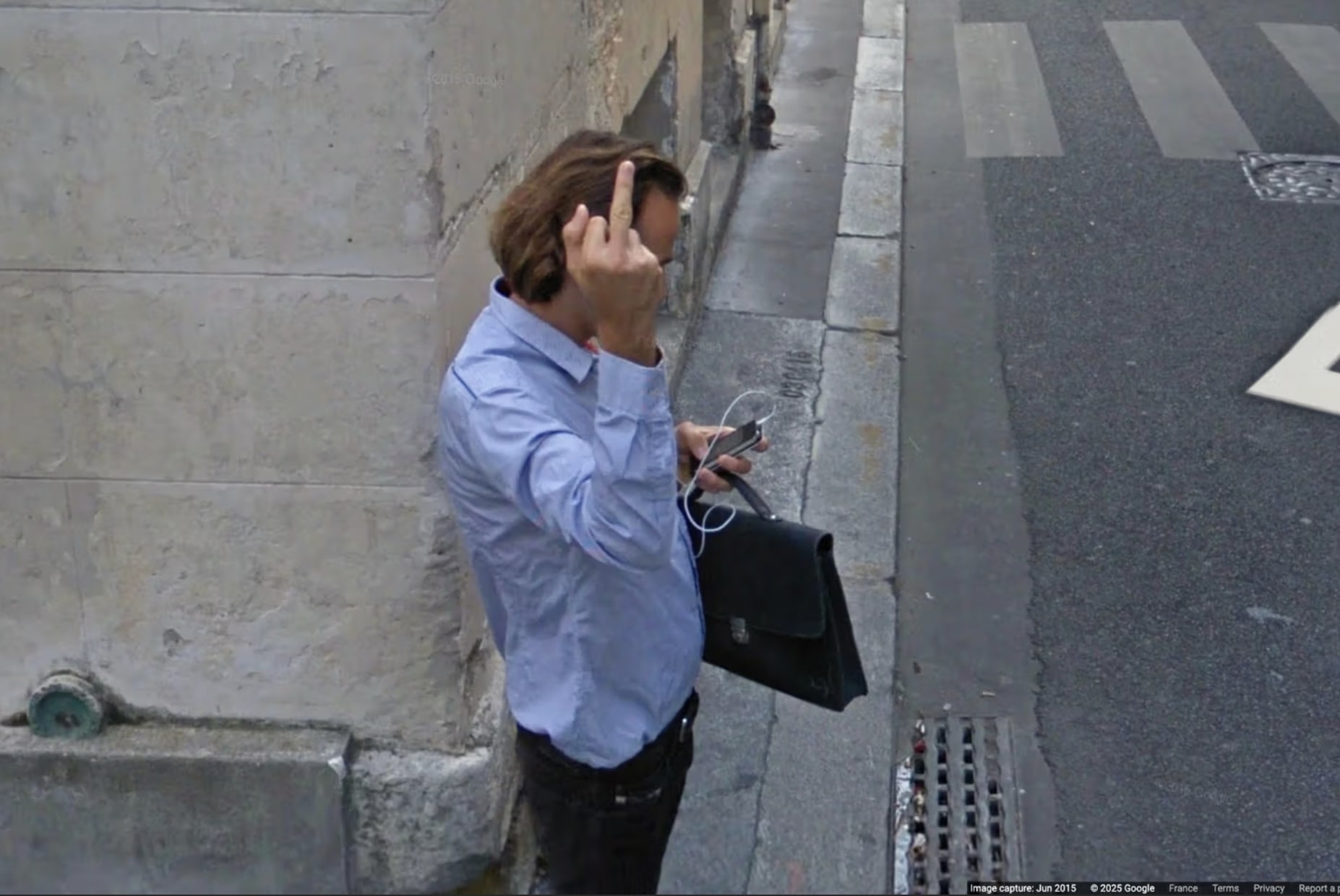
Courtesy of Jon Rafman and Sprüth Magers 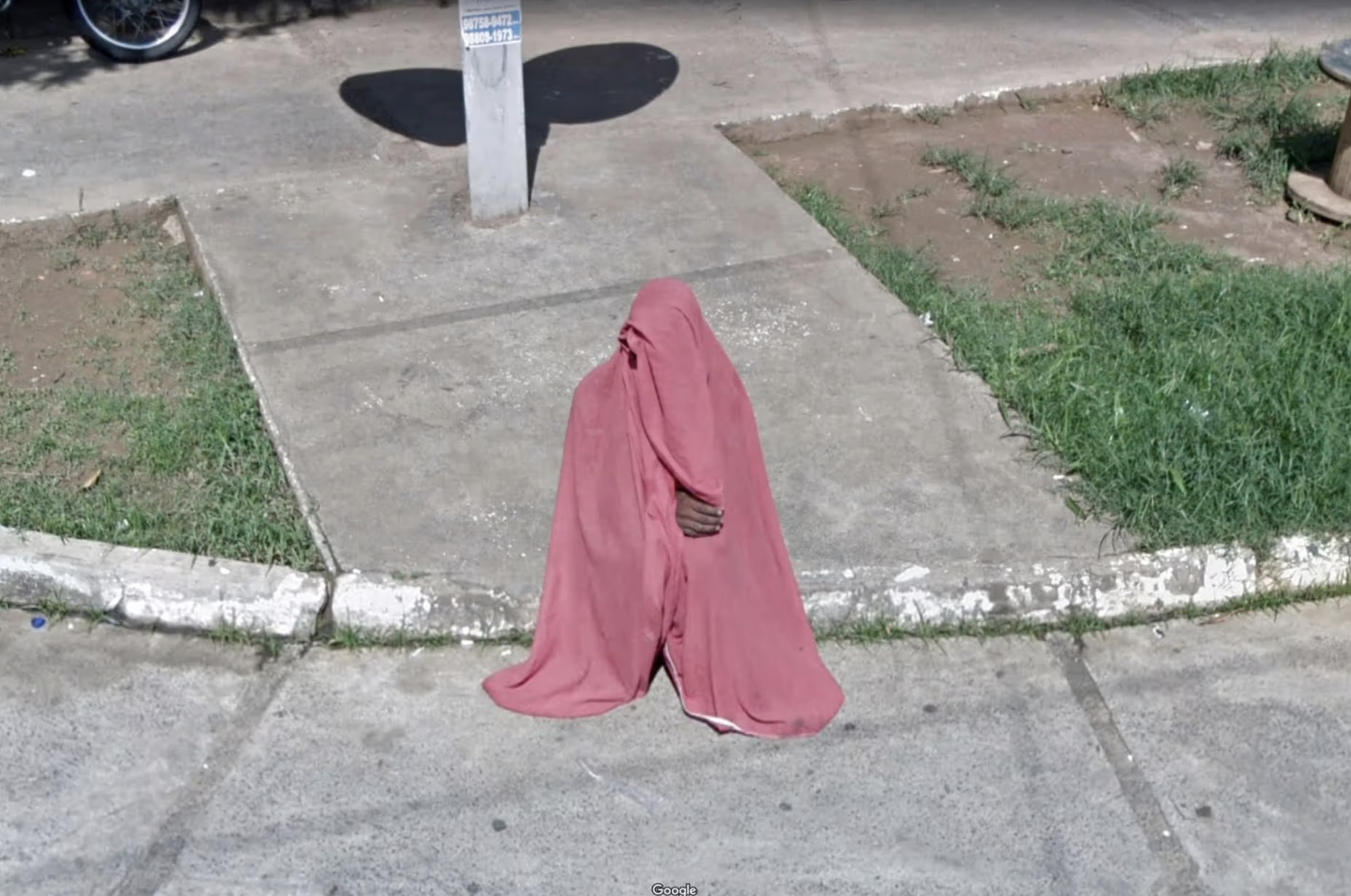
Courtesy of Jon Rafman and Sprüth Magers
By 2008, his growing archive would become “Nine Eyes of Google Street View,” a project that redefined the boundaries of digital art. What emerged was not a curated narrative, but a constellation of random encounters: strangers mid-fall, faces blurred by data policy, quiet violence, banal tenderness. Through these fragments, Rafman exposed the strange poetry embedded in automated surveillance, giving form to a new aesthetic shaped by the internet’s omniscient yet indifferent eye.
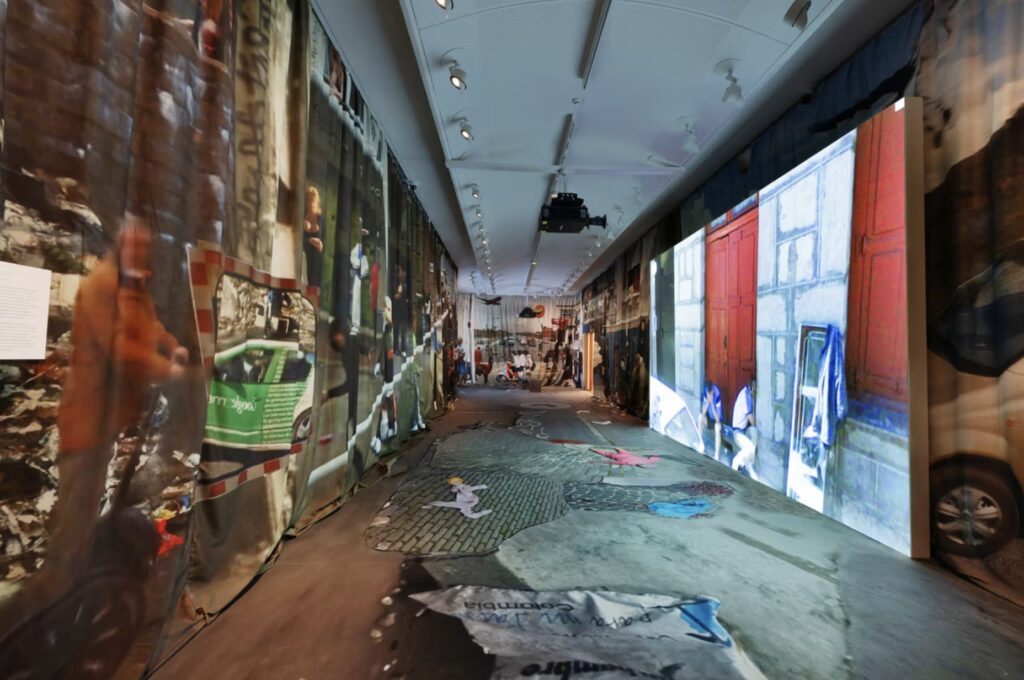
Now, nearly two decades later, the Louisiana Museum of Modern Art in Humlebæk, Denmark presents the most extensive exploration of this ongoing work to date. Titled “Report a concern – The Nine Eyes Archives,” the exhibition immerses visitors in Rafman’s evolving universe. The show assembles fifty monumental prints, a comprehensive archive of over 300 images, and a viewing space for the 2010 film YOU, THE WORLD AND I—a story of lost love told entirely through the lens of Google Earth. Adding to the presentation, Rafman debuts a new piece animated by AI, which breathes motion into his static Street View captures, extending his inquiry into how technology both observes and distorts the real.
Courtesy of Jon Rafman and Louisiana Museum of Modern Art 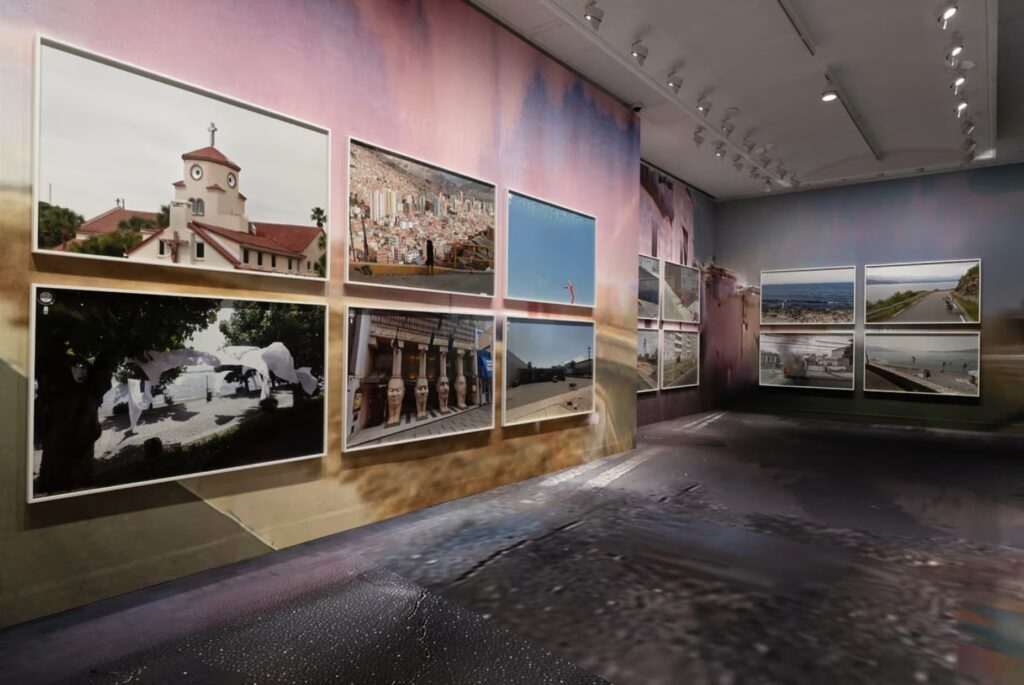
Courtesy of Jon Rafman and Louisiana Museum of Modern Art 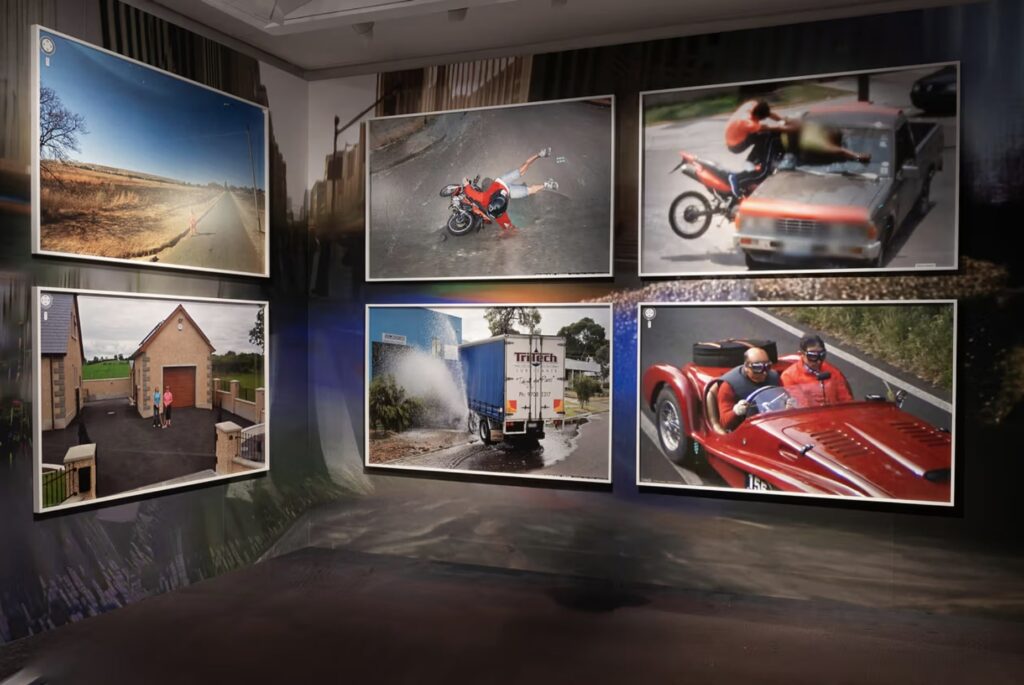
Courtesy of Jon Rafman and Louisiana Museum of Modern Art 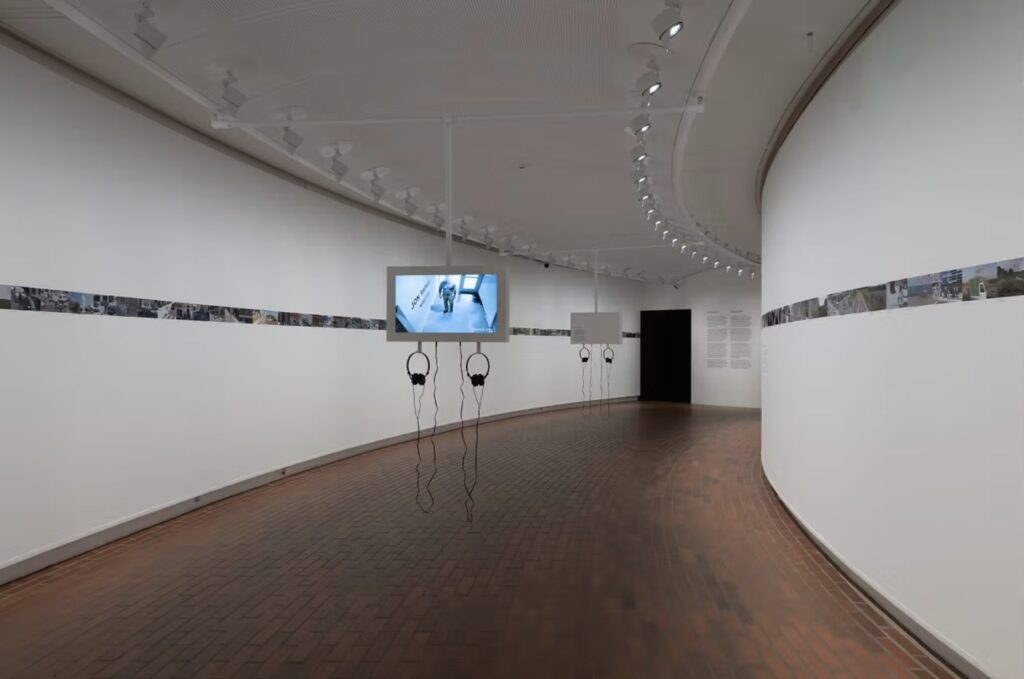
Courtesy of Jon Rafman and Louisiana Museum of Modern Art 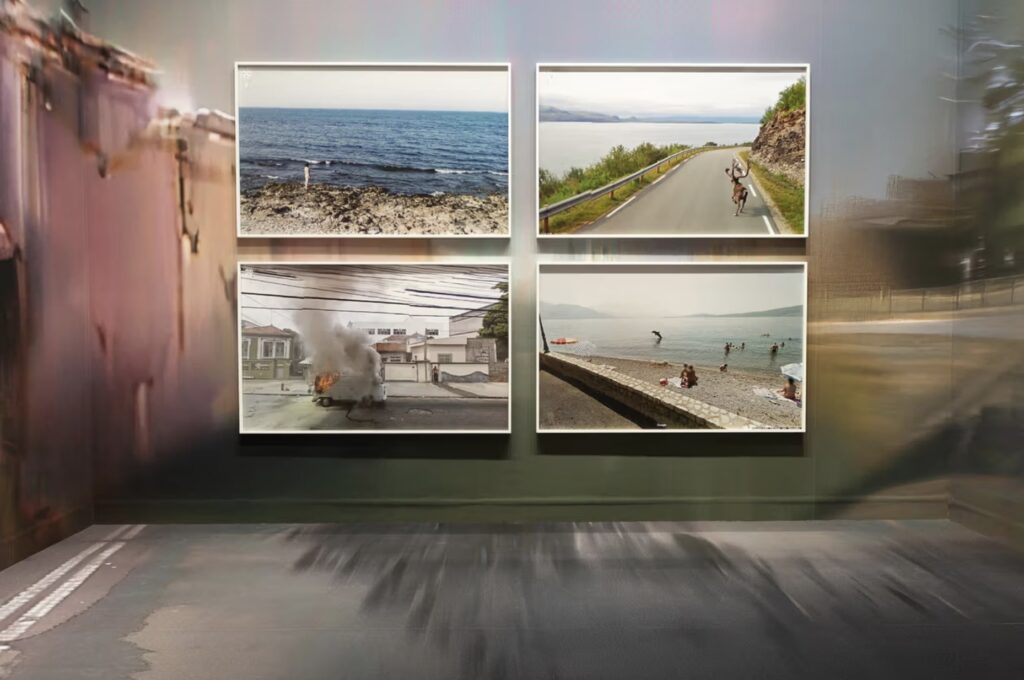
Courtesy of Jon Rafman and Louisiana Museum of Modern Art 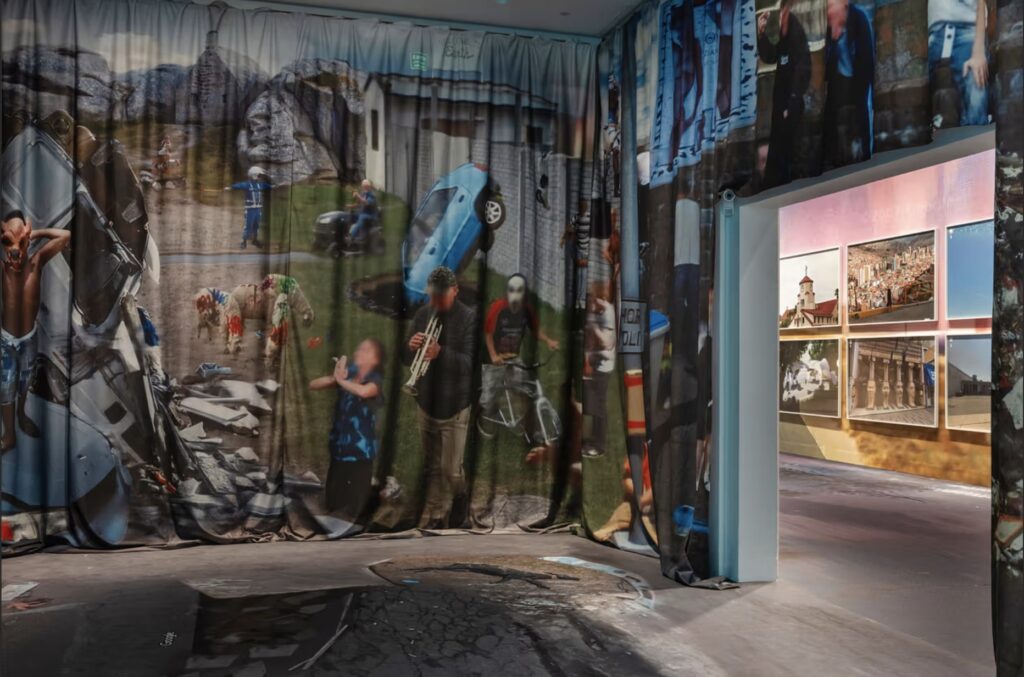
Courtesy of Jon Rafman and Louisiana Museum of Modern Art 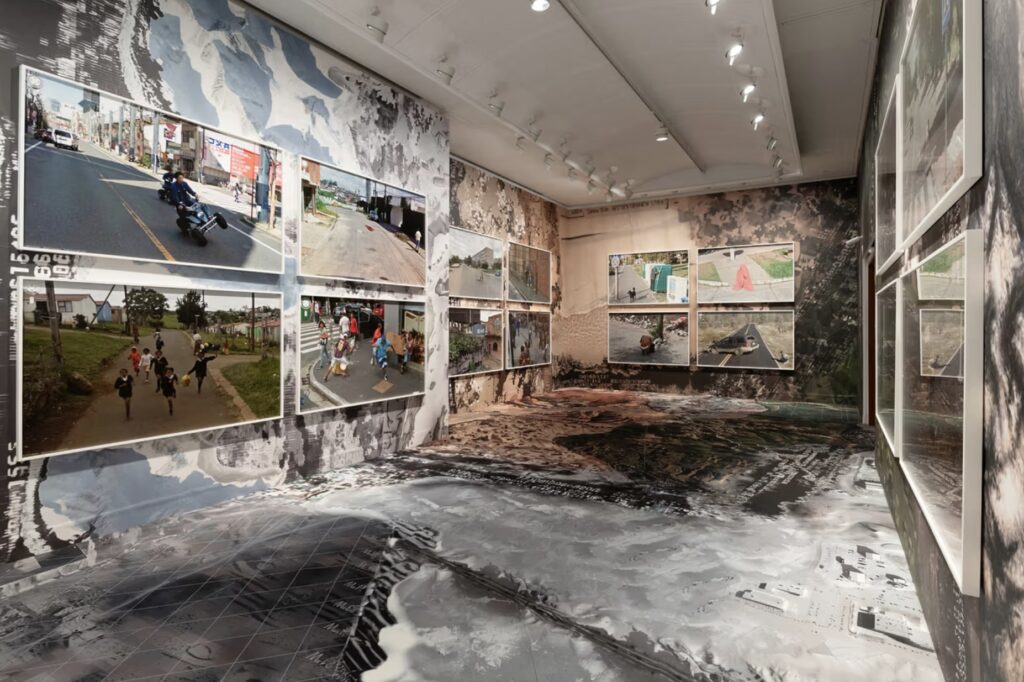
Courtesy of Jon Rafman and Louisiana Museum of Modern Art
For Rafman, the appeal of these images lies not in precision but in imperfection—the glitches, double exposures, and fractured panoramas that reveal the seams of machine perception. Within those errors, he finds a kind of digital melancholy, an echo of the absurdity and beauty that define human existence itself.
On view until January 11, 2026, “Report a concern – The Nine Eyes Archives” transforms Google’s byproduct of navigation into an existential mirror, asking us to reconsider what remains of truth and empathy in an age where the camera never blinks.