
Share this
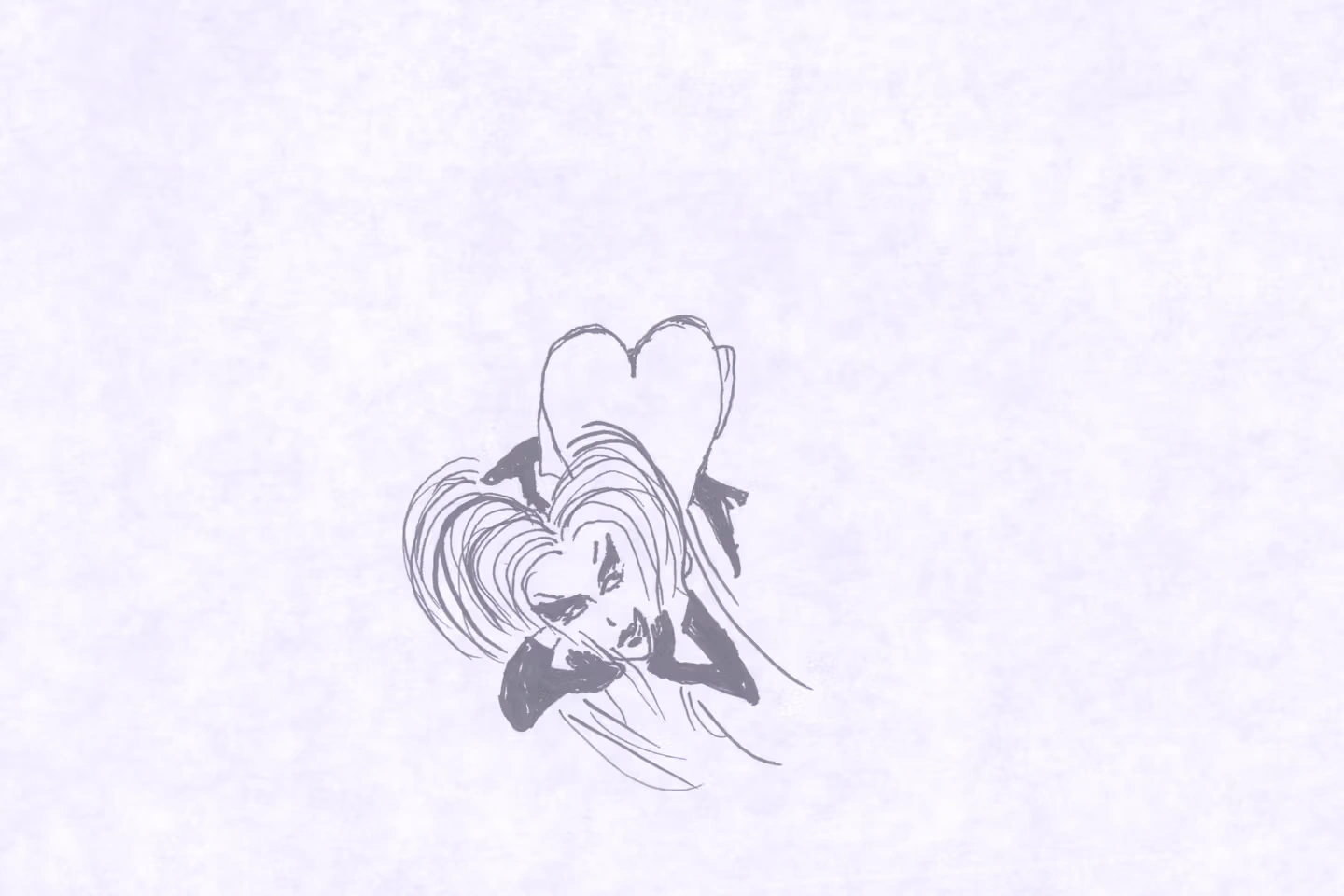
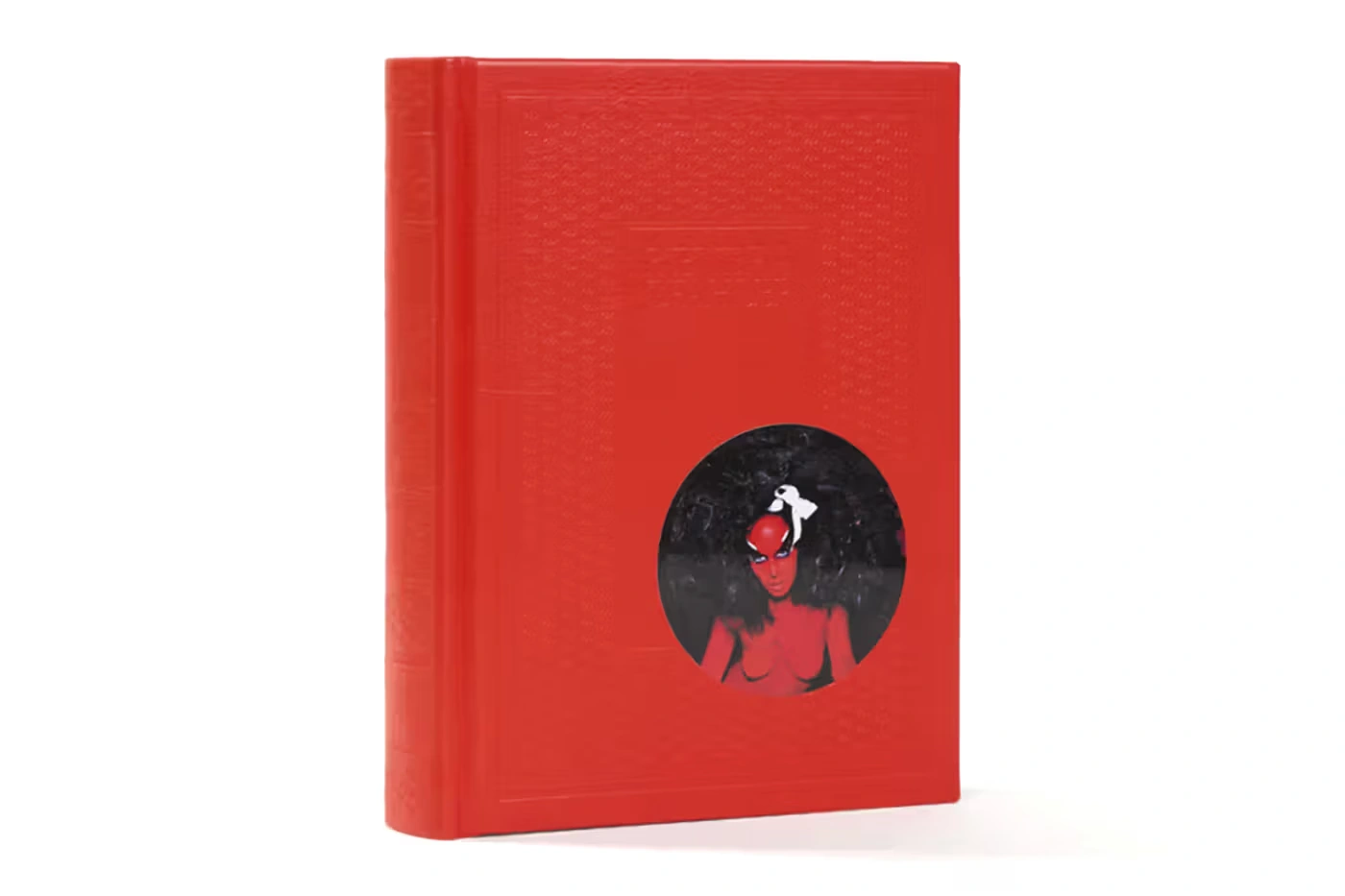
Some artists don’t just make work — they detonate it. Kembra Pfahler has spent decades doing exactly that, building a practice so excessive, confrontational, and visually unmistakable that it still feels difficult to contain within any single art-world label. Now, that career is being gathered into a major new Rizzoli monograph, a 336-page volume tracing four decades of performance, photography, illustration, and archival material from one of underground culture’s most enduring provocateurs.
Pfahler has always existed in a space where performance art, punk, body politics, and shock aesthetics collapse into each other. The book reportedly revisits the visual language that made her impossible to ignore: the painted body, the blackened teeth, the theatrical grotesque, the deliberate use of fetish, horror, and ritual as tools for rupturing more polite ideas of femininity and beauty. It’s the kind of practice that never asked for acceptance and, because of that, ended up changing the terms of the conversation anyway.
What makes the release feel especially significant is that it doesn’t frame Pfahler as some niche relic of downtown extremity, but as a figure whose influence has travelled far beyond the subcultural margins that first shaped her. The monograph follows her back to New York’s Lower East Side in the 1980s, where she became involved in the Cinema of Transgression scene while also working as a dominatrix by day — a biography that already sounds like performance art in itself. Around that same period, she also founded The Voluptuous Horror of Karen Black, the horror-glam-punk project that became another extension of her unruly visual universe.
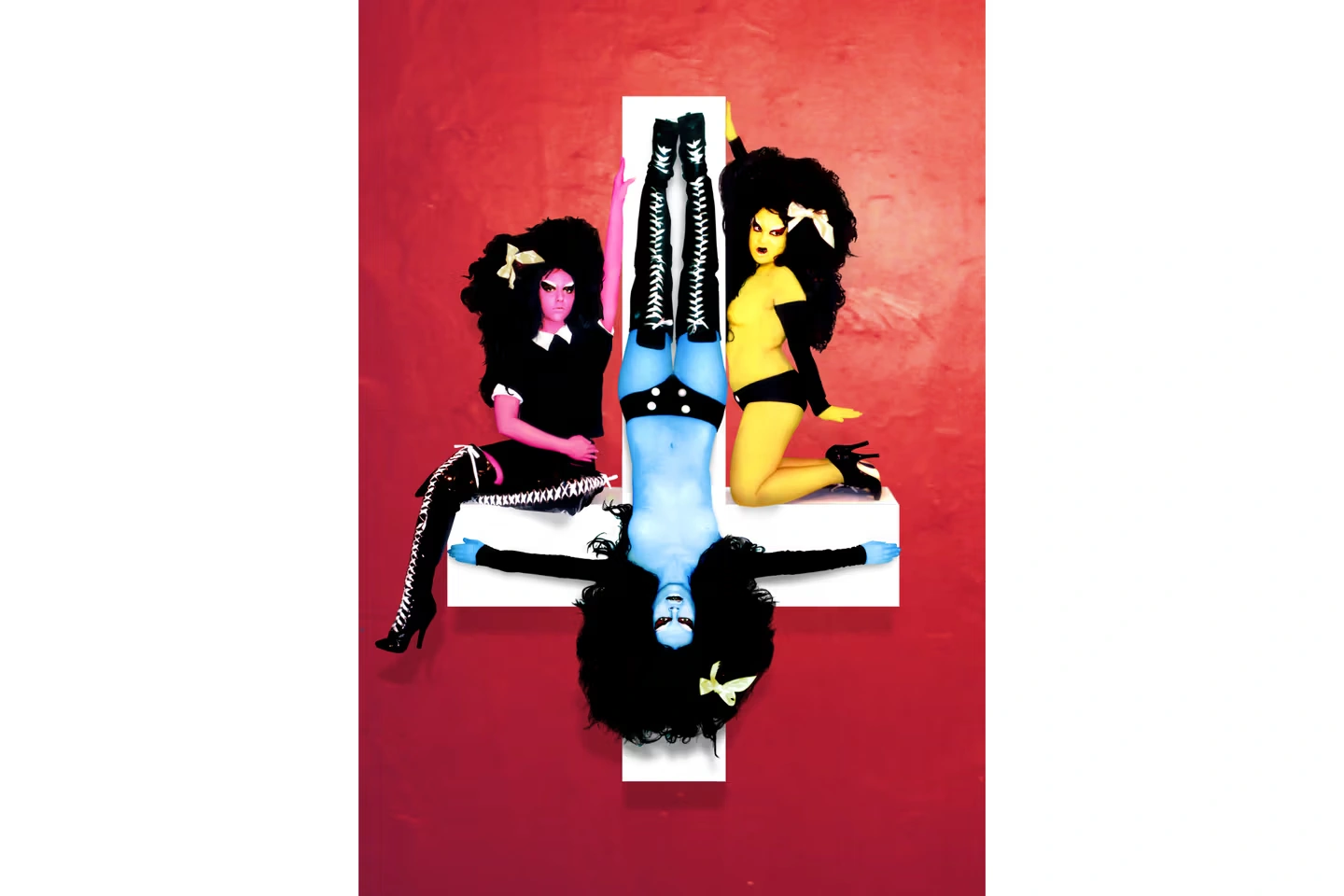
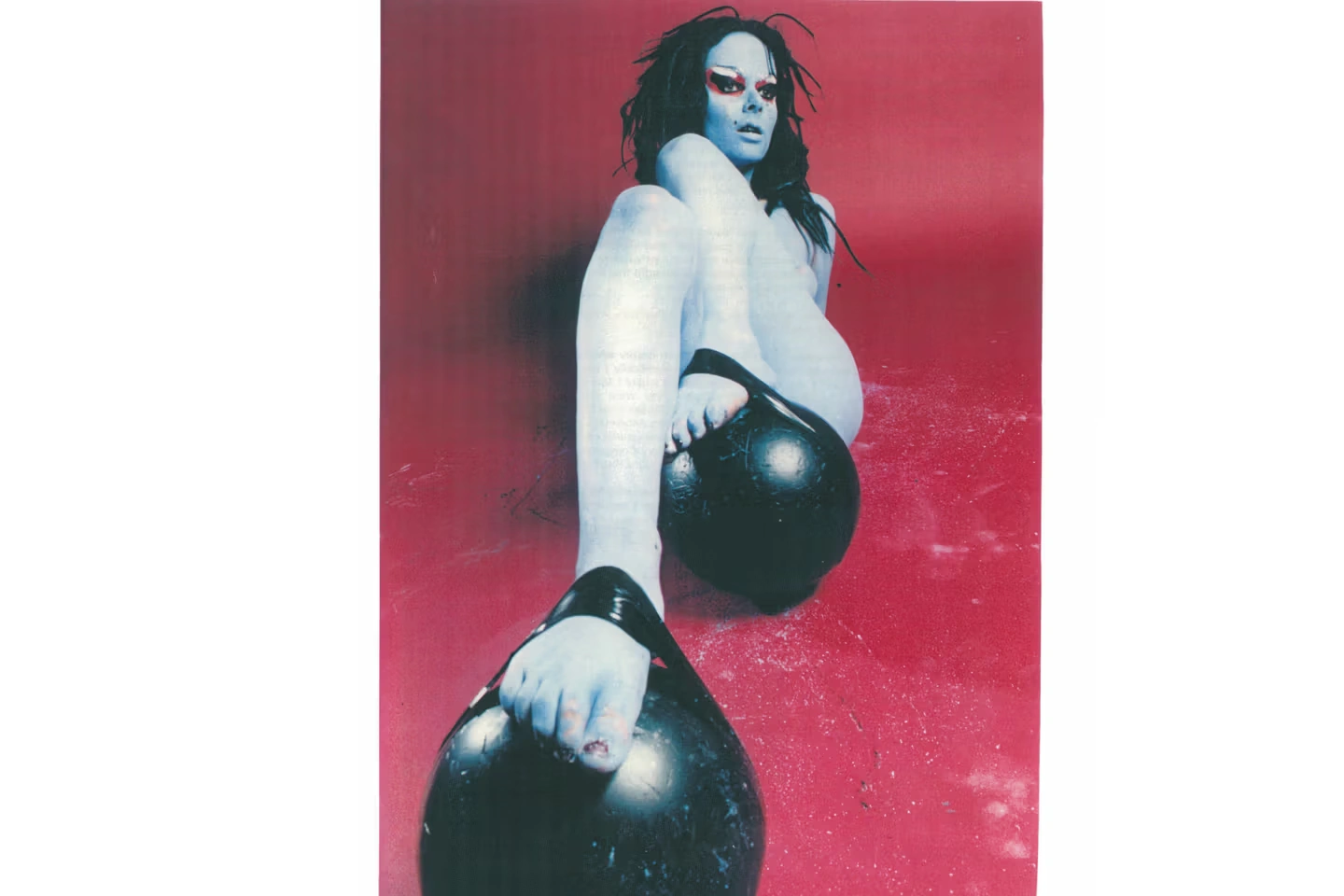


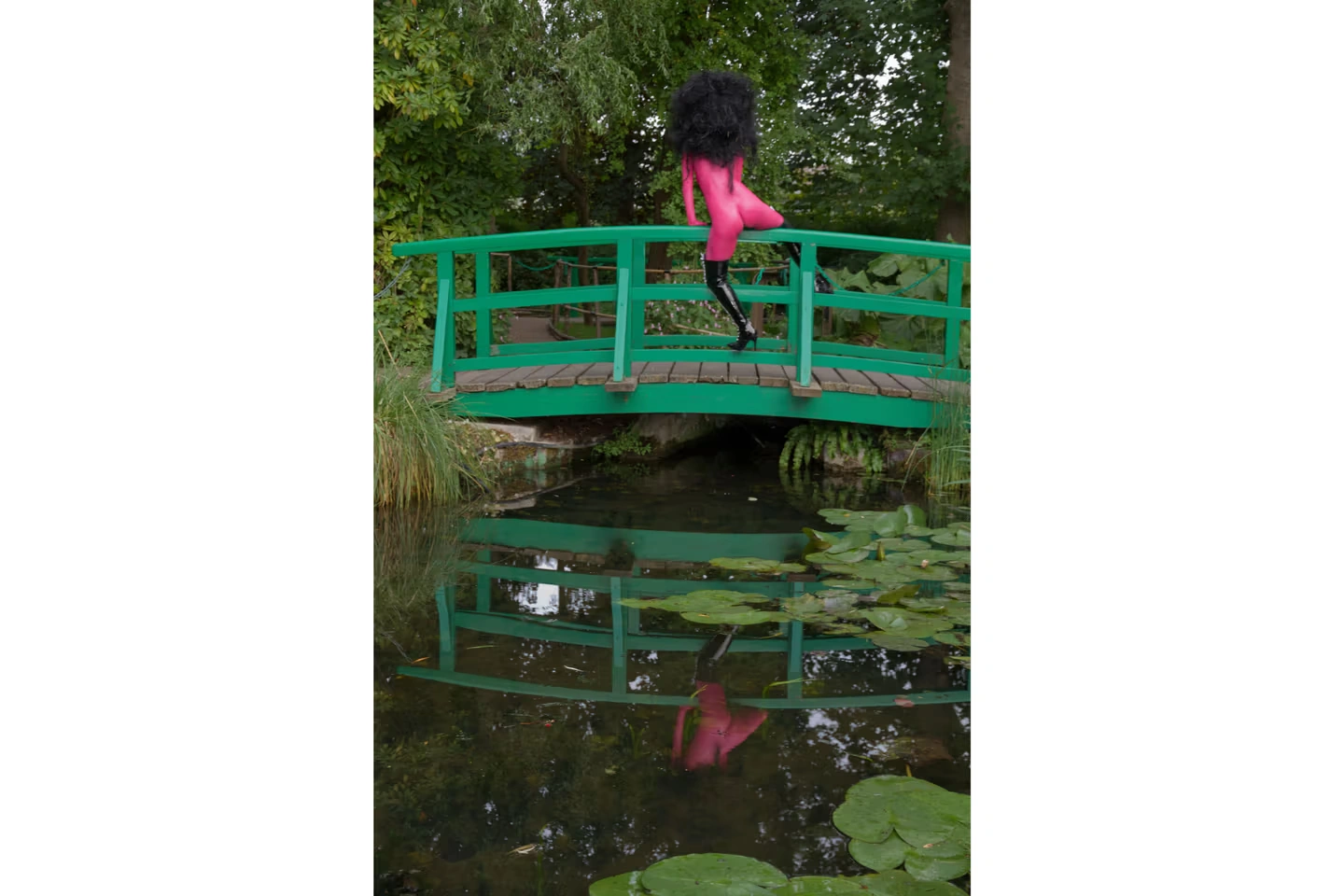
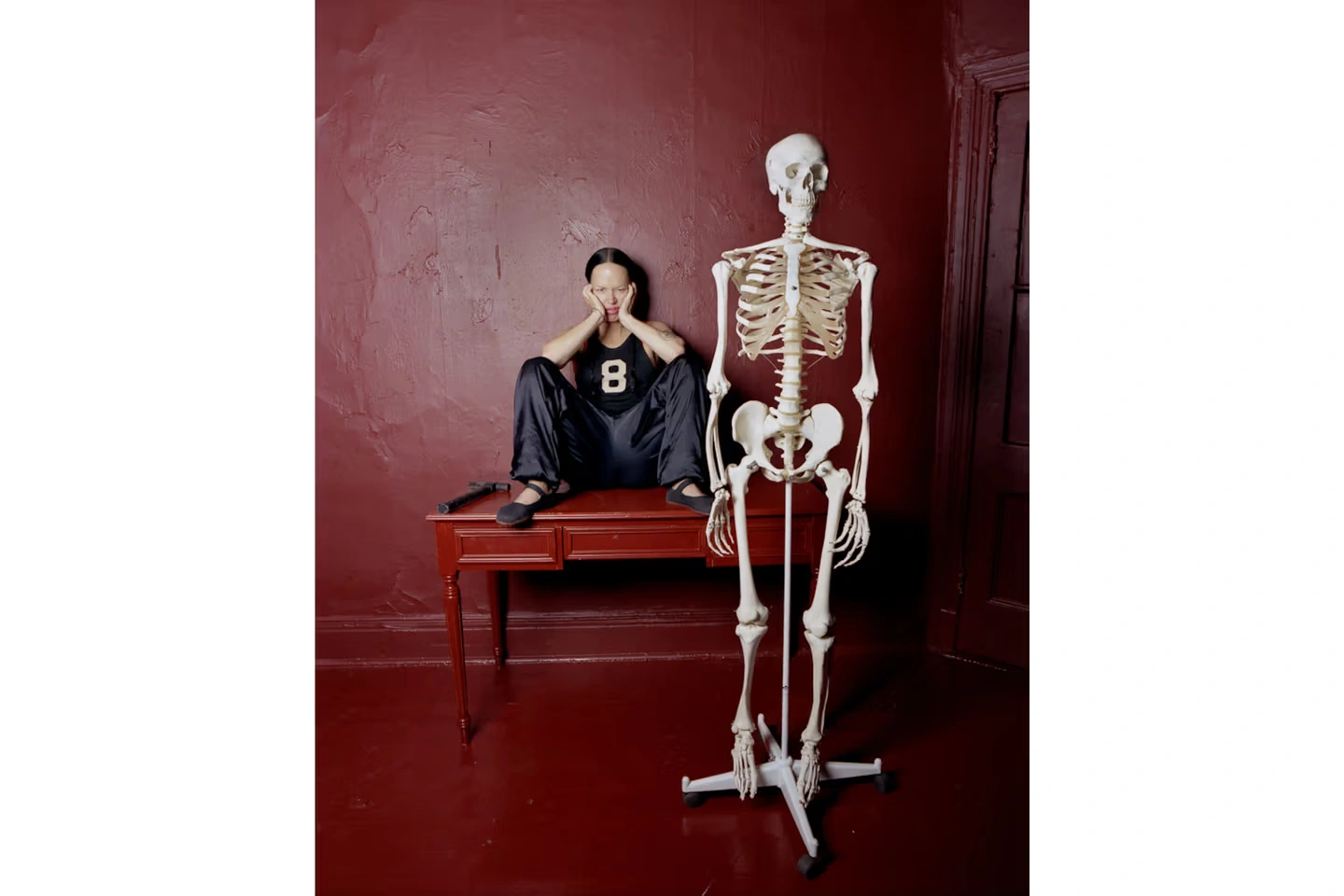

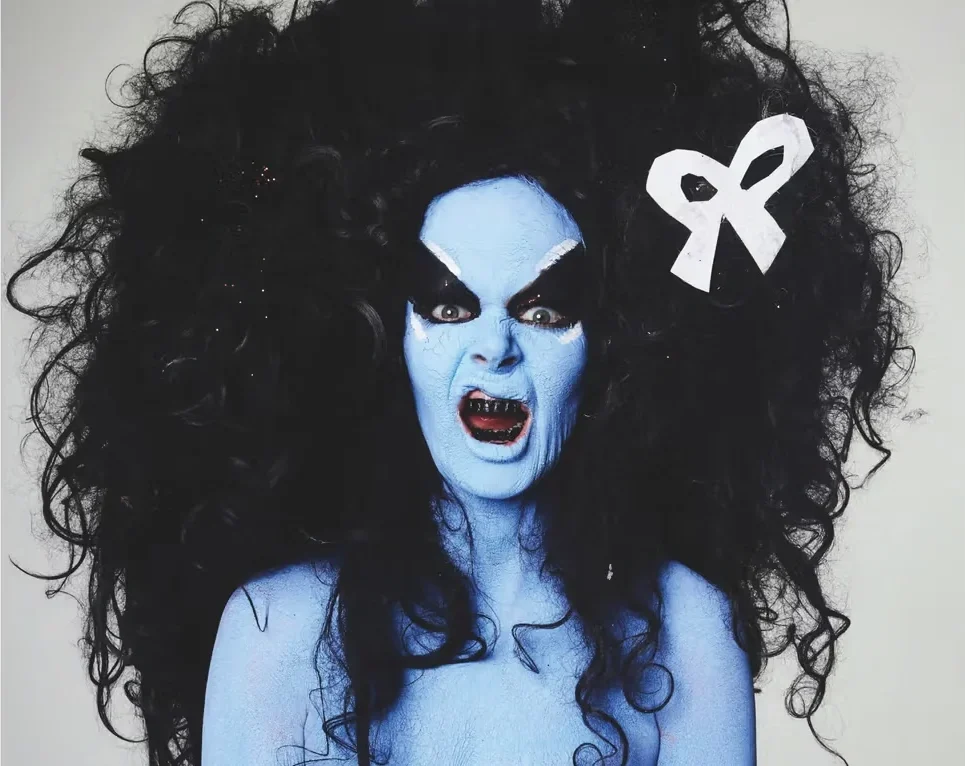
The book also tracks how that underground energy mutated rather than softened over time. By the 1990s and early 2000s, Pfahler began translating parts of her cinematic and bodily practice into gallery contexts, developing installations and endurance-based works that brought her singular sensibility into institutions without neutralising it. The piece notes that her inspirations have ranged from Japanese Noh theatre to West Coast surf culture, which says a lot about how strange and elastic her world really is: ceremonial, camp, abject, devotional, and pop all at once.
There’s also a quiet reminder here that Pfahler’s reach extends well beyond the art world. The article points out that she has been a muse and model for figures including Rick Owens, Marc Jacobs, Helmut Lang, and more recently Supreme— proof that fashion’s long-running obsession with extremity, artifice, and deviant glamour has owed more to her than it always admits.
Fittingly, the monograph arrives with contributions from names that feel genuinely aligned with her orbit, including Jeffrey Deitch, John Waters, Rick Owens, and Anohni. The book became available through Rizzoli and Dover Street Market on March 17, 2026, with Dover Street Market New York also hosting a March 20 launch event featuring a talk and a special installation dedicated to the artist.
More than just a career survey, this feels like a formal acknowledgement of an artist who has spent years making sure decorum never gets the final word. Kembra Pfahler was never going to be easy to package. That’s exactly why the book matters.