Share this
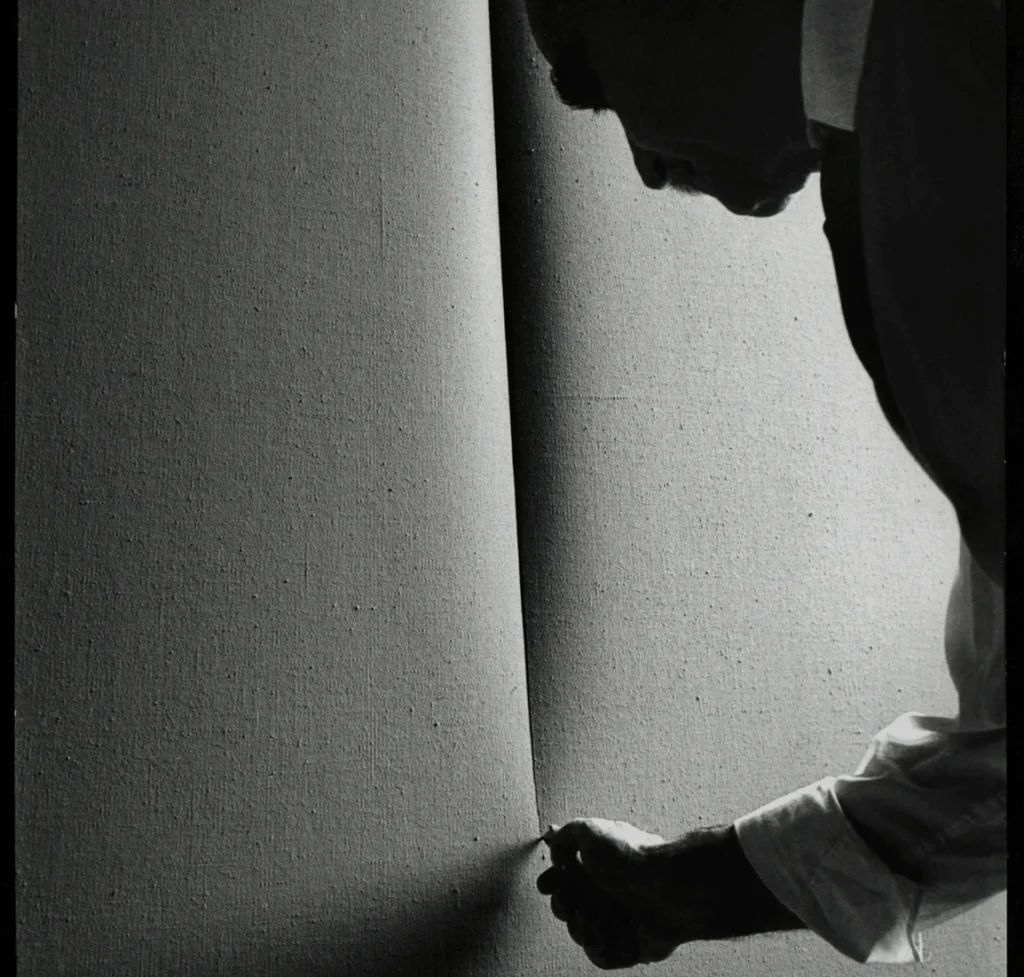
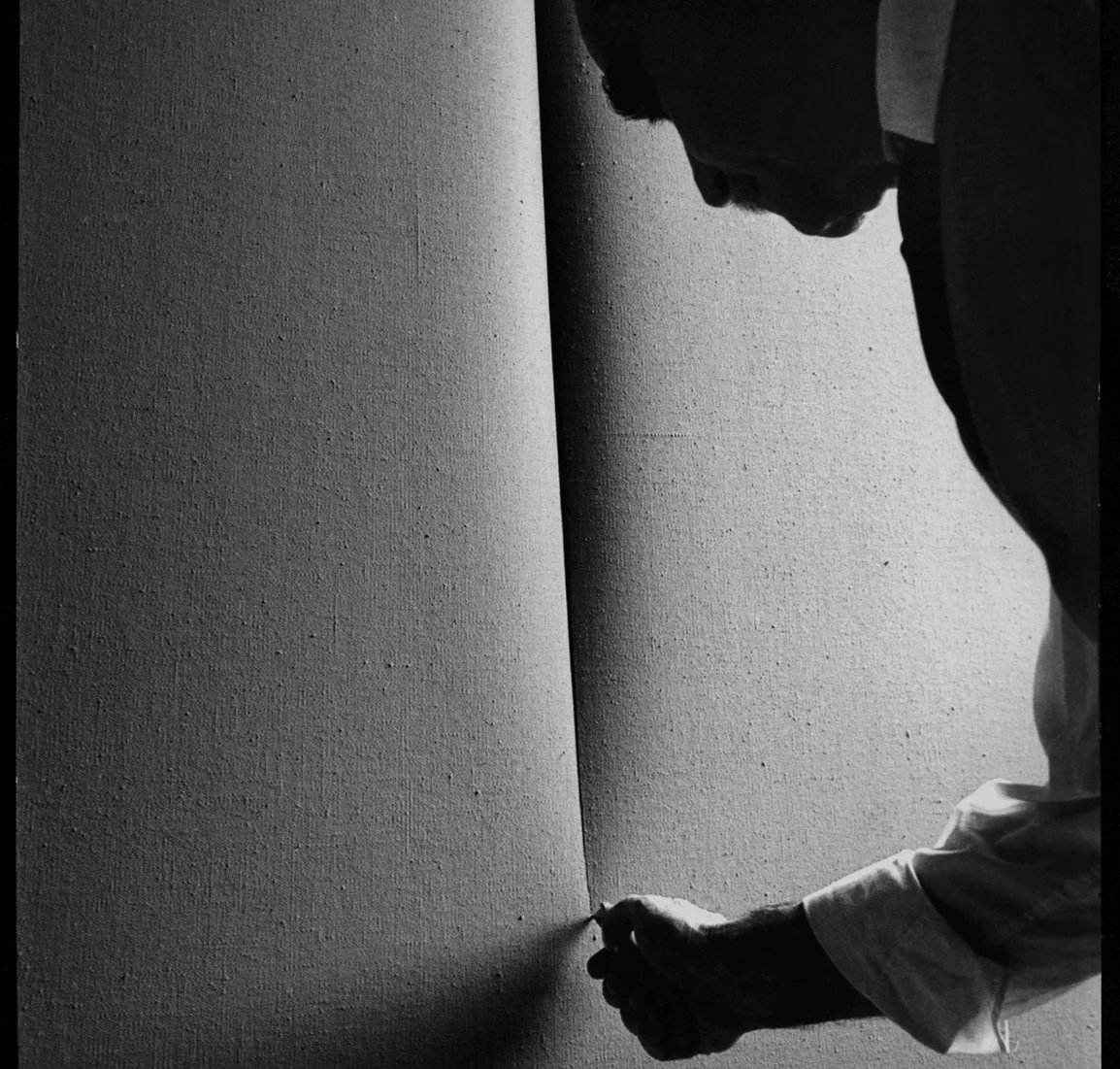
Can the simple act of tearing a hole through a flat surface be an act of creation rather than destruction? For Lucio Fontana, violent physical rupture was the ultimate threshold into infinite spatial freedom. Bringing the final chapter of a major international trilogy to Hauser & Wirth Hong Kong, the exhibition Spatialism: Pioneering the Contemporarytraces the legendary Argentine-Italian artist’s radical mission to obliterate the boundary between two-dimensional painting and three-dimensional physical space.
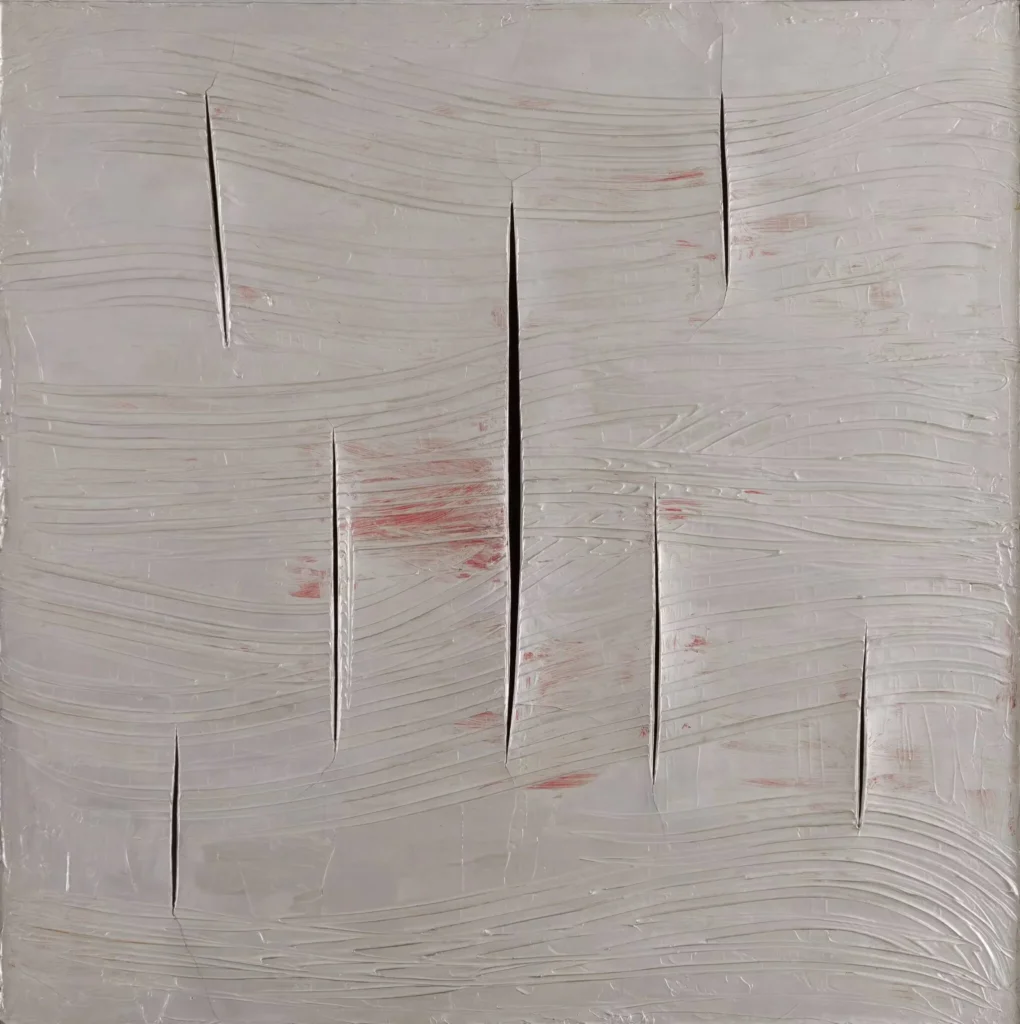
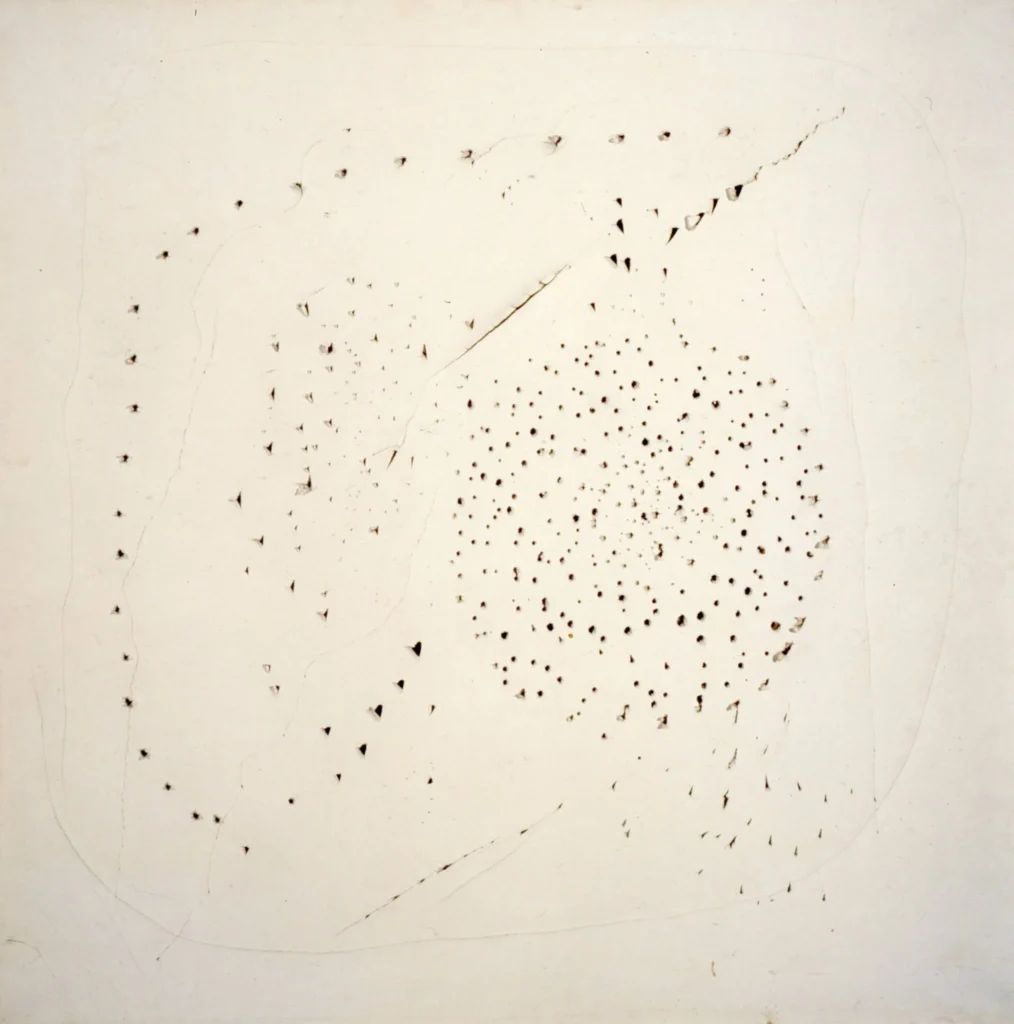
Curated by Luca Massimo Barbero in direct collaboration with the Fondazione Lucio Fontana, the landmark survey gathers seminal works from 1949 onward, charting the evolution of his revolutionary Spatialism movement. The space centers on his iconic Buchi (Holes) and precise Tagli (Cuts)—scandalous interventions where the canvas ceases to be a passive surface for representation and transforms into a site of architectural tension and cosmic depth.
Rendered in stark monochrome palettes of pure white, deep black, and metallic gold and silver, the slashed and perforated canvases react dynamically to the surrounding gallery light, pulling shadow directly into the art. In dialogue with the flat works, bronze geodesic sculptures from his Nature series resemble extraterrestrial spheres, embodying Fontana’s dream of bringing inert physical matter to life through raw human effort.
Accompanying the show is a historic new monograph from Hauser & Wirth Publishers, translating Fontana’s manifesto writings into Simplified Chinese for the very first time.