
Share this
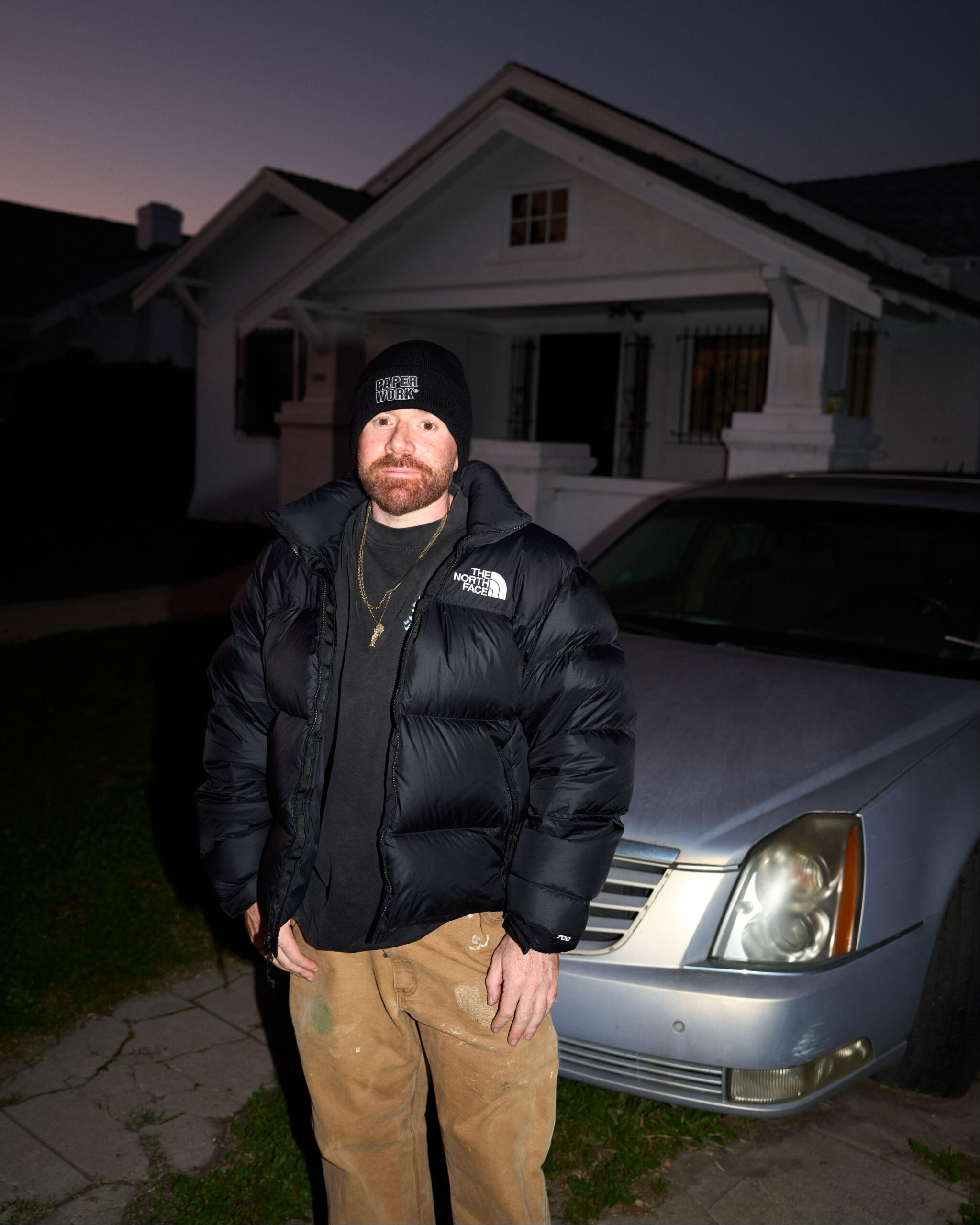
When I first sat down with Michael Krim in 2024, he talked about authenticity — about Paper Work, presence, and letting images breathe without academic scaffolding. A year later, the tone has hardened. The work is more deliberate. The control more intentional.
Los Angeles is shifting ahead of the 2028 Olympics. Blocks are being cleared. Culture is cycling faster. Analog is becoming resistance. Krim is still in the streets — but less interested in scenes, more focused on authorship. Less concerned with interpretation, more obsessed with intent.
In this second conversation, he speaks about desensitization, responsibility, money, memory, and why a photograph pasted to a wall might outlive anything trapped inside an algorithm.
Hi Michael, the last time I had you in the hot seat, was back in 2024, It’s a pleasure to sit down with you again! What have you been up to since then?
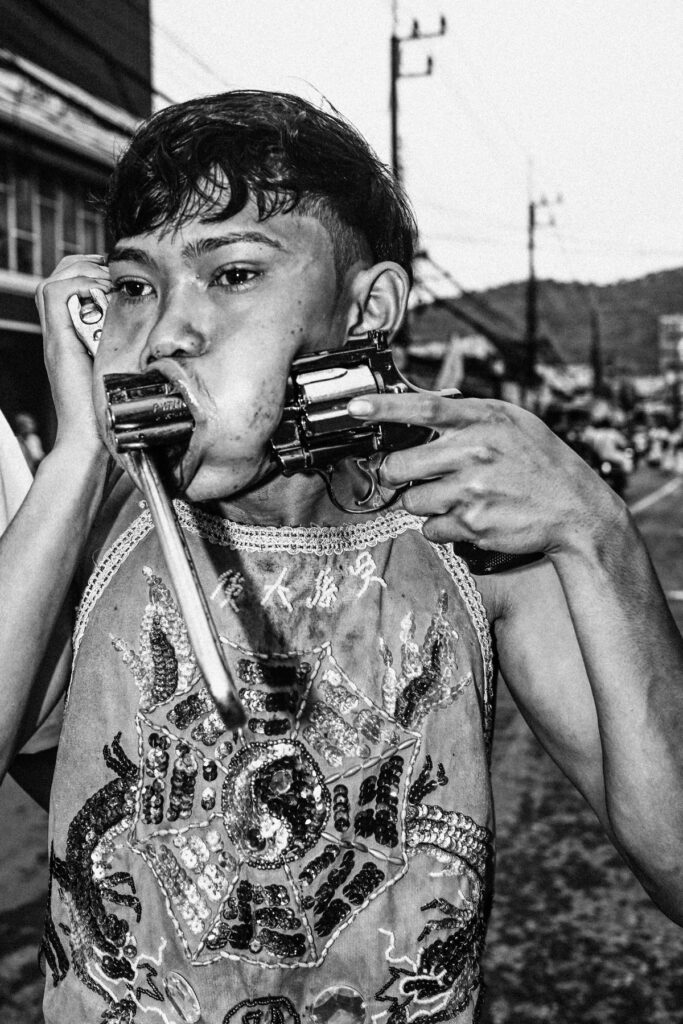
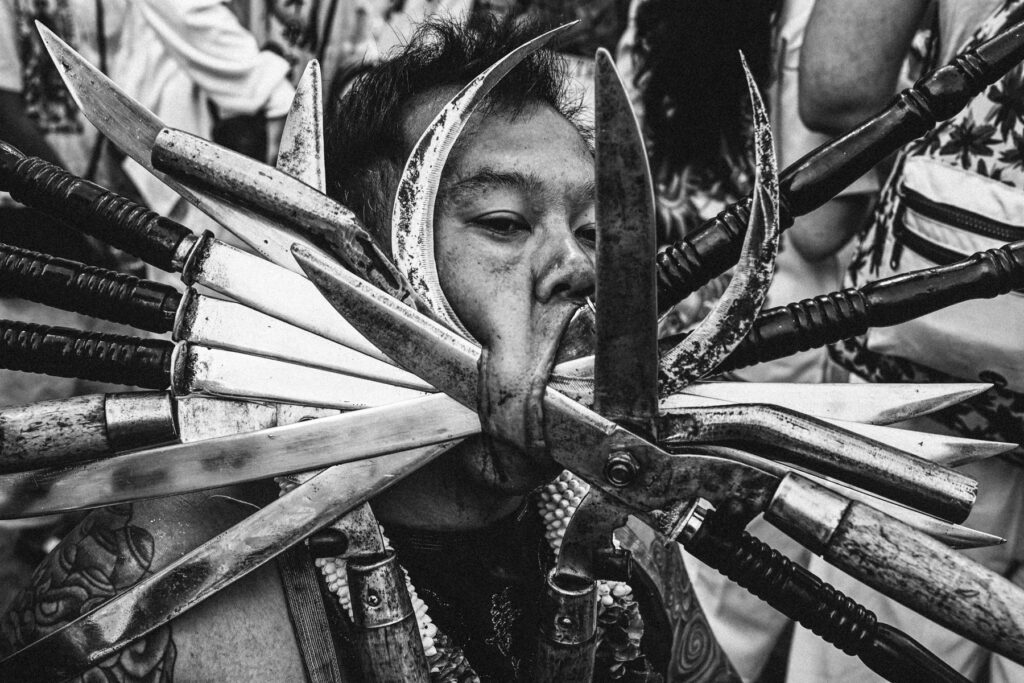
Michael. Hey Rubén, great to be back. Since 2024 I’ve been traveling a lot, London and Thailand were big for me, preparing to release several themed photo projects. These bodies of work are more focused and deliberate; they show a more refined, intentional side of my practice and the stories I want to tell.
Is there anything you were convinced about a year ago — materially, emotionally, or artistically, that you now see differently?
Michael: For years, a few of my homies told me to just focus on my art and my journey. I spent many years publishing and working with artists, and at times it ended in disappointment. So this year I decided it’s all on me unless I know your track record. It’s easier for me to collaborate with artists and take responsibility for pushing the product, because I trust I can get it done.
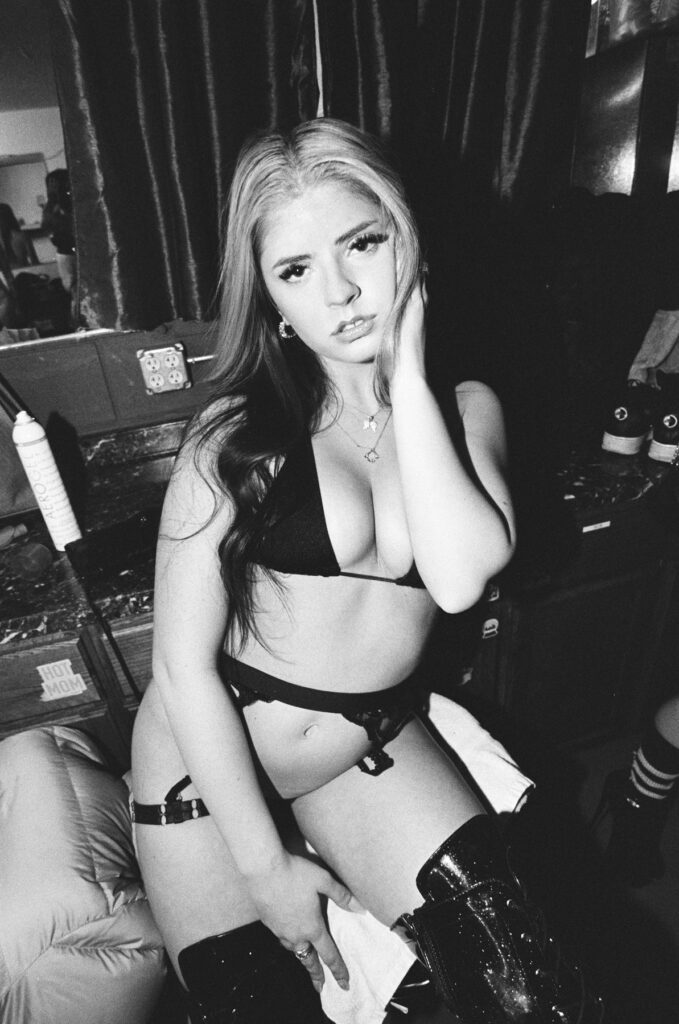
In our last conversation, you spoke about authenticity, about resisting polish and perfection. Has your relationship with authenticity changed as your work has reached wider audiences?
Michael: I hope my work is reaching wider audiences, but you never know; social media is trash. Lately I’ve been focused on finding balance and rawness instead of chasing shock value. I don’t pursue polish for its own sake, but I am investing in better sequencing, editing, and presentation so the work communicates more clearly. Ultimately I aim for honest work that’s intentional and sustainable.
Do you ever feel a tension between wanting to remain honest and knowing your images will be interpreted, circulated, and consumed in ways you can’t control?
Michael: I’m not worried about how people interpret my work; that’s their job. What I care about is intent. If something lands in a grey area, I haven’t pushed what I’m feeling hard enough. I’d rather force a strong reaction, love it or hate it, because that means the work is doing its job.
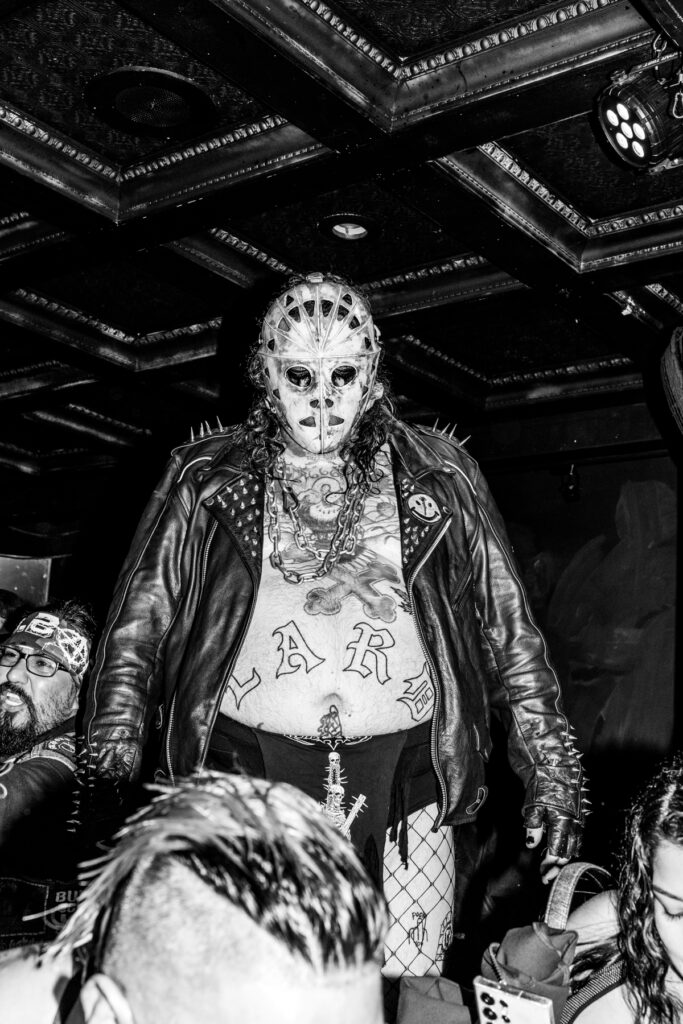

Is there something about yourself that photography allows you to express more truthfully than language ever could?
Michael: Photography lets me say things I can’t with words. I like that it’s at face value, whatever someone takes from an image is on them. Nothing bugs me more than over-explaining a body of work with some dense thesis that kills the entire project. But if people want to write about my work, amazing haha, but I’d rather the picture do the talking.
Some of your work carries a strong sense of aloneness, but not loneliness. How important is solitude to your creative survival?
Michael: I think the world is suffering from aloneness, whether people know it or not. When you stop someone or take a shot, whatever that person is going through shows up in the frame; maybe I should start finding happier subjects. Personally, I need lots of alone time to recalibrate and navigate work and life, or shit would go haywire.
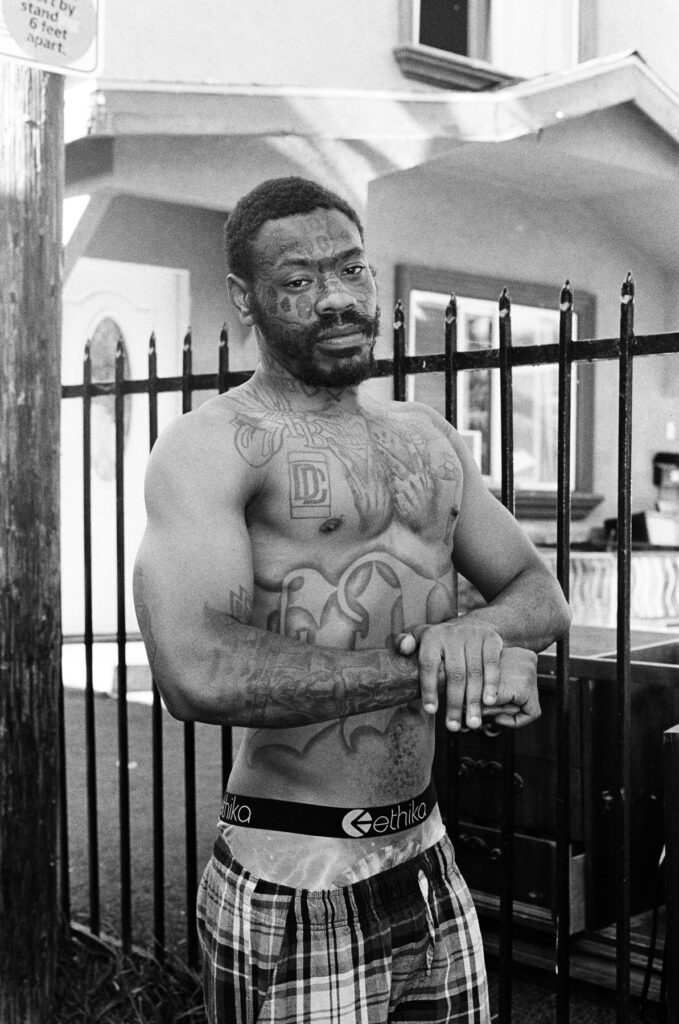
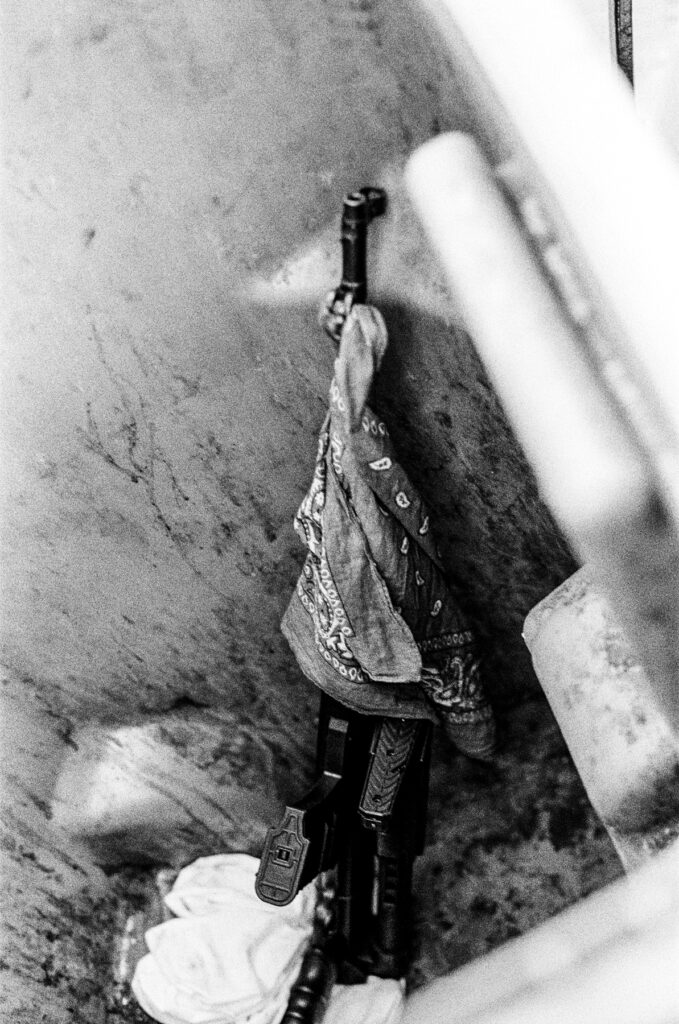
Have there been periods where you stopped photographing because life itself became too loud or too quiet?
Michael: No, I just change the subject matter to fit my mood. Sometimes I ease up on certain subjects because the people get smoked out on boba and vape juice, and the association becomes legitimately embarrassing, haha.
When you’re not taking pictures, what does your inner world look like? Is it calm, noisy, restless?
Michael: My inner world is pretty chill. Obviously work and life come with their hurdles and stress, but I don’t bring that home with me, or at least I try not to.
As your career has evolved, has success brought clarity, or new forms of doubt or problems?
Michael: Clarity on: yes, I know 100% what I want to accomplish and the tasks it takes to navigate that, but with that said, mo only mo problems.
Does other peoples expectations ever interfere with your instinct? And if so, how do you recalibrate?
Michael: Currently, a lot of people rely on me for their livelihood, and I get so caught up in the mix that I forget to take care of the ones who love and tolerate all this and be present for them. Recalibrating comes from listening and weighing the options; if it’s worth it, I don’t mind adjusting.
What scares you more today: repeating yourself, or changing too much?
Michael: Change is great you should always be striving too change and level up. That would suck to still be the same person I was in my 20, 30’s always got to be pushing forward absorbing and learning
You told me that LA is changing fast. Can you elaborate on that?
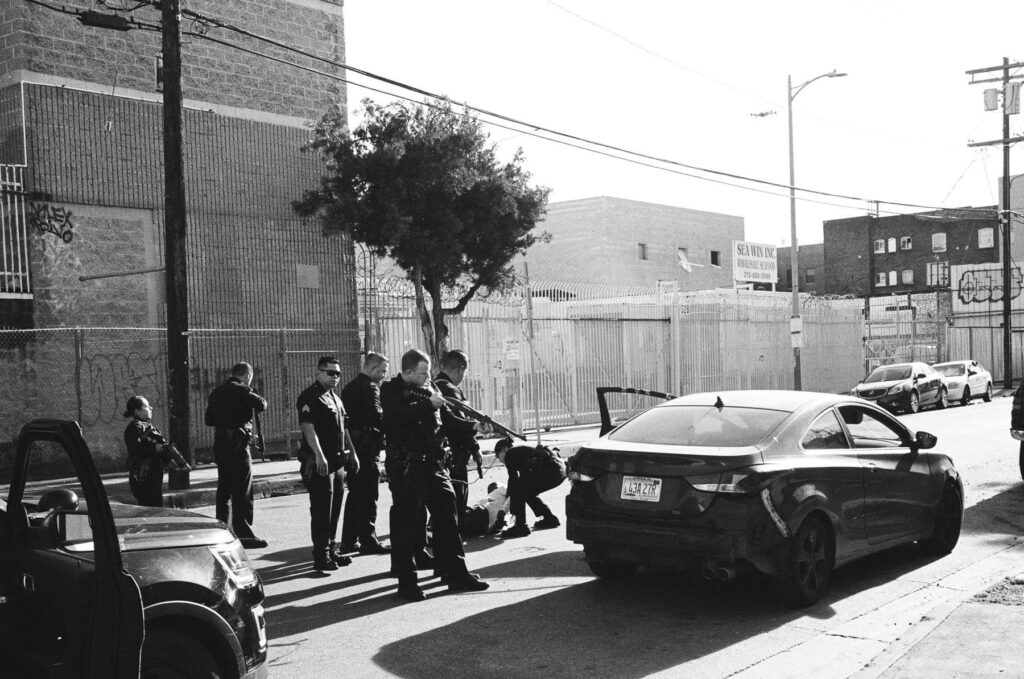
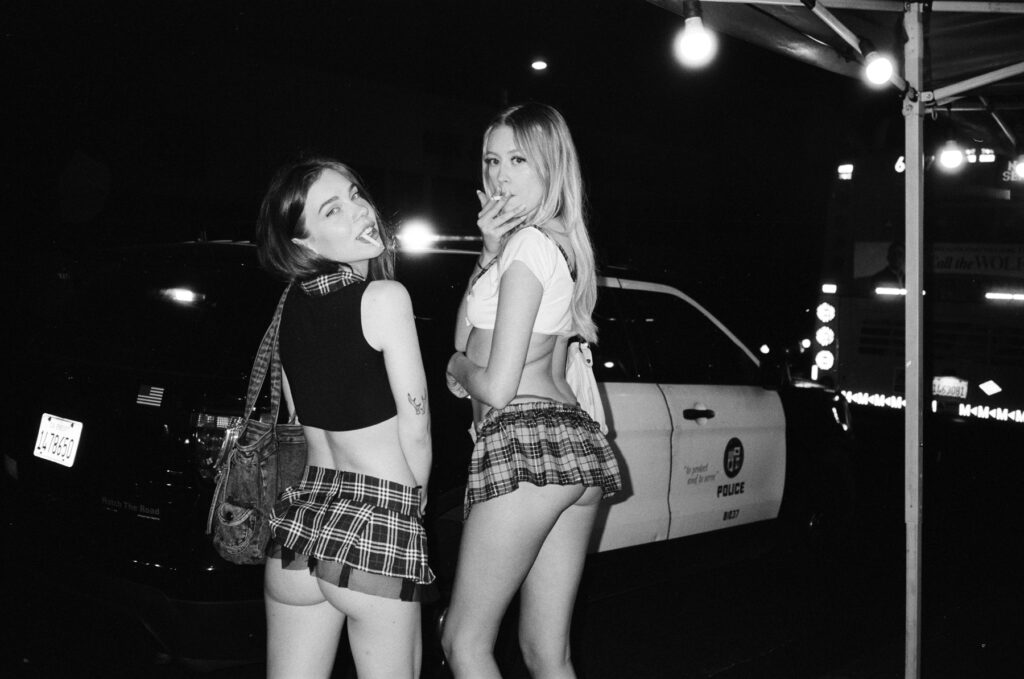
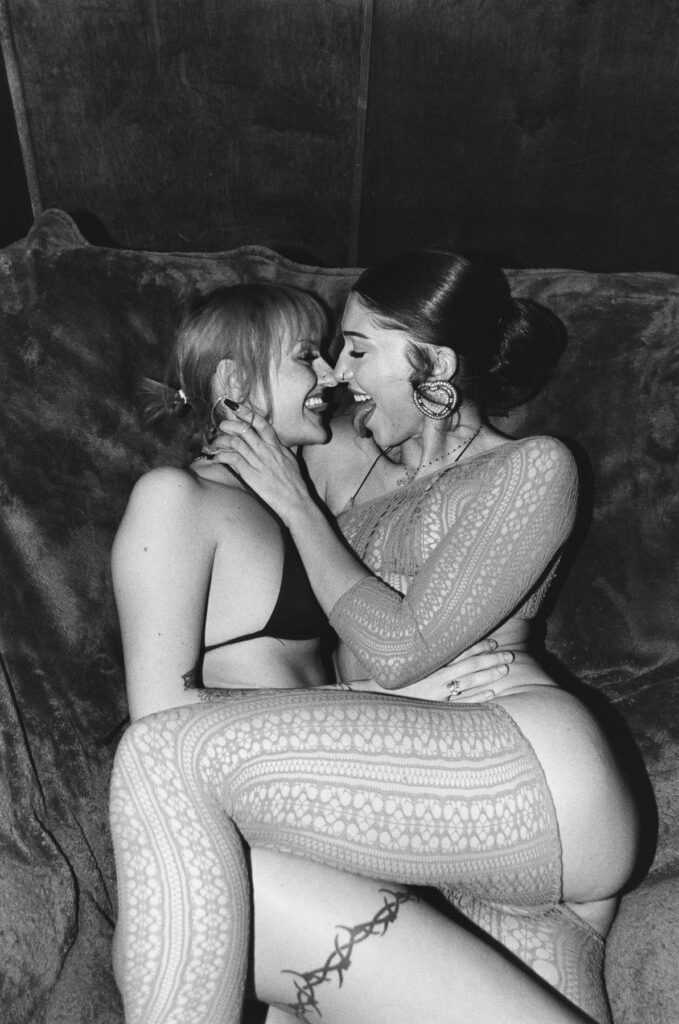
Michael: LA has been the wild wild west since COVID, pretty much a free for all with no worry about law enforcement except for major crimes. Personally, I think the city used the political climate to let things slide while saving money to go all out, gearing up for the 2028 Olympics. You’re already noticing entire blocks gutted near the stadiums, and Skid Row is shrinking by the day with fencing; one block at a time it’s coming, and what’s coming are major sweeps. The city’s making major efforts to combat sex work right now, but it’s all for show; we can’t have the world showing up and seeing that in broad daylight.
With that in mind, you’ve been shooting a lot in LA over the summer, especially in South Central. How would you describe the emotional temperature of the city right now?
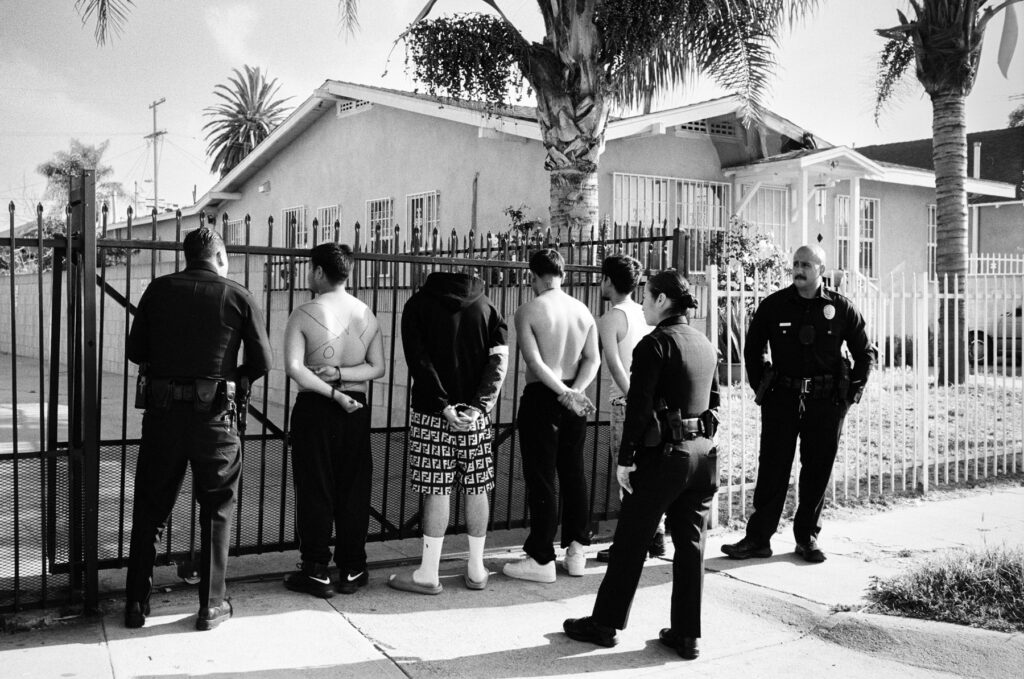
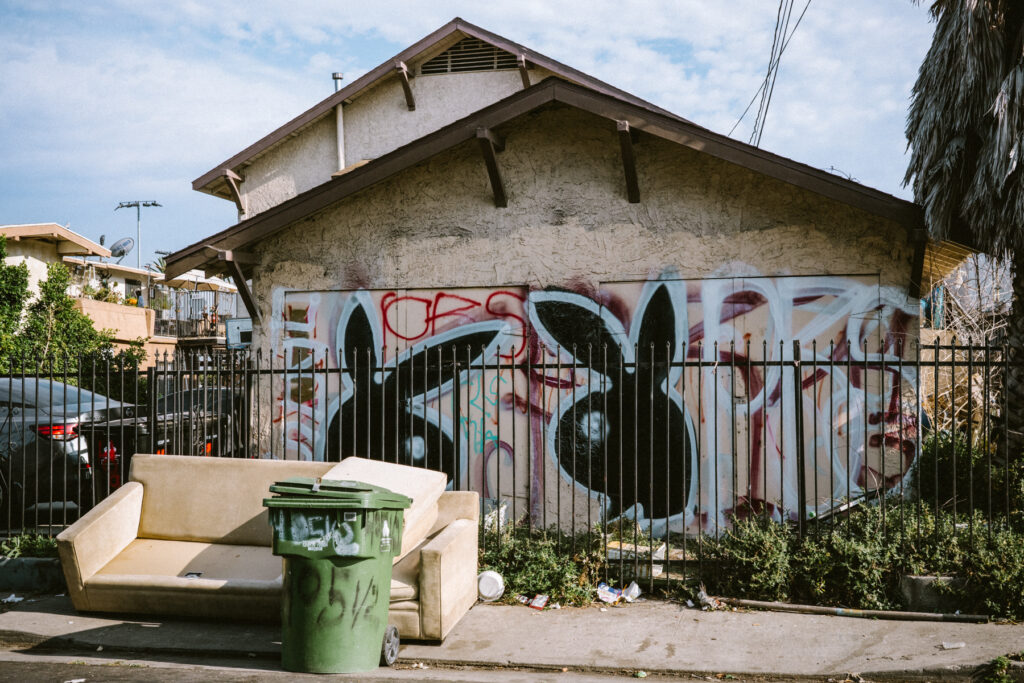
Michael: The hood is the hood. Nothing has changed at all. People are still struggling and minding their business. The emotional temperature exists in gentrified areas where people have the privilege to protest or take off work. With that said, shit is still fucked up and will need to run its course.
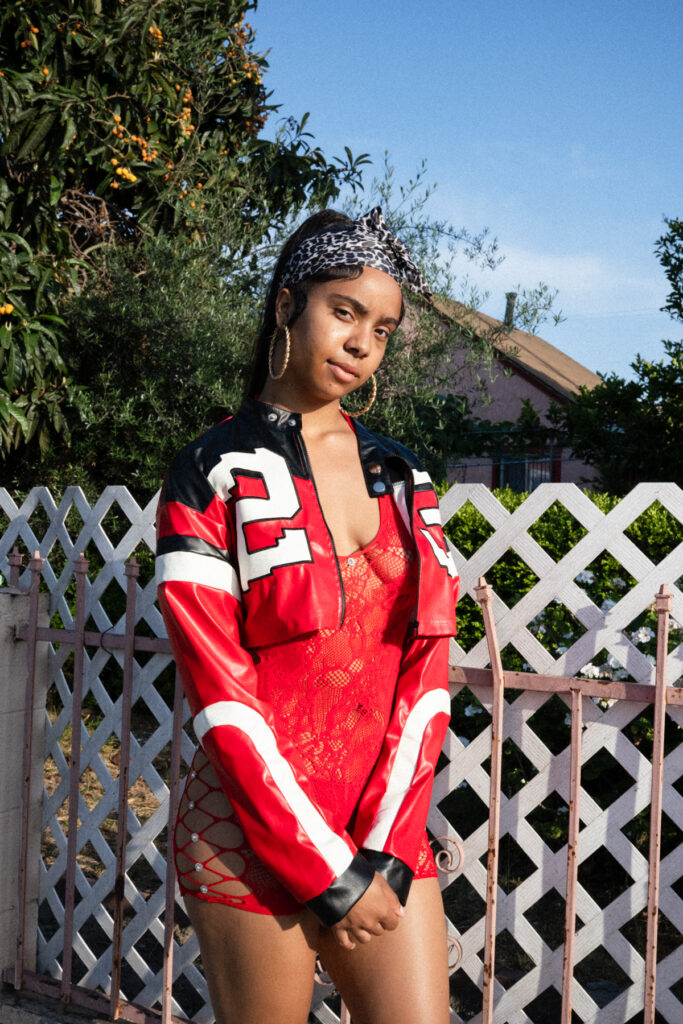
When you’re photographing gangs and women in South Central, how conscious are you of the long visual history imposed on those communities? How do you avoid reproducing someone else’s narrative?
Michael: This is a conversation we’ve had often. The last few years, cholo and Hispanic culture have exploded in LA and unfortunately certain scenes got watered down as it went full cosplay. But the big homies who laid the footwork from the ’80s through the early 2000s are thriving and getting their well deserved moment. Why would I take that from them? Not saying I’m not still shooting it, but my focus is elsewhere. I’m not trying to be anyone’s shadow.
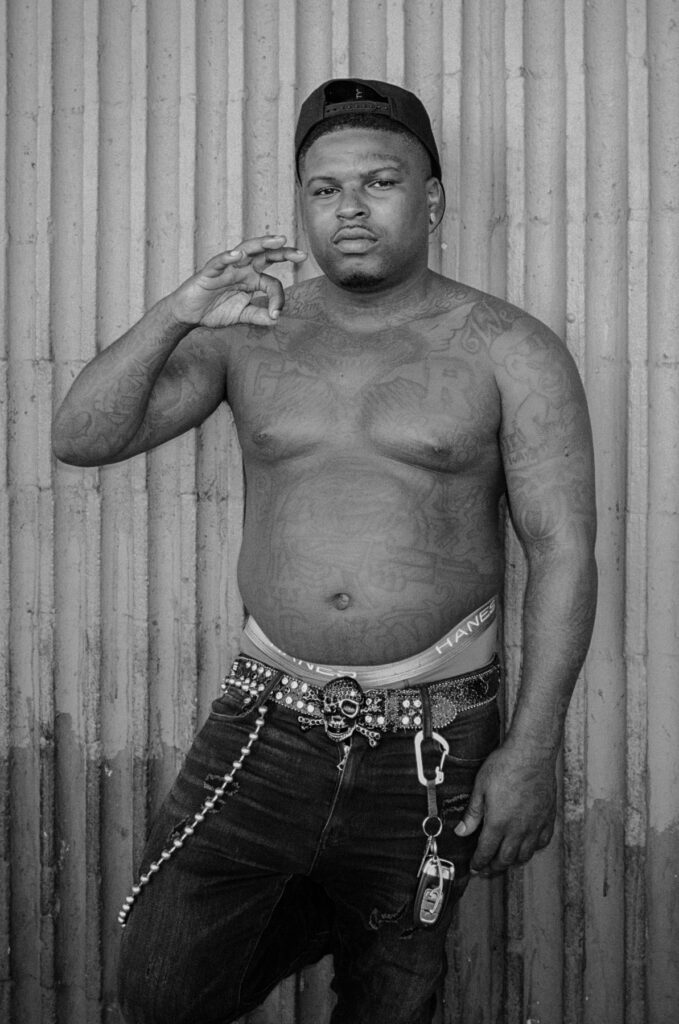
Working in those spaces requires access and trust. What does it take, emotionally and ethically, for you to earn that?
Michael: Just pulling up and being you. Your energy is going to give the green light or get you kicked off the block, and I think Bruce Gilden said there is no ethics in photography.
Do you ever feel the weight of responsibility when images of real lives circulate far beyond the streets where they were made?
Michael: No i’m more focused on the next images, you cant control the spin factor or how someone feels that gave you permission and what happens next..
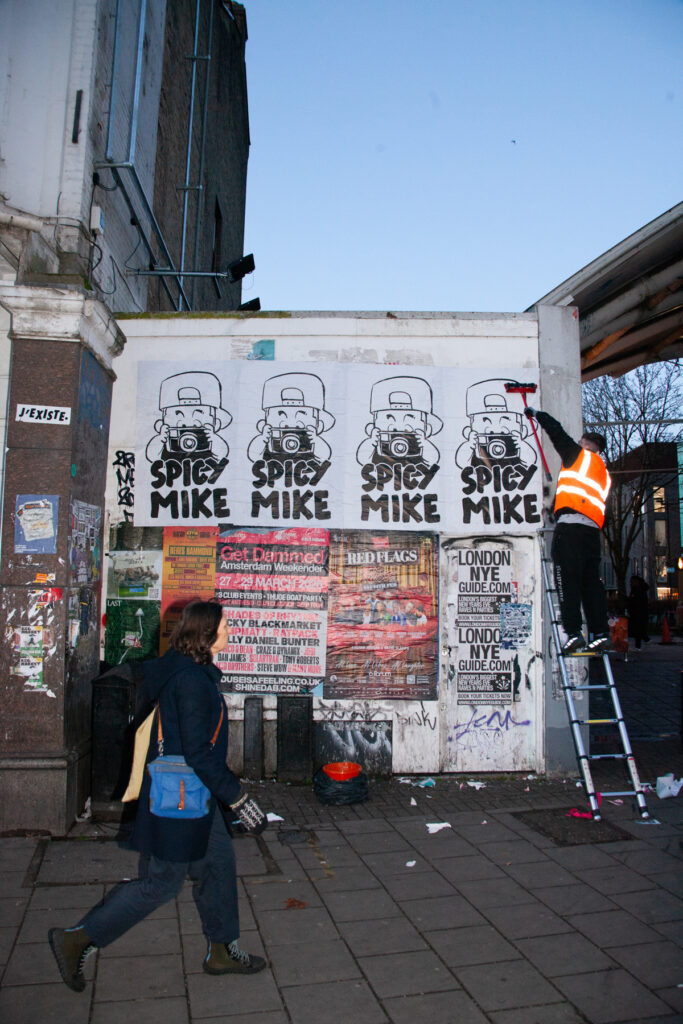
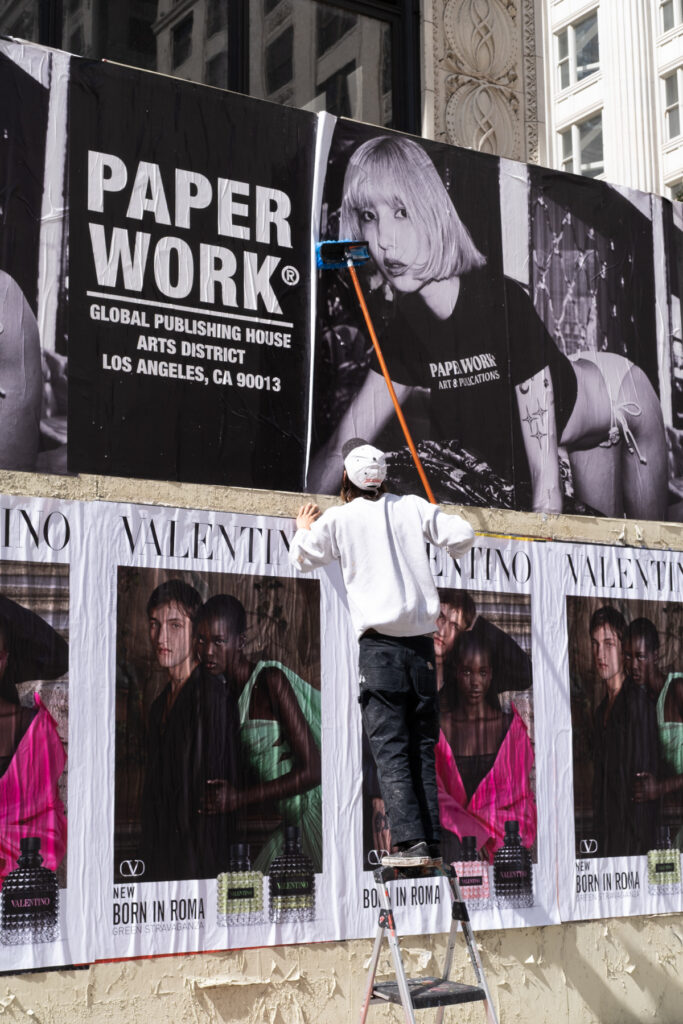
You’ve mentioned using your outdoor media company to push IRL, tangible, analog marketing. Why does physical presence feel so urgent to you right now?
Michael: Social media is a sinking swamp of trash content, fake content, and women panhandling their stinkers for $4.99 subscriptions, pure consumerism and social divide. We’re all forced to partake to show we’re still alive, but it leaves no bandwidth and just rots your brain. If I run a multi city campaign of my photos that lives in the street and in people’s heads, those images get seen by hundreds of thousands of eyes. They can’t be faked or buried by an algorithm.
In a city saturated with screens and spectacle, what can a pasted image or a printed photograph still do that digital media can’t?
Michael: I think I just answered this, but you know what’s real: you can screenshot a digital image and it lives on your phone, or you can cut the image off the wall, take it home, and frame it, real versus digital.
Do you feel that photography can act as a counter-archive, preserving lives and atmospheres that development would rather forget?
Michael: Of course thats been the story since the camera was invented
Do you see working in analog today as a form of resistance?
Michael: Yes — 100%. Analog is the only way forward to stop the AI machine from hijacking photography. The negative stays honest.
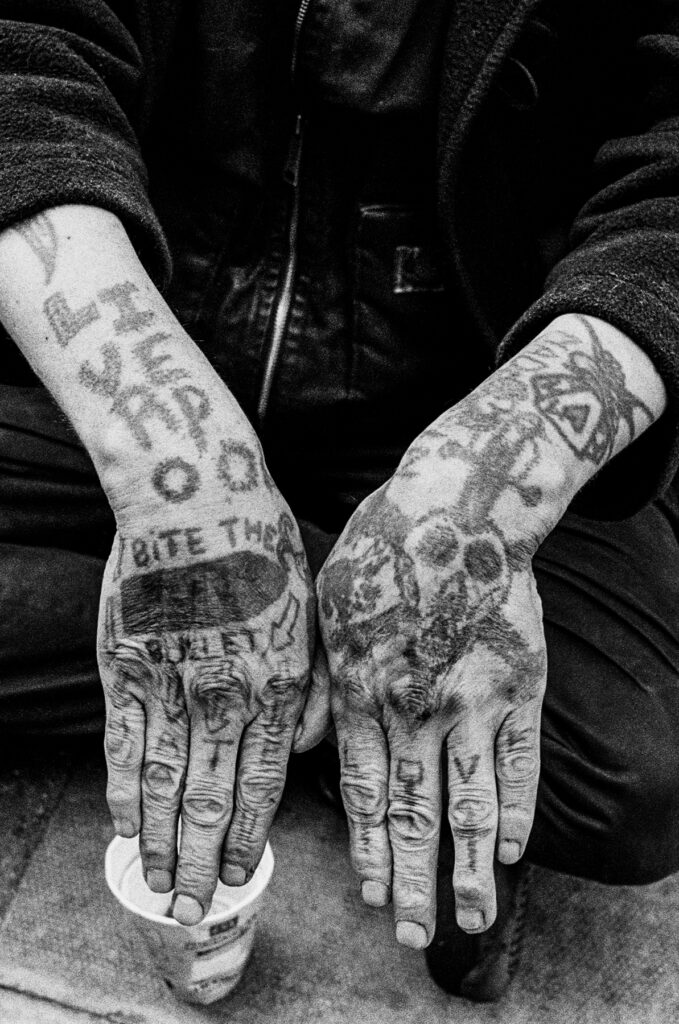
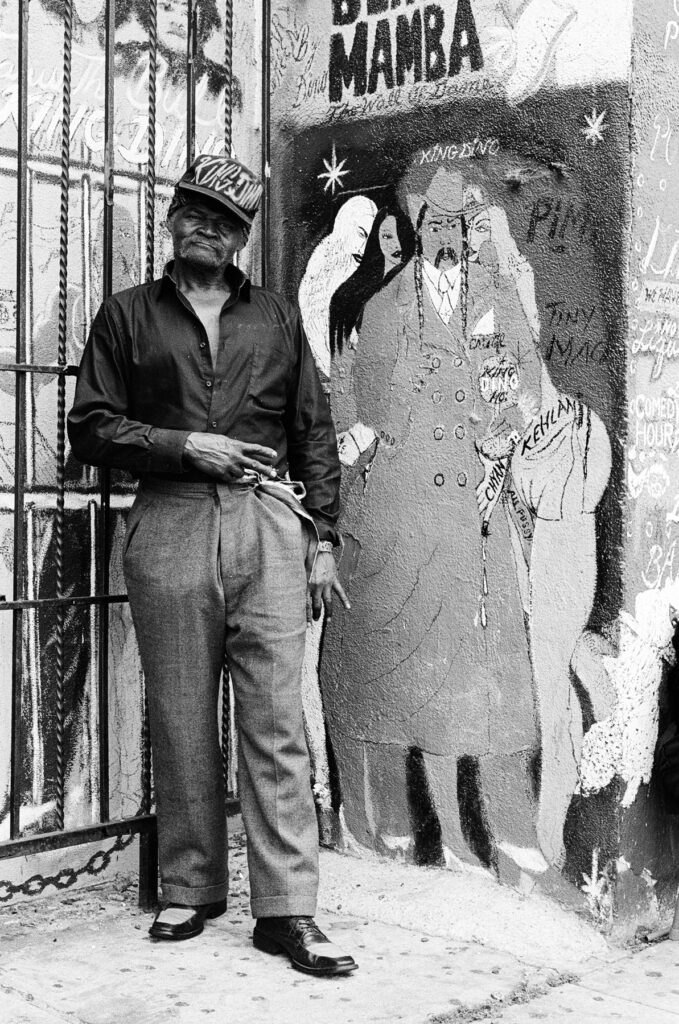
As policing, surveillance, and displacement increase, do you ever feel your presence as a photographer becoming more complicated, or more necessary?
Michael: Perserve and adapt or get ran over.
Is there a fear that certain realities will disappear before they’re fully seen, or understood?
Michael: Not really cause gen-z will just find it and remake it into a scene again or the next generation – they been living off 90s and early 2k nostalgia for the last 10 years.
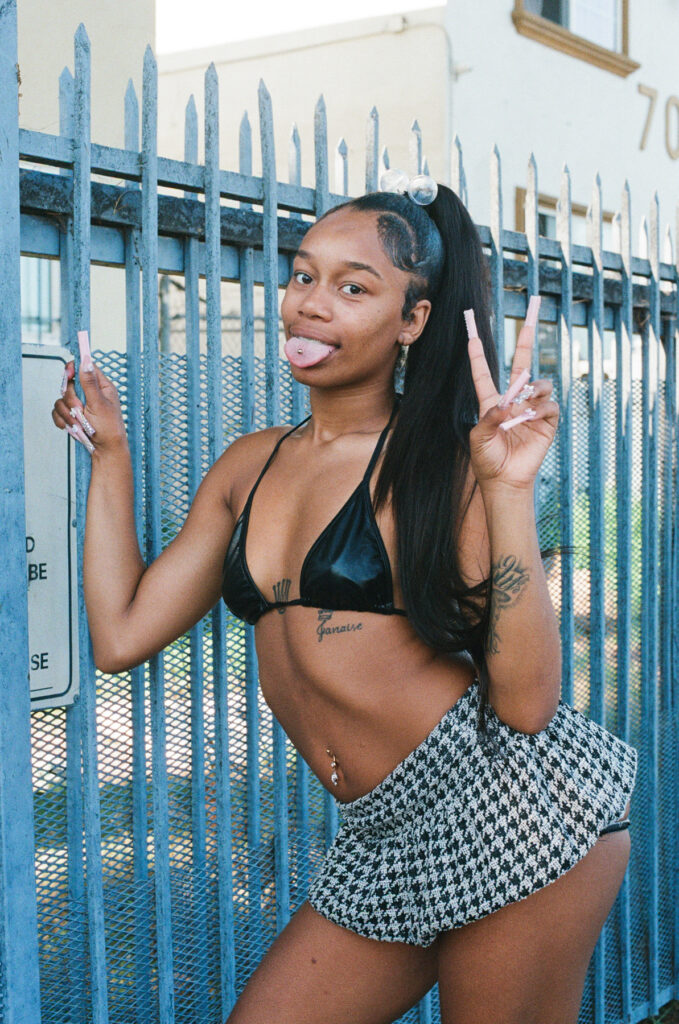
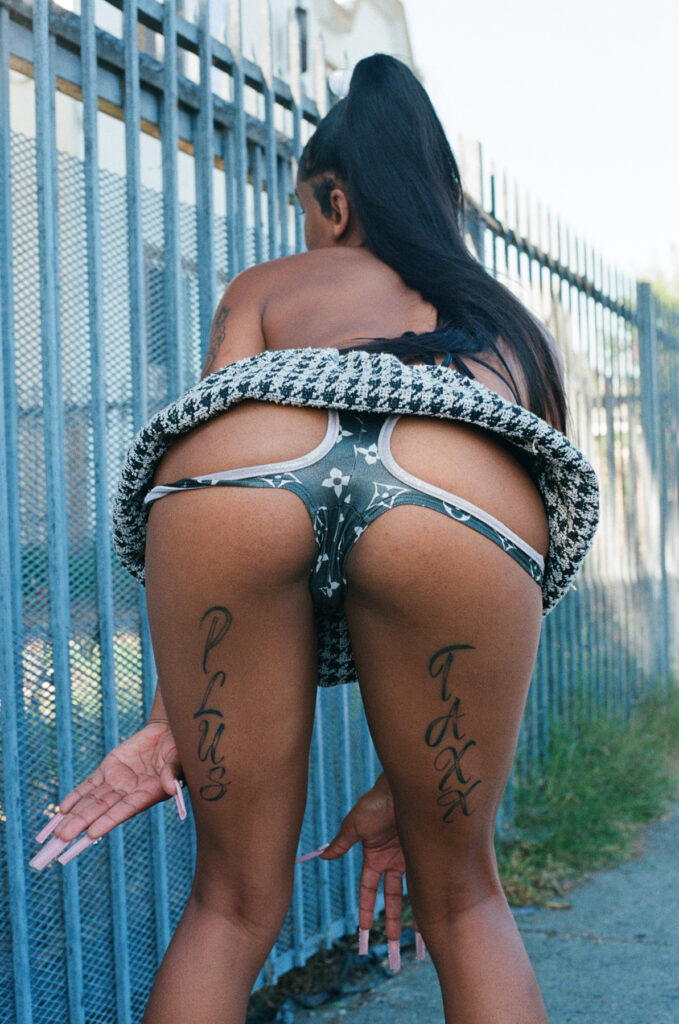
How do you personally cope with witnessing so much volatility without becoming numb?
Michael: I try to do fun, normal things all the time. My life pretty much revolves around my dog, haha. But with anything you document, you do become numb or desensitized
Ok Michael, now to something totally different. In a parallel universe who would you be? and what would you be doing?
Michael: Living on a fishing boat in Thailand with 3 dogs
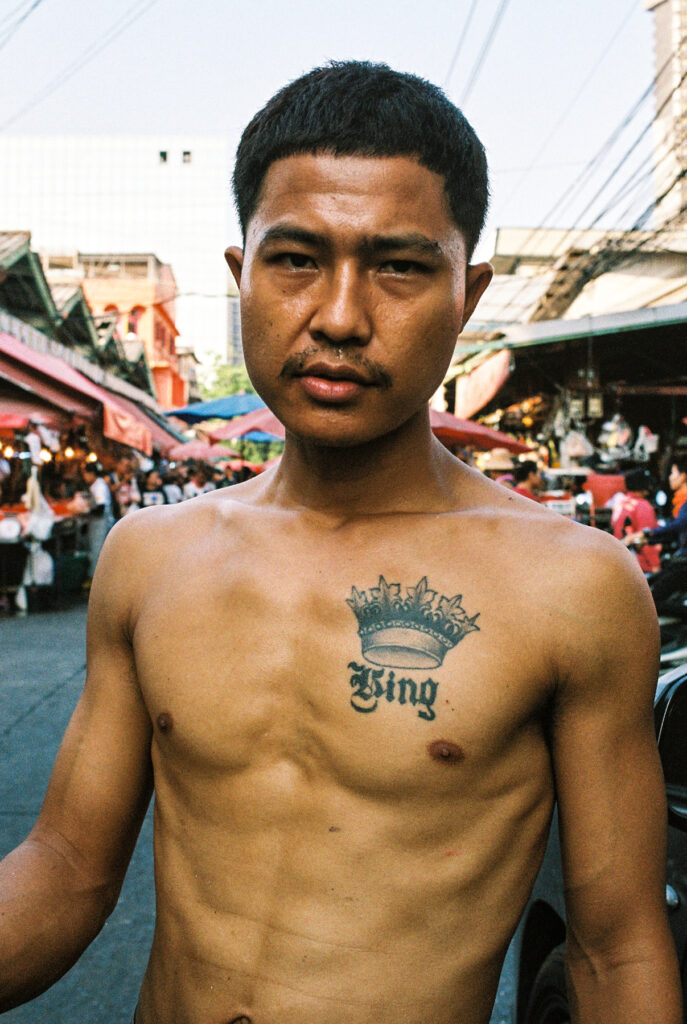
Can you tell me a story about a time when a connection with someone had a big impact on you?
Michael: Yeah, an ex said I ain’t shit; she got all the press and the photos. Never slowed down after that, and I hella respect her for that.
What qualities do you find most important in the people you choose to spend time with?
Michael: A strong understanding of reality vs emotions
Anybody you look up to?
Michael: Never meet your idols
What motivates you?
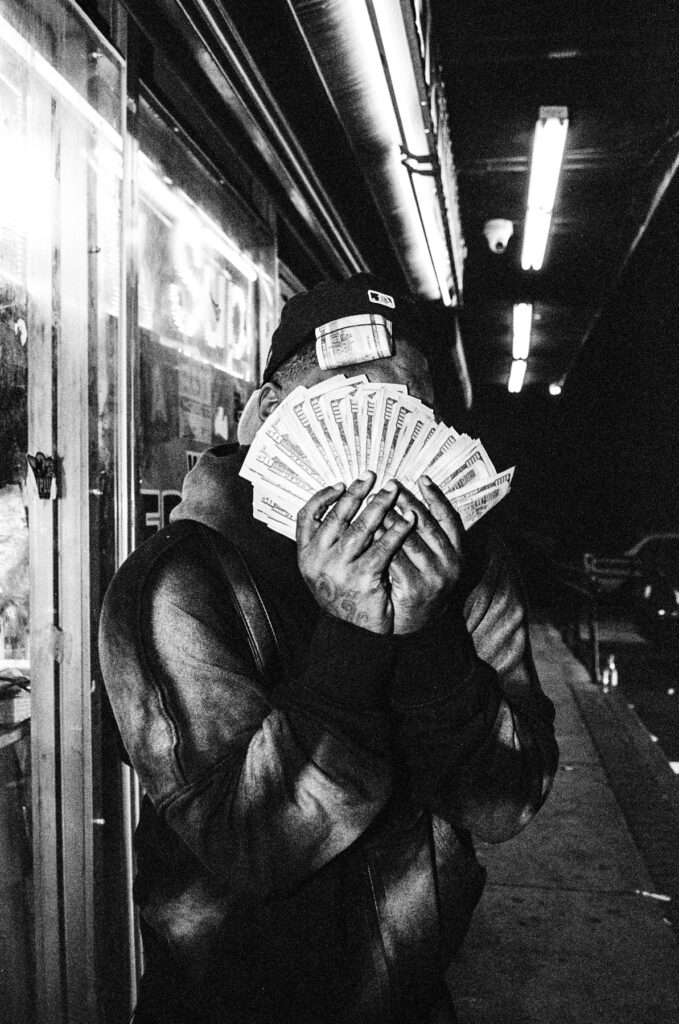
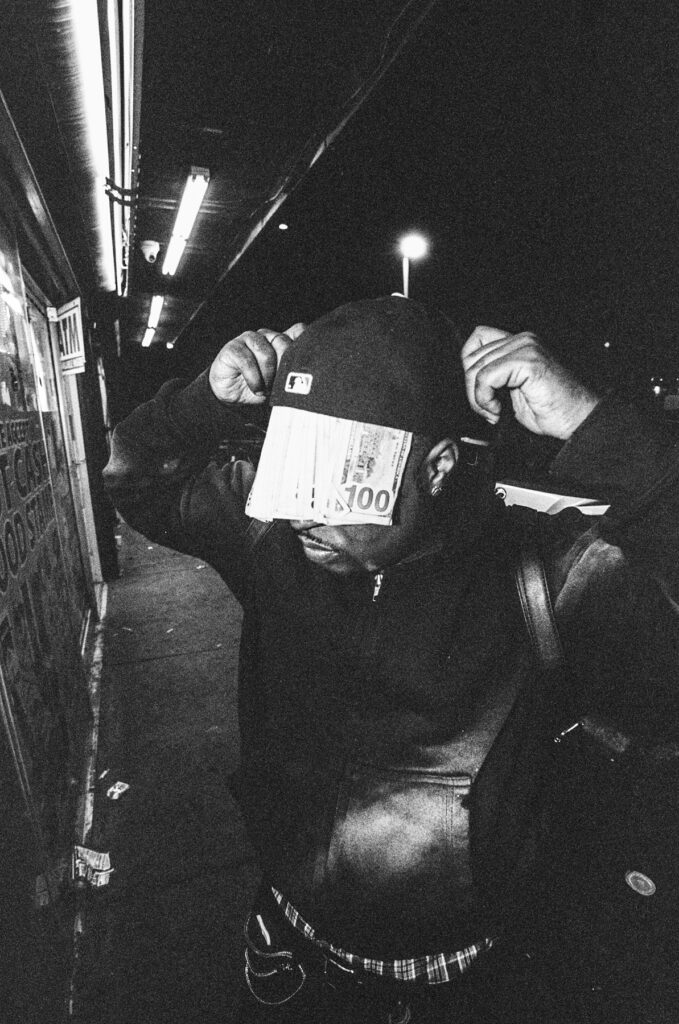
Michael: Memories and money might be cliché, but you legit can’t have fun without income to travel and do things, so work hard and reap the benefits.
How would you describe a perfect day?
Michael: No phone calls from my agency before 10AM PST
Alright Michael, I always ask these two questions at the end of an interview. The first is. What’s your favorite movie(s) and why?
Michael: HEAT: beyond the bank shootout, the film nails the character work between De Niro and Pacino, two driven guys chasing what they want while trying to keep their personal lives afloat amid the chaos
The second is. What song(s) are you currently listening to the most right now?
Michael: G-Perico Hard Reset Album