
Share this
In Art History, the veteran American painter takes on Picasso, Dalí, Duchamp and de Kooning, twisting the sacred language of 20th-century painting into something louder, stranger and much less polite.
There are artists who treat art history like a shrine, and then there is Peter Saul. In Art History, his new exhibition at Gladstone Gallery in New York, the American painter turns his attention toward some of the most mythologised figures of the 20th century, dragging their images through his own unruly world of satire, distortion and visual excess. The show brings together 20 new and historic works, many of them on view for the first time, and is on display from March 7 to April 18, 2026 at Gladstone’s 21st Street space.
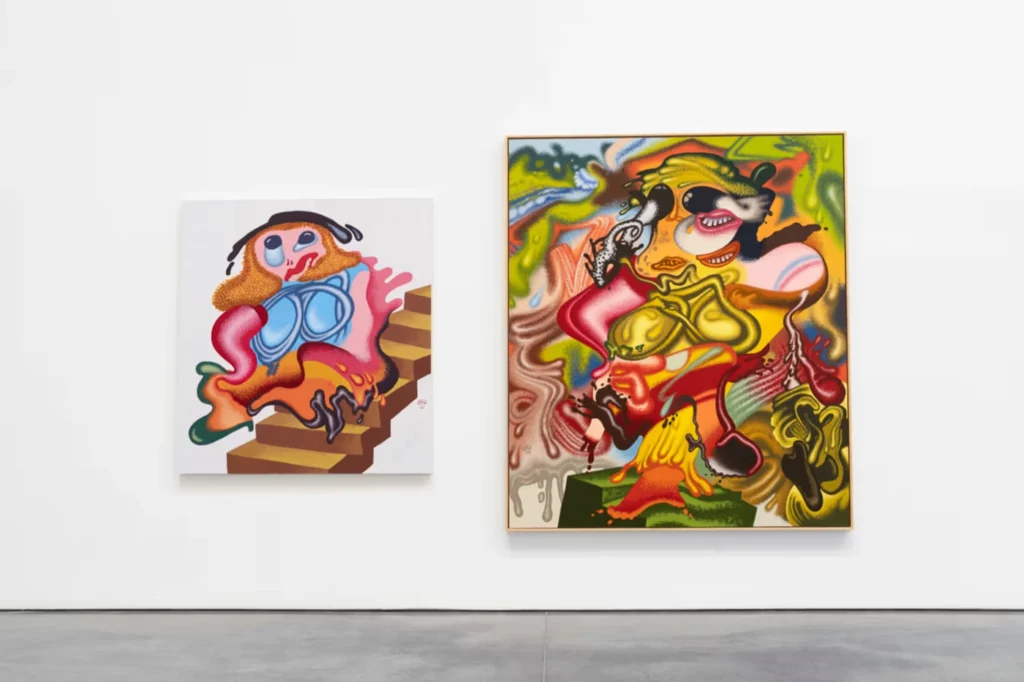
Photo: Peter Saul / Arts Rights Society 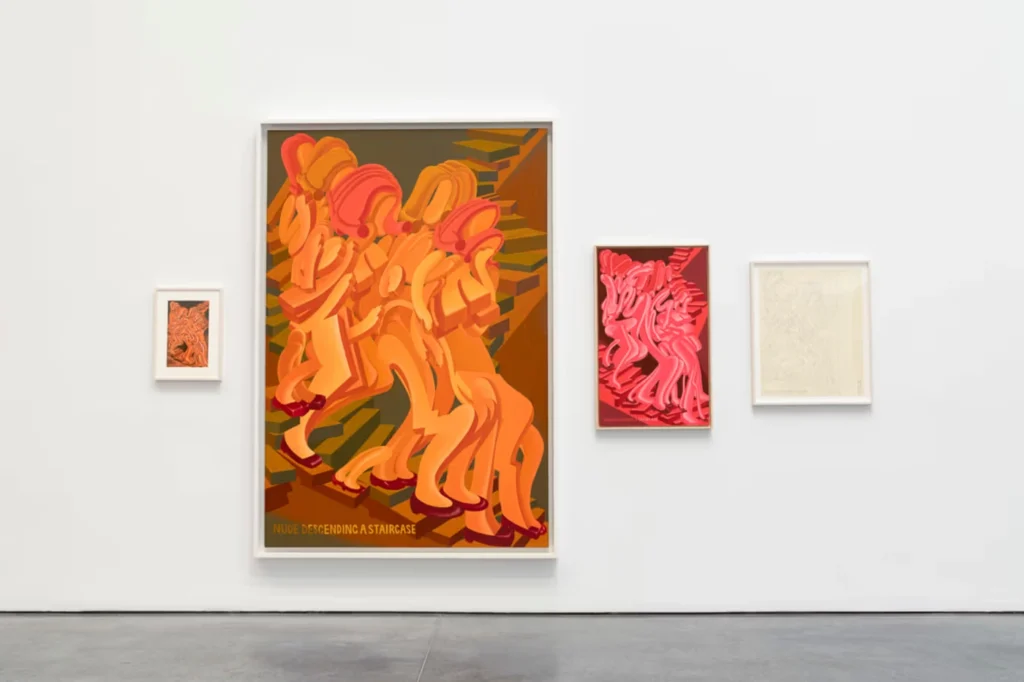
Photo: Peter Saul / Arts Rights Society 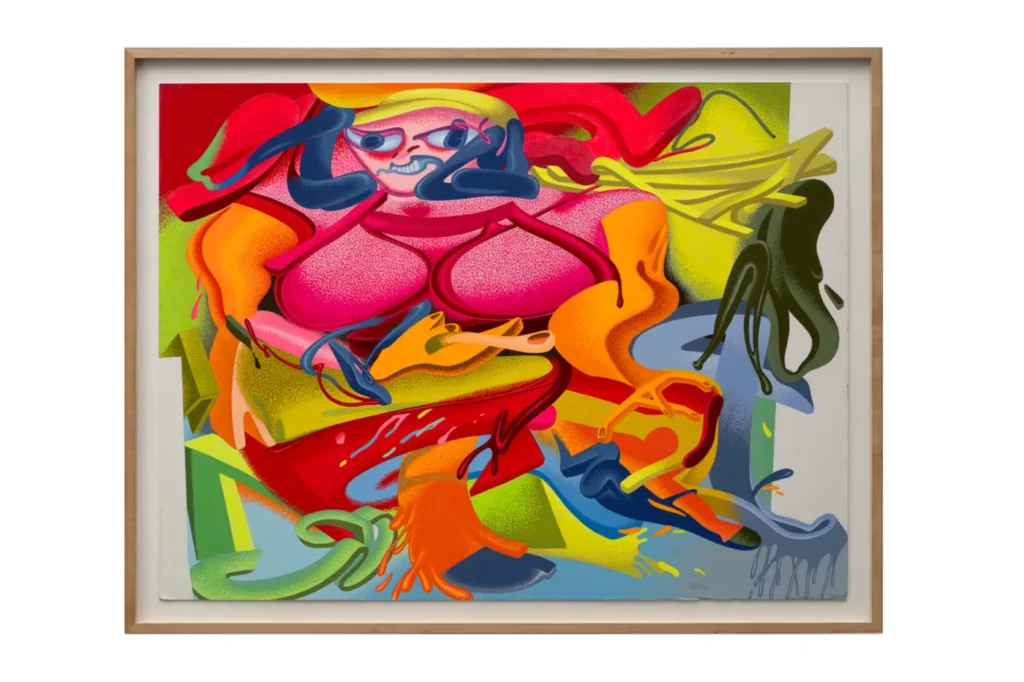
Photo: Peter Saul / Arts Rights Society 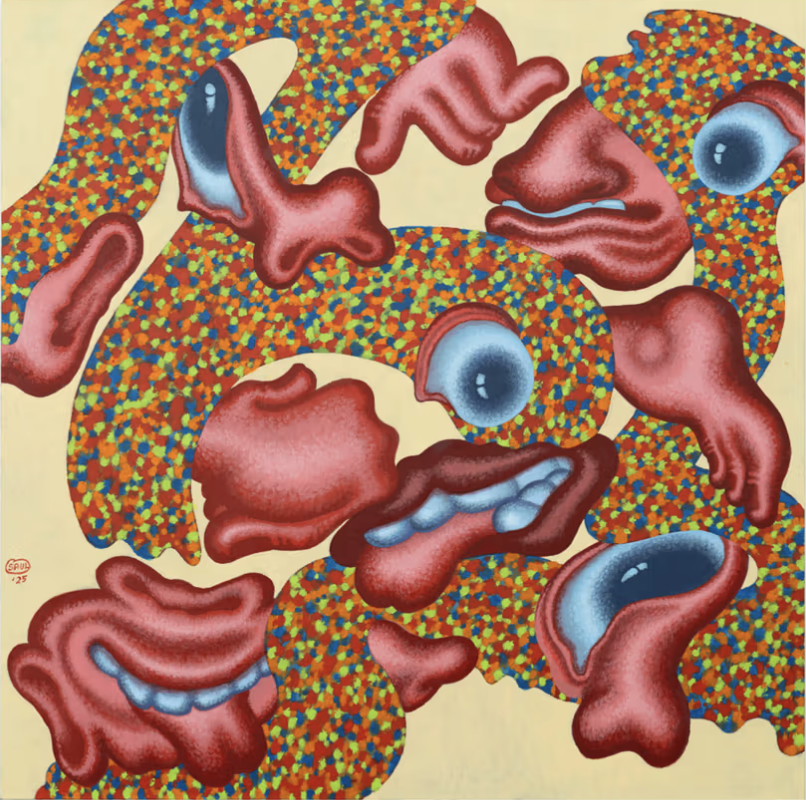
Photo: Peter Saul / Arts Rights Society 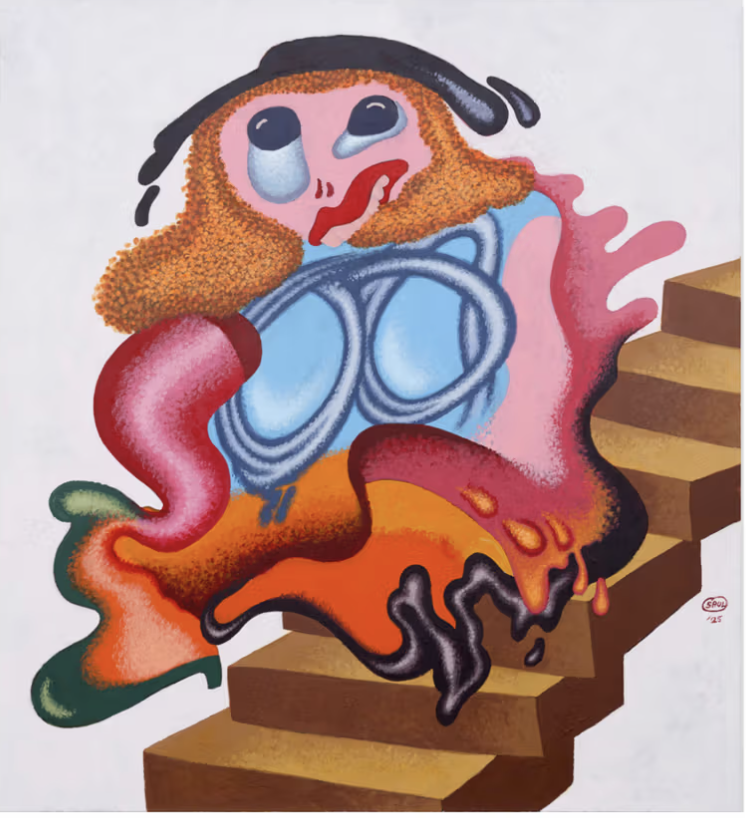
Photo: Peter Saul / Arts Rights Society 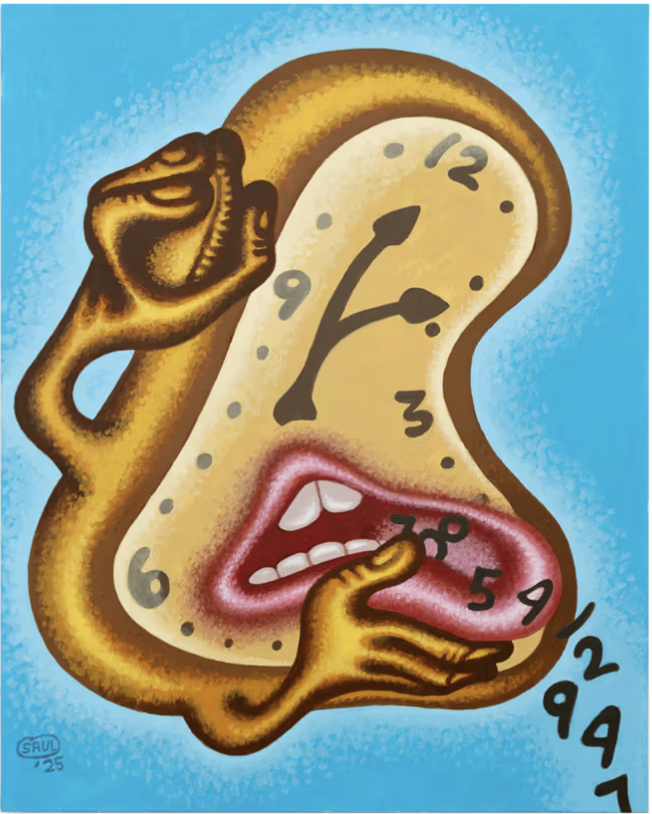
Photo: Peter Saul / Arts Rights Society 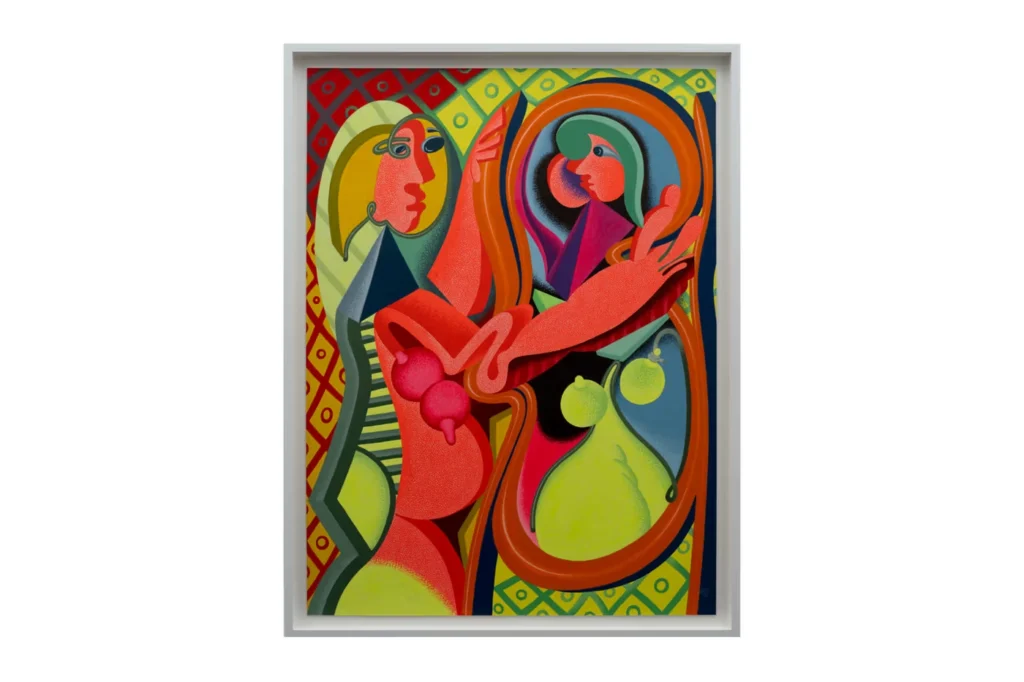
Photo: Peter Saul / Arts Rights Society 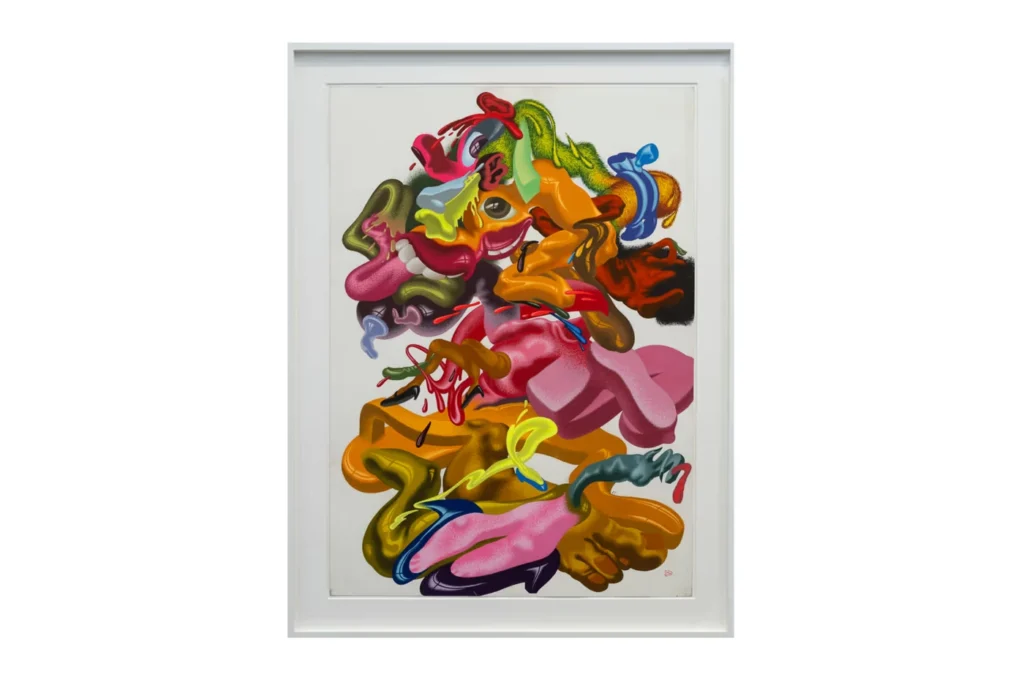
Photo: Peter Saul / Arts Rights Society 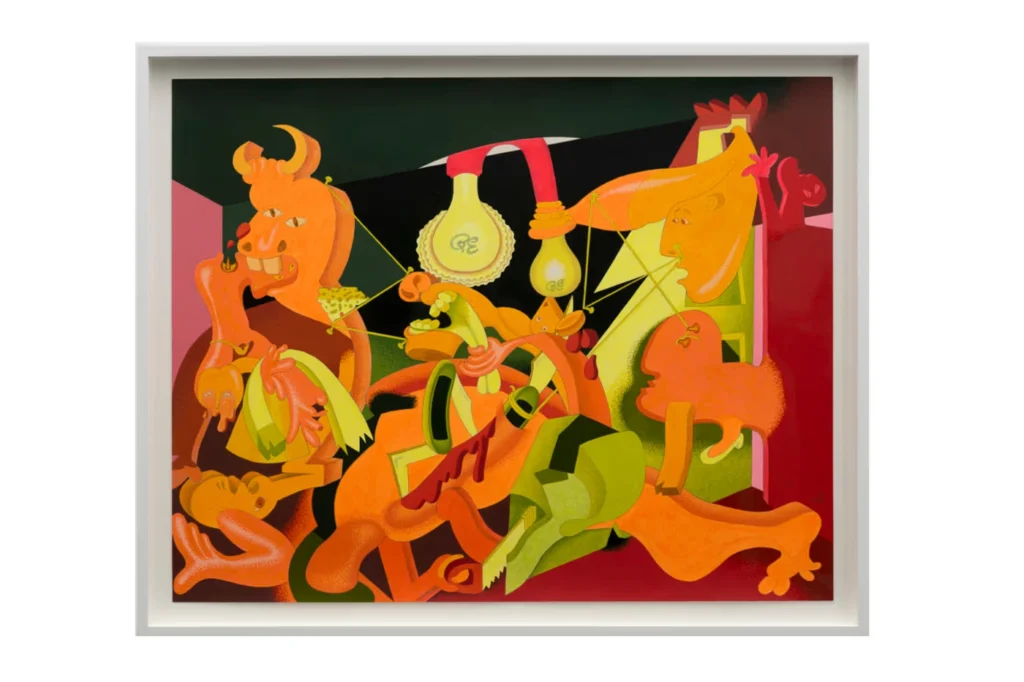
Photo: Peter Saul / Arts Rights Society 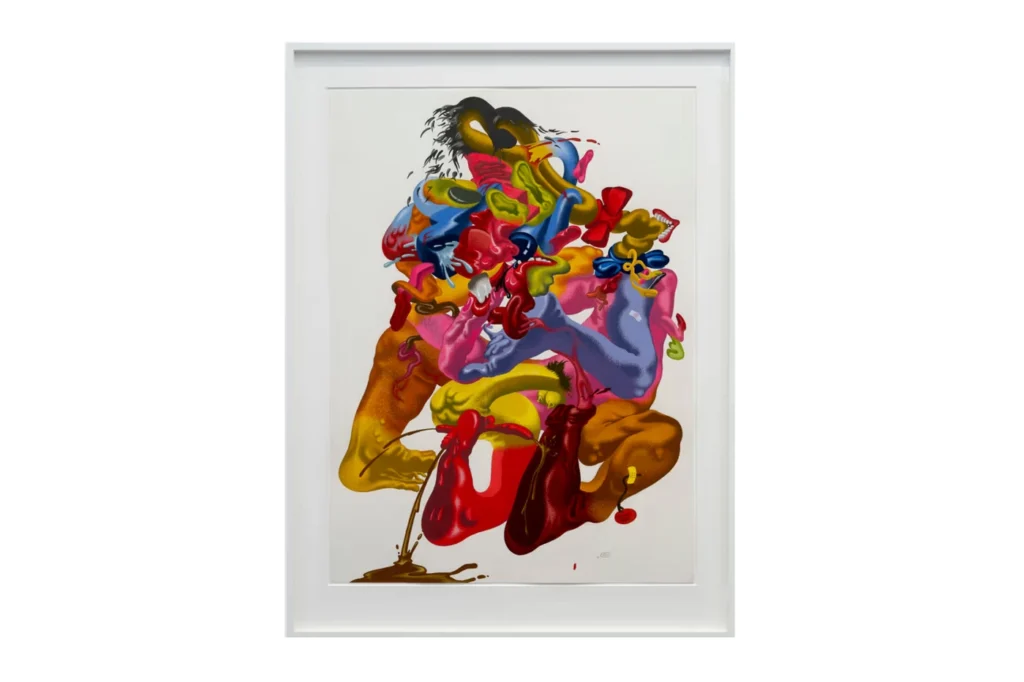
Photo: Peter Saul / Arts Rights Society 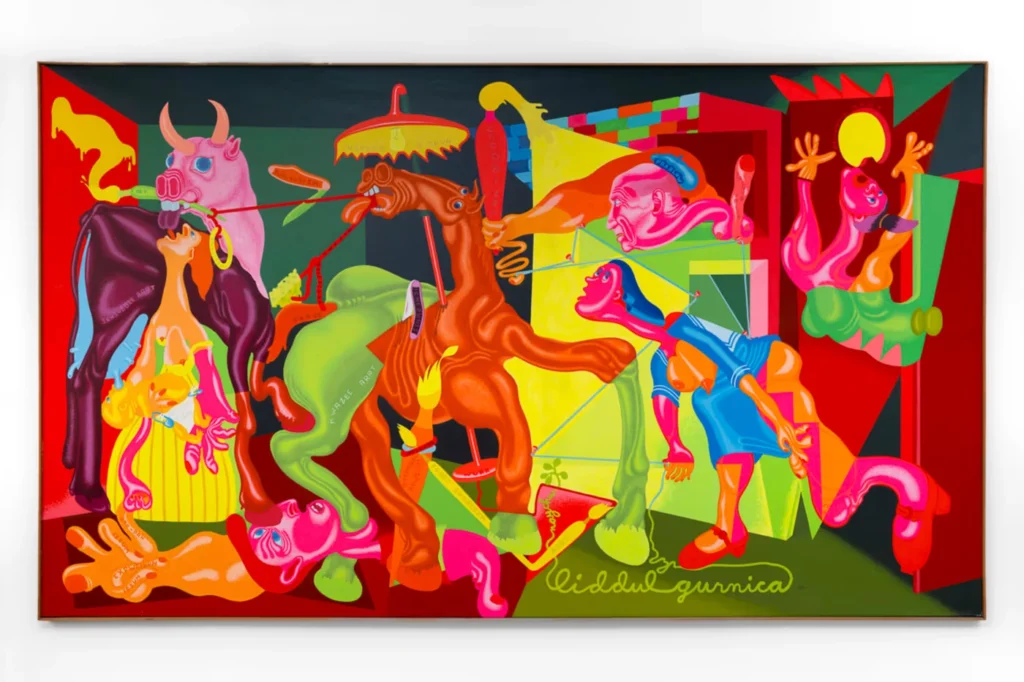
Photo: Peter Saul / Arts Rights Society
Saul has long occupied a singular place in American painting, building a career on bold, cartoonish compositions that chew through the absurdities of American life and politics with a mix of aggression and dark humour. Here, that same instinct is redirected toward the canon itself. According to the exhibition materials, Art History spans seven decades of Saul’s narrative practice and reimagines canonical imagery associated with figures including Salvador Dalí, Willem de Kooning, Marcel Duchamp and Pablo Picasso.
Rather than paying tribute in any dutiful sense, Saul appears to treat these names as provocations. The modernist masterpiece becomes, in his hands, something unstable — less an untouchable monument than a raw material to be stretched, mocked and made newly volatile. Gladstone describes his work as marked by an “unflinching resistance to convention,” a phrase that feels especially apt here, where art history is not approached as a fixed lineage of greatness but as a living argument.
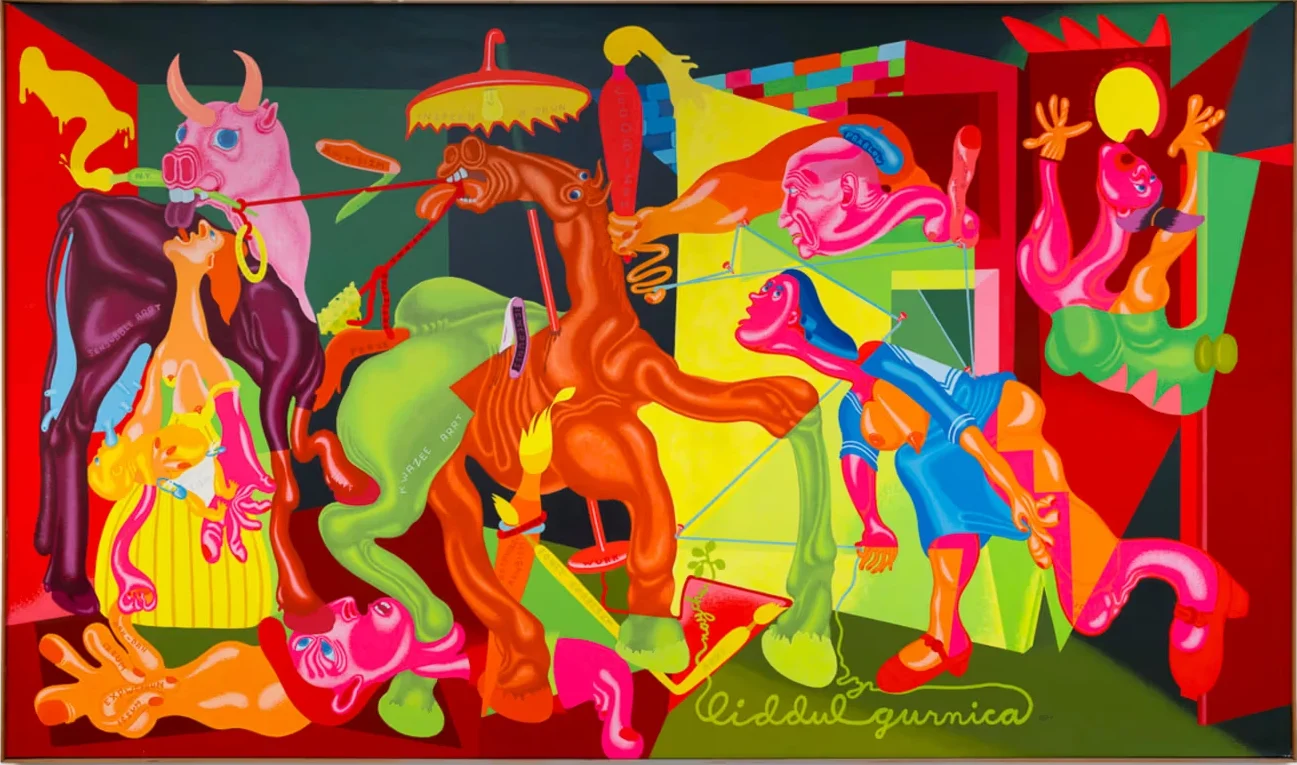
At the centre of the show is Little Guernica, “Liddul Guernica” from 1973, a warped reworking of Picasso’s Guernicathat Gladstone notes has not been publicly exhibited in nearly 40 years. The painting anchors the exhibition’s larger mood: reverent in knowledge, but defiant in attitude. If Picasso’s original remains one of the century’s most charged anti-war images, Saul’s version seems to push that tension somewhere more grotesque and ungovernable, as though the original’s psychic violence had been forced through a comic-strip nervous system.
The rest of the exhibition extends that strategy across several of modernism’s most recognisable touchstones. Among the works listed by Gladstone are Nude Descending a Staircase (1977), De Kooning’s “Woman with Bicycle” (1977), De Kooning’s Woman I (1978), Double de Kooning Duck (1979), Picasso’s in the Mirror I (1978), and newer works such as Selfwinding Softwatch telling the time (2025), Surrealist Facial Recognition (2025) and De Kooning’s woman descends the staircase (2025). Even at the level of titles, Saul’s project is clear: these are not passive citations, but collisions between inherited icons and his own abrasive visual logic.
That is what gives the show its charge. Saul is not borrowing the prestige of the canon so much as testing how much pressure it can withstand. The exhibition text frames these paintings as evidence of both a deep understanding of 20th-century art and a pointed criticism of its heroic narratives. In Saul’s hands, Dalí’s surrealism, Duchamp’s fracture of movement, de Kooning’s violent figuration and Picasso’s monumental authority all become vulnerable to caricature, mutation and bad manners.
That refusal to behave is precisely what makes Art History feel current rather than nostalgic. At a moment when the language of the canon is often either worshipped or flattened into content, Saul seems to offer a third option: attack it, but know it intimately first. The result is a show that does not simply revisit the giants of modern painting, but reanimates them by forcing them back into conflict. In Saul’s world, art history is not a row of sealed masterpieces. It is a loud, unstable theatre of influence, ego, parody and survival.