
Share this
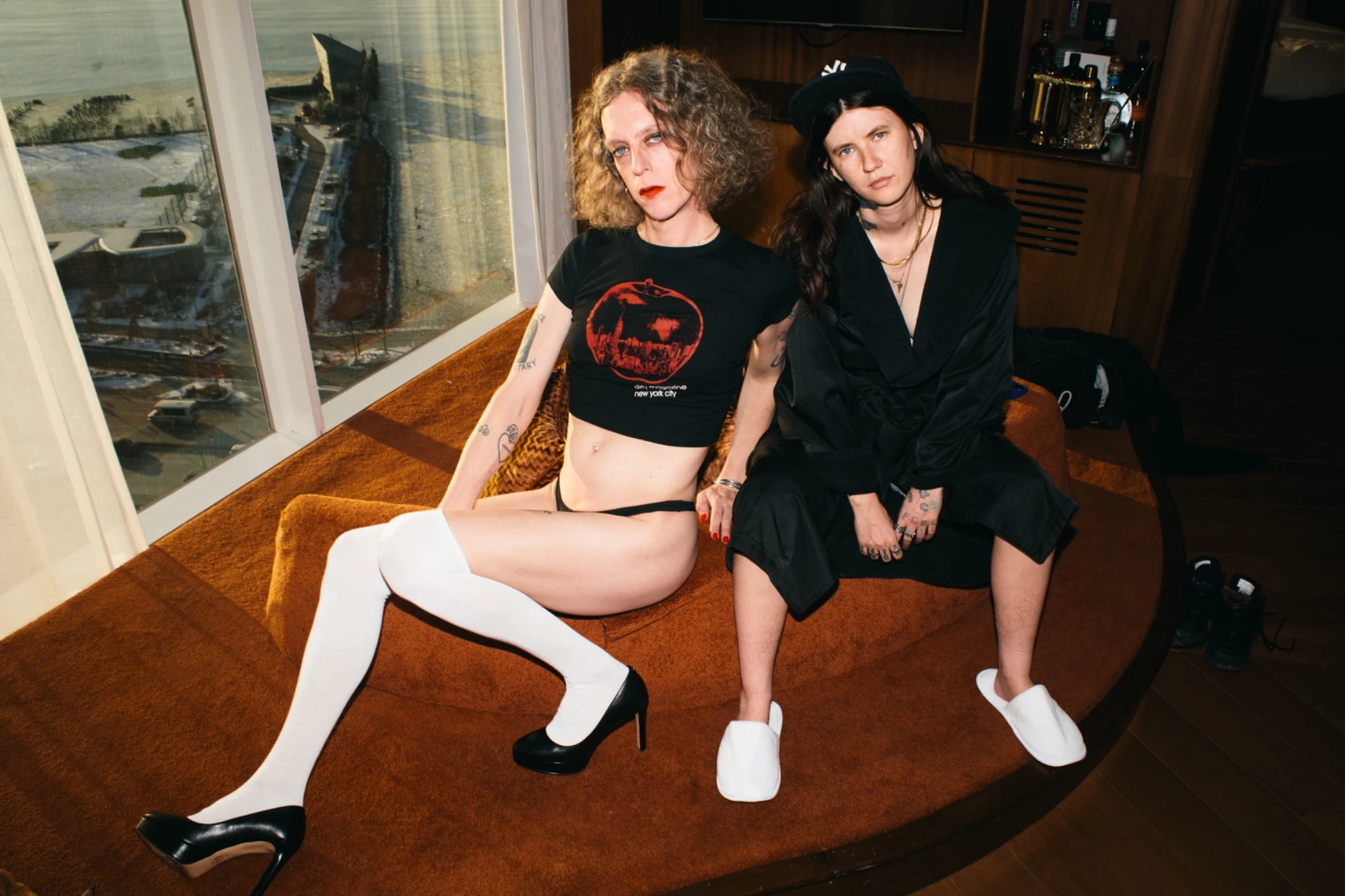
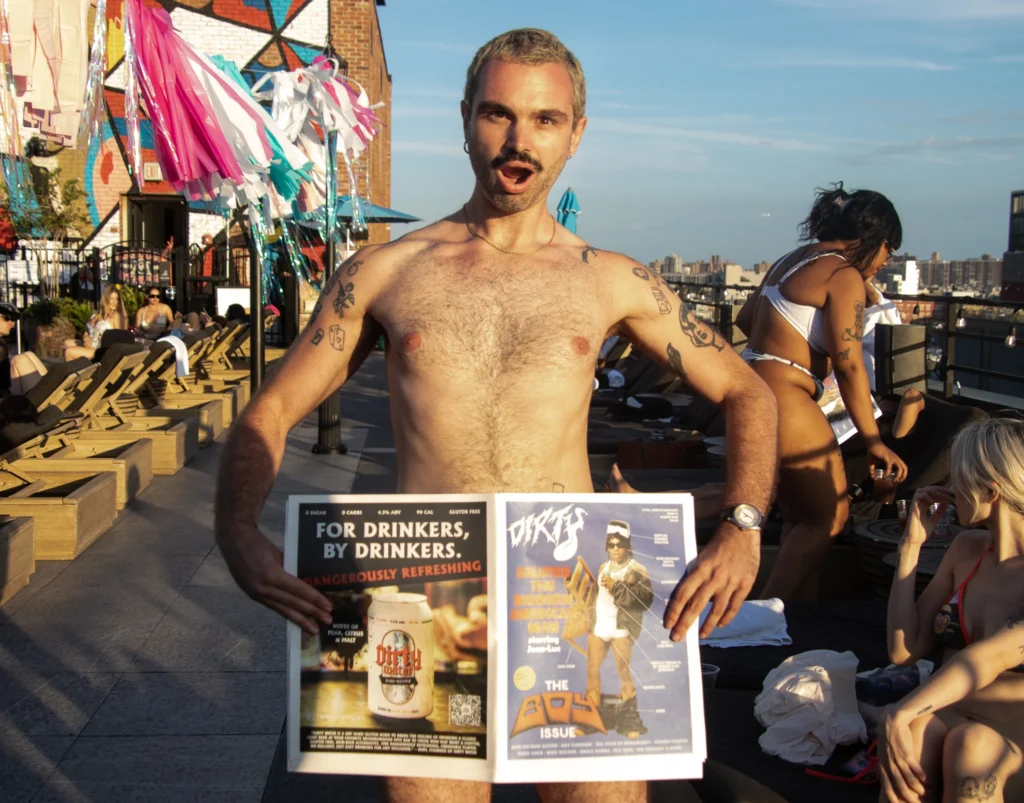
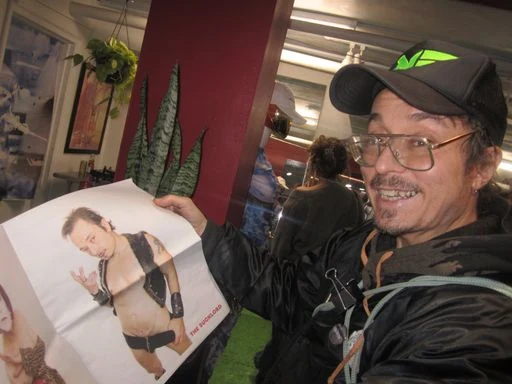
Founded in New York in 2021, Dirty Magazine has built a world of its own somewhere between underground publishing, fashion, eroticism, nightlife, art and harm reduction. At the center of it are co-editors-in-chief, Ripley Soprano and Maia Raymer, whose combined sensibilities have helped shape Dirty into one of the more distinctive independent publications to emerge from New York in recent years.
Drawing from sex work, skate culture, queer history, photography, music and the city’s underground scenes, Dirty is as interested in the people surrounding culture as it is in culture itself. Its pages move freely between provocation and seriousness, pairing explicit imagery and fashion with questions around censorship, public health, community and who gets to tell their own stories.
I sat down with Soprano and Raymer, to discuss their backgrounds, the beginnings of Dirty, the realities of keeping an independent magazine alive, the changing meaning of underground culture, and how they imagine Dirty evolving without losing what made it necessary in the first place.
Ripley, Maia, it’s a pleasure to sit down with you guys. First question that I always ask. How does a regular day look like for you?
RIPLEY: I go to the post office every day to ship out merchandise and print magazines. I love on Penny, my partner. I call Maia, I text with Dirty Girl Maddie V Baby, I text with our Director of Distribution and Community Growth, Dirty Boi Hipp. Sometimes, I work with Kenneth Bachor on video editing for DIRTY TV. Those are probably the most consistent parts of my days. I coordinate a photoshoot, send ad pitch emails, make calls to advertisers and sponsors. I track where in the world all of our content is across print, video and online on this giant spreadsheet to make sure everything is moving forward and all the threads are going where they are supposed to.
MAIA: I wake up under a pile of cats and immediately check my phone, which I hate, but is kind of necessary with all my various hustles. Then I do what my friend Tim calls “tuning the robot” [https://thecreativeindependent.com/people/musician-tim-kinsella-on-finding-the-approach-that-works-for-you/], which for me is usually meditating, a walk in the park, and yoga. Then, unless I have a gig or social plans, I’ll be on my phone and laptops making things and sending messages until I go to bed.
Second question I always ask, growing up, what kind of kid were you? What did you enjoy doing, and how did you spend your time?
MAIA: I grew up in the country and was pretty isolated, both geographically and socially, so I spent most of my time wandering in the woods by myself or tearing through sci-fi and fantasy novels from a very young age. I still need a lot of alone time and I’m still a huge nerd.
RIPLEY: My main memory of childhood is sitting on this little green chair in my mom’s little apartment with big headphones, listening to Sinead O’Connor, Dido, or the Magic Flute on tape. I think I had a very rich inner-life because I was an only child of a single mother who I’m still very close with.
Before Dirty existed, what were each of you doing creatively, and what parts of those earlier lives eventually found their way into the magazine?
RIPLEY: In 2020, before DIRTY was founded I was working with BRUJAS, a feminist skate collective and had a residency at Performance Space New York, and doing… other work as well. That moment was a really quick pivot into starting DIRTY because I knew how to produce photoshoots, video, I had previously worked for a few different magazines in the politics, and culture space, I had been an editor for other people and worked as a nightlife reporter, and had a lot of peers in the adult industry, in skateboarding and other anarchist/anti-authoratarian scenes.
MAIA: I’ve been making zines since I was a little riot grrrl in the 90s, including one that was kind of cult-famous called Hit It Or Quit It, and I flipped that into a legit mainstream journalism career before I went back to the underground with Dirty. I’ve also been playing in bands and DJing my entire adult life. When Dirty started, I was also working on a streetwear/design brand called End Time Unlimited that was all about kink, gender, and pre-Collapse anxiety.
Ripley, you’ve spoken about growing up around people involved in sex work, drugs, and different kinds of marginal communities. How did that environment shape the way you think about publishing and community now?
RIPLEY: I think what’s missing from how I’ve articulated this in the past is that I grew up in a very mixed environment. Not all of these material realities I grew up around existed in “marginal communities.” Some of the most… let’s call them chaotic environments I grew up in were actually the most privileged ones I grew up in. I think it’s also important to recognize that people are having sex for money in many different economic strata, and addiction and drug use happens at every level of class. Whether it’s in Hollywood or on the street. Whether it’s people getting married or pursuing certain opportunities for financial security and social mobility or selling sex on the block. It’s all happening, but one is violently criminalized and one is extremely socially encouraged.
Across the board I grew up around artists and I was always in a very class straddler position. So I saw a lot, a lot more than most kids in any other economic strata. The modest, considerably less privileged parts of my life were the most nourishing and caring. I feel very privileged to have experienced all of it. I’ve seen real alienation from our humanity from all sides. I think hope and love are needed everywhere. I think what this has taught me from all sides is you never know what’s going on for anyone. Literally anyone. In terms of publishing and community, I think that’s a very honest and caring place to be coming from as a publisher and I can only hope, as a human being. I think it makes me more empathetic and more excited to meet different kinds of people and most of all, bring different kinds of people together.
Maia, you’ve worked across music, journalism, design, nightlife and queer culture for many years. What did those different worlds teach you that you eventually brought into Dirty?
MAIA: I really see everything I make and do as one big project, and each part informs all the others. Obviously there was a lot from my background in journalism and design that I’ve brought to Dirty, but there are also ideas and knowledge I picked up from putting on DIY shows or making records or even from the fashion modeling I’ve done. The biggest things I’ve learned from all my years doing this stuff are a) you’ll make stronger work if you can learn to step outside your perspective to see it from the audience’s view, and b) once you learn the basic mechanics of getting a project from concept to finish you can do almost anything you put your mind to.
So when did the two of you first meet, and what did you initially recognize in each other creatively?
RIPLEY: Maia has her own streetwear brand called End Time Unlimited and when I found her designs on Instagram I was obsessed. We struck up an online friendship during the pandemic and sent each other some fun things we had made by snail mail. I still have all the T-shirts she sent me in 2020. When I realized I was gonna go for it starting a magazine I really wanted Maia to design the logo. She blends a porno-chic aesthetic with revolutionary propaganda in a way that I was immediately inspired by.
MAIA: I first noticed Ripley because they kept popping up on the IGs of a bunch of cool people I followed, mostly very chic intellectual sex workers, so I figured he was probably cool. When they first asked me to design the Dirty logo I was expecting something like the very modest chapbook they’d sent me, and it wasn’t until I got the first finished issue of Dirty in my hands that I got a real look at Rip’s talent and ambition, and I was gagged. Once we started talking we realized that we shared a lot of the same vision, and after that it was on.
What did the first issue actually look like behind the scenes? How much money, planning and certainty did you have, and how much of it was simply figuring things out as you went?
RIPLEY: The first issue had a budget of $1400 – my pandemic check from the Trump administration – then around $500 in advertising money from two different companies. I was extremely determined, I worked 9am to 9pm emailing, running around, coordinating. The first issue was like 34 pages I think? Super short. There definitely was a lot of figuring things out as I went but I was in the first two months of being sober and was just really dedicated to working on something both to distract me and rebuild my definition of joy after desecrating that with drugs and alcohol the years prior. I fielded submissions, conducted one long form interview and several short ones, and pulled off one bigger original photoshoot with porn performer Janice Griffith with borrowed Vivienne Westwood from one of my more stylish friends, a makeup artist who was in college at the time, and our founding photographer Max Lakner. I organized three days of activations for the launch at LAAMS, a local streetwear shop with appearances from Nico Walker and Rachel Rabbit White, a Narcan training, and a centerfold signing with Janice Griffith where two punk guys acted as her security guards. This was in April of 2021 so everyone was wearing face covering and for the after party at a CBD shop the following Friday you needed to send proof you’d gotten at least one of your COVID vaccine shots.
At the beginning, did you already know what Dirty was aesthetically and politically, or did its identity only become clear after making several issues?
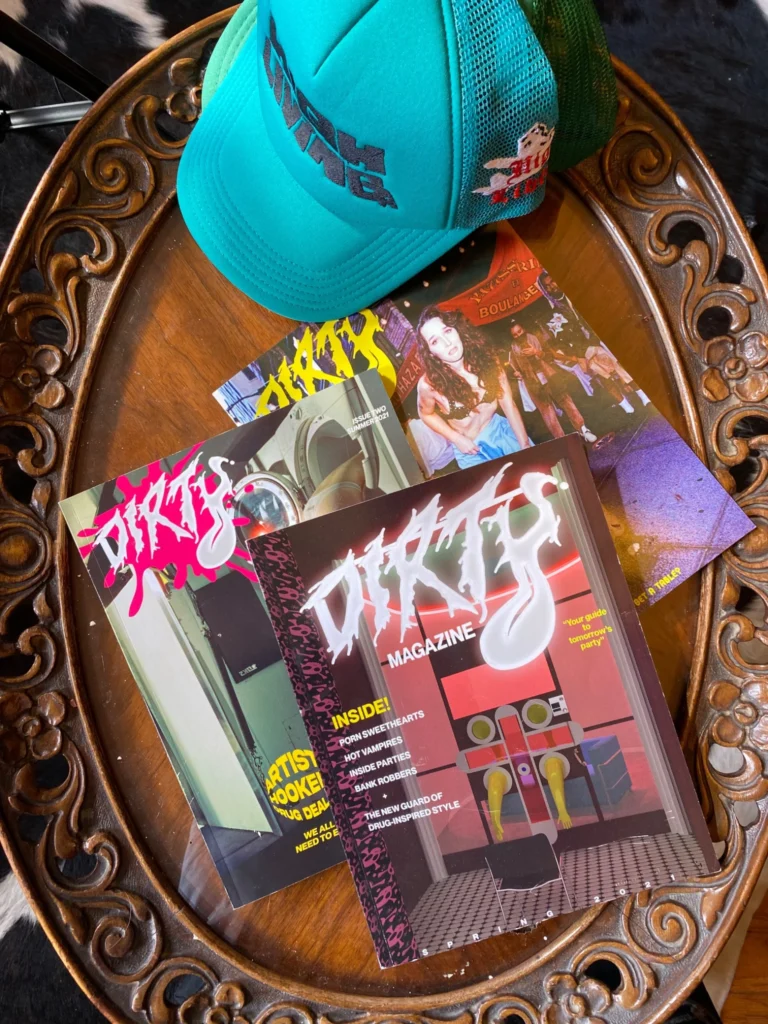
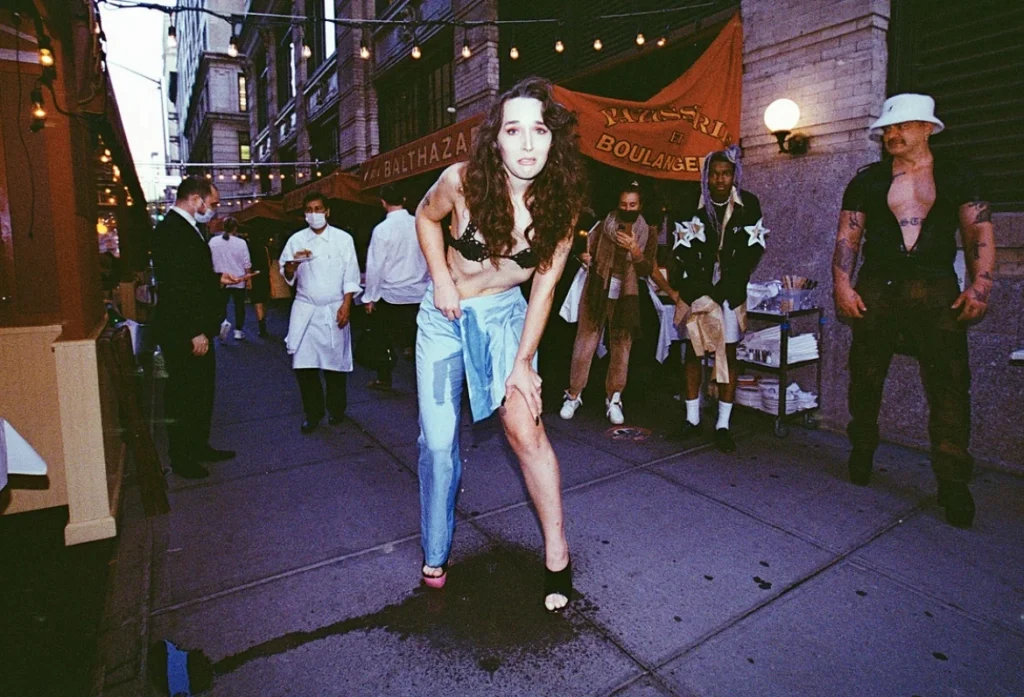
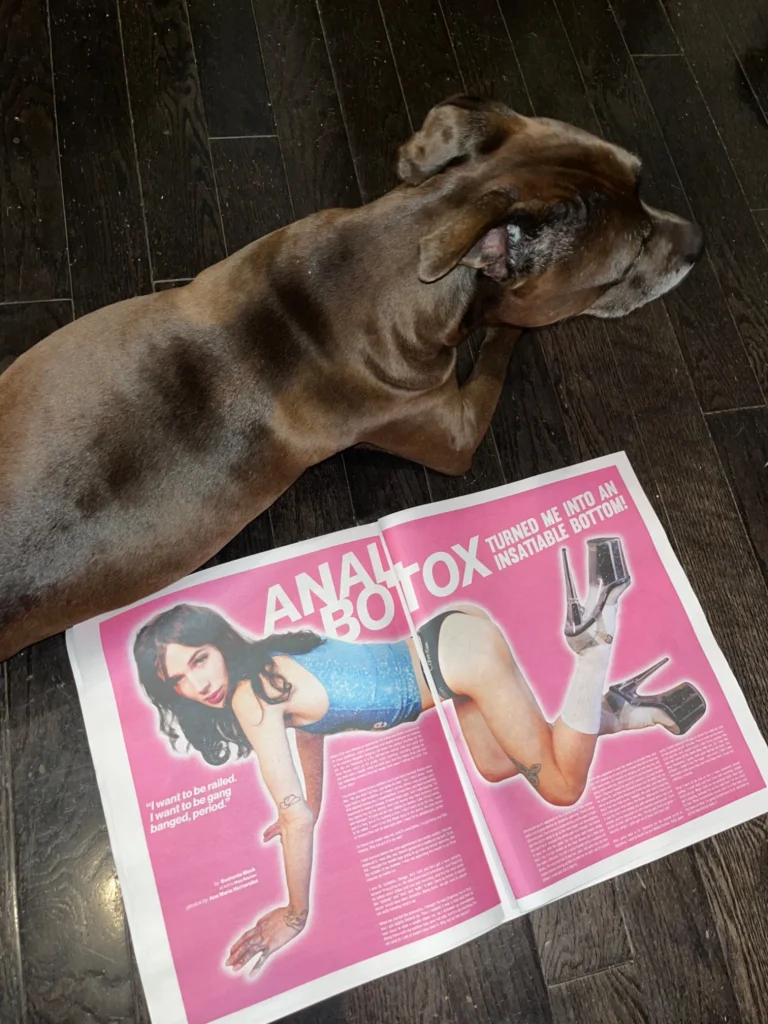
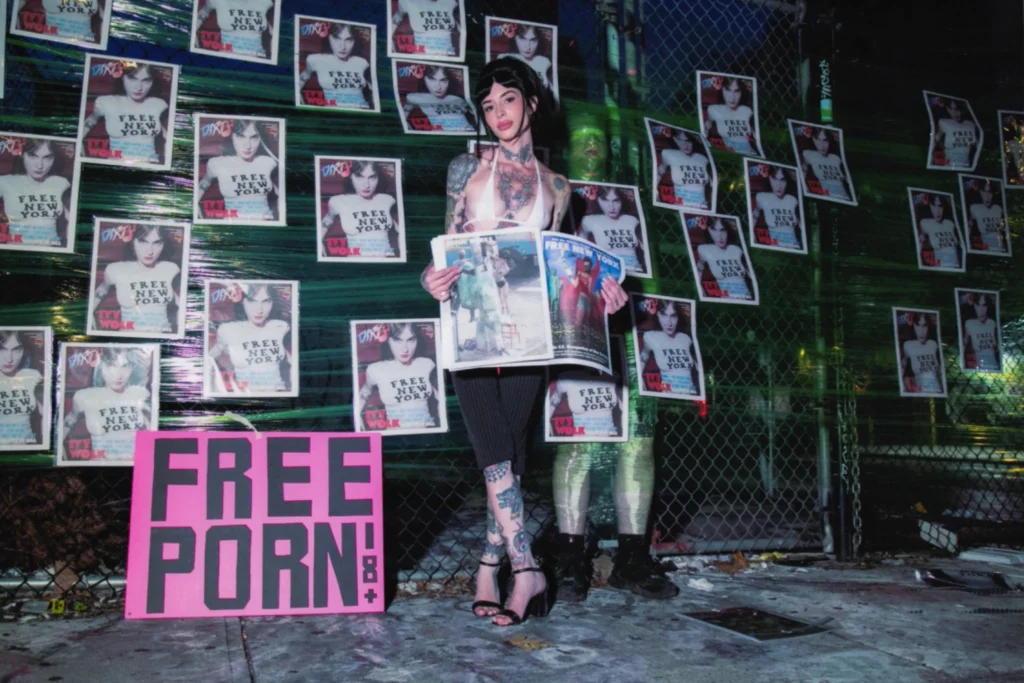
RIPLEY: Prior to DIRTY I had come from a very community organizing and activist background, I had wanted the first issue to have more pop appeal. The politics of the first couple issues were meant to be more defiant in their relationship to things traditionally deemed ‘pretty’ or ‘fashionable’ (see: Magdalena Galen pissing her pants in front of Balthazar on the cover of Issue 3), and the fact that we were in print was a direct response to SESTA/FOSTA and online censorship. Still, I would describe it now as the “Supreme” streetwear version of DIRTY 1.0. I was looking at this 90s magazine Project X from the Limelight-era as the main aesthetic reference. I thought it was going to be much more of a pro-party glossy when everyone was still extremely afraid of going outside and being in rooms together. There still wasn’t that much depth as I knew I wanted but it teased the existence of many overlapping communities that I wanted to delve into and build into the world of the magazine that very much flourish as co-existing subcultures today: graffiti, sex work and smut, harm reduction, skate, queer and trans nightlife. Since then, every issue our brand identity has become more clarified as we include more and different kinds of subcultures and become less ambiguous about our political vision. I’d say it was the Pin-up Issue and Issue 7 when Maia came on as our creative director and senior designer, and we moved to newsprint and relaunched as what we call “DIRTY 2.0” that we pivoted into this more street paper 1970s Oz Magazine-style political aesthetic and really started taking ourselves to the next level generating hard-hitting and sexy revolutionary propaganda, featuring more of our own anti-authoritarian politics and not just leaning on a basic ‘fuck you, man’ street rat vibe.
Maia, when you became more deeply involved, what did you think Dirty already had that was special, and what did you think needed to change?
MAIA: I thought the world-building of the first few issues was incredible. There were all of these characters tied together, with Max Lakner shooting everything in this DIY David LaChappelle style I loved and this sense of humor that permeated everything. It was also a little abstract overall, and I felt like some of the ideas needed to be brought into clearer focus, but Ripley already had some ambitions to make the project more openly radical and more journalistic, which synced up with some ideas I’d been developing in my own work.
The move from a glossy format to newsprint seems to have been a major turning point. Maia, why were you so convinced newsprint was right for Dirty, and Ripley, why were you initially hesitant?
MAIA: I came up during the golden age of alt-weekly newspapers, and my first paying job in media was at the legendary Chicago Reader, so the idea of printing cheaply to make your publication accessible to the most people just makes sense to me. I’m also a big nerd for vintage media, and some of my all-time favorite publications, including the Black Panther Party’s newspaper and the old NYC porn weekly Screw, were made on newsprint. It also looks great and feels great in the hands. I wanted the tactile experience to be as rewarding as the visual.
RIPLEY: I think when Maia first pitched the idea we were in Issue 4 or 5 and think she had used the word ‘tabloid’. I wasn’t familiar with this style of printing at the time so what I was imagining was like the really thin stapled kind of slimy paper you see People magazine printed on. Then Maia ordered sample copies from the printer we use now and I was like ‘ooooh, I see’. So I started imagining more like OG Screw Magazine, and less grocery store line tabloids.
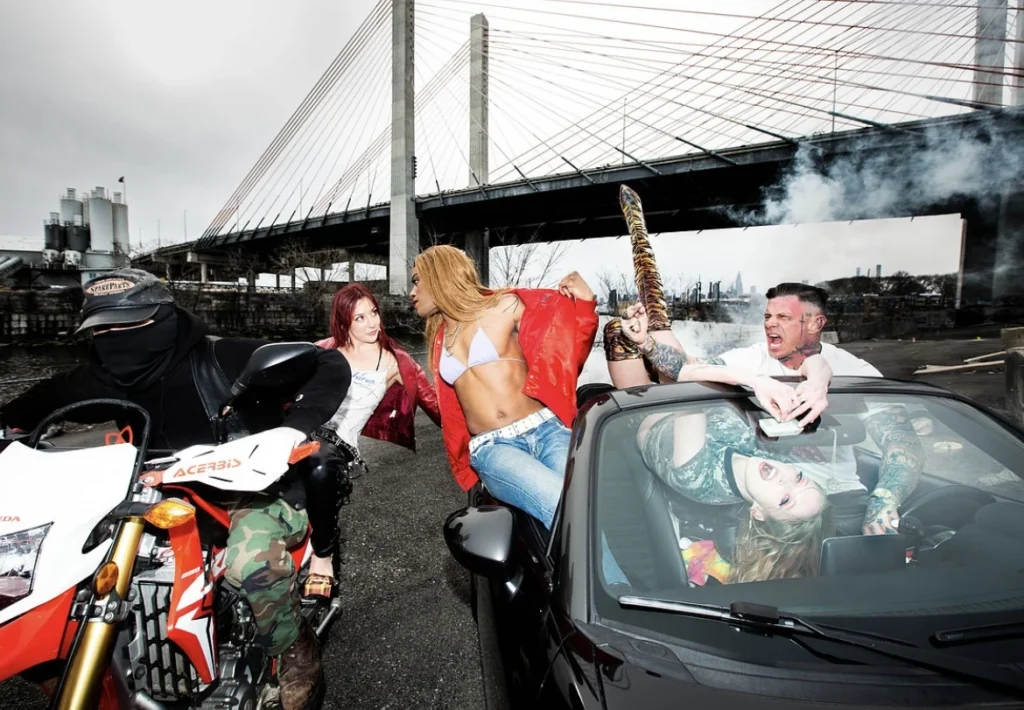
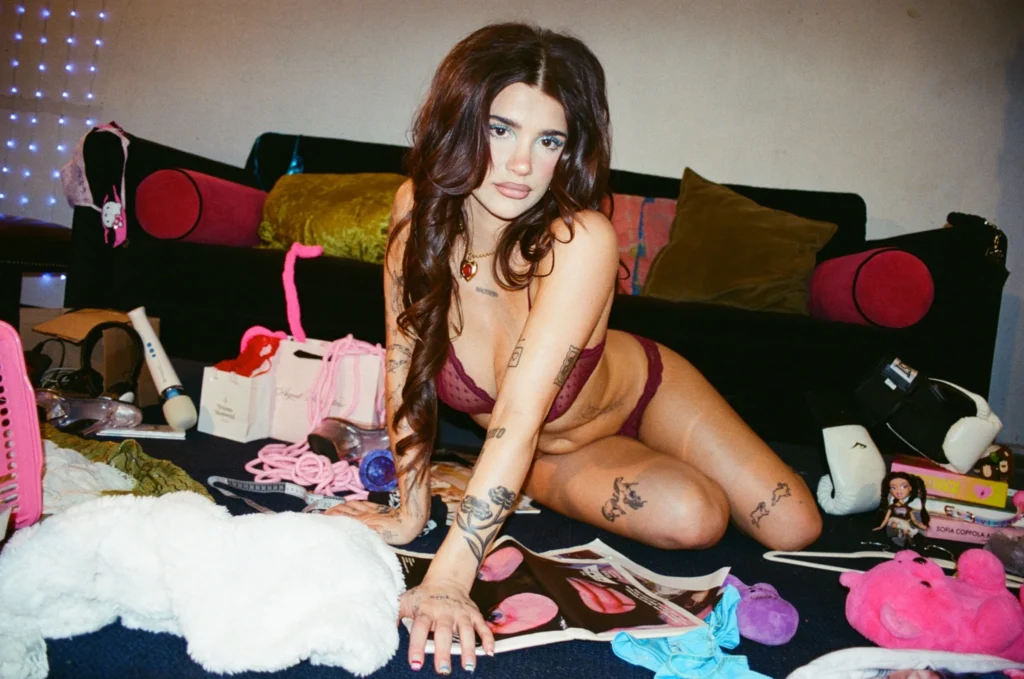
Dirty brings together sex workers, artists, skateboarders, writers, fashion people, drug users, photographers and nightlife figures who might normally exist in completely different scenes. What do you look for in the people you decide to feature?
MAIA: We like people with their own perspectives and their own styles, and we really only fuck with people who we think share our desire for collective liberation. Also not to brag but we’ve got a great eye for star power. We’ve already had so many people on our cover before everyone else.
Ripley, you’ve described Dirty as a “character magazine.” Are you more interested in someone’s work, or in the person and world surrounding that work?
RIPLEY: “Character magazine” to me always meant that DIRTY is made up of people that invite our audience and readers into the DIRTY world. Think of the ‘characters’ in DIRTY as characters in a comic book. They’re recurring. You can walk down the street and if you see Maddie V Baby and you’re like ‘that’s a DIRTY girl’. We’re cheering her on and she’s cheering on everyone in the DIRTY community as well. There’s dozens of these characters. They’re real people with their own projects and dreams and careers but they’re DIRTY people. They’re inspiring us all. You come to one of our events and you interact with specific people: Kitty York, Hipp, Ian Reid, Swiss Miss, 89 the Brainchild, Sabine Tautou, Wali Khan, Felipe Gouveia, Melinda May, Fatboi Sharif, Sunflower, Vita Haas, Trinity Noone, Niara Gill, Dada Cozmic, Em Vaughn, Camila Chica, Ana Maria Hernandez, April Flores, Arianna Gil, Small Hands, Aurora O, Swimmie, too many to name who embody the ethos of what we’re working towards: girls who do graffiti and skate board, porn performers of all genders who are kind and big hearted and are rockstars to us, queer and trans people who DJ, rap, throw parties or make films, strippers and escorts who are community organizers, and so on and so on. It’s meant to mean you can be a superstar in DIRTY if you give a shit about the world we’re building.
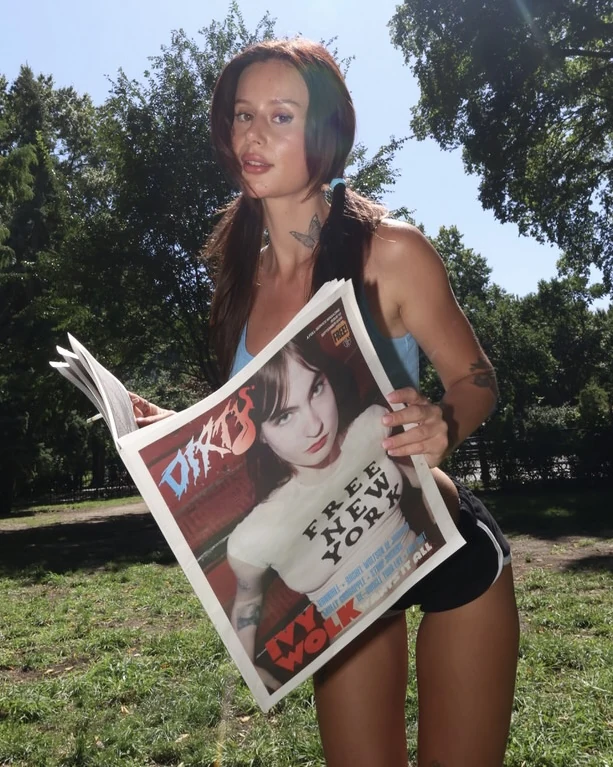
Maia, Dirty has a very recognizable visual language now. How consciously constructed is that? Do you work from references and historical design traditions, or is it more instinctive?
MAIA: It’s been very conscious from the start. I’ve always been drawn towards really tightly constructed visual identities where you can tell what it is at a glance from across the room. I draw a lot from archival material, but I usually like to play with them and filter them through my own sensibilities rather than simply trying to replicate them (although that can be fun sometimes). A lot of my visual influences come from music, like punk designer Barney Bubbles, the Sex Pistols (or really Malcolm McLaren, Vivienne Westwood, and Jamie Reid), Blue Note album covers, and the White Stripes. As far as publications, my big ones are the Black Panther Party newspaper (designed by my hero Emory Douglas), a 70s UK hippie magazine called OZ, a magazine from back in my hardcore days called Punk Planet, sex worker classified ads from the 70s and 80s, and underground zines from the 90s when Photoshop was brand new and designers were just going crazy seeing what it could do. (You can find a lot of this stuff online!)
A lot of contemporary fashion borrows the visual language of punk, pornography, queer culture, skateboarding and other underground scenes. When does that exchange feel legitimate to you, and when does it become extraction?
RIPLEY: Such a big question. There’s a few things going on with this idea of borrowing in fashion. I truly believe everything cool and interesting begins in the margins and ends up in the mainstream. Some people call this extractive, appropriative or exploitative. That is sometimes true. I do believe this is an inevitable process and if you can get ahead of this process you can be instrumental in proliferating some really inspiring, radical things to a whole lot of people. I think Vivienne Westwood did a very good job at this. She brought climate change, revolution, anti-war politics into the fabric of her collections, she wore signs with Chelsea Manning’s name on them on red carpets before anyone knew about Chelsea. That’s an example of something marginal ending up in a mainstream context and still holding onto its punk, confrontational ideology while being commercially viable and transforming the fashion world as it goes. Then there’s just the reality that the things that end up in malls, or whatever, are not decided upon by suits in board rooms or major fashion houses like that monologue in Devil Wears Prada suggests. What’s at the forefront of fashion is coming from the streets. Like in 2013 when everyone was wearing tattoo plastic chokers again, that wasn’t because someone at Claire’s was like ‘let’s bring this back’, it’s because they saw some preteen getting nostalgic with it and were like ‘let’s fast track production on these’ at whatever Chinese factory makes those accessories. Which is all to say, we produce value for them, not the other way around. And so when you see big brands stealing your shit, don’t stop, that’s a sign you have power. Laugh and keep moving. Don’t let them slow you down.
MAIA: It’s legitimate when people from those subcultures are being consulted, heard, and paid the fuck down. Otherwise, no.
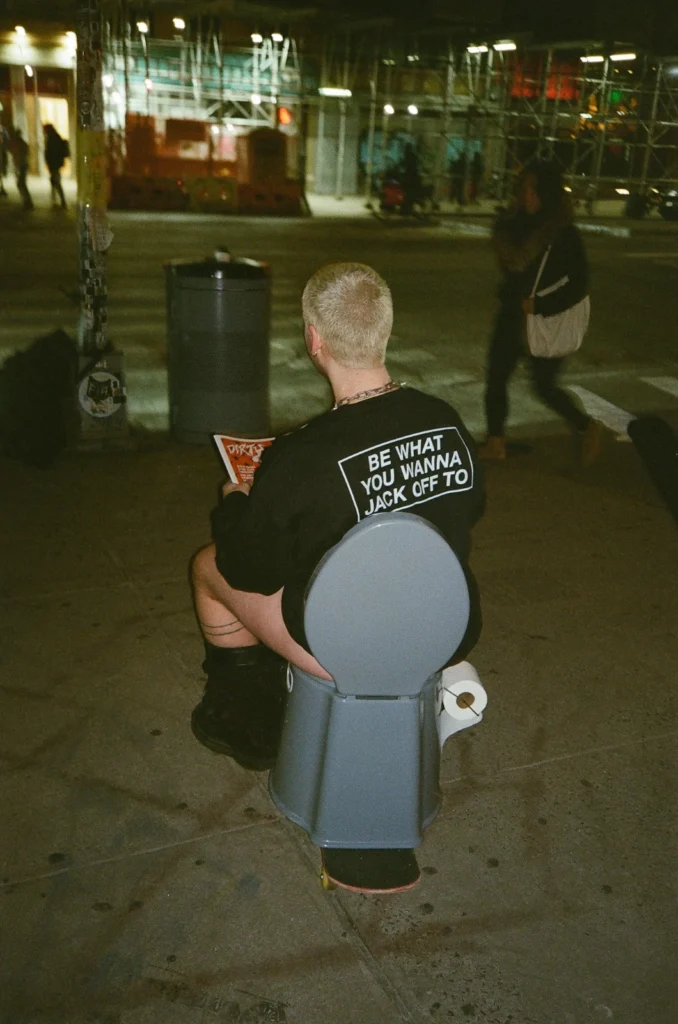
Dirty often represents people who have historically been photographed or written about by outsiders. How important is it to you that people from those communities participate in telling their own stories?
MAIA: I think Ripley and I have always felt like outsiders, and we feel a lot of solidarity with other outsiders. We think everyone deserves dignity and the opportunity to be heard, and we try to put that into practice.
There is a long history of mainstream media turning marginalized people into either victims or symbols. How do you avoid doing that while still acknowledging the realities people face?
RIPLEY: I just think people can and should speak for themselves.
Dirty is explicit without seeming ashamed of sexuality, but it also doesn’t treat sexuality as automatically radical. What makes sexual imagery interesting to you beyond simply being transgressive?
MAIA: I obviously love shock value and transgression, but it only really works when it’s done with the intention to use that moment of shock to slip an idea into your audience’s brain that they might not be open to otherwise. If there’s nothing else behind it, I’m not interested.
RIPLEY: I was always interested in making pornography and getting people to jack off to unexpected things. And, I think those who have made pornography historically on both sides of the camera have been at the front line of battles over freedom of speech. They’re the reason why we have any kind of right to make any kind of meaningful art, speak openly about politics, and make images that probably at this point hundreds of thousands of people produce at home while calling themselves “bops” or whatever.
You have talked about celebrating people at the margins rather than bringing them toward respectability. Do you think the idea of “respectability” has actually become more restrictive again in recent years?
MAIA: To be honest it’s a scary time to be on the margins right now, and it’s a perfectly natural response to seek out safety by giving people higher up in the power structure what they want. But that’s also the path to soul death, which I think a lot of people are starting to understand. And while mass media is feeling more restrictive overall, we’re also seeing people like Mia Khalifa, Julia Fox, and TS Madison building massive audiences off being absolutely shameless about their identities.
Harm reduction is woven into Dirty alongside fashion, sex and nightlife rather than being treated as a separate public-health subject. Why was it important to present it that way?
RIPLEY: I think the answer here is pretty simple. I was a drug user and still wanted me and my friends to stay safe when they were using. 100,000 people died of fentanyl related deaths in 2021. I know that these were very preventable deaths, and whether misinformed or intentional, that drug policy plays a massive part in these deaths. I see harm reduction as a form of agency for individuals and communities looking to take their power back from Big Pharma, from decades of neglect and intentional harm done by government and corporations in the aftermath of AIDS, the Crack Epidemic, the Opioid Crisis, COVID-19 and so many other so-called public health crises that are really products of homophobia, transphobia, racism, and Capitalism. My personal art and organizing practice prior to DIRTY I had always wanted to proliferate propaganda around harm reduction and so when DIRTY started it felt like just another platform to use to bolster these community and street-level practices.
Do you think institutionalizing harm reduction can sometimes strip away the culture and communities that created it in the first place?
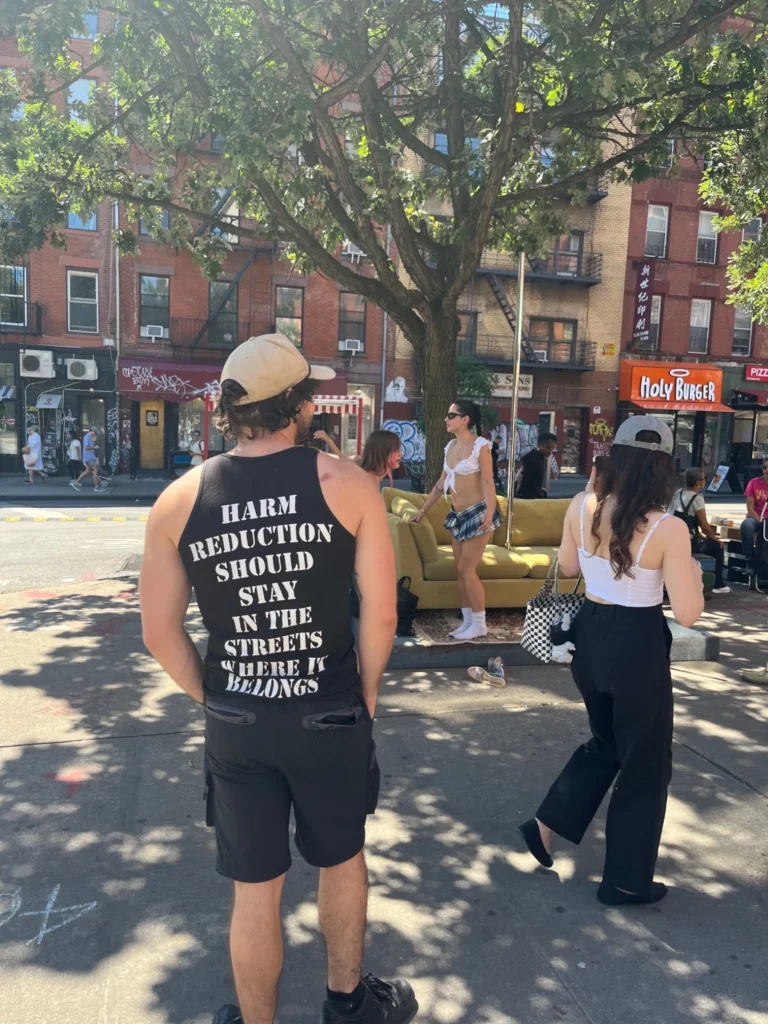
RIPLEY: My good friend Dave Justice has a street-based harm reduction project with some volunteers and friends called Don’t Forget the Streets. They have hoodies and T-shirts where on the back it reads “Harm Reduction Should Stay in the Streets Where It Belongs”. This speaks loudly. Harm reduction has been proven to be most effective when street-based drug users are at the forefront and center of those efforts, its street roots can never be replaced by clinical versions or anything that forces people to be sober or commit to sobriety in order to gain access to resources. This is because people who are most affected by any issue are best suited to fashion their own solutions to the problems they face.
Looking back these past 5-6 years, what has been some of the biggest obstacles you’ve faced so far, while building Dirty?
RIPLEY: Solvency and long-term team retention. Small businesses already have such a hard time with this but add that we’re artists, we’re all a bit neurodivergent, we’re all working so much on so many other things as well, and the economy is shit, and we’re all queer and trans, many involved in the sex industry. Even designating time and space to work on DIRTY is its own battle, then there’s all the external forces that push and pull us together and apart. I feel very grateful to be along for this ride but it can be extremely difficult, exhausting and really a labor of love in the meanwhile.
Independent publications often begin precisely because they reject conventional institutions, but eventually they need money, infrastructure and partnerships to survive. How do you grow without reproducing the structures you originally wanted to escape?
RIPLEY: I think this is what they call prefiguration. If we want the word to be a certain way I think it’s important to live like that world exists. I also think growth can be measured in many different ways besides financial growth. If the point of what we are doing is to turn people on, and bring more people into our world, that’s the measuring stick we’ll use. I have a lot of faith that the rest will follow.
How do you decide which commercial collaborations are useful and which would compromise the magazine?
RIPLEY: It feels pretty straight forward on the commercial front when things feel organic where there’s a lot of audience overlap are key for us. And people and brands that come correct, understanding that we are providing value for them.
Your roles overlap, but Ripley you seem particularly focused on publishing, people and community while you Maia has had a major influence on Dirty’s visual language. How would each of you describe what the other brings that you couldn’t provide yourself?
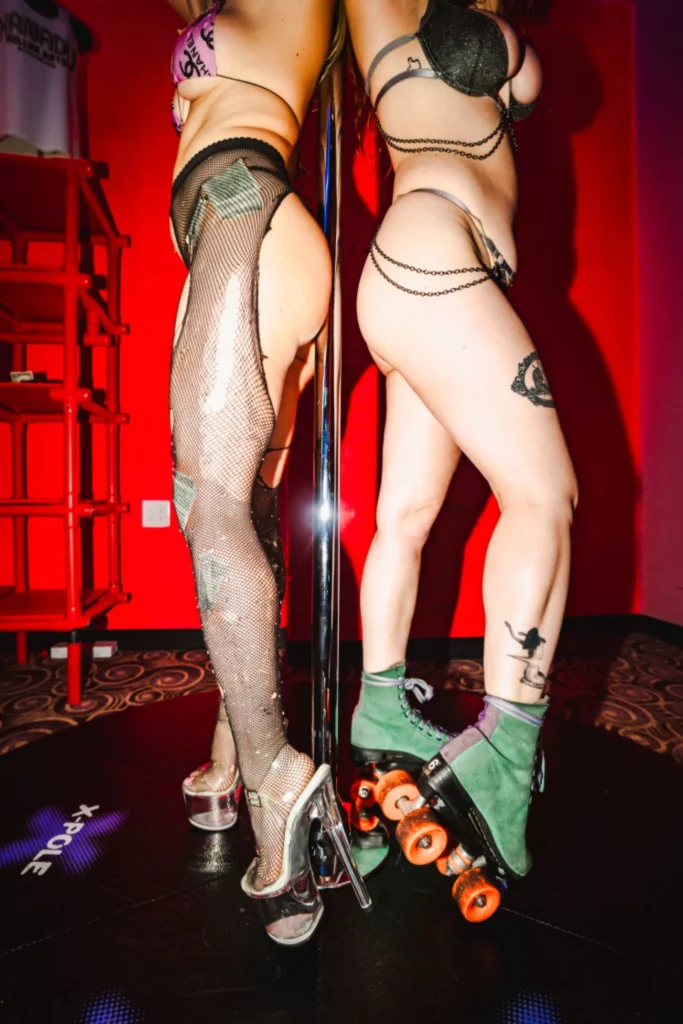
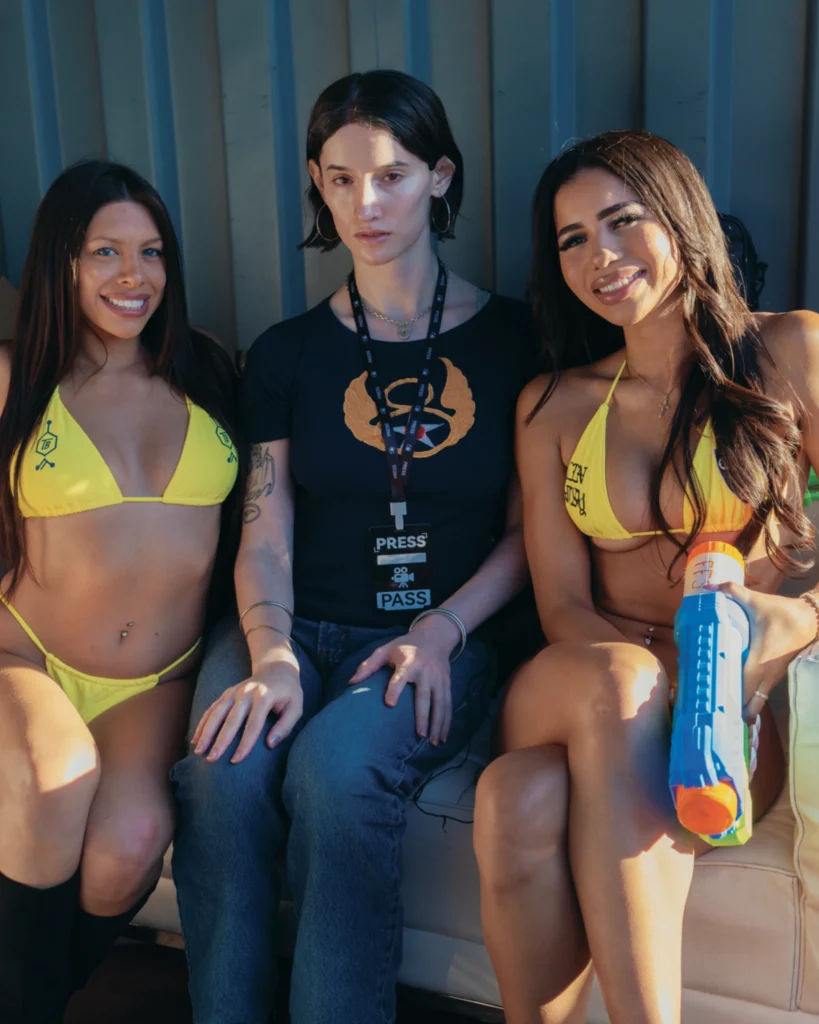
RIPLEY: There’s so much that Maia can do that I have no idea how to do and don’t really want to. I can barely use Adobe suite products. Maia designed the logo for DIRTY before the magazine even existed. I think I paid her in credits in a ride-share app if I remember correctly. She’s the lead designer, the creative director, she’s also a creative producer, she lays out the magazine, she’s on set for most photoshoots standing next to the photographer communicating the vision with precision and clarity. She also commissions photographers, artists and illustrators when we need them. Maia also has so many mentees involved in the magazine as someone who has been a part of the journalism world for much longer, so there’s many writers and photographers who look to her for advice professionally and personally who are in our community. Maia and I tag team a lot as well. Yes, I’m coordinating and communicating with the printer but I don’t really know about prepping files to ship the new issue to our newsprint printer abroad. So, that’s just one example where we work well together. We tag team events, partnerships, and sponsorships. Maia has her own projects under DIRTY that I’m not really involved in unless she needs something specific from me including Lingerie Skate at Xanadu Roller Arts which is our most successful event series thus far.
MAIA: Ripley has a background in organizing that makes them way better than me at organizing people and spreading ideas (and also really good at throwing parties). They also have this world-domination kind of ambition that I share too, but they’re so much better at putting it into action. Before we met I was daydreaming about making a weird little pansexual smut magazine, but if I hadn’t met him it would still just be a daydream.
What do you disagree about most when making the magazine?
RIPLEY: I think our brains just work differently from one another, and there’s been a learning curve of figuring out how best to support one another and balance some of my Aries “go, go!” tendencies with slowing down and really laying out a plan. Maia’s been incredibly patient in tempering some of my impulsiveness in service of really acting in lockstep with one another.
MAIA: We disagree constantly but we’re also super good at working it out. We listen to each other, we trust each other, and we always show each other grace. I think both of us have learned a lot from each other over the years, but also learned a lot together. Making this magazine has made us both better people.
Can you remember a creative argument where one of you eventually realized the other person had been completely right?
RIPLEY: This happens pretty often! I definitely defer to Maia on creative decisions. If I feel passionate about something and my voice gets heard but Maia says she still wants to go in a different direction, I really try to respect that. I think Maia has really good instincts and such a strong creative vision that she’s a very easy person to trust.
MAIA: Again, we disagree all the time but we don’t argue. That being said, both of us love coming up with big, high-concept, logistically complicated ideas, and sometimes you just have to be like dude, that’s not going to work.
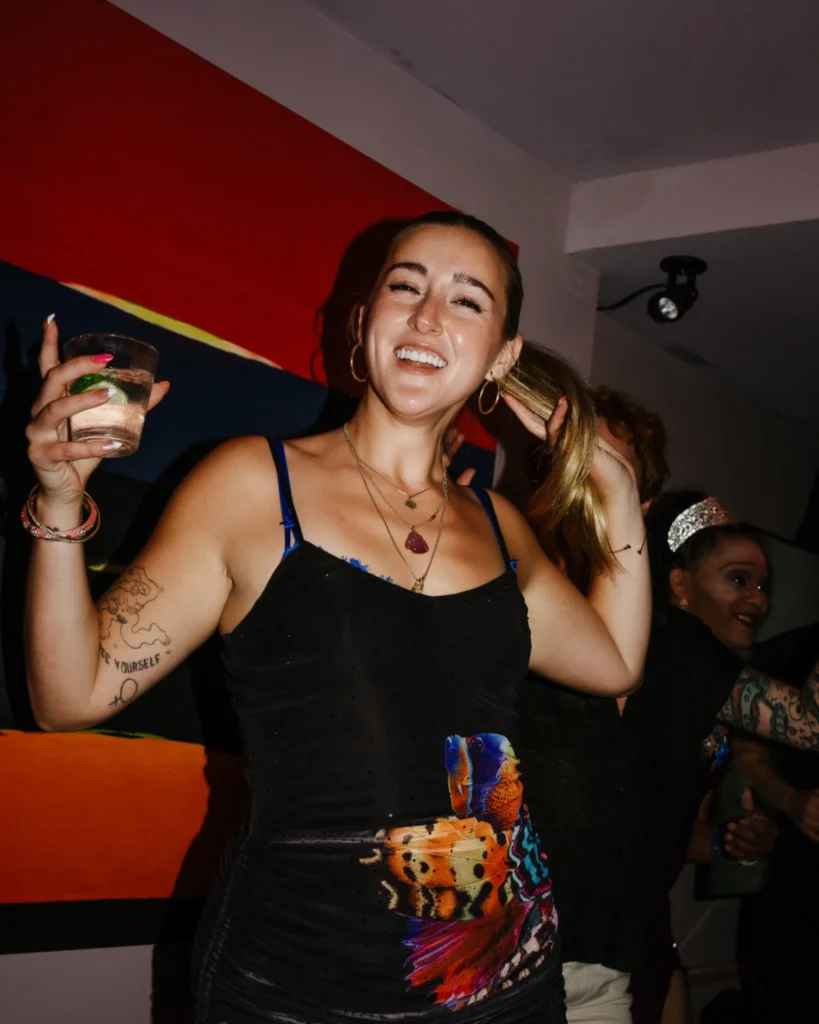
Dirty feels inseparable from New York. Could the magazine have emerged in Alabama for example?
RIPLEY: I’m certain there’s some queer freaky zine in Alabama that I’d love to read! I think DIRTY now that it’s very established visually, politically and with a very strong audience-facing community-vibe in New York, we are increasingly excited to expand into other states and outside of the US. I’ve been spending a lot of time in Florida and think there’s so much to be done to feature and include communities outside of major coastal cities. I think still, we’ll always have a very New York attitude because these are our roots.
MAIA: I think New York is the best city in the world, but I’m not a snob about it. One of my dreams is to go to Detroit for a couple of months to make an entire issue about with and about the communities happening there. If somebody wants to give us a grant, hit me up.
People constantly declare that New York nightlife or downtown culture is dead. Do you think it has actually disappeared, or has it simply become harder for outsiders to see?
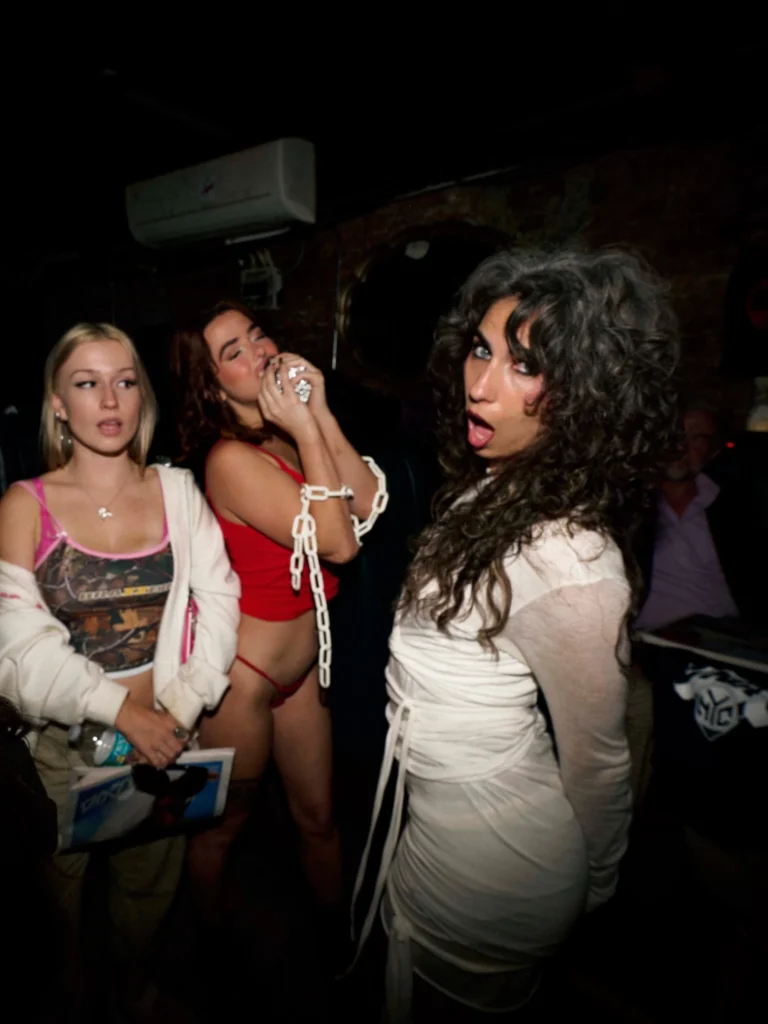
MAIA: E.B. White was writing all the way back in the 40s about how everyone in the city always thinks “Old New York” was so much better. NYC is like the rest of the world in that it is what you put into it. The entire point of our events, and really Dirty overall, is to create the NYC we want to exist in the world. Life in New York may be a lot harder than it was even a decade ago, but there’s nothing stopping us from creating the same kind of legendary scenes as they had at Studio 54 or Paradise Garage or Max’s Kansas City. You just have to want it bad enough.
RIPLEY: I don’t see how anyone can say that downtown culture is dead. Downtown culture is very alive, it’s very present in the lives of people who grew up and those who are growing older in the Lower East Side and East Village. I don’t believe culture can die. The materially fucked up and very upsetting part is that the majority of those people can’t actually afford to live in the neighborhoods their families built culture in. But those people still hang out downtown, they skateboard and bike around, they go to AA meetings or drink tall boys in the park, they romp around Tompkins, LES Skate Park, Chinatown, put on art shows, have plots in community gardens, sit on stoops all day, and hustle to stay in the city.
Nightlife is definitely not dead. There’s events every night, there’s been an explosion of literary and queer/trans nightlife events in particular, and new generations and subsects of those communities pop-up every couple of months. They emerge, they may have infighting, break-ups, and then re-emerge in a new form. What I think has been very affected both by the cost of residential and commercial rent is the possibility for thriving DIY spaces where nightlife events can take place, where young people can get turned on to counterculture. When I was a kid my mom brought me to matinee shows at ABC No Rio and I then re-discovered them in my teen years. Anarchist and counter-cultural spaces for shows are far and few in between, and that’s concerning to me as we need those spaces in these times more than ever.
Maia, having participated in underground culture since before social media, what do you think younger artists have gained from the internet, and what have they lost?
MAIA: I grew up as a DIY punk in the middle of nowhere with a lot of big ideas that I didn’t know how to get out into the world, so I’m still blown away by the fact that anyone can make a free account on IG or SoundCloud or whatever and get their shit out to the entire planet instantly. On the other hand, I think it’s really bad that younger artists have lost the opportunity to make bad art in private while they’re figuring it all out.
When algorithms can identify and reproduce an underground aesthetic almost instantly, what does “underground” actually mean anymore?
MAIA: We use the word “underground” a lot, but Ripley and I prefer thinking about Dirty and all of the artists/publications/etc we’re in community with as a counterculture instead. There’s no underground when you’re working on the open internet, but there’s a way to move in opposition to the dominant culture, and when you find harmony with other people moving the same way it’s powerful.
RIPLEY: Not having a phone or social media.
What do you hope somebody finding a stack of Dirty magazines in 2050 would understand about this period that they might not learn from mainstream media?
MAIA: I’ve learned so much history about the different communities I’m a part of by digging through old magazines, and a lot of information that I’ve been able to put into action, so I’m always thinking about what someone like me a few decades down the line might get from discovering Dirty. If nothing else I hope they’ll see that during this time where all of the structures in our society seemed aligned to snuff out free expression, there were a lot of people who refused to sacrifice themselves to the machine.
Dirty has already moved beyond being simply a magazine into events, creative direction, collaborations and community-building. What do you actually want Dirty to become?
MAIA: As much as we love making the magazine and throwing parties and all the other stuff we do, they’re only the means to an end, which is the collective liberation of the entire planet.
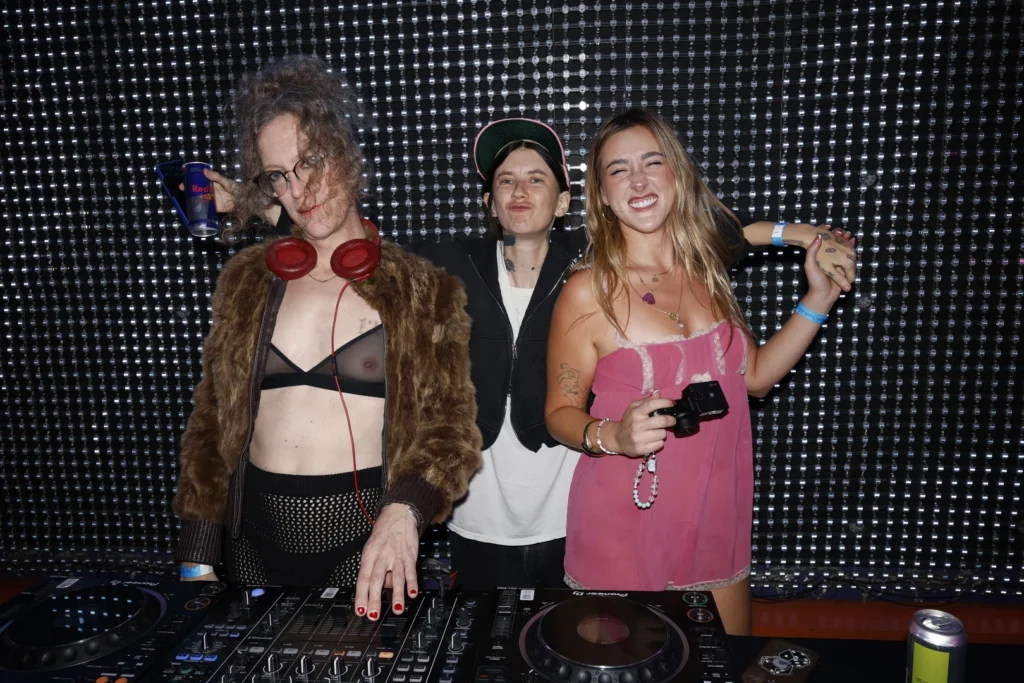
Alright guys, I always ask these two questions at the end of an interview. The first is. What’s your favorite movie(s) and why?
RIPLEY: My Own Private Idaho — the movie opens with River Phoenix working as a street hustler getting sucked off by an old man and when he comes a barn house falls from the sky and shatters in the middle of an open round. It’s incredible.
MAIA: Also My Own Private Idaho, actually. I watched it a million times as a queer teen who fantasized about being a hustler, and the combination of breathtaking intimacy and camp faggotry still hits for me.
The second is. What song(s) are you currently listening to the most right now?
RIPLEY: The entire Cruel Intentions soundtrack on repeat.
MAIA: I’m deeply obsessed with “The Ballad of St. Nick’s Park” by a UK screamo artist named 300SkullsAnd Counting and a UK baseline producer named Jenny Sparks because I find it both deeply annoying and impossible to stop listening to, which I’ve learned over the years is a sure sign of something exciting bubbling up from the youths. I’ve also been listening a lot to a young Welsh guitarist named Gwenifer Raymond because she plays with this raw but delicately nimble ferocity that shakes me to my absolute core.