Share this
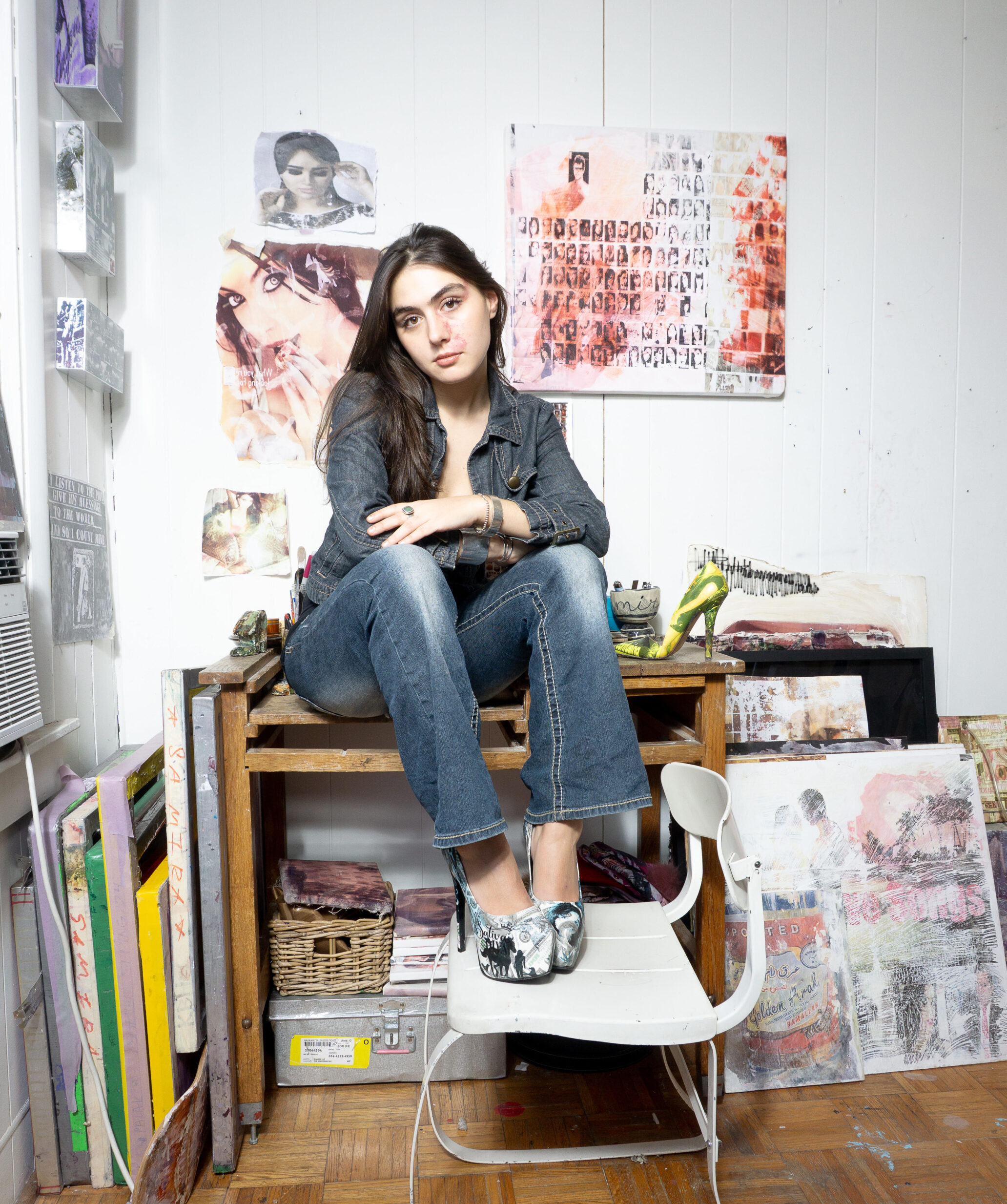
Samira Henninge is a Chicago-based artist whose work treats memory as something alive, unstable, and deeply tactile. Drawing from personal archives, especially the photographs, notes, and diaries of her late mother, Henninge builds layered environments where presence and absence coexist, and remembrance is less about accuracy than sensation.
Working across materials including textiles, glass, leather, clothing, and found imagery, she preserves, distorts, and reimagines fragments of lived experience, allowing memory to slip, repeat, and reassemble itself. Her practice mirrors the way we actually remember: messy, emotional, nonlinear. Symbols recur like residues, lips, faces, text, silhouettes, worn down and recharged through repetition, pop culture, and personal history.
Coming of age during the early social-media era, Henninge’s work is also shaped by questions of visibility, vulnerability, and the female gaze, how images of girls and women are exposed, archived, consumed, and weaponized online. Humor runs through the work as a form of survival, softening grief without neutralizing it, and inviting viewers into a space that feels intimate, unresolved, and strangely familiar.
At once playful and charged, bold and unguarded, Henninge’s work asks viewers not just to look, but to sit with instability, to feel how memory lingers, distorts, and refuses to stay still. Like lipstick worn just a little too boldly, it claims space without apology.
Profile picture by Colin Martinez.
Hi Samira! It’s a pleasure to sit down with you again. First question I always ask: how does a regular day look for you in Chicago?
Samira: These days in Chicago it’s colder, which somehow makes the long studio days feel more justified. I spend most of my time inside working. Drawing on T-shirts, printing on leather and glass. making endless tea and coffee. Sometimes I’ll go walk by the lake in which in the winter is especially peaceful., or meet friends out at night. Chicago gives me space to move between intensity and quiet long hours alone or with company, walking, collecting images, listening to music, and letting things sit.
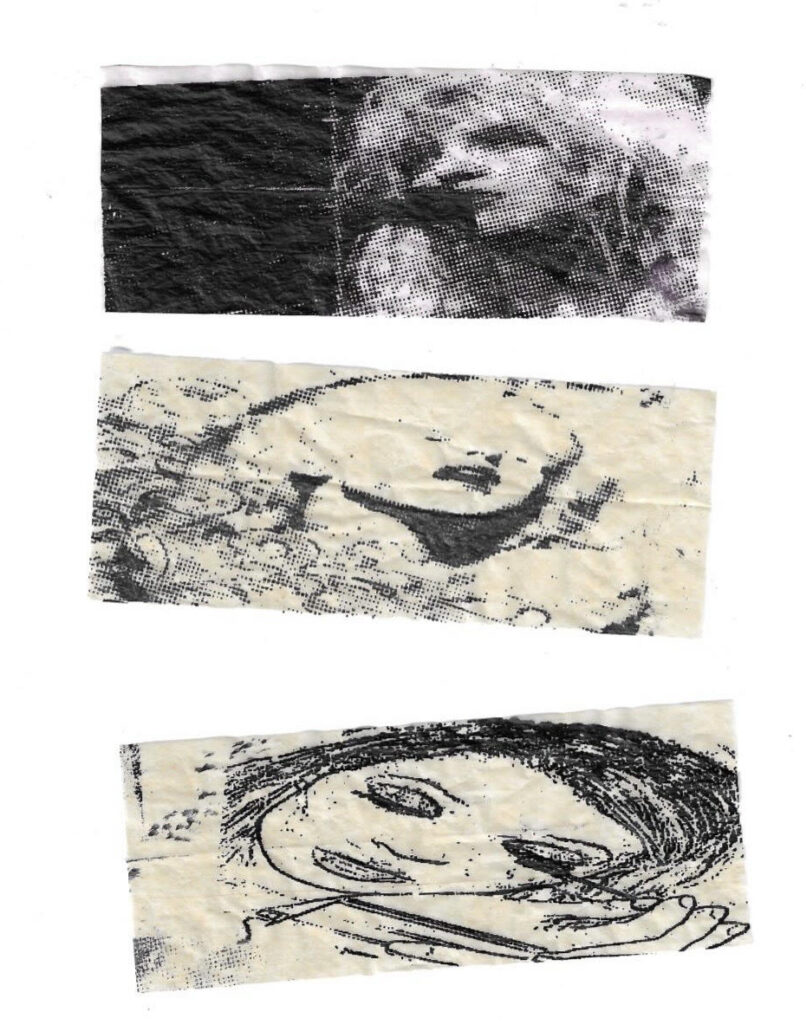
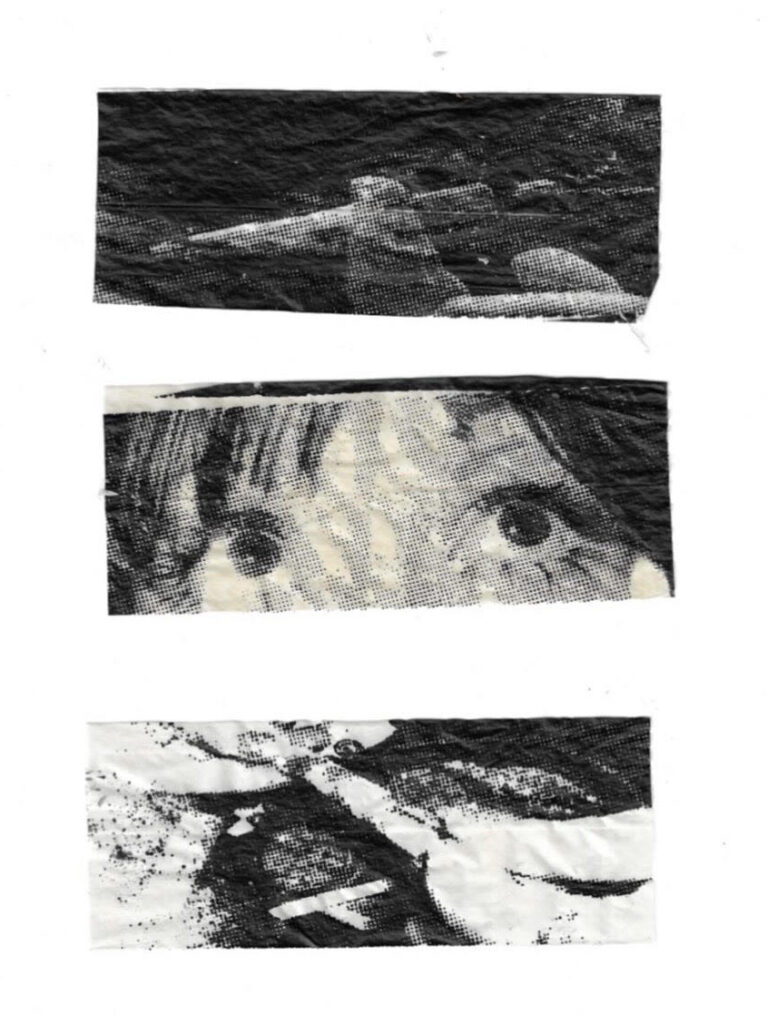
I’m curious, growing up, what was life like there? And what kind of kid were you? What did you enjoy doing?
Samira: I grew up in Vermont, which is a place that quietly shapes how you pay attention. Life there felt spacious and slow, but also very alive. I was observant and curious, always watching adults, listening to conversations, and inventing little narratives for myself. I loved the rituals of being outside for long days by Lake Champlain, wandering through the woods, swimming in cold quarries. At the same time, I had a very active inner world. I was deeply into pop culture and fantasy in that early-internet way: Bethany Mota videos, notebooks full of ideas, imaginary projects. My best friend and I even had a short-lived girl band called Sleep Over Magic, which felt extremely serious at the time.
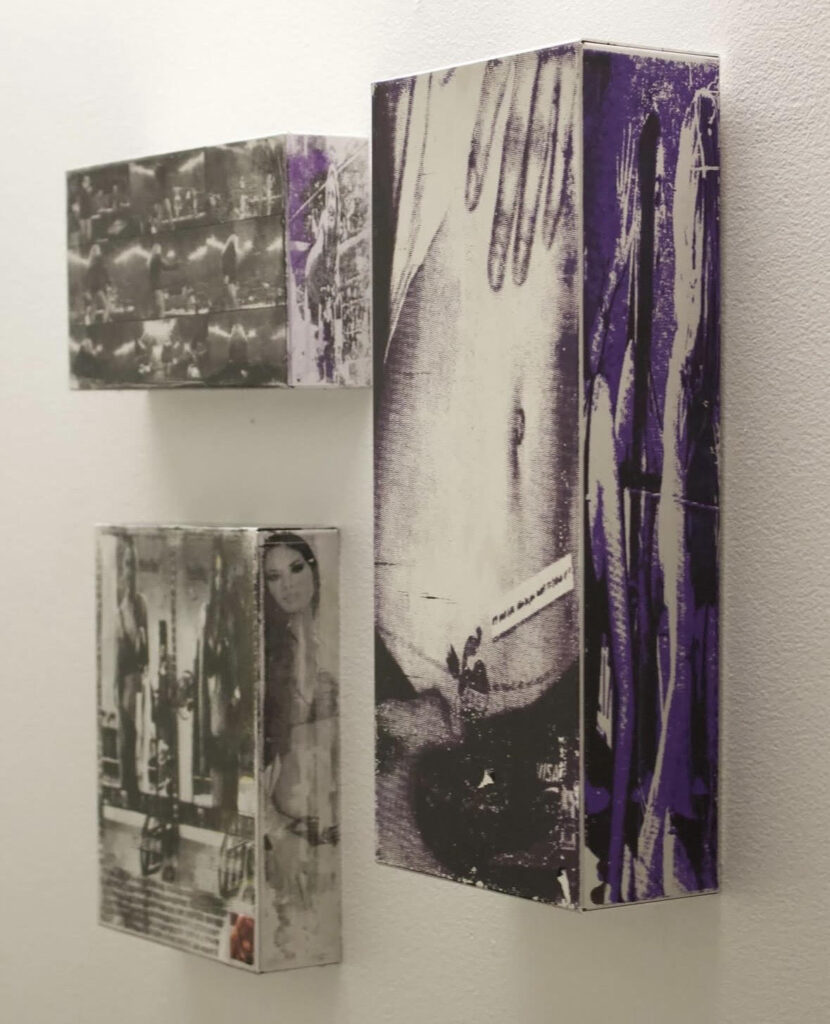
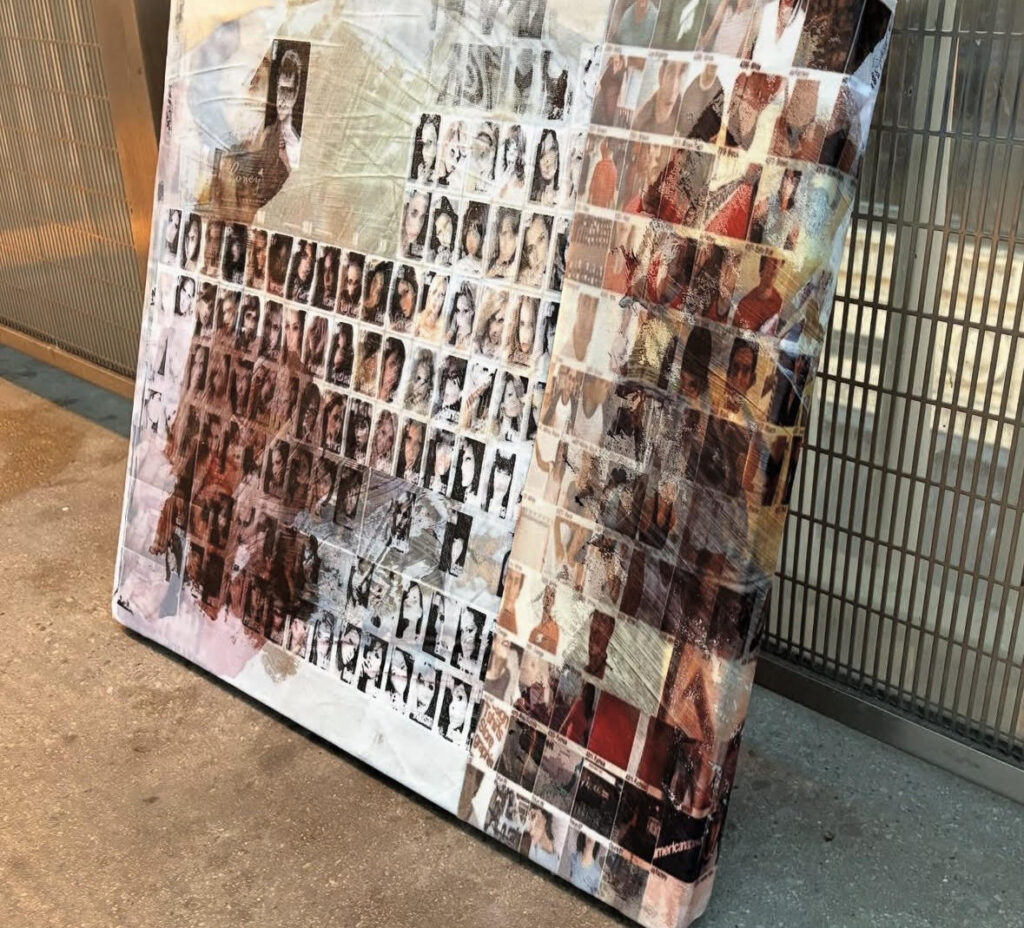
Do you remember approximately at what age your creative side started to show? And when did you start taking being an artist seriously?
Samira: I think I started taking being an artist seriously the moment creative making stopped being just something I did and became the way I make sense of the world. Make it make sense. I was always making as a child, dyeing my hair blue at seven, skateboarding, creating graphic novels (I loved the series baby mouse) writing songs, making videostar edits on my mom’s work iPad, because childhood gives you permission to obsess and experiment without self-consciousness.
My dad’s red barn packed with drawings, shirts, photos, notebooks became a time capsule of that instinct to make. When I finally opened it after a decade, I saw clearly where I came from. Intersected with my things were my mother’s archives, diaries, and writing. Losing her just before I turned eleven made exploring her archive feel like piecing together a puzzle of memory, loss, and resilience. Over time, this search became less about nostalgia and more about language: the materials I choose, the memories I shape, the way art lets me locate truth in instability.
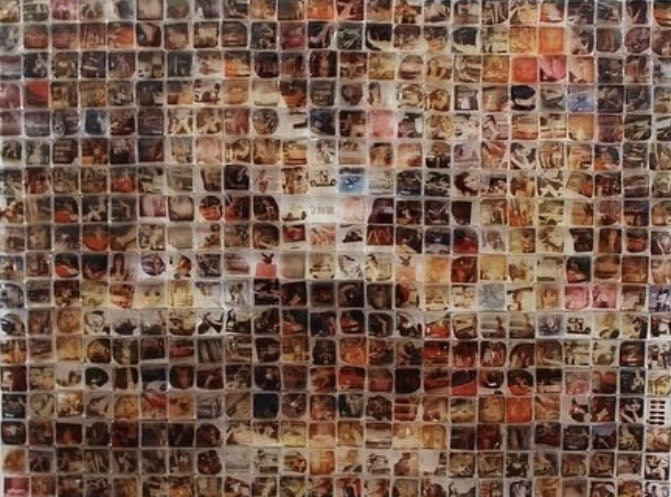
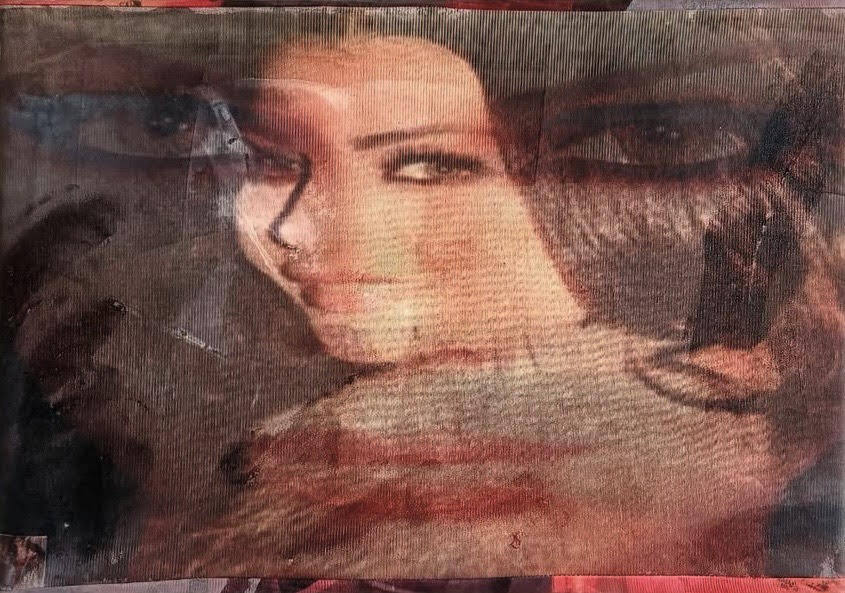
You describe your memories as your “best things”, why do you feel a need to preserve, distort, and reimagine them rather than simply hold onto them as they are?
Samira: The best things I have are my memories. Like a compulsive collector, I preserve, distort, and reimagine them to keep them present, letting them evolve instead of fade. I hold on by sitting with them and also by letting go, knowing they’re always there because our brains are built to layer, reconstruct, and store experience. In a very real sense, we are made of memory.
You describe your work as a channel through which your mother can “once again be experienced.” Do you feel that making art brings her closer, or does it make the distance more visible?
Samira: I think making art draws me closer to her, but it also shifts how I feel. Sometimes I see her as a study I’m working on she becomes the subject but the process always takes me somewhere new. She is many things at once, and the work reflects that complexity. Speaking about someone’s memory is a way of keeping them alive.
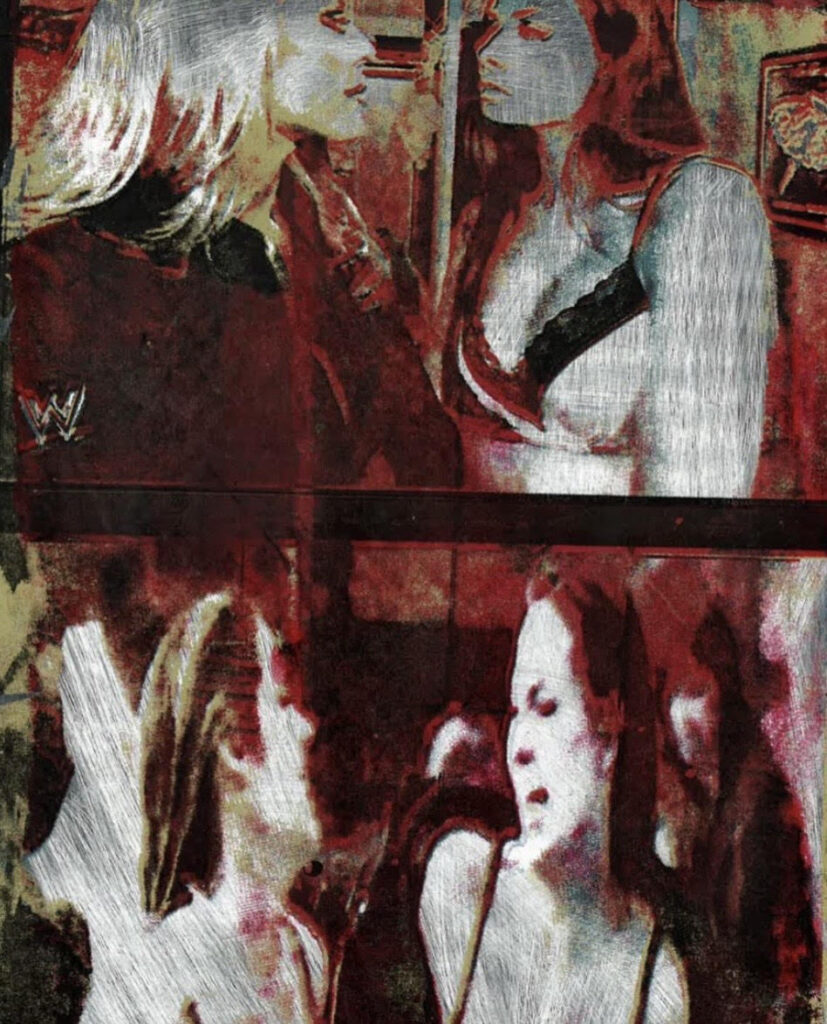
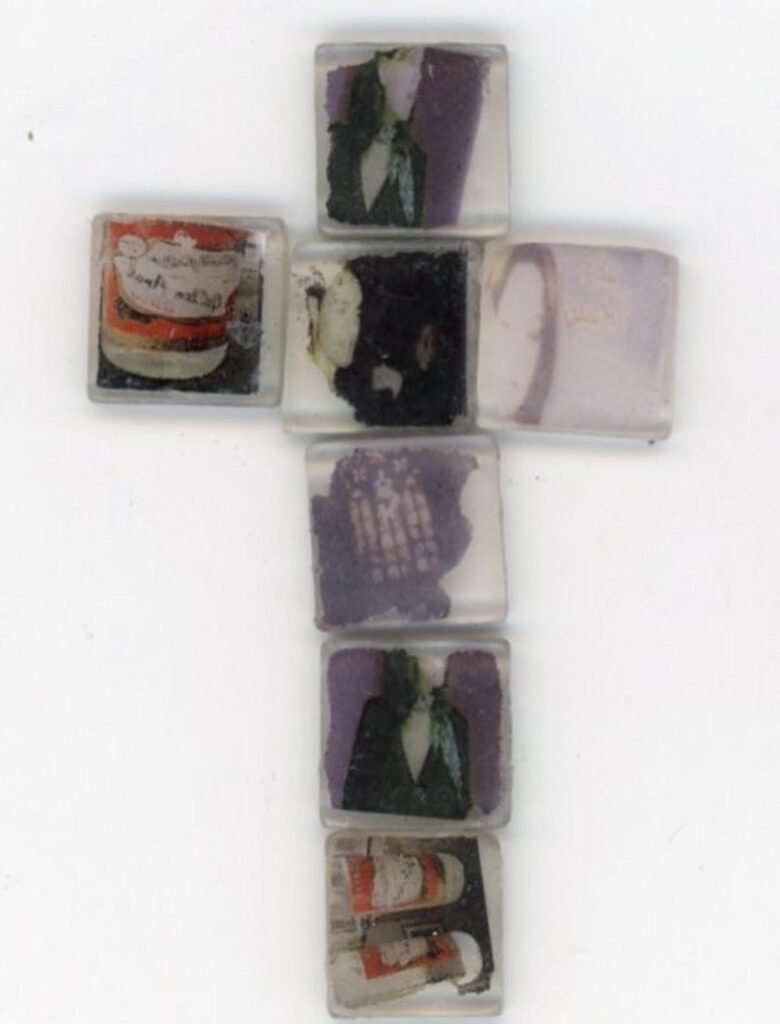
Is there a moment in the archive, a photograph, a note, a sentence, that shifted how you understood her, or how you understood yourself?
Samira: A note I found in one of my mother’s diaries: “I listen to the pope give his blessings to the world and so i count mine” It’s such a simple sentence. It reminded me of her generosity, her perspective, and the way she found gratitude and meaning even in ordinary moments.
You talk about “reshaping” memory and letting it become unstable. What does distortion give you that accuracy doesn’t?
Samira: Distortion gives me freedom. It lets memory breathe, move, and surprise me in ways accuracy never could.
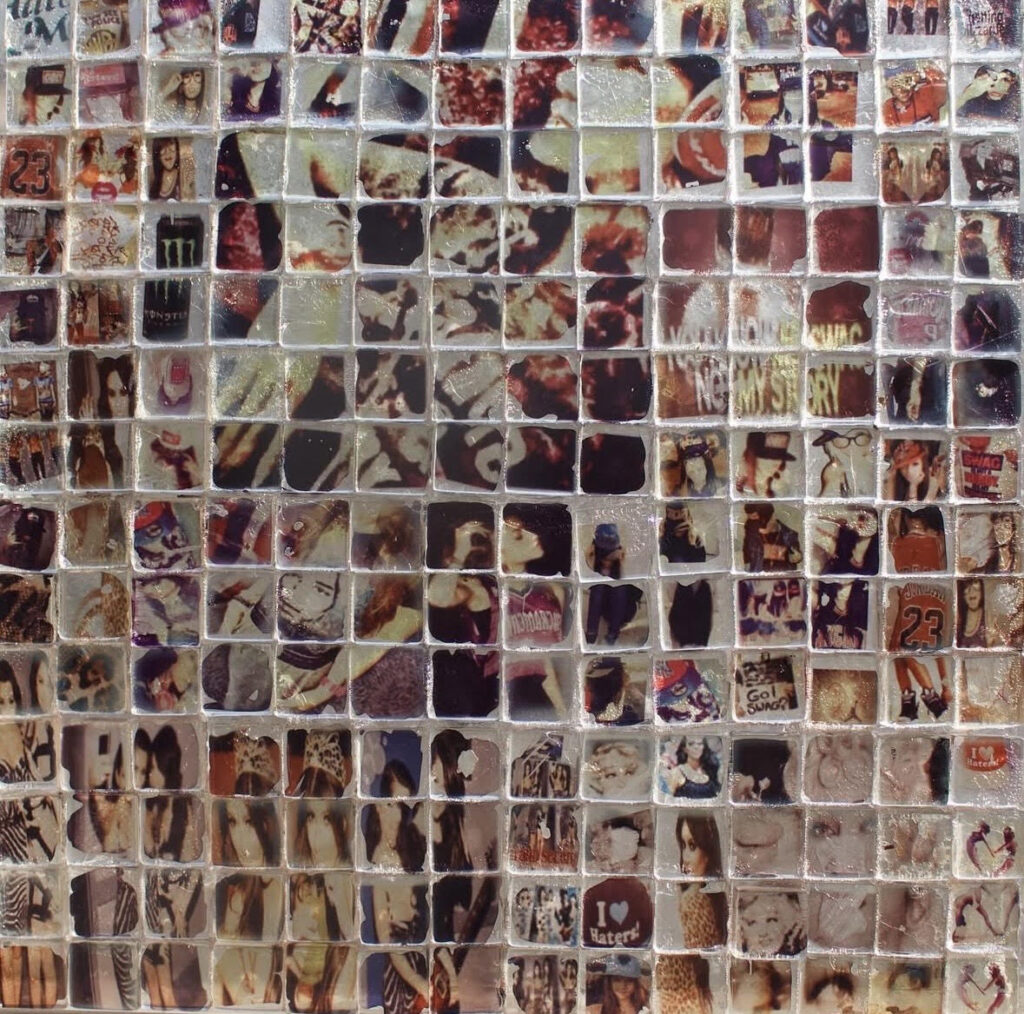
Do you see distortion as a way of getting closer to the truth, or further from it? Or does that binary not matter to you at all?
Samira: Distortion doesn’t take me away from the truth, it just shifts how it looks. It’s a visual move, not a factual one.
When memory becomes unstable in your work, do you think it becomes more human, or just more honest about how fragile remembrance actually is?
Samira: Human feels too vague. It reveals the fragility and truth of how we remember, not just what we remember.
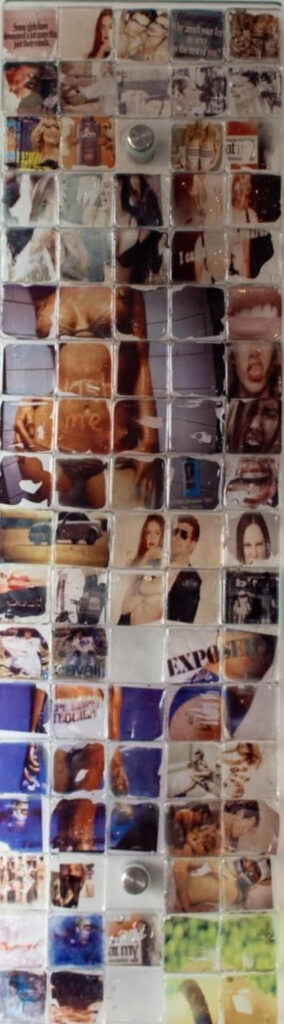
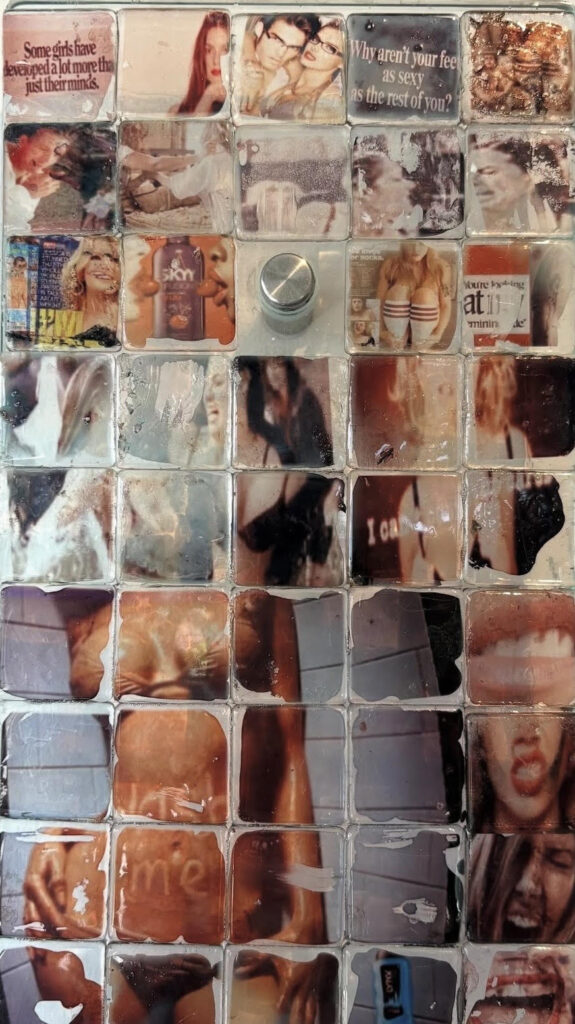
You layer and distort symbols to create an environment of presence and absence. What symbols return to you again and again, and why do you think they stay with you?
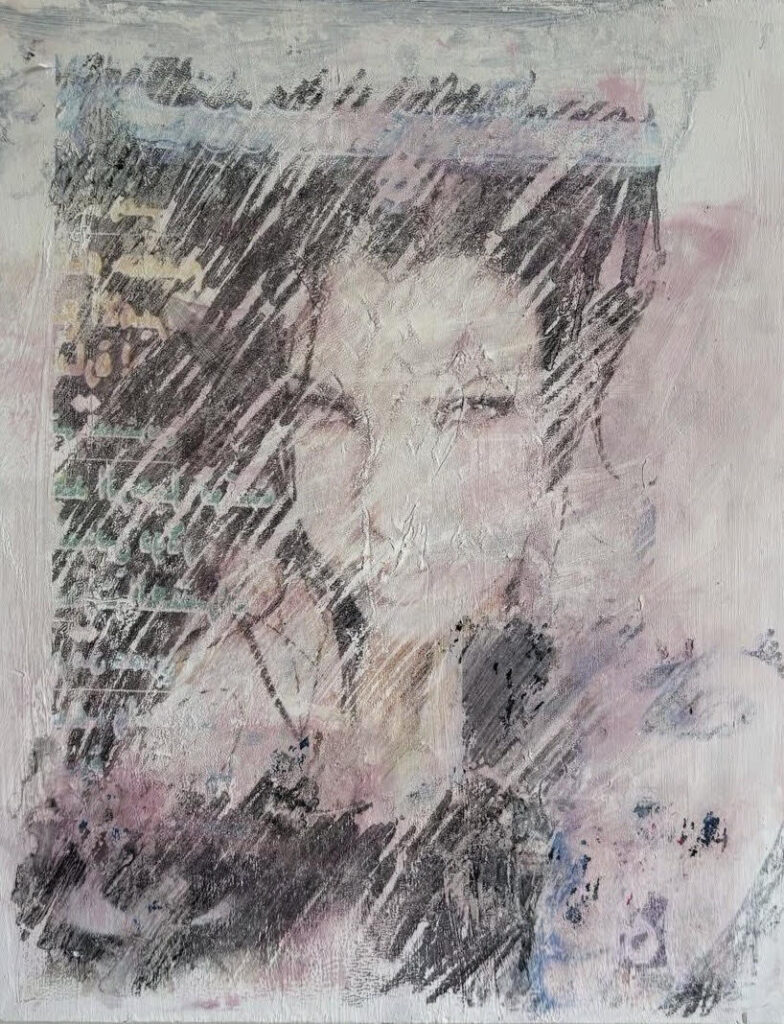
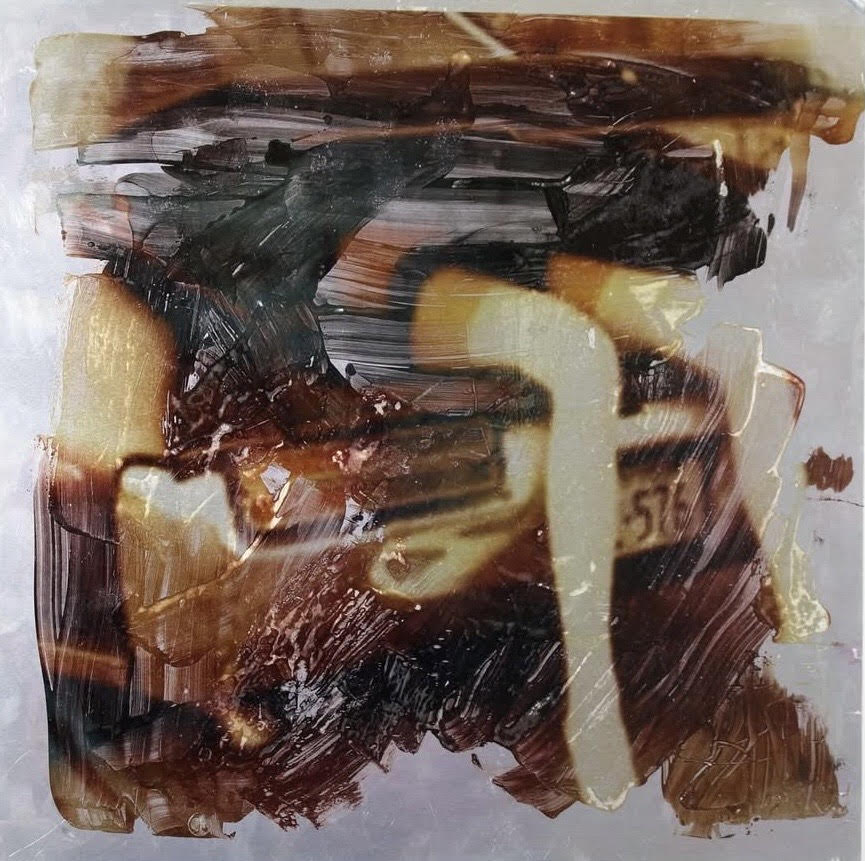
Samira: the way images stick in your mind like residue, how digital litter becomes memory, how physical surfaces can hold or warp what we see and feel. The layers themselves tell stories they show the presence and absence at the core of how we remember.
You invite viewers into a space where memory is messy, raw, and deeply human. What do you hope they feel when they step into that instability?
Samira: I want people to leave feeling like they were let in on something intimate maybe unresolved, a little foggy, but real. The work asks for slowness and comfort with contradiction. It’s emotionally charged even when it’s playful, like a quiet game of I Spy where noticing becomes part of the experience.
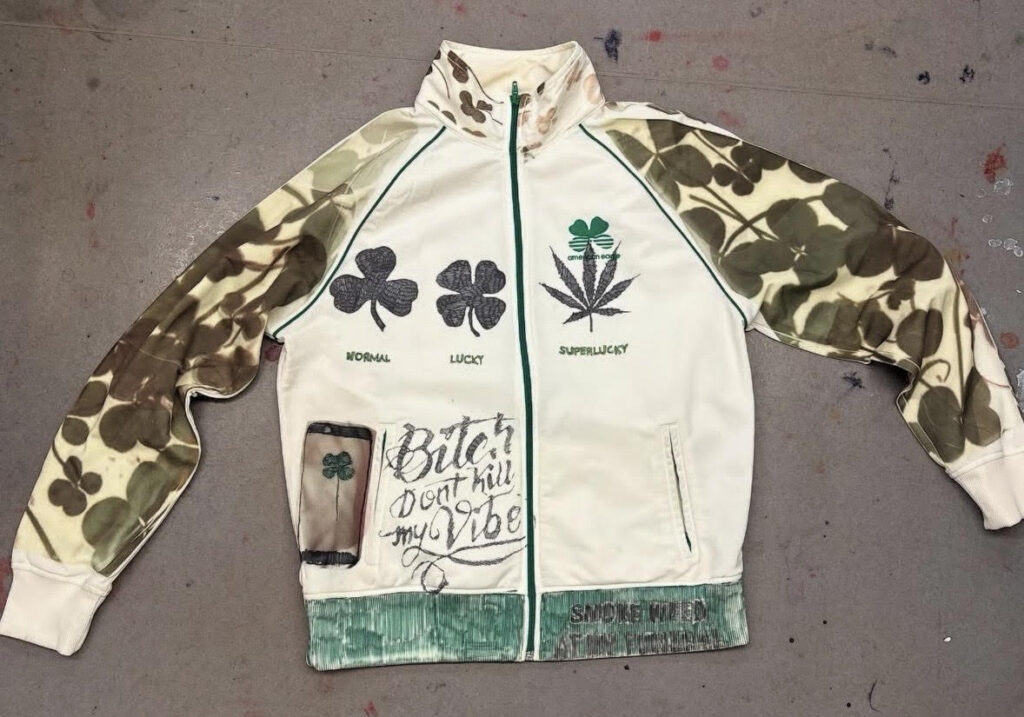
The clothing works differently. It’s more immediate and public. A shirt might make someone laugh, feel seen, or start a conversation. It’s still rooted in memory and meaning, just faster and more social. It doesn’t take itself too seriously, but it’s sincere a kind of intimacy that’s worn, shared, and passed along.
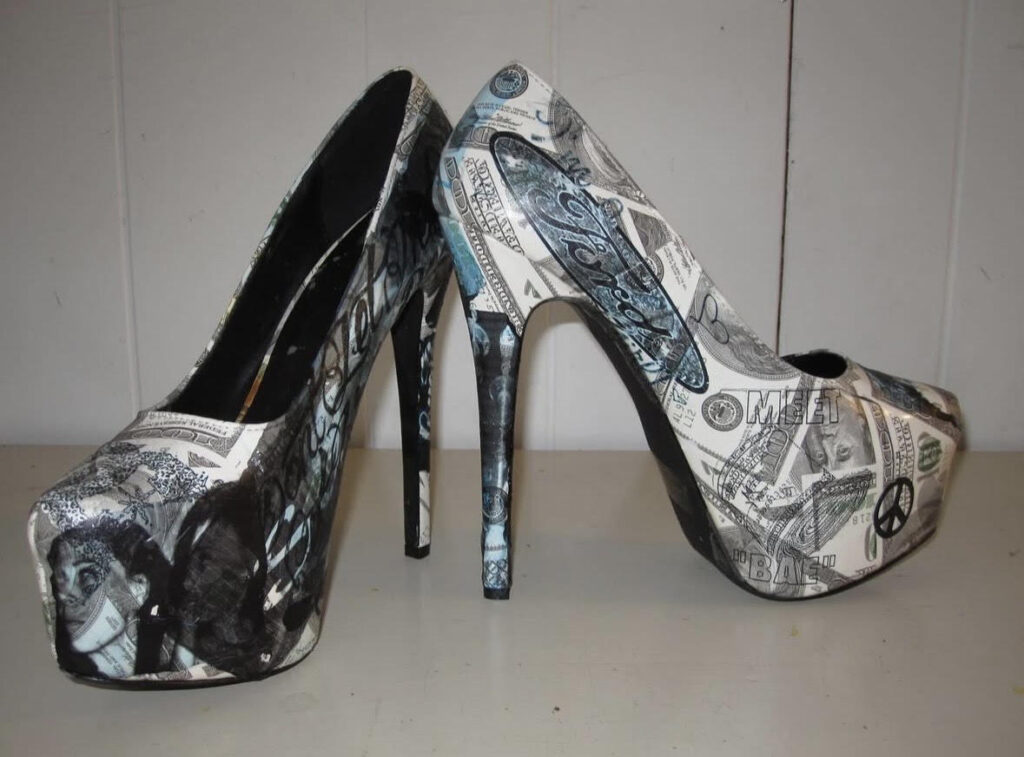
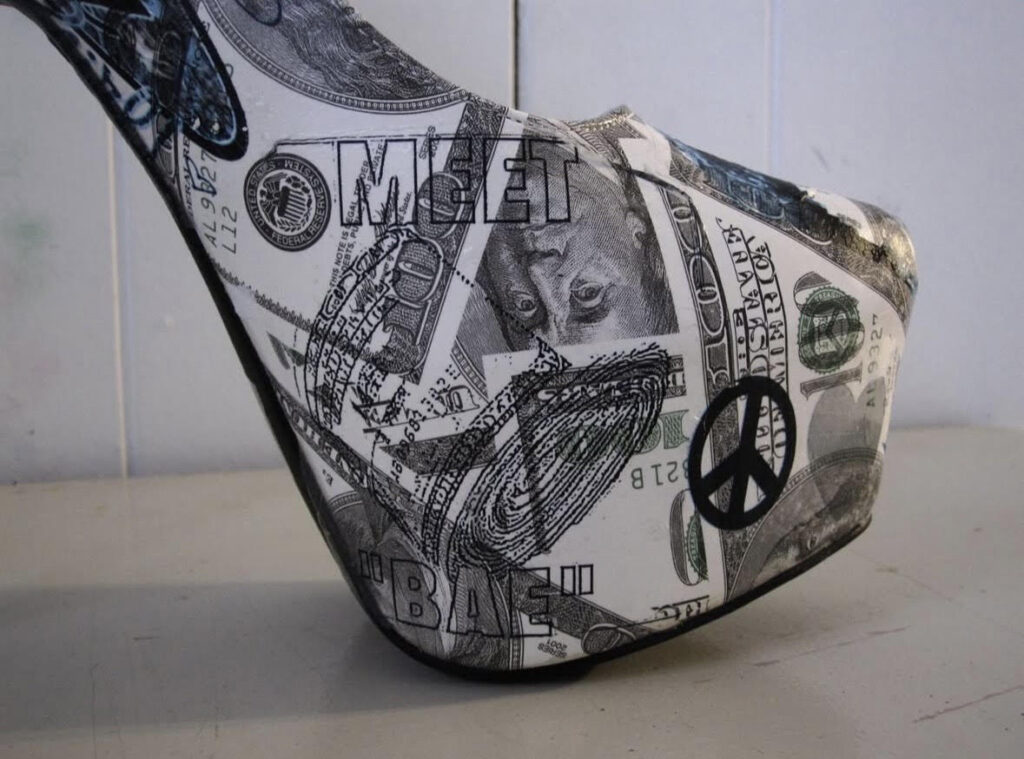
I love your comparison to lipstick that’s “just a little too bold”, where does that sense of daringness come from in your work?
Samira: I think the daringness in my work comes from leaning into the mess of it all. There’s a vulnerability I’m speaking through, and playing with that vulnerability brings a confidence that comes from my hand how it moves, how it dances across the material. The mix of beauty and imbalance is where I find the edge in my work, the same way lipstick just a little too bold signals confidence and play. It’s about claiming space, embracing risk, and letting the imperfection be part of the statement.
You’ve mentioned thinking a lot about the tension between vulnerability and control. Where in your work do you feel that struggle becomes most visible, and where do you feel it personally?
Samira: That tension shows up most clearly in the layering. I’m constantly negotiating how much to reveal and how much to obscure. Personally, I feel it in the same way: wanting to be open, but needing boundaries. The work becomes the place where I can rehearse that balance letting things be real and exposed, while still holding the frame.
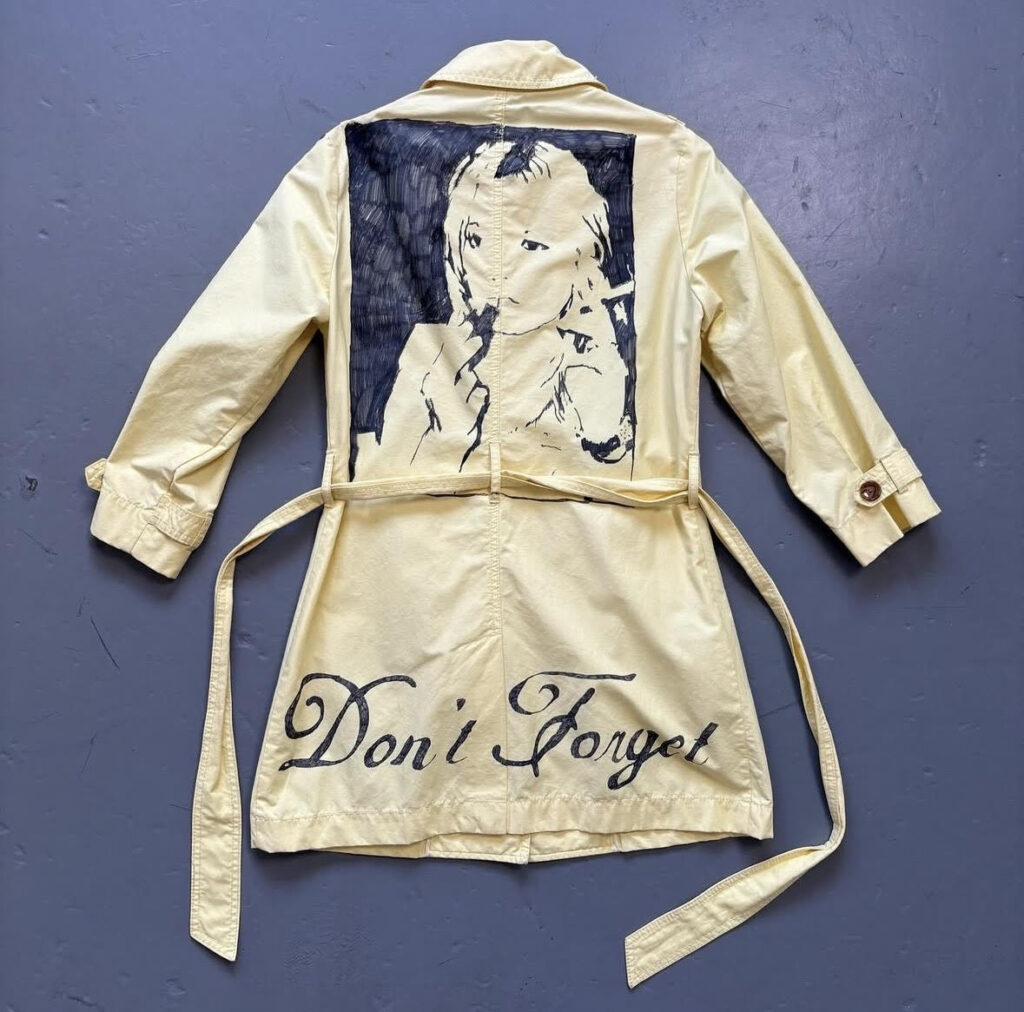
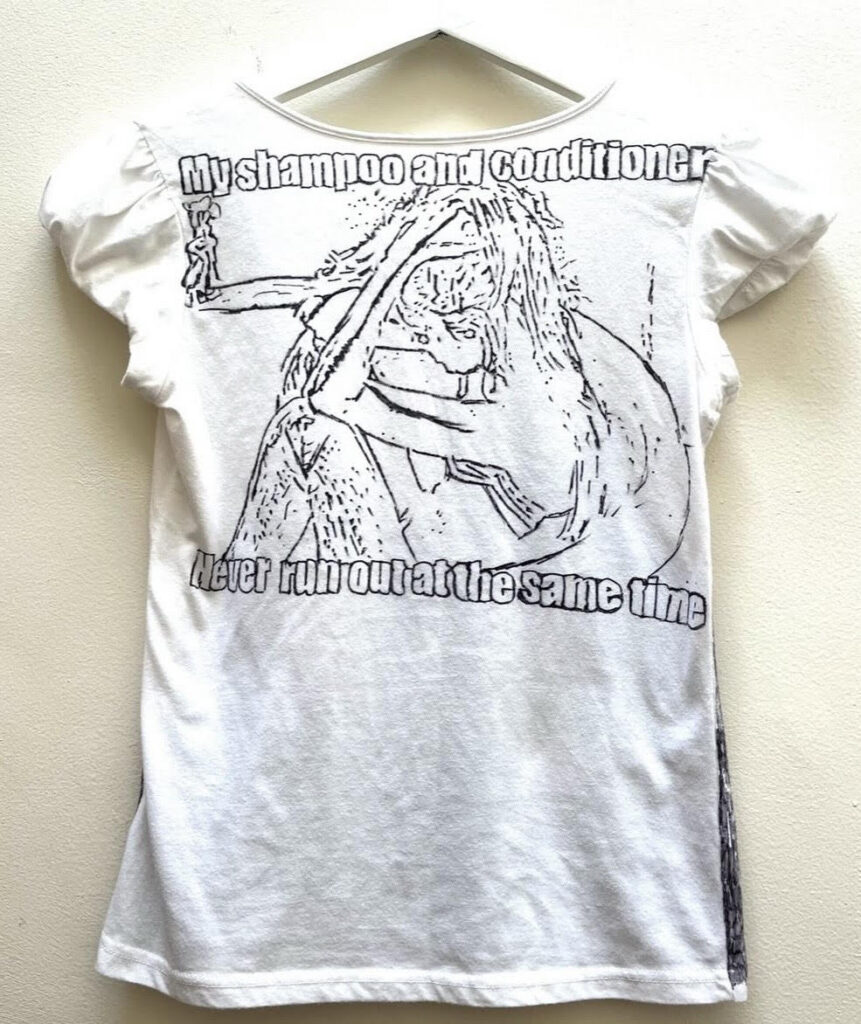
You also mentioned humor as a form of survival. How does humor enter your work, even when the themes are memory, loss, or instability?
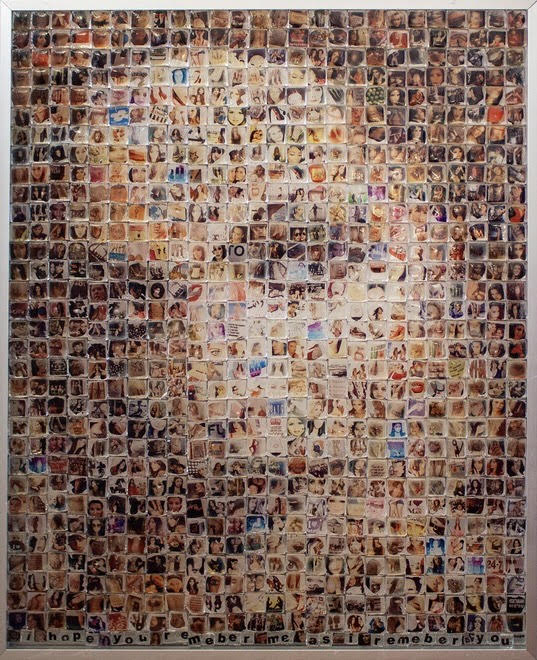
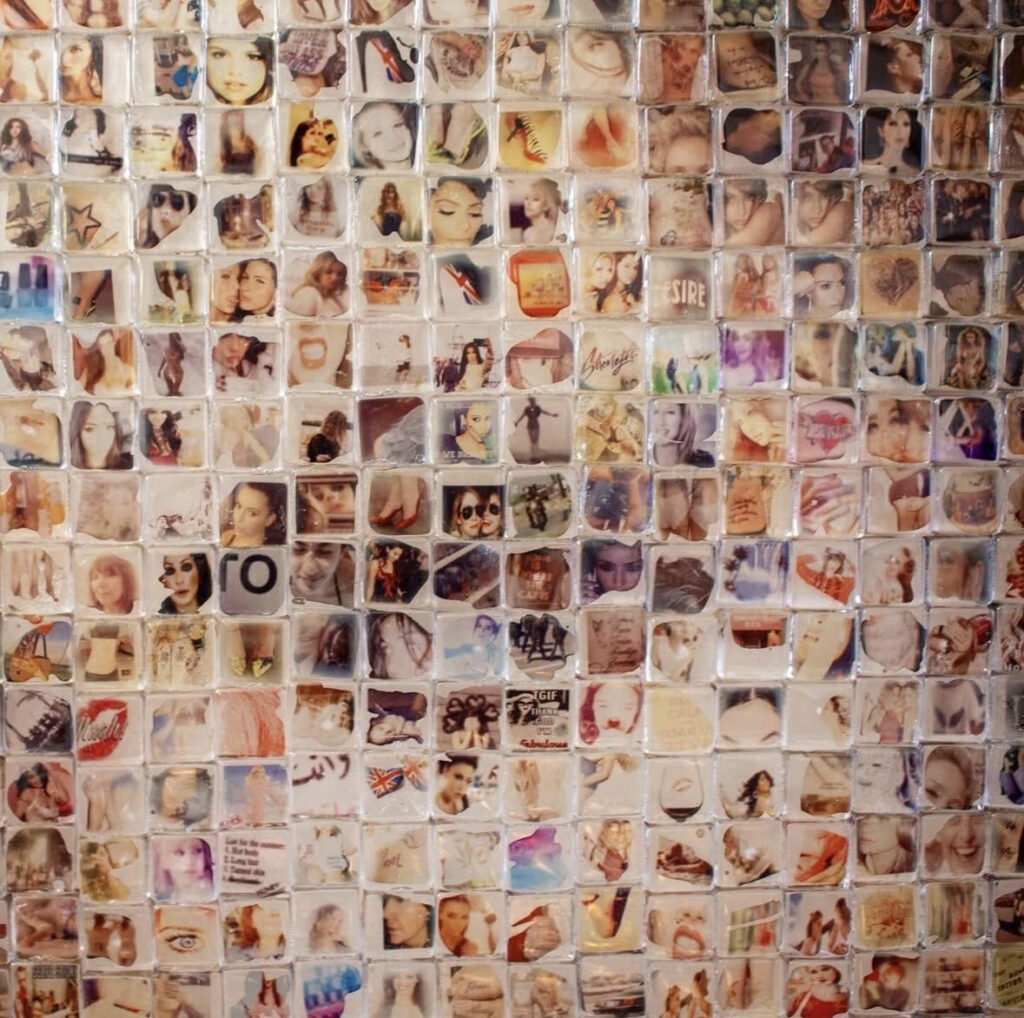
Samira: Humor enters my work almost like a side-eye at the world. It comes from the tension between something serious and the way it’s presented. I’m drawn to pop culture imagery, ads, memes things that already feel performative or slightly overdone. When I shrink a meme onto a delicate tile or slip it into a formal, beautiful composition, the contrast becomes absurd. It’s almost bootleg, almost satire funny but a little unsettling. Humor lets me move through memory, loss, and instability without making the work feel heavy-handed. It’s all about how you choose to look at it.
Is humor for you a mask, a coping mechanism, or another way of telling the truth?
Samira: Humor is all at once a mask, a lifeline, and a way of telling the truth.
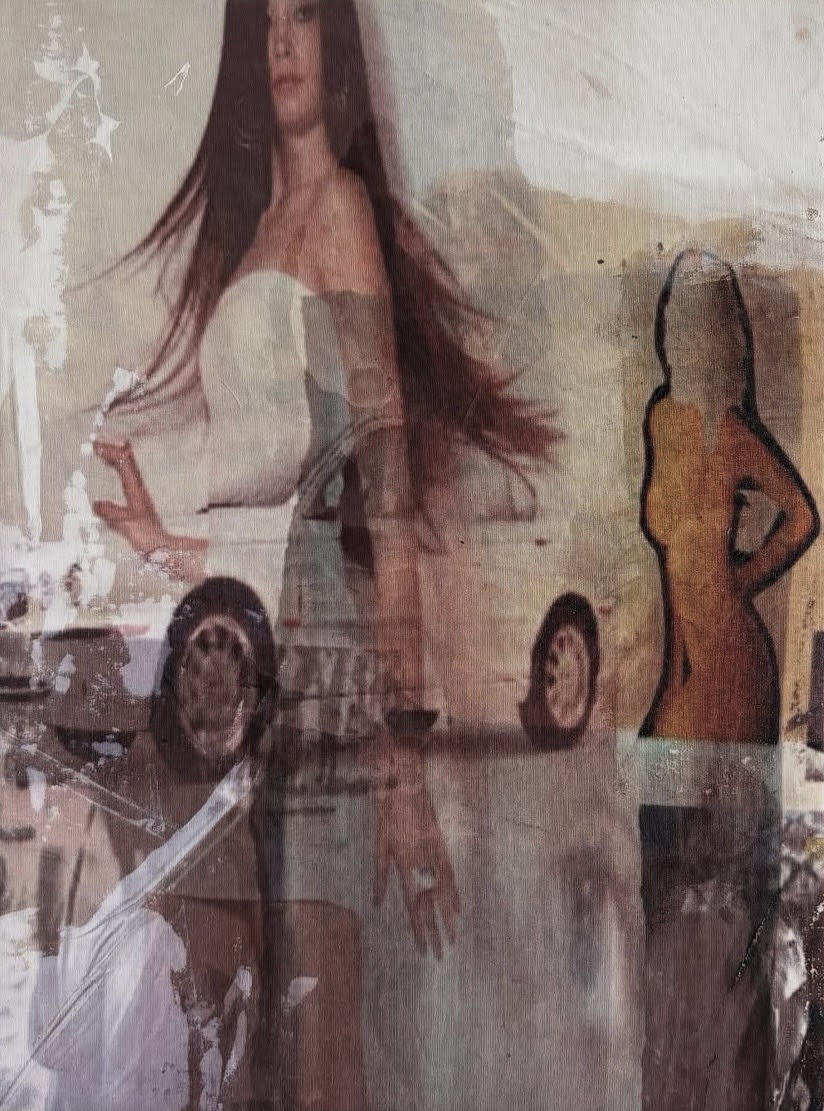
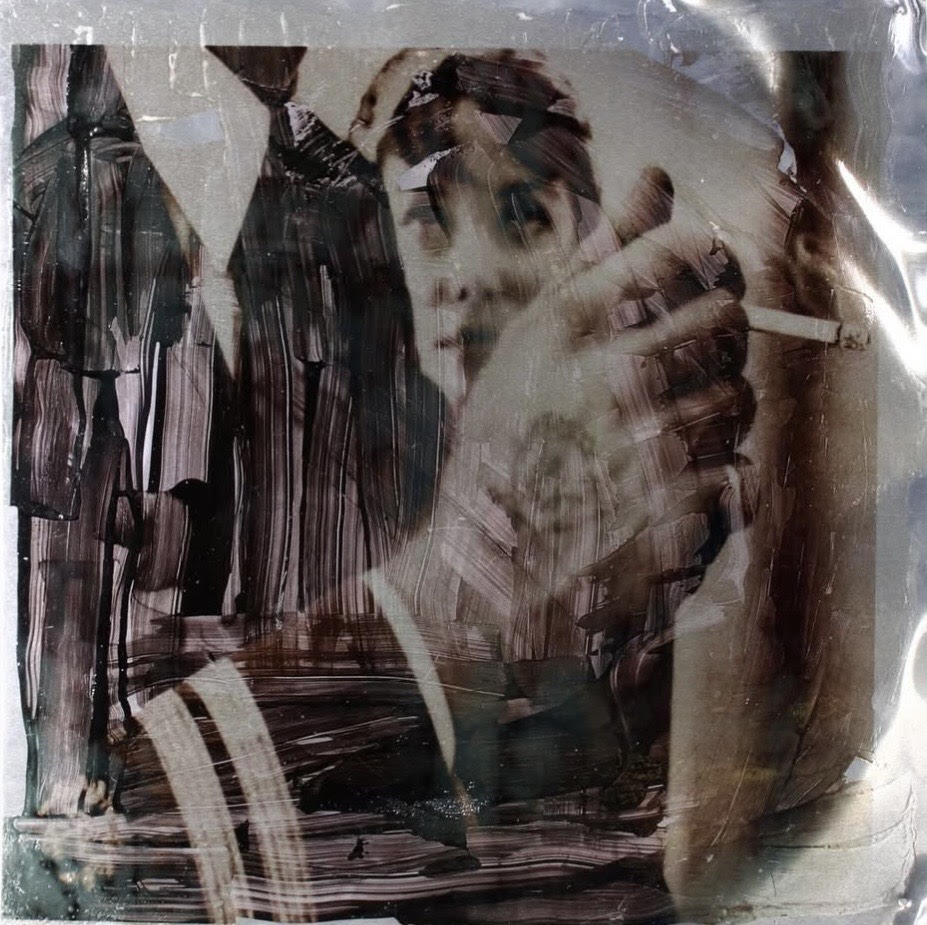
I love the idea that a phone camera roll is basically a sketchbook. What kinds of images live in yours, and how do they shape the work before it becomes “work”?
Samira: My camera roll is basically chaos with intention. Screenshots of women posing, signs I pass on the street, cropped faces, bad lighting, good lighting, quotes, old blogs, video stills, selfies, long time-lapses of me working, things that remind me of other things. It’s not precious at all. Before anything becomes “work,” it just sits there, marinating. I print it, crop it, distort it, forget it, come back to it. The phone is where images live freely before they have to behave.
Growing up in the early social-media era, what moments or cultural shifts shaped your understanding of vulnerability, exposure, and being looked at? You’ve referenced the Amanda Todd era, a time when girls’ stories were so easily exposed, archived, and consumed. How did witnessing that shape your ideas about digital memory and control?
Samira: I came of age at a moment when being visible suddenly felt like both an opportunity and a threat. Reality TV, early YouTube, tutorials, vlogs it all suggested that sharing yourself could be empowering, even glamorous. But the Amanda Todd story exposed the flip side: how quickly an image could be captured, archived, and turned into a weapon. Watching that unfold made it clear that digital memory doesn’t fade it accumulates. Visibility isn’t neutral, and once something enters the internet, control becomes slippery. That awareness stayed with me.
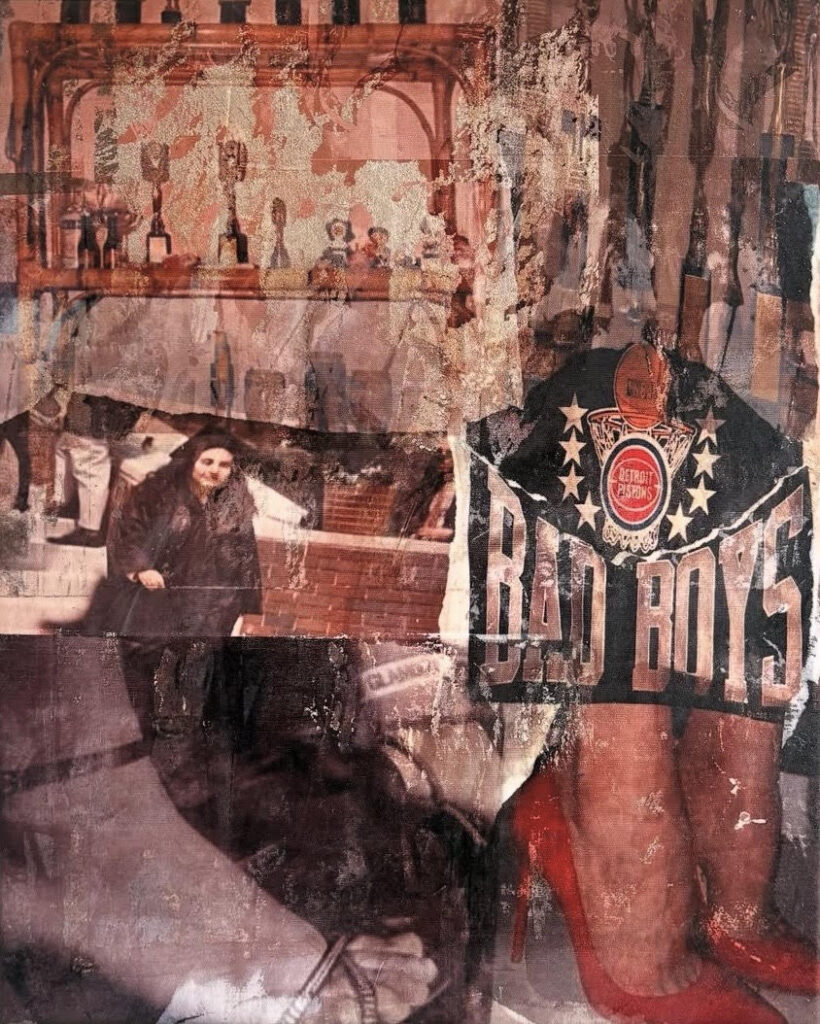
Did growing up in that era change the way you think about the female gaze, especially how young girls learn to perform, hide, or protect themselves online?
Samira: Absolutely. Girls were taught to manage themselves constantly how to look, how to act, how much to reveal while pretending it was effortless. That pressure to self-monitor feeds into what I think of as catfight logic: comparison, competition, and quiet surveillance masked as empowerment. You learn to want attention and fear it at the same time, to perform while protecting yourself. My work lives in that contradiction, where exposure becomes spectacle, vulnerability becomes strategy, and being seen is never innocent.
Your work uses fragmentation and unstable imagery. How much of that comes from the fractured way girls were, and still are seen and judged online?
Samira: The fragmentation in my work mirrors the fractured ways girls are seen and judged online. From a young age, we’re taught that visibility is a game: compete, perform, protect, manipulate. Just like in Catfights, female competition is often subtle, covert, and strategic. Being repacked over and over again. Online, those impulses are amplified every gesture, every image, every post can be scrutinized, archived, and weaponized. So the instability in my imagery isn’t just aesthetic; it reflects that tension between desire and defense, performance and privacy. It’s a visual language for navigating a world where girls are always being watched, ranked, and remembered, sometimes against their will.
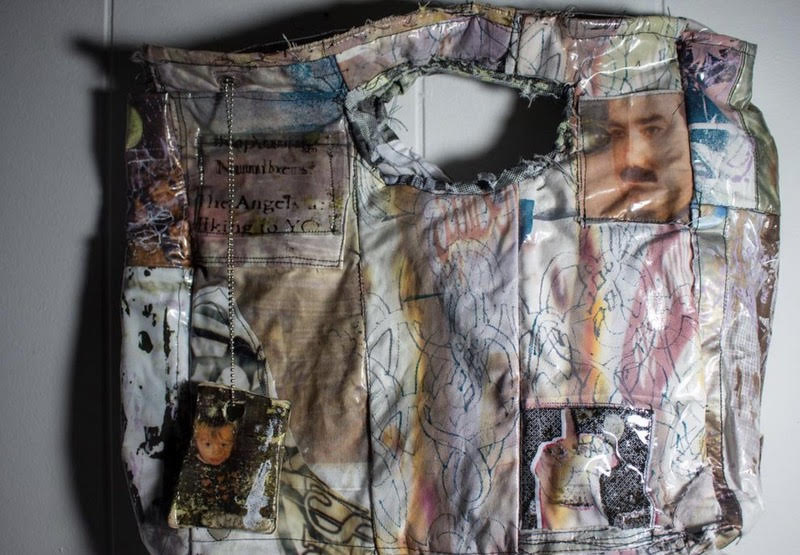
Can you tell me about your use of symbolism?
Samira: My symbols aren’t fixed; they behave more like recurring characters. Heels, lips, faces, text, women’s silhouettes return because they already carry cultural baggage. I’m interested in how symbols wear down over time, how they accumulate meaning through repetition. They stay with me because they’re flexible.
Can you walk me through your creative process from beginning to end result?
Samira: My process moves from chaos to order, mirroring an early, sensory way of experiencing the world. Before thoughts or emotions fully take shape, there’s a raw, unstructured space where texture, surface, and boundary come first. That’s where I begin with materials, layers, and fragments letting meaning emerge slowly.
Research, desire, and perception act as shifting modes within this process. I approach the archive as a fractured field, reshaping and organizing its contents into deliberate compositions. I’m always choosing what to reveal and what to withhold, moving between disorder and structure, intuition and control, until the work settles into its own logic.
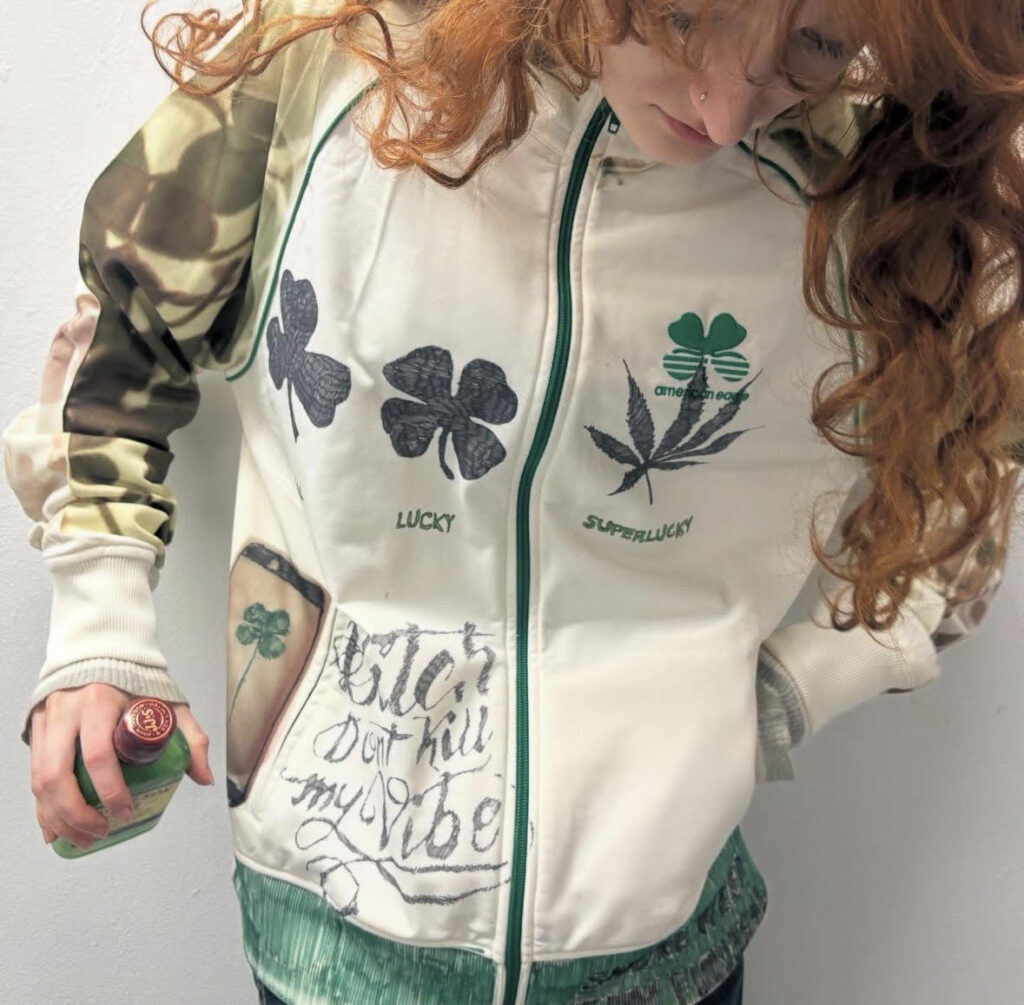
How do you approach color?
Samira: Color comes last for me. It’s not strategic, it’s emotional. I use it for comfort, for nostalgia, for tone rather than clarity. It’s more about how something feels than how it reads.
So with what we just talked about, what are you hoping to convey?
Samira: I want to convey the way memory, presence, and absence feel not just what they mean. How experiences, fragments, and sensations layer and linger. Something that’s messy, unstable, but alive. A space where contradiction, intimacy, and play coexist, and where viewers can feel both invited in and slightly off-balance.
Outside of art, what’s something you’re obsessed with right now—maybe a hobby, a show, or even a food, that keeps you grounded or inspired?
Samira: Right now I’m obsessed with watching tornado videos not for the disaster, but for their strange beauty and choreography. There’s something hypnotic about the way chaos organizes itself. Outside of that, swimming and running keep me grounded. Movement is when my thoughts quiet down and things sort themselves out; it’s time that belongs just to my body, not my brain.
What qualities do you find most important in the people you choose to spend time with?
Samira: I value people who bring both truth and play into my life those who let me be curious, silly, and fully myself.
Anybody you look up to?
Samira: The main character in a favorite book of mine, Jay McInerney’s Story of My Life. There’s something in the way she navigates her desires, ambitions, and flaws that feels fearless and real. As she says, “Men. I never met any. They’re all boys. I wish I didn’t want them so much.”
What motivates you?
Samira: I’m motivated by the need to understand, to stay in conversation with what hurts, what lingers, what doesn’t resolve. Pain is my backbone in a way, but not in a tragic sense it gives shape, direction, urgency. I’m deeply grateful to have a way to move through it by making.
Alright Samira, I always ask these two questions at the end of an interview. The first is. What’s your favorite movie(s) and why?
Samira: Top 5 perfect movies:
Little Miss Sunshine 2006
Wicked 1998 starting julia stiles
Showgirls 1995
Grind 1997
Nowhere film 1997
The second is. What song(s) are you currently listening to the most right now?
Samira: Right now, I’m on repeat with Willie Nelson’s How Time Slips Away, Drinking and Smoking by Future, and Real Life by Ear