
For a designer who made absence feel like a signature, Martin Margiela has left behind an unusually powerful trail of objects. Clothes, notes, sketches, photographs, prototypes, and strange fragments of working life: the evidence of a mind that changed fashion while refusing to stand at its centre.
Now that private universe is being opened up. The catalogue for Martin Margiela’s Personal Archives has been released ahead of a landmark Paris auction on July 9, 2026, organised by Maurice Auction in collaboration with Kerry Taylor Auctions. The sale gathers material spanning 1984 to 2008, offering a rare look into the designer’s own archive rather than a secondary collection assembled from the outside.
That distinction matters. Margiela’s career has always been surrounded by myth: the hidden face, the white coat, the anonymous collective, the blank label, the sense that the designer had somehow removed himself from fashion while transforming it completely. To see his personal archive enter the auction world is almost paradoxical. The man who resisted visibility is being made visible through the things he kept.
The catalogue includes photographs, drawings, objects, and deeply recognisable pieces from his fashion universe. Among the highlights reported around the sale are his 1988 office telephone, graffiti-covered Tabi boots, marked veils, prototypes, garments, and his personal Blouse Blanche, the white coat that became one of Maison Margiela’s quietest and strongest symbols.
There are also pieces connected to his celebrated years at Hermès, where he served as artistic director of womenswear from 1997 to 2003. That period remains fascinating because it showed another side of Margiela’s intelligence: less visibly disruptive, more restrained, but still radical in its understanding of comfort, movement, luxury, and the body.
Margiela himself frames the sale as a release of memories. After years of moving and lending parts of the archive for exhibitions, he explains that it felt like time to let some of those objects go out into the world, where they might bring joy to collectors and institutions. That statement gives the auction a softer emotional charge. This is not only fashion history being monetised. It is a private archive being dispersed, almost ceremonially.
What makes the sale so charged is that Margiela’s work has always treated garments as more than garments. They are systems of thought: about deconstruction, reuse, anonymity, labour, memory, and the beauty of things that look unfinished, repaired, displaced, or reborn. In that context, even a telephone or a sketch becomes part of the mythology. Not because it is glamorous, but because it belongs to the machinery of an idea.
The auction arrives at a moment when fashion archives have become almost sacred spaces, especially for younger audiences who encounter past collections as visual scripture online. But Margiela’s archive is different. It does not simply offer nostalgia. It reminds us that one of fashion’s most influential languages was built from refusal: refusal of spectacle, refusal of ego, refusal of polish, refusal of easy explanation.
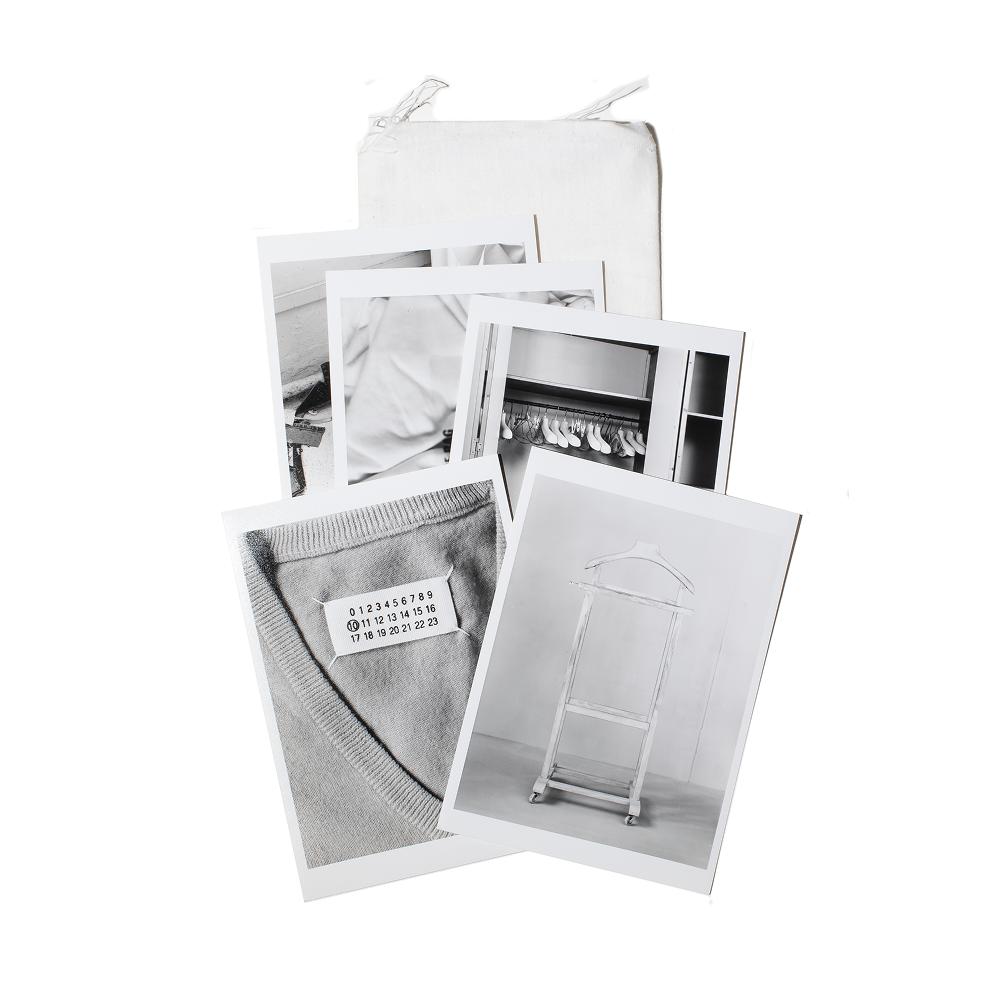
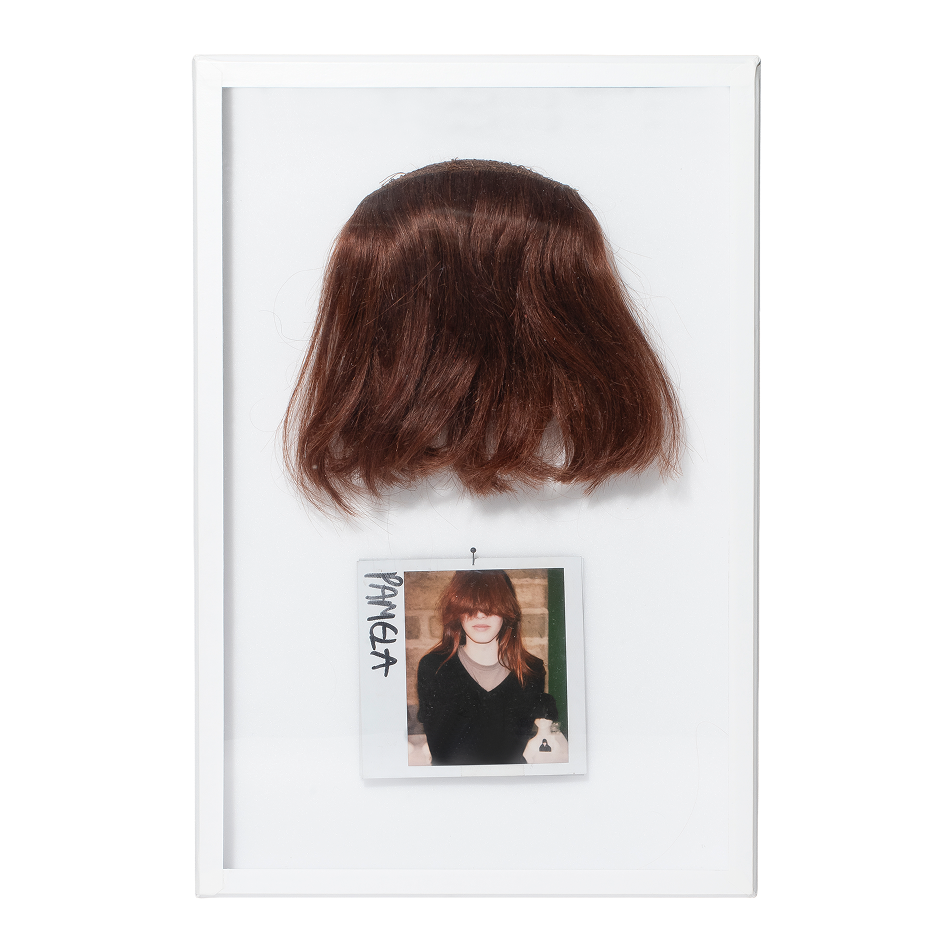
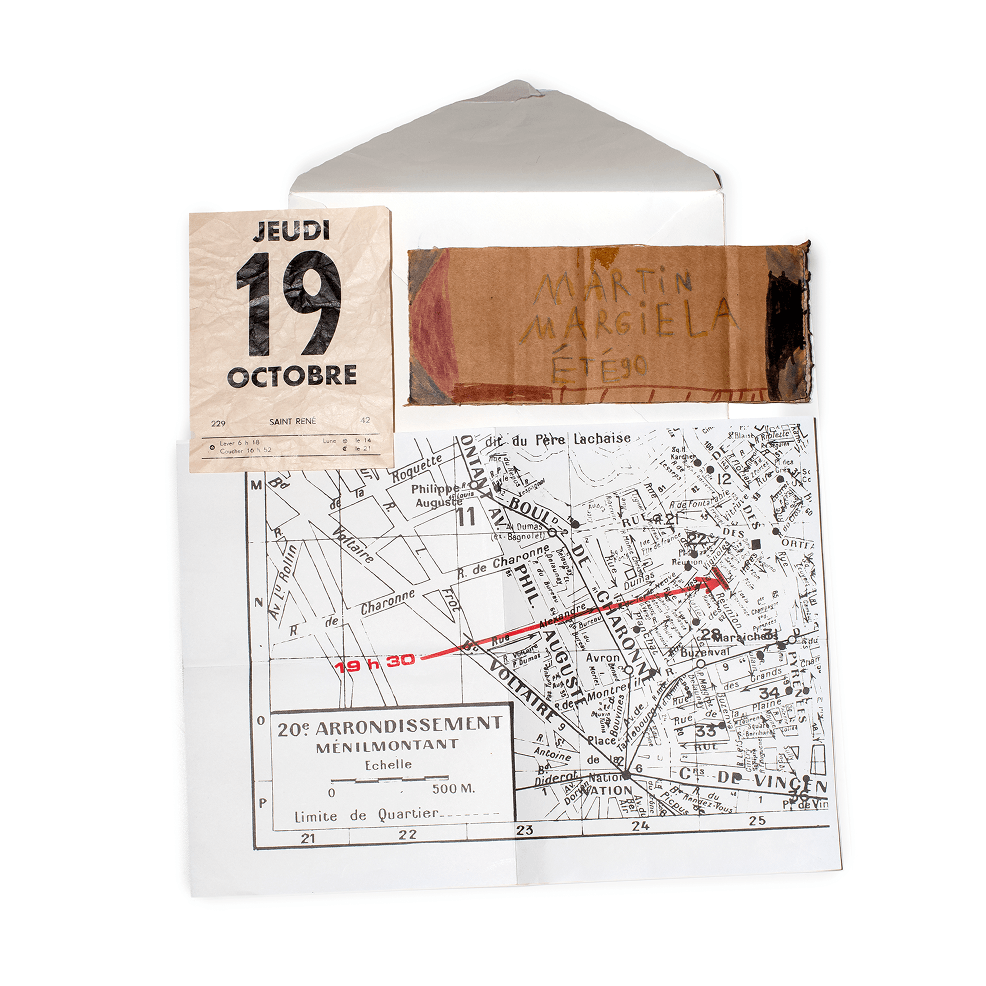

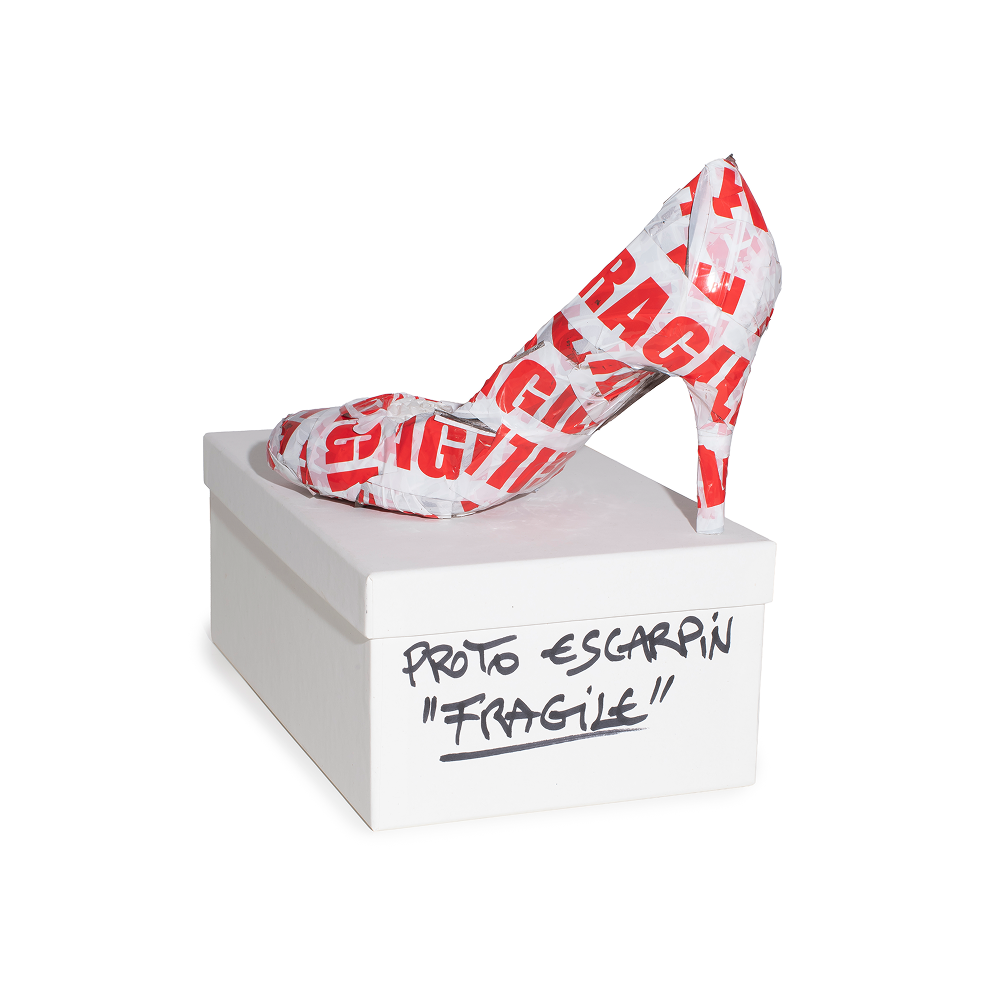
Photos: Martin Margiela