
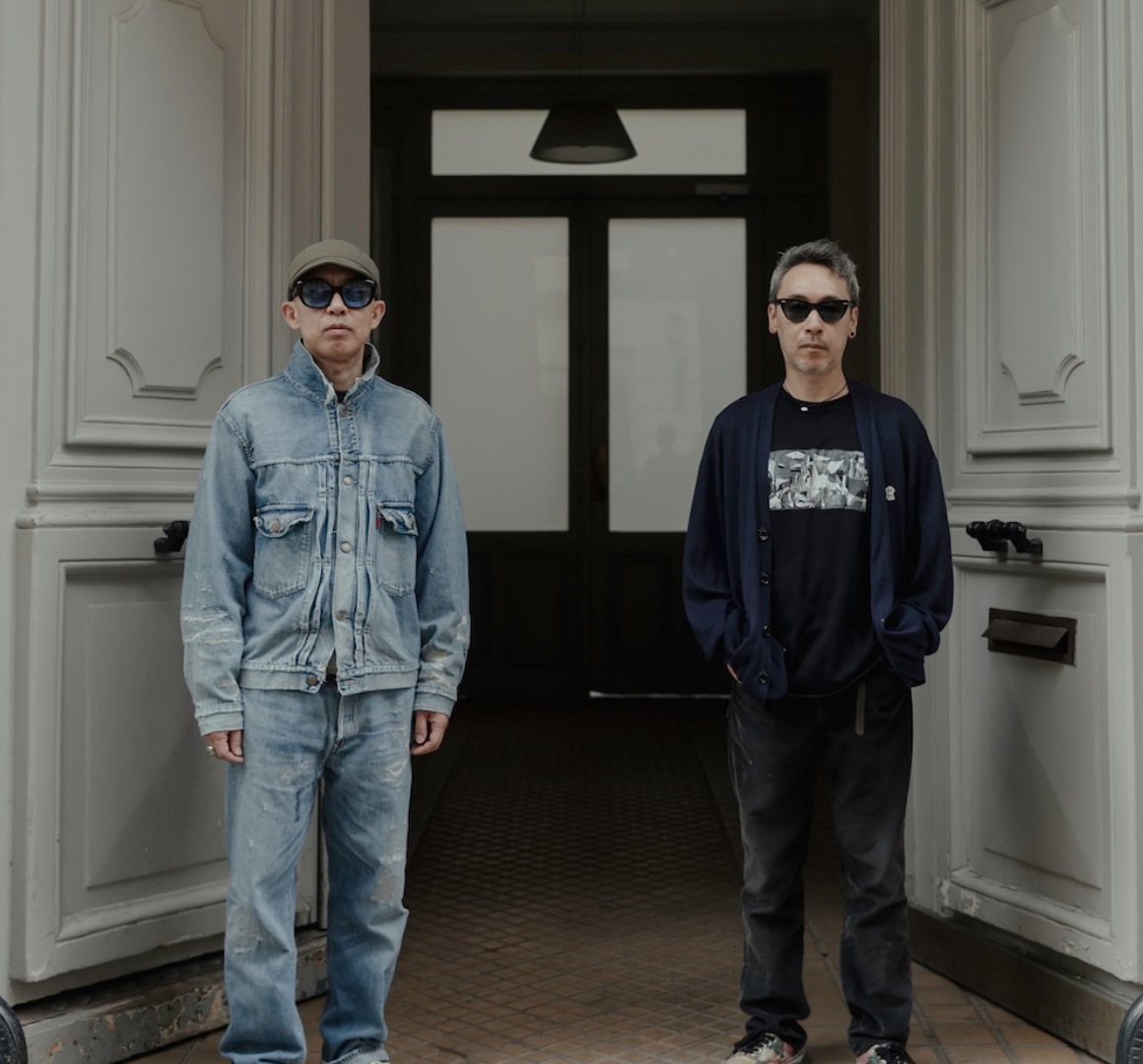
Three decades after laying the foundation for modern global streetwear in the backstreets of Tokyo, NIGO and Jun Takahashi are joining forces under a single corporate umbrella. In a monumental industry shift, Human Made Inc. has officially entered a basic agreement to acquire 100% of Undercover Co., Ltd., uniting two of Japanese subculture’s most influential entities into a new, formidable fashion conglomerate.
The acquisition carries a deep cultural weight that far transcends standard corporate M&A language. In 1993, long before the luxury establishment embraced street culture, NIGO and Takahashi co-founded NOWHERE—the legendary Harajuku retail space that ignited the Ura-Harajuku movement and fundamentally changed how fashion is produced, marketed, and consumed worldwide. While NIGO went on to build A Bathing Ape and later Human Made, and Takahashi elevated Undercover onto the Paris runways, their parallel trajectories have remained inextricably linked.
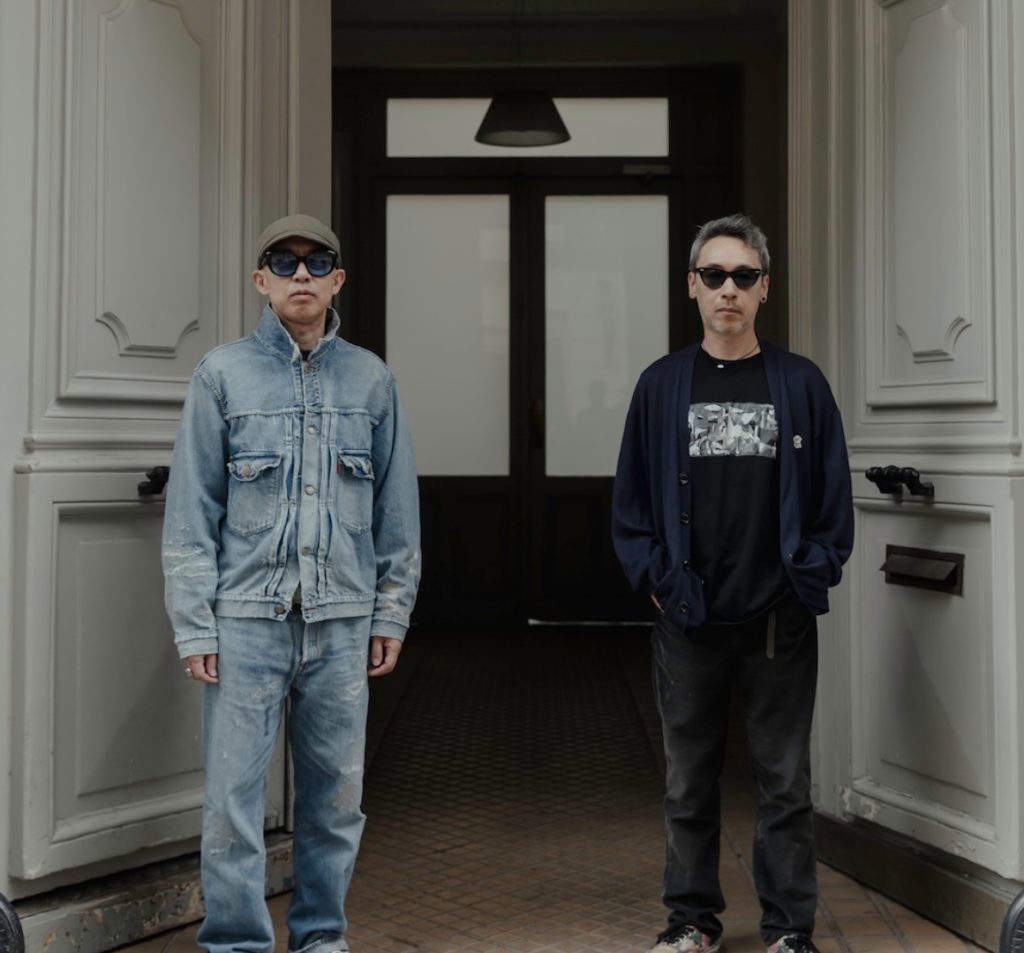
Under the agreement, Undercover will become a consolidated subsidiary of Human Made, leveraging the latter’s robust commercial infrastructure and Direct-to-Consumer network to drive global expansion. For Human Made, absorbing Undercover’s dark, subversive runway legacy offers a distinct high-fashion counterweight to its own vintage workwear aesthetic, positioning the entity as an emerging Japanese luxury powerhouse.
Far from a quiet exit, the deal represents a full-circle homecoming for two lifelong friends who pioneered the culture from scratch—proving that thirty years later, the spirit of NOWHERE still dictates the future of fashion.