
Share this
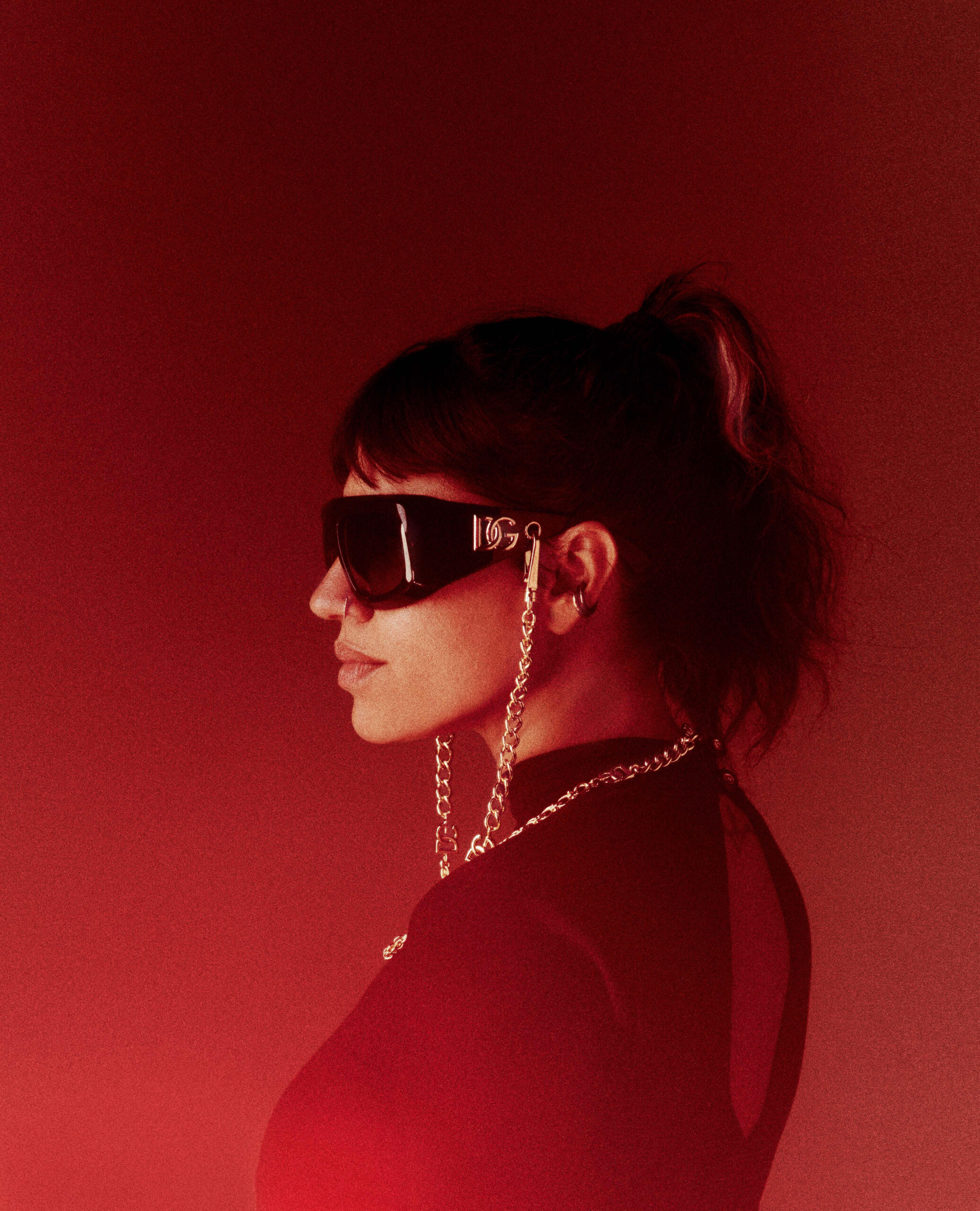
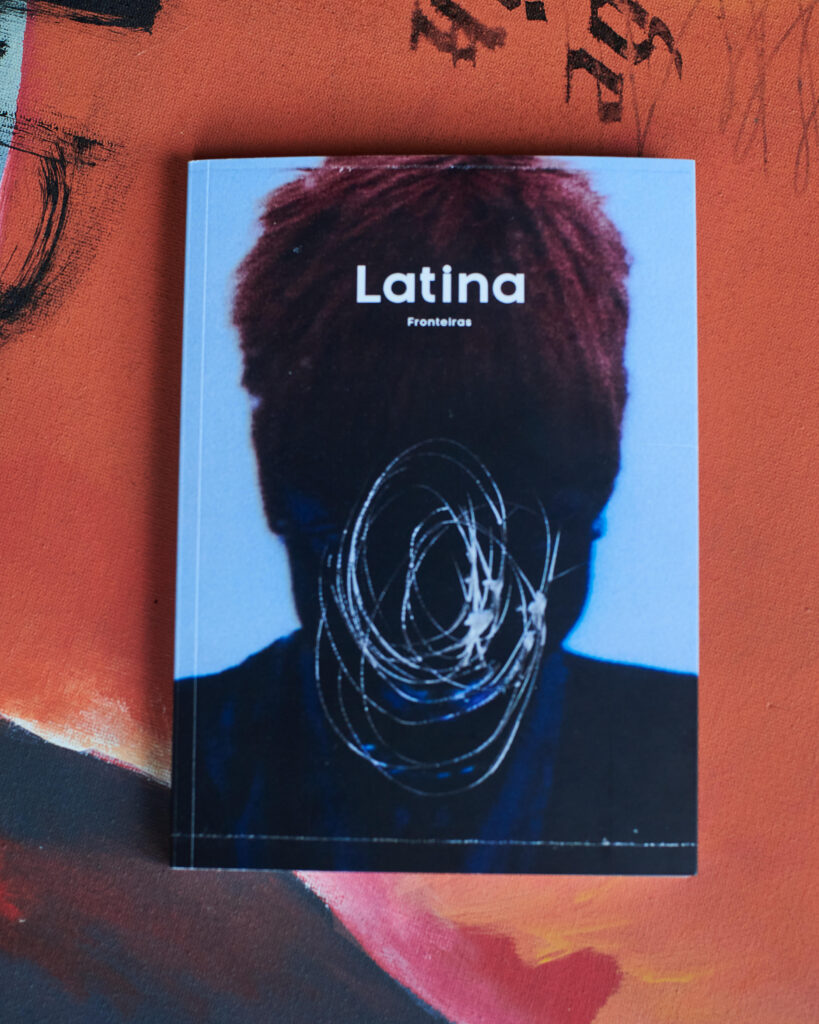
Earlier this month, I spoke with Thais Vandanezi, about her Punk Editorial, which you can read more about here. After our conversation I was curious to know more about who she was as a person, as well as her new book, “Latina – Fronteiras”, so I decided to ask some more in depth questions. This is the result.
Thais Vandanezi, is a fashion, advertising, and celebrity photographer born in Minas Gerais, Brazil. She combines her background in Arts, Design, and Architecture with a postgraduate focus on Photography and Contemporary Art to create compelling visual narratives. Her personal projects delve into themes of identity, life, and Latin American behavior, reflecting a deep connection to her cultural roots.
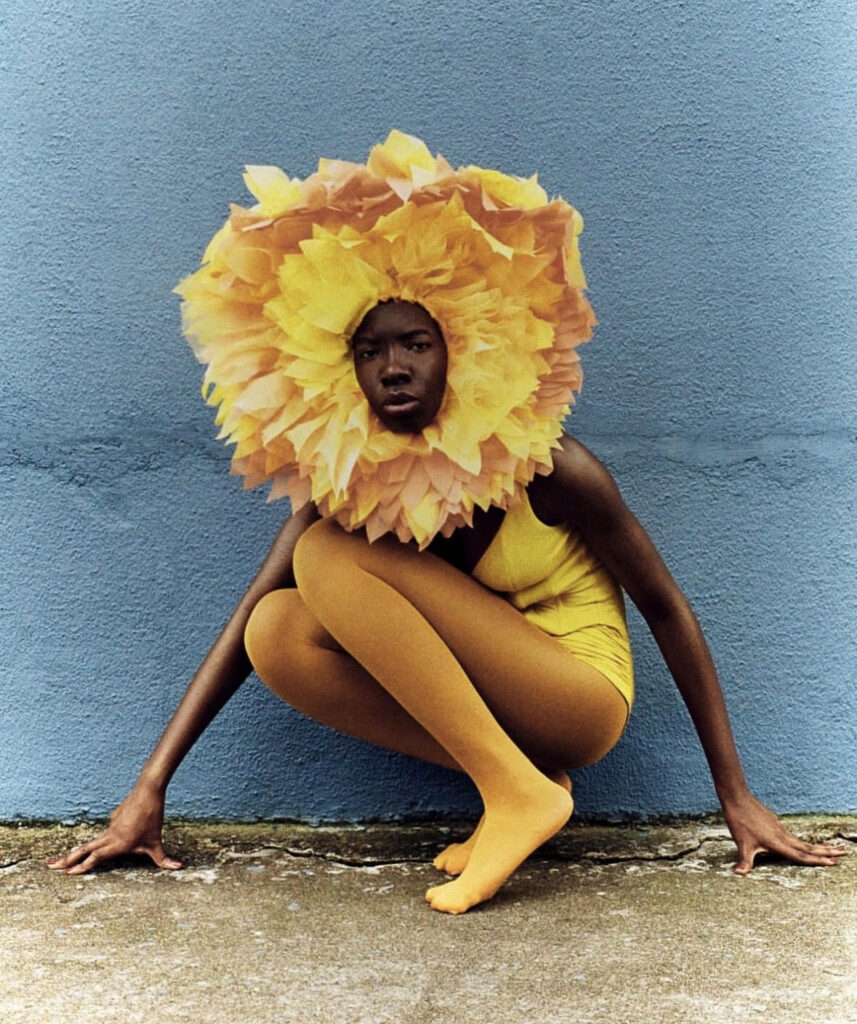
In March of this year, Vandanezi will participate in a collective exhibition by PhotoVogue in Milan from the 6th to the 9th. Later that month, from the 25th to the 30th, she will launch her authorial photobook Latina – Fronteiras in Paris, which will also be released in Brazil in May. The photobook explores the dissolution of borders—both physical and metaphysical—capturing the journeys of those who have left their homes to embrace new realities and challenges. It is the result of a six-year study on the plurality of Latin American identities and territories, also embracing those who feel a sense of belonging to this culture in a reverse movement.
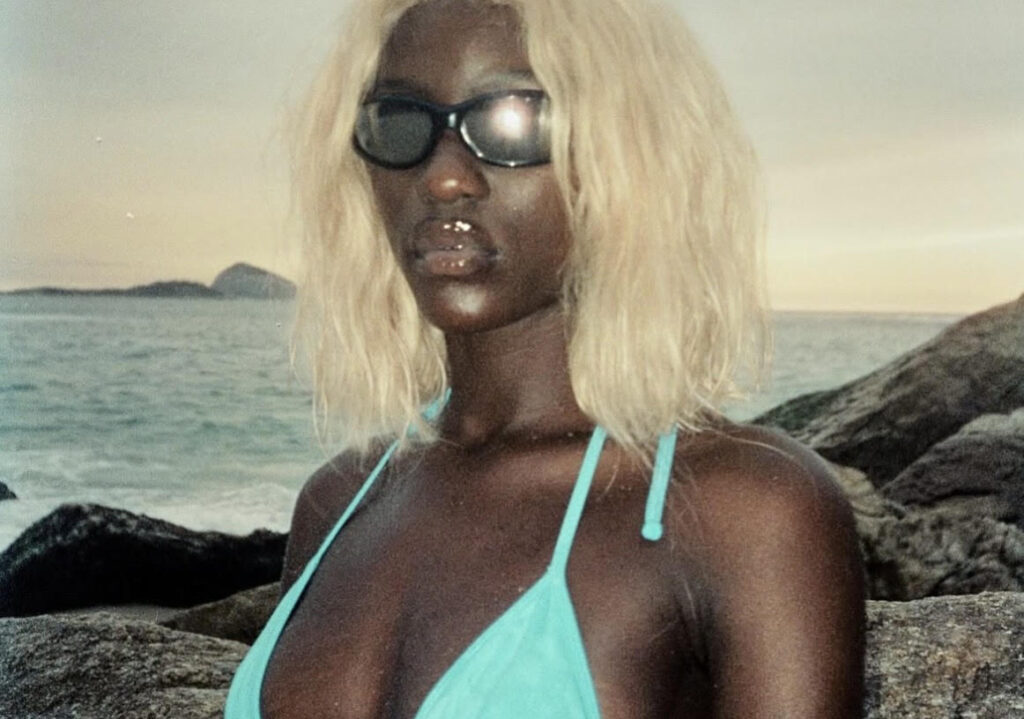
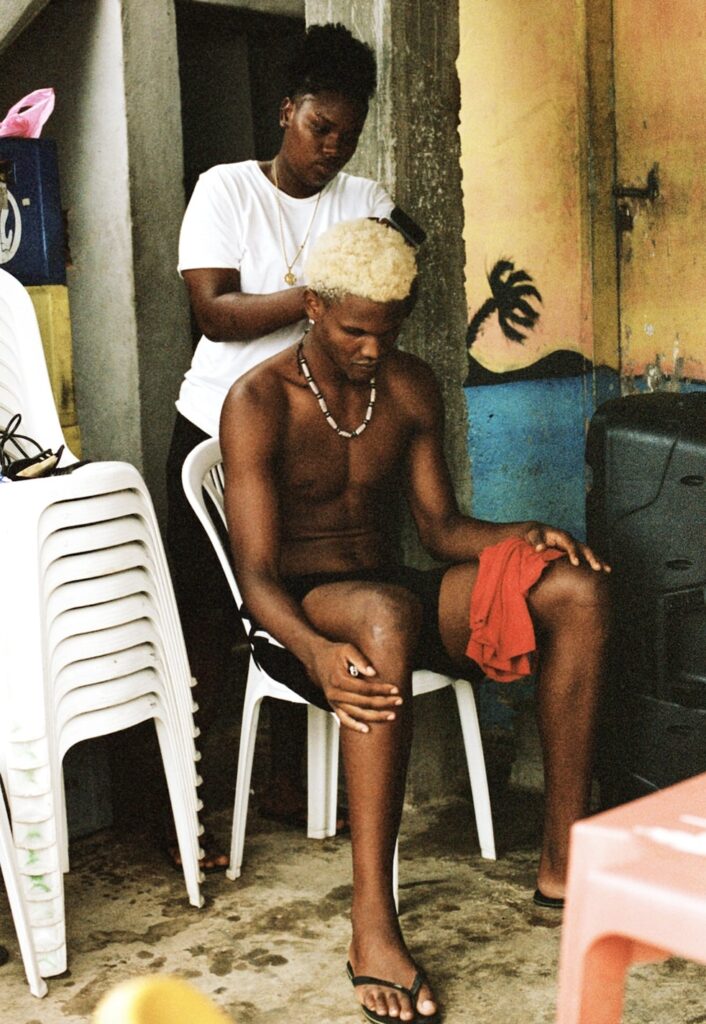
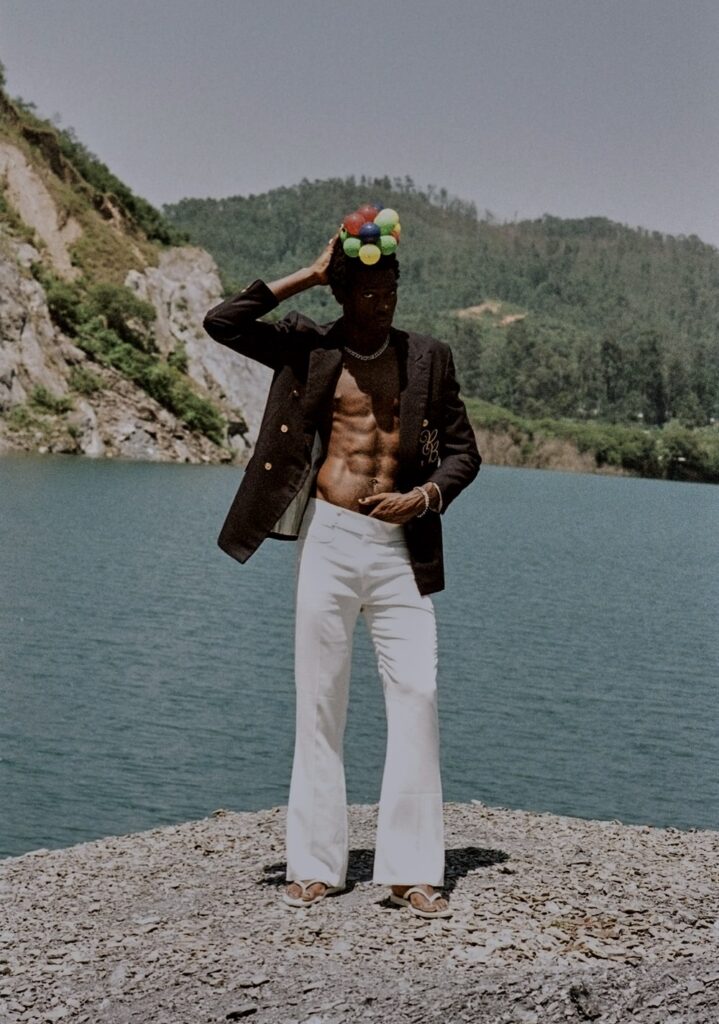
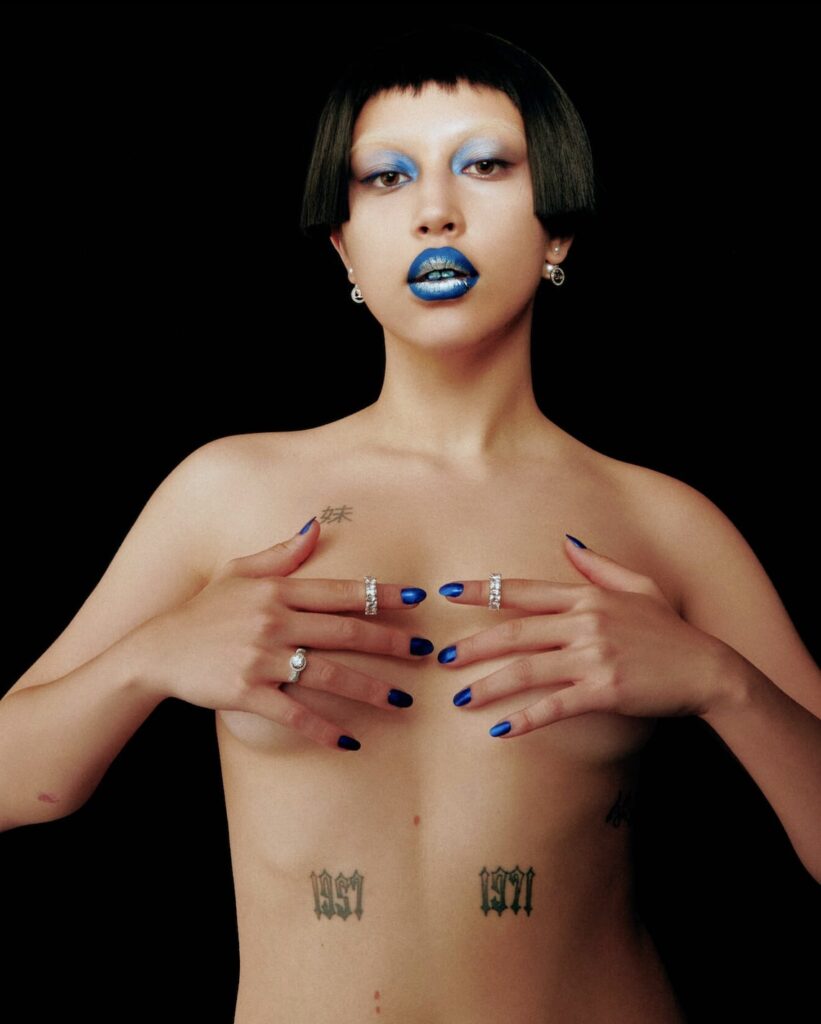
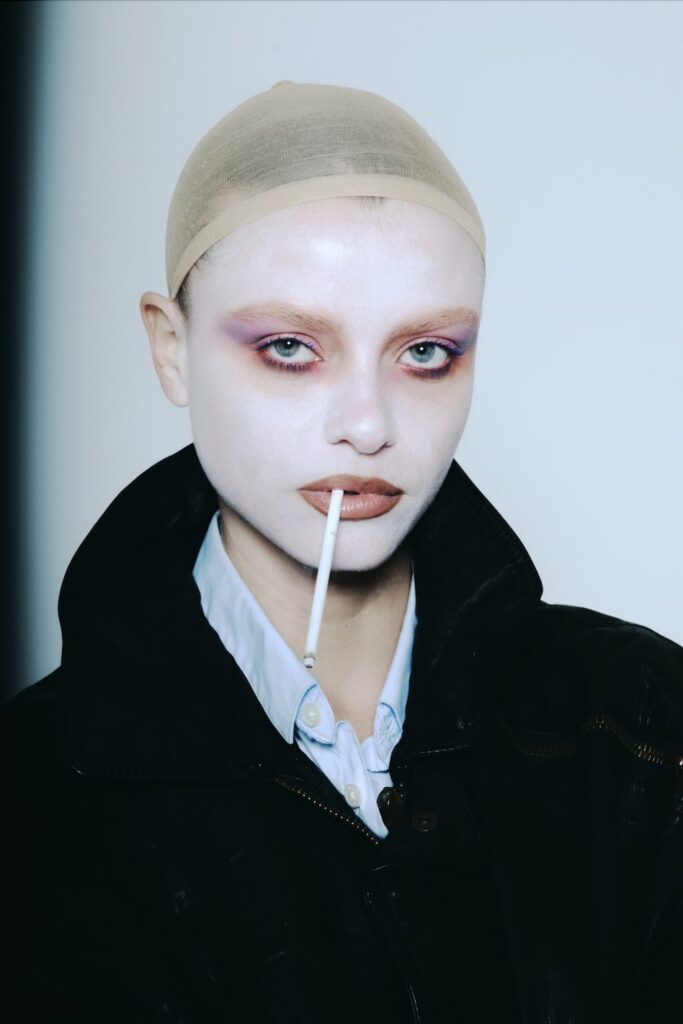
Shot on 35mm film, Latina – Fronteiras portrays the fluidity of connection, where bodies and spaces transcend imagined boundaries, embodying nostalgia and the human pursuit of freedom and self-discovery.
Photographer’s schedule for the first half of the year: March 6-9 – Exhibition with Photovogue at Base Milano. March 25-30 – Launch of the book “Latina – Fronteiras” in Paris at Galerie Paradia. In May.
Hi Thais! It’s a pleasure to sit down with you! First question that I always ask. How does a regular day look like for you in Brazil?
Thais: It’s also a pleasure to be able to talk to you. Currently I travel a lot, I live between Brazil, Paris and Barcelona. When I’m in Brazil my base is in São Paulo, but I also spend a lot of time in Rio de Janeiro and Salvador. Brazil is a fascinating country, they are my roots, my source of inspiration. It is rich in culture, gastronomy, music, dance. It’s a big great mix. When I’m in Brazil, a typical day can be a lot of work, because São Paulo is a crazy city, or a day at the beach enjoying the local culture.
I’m curious, growing up, what kind of kid were you? What did you enjoy doing, and how did you spend your time?
Thais: I was a calm child, I can’t say the same about my adolescence, but as a child I always liked to imagine a lot, play alone and observe. And I’ve always flirted with art, I never had any doubts about it. I was a child who already wanted to be an artist, not a singer, an actress as children normally want. My desire was to be a painter, architect, sculptor, but curiously I never imagined being a photographer.
So how did you get introduced to photography? And how did you first start out practicing with your camera?
Thais: Photography is part of our life. These are memories of family, friends, memories of moments that we often forget. It is proof of what has already been experienced. But when I went to my first college, Fine Arts, I had contact with professional analog cameras. But that didn’t interest me at first, I was still flirting intensely with oil painting. After a few years, when I was studying Architecture, the second college I attended, I bought a camera, influenced by a friend and it soon became clear to me that this was my path.
What makes photography your prefered medium of expressing yourself?
Thais: I never really thought about it. I don’t know if it’s my favorite medium, but it’s the medium in which I can express myself, it’s the medium in which I was blessed with the gift. One of the qualities of photography is this mix between reality and fantasy. It is an art of observation where the photo has a little of what was photographed with a little of who photographed it.
How did you get introduced to the fashion world?
Thais: Fashion is an interesting path if you like art images, because fashion photography has an aesthetic that flirts with art, I believe that’s why I became interested and started studying about it.
Ok Thais. These next couple of questions will be about your book, that’s about to be released, “Latina – Fronteiras”. First question. The book the result of six years of research—what initially inspired you to start this project?
Thais: Latina started when I was in postgraduate studies in photography and Contemporary Art. I started organizing the image files I had and realized that there were different Latin American narratives in that material. So I created my first 100% independent book, which was Latina – territories, a parallel between Brazil and Cuba, two countries with a high black population and religions originating from Africa. Now I will be launching the second edition on borders. I registered Latin people around the world for 6 years and it is a book that talks about identity and belonging.
How did you approach capturing the essence of Latin American identity and the idea of border dissolution?
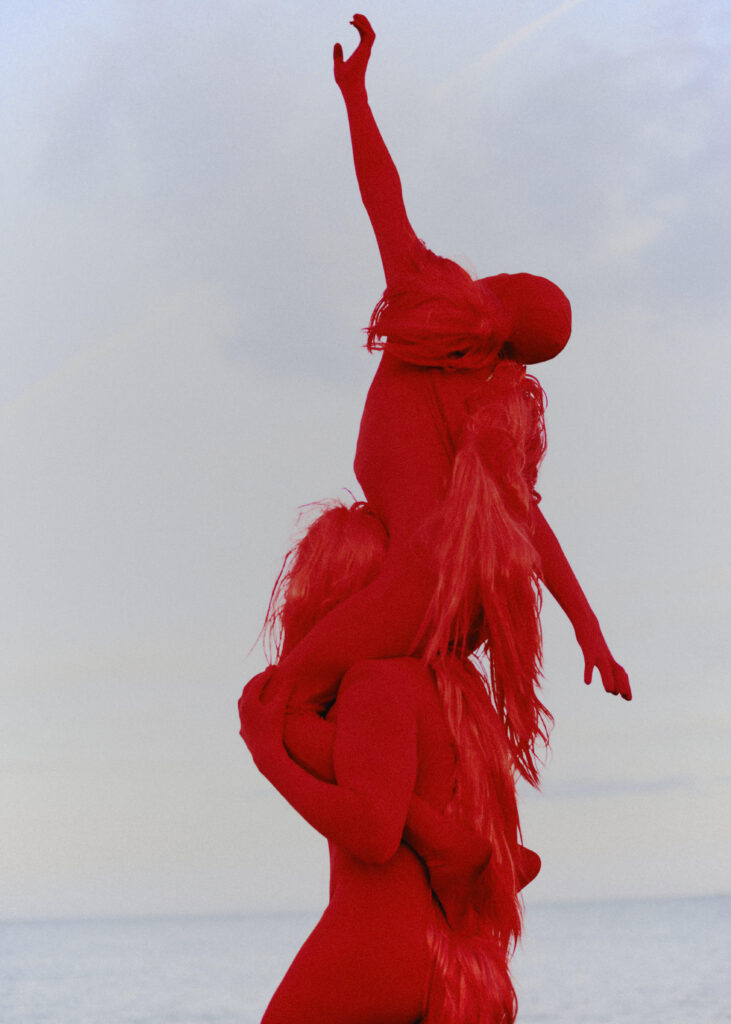
Thais: The Latin American identity is part of me. I’m a Latina woman, I grew up in this universe, everything I think is Latin, so it’s not difficult for me to see and register this. In this book, when I started to organize the material, my idea was about Latin immigration, but over time, photographing more and seeing what I had, I realized that more than about geographic borders, it was something beyond a physical space. There are many stories there of non-binary Latin immigrants, of people who did not feel like they belonged in the environment or in the bodies in which they were born and the book took a more playful path and moved from a documentary record to a fantastic realism, where I created playful images to describe some sensations that I observed in this context of a world of people who transit and transition.
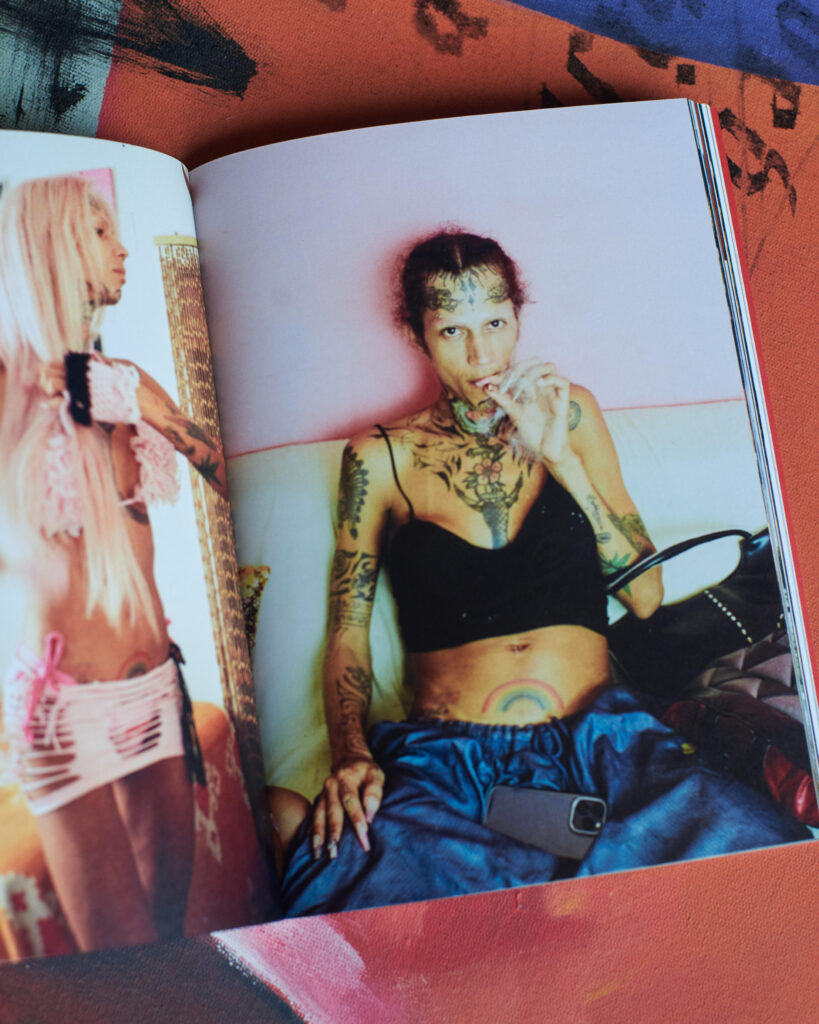
The book also explores the experience of those who feel a connection to Latin American culture from a distance. What were some of the most surprising or moving stories you encountered?
Thais: On this journey in search of registration I met some people who felt very much part of Latin culture, especially in Brazil. People who learned the language, consume the culture and live part of the year here. I found it interesting to be able to show some of these people as an opposite movement of those who leave their realities to come to Latin America in search of belonging.
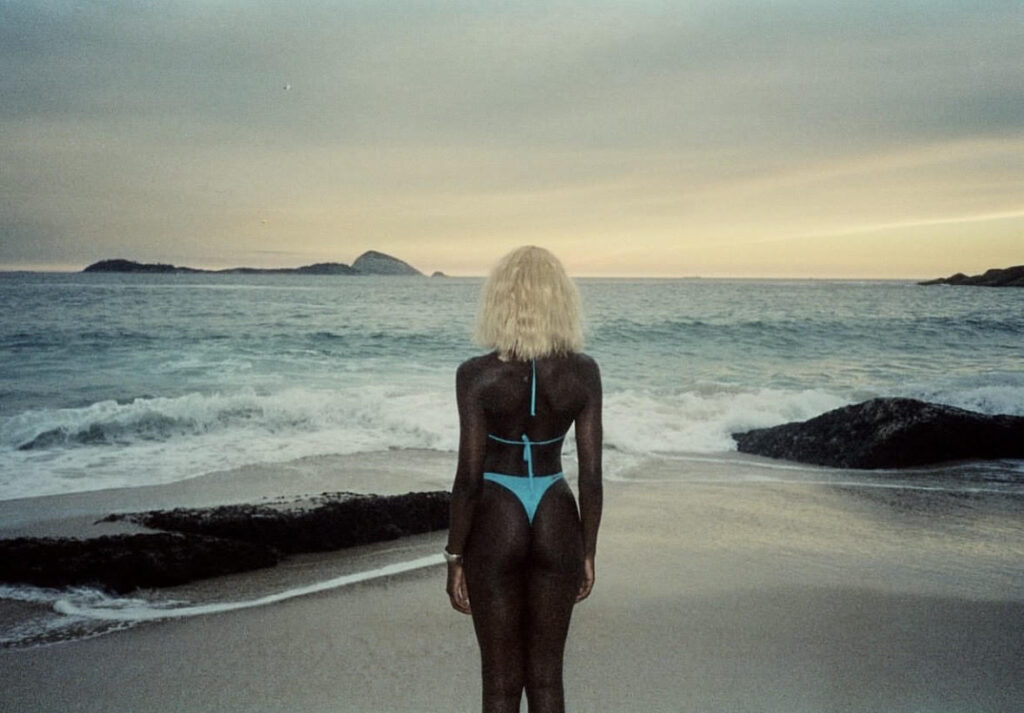
An interesting story is that of Ildjima, also known as Queentoide. We were introduced by a friend on the beach in Rio de Janeiro, then we meet ourselves at a very popular Baile Funk in Rio, called Santo Amaro. That day we connected and became very close, she told me about her passion for Brazil, she started to get to know the culture here and the language through Funk, the beats of the music caught her attention. She is French with African descent and something in our culture made her feel at home, like she belonged. She came to Brazil alone to see what it was like in person and fell in love even more. I thought it would be interesting to show this movement also among those who come to Latin America looking to feel like they belong.
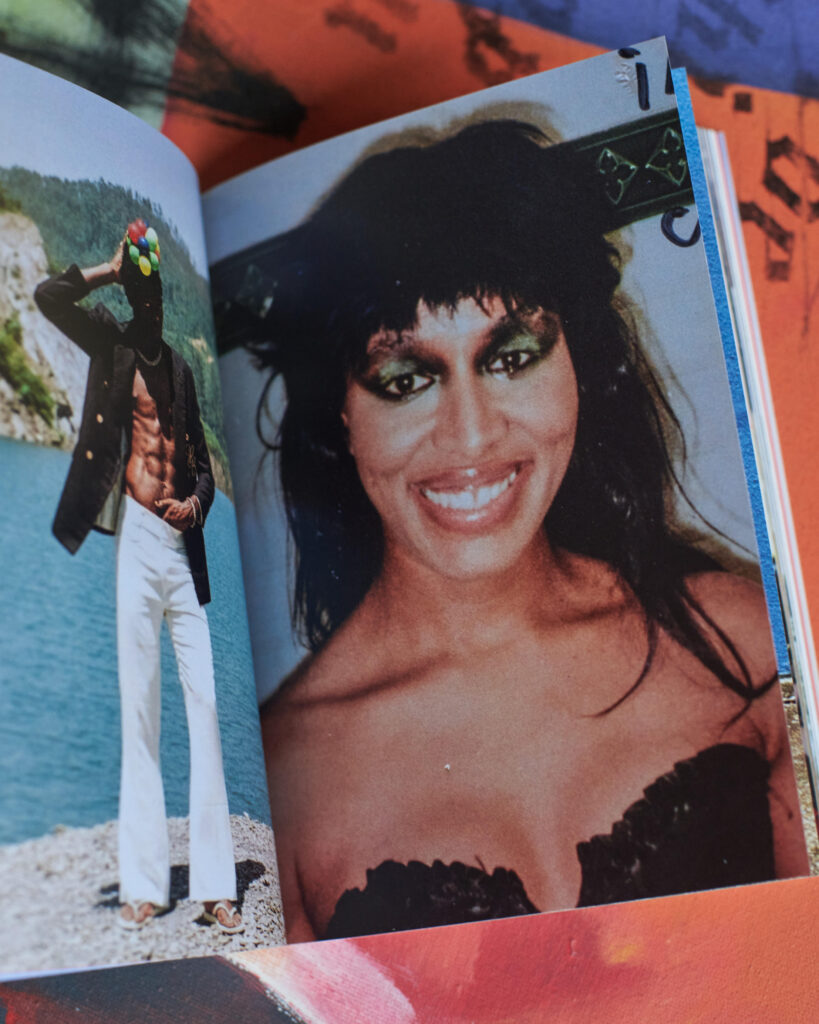
Why did you choose to shoot Latina – Fronteiras on 35mm film, and how does the medium enhance the themes of nostalgia and self-discovery?
Thais: I think that analogue photography gives me more aesthetic freedom and I wanted for this project not to have to commit to delivery in a mandatory way. I wanted to feel free to experiment and make mistakes, to understand what could come from me in the freest way of demonstrating my vision. Being able to lose focus.
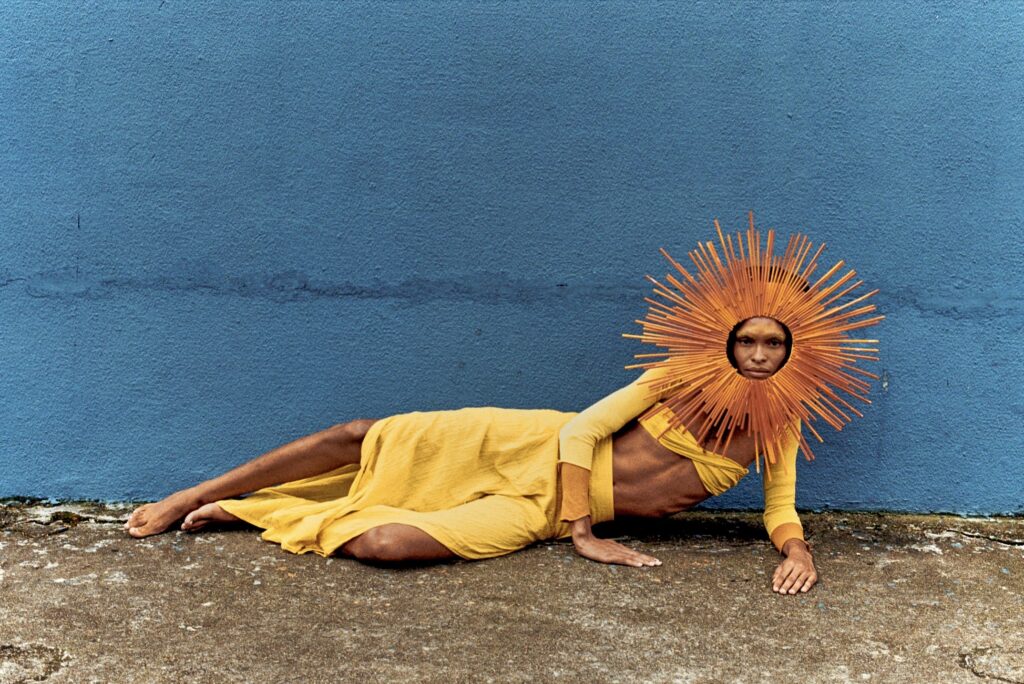
The book will be released in Paris and Brazil—how do you anticipate the reception will differ in each places?
Thais: I believe it will be very different… Because outside Brazil there is curiosity about the country’s culture and differences, it will be a look of curiosity. In Brazil it will be identification and representation, I believe it will be a way of connecting.
Can you share a bit about the work you’ll be exhibiting at the PhotoVogue collective in Milan?
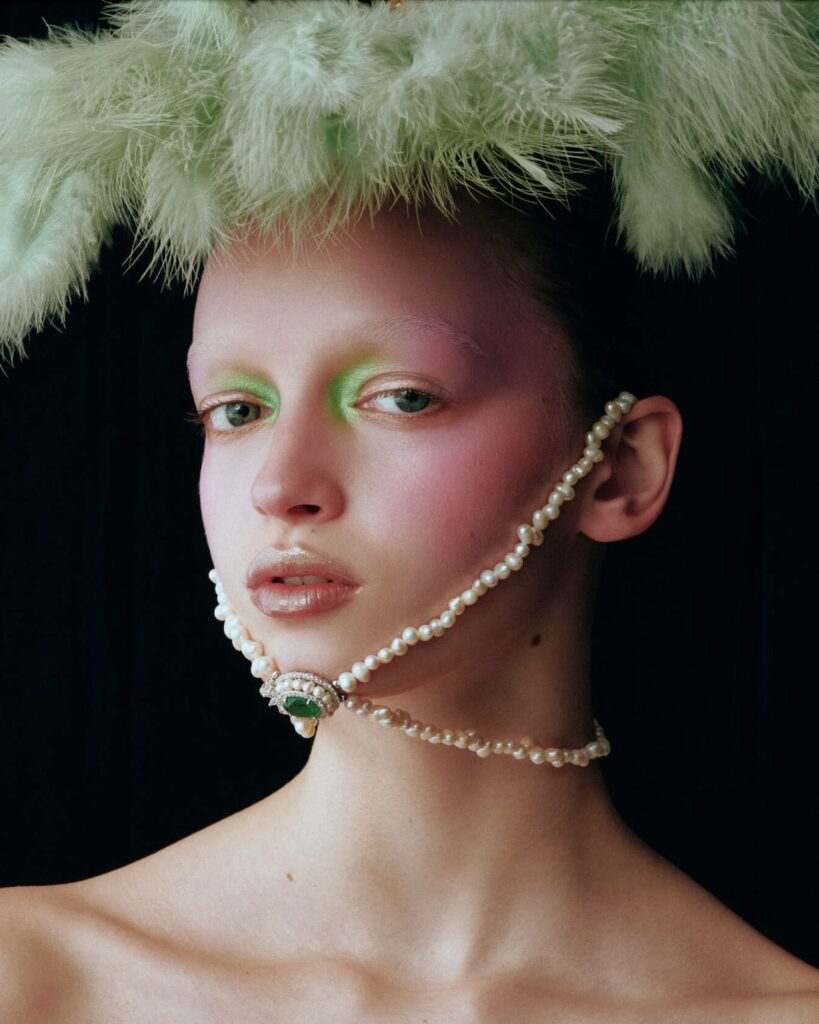
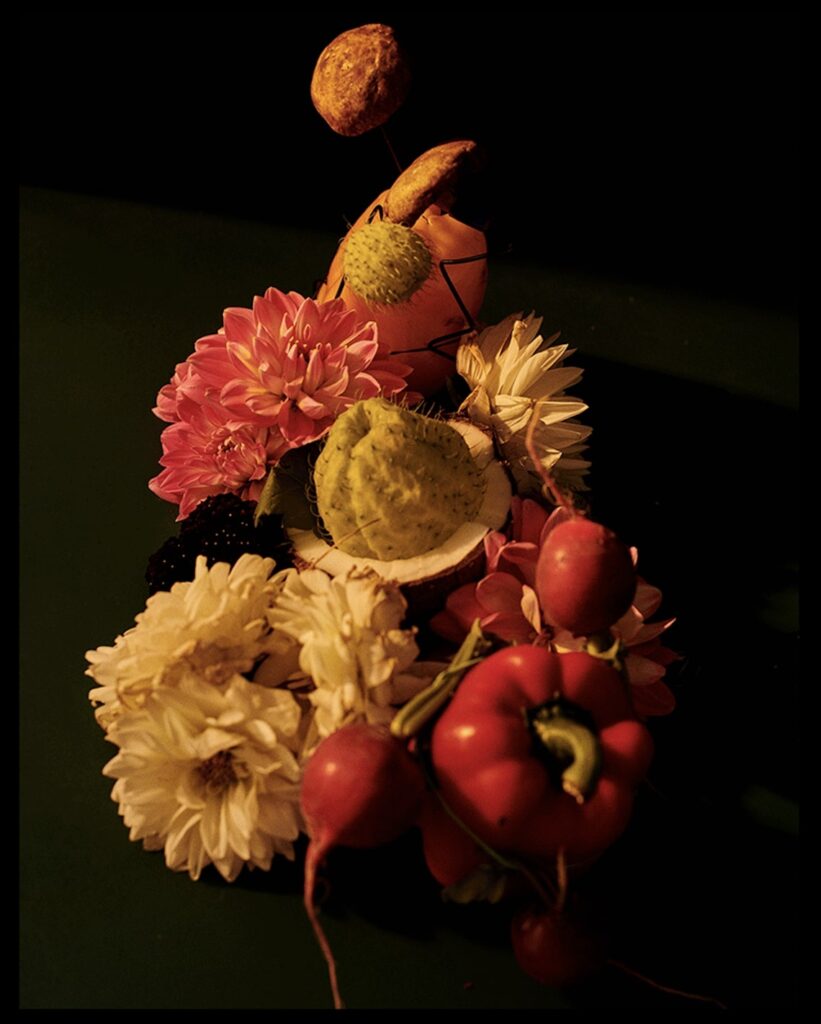
Thais: This work is a part of the Latin book that I will launch in the next few days. I can share with you some images.
What role does fashion and advertising photography play in your artistic practice, and how does it intersect with your personal projects?
Thais: I believe that they helped me in the construction of my photographic vision and technique, it is important to have the idea and know the ways to execute it technically and this allows many paths.
Do you see your commercial and personal work as separate, or do they inform each other?
Thais: They connect at some points, but today I separate my commercial work from my personal work, due to the fact that the narratives that interest me within my authorial photography are very different from my commissioned work. Furthermore, I don’t want the pressure of needing to produce all the time, the pressure of pleasing or being subject to polishing the narratives I create in my authorial projects.
What does “home” mean to you, and how does this concept influence your photography?
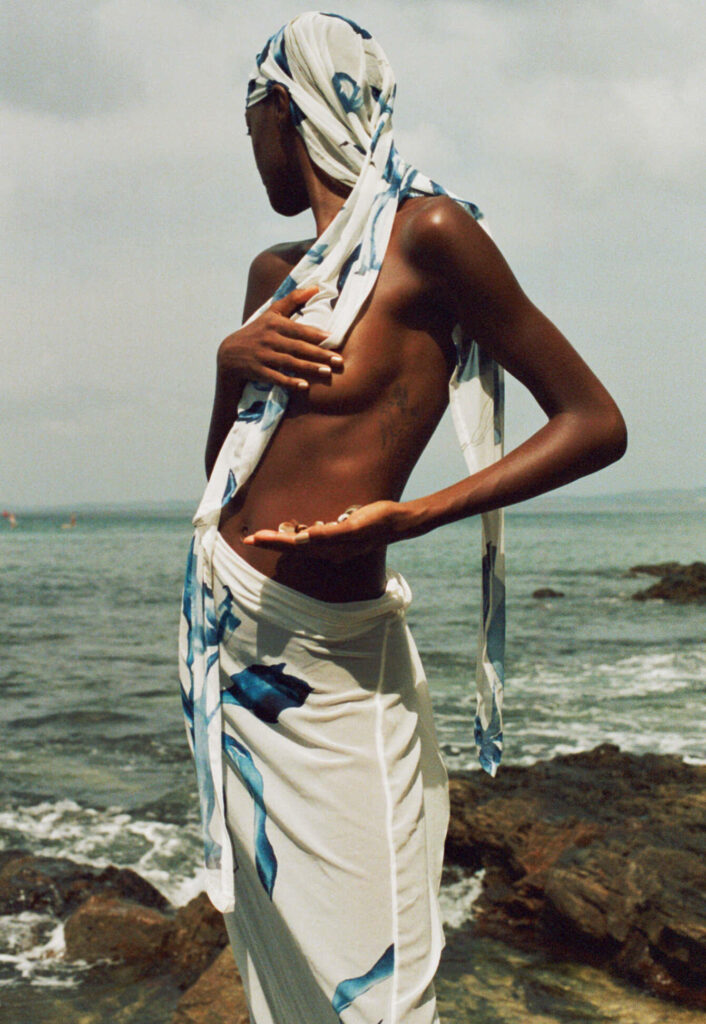
Thais: Home can mean many things, but for me all meanings come from the same path, home is protection, where we feel safe emotionally and physically. The house is the nest, the comfort, the security. Connecting with my home, with my safe spaces, my ancestry really made me understand my photography in a different way, because I was able to let my roots influence me and that’s what, for me, makes each person’s look individual and unique. I’m still in this process, knowing where I came from and allowing that to change my perspective.
In a parallel universe who would you be? and what would you be doing?
Thais: I have a huge passion for music and painting. Maybe in another universe I would be a pianist or a painter
Can you tell me a story about a time when a connection with someone had a big impact on you?
Thais: I believe that meetings create an impact. When we connect with someone there is always a change in us, it doesn’t have to be big, but these small seeds transform us.
What qualities do you find most important in the people you choose to spend time with?
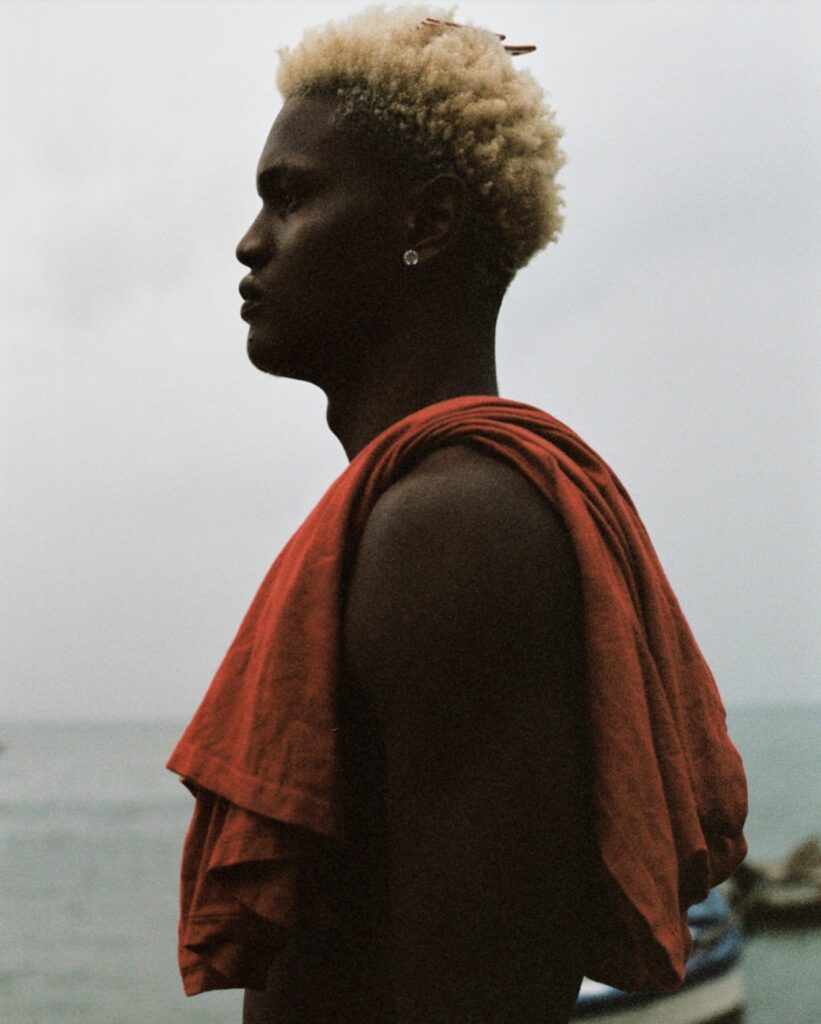
Thais: I like being around people who generate some type of curiosity in me, because I am a person who is curious about life.
Anybody you look up to?
Thais: I admire many people, great artists, small artists, people I live with, friends, partners. There are many incredible people and it wouldn’t be fair to mention a specific name. But I believe that admiration is also, for me, a filter of what comes into my life, I need to be curious about and admire.
What motivates you?
Thais: My almost childish curiosity about the world. I like to observe and experiment. I like to get lost sometimes.
How would you describe a perfect day?
Thais: A day by the sea in Salvador, Bahia, Brazil. Being able to see all the colors, lights and backlights, textures and movements of a normal, everyday day in one of the simplest and most beautiful cities in my country, where every second seems to have been painted in oil.
Alright Thais. I always ask these two questions at the end of an interview. The first is. What’s your favorite movie(s) and why?
Thais: “Eternal sunshine of the spotless mind” I have a habit of watching the same film over and over again. And that’s one of them…I like how the story is surprising, told in a different way. The photography is incredible and I like the way it confuses the viewer.
The second is. What song(s) are you currently listening to the most right now?
Thais: I’m passionate about Brazilian music, MPB, Bossanova and Samba. Milton Nascimento, Jorge Ben Jor, Chico Buarque, Caetano Velono, Maria Bethania, Gal Costa, Toquinho, Baden Powell. Brazil is full of talent when it comes to music.