
Share this
Specula Mundi, conceived under Alessandro Michele, transforms the house’s Spring/Summer 2026 couture collection into a limited-edition book of image, atmosphere, and ritual
Some fashion books exist to document. Others behave more like portals.
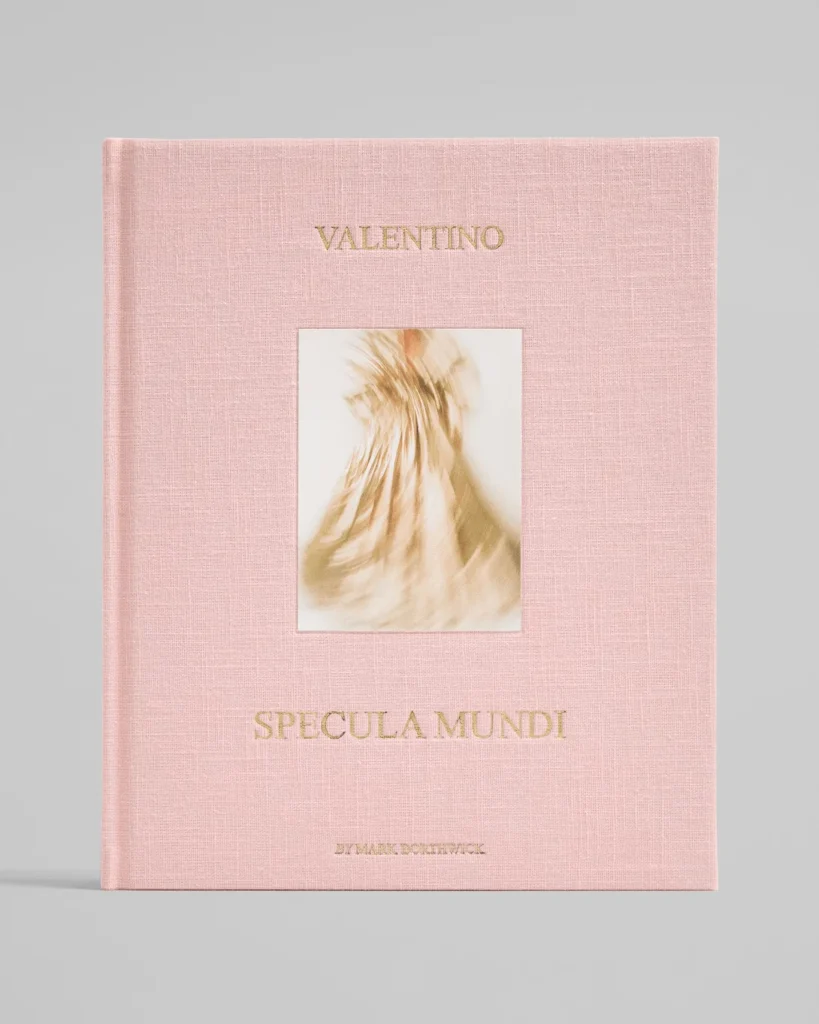
Valentino’s Specula Mundi belongs to the second category: a limited-edition couture publication that treats the image not as evidence, but as a dream state. Presented at the Marciano Art Foundation in Los Angeles, the book extends the world of the house’s Spring/Summer 2026 couture collection into something slower, stranger, and more devotional.
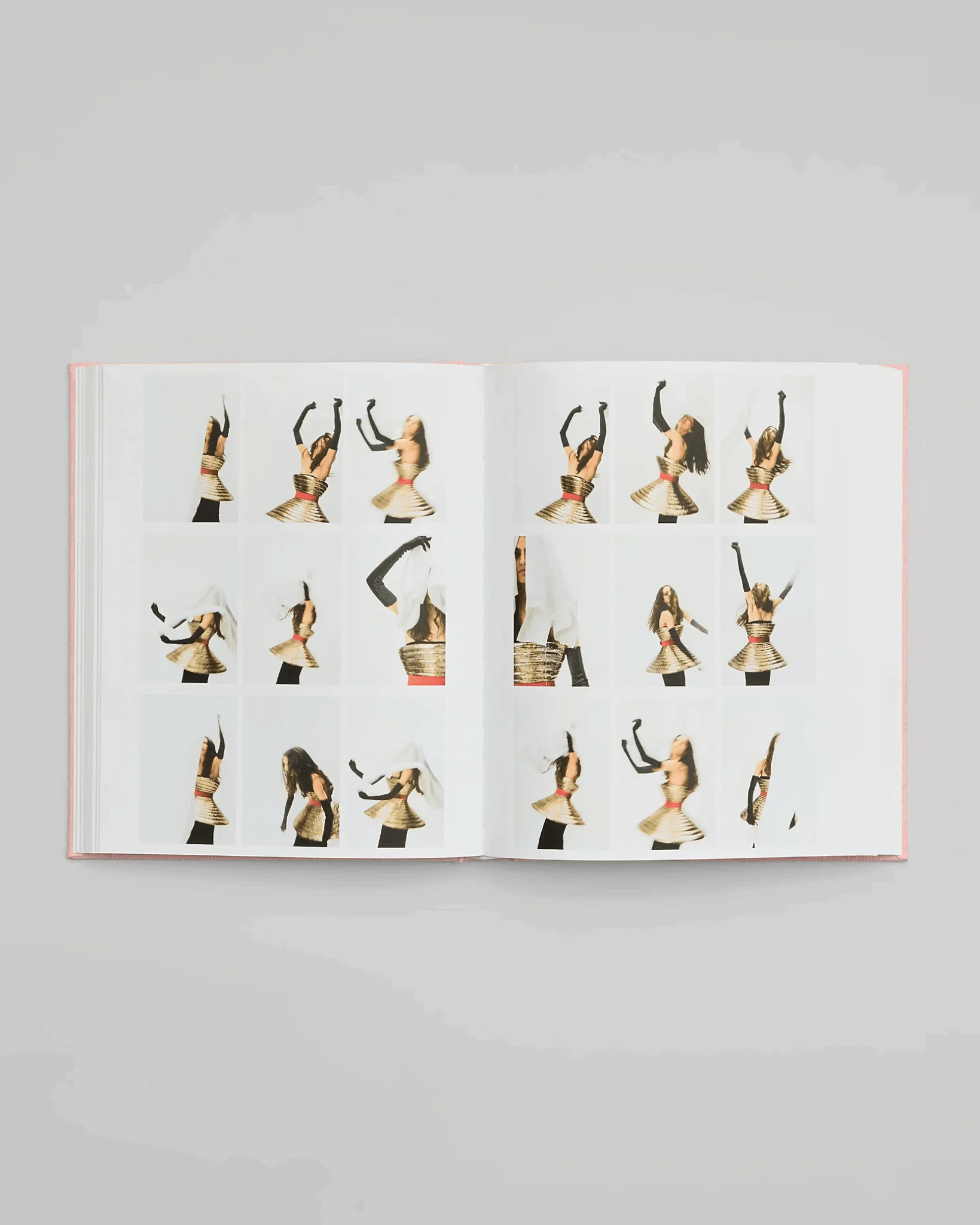
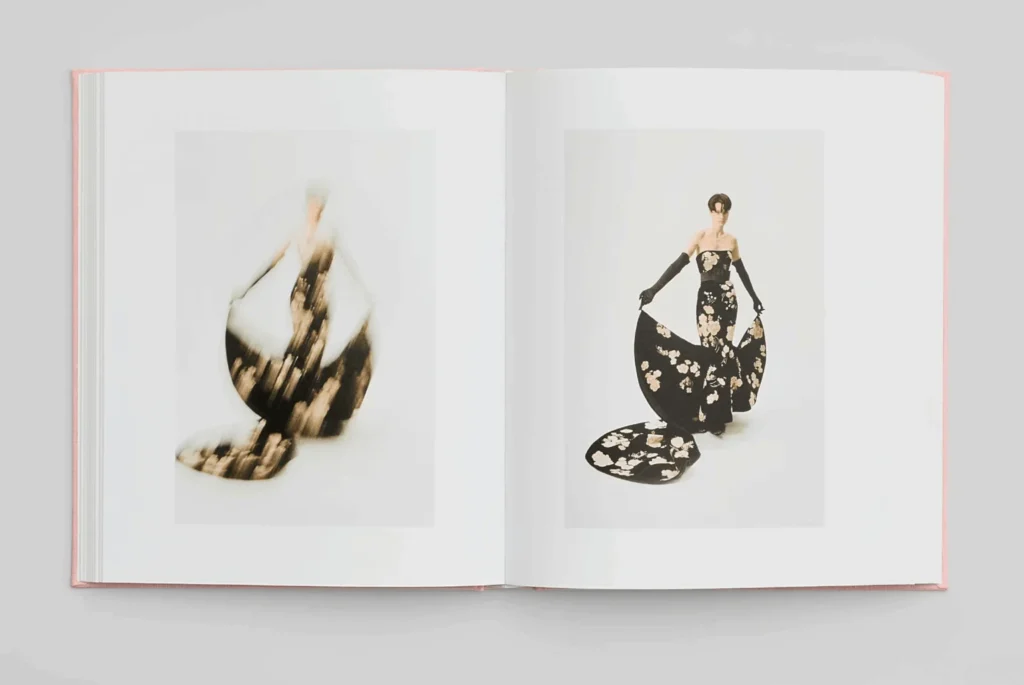
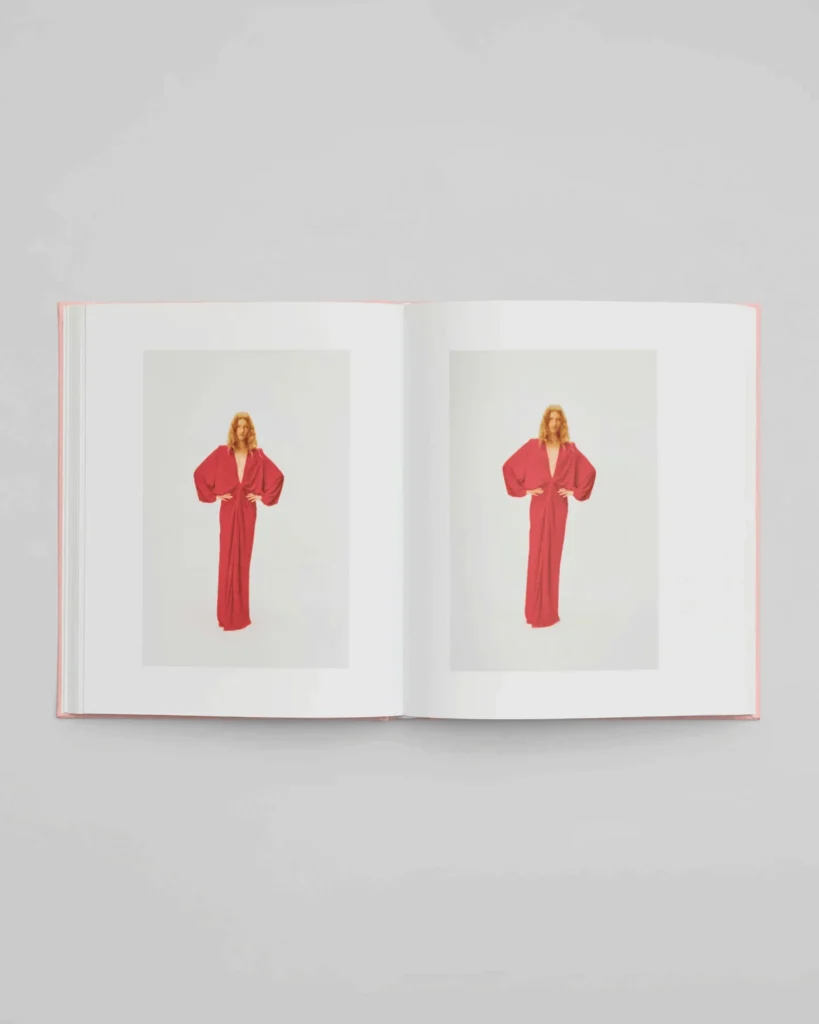
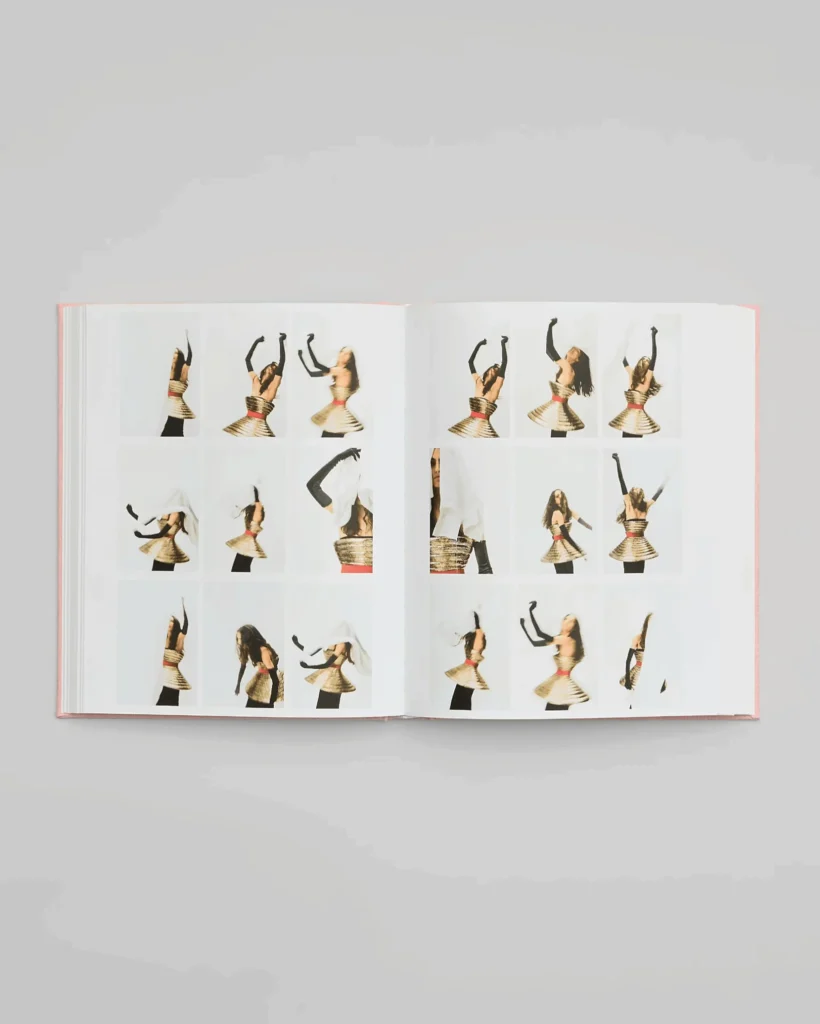
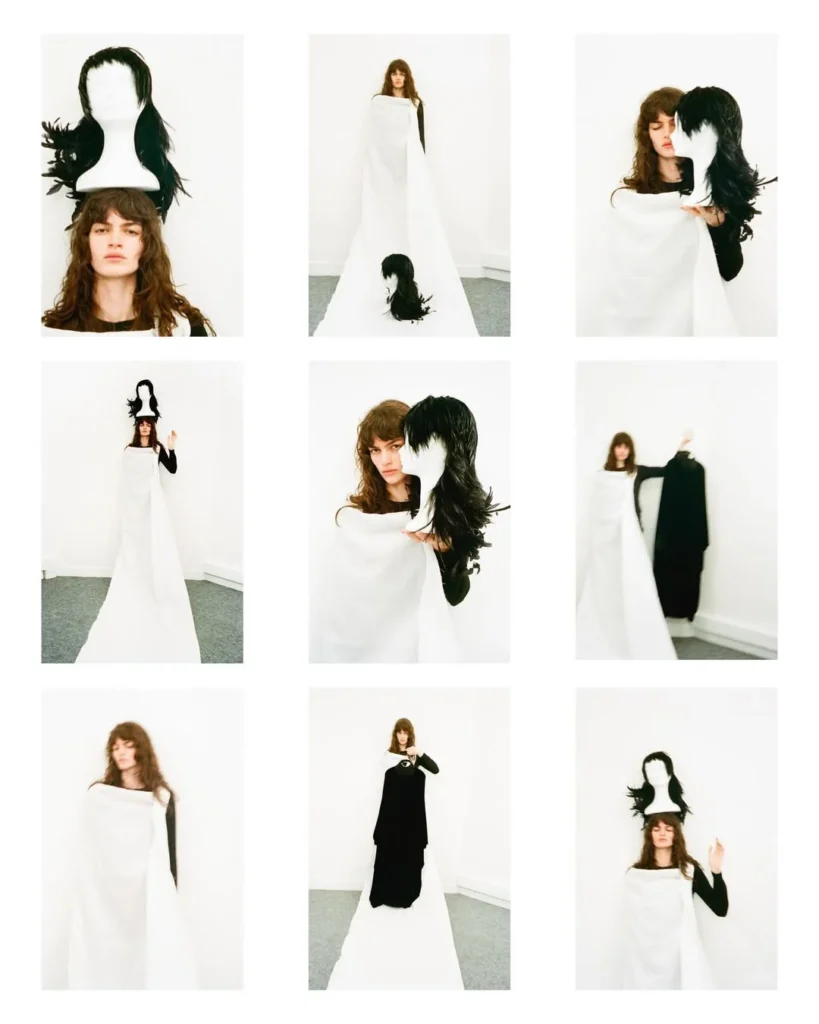
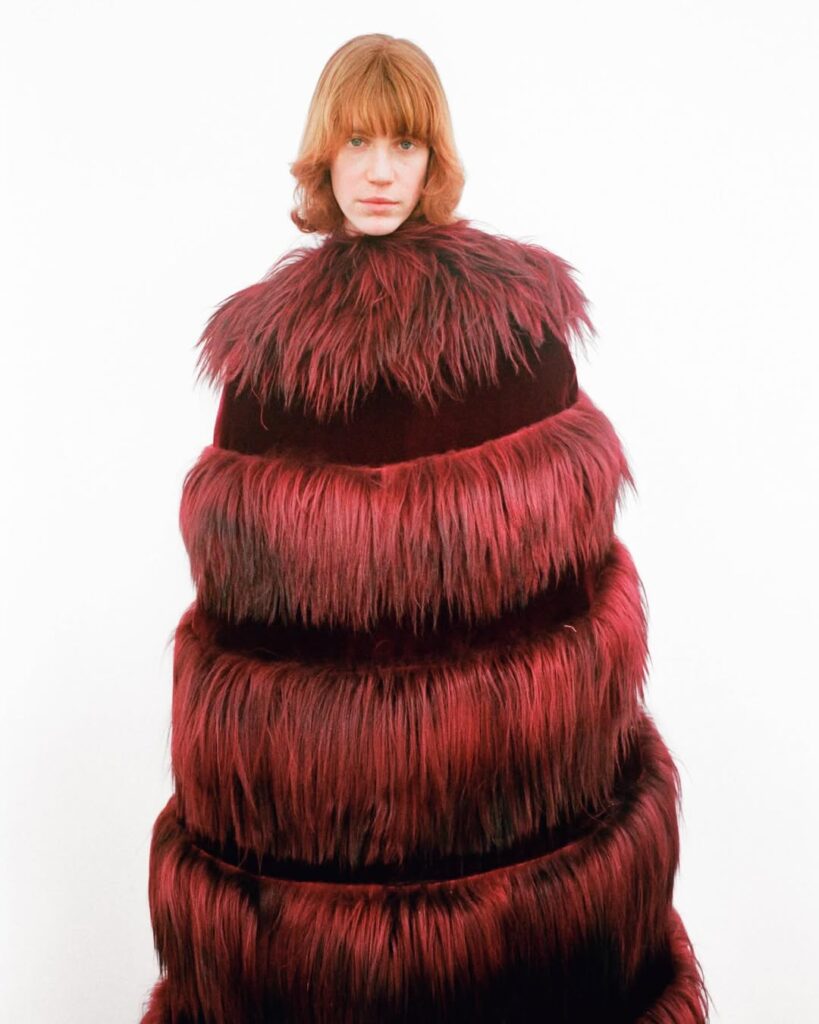
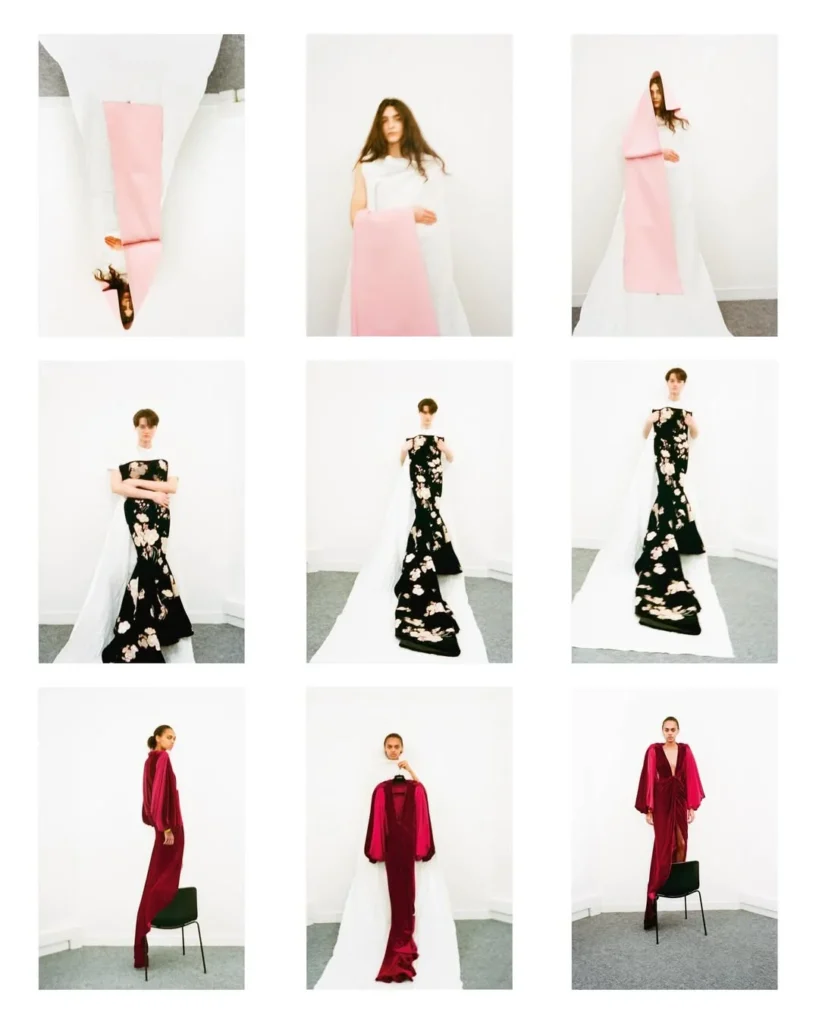
Conceived under the direction of Valentino creative director Alessandro Michele, the project brings the collection into the visual universe of photographer Mark Borthwick. Rather than fixing the garments in the clean logic of a lookbook, Borthwick lets them dissolve into blur, gesture, haze, and atmosphere. Couture becomes less a sequence of outfits than a field of sensation.
The title, Specula Mundi, comes from Latin and means “mirror of the world”. That feels right for a project built around reflection, distortion, and the unstable relationship between fashion and image. Across 260 pages and 422 illustrations, the book does not simply preserve a collection; it turns it into a visual philosophy. Produced in an edition of 1,500 copies, it sits somewhere between archive, art object, and private relic.
At the Los Angeles presentation, that sense of ritual was pushed into space. Guests including Teyana Taylor, Patricia Arquette, Tate McRae, Sombr, Maude Apatow, and Dree Hemingway encountered an installation inspired by the Kaiserpanorama, peering through viewing lenses into a continuous stream of imagery. The launch felt less like a book presentation than a séance for couture: hushed, glowing, and designed to be looked into rather than simply looked at.
That is what makes the project feel especially Michele. Since arriving at Valentino, he has approached fashion with an almost liturgical intensity, treating clothes as carriers of memory, symbolism, beauty, and belief. Here, the book becomes an extension of that thinking. It does not ask what couture looks like in a season. It asks what couture becomes when it is allowed to drift into myth.
Borthwick’s contribution is crucial. His photographic language resists the hard surface of contemporary fashion imagery. Focus softens. Bodies become fragments. Narrative breaks into flashes. The result is not about clarity, but about afterimage — the feeling that something has passed in front of you and left a trace.

Photos: Valentino