
Share this
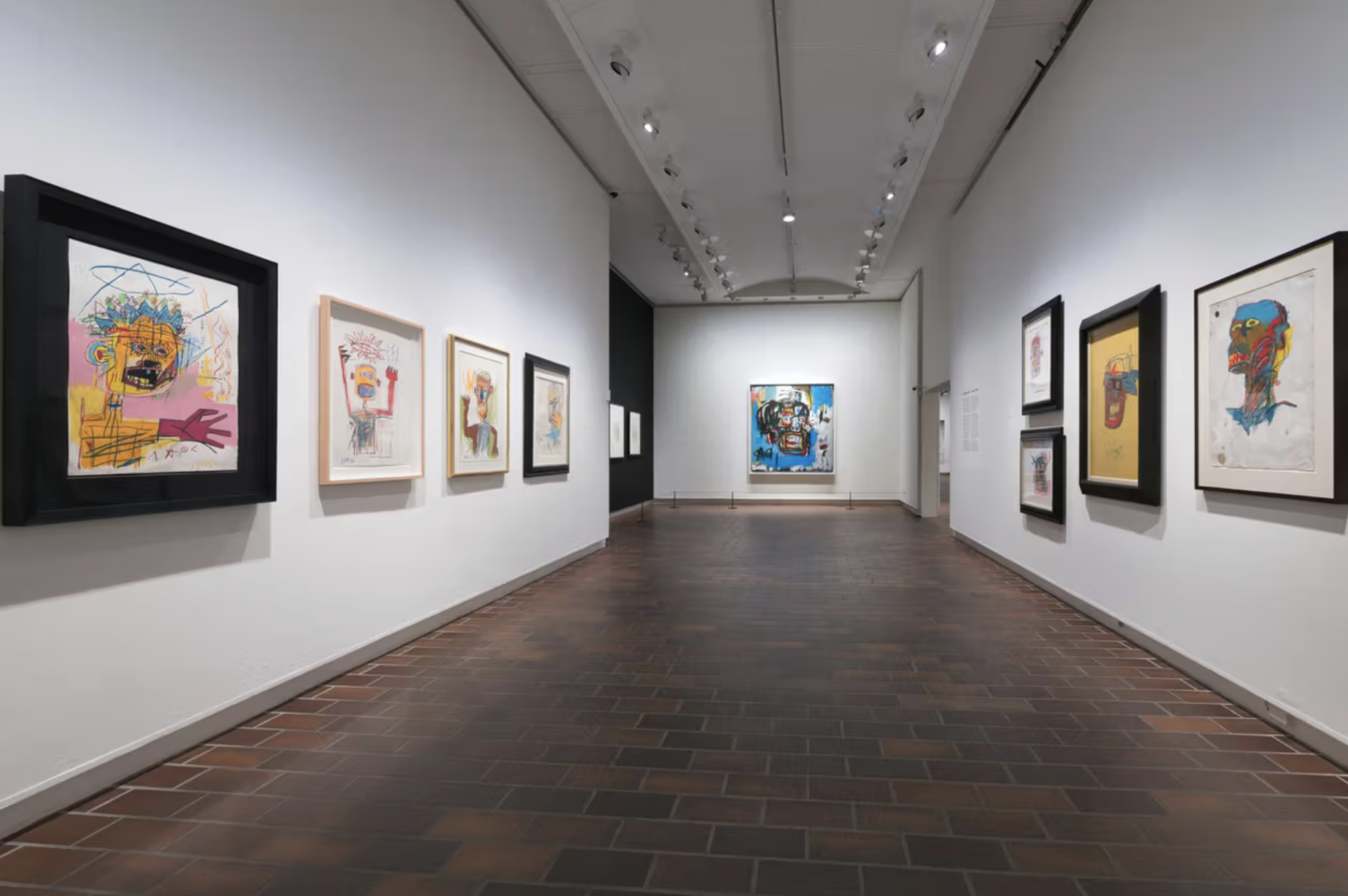
At the Louisiana Museum of Modern Art, a new exhibition turns away from the noise usually surrounding Jean-Michel Basquiat and instead listens closely to one of his most persistent fixations: the head. Titled Headstrong, the show proposes that this recurring form was not merely a compositional habit, but a structural anchor for how Basquiat thought, felt, and worked.
The exhibition brings together a concentrated selection of works on paper from the early 1980s, a period when Basquiat’s practice moved at an almost feverish pace. These drawings strip away much of the cultural shorthand he later became known for—less emphasis on slogans, crowns, or overt symbolism—and instead focus on faces and skulls rendered with urgency and restraint. What emerges is an intense study of identity under pressure, where expression and anatomy blur into one another.
This lifelong preoccupation can be traced back to a formative moment early in Basquiat’s life. As a child, following a serious accident that confined him to a hospital bed, he was introduced to a medical anatomy book by his mother. Long before art history entered the picture, diagrams of bones, organs, and bodily systems became part of his visual memory. That early exposure never left him. Science, medicine, and the mechanics of the human body remained close companions throughout his artistic development.
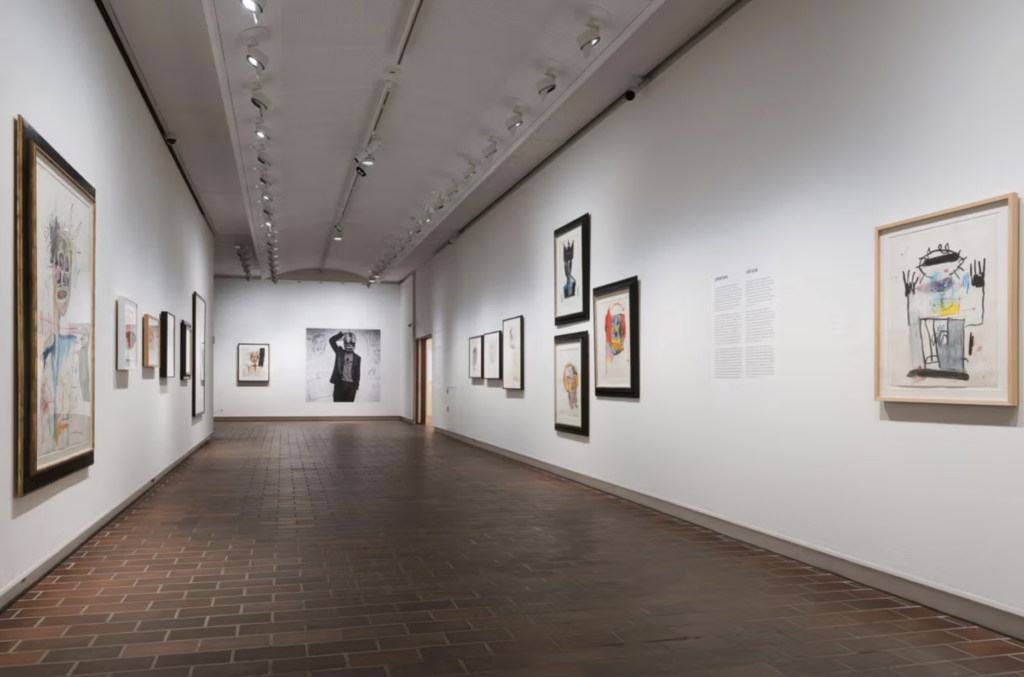
Photo: Camilla Stephan / Louisiana Museum of Modern Art 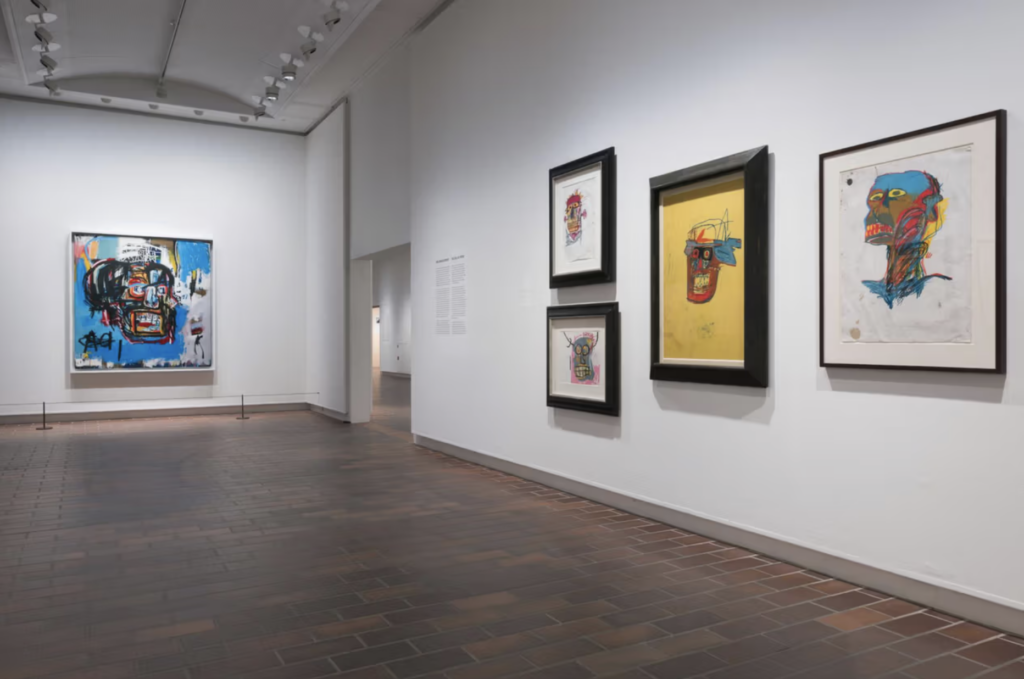
Photo: Camilla Stephan / Louisiana Museum of Modern Art 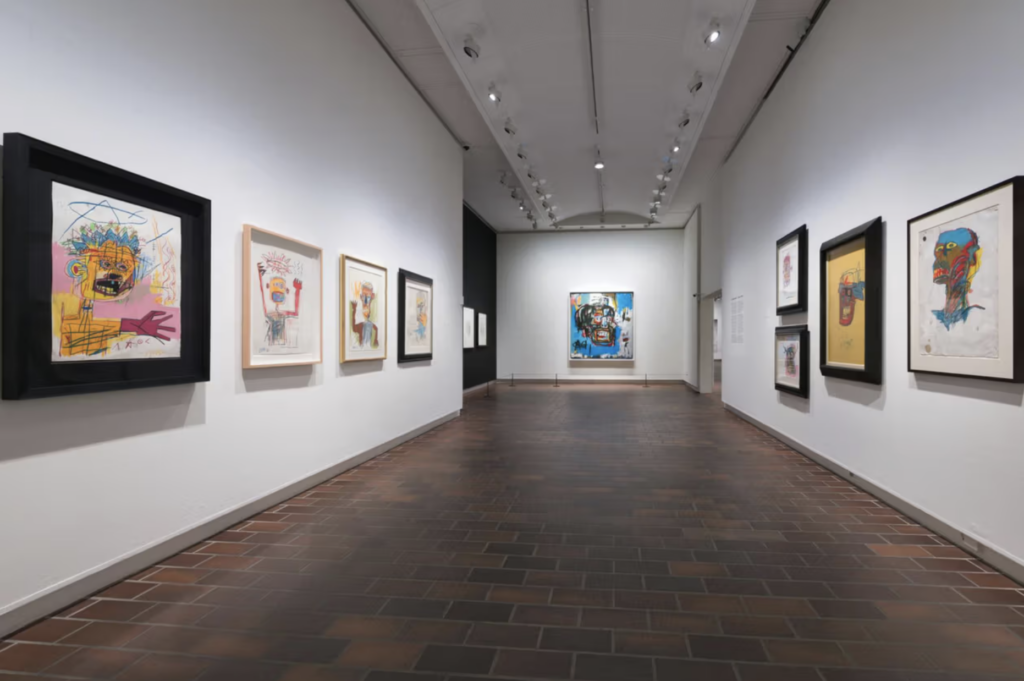
Photo: Camilla Stephan / Louisiana Museum of Modern Art 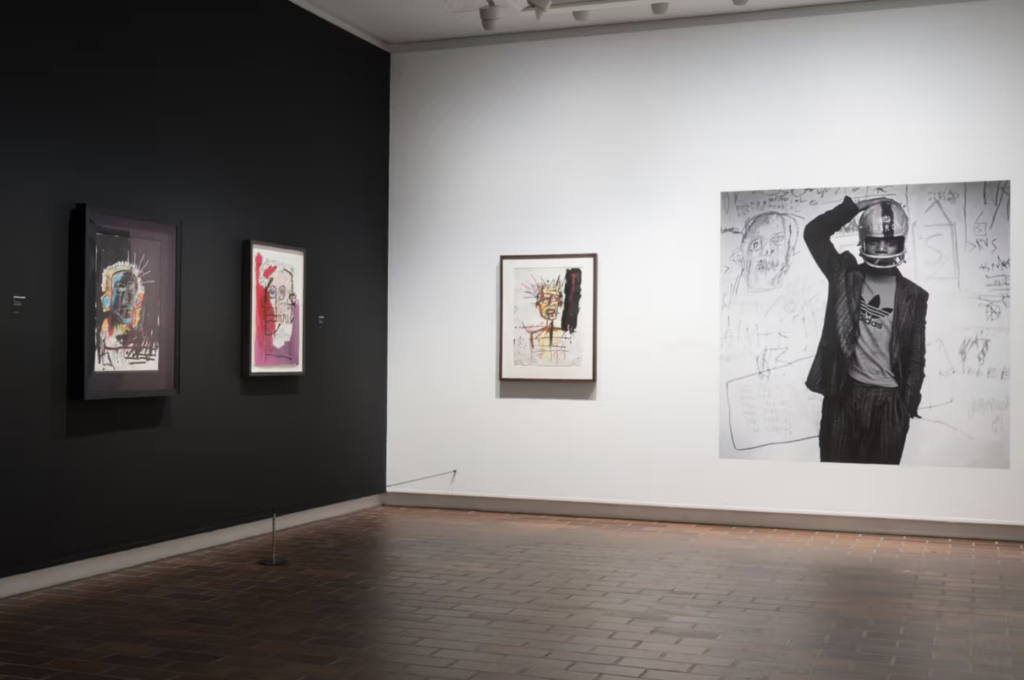
Photo: Camilla Stephan / Louisiana Museum of Modern Art 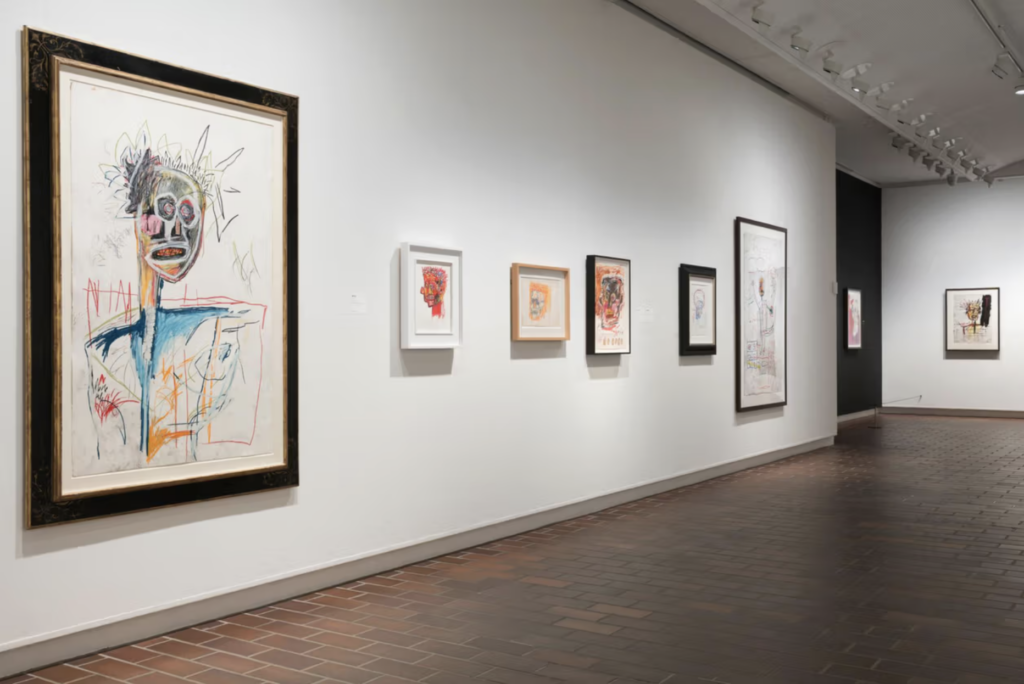
Photo: Camilla Stephan / Louisiana Museum of Modern Art 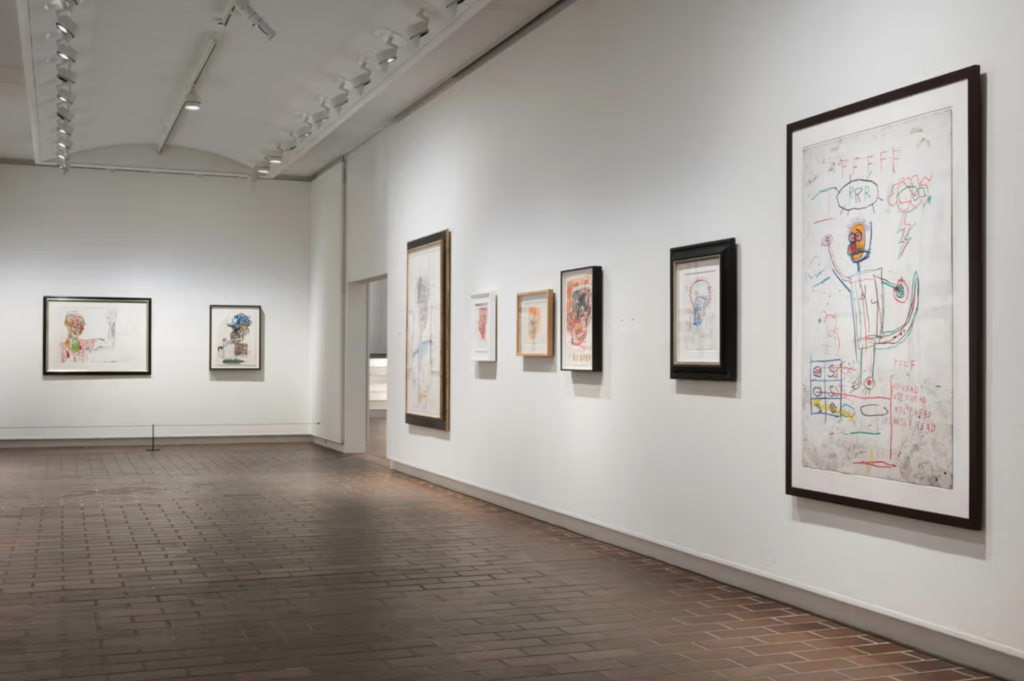
Photo: Camilla Stephan / Louisiana Museum of Modern Art 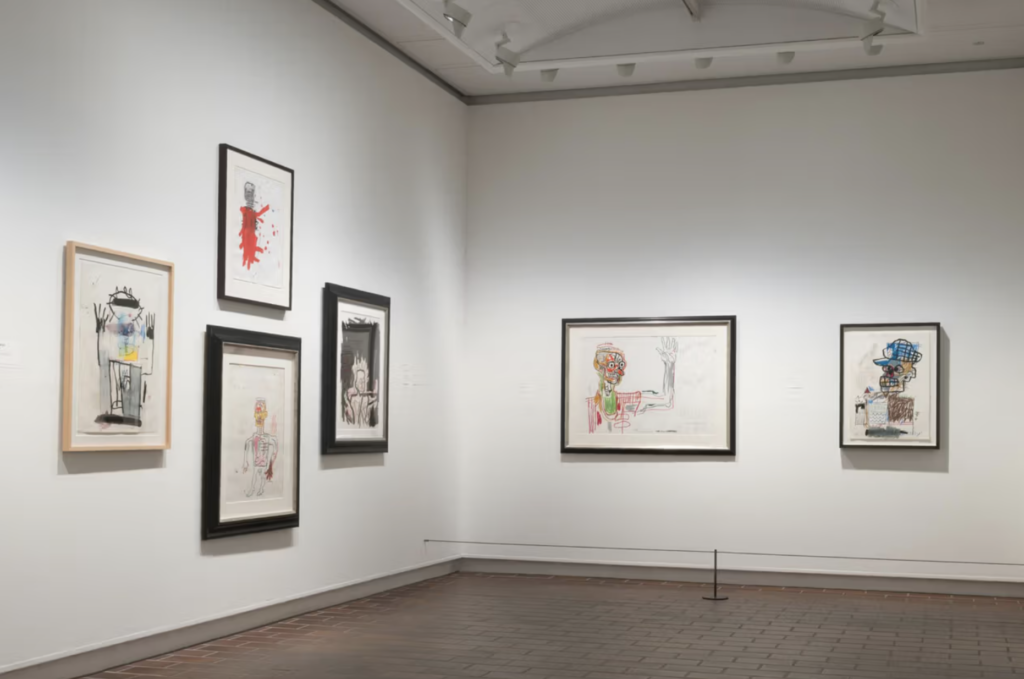
Photo: Camilla Stephan / Louisiana Museum of Modern Art 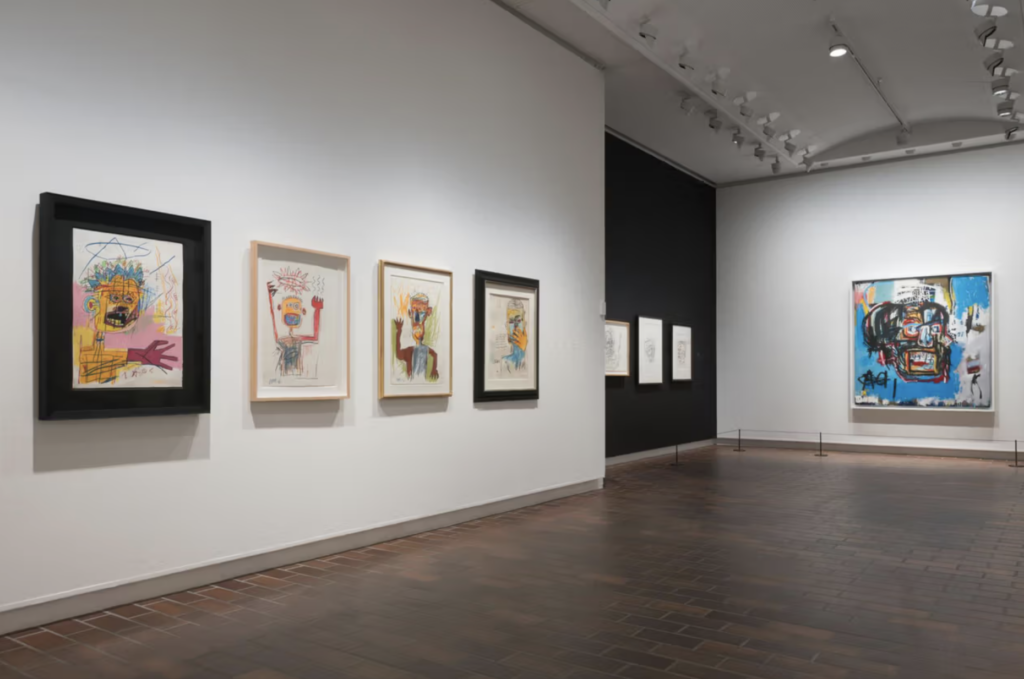
Photo: Camilla Stephan / Louisiana Museum of Modern Art 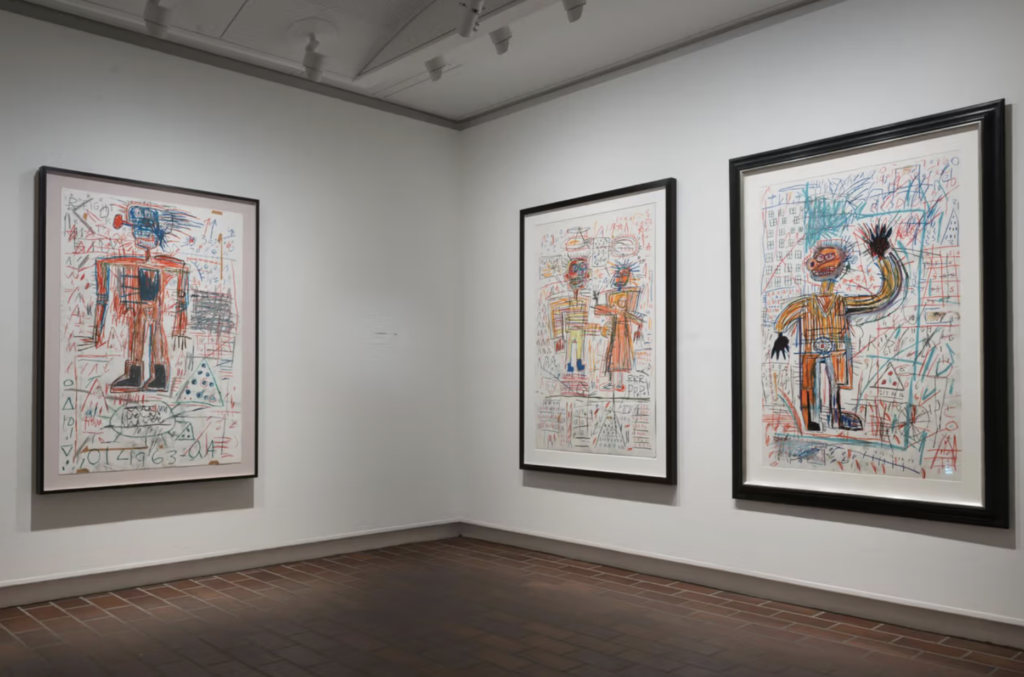
Photo: Camilla Stephan / Louisiana Museum of Modern Art 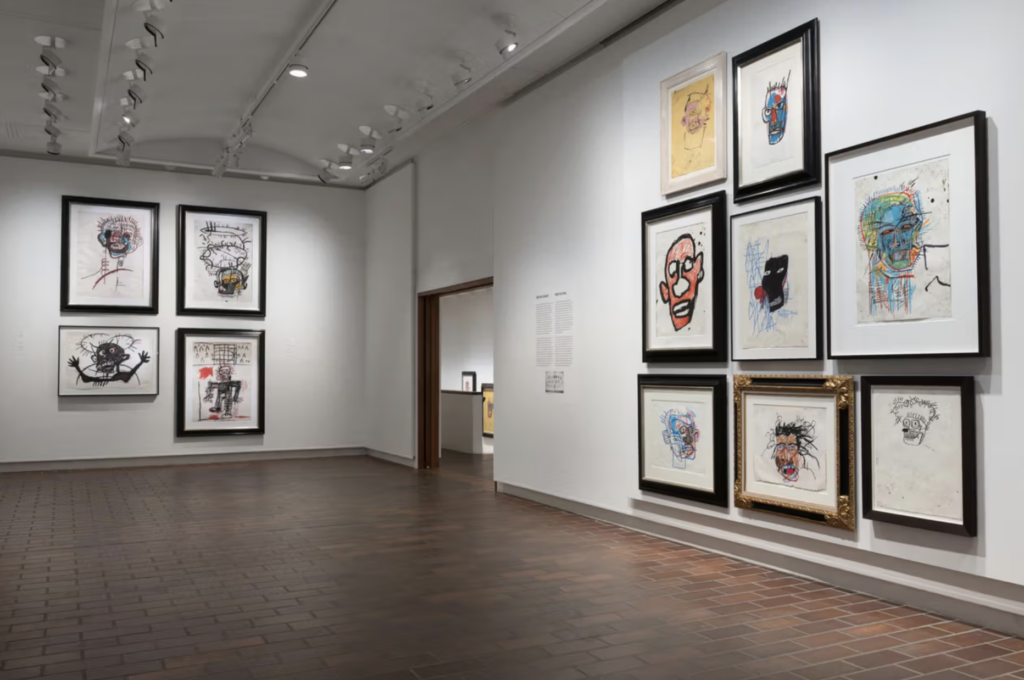
Photo: Camilla Stephan / Louisiana Museum of Modern Art
Years later, when asked how a painting typically began for him, Basquiat did not speak of concepts or narratives. His answer returned, instinctively, to the same place: the head. In Headstrong, this gesture reads less like a stylistic preference and more like a philosophy. The head becomes a site where thought, violence, vulnerability, and selfhood collide—sometimes barely contained by the page.
Many of the works shown were never intended for public view during Basquiat’s lifetime. Kept private, folded away, or stored out of sight, they now appear less as preparatory material and more as direct transmissions of his internal rhythm. Faces fracture, eyes multiply or vanish, skulls oscillate between scientific precision and expressive distortion. The drawings feel unfinished by design, as if completion would have diluted their force.
Rather than expanding Basquiat’s mythology, Headstrong subtly resists it. By narrowing the frame, the exhibition offers a quieter, more intimate encounter, one that foregrounds process over persona, and repetition over spectacle. Seen together, these heads suggest an artist repeatedly returning to the same form, not for answers, but because it was the only place where everything could begin.