

Share this
Sawyer Gilley is a writer, personal brand consultant, and cultural operator who built her career by stepping directly into the spaces most media prefers to talk around. Raised in California and trained in anthropology at the University of California, Santa Cruz — where she graduated magna cum laude — Sawyer’s early work focused on sex work laws, pornography, and labor, approached not from a distance but through immersion.
While still in college, she began self-publishing essays on Medium, treating the platform as a testing ground rather than a stepping stone. Her breakout piece, How To Train a Fuckboy, reached over 100,000 readers and set the tone for what would become her signature style: diaristic, unflinching, and allergic to institutional polish. When a pandemic-era brush with corporate fraud exposed the fragility of traditional media and PR structures, Sawyer pivoted again — using OnlyFans not as spectacle, but as a publishing and distribution system.
That experiment evolved into a new model of representation. Through her practice Not Your Publicist, Sawyer works non-exclusively with a client base that spans sex workers, artists, and public figures, rejecting gatekeeping in favor of direct access, transparency, and long-term autonomy. Her mission is explicit: to help dismantle stigma around sex work by treating sex workers not as outliers, but as professionals whose stories, labor, and power deserve the same cultural legitimacy as anyone else’s.
Part writer, part manager, part reluctant industry insider, Sawyer operates where media, labor, and visibility collide — insisting that the future belongs less to institutions, and more to individuals who understand how to speak for themselves.

Hi Sawyer! It’s a pleasure to sit down with you! First question that I always ask. How does a regular day look like for you in California?
Sawyer: Wake up at noon. Take my Chihuahua out to potty (he also wakes up at noon). Draw a bath and read (“Diary of an oxygen thief trilogy” as of late), or scroll on Tiktok. Work on a painting. Cook an extravagant breakfast for me and Mickey (the Chihuahua).
Start work around 3pm. Take calls with clients, brands, partners, employees. Cook another extravagant meal. Stare at my computer screen for a while procrastinating on my memoir, Pleaser or my feature film I am co-writing with Britt Menjivar. Watch Beast Games, or RHONYC reruns while making dinner and a cocktail. Work some more. Then watch Tehran or The Office. Sleep at 3AM.
Some mornings I will FaceTime with my best friend who lives in Edinburgh for hours on end. Other mornings I am planning my trips to LA or NYC for work. I call my dog Mickey my assistant, because he is following me around the house during all of this, in a sweater more expensive than mine usually.
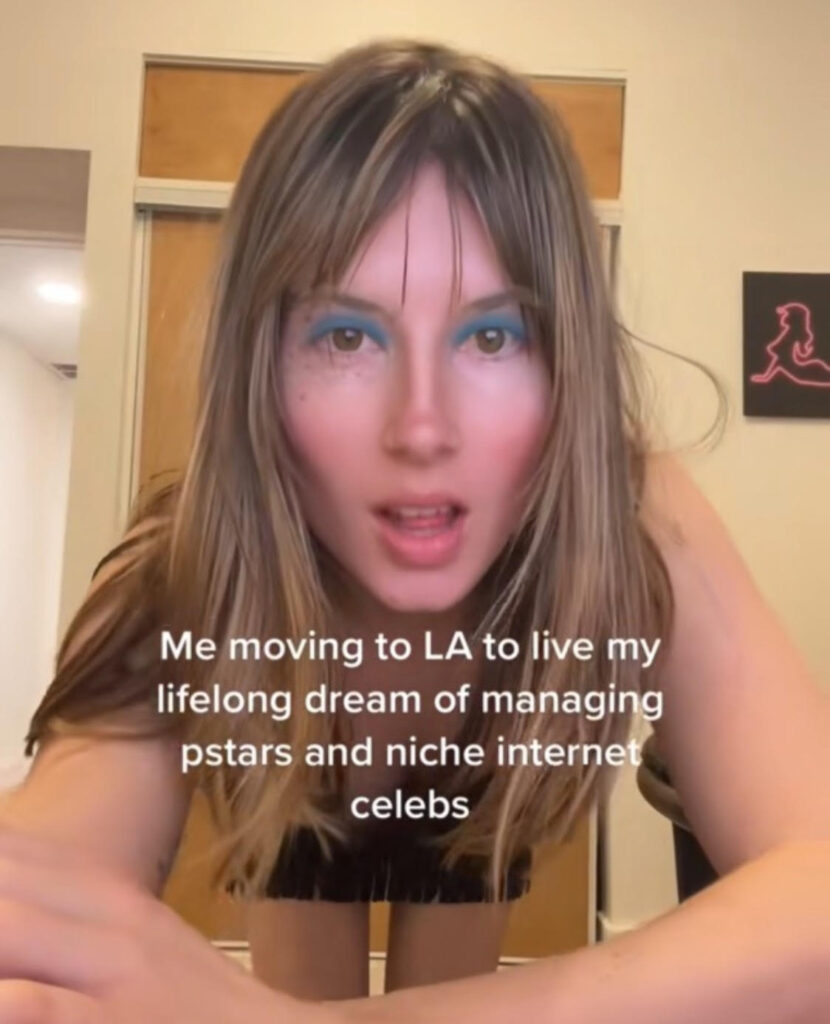
I’m curious, growing up, what kind of kid were you? What did you enjoy doing, and how did you spend your time?
Sawyer: I was a deeply insecure child. I was the mother for my family, the manager, the publicist. I have always been a 40 year old woman, my friends and family have called me. I mostly remember my childhood being one giant guilt bubble in my throat.
Later I discovered that I am something called a codependent. Whitney Cummings has the best definition for it: the inability to withstand another person’s discomfort or disapproval of you. I was a competitive surfer and gymnast, and graduated high school with a 4.8, but I really don’t ever remember feeling like I was great or in some grand pursuit of something. I just did those things automatically with ease but no purpose.
I do remember enjoying getting high before class with my best friend, talking with my Anthropology and Psychology teachers, and overanalyzing everything on purpose with my girlfriends. I remember my early childhood being warm and fuzzy before it got complicated. My father was a professional surf photographer so we got to travel to Hawaii a lot. We had guinea pigs. We had sticky star decals on our ceilings in our rooms.

Ok Sawyer, let’s jump right into it… You started publishing your work publicly while still in college. What gave you the confidence, or urgency, to put your writing out there so early, without institutional backing?
Sawyer: I was completely broke and had absolutely no plan whatsoever. I never even considered submitting my writing to publications. I didn’t know any better. One day in my last year of college, my good friend asked if she could pay me to write her Anthropology paper. I needed the cash, but she had something worth so much more than that and I knew it… 350,000 Instagram followers and a super engaged audience.
I told her I don’t want money, I just wanted her to post about my essay How to Train a Fuckboy on her Insta story. “That’s usually $12,000, Sawyer. That’s what I charge brands for story posts,” she said.
“I know I will get you an A. If you have a better option, go for it. You can think about it and get back to me,” I too-confidently replied. She hit me back 20 minutes later and agreed. My essay was read by over 100,000 people and her post was what started the inklings of my audience. She got an A.

Your anthropology background involved immersion and proximity rather than distance. How did studying sex work laws and pornography through that lens shape the way you tell stories today?
Sawyer: The first encounter I ever had with sex workers was for a college paper I wrote about strip clubs and the California policy change that then considered strippers employees rather than independent contractors. I would drive up from UCSC to San Francisco every weekend and go to a strip club. I started asking around for phone numbers of strippers from friends of friends, and landed a few. The biggest name was A.M Davies, who truly enlightened me to this world.
My questions for strippers and sex workers back then were incredibly naive. I remember asking “did you do this out of survival?” a lot. I remember victimizing them, feeling bad for them. I look back on that and feel disgusted that I did that, felt that.
I also feel privileged to be able to understand now how naive those thoughts were, how scheduled that script was from society. Most of America, and frankly the world, probably feels bad for sex workers, or has stories in their head that they believe about them.
I feel lucky to not be one of those people. I feel lucky that I get to talk to so many sex workers every day. I am honored to have the perspective I have now. I am glad I got to throw away many “first pancakes” (my dumbass questions) in college, and that all of my interviewees answered my questions with such grace. It prepared me to regard them with grave respect when I encountered them in a work setting. I didn’t come into my job with any negative notions about them.
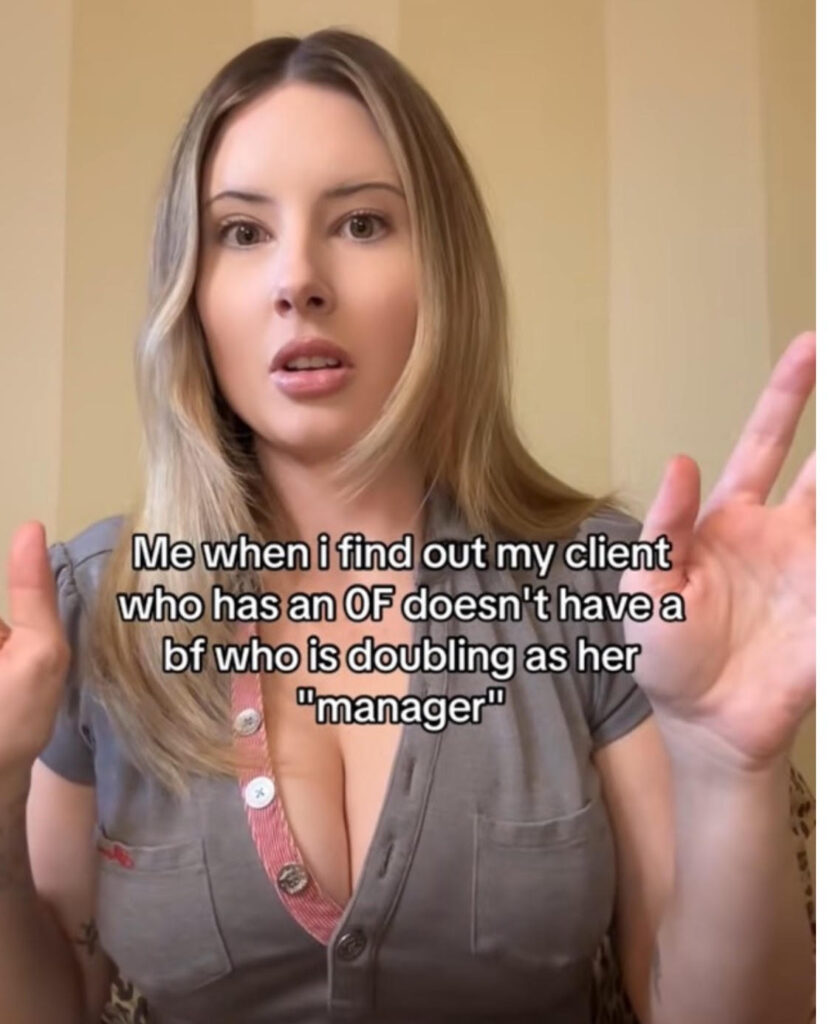
For your first major piece, you spent months attending strip clubs as a patron to understand dancers’ working conditions. How did immersion change your understanding of power, consent, and observation as a writer?
Sawyer: Anthropology is usually a white-man sport. It is a power position to observe, it means you don’t have labour to attend to like most others. Though I was broke and would be later stuck with a colossal bill for my education, I recognize that accruing debt is a privilege. Taking a risk like attending a UC school with no money or plan is a privilege, whether it sounds like one or not. Making a bad decision is a privilege most people cannot afford to do.
I have never been a critic writer, and I pity those that are. If you read my writing, it is very diary-like. I naturally place myself below the person I am observing or asking questions to. I have no idea how someone can immerse themselves in an environment and only look at the negatives. It is entirely selfish. I have always had the mindset: I am lucky to be here, as a writer, a businessperson, anything.
Most self-improvement books probably tell you to shift that thought into I deserve to be at the table, but I don’t find that to be helpful. You have the most power when you lay your balls on the table, tell your readers this is who I am. Being insecure and afraid, and being honest about that in your writing, is the best thing you can do in my opinion.
Not to be pitied, but to be read as what you are: honest. Most of the time, when you hand your power over to a reader or to an interviewee, they hold it preciously and gratefully, and most importantly, momentarily. They most always hand it right back, polished rather than toyed with.
You’ve worked both as a documentarian of sex work and as a manager and consultant within the industry. How do you navigate the ethical tension between representation and participation?
Sawyer: I know you didn’t ask this, but I want to make it clear to your readers that I haven’t participated in sex work. I am not a sex worker. Some people think I am, and that’s fine. I don’t care to clarify for any other reason than this: there are very few women in the porn industry that work behind the scenes and have not been a performer beforehand.
It doesn’t make me better than any of these other women that I haven’t participated in it. However, it makes me a neutral party and I believe that makes me a unique person to come to–I can’t relate. I never will be able to. But I can look at your brand objectively, with no horse (or dick) in the race.
As far as documenting sex workers’ stories, I just feel compelled to do it. I don’t find any ethical tension between that and working for them. I have the “somebody’s gotta do it,” mentality with it. If no press outlets are going to interview these amazing, cool, talented, creative people, then I will. Ideally I would like others to do it because I am such a small fish, but if they refuse, I’ll do it.
I am not really interested in talking about sex work with sex workers anymore though, it’s so redundant and elementary. I want to ask them more layered questions than the typical. I do that now through the lens of my online course, Commodification of Self. I ask sex workers (as well as others in entertainment) to submit essays or do an interview with me based on the concept of commodifying the self.
I am interested in labour in general, in extracting from the self in a direct way. I am bored by shock-value questions people ask sex workers. I have no interest in making [them] look any other way than what they are, which is professional, creative, successful, interesting, kind, responsible, brave, and cool.
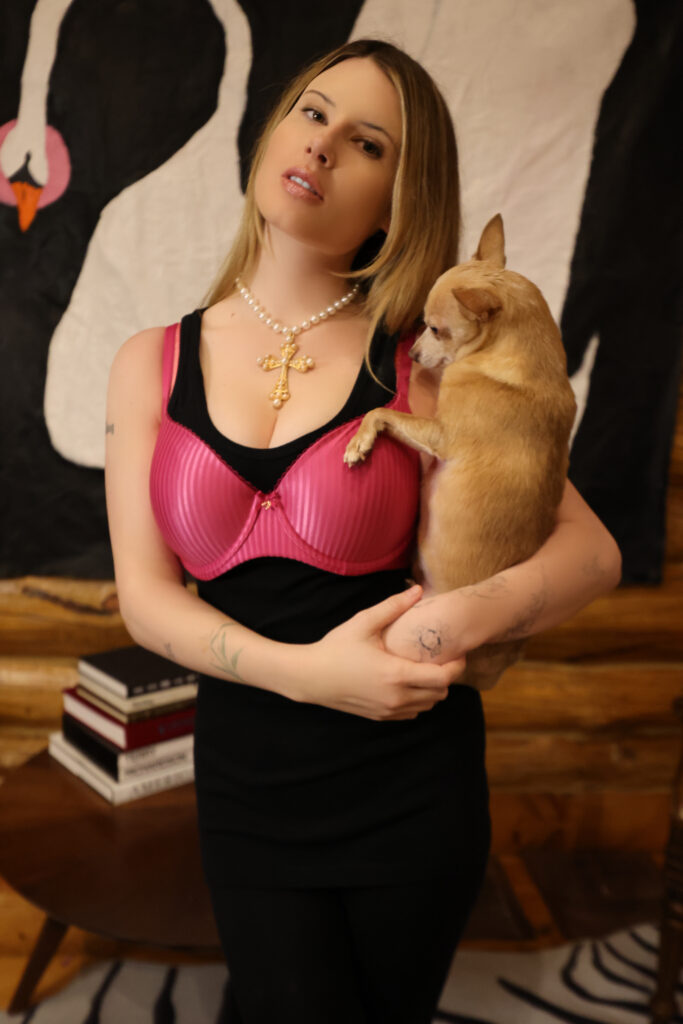
After being hired and fired, by a fraudulent company during the pandemic, you turned to OnlyFans as a publishing platform. What did that moment teach you about precarity, adaptability, and who actually controls access to audiences?
Sawyer: First of all it taught me to never give my contacts to anyone, especially to a man. It taught me that most scammers do not think they are doing anything wrong. It taught me that those with imposter syndrome (myself included), are not imposters, because the real imposters don’t believe they are one. The dude running the “company” made us believe we were working for a major publication, so I got to know a few legitimate publicists to massive celebrities.
That’s when I realized how outdated the model was, how rigid and unadaptable they really were. I realized how afraid they all were at their core, because deep down they knew that they were useless, now that DMs are a thing, and personal branding. Why do they need an interpreter? A gatekeeper? Most publicists shut me down without even asking their clients, telling me so-and-so “wasn’t doing press right now.” It struck me–why are these celebrities only making themselves known when they have a project to promote?
It’s usually not even their project, they’re just going on tour like monkeys promoting other people’s dreams (the filmmaker’s). I don’t actually know anything about them, and wouldn’t buy anything directly from them. Brad Pitt has a skincare brand. What??
That’s when I made my company, Fire Your Publicist, it was called at the time. I didn’t even know what it was going to be. I thought it was going to be a platform where I would sell interviews between me and a celebrity and split the profits with them. I hired a web developer with the money from my fraud job but it was taking too long, so then I just decided I would start with OnlyFans.
It was really just a sex worker platform back then, no B-listers or fitness coaches on there yet. So I knew I had to feature people who were already on the platform. One of the first people I asked to be a part was Stella Barey. The rest is history. I became her assistant, then her manager, then started consulting for and managing others.
OnlyFans is often framed as a sexual platform, but you used it as a publishing and distribution system. What does that say about where media power actually lives today
Sawyer: The power is in the individual. The major press outlets, the major PR companies, are suffering financially and emotionally. They know they are losing power to their clients. I don’t think individuals (clients, talent, etc) have fully realized the power they have. I do think that theme was explored a bit in Rachel Sennot’s I Love LA, especially when Quenlin asks Tallulah (Odessa A’zion) “did Maya get you that, or did your sweat get you that [Balenciaga] bag?” I wish they explored it more, I hope they will in future seasons.
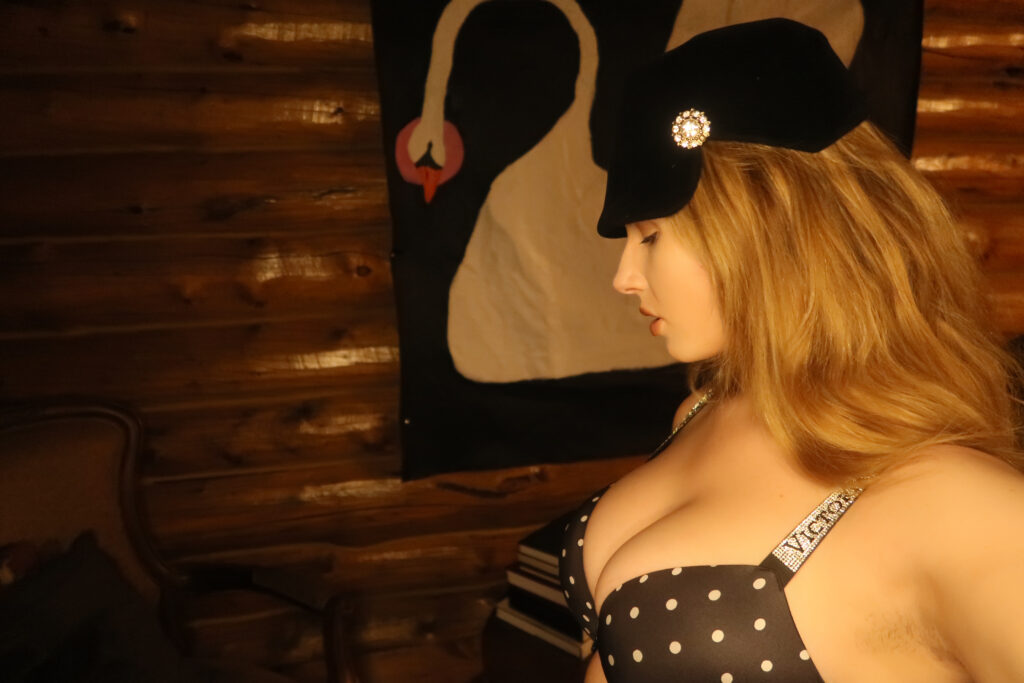
Seeing that “How To Train a Fuckboy” reached over 100,000 readers, how do you think about virality now?
Sawyer: That it is incredibly difficult to achieve. It is both an art and a math equation. And a lot of luck. But I also know that you never know when you will be noticed, “discovered.” People don’t get scouted like they did in the 90s and early 2000s. The agencies take notice of existing audiences.
That kind of sucks to hear as an artist I know, but if you can look at an audience like a scouting agency, it takes some weight off. One day they may just pick you up off the street, at the mall. But they won’t if you don’t go into the mall; they won’t if you don’t leave your house. You don’t have a chance if you quit posting or developing your brand, so just keep going.
Trisha Paytas never stopped posting. Most of her posts flopped. Some hit. Her fandom only really crystallized recently. And she just, for the first time, was noticed by a major talent agency that set her up with touring and bigger brand deals, after 20 years of posting daily on the internet. She’s all the proof anyone should need–who’s to say that you won’t be the van Gogh of your generation? Noticed after you have had a career, made your “best” work. You never know. I always say to clients and friends “your life can change in one single day.”
I wrote a quasi fan-letter-begging-to-work-for-her-plea to Whitney Cummings when I was still in college. I made the paper into a paper airplane and threw it up to her after a stand-up show in San Francisco that I drove up for. I got a single-sentence email back from her a year later. “dear sawyer, just keep going.” I have it framed.
Do you ever feel pressure to sensationalize sex or identity to be heard, even when your work is trying to do something more nuanced?
Sawyer: Everyone already knows: sex sells. I don’t need to sensationalize it from what it actually is. The stories clients have confided in me, most people would not believe. I have this theory that everyone who hated The Idol has never been to Los Angeles or encountered the business of Hollywood. If anything, that show was playing down the disgusting aspects of the industry. It was watered down, mild.
I also believe that getting an already-successful or famous sex worker into mainstream media will do more for sex workers in general than anything else I could do personally. I could be wrong, but this is the form of activism I feel is most well-suited to the capitalistic society I have to participate in. This is the best use of my privilege, power, and natural skills. There is a reason Peta has Pamela Anderson posing naked for them. It is to start conversation, to spark debate.
I look at my work the same way. I can do more for the sex worker community by crossing one over to Hollywood who was already on the outskirts of it. Even that has proven to be nearly impossible. But I believe the success I have had so far and will continue to have, will bring more conversation, attention, and resources to the sex workers who are far away from Hollywood.

You’ve managed and consulted for clients who exist both inside and outside traditional Hollywood systems. What do you think mainstream media still fundamentally misunderstands about sex workers as professionals?
Sawyer: They still look at them as victims. You should see the moment an agent’s face lights up when I tell them how much money a client of mine makes from the sex work content she owns. They suddenly take us seriously and want a piece of the pie, before I so eloquently close that door on them.
Some of the biggest agencies in the world have blatantly threatened some of my clients that they can never return to, or must quit online sex work if they are to be hired for a movie, etc. They don’t believe, they are committed to misunderstanding actually, that a sex worker can be both an active participant in porn and an active participant in Hollywood. I don’t get it. It is beyond frustrating to me. They think sex sells, but not if it actually does.
They also don’t understand the importance of letting sex workers tell their own stories. If a man that has never done sex work wants to write a script about them, that’s fine. But get them in the room. If for nothing else, do it for the optics. It’s not a good look to turn your back on a marginalized group, or shut them out after you have extracted their stories. Do you know you have thirty minutes? Yes, thirty, thirty, yes (that TikTok sound is blaring through my head right now).
How does being young, non-exclusive, and deeply online change the way you approach management compared to legacy publicists or agencies?
Sawyer: It is both an advantage and a disadvantage. I am young (I think…27?), and sociable, a good talker. Relatable. I self-disclose to my clients a lot. They all know I struggle with mental health. Being open and honest helps me to attract clients, land deals with them and for them. It’s a disadvantage to actually care. It really is. You can do incredible things for a client if you have no emotional attachment to them. If you look at them like a puppet. Look at what these legacy agencies have done for people. That’s something I will never be able to compete with.
Business is a skill that I actually don’t think I have a knack for. I tell my boyfriend all the time: “I’m great at making money, but I’m a terrible businesswoman.” I thought about writing a response book to Kelly Cutrone’s If You Have to Cry, Go Outside. I became friends with her daughter, Ava, who is encouraging me to write it though I was half-joking when I told her.
As Hollywood continues to rot, and money continues to coagulate to streaming platforms turning them into monopolies, I think the agencies will be forced to scale down. The ones with the best reputations now (Untitled, Gersch, Range), are all (for now) boutique or quasi-boutique. They all pulled agents and managers from top talent corporations.
Not caring and having no compassion for clients is becoming less and less of a good tactic in Hollywood, and I’m fine waiting that out. I don’t ever want to be an “I told you so” kind of person, or always be way too ahead of my time and bitter about it. I’m happy with where I’m at and I’ll be here if anyone needs me. I’ll do it my way, you do it yours.
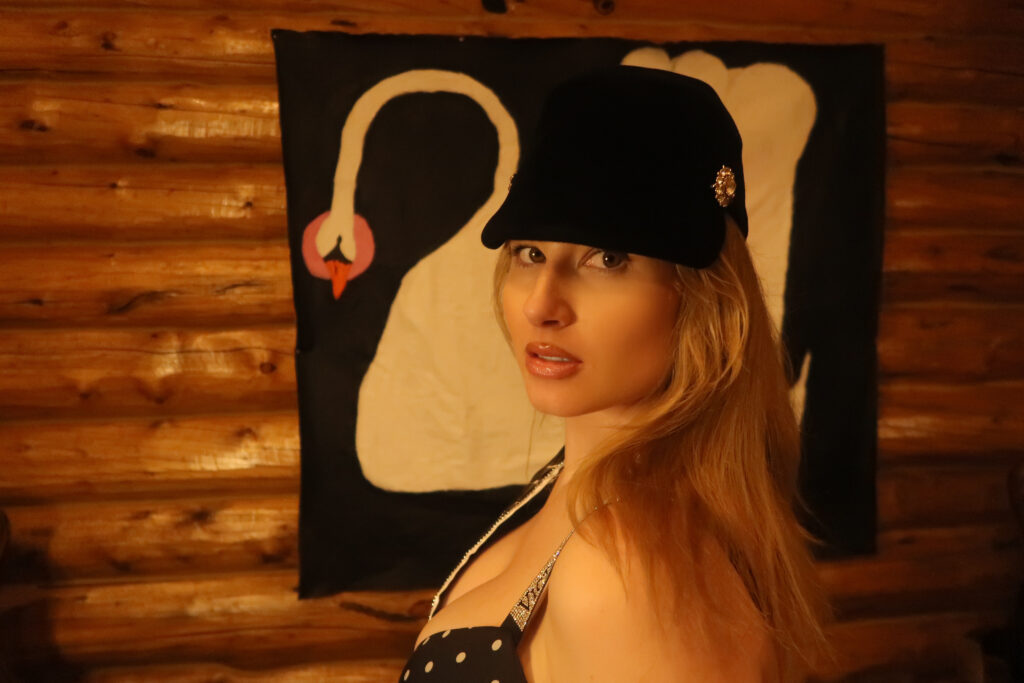
You’ve said your mission is to build a safer world through destigmatization and decriminalization of sex work. What does “safety” actually mean to you in practical, everyday terms?
Sawyer: It’s not safe to be a sex worker in the U.S, even if you are a famous and successful one abiding by all of the laws. I have had many millionaire clients have banks pull the rug out from under them. Send them a check in the mail to an address they don’t live in anymore. Refuse to do business with them with no explanation provided.
Sophia Giovanitti’s book Working Girl woke me up to a lot of the unsafe conditions that those working on the street, in massage parlors etc face every day. One of the things that struck me was the common use of drugs between both client and escort in hotel rooms. The client (the one who hired the escort), will likely not call for an ambulance or police if an overdose occurs, and vice versa, due to its illegality and/or stigmatization.
The other thing I am deeply concerned about is the continuous threat of a porn-ban in America. That will make our country unbelievably unsafe. The demand for porn will not magically go away, nor will the production of it. The difference is, it will turn into the wild wild west, with no rulebook to go by.
There will be no consent, age verification, or safety procedures that the porn industry currently does and takes very seriously. This is a legislative issue that may be out of our hands, but we have to remember that the government follows suit to society. We have to make it not embarrassing, shameful, or bad to watch porn. When we do, addiction or obsession, or any negative consequences, cannot be addressed.
Can you tell me about why it was it important for you to build a client base that spans both sex workers and more traditional artists or public figures?
Sawyer: It is important in the sense that if I am going to be screaming from the mountaintops how much I care about sex workers, then I have to participate in treating them equally, and the way I can do that other than just talking about it is through my business.
I have to put my money where my mouth is. What I am doing through my work and my representation of sex workers alongside actors, models, and artists is a statement to the world. It is a moral duty of mine, and an ode to my studies. It is also a want. It is also a mode of business. It is also genuinely filling a hole (no pun) that was there before, that was sitting pathetically untouched.
No one thinks to build the personal brand of niche creators and sex workers. The “advice” before me has mostly come from male-ran OnlyFans agencies that send out generic group texts to all of their clients wanting them to recreate a horny dance TikTok. That’s not strategy, that’s a one-size-fits-all, lazy way to try to squeeze out profits while limiting labour and effort from you and your employees. In my opinion, it’s just bad business too. I don’t get it. Why would you not want to build a sustainable business for your clients?

Looking back at the version of yourself publishing on Medium, what do you think she underestimated, and what did she understand before anyone else did?
Sawyer: Back then, she underestimated the power of writing. How far it can really take you. She did understand (thanks only to her sister) the power of putting yourself out there and being absolutely fearless and unashamed to ask people for interviews, and for their time. Everyone is a narcissist, and everyone’s favorite topic is themselves. It’s really easy to become a writer, and to go far as one, if you know how to appeal to people’s egos.
What keeps you motivated to keep pushing against systems that often resist change?
Sawyer: The audacity of men. It never fails to shock me, disgust me.
Ok Sawyer, now to something totally different. In a parallel universe who would you be? and what would you be doing?
Sawyer: I always say I wish I was a dumb actress. I don’t think actors and actresses are dumb at all. But I wish I was both dumb and a stupidly-successful actress. One of those ones that just does not make sense at all but they keep getting richer. Maybe like a JLO. That’s really funny to me. I am not bitter about her, I find it hilarious that she just keeps becoming more and more successful. JLO, parallel universe, final answer.
Outside of being a publicist, what’s something you’re obsessed with right now, maybe a hobby, a show, or even a food, that keeps you grounded or inspired?
Sawyer: The Real Housewives of New York. The Berkshire episodes at Dorinda’s house. There’s something about especially Dorinda that gives me such a warm and comforting feeling. I love her. I wish she was my aunt.
Can you tell me a story about a time when a connection with someone had a big impact on you?
Sawyer: I think back to one of my high school best friends, the one that used to smoke weed with me every morning before class. We would wake up at 5AM, she would pick me up in her white Jeep. We would blast the music we had found on Soundcloud the night before. Sometimes, one of us would be in distress and we would comfort the other. She usually had problems with men she was dating that were, looking back on it, pedophiles. We were sixteen. I usually had problems with my family.
We would bring a bong out to the cliffs looking over the ocean at a beach called Terramar in Carlsbad, CA. We both, by that point, had quit competitive surfing. She was one of the best in the nation at one point. We would watch the surfers and laugh, like we had it all figured out.
Who would, on their own conviction (we both had tiger dads), get into a still-wet wetsuit at six in the morning and get in the water? We would smoke so much to the point of red eyes and maniacal laughter. We would count our quarters to get 2 muffins each at the coffee shop afterwards, dissecting them and gossiping.
It was a really special moment in time. I lost contact with her, and every time I think of her I get a haunting yet beautiful feeling that I can’t describe.

What qualities do you find most important in the people you choose to spend time with?
Sawyer: The ability to laugh at the terrible parts of life, to find levity in the most serious of situations and the darkest of each other’s depression. It sometimes is really so funny to think about how seriously we all take things. It’s ridiculous. And I find it so, so important, especially as I get older, to laugh. That is a priority in my life.
Anybody you look up to?
Sawyer: I think I might keep that one a secret. Someone always has something negative to say when you tell them who you look up to, especially when you live in LA. I have met some heroes and it is, as they say, disappointing and jarring. I am not in the mood right now to hear that you had a threesome-gone-awry with the person I look up to.
What motivates you?
Sawyer: Dogs.
How would you describe a perfect day?
Sawyer: One long continuous dinner party with all of my favorite people in the world. Wine, good food, laughter, games, deep conversations.
Alright Sawyer, I always ask these two questions at the end of an interview. The first is. What’s your favorite movie(s) and why?
Sawyer: Kill Bill – I watch it when I need motivation and to push through tough situations, particularly the scene when Uma punches through the coffin she is buried alive in. Don’t come for me, I am no cinephile or Tarantino fan. James and the Giant Peach – It gives me fall vibes, elementary school nostalgic classroom feelings. Eyes Wide Shut – The aesthetics. Tom and Nicole’s prime.
The second is. What song(s) are you currently listening to the most right now?
Sawyer: Sunshine Benzi’s Trump the Bill.