
Share this
Before Ana Mendieta became an art-historical symbol, she was making images that felt almost too alive to stay still. A body pressed into mud. A silhouette burning in the landscape. Blood dragged across paper. Flowers, fire, water, stone, skin, and earth turned into a language of exile, ritual, violence, and return.
At Tate Modern, a major new exhibition places that language back at the centre. Running from July 15, 2026 to January 17, 2027, the show marks the UK’s first major presentation of Mendieta’s work in more than a decade, bringing together over 120 works across photography, film, painting, sculpture, and site-responsive installation.
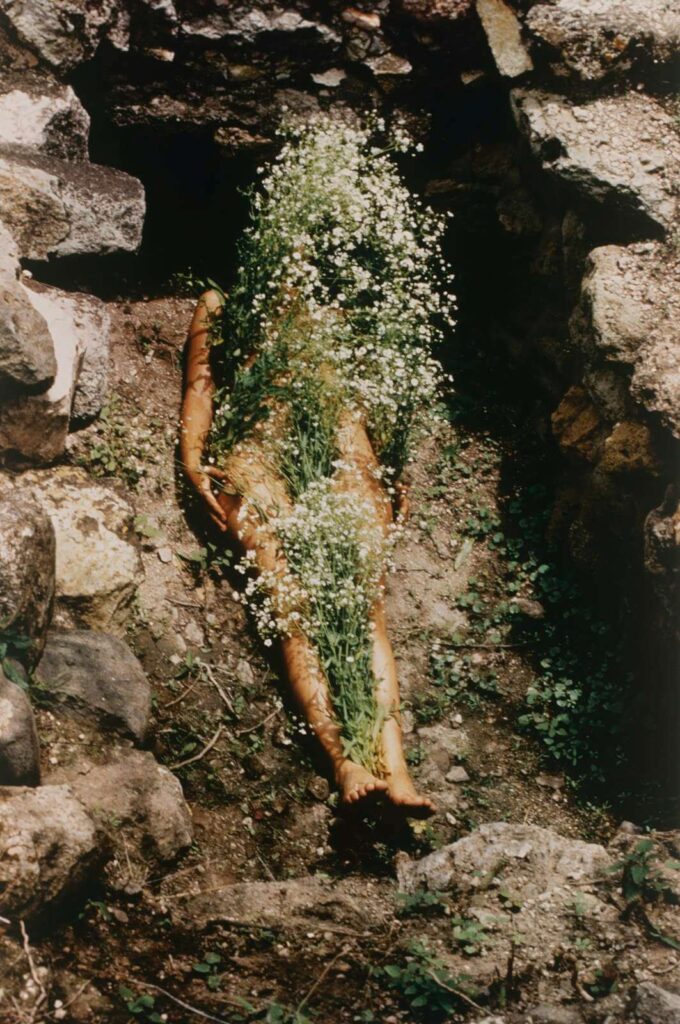
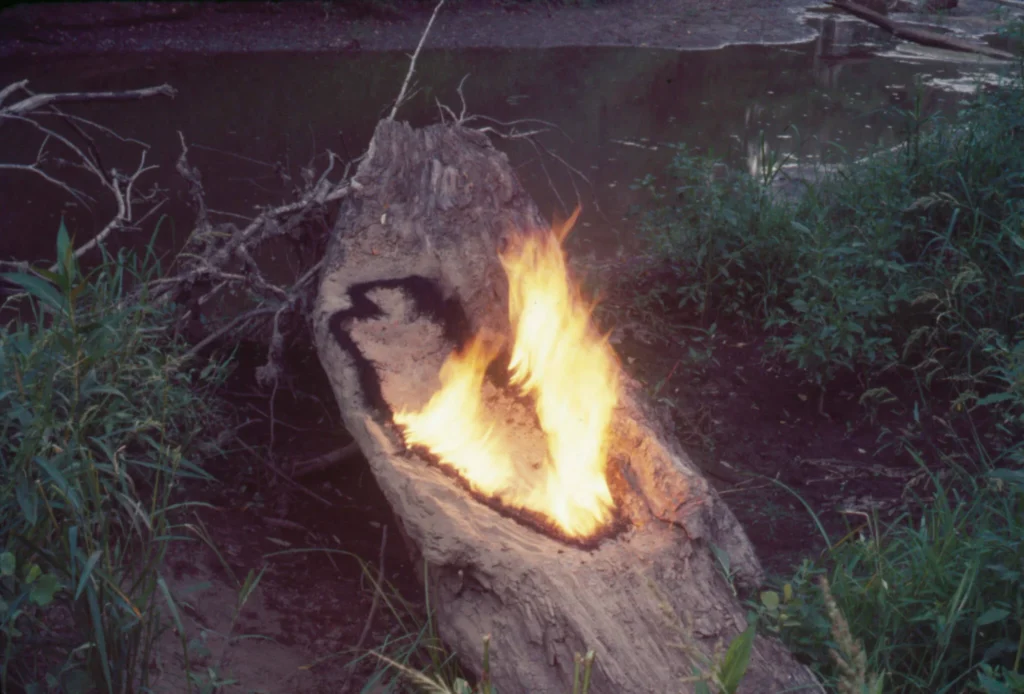
Born in Havana in 1948 and sent to the United States as a child, Mendieta carried displacement into the core of her practice. Her work often feels like an attempt to reconnect the body to land, ancestry, spirit, and memory after history has torn them apart. The body is there, but not always present in a conventional sense. Sometimes it appears as an outline, a wound, a trace, a burn mark, a cavity, or a temporary ritual left behind for the camera to hold.
That is what makes her Silueta works so powerful. Created across landscapes in Mexico, Iowa, and beyond, they use the shape of the female body as something both intimate and cosmic. Mendieta’s silhouette becomes a mark of presence and absence at once: a woman returning to the earth, disappearing into it, and insisting that disappearance can also become a form of visibility.
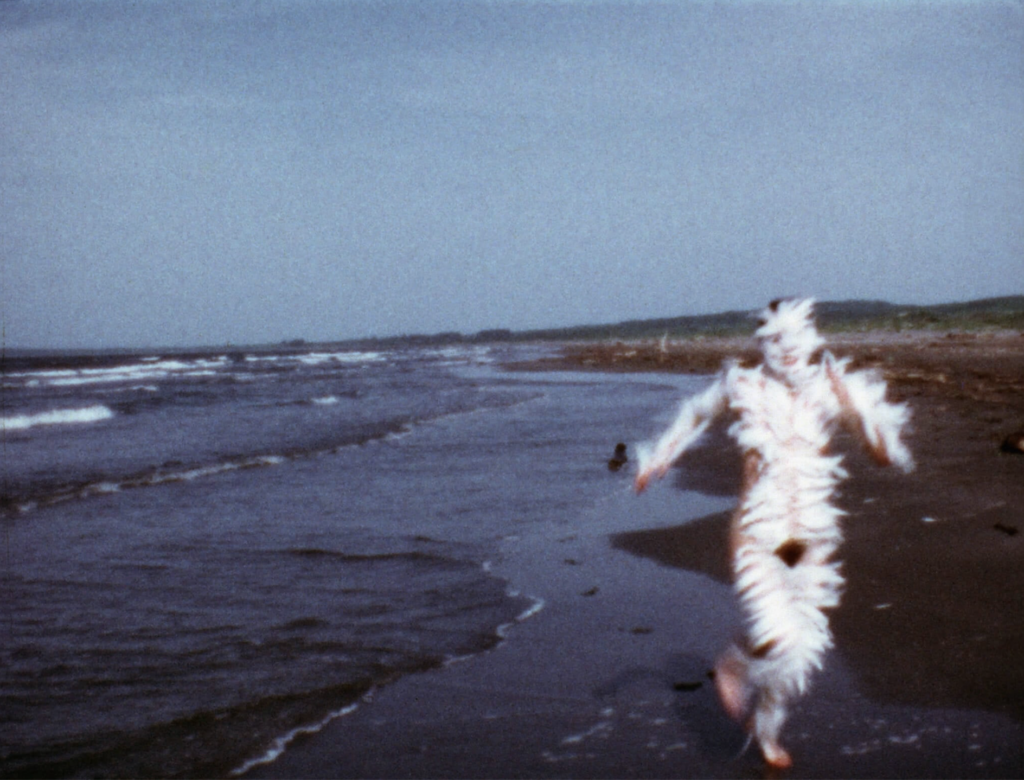
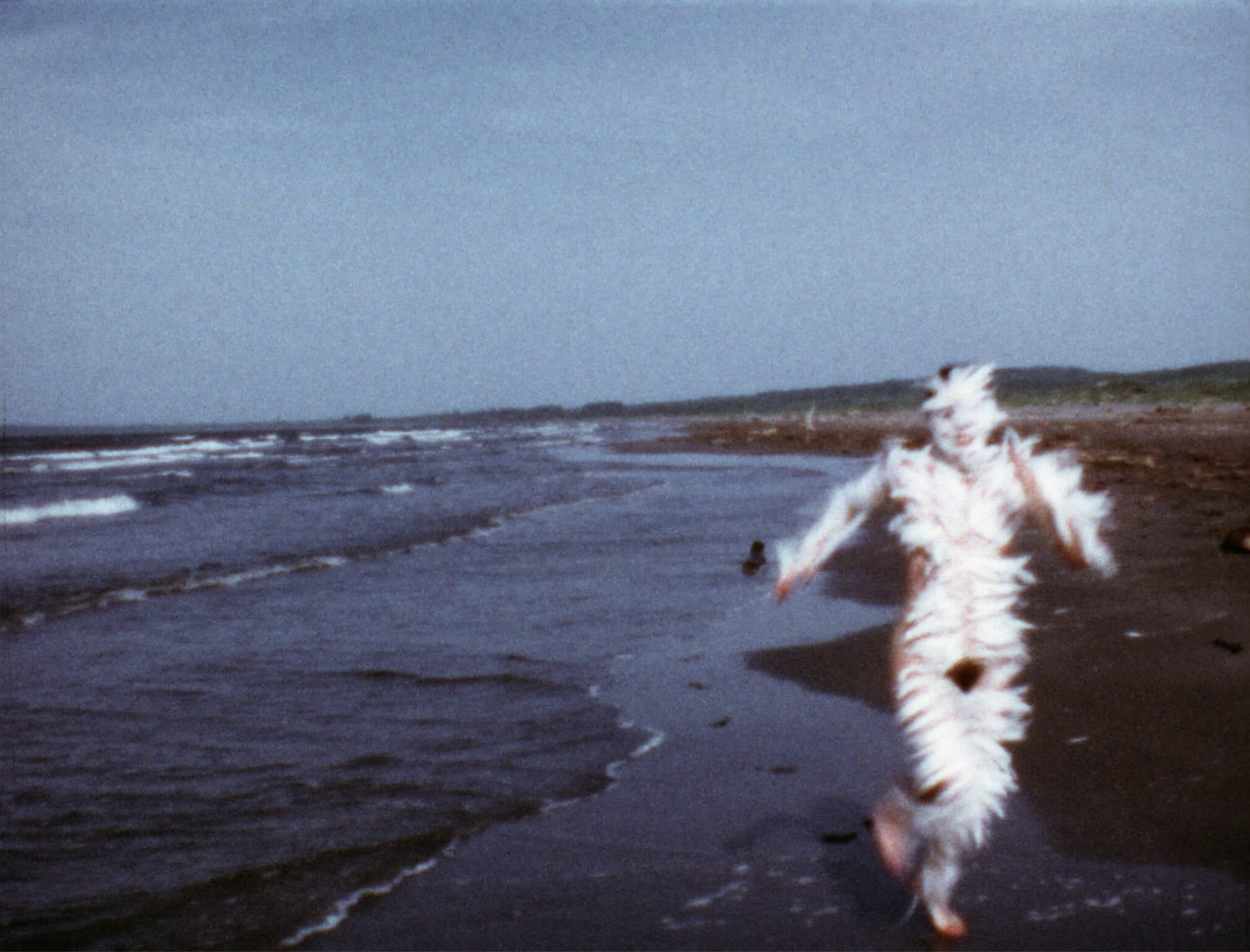
The Tate exhibition also includes newly restored films, early paintings, later sculptural pieces, and works that show how far Mendieta’s practice moved beyond any single category. She was not simply a performance artist, a feminist artist, a land artist, or a body artist, though all of those terms touch her work. She was building a vocabulary where nature, myth, gender, migration, spirituality, and political violence could exist inside the same gesture.
Mendieta’s legacy has often been shadowed by the circumstances of her death in 1985, when she fell from a New York apartment window at the age of 36. But to approach her only through that tragedy is to flatten the force of what she made. Her art was already confronting disappearance, danger, embodiment, and memory long before the art world turned her life into a contested narrative.