
Share this
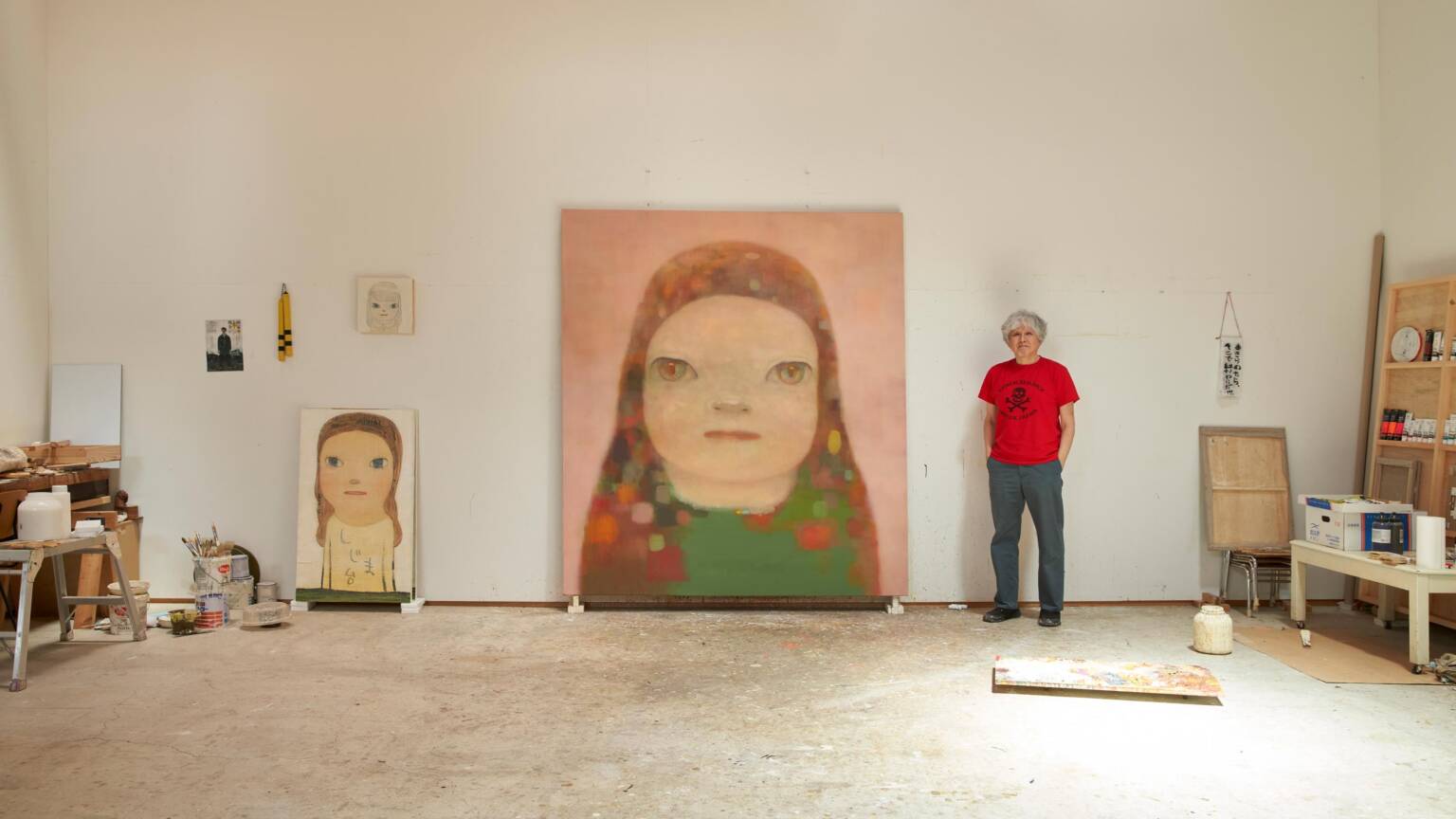
Yoshitomo Nara’s figures have always looked like they know more than they should. Wide-eyed, quiet, wounded, stubborn, and strangely powerful, they sit somewhere between childhood and resistance, sweetness and refusal, vulnerability and a small private war against the world.
This autumn, that emotional universe comes to David Zwirner’s Chelsea galleries in New York, where Nara will open his first major solo exhibition in nearly a decade on October 29, 2026. The show also marks the Japanese artist’s debut with David Zwirner, bringing together new paintings, monumental drawings, sculptures, and earlier works selected by the artist himself.
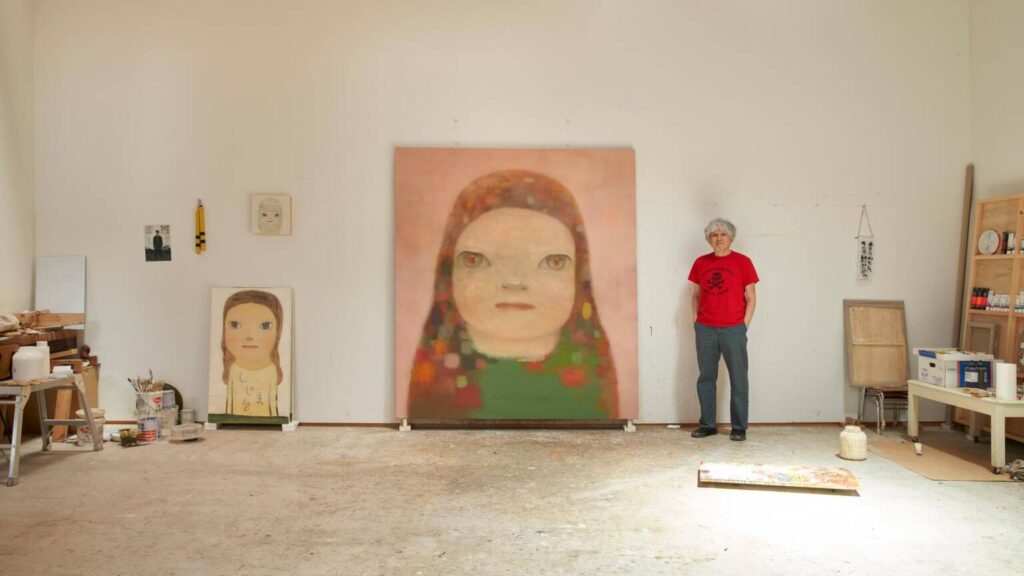
The exhibition places four decades of practice in conversation, pairing works from the 1980s with paintings completed in 2026. That span matters. Nara’s language may be immediately recognisable, but it has never stood still. His figures have shifted in tone, surface, scale, and emotional temperature, becoming less like characters and more like states of mind.
In the new paintings, Nara returns to the front-facing portrait, building faces through muted palettes, translucent acrylic washes, and layered surfaces. The result is a kind of quiet intensity. Nothing shouts, but everything vibrates. A childlike face becomes a field of feeling: anger, loneliness, humour, memory, suspicion, tenderness, all held in a single stare.
Drawing remains central to the show. Monumental monochrome works made with industrial paint sticks preserve the directness of gesture, while Nara’s so-called “line” paintings translate the raw energy of notebook sketches into luminous canvases. The small, fast mark becomes something larger, but without losing its nervous immediacy.
At David Zwirner’s 19th Street space, the exhibition expands into sculpture with thirteen monumental bronze worksbased on palm-sized clay studies. Finished in matte white urethane, they echo the snow-covered “monsters” of Nara’s childhood in northern Japan, turning memory into something architectural, silent, and almost mythic.